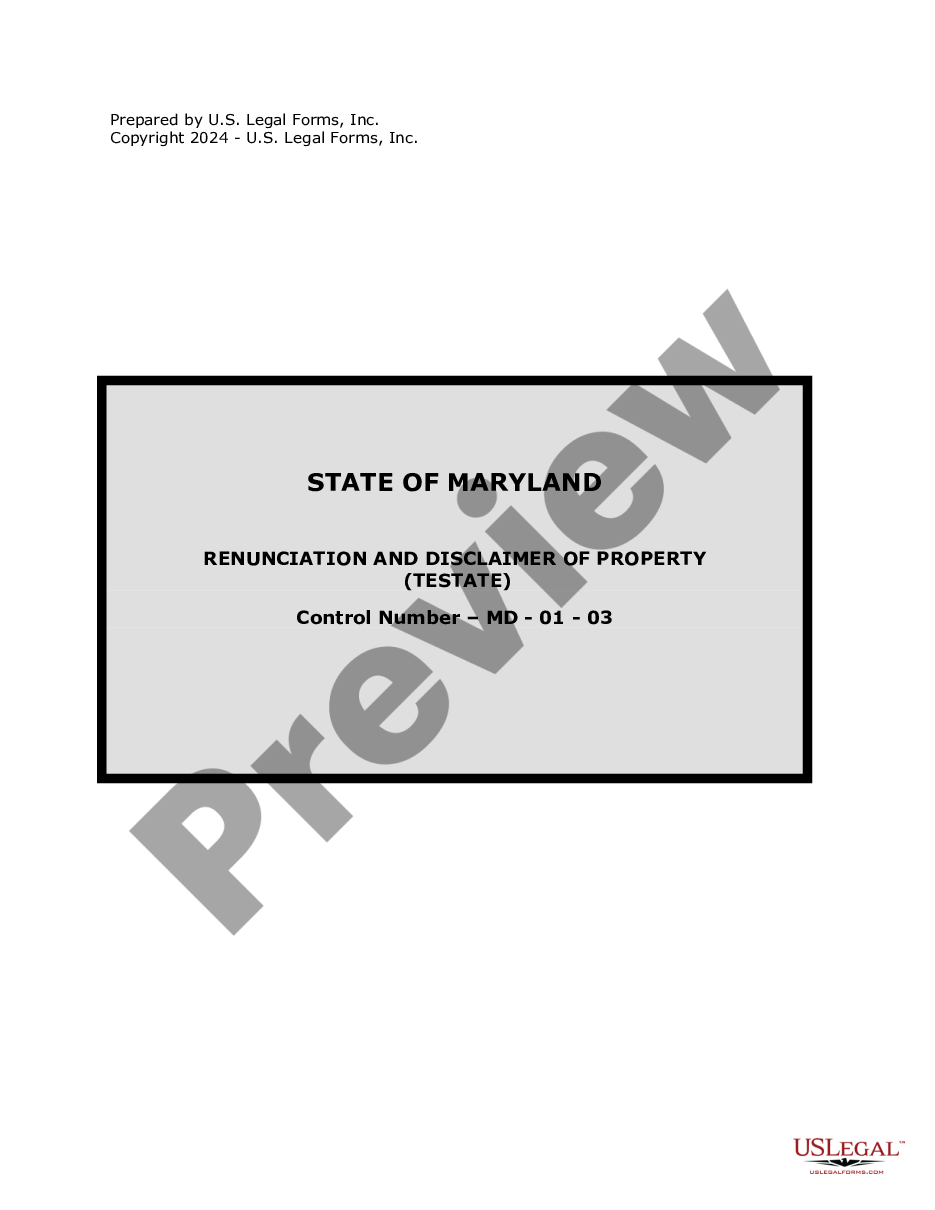
Maryland Renunciation and Disclaimer of Property from Will by Testate
What is this form?
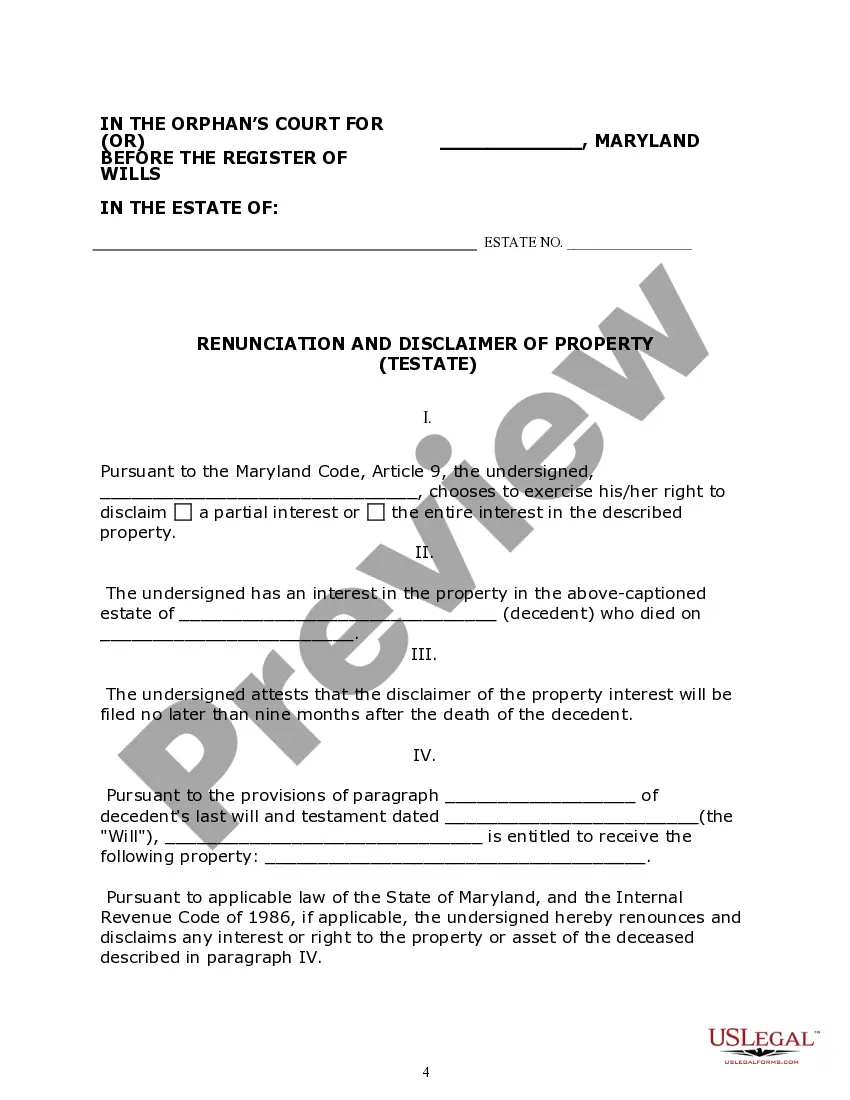
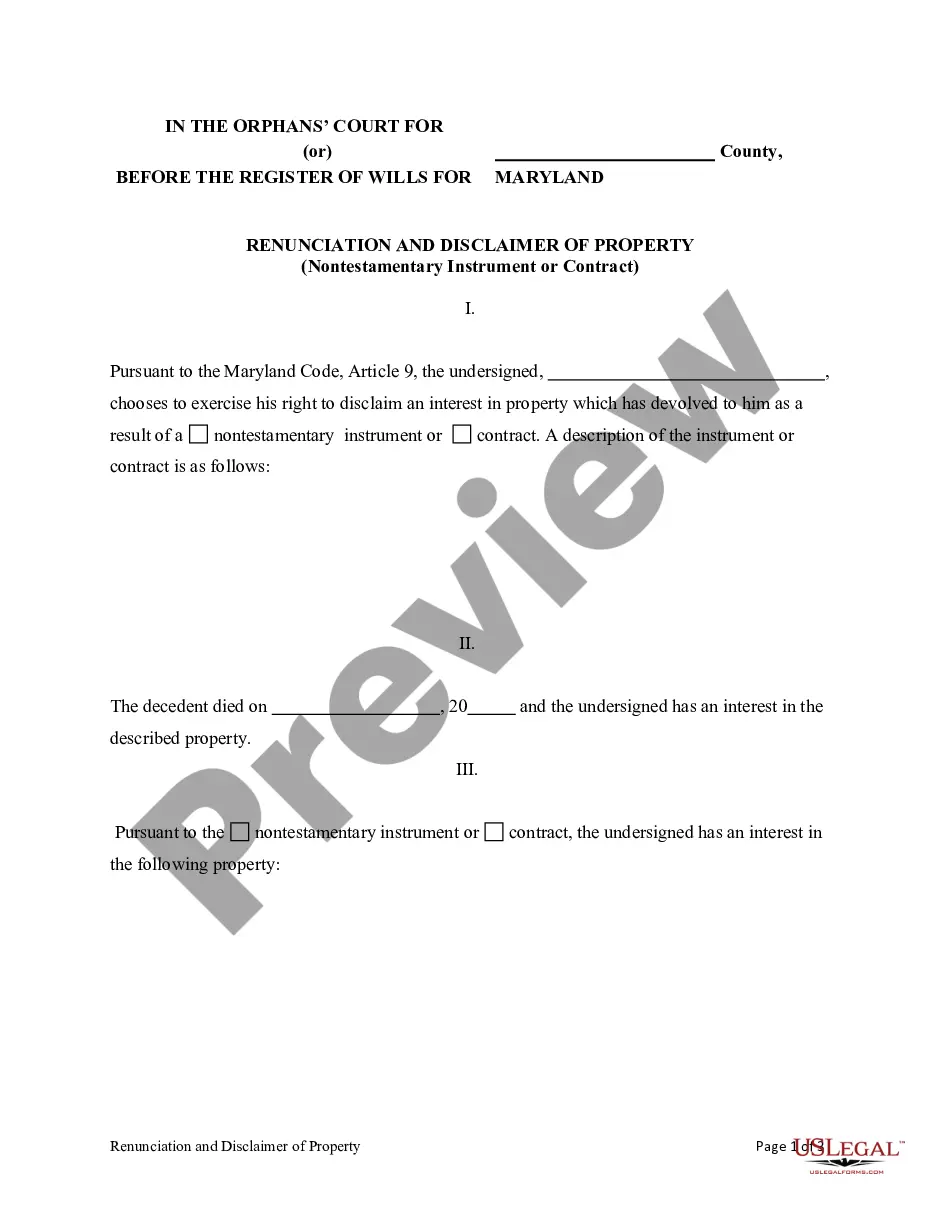
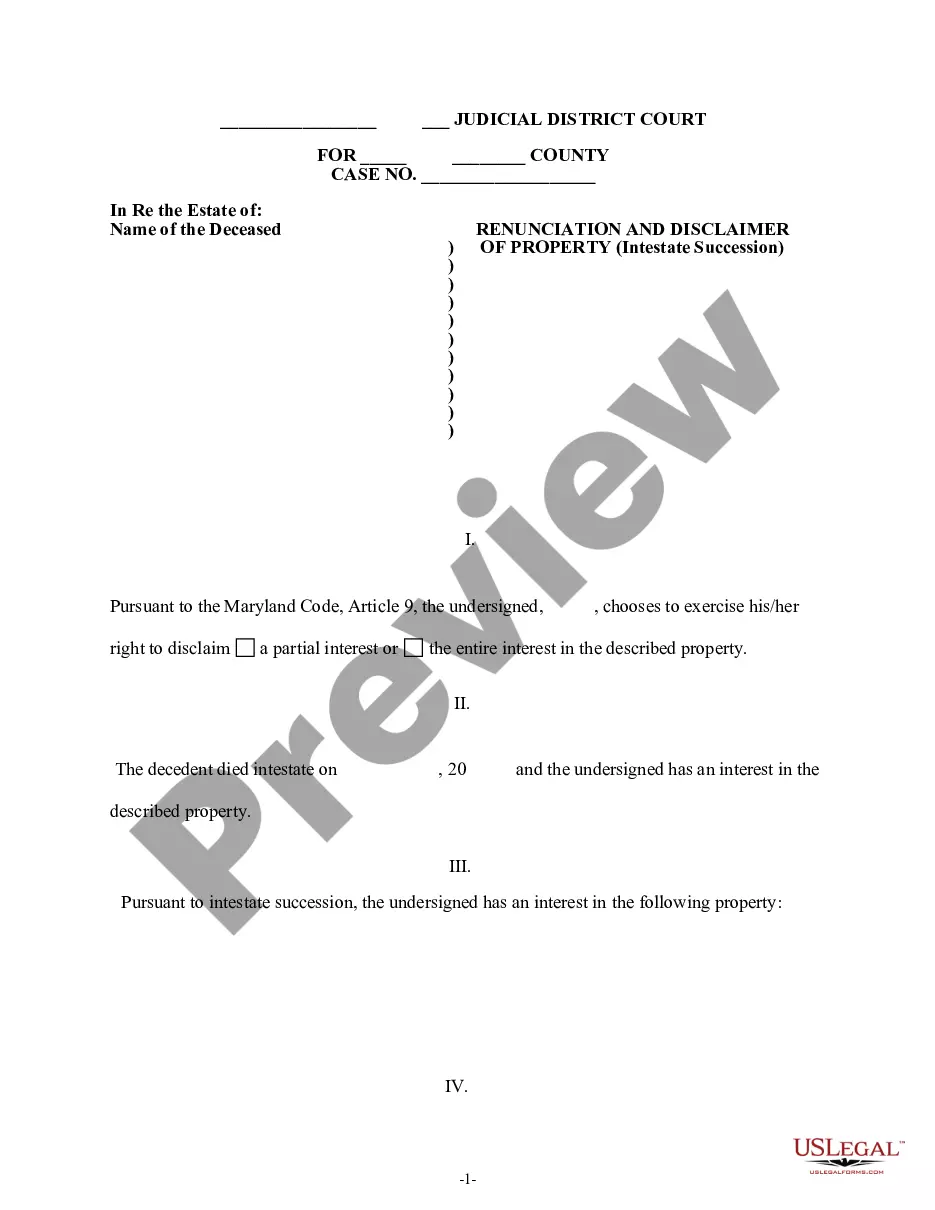
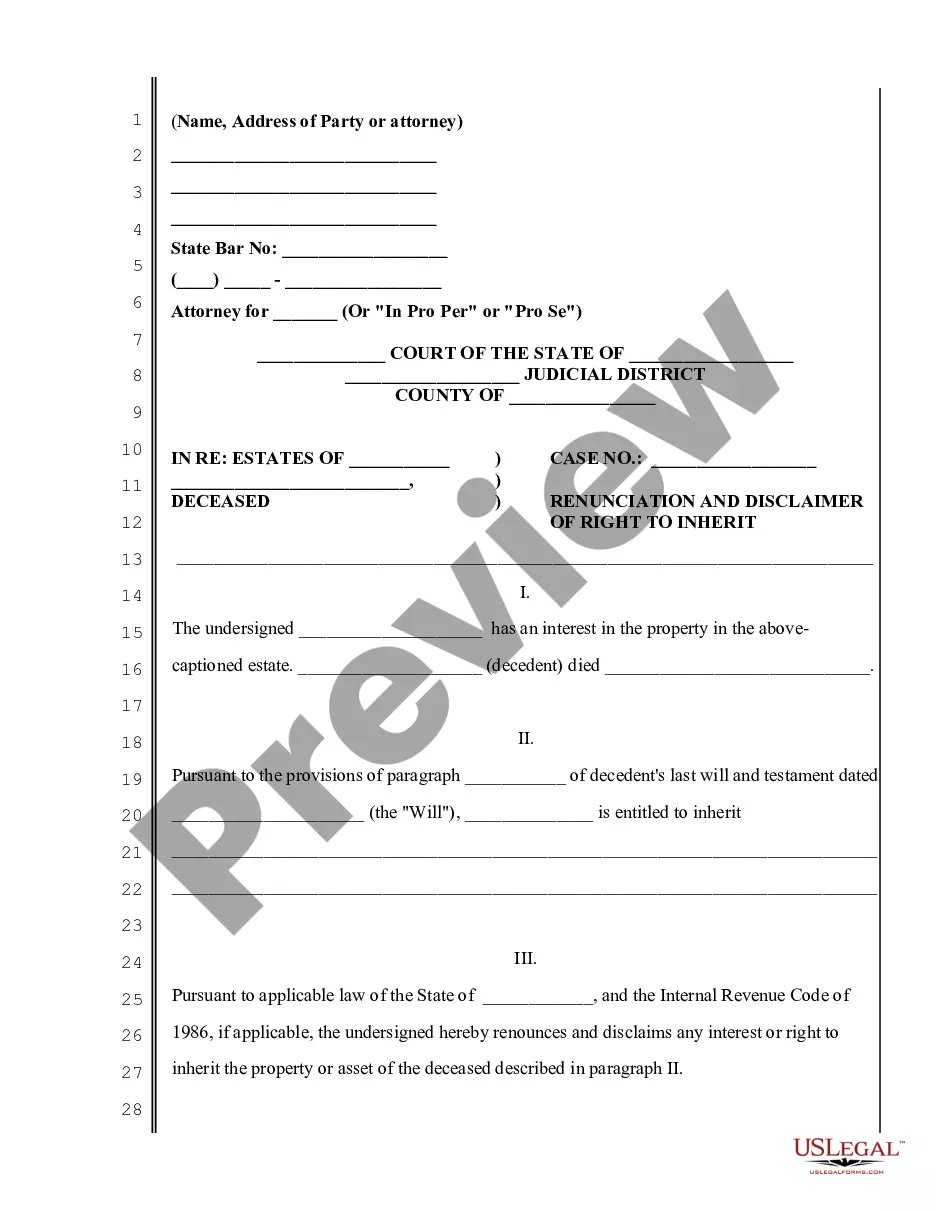
The Maryland Renunciation and Disclaimer of Property from Will by Testate is a legal document that allows a beneficiary to formally decline an interest in property inherited through a decedent's will. By using this form, beneficiaries can choose to renounce a portion or the entirety of the property they are entitled to, ensuring that it is passed on according to the decedent's wishes and state law. This form is essential for beneficiaries who wish to forfeit their rights to property they would otherwise inherit, differentiating it from other estate planning documents.
Key components of this form
- Identification of the beneficiary and the decedent
- Specification of the property being disclaimed
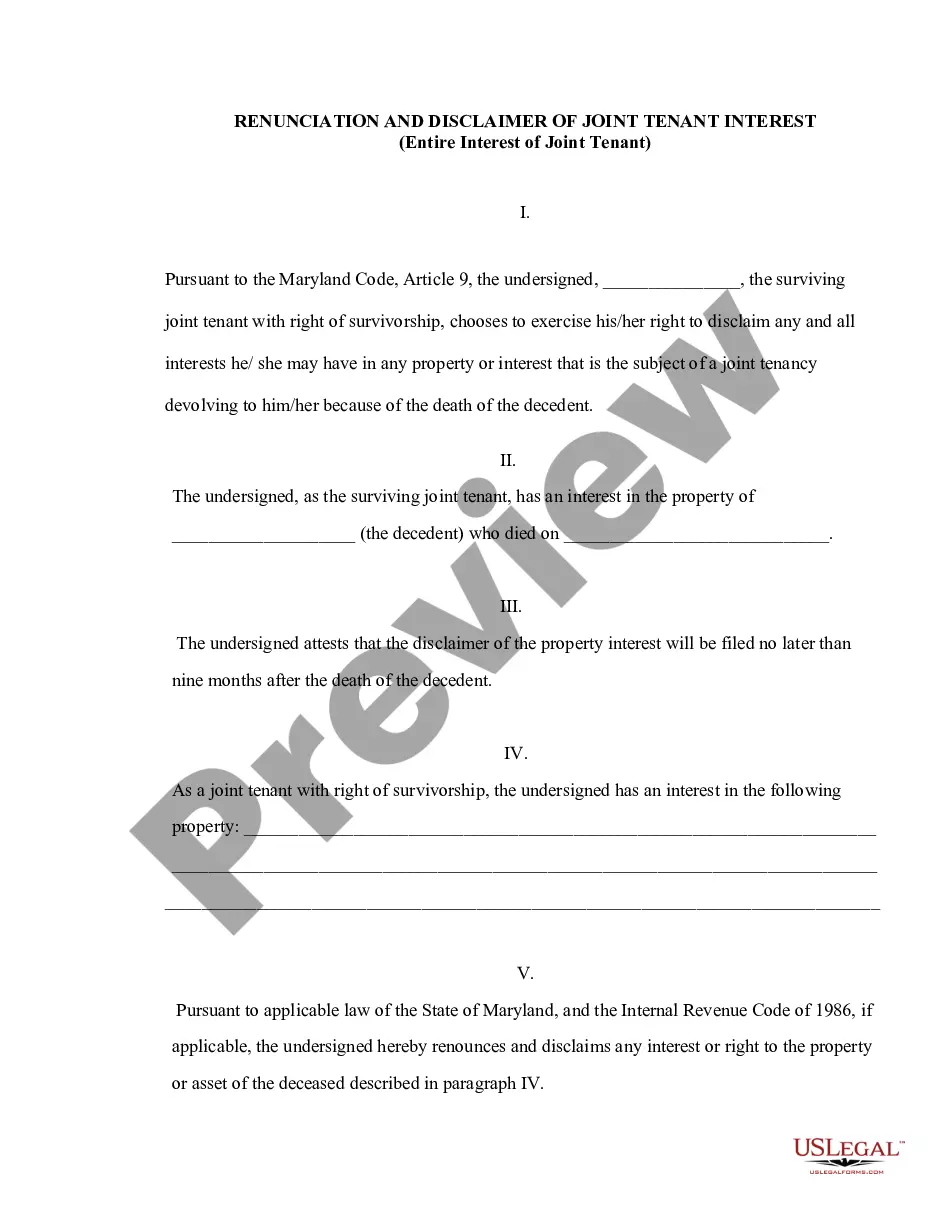
- Statement affirming that the disclaimer will be filed within nine months of the decedent's death
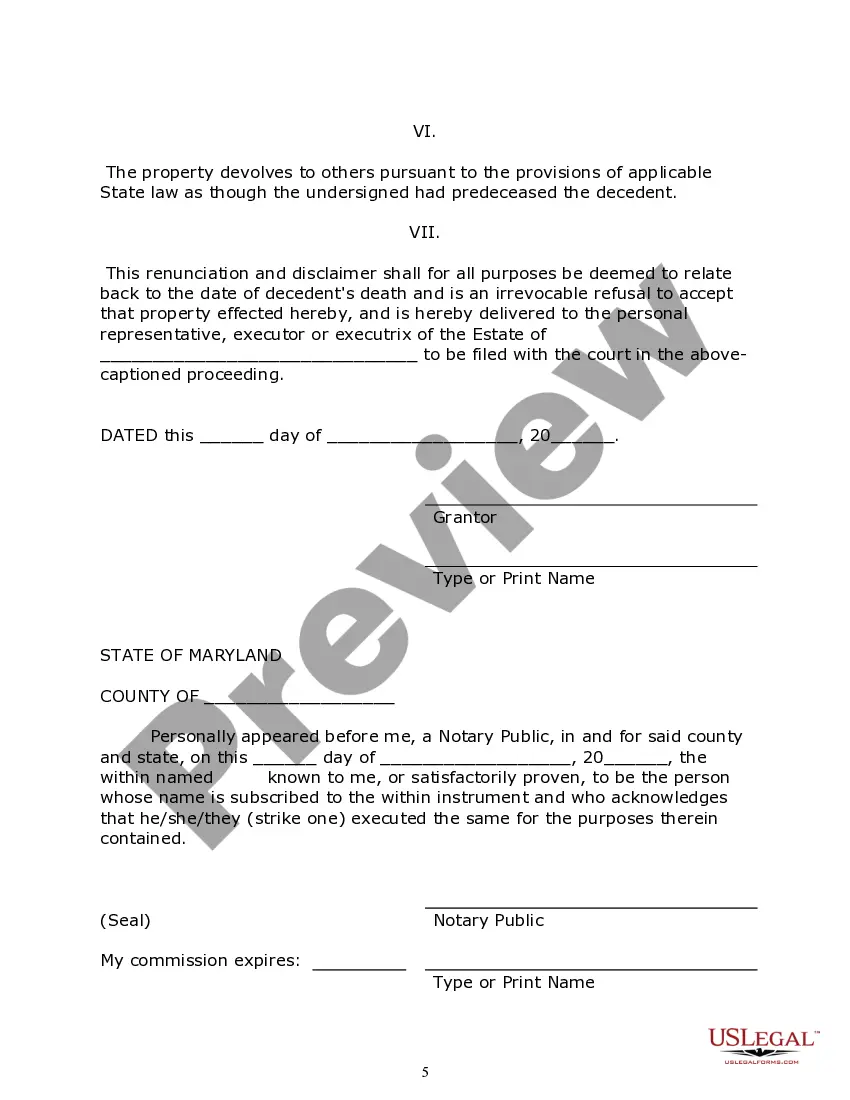
- Legal acknowledgment to ensure compliance with Maryland laws
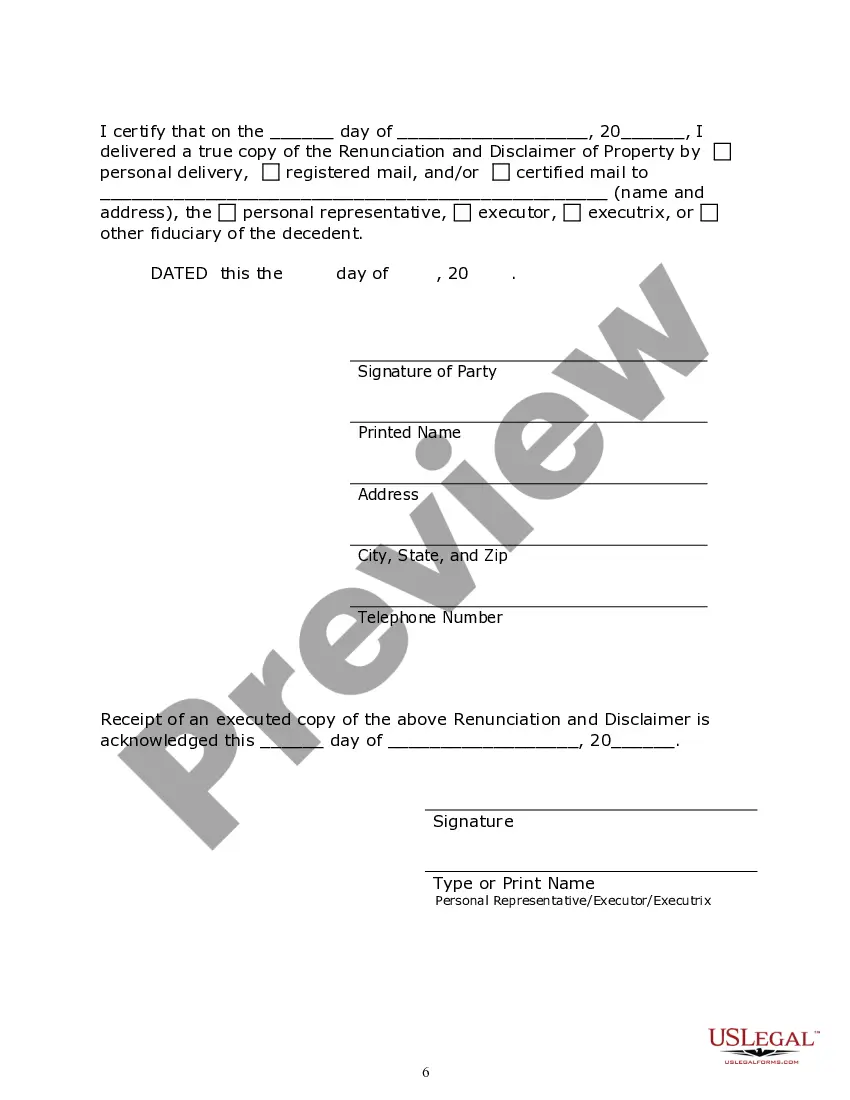
- Certificate of delivery to confirm the notice of disclaimer

When to use this form
This form should be used when a beneficiary of a will in Maryland chooses to decline their inherited property rights. Common scenarios include situations where the beneficiary does not wish to assume the responsibilities or liabilities associated with the property, or when it is financially beneficial for the beneficiary to disclaim the interest for estate or tax purposes. It is crucial to file this document within nine months following the decedent's death to maintain its validity.
Who this form is for
This form is intended for:
- Beneficiaries listed in a decedent's will who wish to renounce their property interests
- Individuals seeking to clarify their legal rights regarding contested or undesirable inheritances
- Heirs or beneficiaries concerned about liabilities tied to assets they would inherit
Instructions for completing this form
- Identify the beneficiary and provide the decedent's details, including name and date of death.
- Specify the property or interest being disclaimed, referencing applicable paragraphs of the will.
- Include a statement confirming that the disclaimer will be filed within the required nine-month period.
- Sign the form in the presence of a notary if necessary and ensure all required fields are completed accurately.
- File the completed form with the appropriate estate administration office in Maryland.
Notarization guidance
This form does not typically require notarization unless specified by local law. However, it is advisable to have the disclaimer notarized to solidify its validity and ensure all legal standards are met in Maryland.
Get your form ready online
Our built-in tools help you complete, sign, share, and store your documents in one place.
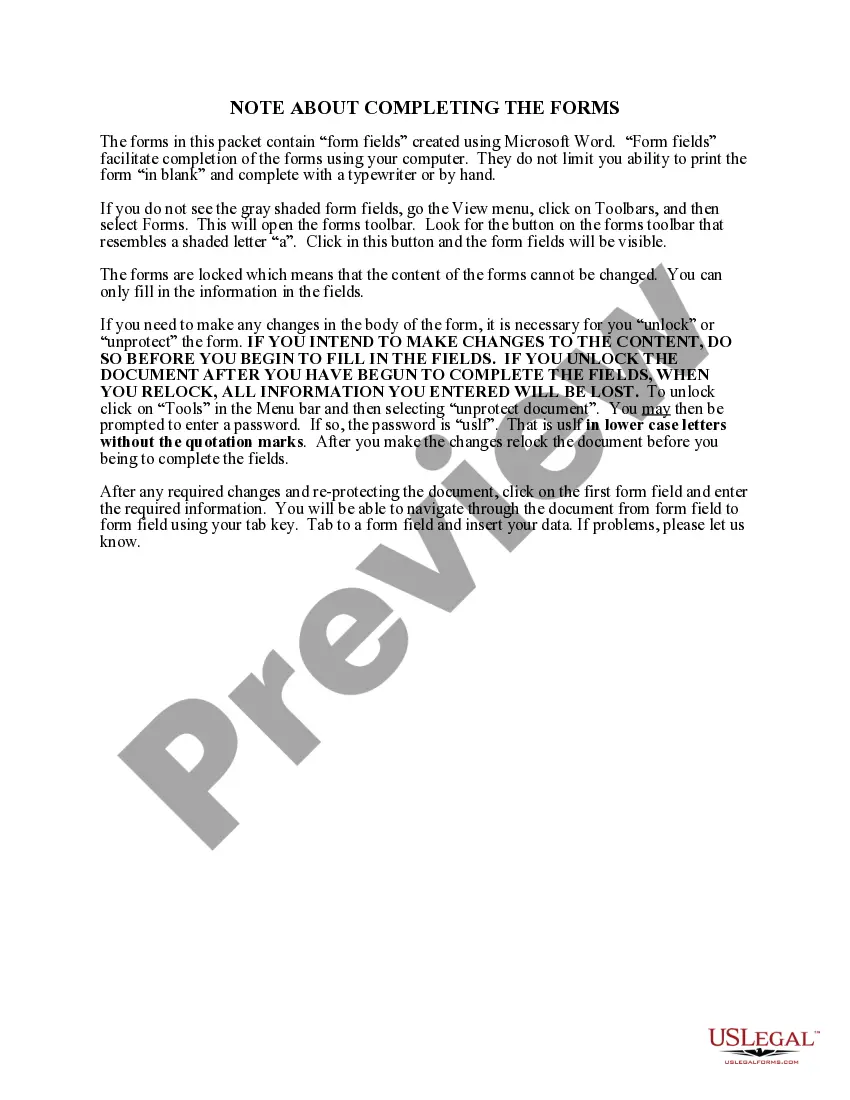
Make edits, fill in missing information, and update formatting in US Legal Forms—just like you would in MS Word.
Download a copy, print it, send it by email, or mail it via USPS—whatever works best for your next step.
Sign and collect signatures with our SignNow integration. Send to multiple recipients, set reminders, and more. Go Premium to unlock E-Sign.
If this form requires notarization, complete it online through a secure video call—no need to meet a notary in person or wait for an appointment.
We protect your documents and personal data by following strict security and privacy standards.
Make edits, fill in missing information, and update formatting in US Legal Forms—just like you would in MS Word.
Download a copy, print it, send it by email, or mail it via USPS—whatever works best for your next step.
Sign and collect signatures with our SignNow integration. Send to multiple recipients, set reminders, and more. Go Premium to unlock E-Sign.

If this form requires notarization, complete it online through a secure video call—no need to meet a notary in person or wait for an appointment.
We protect your documents and personal data by following strict security and privacy standards.
Common mistakes to avoid
- Failing to file the disclaimer within the nine-month deadline.
- Omitting required information about the property or the decedent.
- Not having the form properly notarized if required.
Advantages of online completion
- Convenient access to download and complete the form at your own pace.
- Editability allows you to customize the document without extensive legal knowledge.
- Reliability of templates drafted by licensed attorneys to ensure compliance with Maryland law.
What to keep in mind
- The Maryland Renunciation and Disclaimer of Property from Will by Testate allows beneficiaries to disclaim their inheritance.
- Timely submission within nine months is crucial for the disclaimer to be valid.
- The form must include details of the property being disclaimed and pertinent identifying information.
- Consultation with an attorney is advisable for complex situations.
Looking for another form?
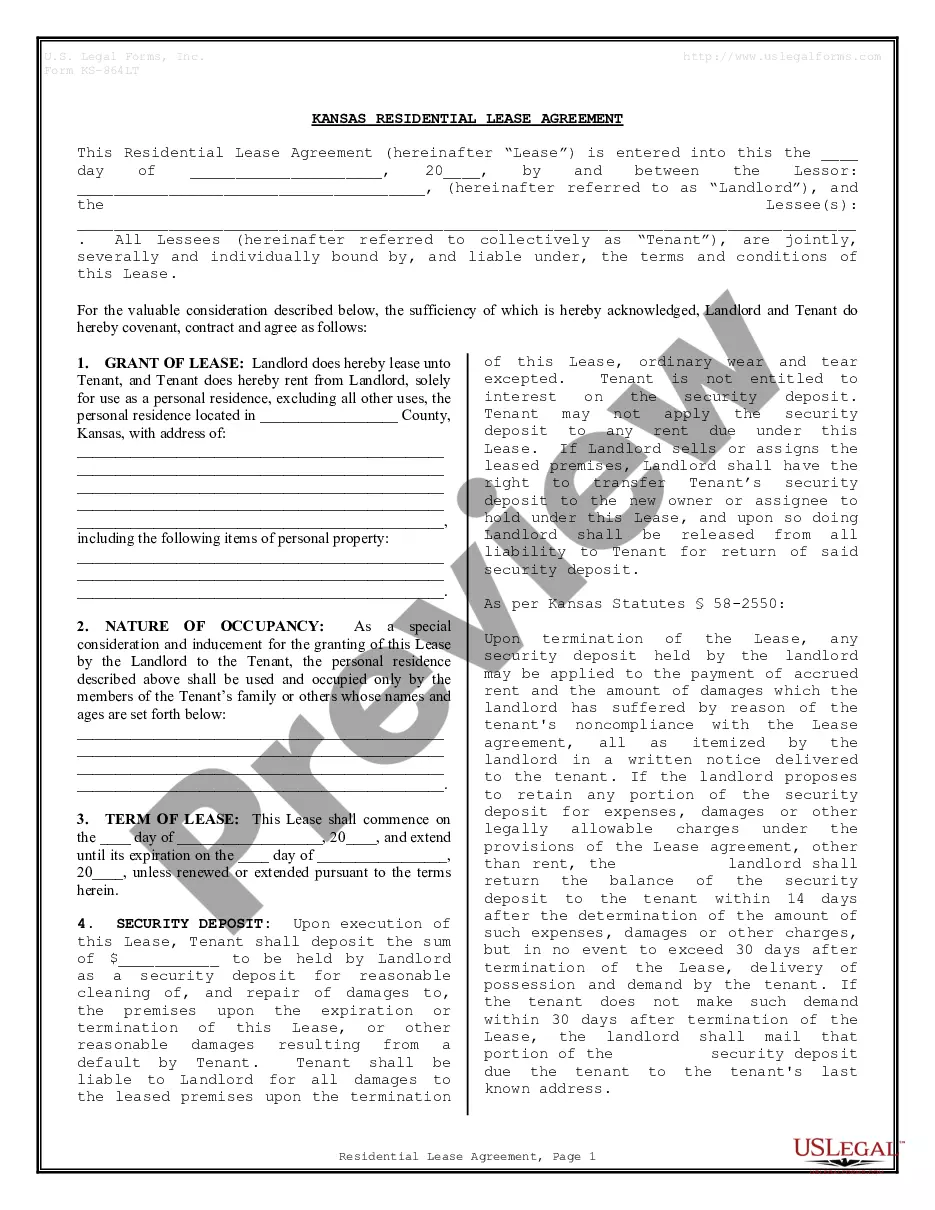
Form popularity
FAQ
To transfer property after a parent's death with a will in Maryland, you must first probate the will. This process involves filing the will with the court and appointing an executor to manage the estate. The executor will handle debts, taxes, and ensure that the property is distributed according to the instructions in the will. For those considering the Maryland Renunciation and Disclaimer of Property from Will by Testate, it's important to consult with a legal professional to understand your options.
Put the disclaimer in writing. Deliver the disclaimer to the person in control of the estate usually the executor or trustee. Complete the disclaimer within nine months of the death of the person leaving the property. Do not accept any benefit from the property you're disclaiming.
Disclaim, in a legal sense, refers to the renunciation of an interest in, or an acceptance of, inherited assets, such as property, by way of a legal instrument. A person disclaiming an interest, right, or obligation is known as a disclaimant.
Notify all creditors. File tax returns and pay final taxes. File the final accounting with the probate court. Distribute remaining assets to beneficiaries. File a closing statement with the court.
Administrative Probate The estate is probated by filing an affidavit (usually a court-provided form) without any hearings or other process. Administrative probate is intended to make closing smaller or simpler estates faster and less expensive than a traditional probate estate.
After a loved one dies, his or her estate must be settled. While most people want the settlement process to be done ASAP, probate in Maryland, including Howard County, can take between 9 to 18 months, presuming there is no challenges to a Will or any litigation.
Disclaiming means that you give up your rights to receive the inheritance. If you choose to do so, whatever assets you were meant to receive would be passed along to the next beneficiary in line. It's not typical for people to disclaim inheritance assets.
1) Petition the court to be the estate representative. 2) Notify heirs and creditors. 3) Change legal ownership of assets. 4) Pay Funeral Expenses, Taxes, Debts and Transfer assets to heirs.
Under Maryland law, Estates & Trusts, the approved Information Report, as submitted to the Register of Wills, typically closes the small estate. If there are any creditors who filed with the Register of Wills any unpaid valid claims could cause the small estate to remain open.
How to Close an Estate in Maryland Probate. Under Maryland law, Estates & Trusts, the final approval of the final account, as submitted to the register of wills, automatically closes the estate.