Massachusetts Last Will for a Widow or Widower with no Children
About this form
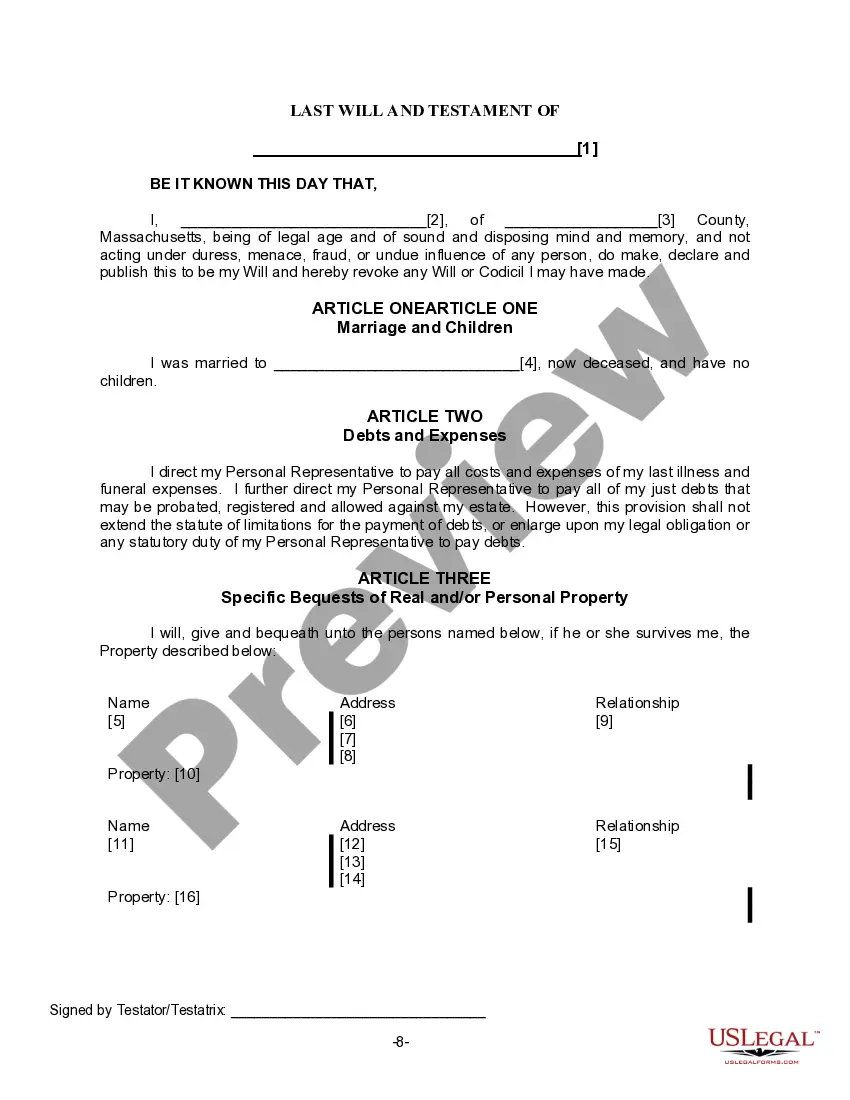
This Last Will for a Widow or Widower with no Children is a legal document that specifies how a personâs property will be distributed after their death. It is tailored for individuals who have lost their spouse and do not have children, allowing them to appoint an executor, designate beneficiaries for their property, and make other important provisions. This form is essential for ensuring that your wishes are clearly documented and legally binding, differing from a typical will by addressing the unique circumstances of a surviving spouse without children.
Key parts of this document
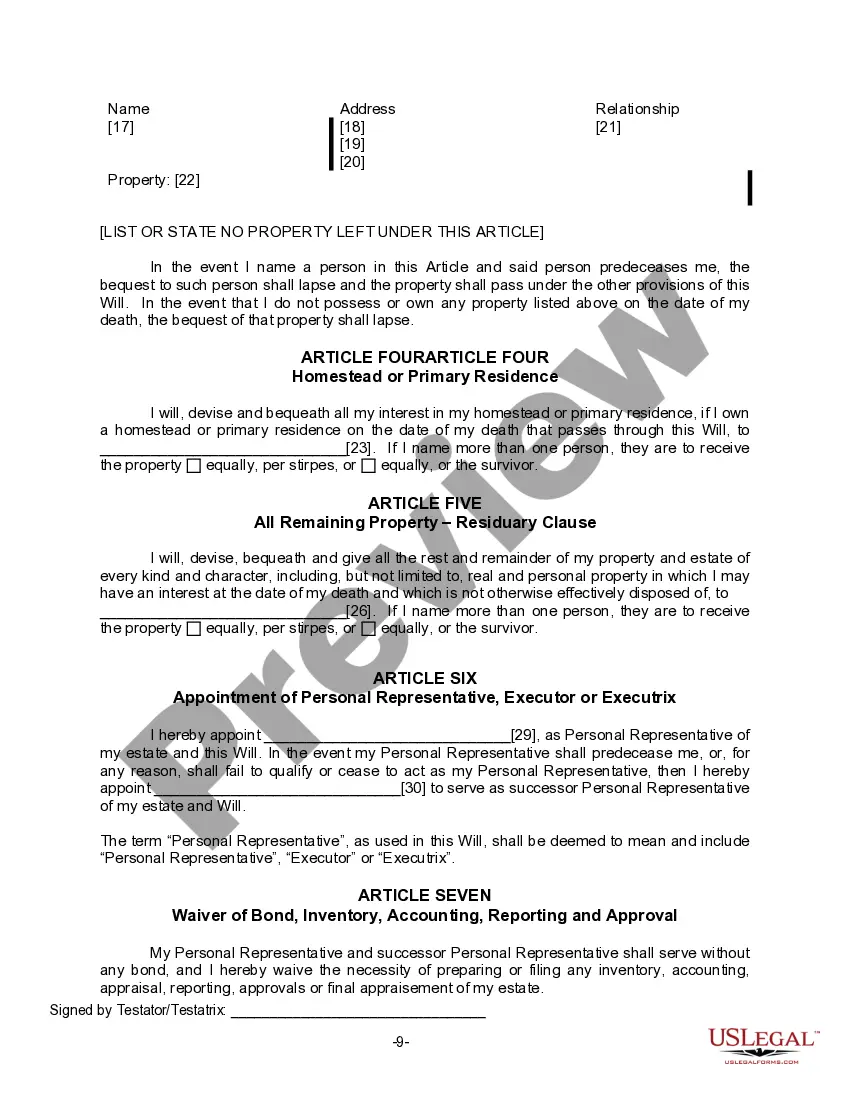
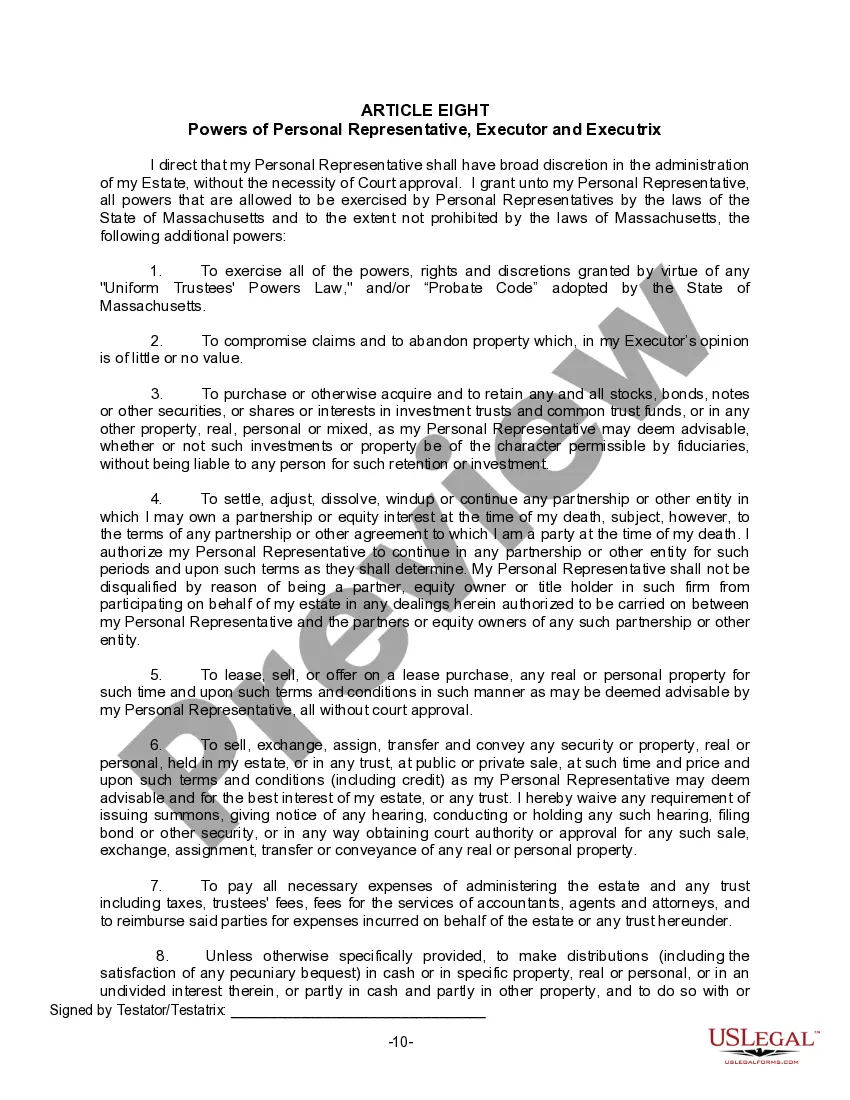
- Appointment of a personal representative (executor) to manage the estate.
- Specification of individuals who will inherit property, including any specific bequests.
- Instructions for distributing the homestead or primary residence.
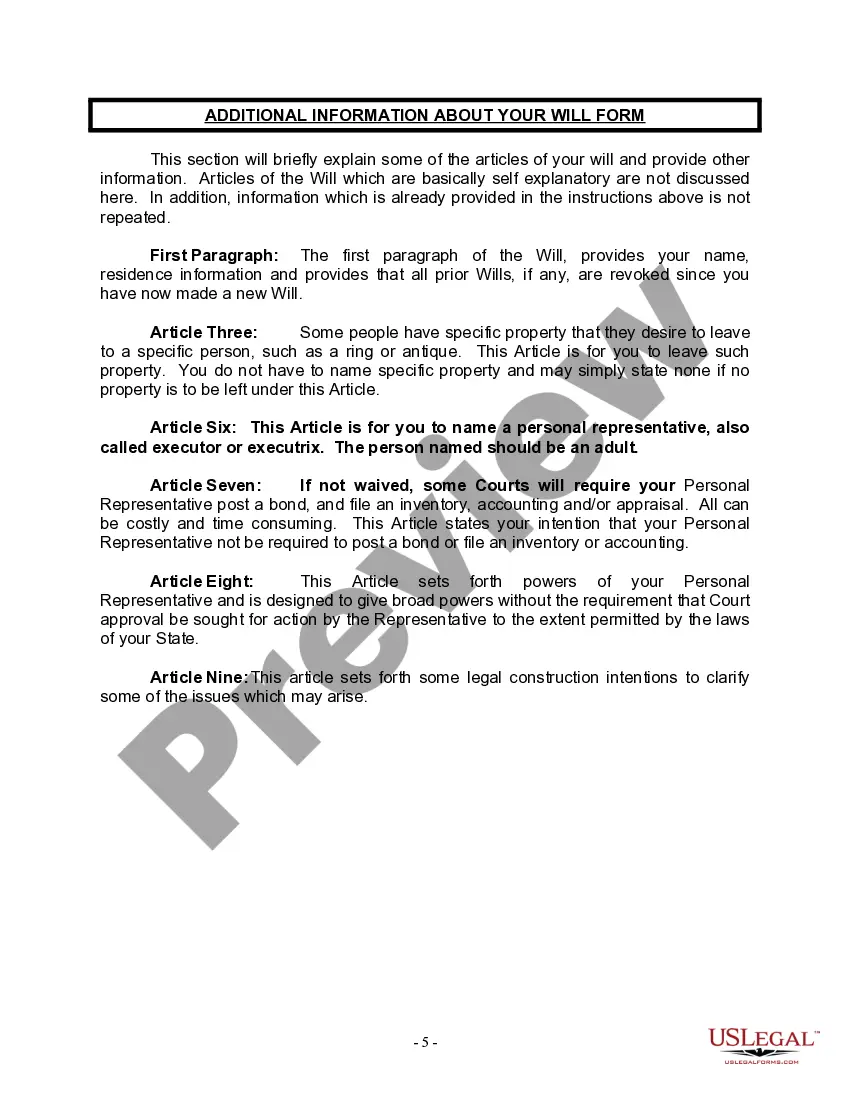
- Provisions allowing the executor broad powers in managing the estate.
- Optional clauses for additional wishes regarding funeral arrangements or debts.



Situations where this form applies
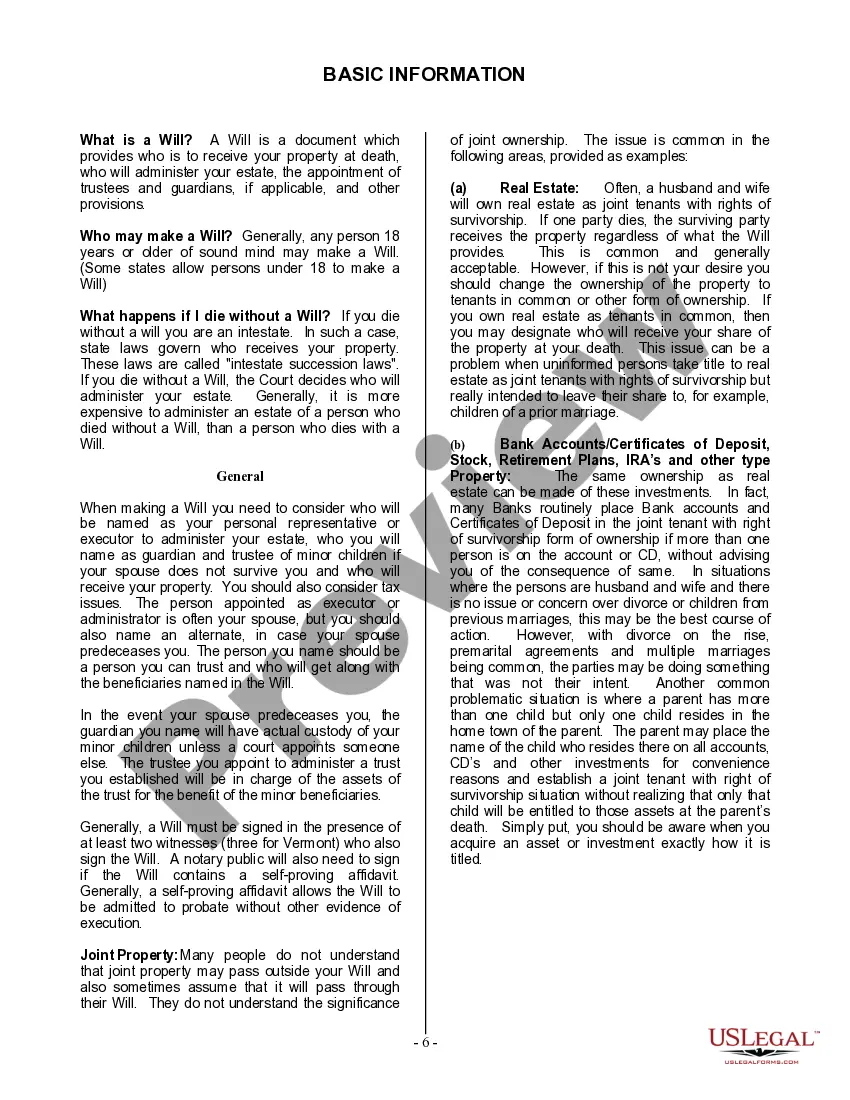
This form should be used when a widow or widower with no children wants to ensure their assets are distributed according to their wishes after their death. It is particularly important if they wish to specify certain bequests or appoint a trusted individual to handle their estate, avoiding potential disputes among relatives or complications that may arise from intestacy laws.
Intended users of this form
- Individuals who have lost a spouse and do not have children.
- Those wishing to specify how their property should be distributed upon their death.
- Persons looking to appoint an executor to manage their estate.
- Anyone wanting to avoid the default distribution of their assets under state intestacy laws.
Instructions for completing this form
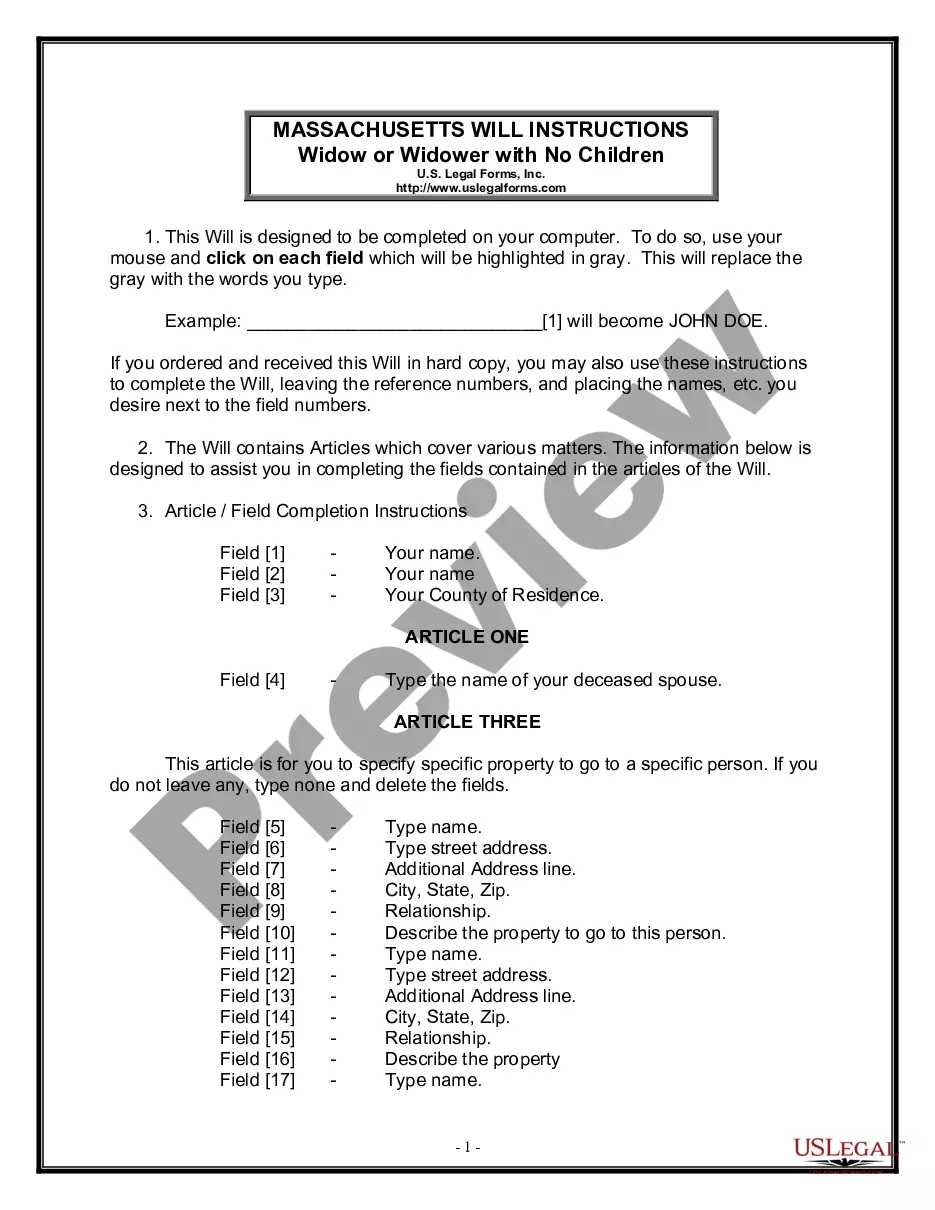
- Fill in your full name and county of residence at the top of the will.
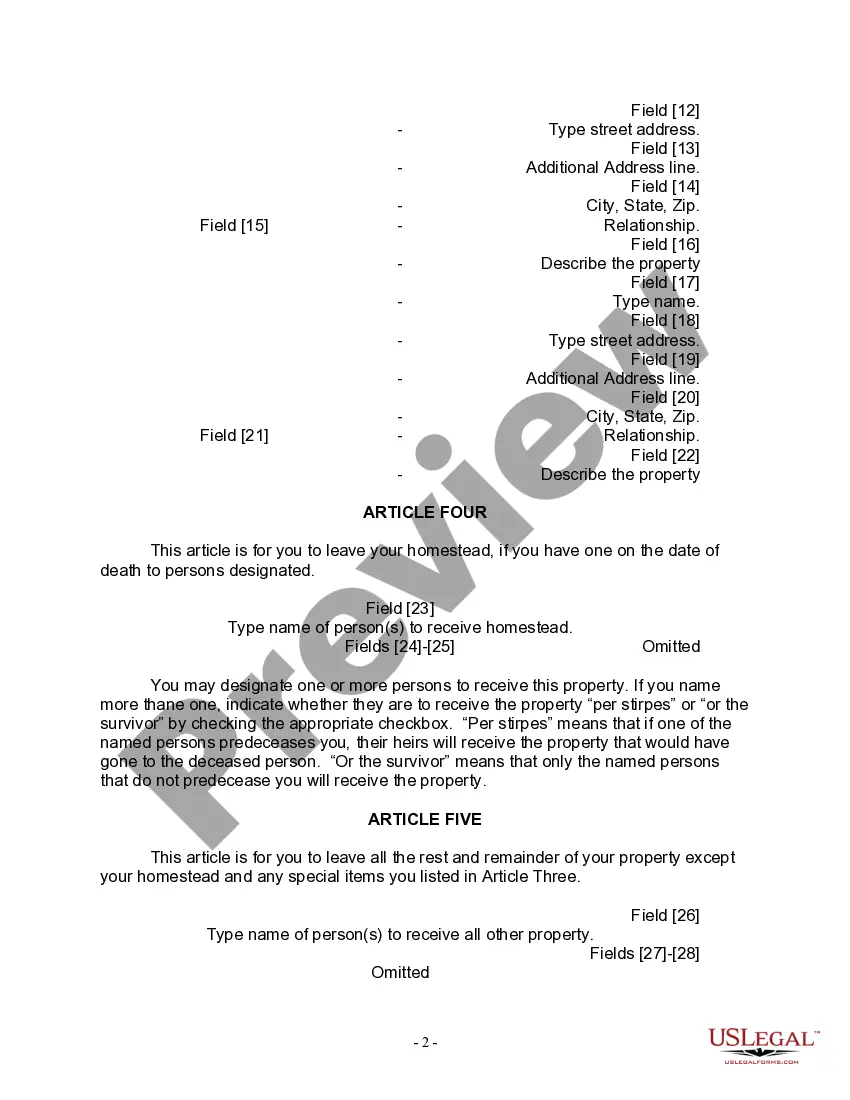
- Identify your deceased spouse and specify who will inherit your homestead or specific property.
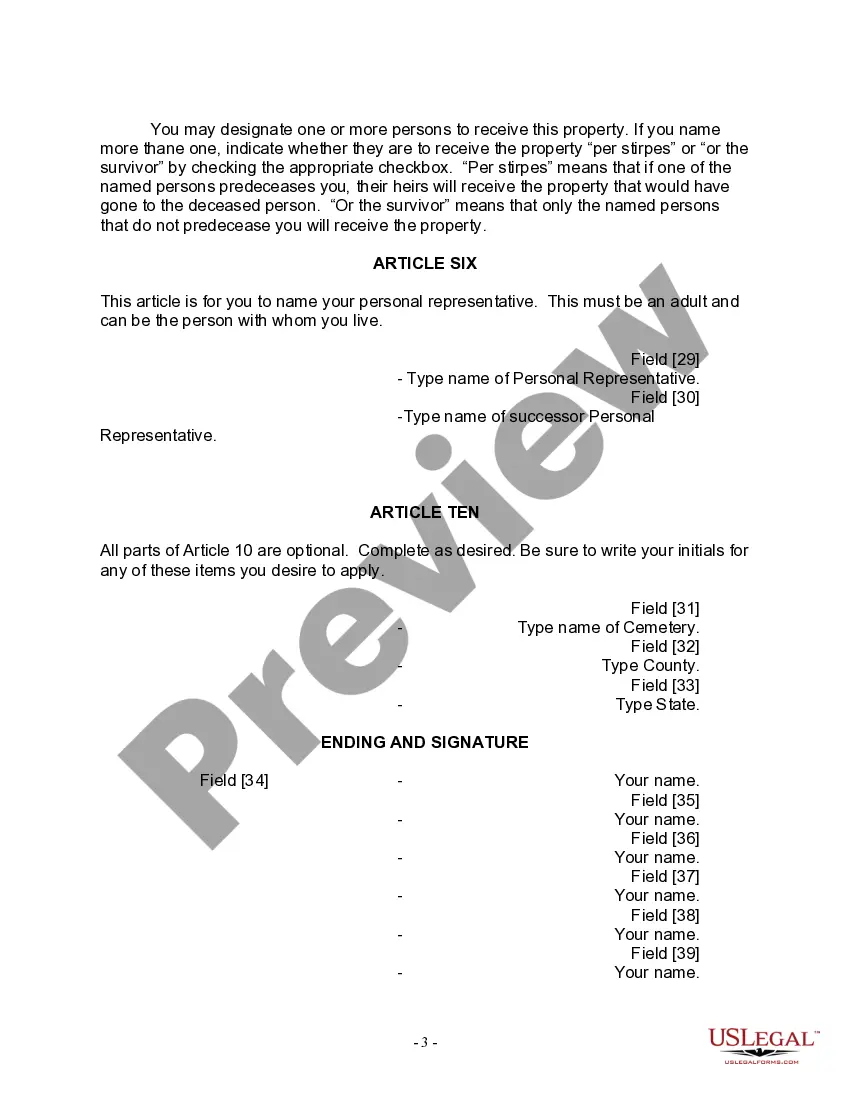
- Designate your personal representative and, if desired, a successor.
- Review any optional clauses and mark them to include personal wishes, such as funeral arrangements.
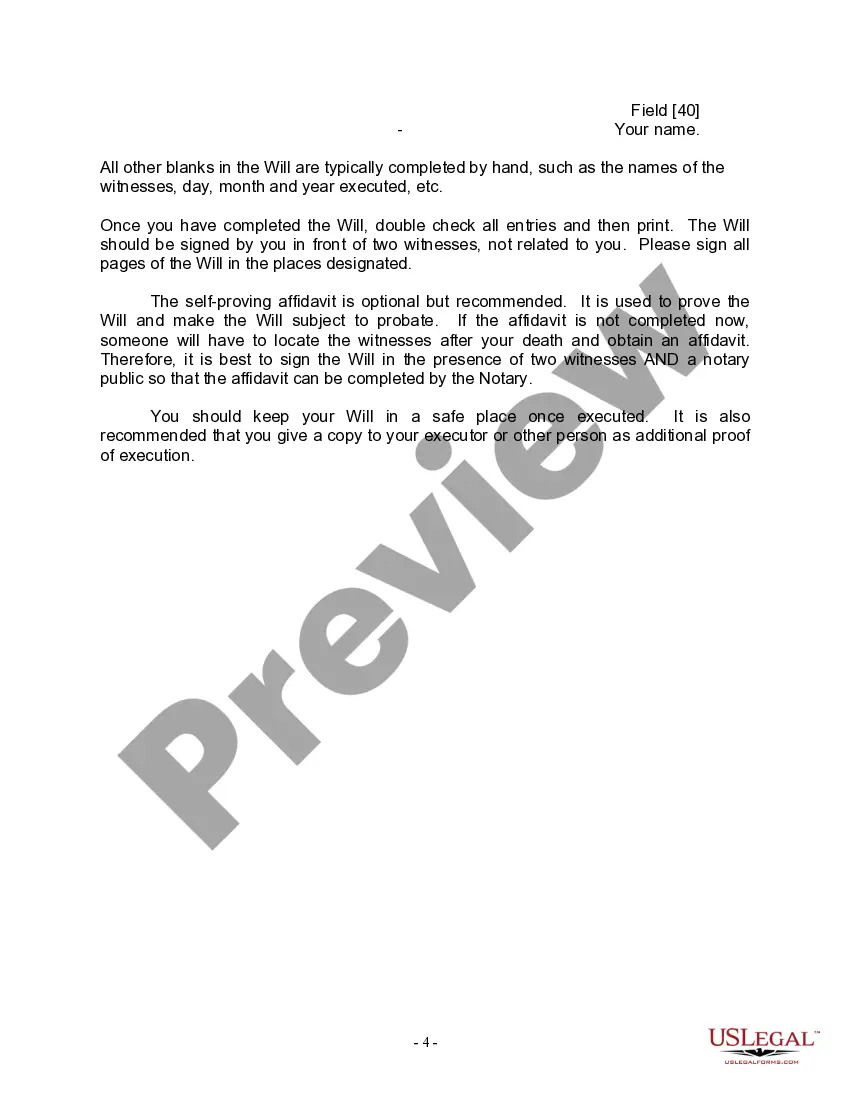
- Sign the will in the presence of two witnesses who are not beneficiaries, and ensure they sign as well.
Is notarization required?
Yes, this form must be notarized to be legally valid. A notary will confirm your identity and ensure that the will is executed properly, which can help facilitate the probate process. US Legal Forms offers integrated online notarization services, allowing you to complete this step conveniently and securely.
Get your form ready online
Our built-in tools help you complete, sign, share, and store your documents in one place.
Make edits, fill in missing information, and update formatting in US Legal Forms—just like you would in MS Word.
Download a copy, print it, send it by email, or mail it via USPS—whatever works best for your next step.
Sign and collect signatures with our SignNow integration. Send to multiple recipients, set reminders, and more. Go Premium to unlock E-Sign.
If this form requires notarization, complete it online through a secure video call—no need to meet a notary in person or wait for an appointment.
We protect your documents and personal data by following strict security and privacy standards.
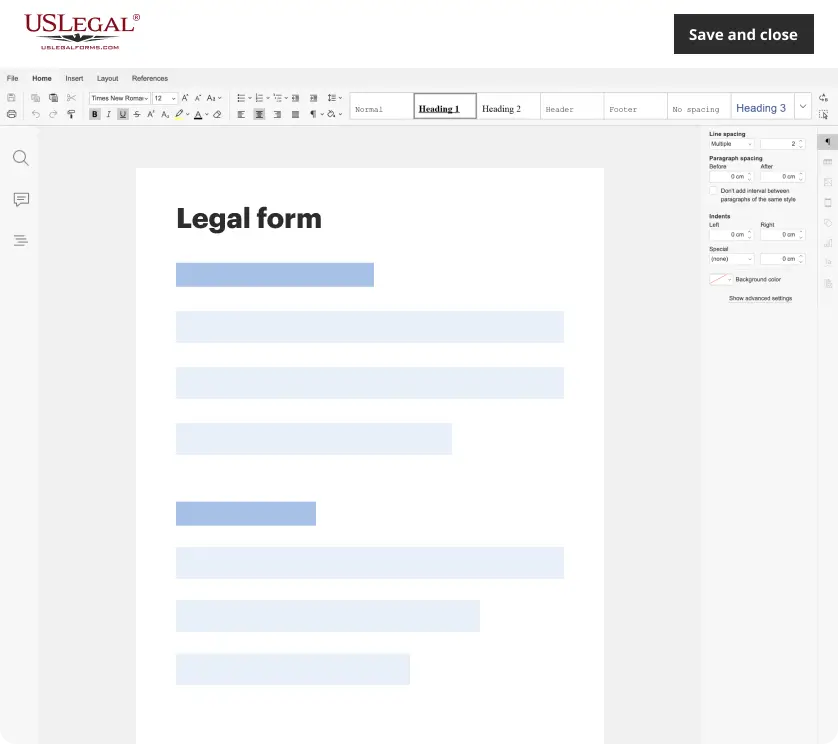
Make edits, fill in missing information, and update formatting in US Legal Forms—just like you would in MS Word.
Download a copy, print it, send it by email, or mail it via USPS—whatever works best for your next step.
Sign and collect signatures with our SignNow integration. Send to multiple recipients, set reminders, and more. Go Premium to unlock E-Sign.

If this form requires notarization, complete it online through a secure video call—no need to meet a notary in person or wait for an appointment.

We protect your documents and personal data by following strict security and privacy standards.
Mistakes to watch out for
- Not having the will signed in front of the required witnesses, which can invalidate the document.
- Failing to specify the relationship of beneficiaries or clearly describe the property being bequeathed.
- Not keeping the original document in a safe place or failing to share a copy with the executor.
- Overlooking the need for a self-proving affidavit if required by local law.
Why use this form online
- Convenient to fill out from home, saving time and effort.
- Easily editable, allowing you to make changes as needed.
- Access to reliable templates drafted by attorneys, ensuring legal compliance.
What to keep in mind
- This Last Will is specifically tailored for widows or widowers without children.
- It includes essential provisions for appointing executors and distributing property.
- Proper execution involves signing in front of witnesses, with notarization recommended for legal validity.
Looking for another form?

Form popularity
FAQ
The basic requirements for a Massachusetts last will and testament include the following:Witnesses: A Massachusetts will must be signed by at least two witnesses, who should not also be beneficiaries in the will. Writing: A Massachusetts will must be in writing. Beneficiaries: A testator can leave property to anyone.
Once witnessed and notarized, do it yourself will forms are enforceable under the law.The do it yourself will forms of some states include a self-proving affidavit, which is a short form completed with the witnesses and notary when you sign the will form.
Age: The testator must be at least 18 years old. Capacity: The testator must be of sound mind. Signature: The will must be signed by the testator or by someone else in the testator's name in his presence, by his direction.
Technically, you can create your own will in Massachusetts. The only legal requirement is that you sign it in front of at least 2 witnesses and that those witnesses also sign the will.
In Massachusetts, if you are over 18 and of sound mind, and have the signatures of 2 witnesses, your handwritten will may be considered valid. However, there are some issues you should consider before deciding a handwritten will (also called holographic) is sufficient for your estate planning needs.
Setting up a will is one of the most important parts of planning for your death. Drafting the will yourself is less costly and may put you out about $150 or less. Depending on your situation, expect to pay anywhere between $300 and $1,000 to hire a lawyer for your will.
The Free Last Will and Testament Template for Word is compatible with Word 2003 or later versions.
In most situations, a will template is an easy and inexpensive way to make sure your wishes are known and carried out. Most people can get everything they need by using a will template, with little cost or hassle.
No, in Massachusetts, it is not necessary to notarize your will to make it legal. Massachusetts does, however, allow you to make your will "self-proving." A self-proving will speeds up probate because the court can accept the will without contacting the witnesses who signed it.