Massachusetts Letter from Landlord to Tenant that Sublease granted - Rent Paid by Subtenant, but Tenant Still Liable for Rent and Damages
Understanding this form
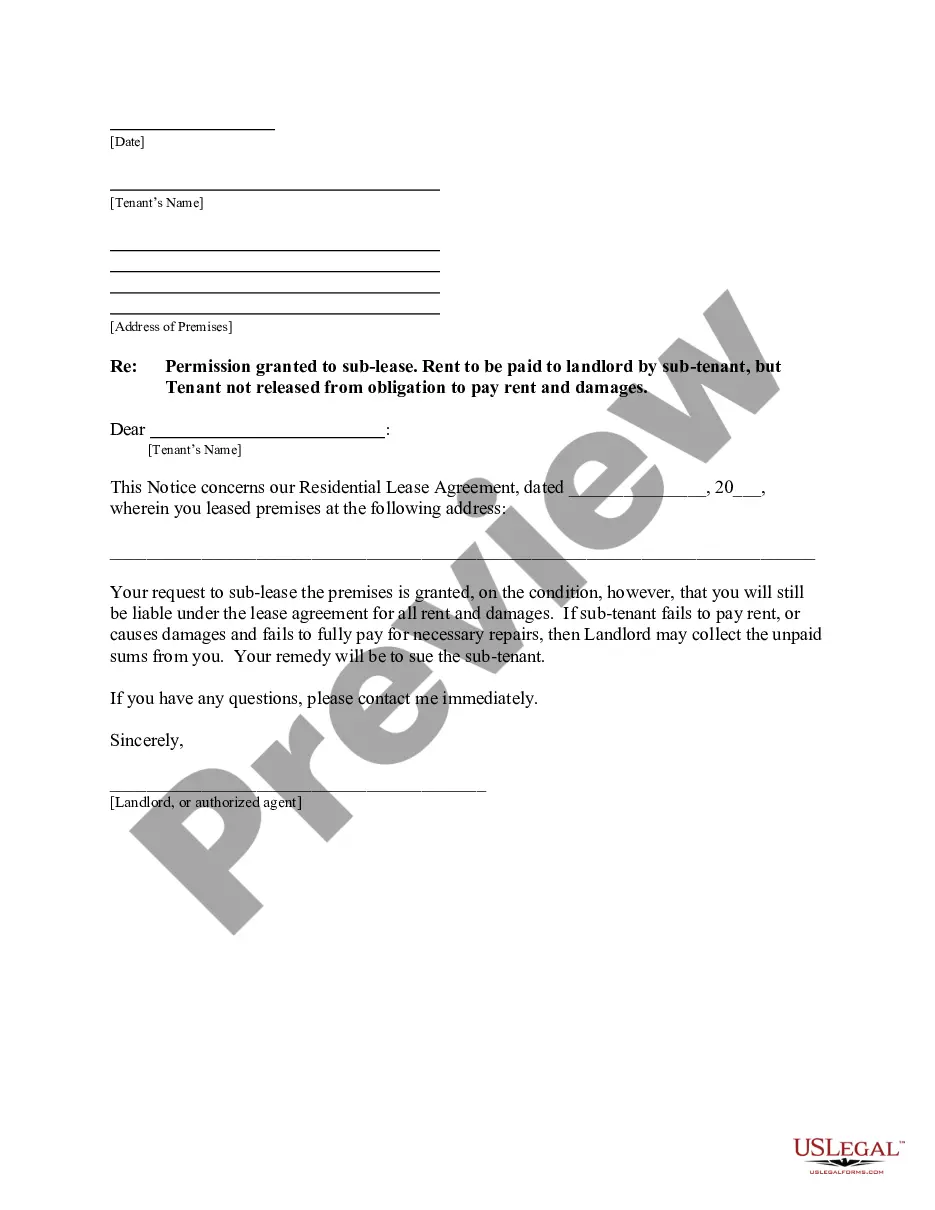
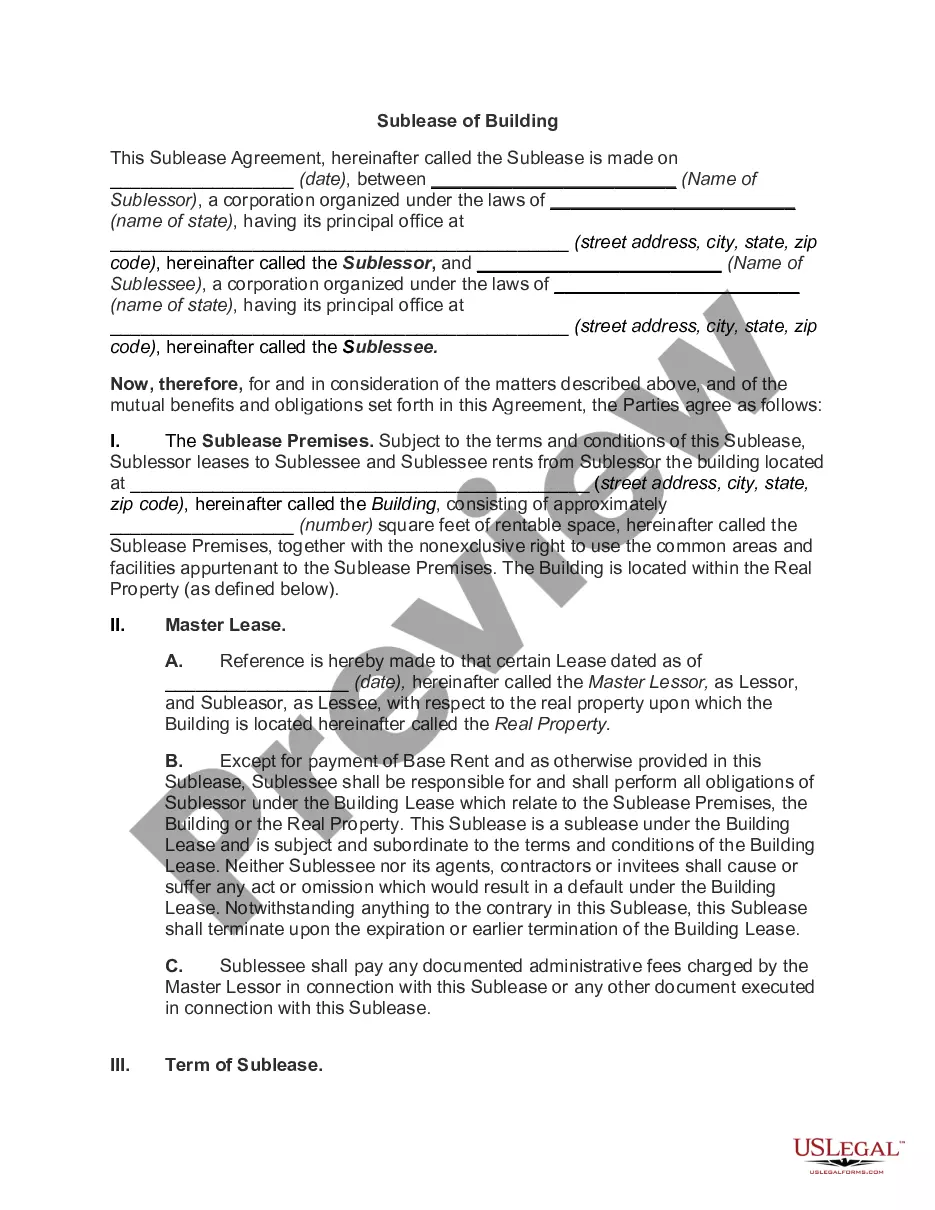
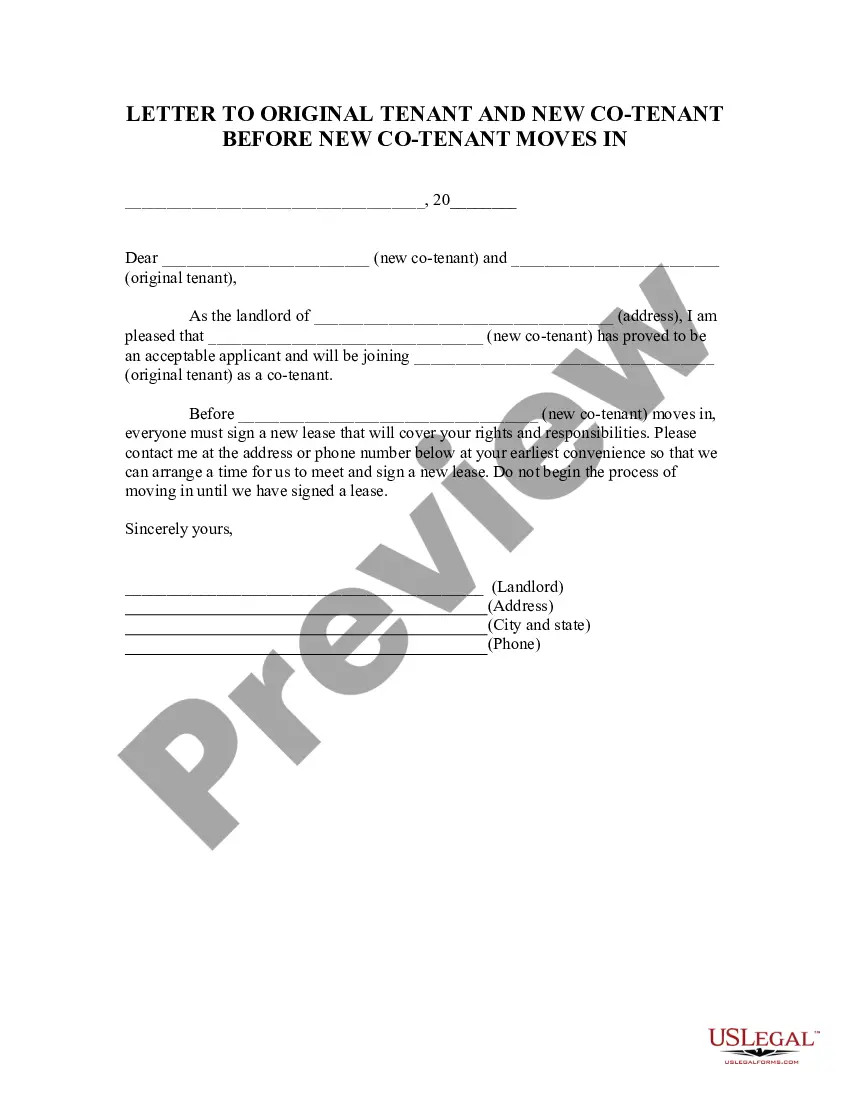
This form is a Letter from Landlord to Tenant that confirms a sublease has been granted. It is designed to clarify that while the sub-tenant will be responsible for paying rent, the original tenant remains liable for the full rent and any damages to the property. This document helps protect the landlord's interests and establishes the tenant's ongoing responsibilities under the lease agreement, distinguishing it from a simple sublease agreement.
Form components explained
- Statement of sublease approval from the landlord to the tenant.
- Clarification that the tenant remains liable for rent and damages.
- Procedure for the landlord to collect unpaid rent or damages from the tenant.
- Contact information for the landlord or authorized agent.


When this form is needed
This form should be used when a tenant has obtained permission from the landlord to sublease their rented property. It is essential in situations where the sub-tenant will be paying rent directly, but the original tenant needs reassurance that they will still be financially responsible should anything go wrong, such as non-payment of rent or property damage caused by the sub-tenant.
Who this form is for
- Original tenants seeking to sublease a rental property.
- Landlords who need to document the terms of a sublease arrangement.
- Sub-tenants paying rent directly to a landlord.
Instructions for completing this form
- Identify the tenant and landlord by name and address.
- Clearly state the approval of the sublease.
- Specify that the tenant remains liable for rent and damages.
- Provide contact information for the landlord or an authorized agent.
- Sign and date the letter to finalize the agreement.
Is notarization required?
This form does not typically require notarization unless specified by local law. It is advisable for users to check their specific state requirements for confirmation.
Get your form ready online
Our built-in tools help you complete, sign, share, and store your documents in one place.
Make edits, fill in missing information, and update formatting in US Legal Forms—just like you would in MS Word.
Download a copy, print it, send it by email, or mail it via USPS—whatever works best for your next step.
Sign and collect signatures with our SignNow integration. Send to multiple recipients, set reminders, and more. Go Premium to unlock E-Sign.
If this form requires notarization, complete it online through a secure video call—no need to meet a notary in person or wait for an appointment.
We protect your documents and personal data by following strict security and privacy standards.

Make edits, fill in missing information, and update formatting in US Legal Forms—just like you would in MS Word.

Download a copy, print it, send it by email, or mail it via USPS—whatever works best for your next step.

Sign and collect signatures with our SignNow integration. Send to multiple recipients, set reminders, and more. Go Premium to unlock E-Sign.

If this form requires notarization, complete it online through a secure video call—no need to meet a notary in person or wait for an appointment.

We protect your documents and personal data by following strict security and privacy standards.
Mistakes to watch out for
- Failing to specify the tenant's ongoing liabilities.
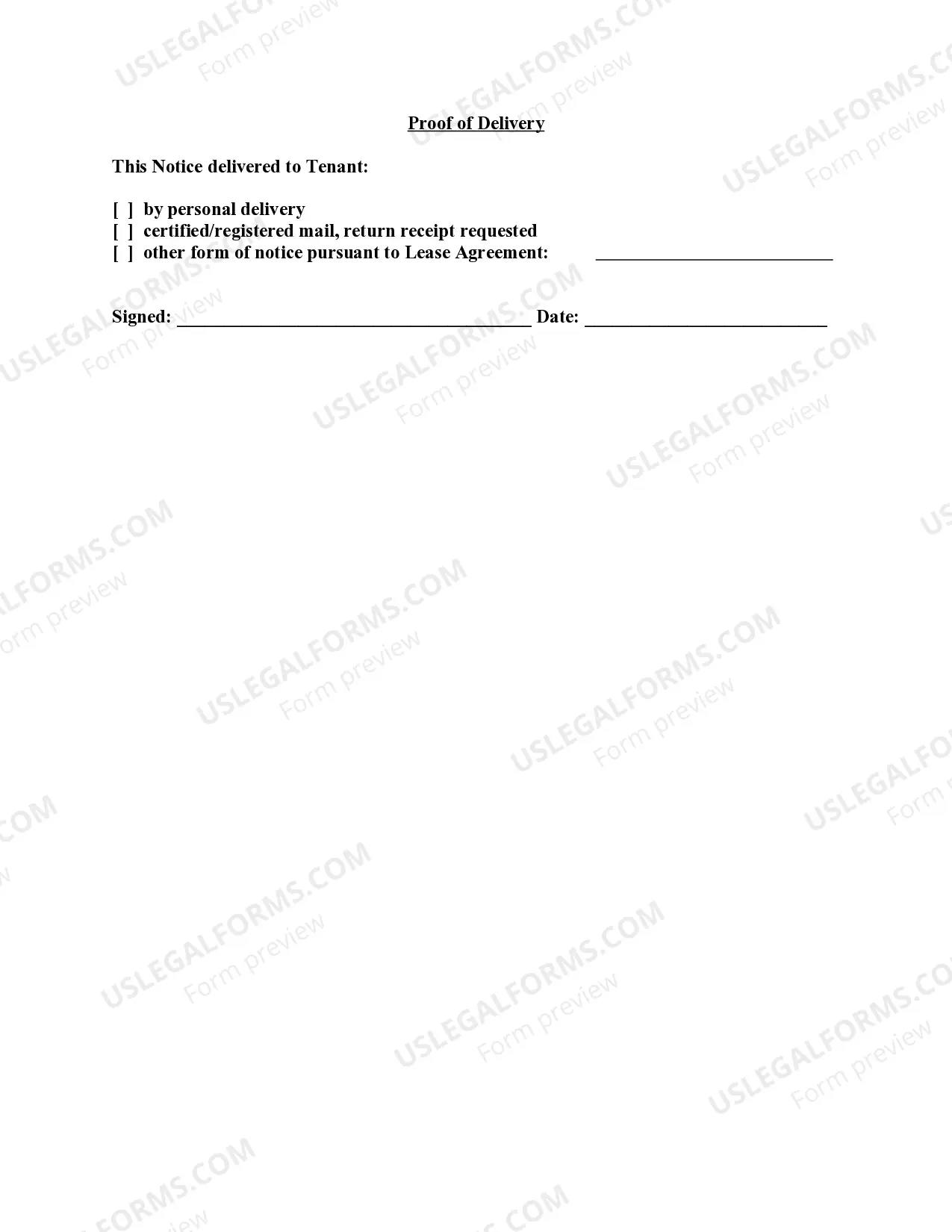
- Not including a method of delivery confirmation.
- Using unclear language that may lead to misunderstandings.
- Omitting contact information for the landlord or agent.
Advantages of online completion
- Easy to customize and edit according to your specific situation.
- Downloadable and ready for immediate use, saving time compared to drafting from scratch.
- Prepared by licensed attorneys, ensuring legality and compliance with local laws.
Legal use & context
- This form provides clear communication regarding responsibilities related to subleasing.
- Ensures that the landlord's rights are protected while providing guidelines for the tenant's obligations.
- Helps prevent potential disputes between tenants, sub-tenants, and landlords regarding financial responsibilities.
Key takeaways
- This form communicates the approval of a sublease while reiterating tenant obligations.
- The original tenant is liable for any unpaid rent or damages caused by the subtenant.
- Clear communication is essential to prevent misunderstandings about responsibilities.
Looking for another form?
Form popularity
FAQ
The landlord duty to mitigate damages clause is a legal requirement that obligates landlords to take reasonable steps to minimize losses after a tenant defaults on their lease. Essentially, this means that if you receive a Massachusetts Letter from Landlord to Tenant that Sublease granted - Rent Paid by Subtenant, but Tenant Still Liable for Rent and Damages, you can expect the landlord to seek new tenants or rent to reduce your financial impact. Failure to mitigate damages can affect the amount you may owe. Understanding this clause can help tenants navigate their financial responsibilities more effectively.
Subleasing carries several risks that tenants should carefully consider. The main concern is financial liability; tenants must remember that the Massachusetts Letter from Landlord to Tenant that Sublease granted - Rent Paid by Subtenant, but Tenant Still Liable for Rent and Damages ensures they remain accountable for any unpaid rent and damages caused by the subtenant. Furthermore, if the subtenant violates lease terms, it could affect the original tenant’s standing with the landlord. This can lead to potential eviction or legal disputes.
A typical sublet clause specifies the conditions under which a tenant can sublease their rented property. This includes requirements for written consent from the landlord, the responsibilities of the subtenant, and a clear indication that the original tenant remains liable for rent and damages. For instance, a Massachusetts Letter from Landlord to Tenant that Sublease granted - Rent Paid by Subtenant, but Tenant Still Liable for Rent and Damages may state that the tenant must obtain written approval from the landlord before subletting the property. This ensures all parties understand their roles and responsibilities, promoting a smoother rental experience.
Subleasing is not inherently illegal in Massachusetts, but it requires the tenant to follow specific regulations set by their lease agreement. Often, tenants must seek approval from their landlord before subletting their unit. Failure to do so may result in eviction or liability for damages. Understanding how a Massachusetts Letter from Landlord to Tenant that Sublease granted - Rent Paid by Subtenant, but Tenant Still Liable for Rent and Damages functions can help clarify the rights and responsibilities of all parties involved.
Unauthorized subletting occurs when a tenant rents their rental unit or a portion of it to another person without obtaining permission from the landlord. This can lead to complications, as the original tenant remains responsible for the lease obligations, including any damages. It's crucial for tenants to check their lease agreement before subletting to avoid potential legal issues. A Massachusetts Letter from Landlord to Tenant that Sublease granted - Rent Paid by Subtenant, but Tenant Still Liable for Rent and Damages often clarifies these responsibilities.
Landlord retaliation occurs when the landlord punishes a tenant for exercising their legal rights, such as complaining about unsafe living conditions or reporting code violations. Actions that may constitute retaliation include raising rent, terminating a lease, or failing to renew a lease agreement. Tenants should be aware that if retaliatory actions are taken, it is important to document these instances. A Massachusetts Letter from Landlord to Tenant that Sublease granted - Rent Paid by Subtenant, but Tenant Still Liable for Rent and Damages can serve as a useful record in these situations.
In Massachusetts, landlords cannot engage in unlawful evictions, such as forcing tenants out without a court order. They also cannot harass tenants or withhold essential services like heat, water, or electricity. Furthermore, landlords must respect the tenant's right to privacy, providing proper notice before entering their rental unit. It is crucial for tenants to understand that a Massachusetts Letter from Landlord to Tenant that Sublease granted - Rent Paid by Subtenant, but Tenant Still Liable for Rent and Damages must also adhere to these regulations.