Massachusetts Notice of Termination - Individual
What this document covers
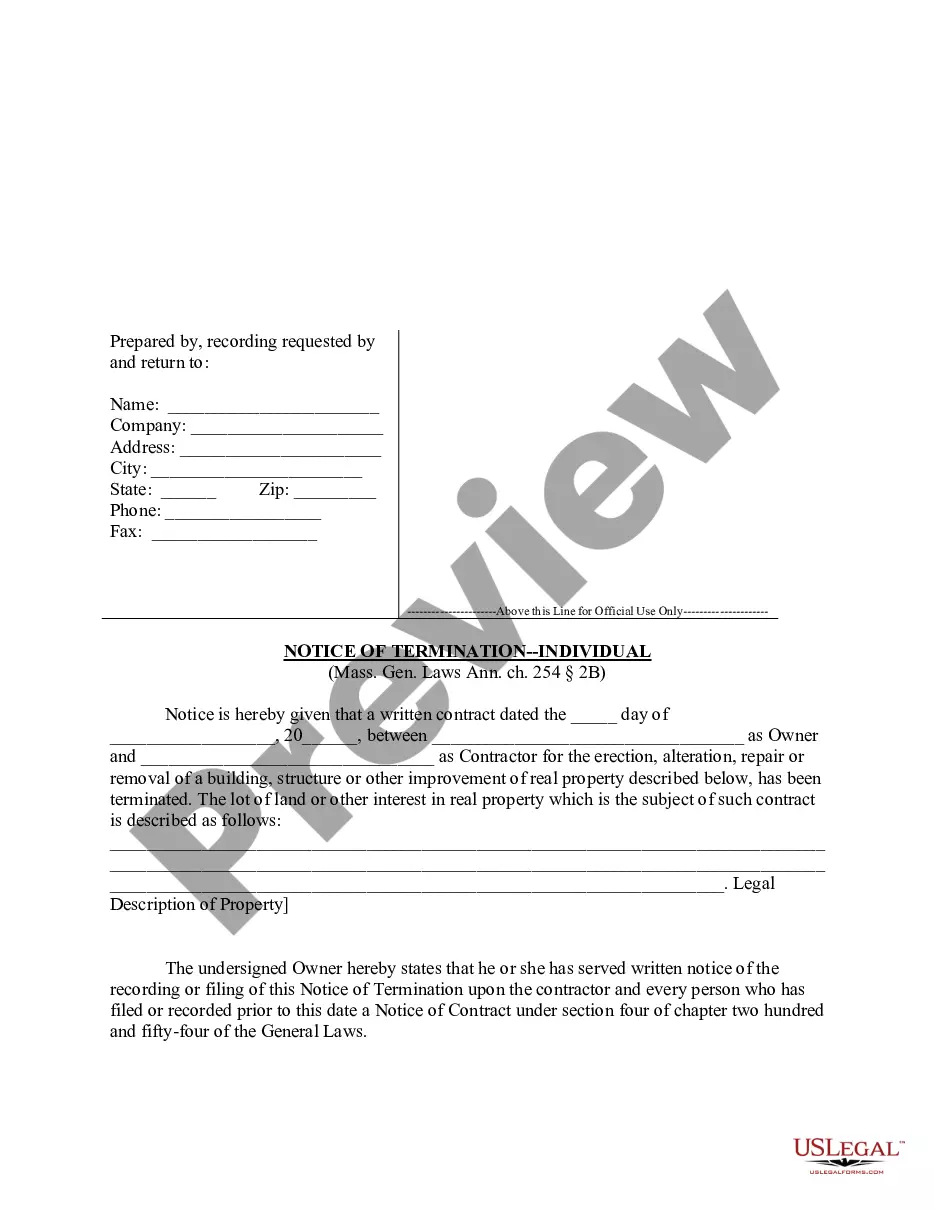
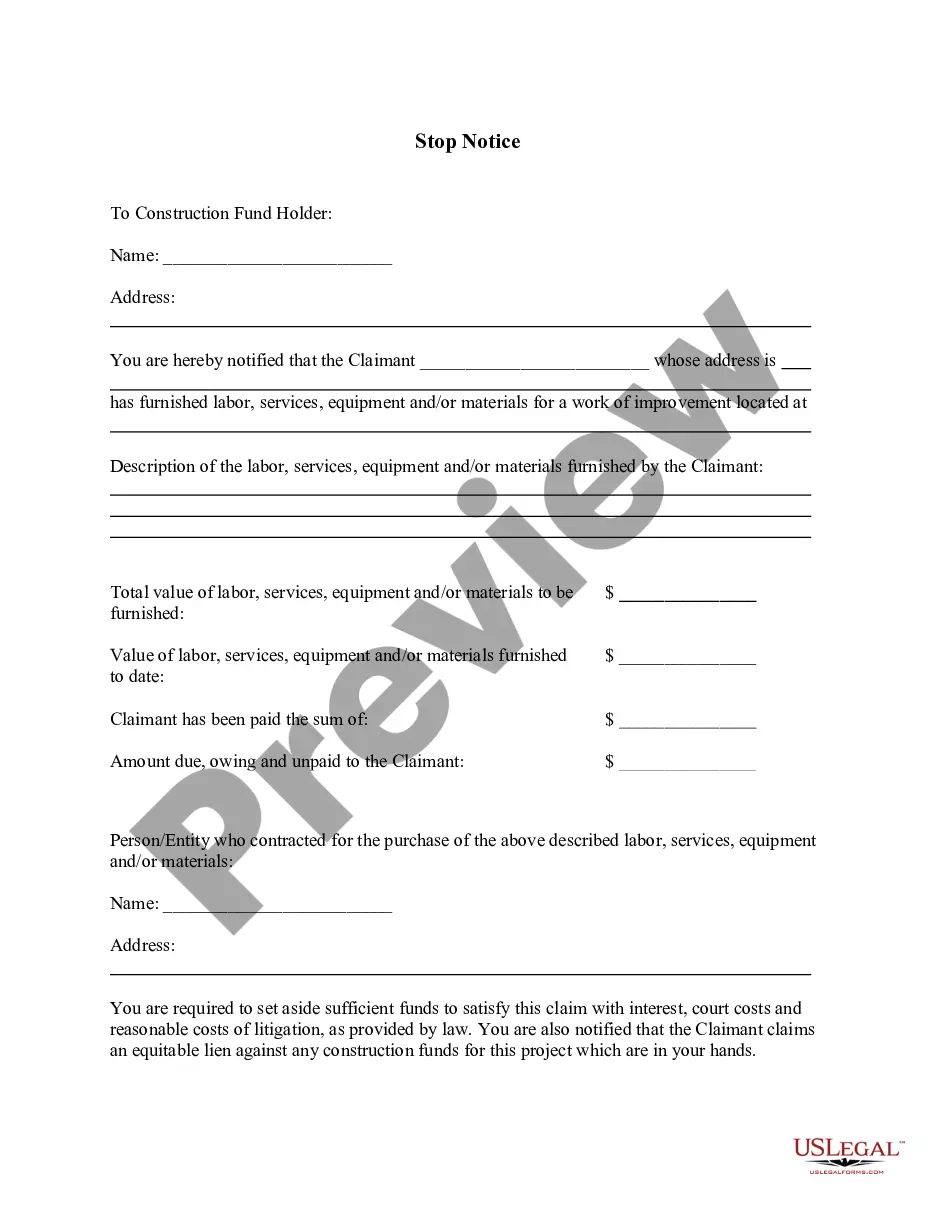
The Notice of Termination - Individual is a legal document used to formally terminate a contract between an owner and a contractor before the substantial completion of the project. This document is essential for notifying all parties involved in the contract, including subcontractors and those who filed or recorded a notice of contract. It is particularly important for safeguarding the legal rights of both parties and ensuring proper communication in the event of termination. Understanding its purpose and how it differs from other termination forms can prevent misunderstandings and legal disputes.
Key components of this form
- Identifying information for the owner and contractor, including names and addresses.
- Details of the original contract, including the date and subject matter of the agreement.
- Legal description of the property involved in the contract.
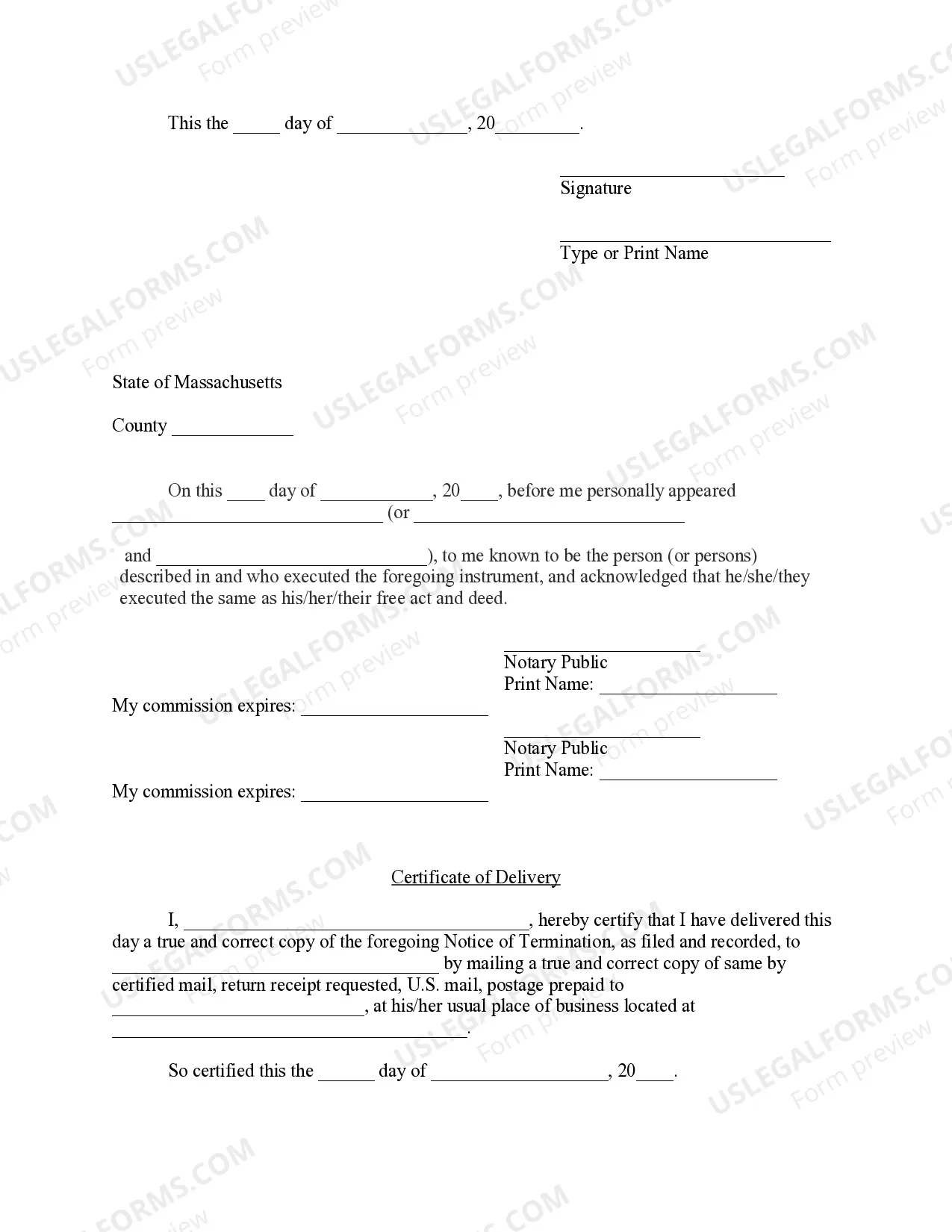
- Certification of delivery to all relevant parties, including subcontractors.
- Notary acknowledgment section for additional validation.


When to use this document
This form should be used when an owner decides to terminate a construction contract before the completion of the agreed scope of work. It is specifically necessary when there is a need to notify the contractor and any parties who have an interest in the contract, either through filing or other contractual agreements. Typical scenarios include disputes over the quality of work, delays, or changes in project scope that lead the owner to cease work with the contractor.
Who should use this form
This form is intended for:
- Property owners who have entered into a construction contract.
- Contractors that require formal notification of contract termination.
- Subcontractors or parties with recorded interests in the contract who need to be informed of termination.
Completing this form step by step
- Identify the parties involved by filling in the name and address of the owner and the contractor.
- Enter the date of the original contract and provide a description of the work covered by the contract.
- Include the legal description of the property that is subject to the contract.
- Sign the document in the appropriate section, including the date of signing.
- If required, arrange for a notary public to witness the signature for validation.
- Certify the delivery of this notice to all relevant parties, ensuring all are informed of the termination.
Notarization requirements for this form
To make this form legally binding, it must be notarized. Our online notarization service, powered by Notarize, lets you verify and sign documents remotely through an encrypted video session.
Get your form ready online
Our built-in tools help you complete, sign, share, and store your documents in one place.
Make edits, fill in missing information, and update formatting in US Legal Forms—just like you would in MS Word.
Download a copy, print it, send it by email, or mail it via USPS—whatever works best for your next step.
Sign and collect signatures with our SignNow integration. Send to multiple recipients, set reminders, and more. Go Premium to unlock E-Sign.
If this form requires notarization, complete it online through a secure video call—no need to meet a notary in person or wait for an appointment.
We protect your documents and personal data by following strict security and privacy standards.

Make edits, fill in missing information, and update formatting in US Legal Forms—just like you would in MS Word.

Download a copy, print it, send it by email, or mail it via USPS—whatever works best for your next step.

Sign and collect signatures with our SignNow integration. Send to multiple recipients, set reminders, and more. Go Premium to unlock E-Sign.

If this form requires notarization, complete it online through a secure video call—no need to meet a notary in person or wait for an appointment.

We protect your documents and personal data by following strict security and privacy standards.
Common mistakes to avoid
- Failing to notify all parties involved in the contract.
- Not providing a clear legal description of the property.
- Omitting the date of the original contract.
- Neglecting to have the form notarized if required.
Advantages of online completion
- Immediate access to a legally vetted template drafted by licensed attorneys.
- Convenient and editable format allows for quick customization to fit specific needs.
- Faster processing and delivery compared to traditional methods.
- Secure storage and retrieval of documents, ensuring you always have what you need.
Legal use & context
- This form provides a legal mechanism for property owners to terminate contracts formally.
- It helps prevent future disputes by ensuring all parties are appropriately notified.
- Fulfills state legal requirements important for enforceability in court.
What to keep in mind
- The Notice of Termination - Individual is essential for formally ending a construction contract.
- Accurate completion and proper notification safeguards all parties' rights.
- Notarization is required for legal validity, enhancing the document's credibility.
- Using the online form simplifies the process with immediate access and ease of use.
Looking for another form?

Form popularity
FAQ
A: Job abandonment occurs when an employee has no intention of returning to the job and hasn't notified the employer of his or her intention to quit. Generally, this is considered a voluntary termination. However, the employer must comply with the state's unemployment division's definition of voluntary termination.
To end an employee's employment (also known as firing or terminating employment), an employer has to give them written notice of their last day of employment (some exceptions apply). An employer can give notice to the employee by: delivering it personally. leaving it at the employee's last known address, or.
Are you required to provide a termination letter? Federally, and in most states, a termination letter is not legally required.Some of these states have specific templates employers must use for the letter. Even if your state doesn't require a termination letter, they can be valuable to the business and the employee.
Although it seems almost impossible to believe, employers in Massachusetts, or in any other employee-at-will state, can fire any employee at any time for any reason or even for no reason at all. An employer can terminate any employee, with or without notice.
Tenants without Leases.Until individual cities or the state changes the law, no fault evictions, where a landlord is evicting a tenant who has done nothing wrong, are lawful in Massachusetts. A landlord may also evict tenants without leases for non-payment of rent and for using the apartment for illegal purposes.
When someone is unexpectedly fired without reason or without any notice, they often wonder if their employer had the legal right to do so. Unfortunately, the answer is yes in most cases.
Absent a contract directing you to provide any type of notice there's no requirement under the Massachusetts laws that you must give two weeks or even two minutes notice...
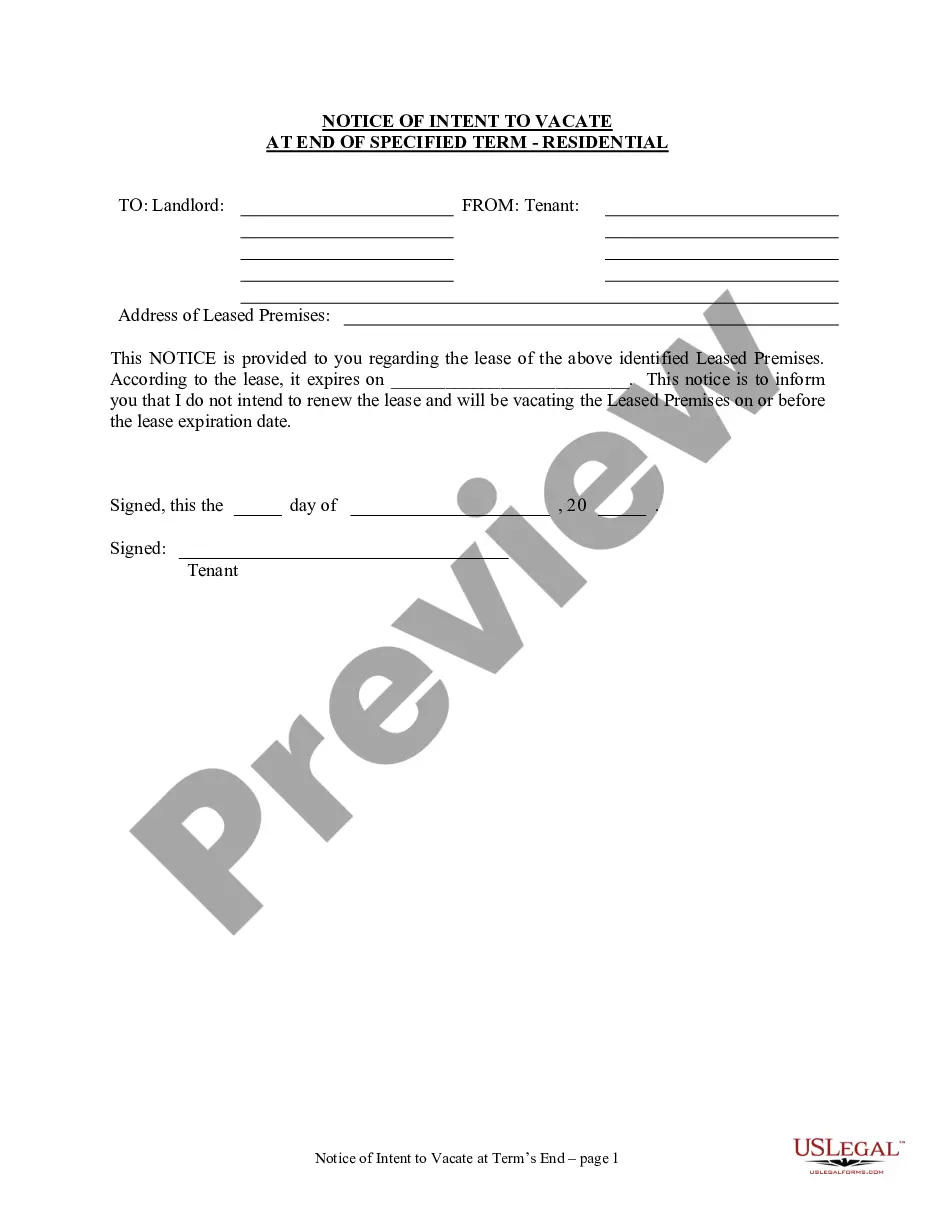
The law requires tenants at will to give landlords written notice that they are moving out at least one full rental period or 30 days (whichever is longer) before moving.