Massachusetts Condominium Unit Quitclaim Deed - Life Estate from Husband and Wife, or Two Grantors, to an Individual with Remainder to Grantors.
What is this form?
The Condominium Unit Quitclaim Deed is a legal document used to transfer a life estate from two grantors, such as a husband and wife, to an individual. This form allows the grantors to convey their interest in the property while retaining a life estate, which means they continue to hold the right to use the property during their lifetime. Unlike other types of deeds, a quitclaim deed does not provide warranties regarding the title, making it essential for situations where the grantors are familiar with the propertyâs history.
Main sections of this form
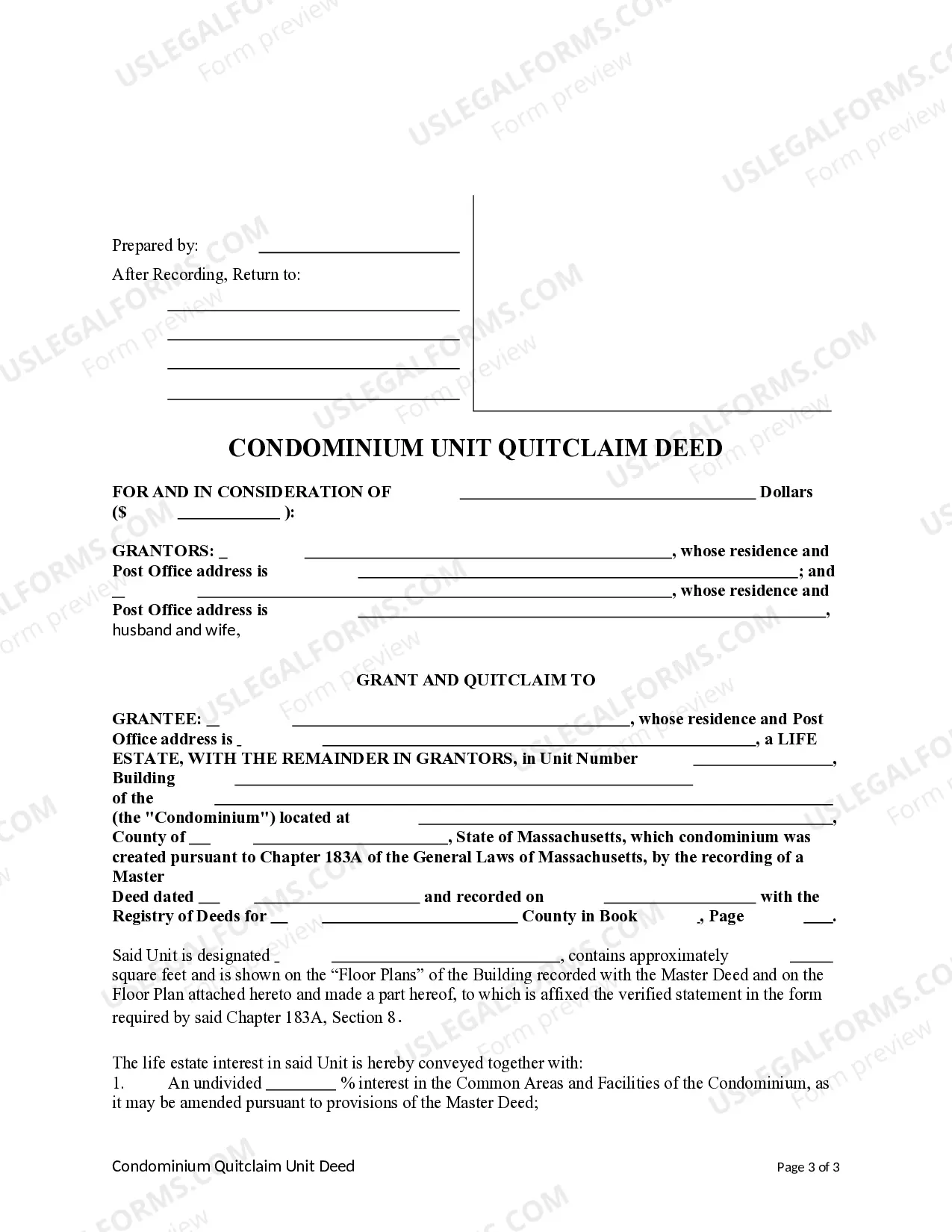
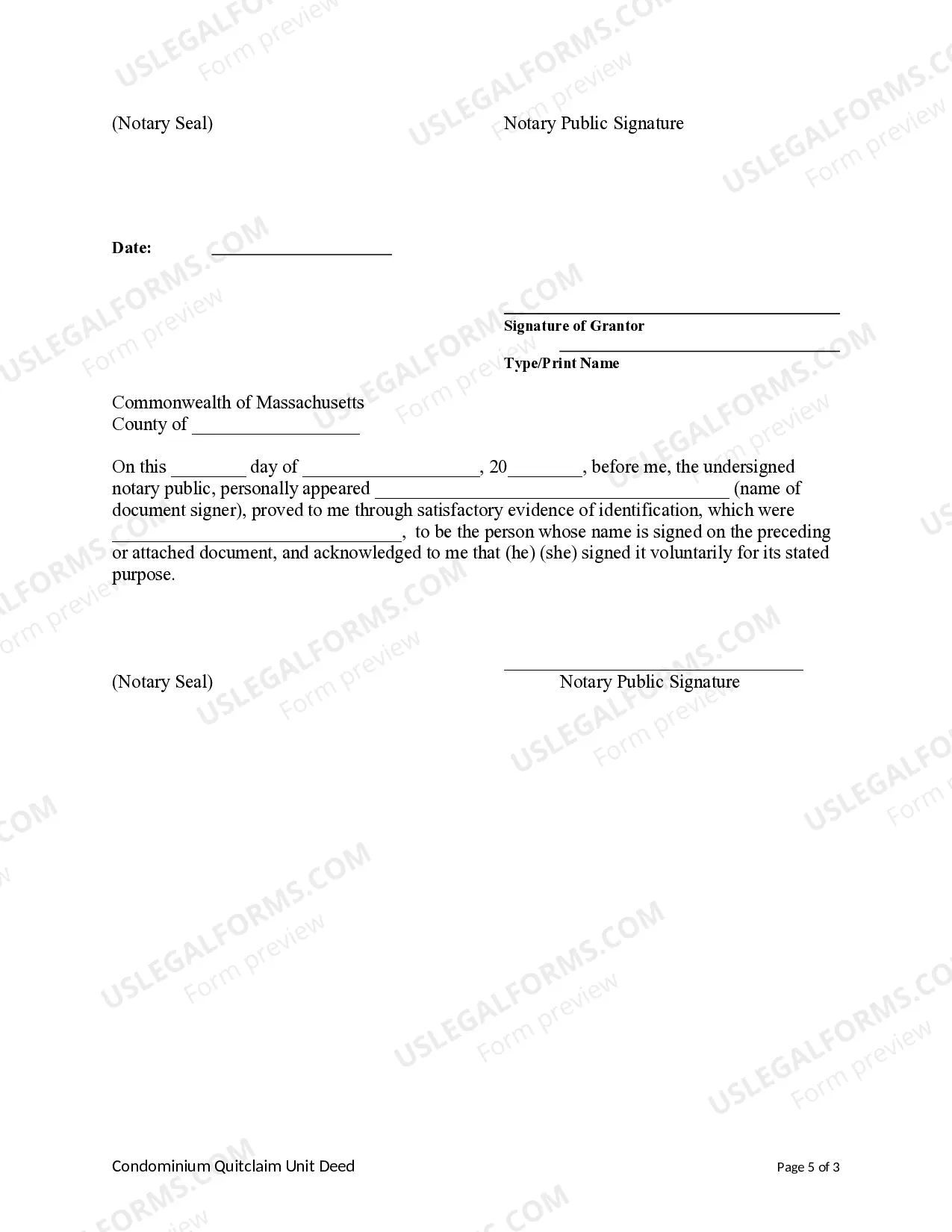
- Identification of the Grantors and Grantee: Names and addresses of all parties involved.
- Property Description: A clear statement of the condominium unit being transferred, including its legal description.
- Terms of Life Estate: Specification of the life estate being conveyed and the rights retained by the grantors.
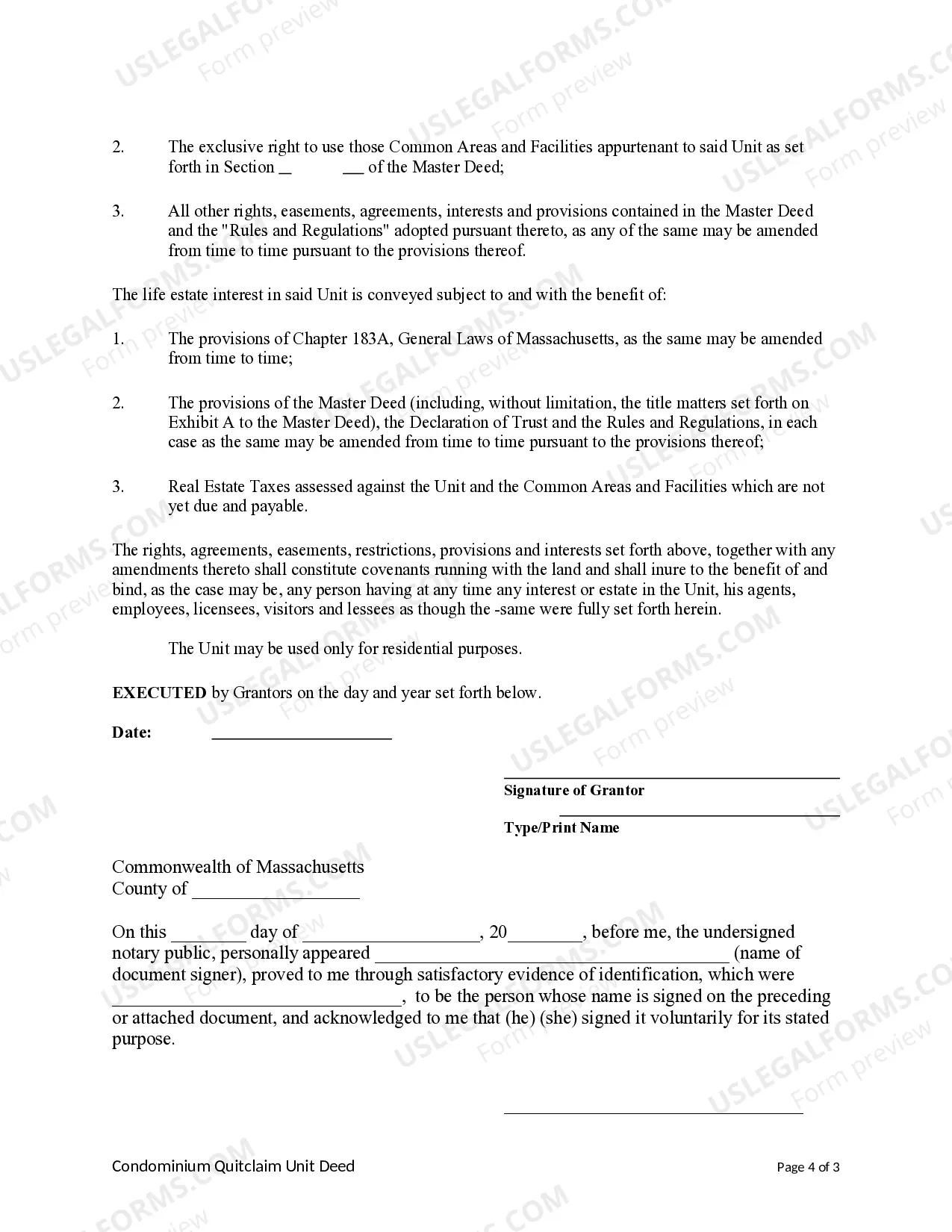
- Execution Section: A space for signatures and dates to validate the deed.
- Legal Compliance Statement: A declaration that the deed is in compliance with state laws.





Situations where this form applies
This form is commonly used in scenarios where property ownership is being transferred among family members or between individuals who have a close relationship. It is particularly relevant when a couple wishes to ensure that their property is managed by an individual after their passing, while still retaining the right to use the property during their lifetimes. It is an effective tool for estate planning and simplifies the transfer of property within familial relationships.
Who should use this form
- Husbands and wives wishing to transfer property between themselves and another individual.
- Partners or co-owners of property needing to establish a clear transfer of ownership.
- Individuals participating in estate planning to designate beneficiaries while retaining usage rights.
How to complete this form
- Identify the parties: Fill in the names and addresses of the grantors and the grantee.
- Specify the property: Provide a detailed description of the condominium unit being transferred.
- Enter terms: Clearly state the life estate terms and the rights that the grantors retain.
- Include execution details: Gather signatures of all grantors and date the document to validate it.
- Review for state compliance: Ensure that the deed meets all Massachusetts legal requirements before submission.
Does this form need to be notarized?
This form does not typically require notarization unless specified by local law. Ensure to check any additional requirements that may exist in your jurisdiction for the deed to be legally binding.
Get your form ready online
Our built-in tools help you complete, sign, share, and store your documents in one place.
Make edits, fill in missing information, and update formatting in US Legal Forms—just like you would in MS Word.
Download a copy, print it, send it by email, or mail it via USPS—whatever works best for your next step.
Sign and collect signatures with our SignNow integration. Send to multiple recipients, set reminders, and more. Go Premium to unlock E-Sign.
If this form requires notarization, complete it online through a secure video call—no need to meet a notary in person or wait for an appointment.
We protect your documents and personal data by following strict security and privacy standards.

Make edits, fill in missing information, and update formatting in US Legal Forms—just like you would in MS Word.

Download a copy, print it, send it by email, or mail it via USPS—whatever works best for your next step.

Sign and collect signatures with our SignNow integration. Send to multiple recipients, set reminders, and more. Go Premium to unlock E-Sign.

If this form requires notarization, complete it online through a secure video call—no need to meet a notary in person or wait for an appointment.

We protect your documents and personal data by following strict security and privacy standards.
Mistakes to watch out for
- Failing to include complete identification of all parties involved, which can lead to disputes.
- Neglecting to accurately describe the property, resulting in unclear or invalid transfers.
- Not executing the document properly with all required signatures and dates.
- Using outdated forms that may not comply with current state law.
Advantages of online completion
- Easy access to downloadable and editable forms that can be completed at your convenience.
- Simplified process saves time compared to seeking legal help for standard transfers.
- Forms are drafted by licensed attorneys to ensure compliance with legal standards.
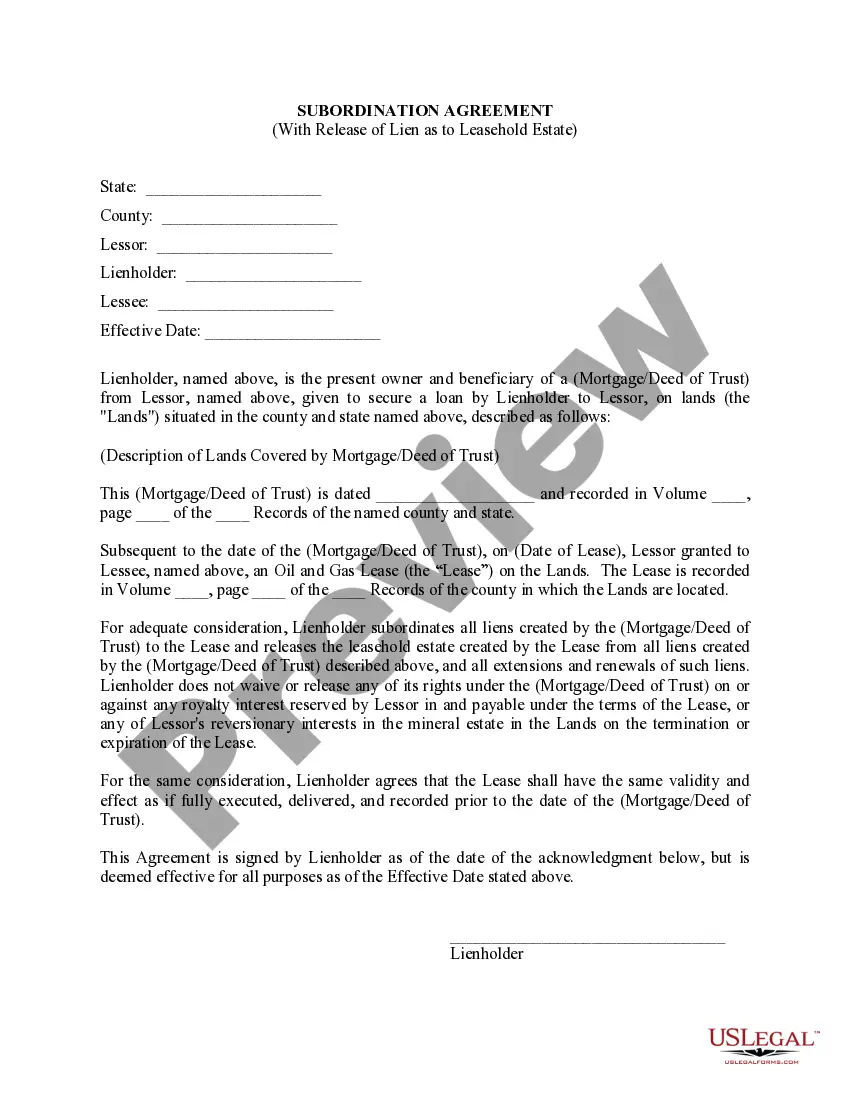
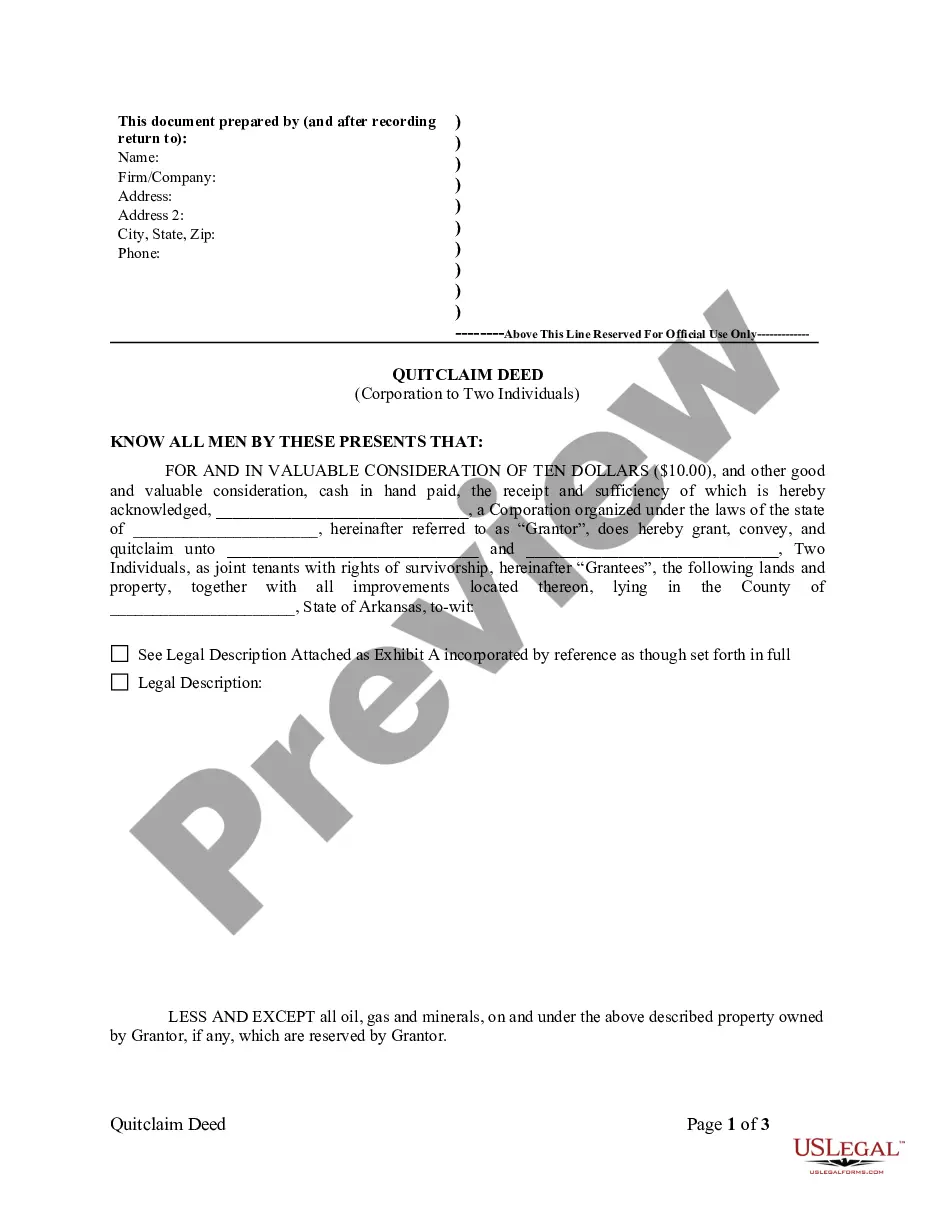
Looking for another form?

Form popularity
FAQ
The life estate can not be revoked. Your mom would have to sign a deed to end the life estate and if she is incompetent, as you state, then she does not have the capacity to sign the deed.
To accomplish this, you need to have the life estate deed that shows you have the right to own the property after the life estate holder dies. Using the information in this deed, along with the deceased's death certificate, you can prepare and record the required title transfer document to clear title.
A person owns property in a life estate only throughout their lifetime. Beneficiaries cannot sell property in a life estate before the beneficiary's death. One benefit of a life estate is that property can pass when the life tenant dies without being part of the tenant's estate.
To dissolve a life estate, the life tenant can give their ownership interest to the remainderman. So, if a mother has a life estate and her son has the remainder, she can convey her interest to him, and he will then own the entire interest in the property.
The date the deed was made; The name of the party granting the life estate and their address; The name of the grantee and their address; The address and a legal description of the property that is subject to the life estate;
A person owns property in a life estate only throughout their lifetime. Beneficiaries cannot sell property in a life estate before the beneficiary's death. One benefit of a life estate is that property can pass when the life tenant dies without being part of the tenant's estate.
To dissolve a life estate, the life tenant can give their ownership interest to the remainderman. So, if a mother has a life estate and her son has the remainder, she can convey her interest to him, and he will then own the entire interest in the property.
Pursuant to ' 2036(a) of the IRC, the transfer of a residence with a retained life estate permits the transferee of the residence to receive a full step up in his or her cost basis in the premises upon the death of the transferor, to its fair market value on the transferor's date of death.