Louisiana Letter from Tenant to Landlord containing Notice of wrongful deductions from security deposit and demand for return
Overview of this form
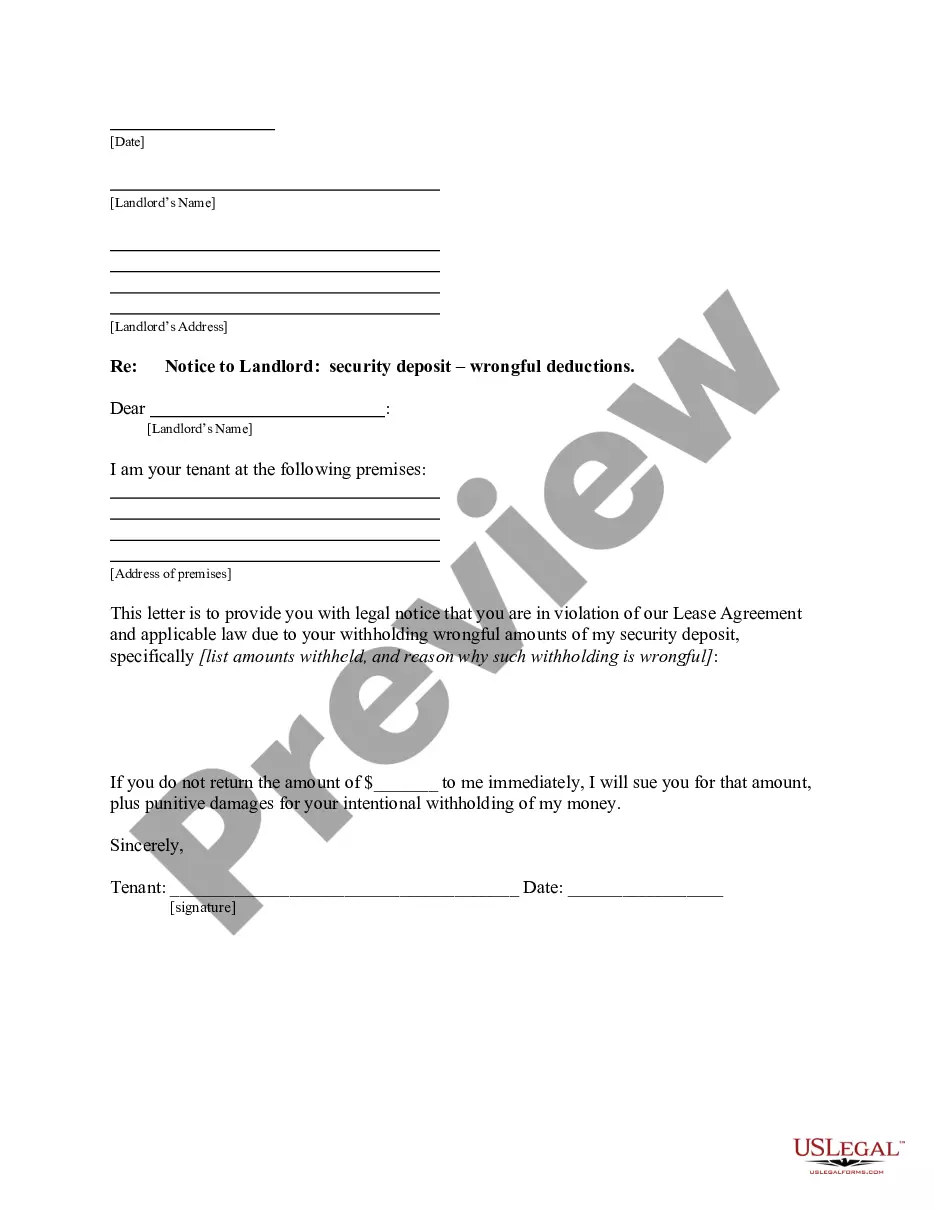
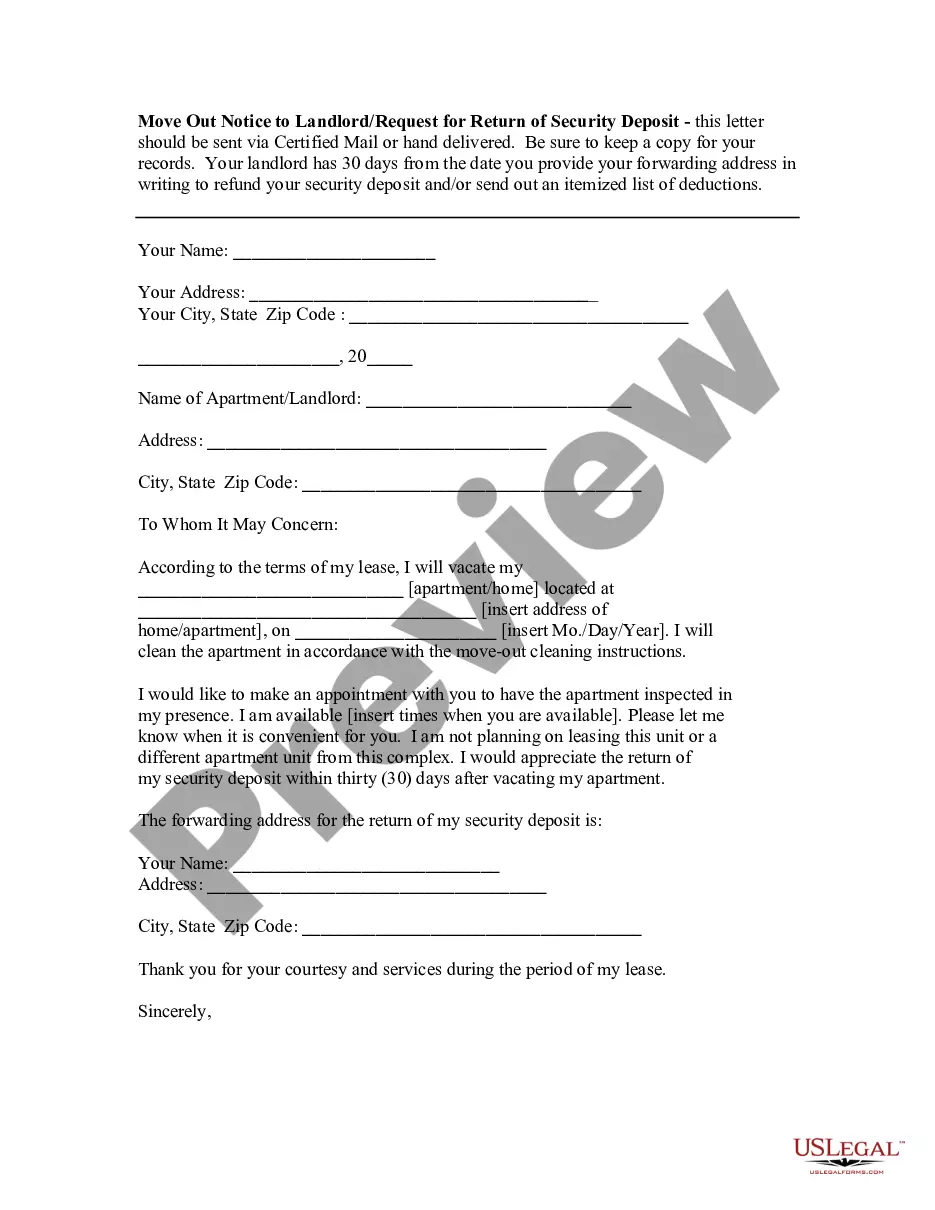
This form is a Letter from Tenant to Landlord containing Notice of wrongful deductions from security deposit and demand for return. It is specifically designed to inform landlords about any inappropriate deductions taken from a tenant's security deposit and to formally demand the return of those funds. This letter serves as a critical step in addressing disputes regarding security deposits within the parameters of state law.
Form components explained
- Tenant's contact information and signature
- Landlord's or authorized agent's details
- Details of the wrongful deductions from the security deposit
- Specific demands for the return of the deposit
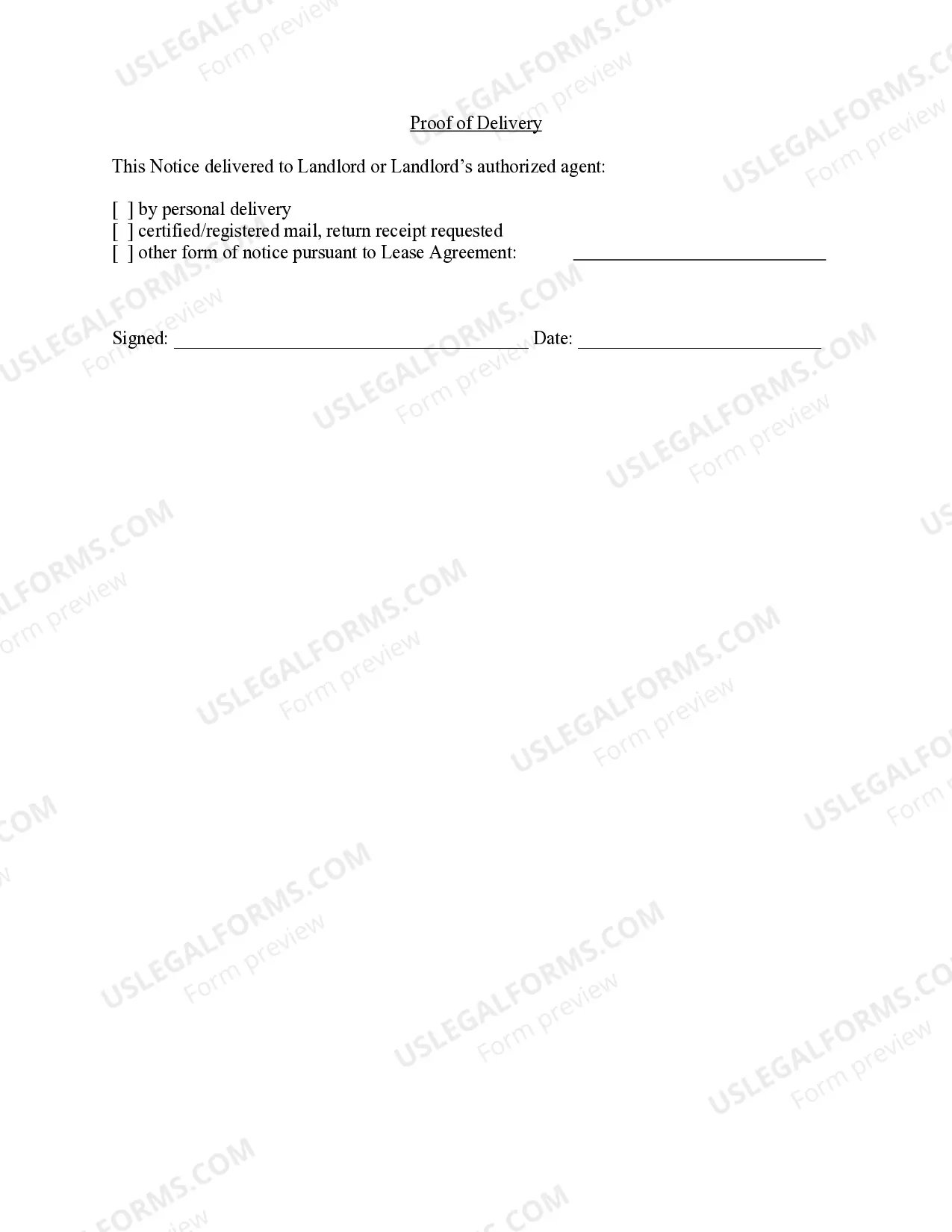
- Date of delivery to the landlord



Common use cases
This letter should be used when a tenant believes that the landlord has wrongfully deducted amounts from their security deposit upon the termination of a lease. It is an essential documentation tool for tenants who wish to formally address and resolve disputes over security deposit deductions before escalating the matter legally.
Intended users of this form
- Tenants who have experienced wrongful deductions from their security deposit
- Individuals seeking to reclaim their security deposit in a formal manner
- Tenants who want to ensure legal compliance with state regulations regarding security deposits
How to prepare this document
- Identify the parties involved by filling in your name as the tenant and the landlord's name and address.
- Specify the details of the security deposit, including the exact amounts that were wrongfully deducted.
- Clearly state your demand for the return of the full security deposit amount.
- Sign the letter to confirm its authenticity and date it appropriately.
- Deliver the notice to the landlord, ensuring you use a method that provides proof of delivery.
Notarization requirements for this form
In most cases, this form does not require notarization. However, some jurisdictions or signing circumstances might. US Legal Forms offers online notarization powered by Notarize, accessible 24/7 for a quick, remote process.
Get your form ready online
Our built-in tools help you complete, sign, share, and store your documents in one place.
Make edits, fill in missing information, and update formatting in US Legal Forms—just like you would in MS Word.
Download a copy, print it, send it by email, or mail it via USPS—whatever works best for your next step.
Sign and collect signatures with our SignNow integration. Send to multiple recipients, set reminders, and more. Go Premium to unlock E-Sign.
If this form requires notarization, complete it online through a secure video call—no need to meet a notary in person or wait for an appointment.
We protect your documents and personal data by following strict security and privacy standards.

Make edits, fill in missing information, and update formatting in US Legal Forms—just like you would in MS Word.

Download a copy, print it, send it by email, or mail it via USPS—whatever works best for your next step.

Sign and collect signatures with our SignNow integration. Send to multiple recipients, set reminders, and more. Go Premium to unlock E-Sign.

If this form requires notarization, complete it online through a secure video call—no need to meet a notary in person or wait for an appointment.

We protect your documents and personal data by following strict security and privacy standards.
Mistakes to watch out for
- Failing to include complete and accurate contact information for both parties.
- Not specifying the exact amounts that were wrongfully deducted.
- Omitting the date of delivery, which is critical for legal purposes.
- Using informal language rather than a formal tone in the letter.
Why complete this form online
- Convenience of downloading and filling out the form from anywhere.
- Editability allows you to customize the letter according to your specific situation.
- Reliability of using a document drafted by licensed attorneys ensuring legal compliance.
Legal use & context
- The form serves as a written record of your communication with the landlord regarding the security deposit.
- Providing this notice can protect your rights and is often a necessary step before pursuing further legal action.
What to keep in mind
- This form helps tenants formally contest wrongful deductions from their security deposit.
- Timely notice can facilitate better communication and resolution with landlords.
- Certain state laws may affect how this form is completed and delivered.
Looking for another form?
Form popularity
FAQ
Start by simply saying the date and the tenants name and address. Make sure all the data is accurate, as this can serve as a written notice should you go to court. The letter should inform the tenant that they are late on the rent and by how many days.
Type your letter. Concisely review the main facts. Be polite. Write with your goal in mind. Ask for exactly what you want. Set a deadline. End the letter by stating you will promptly pursue legal remedies if the other party does not meet your demand. Make and keep copies.
Before you go to court, a number of states require you to send a demand letter to your opposing party. An attorney is usually not necessary at this point and you can write a demand letter on your own. To write one, gather necessary documents, draft your letter, and send the letter to your opposing party.
The date of the letter and the landlord's full name and address. The address of the residence you rented and the date you moved in. A statement that you've been paying your rent timely and that you are current with your payments.
Tenant's name and new address, or address he gave for return of the security deposit. Commencement date of the lease and date it ended. Amount of the security deposit when the tenant moved in. Amount of interest accrued.
Mail your landlord a letter requesting that she return your deposit. Be polite and simply inform the landlord that you have vacated the property and would appreciate the return of your deposit once she has had a chance to complete any checks and paperwork.
Type your letter. Concisely review the main facts. Be polite. Write with your goal in mind. Ask for exactly what you want. Set a deadline. End the letter by stating you will promptly pursue legal remedies if the other party does not meet your demand. Make and keep copies.