Louisiana Letter from Tenant to Landlord about Illegal entry by landlord
Understanding this form
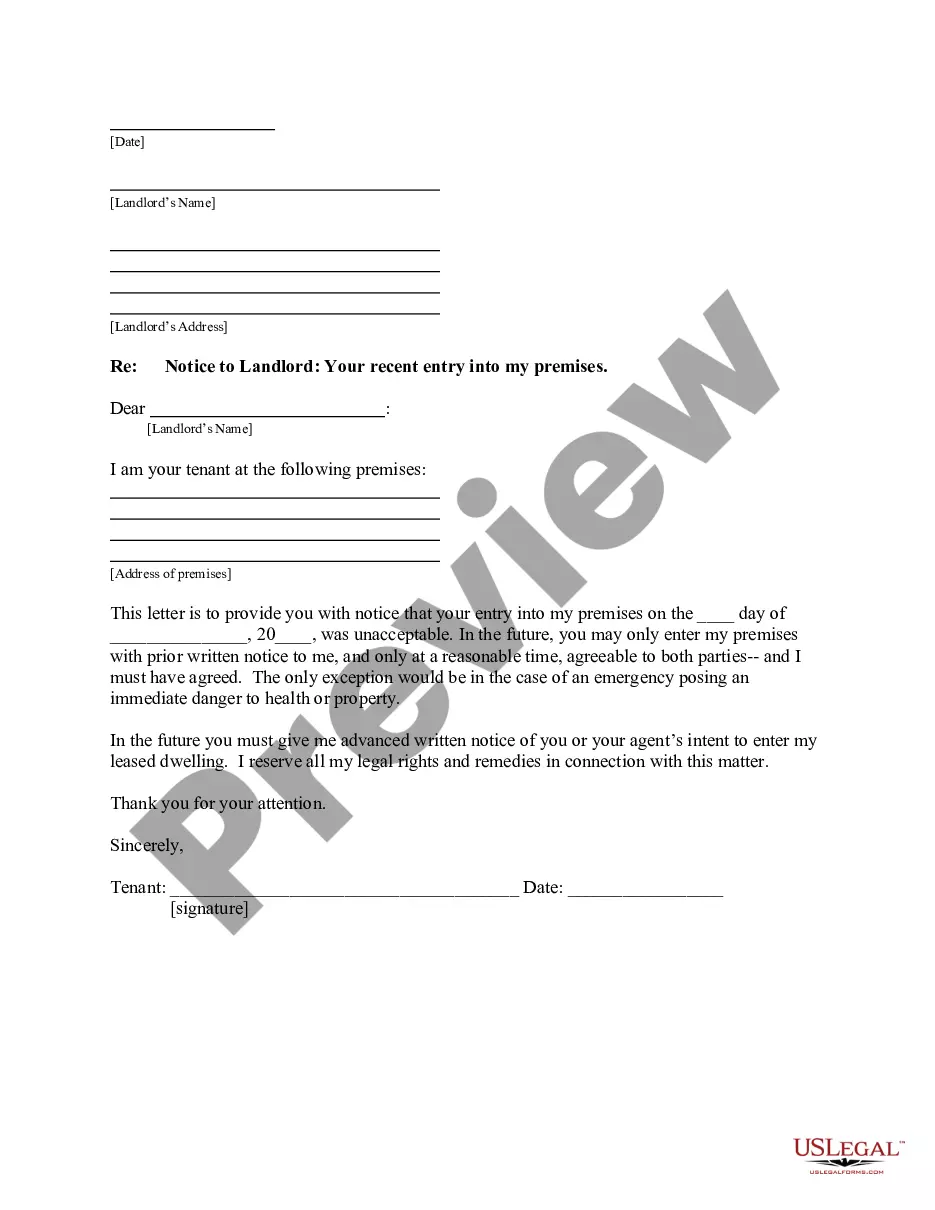
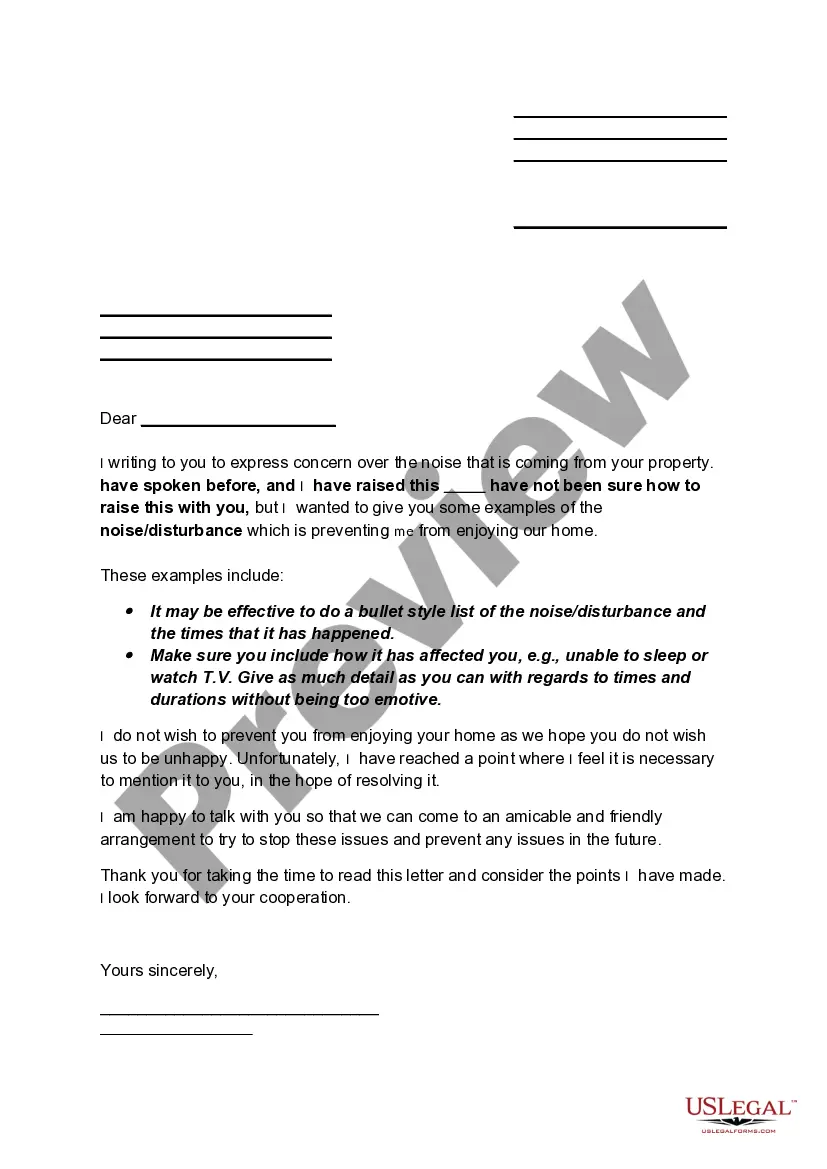
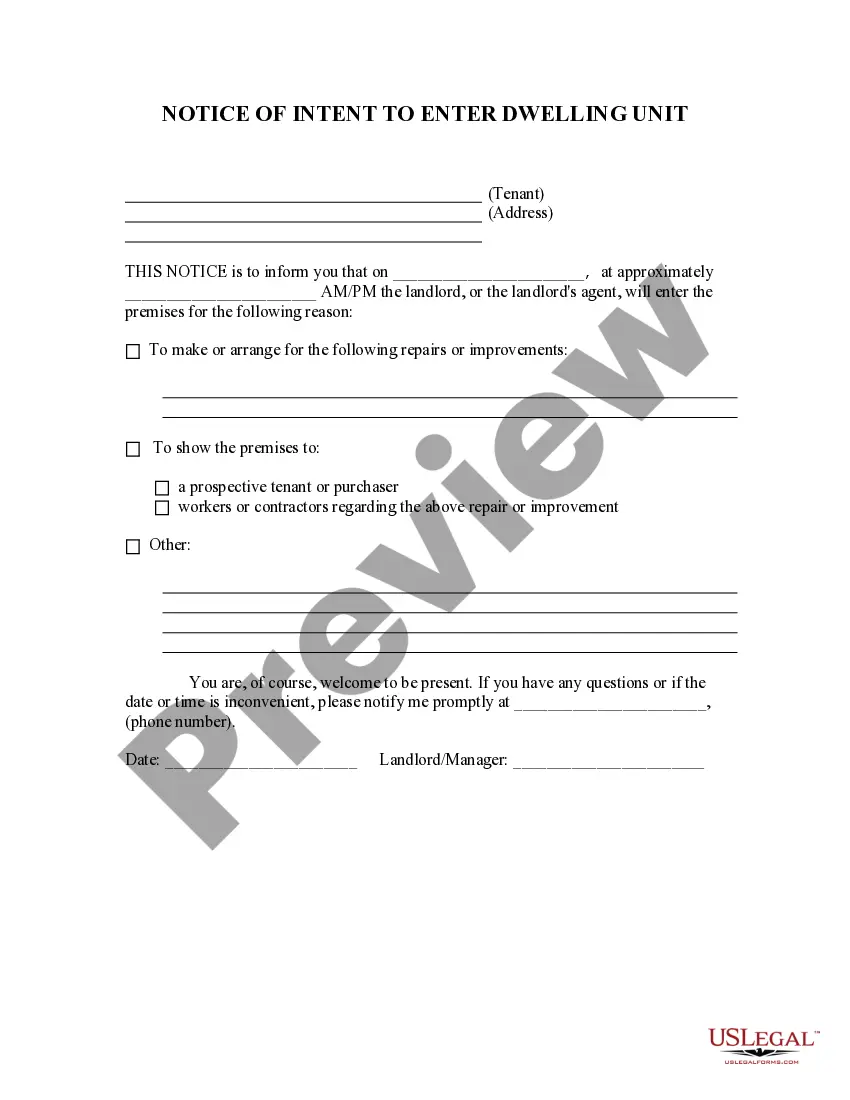
This form is a Letter from Tenant to Landlord about illegal entry by the landlord. It serves to formally request that landlords provide advanced written notice before entering a rental property, ensuring tenant privacy rights are respected. Unlike other general complaint letters, this form specifically addresses landlord access and establishes clear expectations regarding notification and timing for any entries into the leased space.
Main sections of this form
- Identification of the tenant and landlord
- Statement requesting advanced written notice for future entries
- Conditions for entry during emergencies
- Reservation of legal rights and remedies
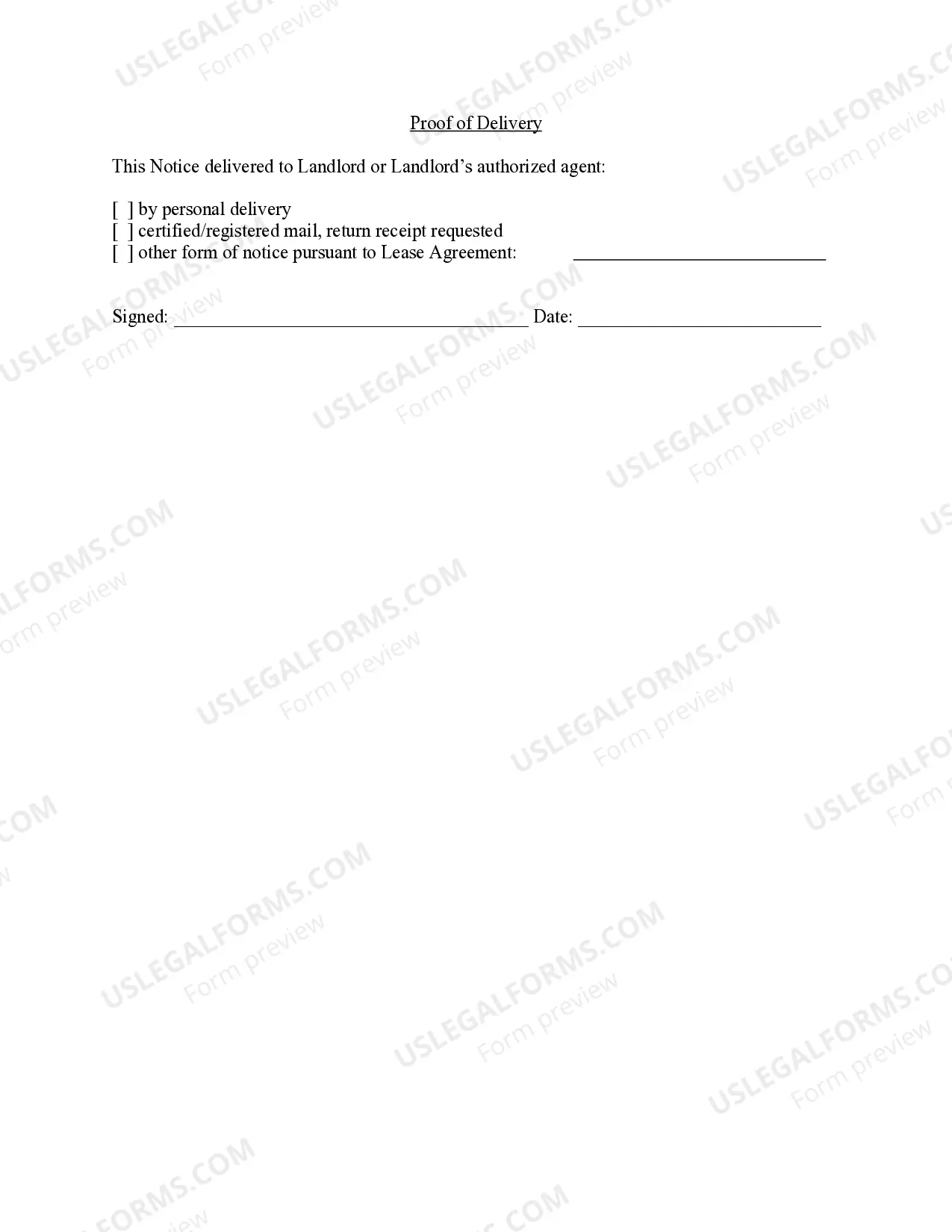
- Proof of delivery methods


When to use this form
This form should be used when a tenant believes their landlord has entered their premises without proper notice or consent. It is appropriate to use this letter if there have been previous instances of illegal entry or if the tenant wants to establish firm ground rules regarding access to their home. This communication serves to protect the tenant's rights and prevent future unauthorized entries.
Intended users of this form
- Tenants who feel their privacy has been violated due to illegal landlord entry
- Individuals renting residential properties
- Tenants seeking to formally clarify landlord entry procedures
- Anyone wanting to document their concerns about privacy and access
Instructions for completing this form
- Identify the parties by entering your name as the tenant and the landlord's name.
- Include the address of the leased property.
- Specify the request for advanced written notice and outline any exceptions for emergency situations.
- Sign and date the letter to validate your claim.
- Choose your method of delivery and indicate this in the proof section.
Does this form need to be notarized?
This form does not typically require notarization unless specified by local law. It is important to verify any specific legal requirements in your jurisdiction.
Get your form ready online
Our built-in tools help you complete, sign, share, and store your documents in one place.
Make edits, fill in missing information, and update formatting in US Legal Forms—just like you would in MS Word.
Download a copy, print it, send it by email, or mail it via USPS—whatever works best for your next step.
Sign and collect signatures with our SignNow integration. Send to multiple recipients, set reminders, and more. Go Premium to unlock E-Sign.
If this form requires notarization, complete it online through a secure video call—no need to meet a notary in person or wait for an appointment.
We protect your documents and personal data by following strict security and privacy standards.

Make edits, fill in missing information, and update formatting in US Legal Forms—just like you would in MS Word.

Download a copy, print it, send it by email, or mail it via USPS—whatever works best for your next step.

Sign and collect signatures with our SignNow integration. Send to multiple recipients, set reminders, and more. Go Premium to unlock E-Sign.

If this form requires notarization, complete it online through a secure video call—no need to meet a notary in person or wait for an appointment.

We protect your documents and personal data by following strict security and privacy standards.
Mistakes to watch out for
- Failing to include the date of the letter.
- Not providing adequate details about the entry issue.
- Using informal language rather than a clear, formal tone.
- Neglecting to send this letter via a trackable delivery method.
Why use this form online
- Easy access to a legally vetted template personalized to your needs.
- Convenience of downloading and editing the document at your convenience.
- Peace of mind knowing that the form is compliant with legal standards.
- Using this letter establishes a formal record of your request for notice.
- It may serve as evidence in disputes regarding unauthorized entries.
Key takeaways
- This form allows tenants to request proper notice for entry, protecting their rights.
- Understanding state laws is crucial for effective use of this form.
- Clear documentation can aid in resolving disputes with landlords.
Looking for another form?
Form popularity
FAQ
Quiet enjoyment You are paying rent to the landlord for exclusive use as the property as your home and as such you have the right to decide who enters it and when. If a landlord enters your home without permission they are, technically, trespassing, unless they have a court order to allow them otherwise.
Sue the landlord and whoever for up to $10,000 in small claims court for trespassing, breach of contract, invasion of privacy, and breach of quiet enjoyment; if you are two or more tenants, each can separately sue them for up to $10,000, and a joint action is not required.
If you think your landlord is violating the Fair Housing Act, you can get that landlord in trouble by filing a complaint at HUD.gov. Your remedy for breach of quiet enjoyment is to terminate the lease and move or sue in small claims court.
In all states, a landlord can enter the property in an emergency without notice or permission.Even if your landlord gives you notice, he or she must have a good reason to enter the property. In most cases, your landlord can enter your home: In an emergency.
When you rent a property from a landlord it becomes your home. They should only enter the property without you being present, if you have given permission for them to do so, or in a genuine emergency.
When you rent a property from a landlord it becomes your home. They should only enter the property without you being present, if you have given permission for them to do so, or in a genuine emergency.
The big take-away is that in most circumstances a landlord cannot enter a property without agreement from the tenant. And If the landlord ignores the law and enters the property without permission, the tenant may be able to claim damages or gain an injunction to prevent the landlord doing it again.
A landlord cannot generally enter your apartment without advance notice or your consent. The same limits apply to third parties entering on behalf of the landlord. This is part of your right to peaceful possession of your home under Louisiana law.
To Submit a Complaint You can also visit HUD's Title VIII Complaint Process page to file a complaint online. For questions regarding fair housing laws or if you wish to have a representative from the State Attorney General's Office speak to your organization call 800-273-5718.