Kentucky Special Durable Power of Attorney for Bank Account Matters
What this document covers
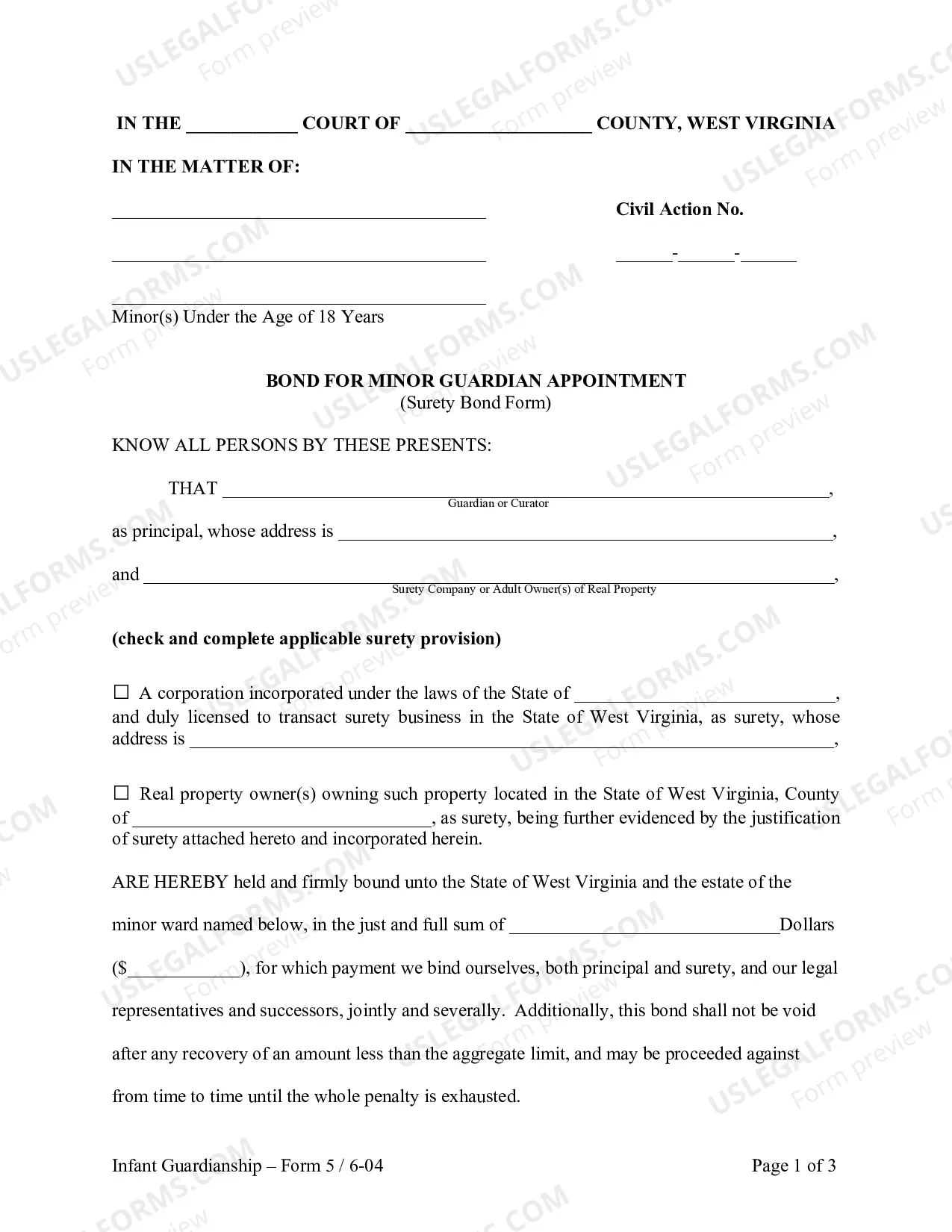
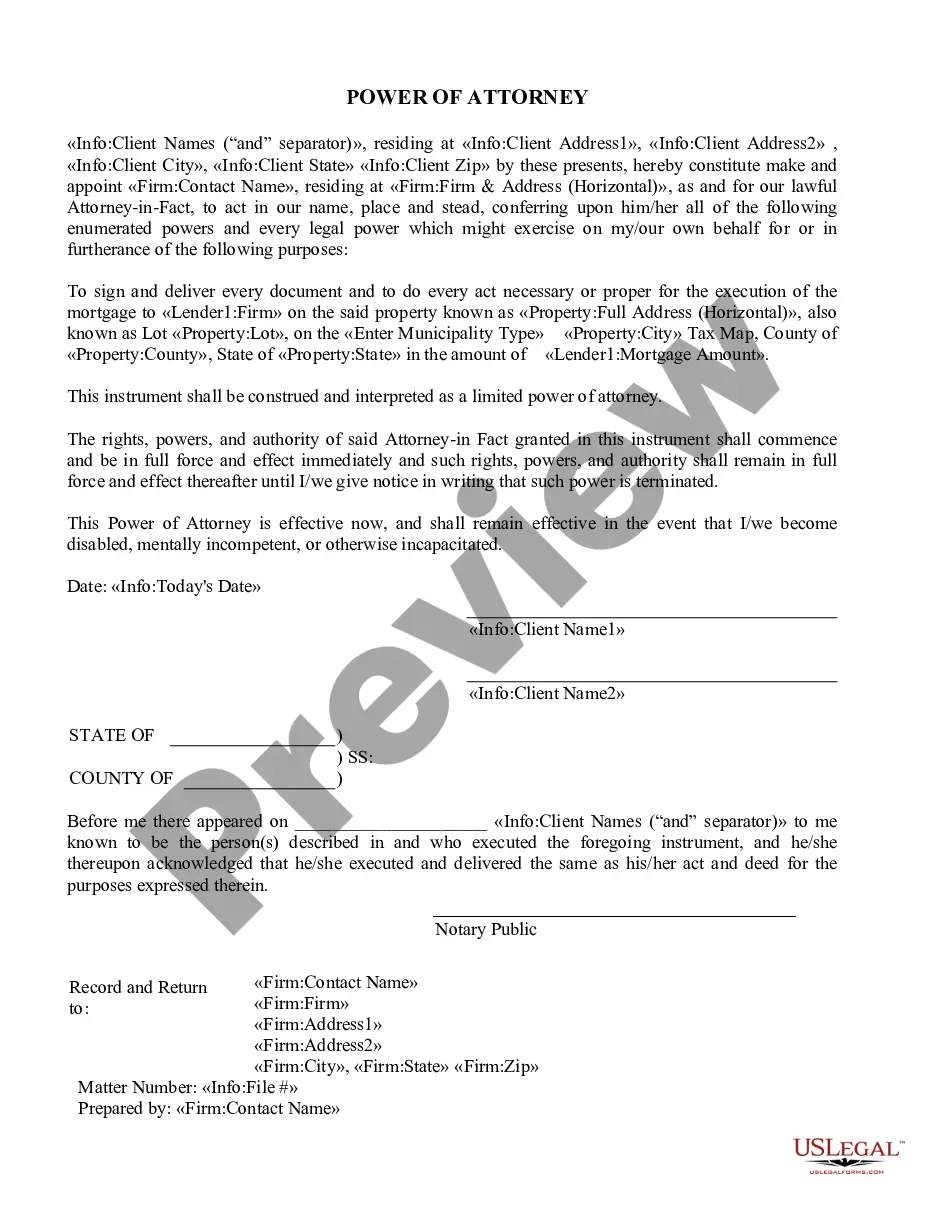
The Special Durable Power of Attorney for Bank Account Matters is a legal document that allows you to appoint an agent to manage specific bank account activities on your behalf. This form is limited in scope, granting authority only related to your bank accounts, differentiating it from broader powers of attorney that cover multiple areas of your life. The durable aspect ensures that your agent's authority continues even if you become incapacitated.
Form components explained
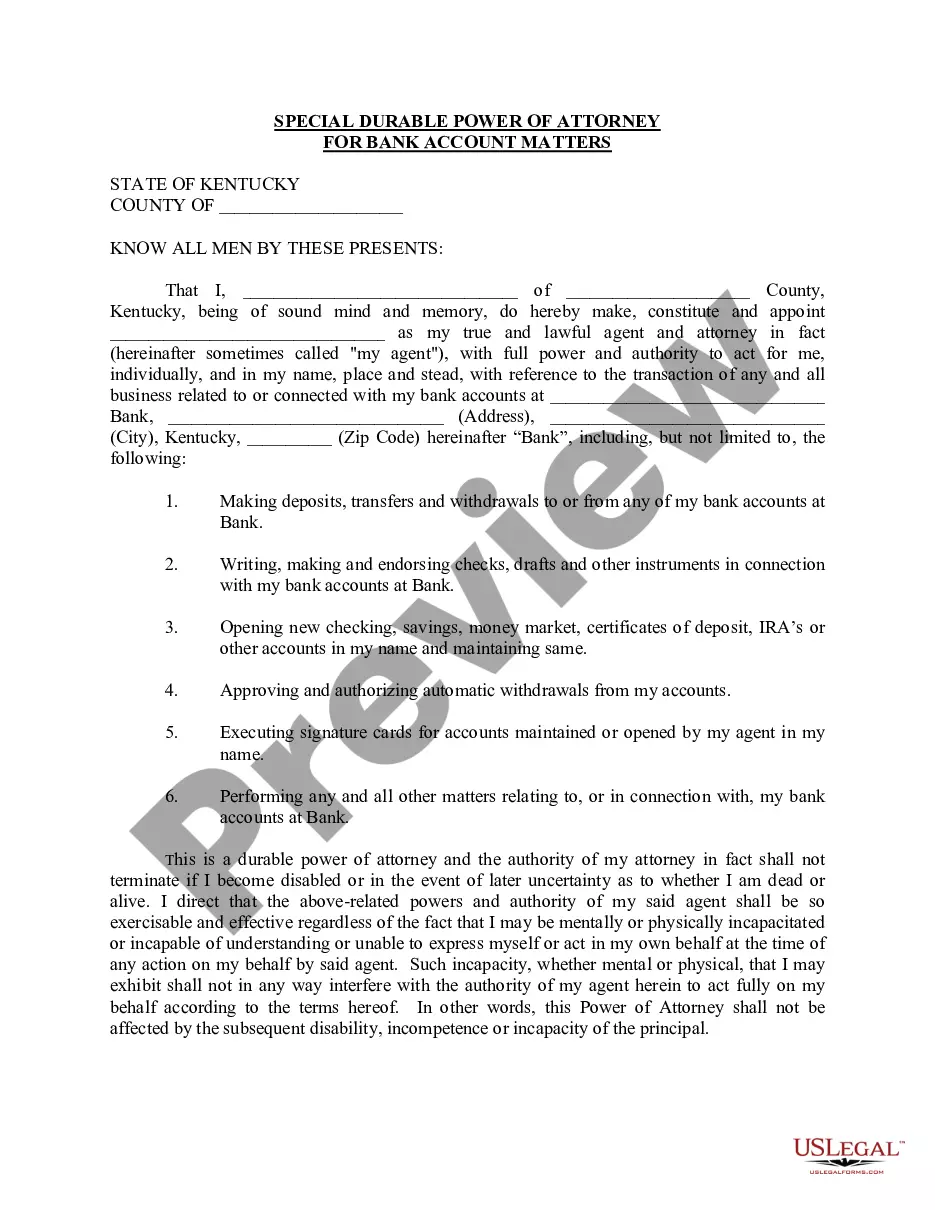
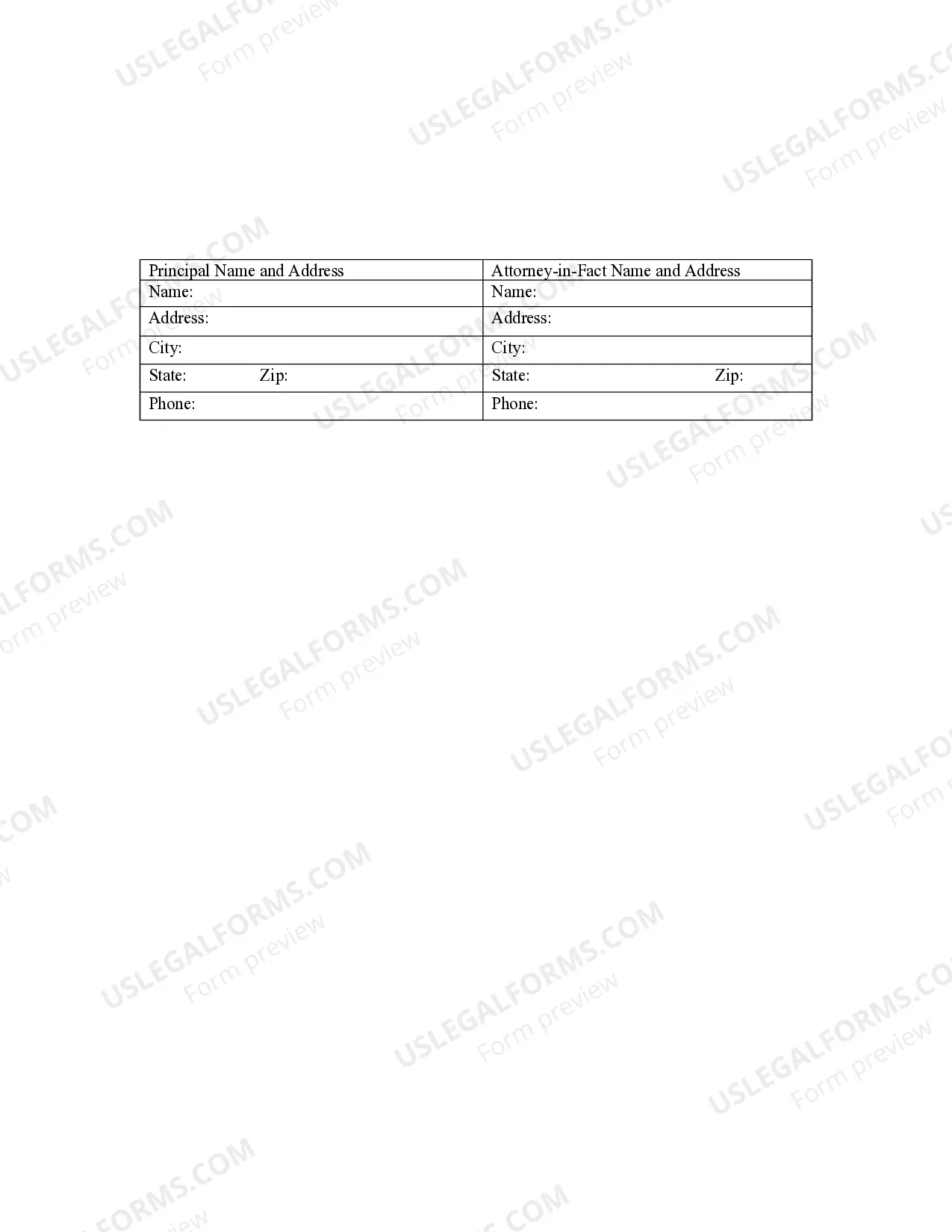
- Identification of the principal and the agent.
- Specific powers granted to the agent concerning bank accounts.
- Durability clause stating that the authority remains valid even if the principal becomes incapacitated.
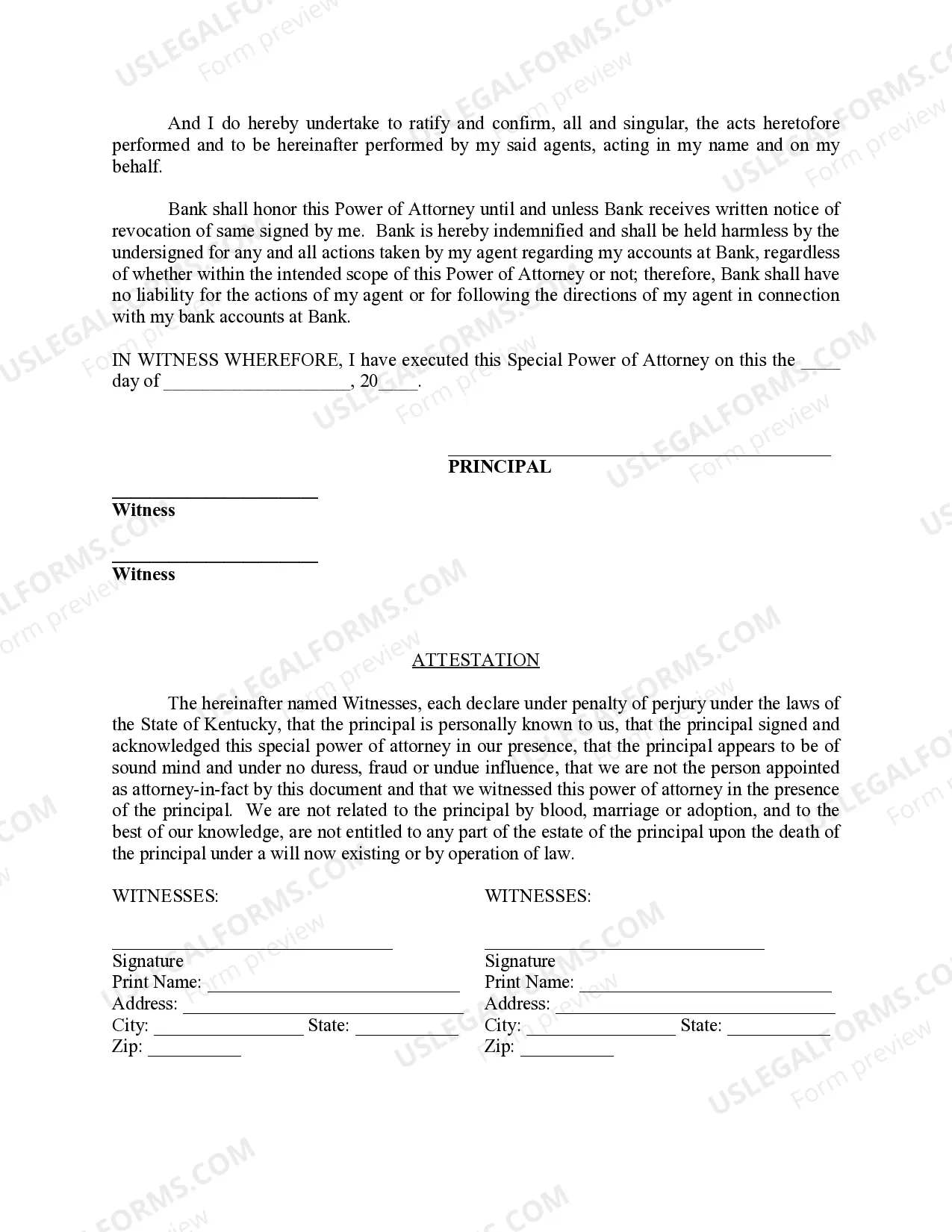
- Signature lines for the principal and witnesses to verify the document's validity.
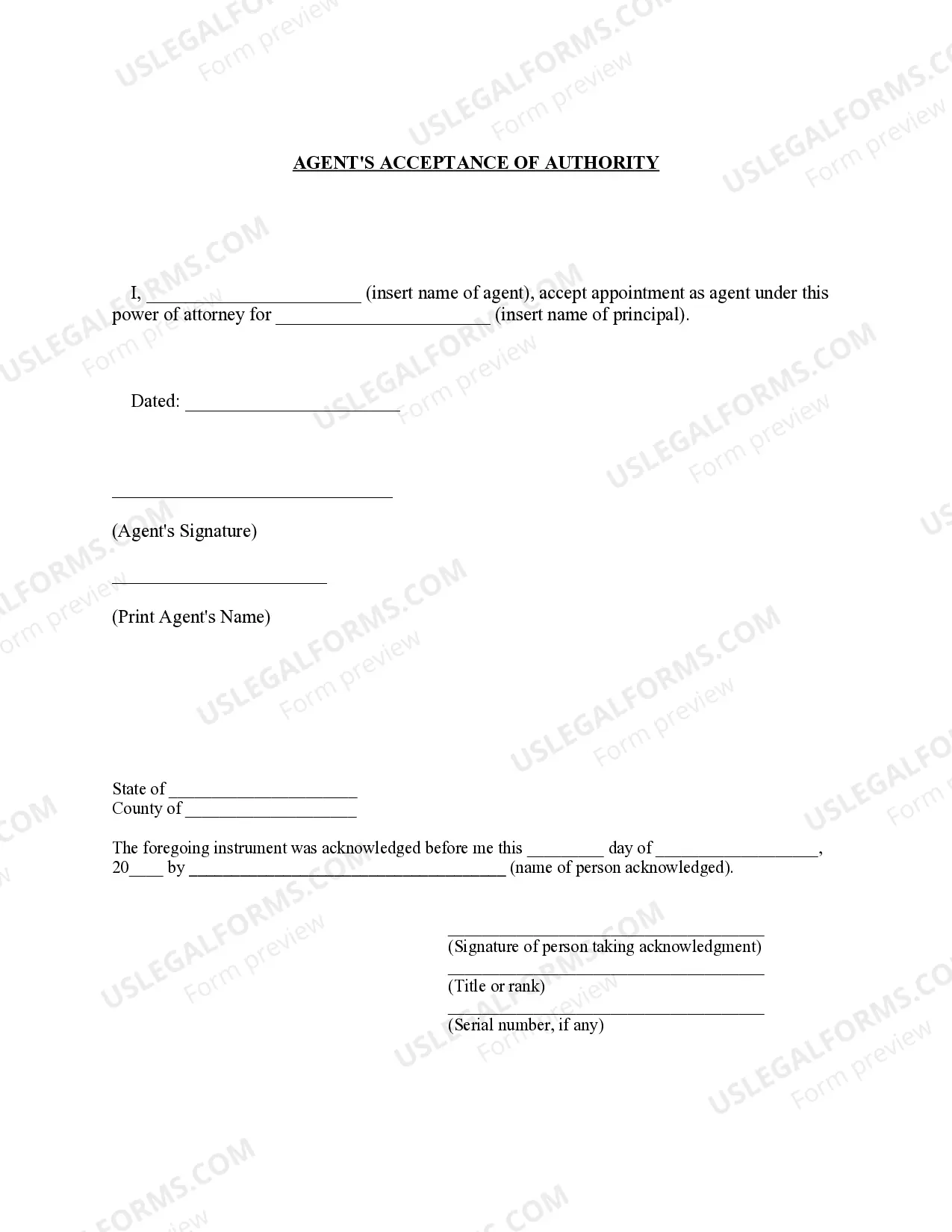
- Agent's acceptance of the authority granted in the form.
When this form is needed
This form is useful when you need someone to handle your banking matters while you are unavailable, incapacitated, or unable to perform these tasks yourself. Common situations may include a prolonged illness, traveling abroad, or managing your finances during a temporary absence.
Who this form is for
This form is designed for individuals who:
- Wish to assign limited banking powers to a trusted person.
- Require assistance with bank account matters due to incapacity or absence.
- Want to ensure their banking transactions continue smoothly in their absence.
Instructions for completing this form
- Identify the principal by providing their name and county of residence.
- Appoint your chosen agent by entering their name and relevant details.
- Clearly specify the bank and account details that the agent will manage.
- Include any specific powers granted to the agent related to managing bank accounts.
- Have the document signed in the presence of witnesses who can attest to the principal's capacity.
- Ensure the agent signs to accept their role under this power of attorney.
Notarization requirements for this form
This document requires notarization to meet legal standards. US Legal Forms provides secure online notarization powered by Notarize, allowing you to complete the process through a verified video call, available 24/7.
Get your form ready online
Our built-in tools help you complete, sign, share, and store your documents in one place.
Make edits, fill in missing information, and update formatting in US Legal Forms—just like you would in MS Word.
Download a copy, print it, send it by email, or mail it via USPS—whatever works best for your next step.
Sign and collect signatures with our SignNow integration. Send to multiple recipients, set reminders, and more. Go Premium to unlock E-Sign.
If this form requires notarization, complete it online through a secure video call—no need to meet a notary in person or wait for an appointment.
We protect your documents and personal data by following strict security and privacy standards.

Make edits, fill in missing information, and update formatting in US Legal Forms—just like you would in MS Word.

Download a copy, print it, send it by email, or mail it via USPS—whatever works best for your next step.

Sign and collect signatures with our SignNow integration. Send to multiple recipients, set reminders, and more. Go Premium to unlock E-Sign.

If this form requires notarization, complete it online through a secure video call—no need to meet a notary in person or wait for an appointment.

We protect your documents and personal data by following strict security and privacy standards.
Typical mistakes to avoid
- Not having the document signed in the presence of witnesses.
- Failing to specify the bank account details clearly.
- Not including a durability clause, which is essential for continued authority.
Why use this form online
- Easy access to a legally drafted template tailored for your needs.
- Convenient to download and complete at your own pace.
- Provides peace of mind knowing you have a secure, reliable legal document in place.
Legal use & context
- This power of attorney allows your agent to manage bank accounts effectively without ongoing consent.
- The document protects the bank by indemnifying it against liability from the agent's actions.
- It is important to review the form periodically to ensure it still meets your needs and complies with current laws.
Summary of main points
- The Special Durable Power of Attorney for Bank Account Matters is specifically designed for managing bank accounts.
- It remains effective even if the principal becomes incapacitated.
- Proper completion requires Witness signatures and notarization in Kentucky.
Looking for another form?


Form popularity
FAQ
Choose an agent. Before you begin to fill out the form, you have some decisions to make. Decide on the type of authority. You can choose whether you want your POA to be broad or narrow. Identify the length of time the POA will be in effect. Fill out the form. Execute the document.
Most states offer simple forms to help you create a power of attorney for finances. Generally, the document must be signed, witnessed and notarized by an adult. If your agent will have to deal with real estate assets, some states require you to put the document on file in the local land records office.
A power of attorney allows an agent to access the principal's bank accounts, either as a general power or a specific power. If the document grants an agent power over that account, they must provide a copy of the document along with appropriate identification to access the bank account.
Perhaps the most important duty you have as an attorney is the duty to act in the best interests of the donor. Therefore, any gifts or payments you make on the donor's behalf must be in line with their best interests.Attorneys can even make payments to themselves.
While laws vary between states, a POA can't typically add or remove signers from your bank account unless you include this responsibility in the POA document.If you don't include a clause giving the POA this authority, then financial institutions won't allow your POA to make ownership changes to your accounts.
Depending on the language of the power of attorney, your agent may be able to change the ownership of your bank accounts or change your beneficiary designations.
A power of attorney, or POA, is one of the most commonly used legal documents because of the numerous purposes a POA can serve.Banks, for example, are notorious for refusing to honor, or at least questioning, the authority of an Agent when presented with a power of attorney.
Through the use of a valid Power of Attorney, an Agent can sign checks for the Principal, withdraw and deposit funds from the Principal's financial accounts, change or create beneficiary designations for financial assets, and perform many other financial transactions.