Kansas Landlord Tenant Sublease Package
About this form package
The Kansas Landlord Tenant Sublease Package provides essential legal documents to assist you in the subleasing process of a rental property. This package is specifically designed to address the unique legal issues that may arise between landlords, tenants, and subtenants, making it distinct from other rental form packages. By utilizing this form package, users can navigate subleasing more confidently and mitigate potential disputes.
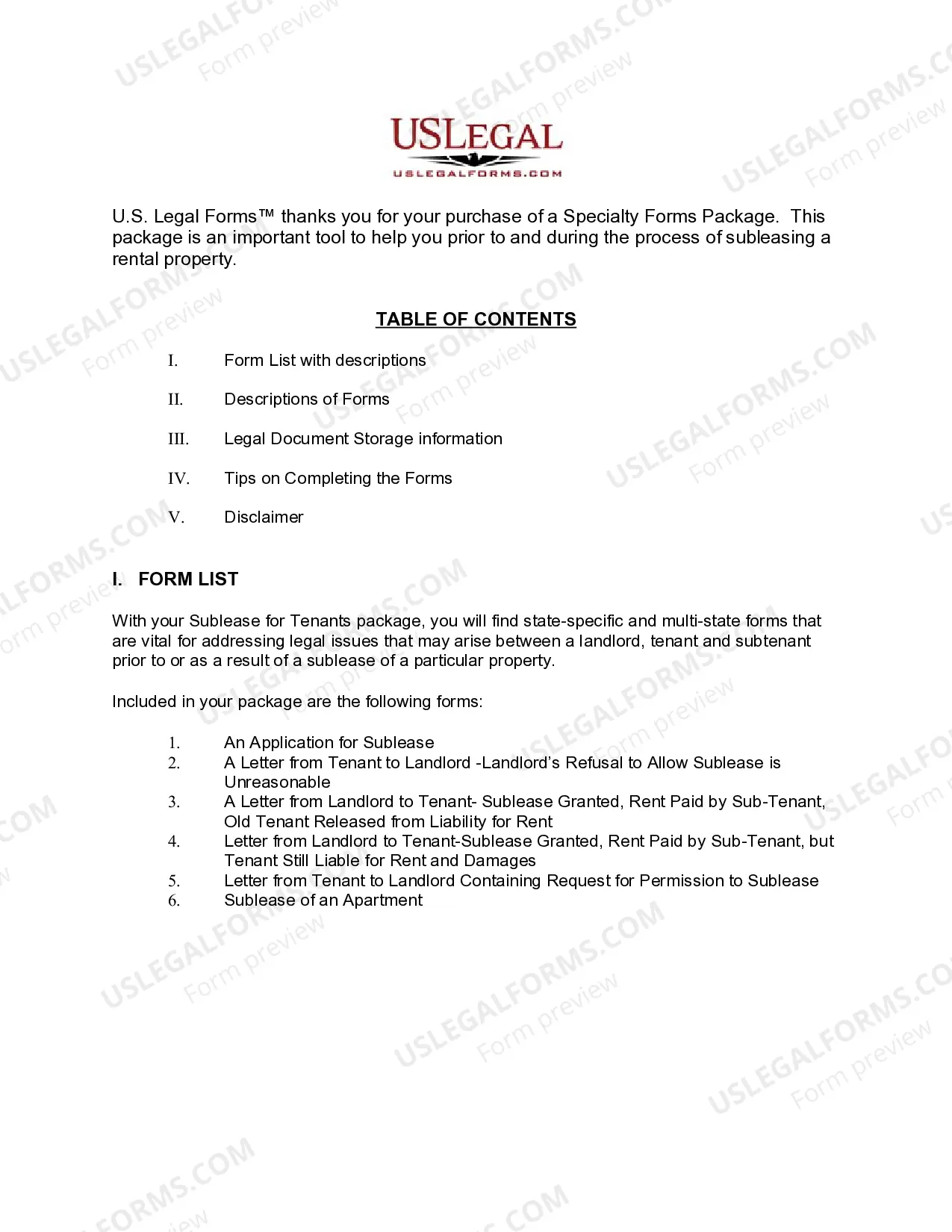
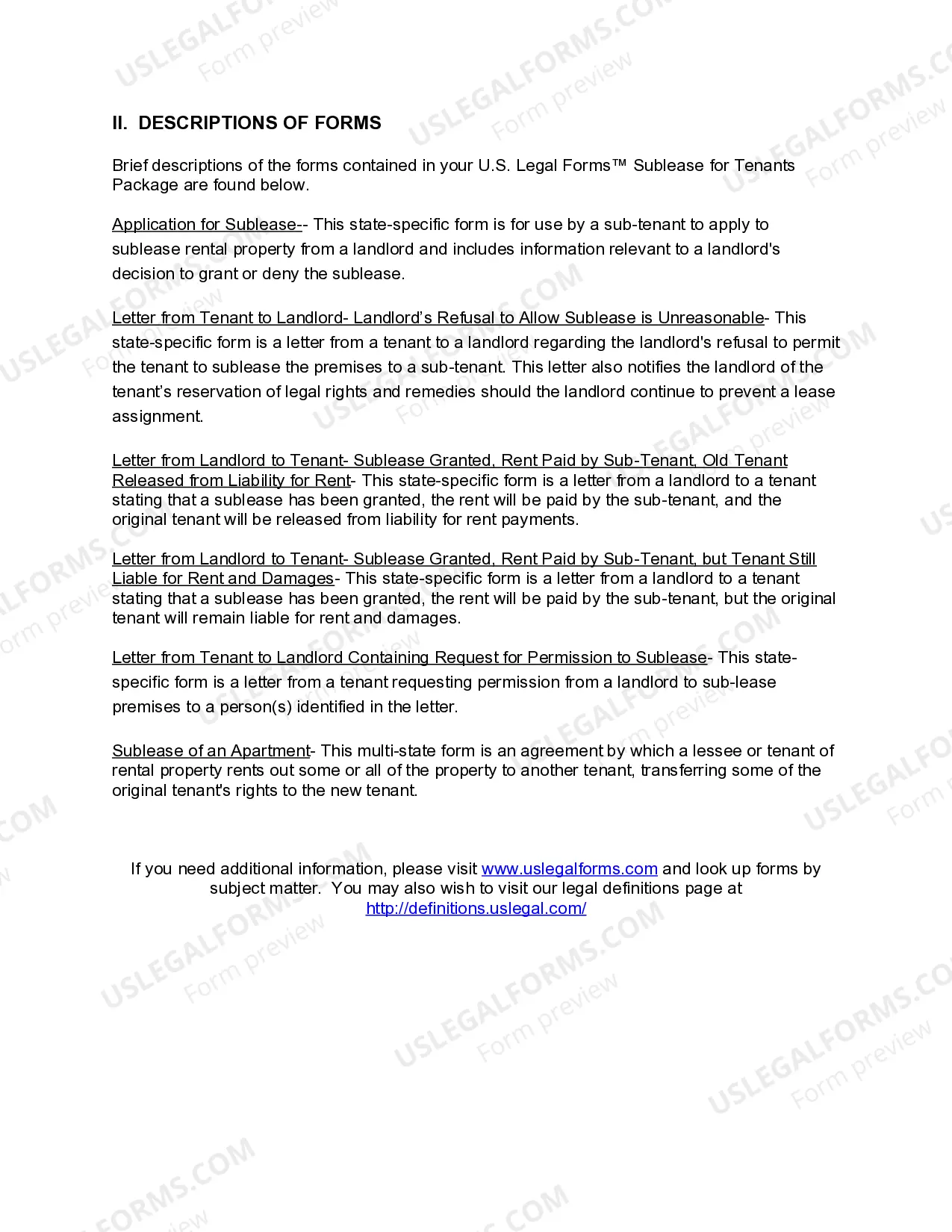
Documents contained in this package
- Letter from Tenant to Landlord containing Request for permission to sublease
- Letter from Landlord to Tenant that Sublease granted - Rent Paid by Subtenant, but Tenant Still Liable for Rent and Damages
- Letter from Landlord to Tenant that Sublease granted - Rent Paid by Subtenant, Old Tenant Released from Liability for Rent
- Letter from Tenant to Landlord about Landlord's refusal to allow sublease is unreasonable
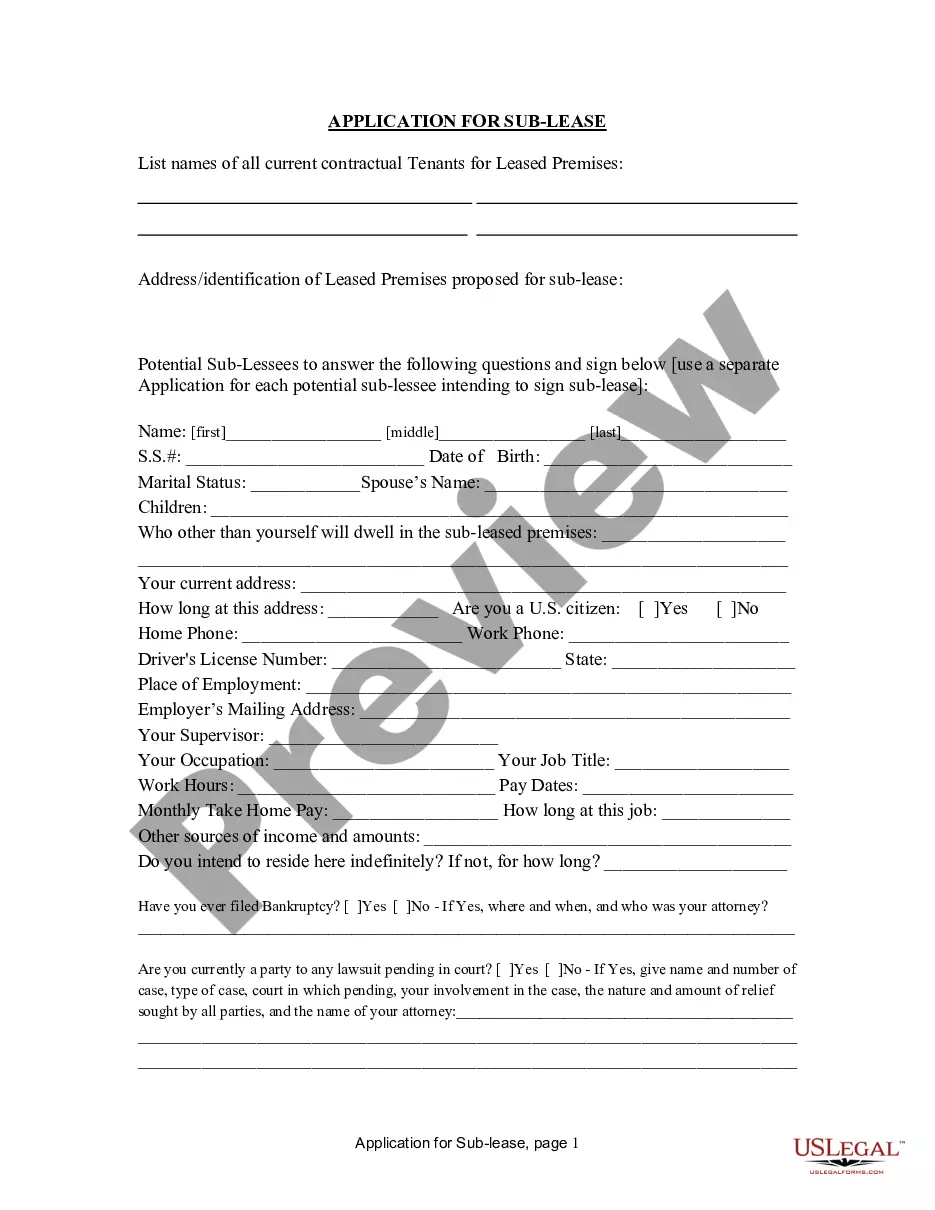
- Application for Sublease
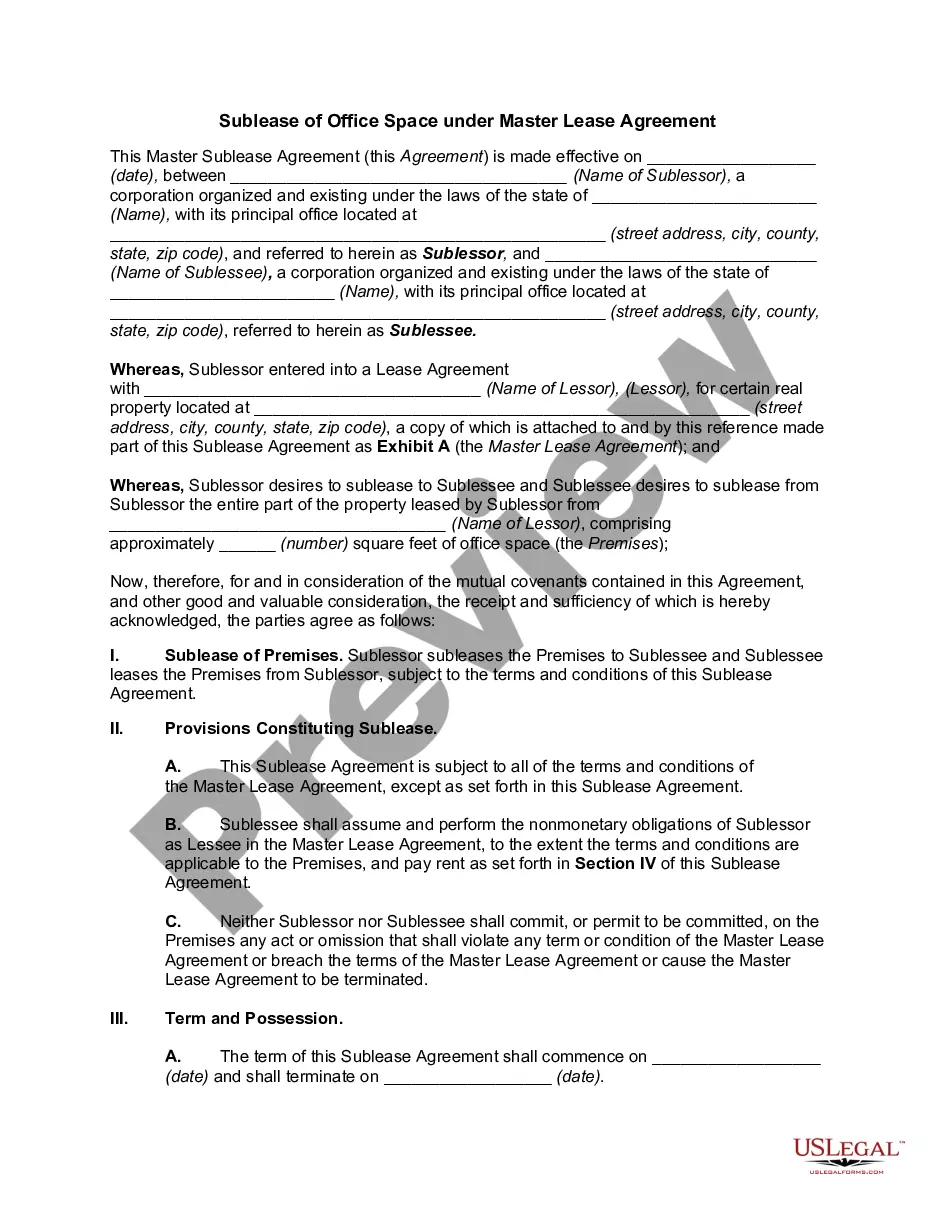
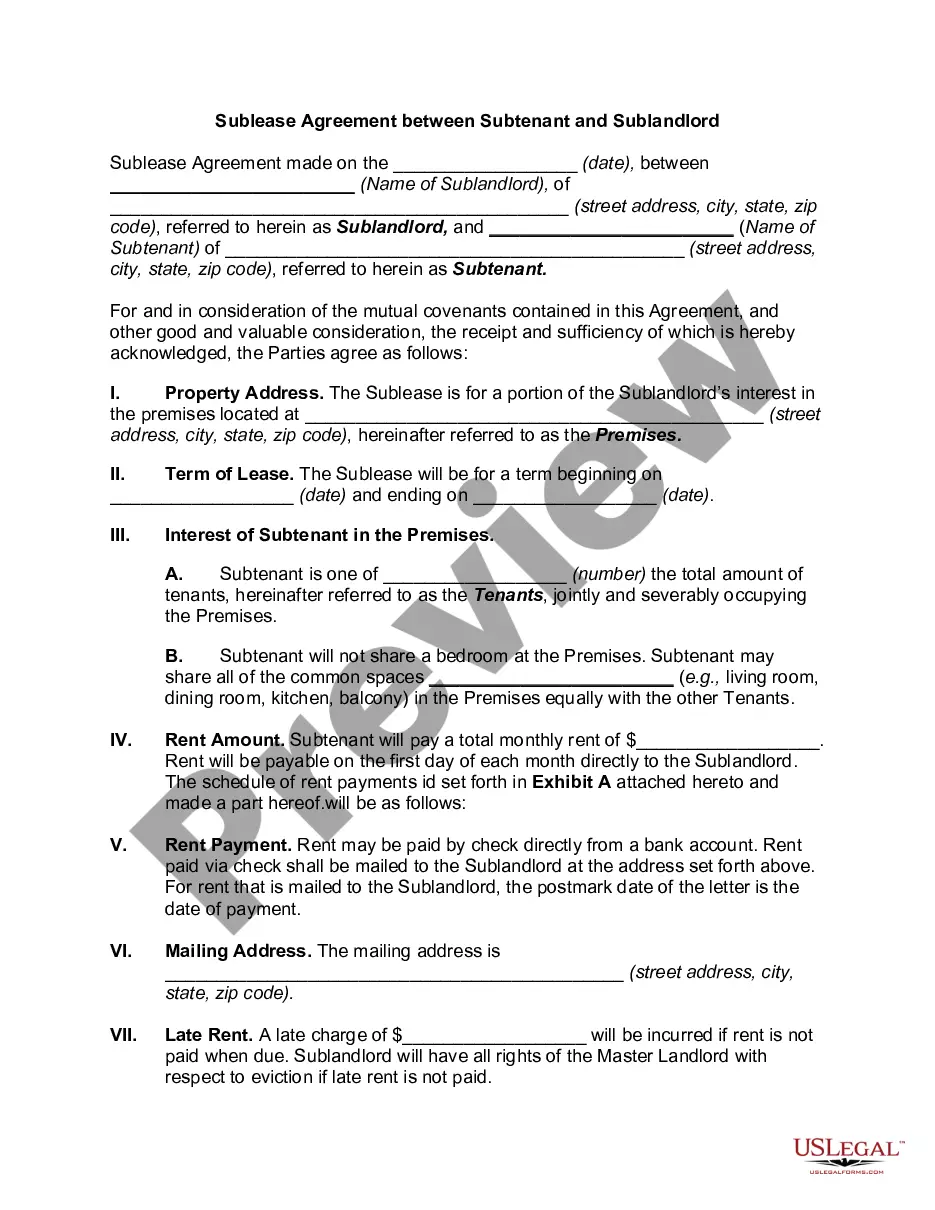
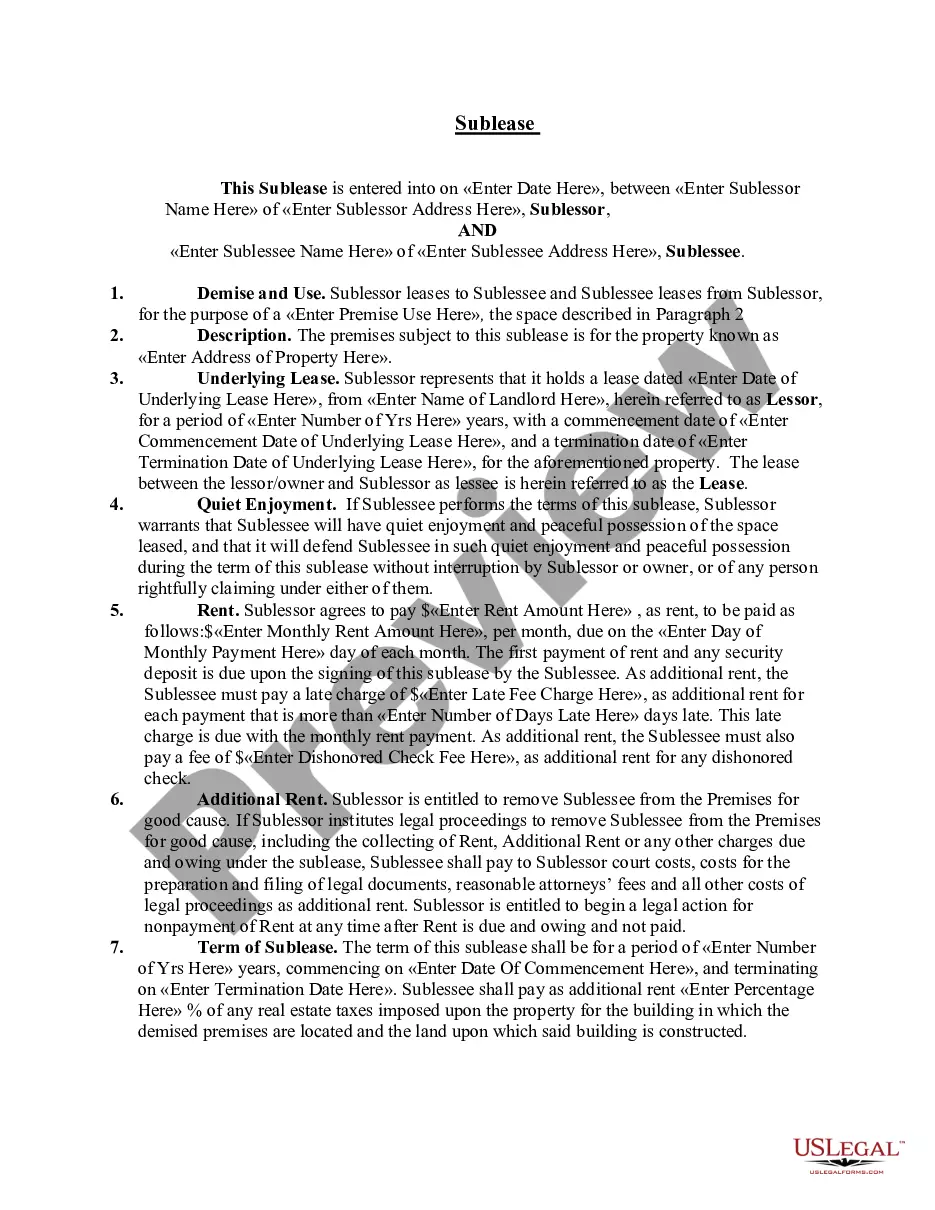
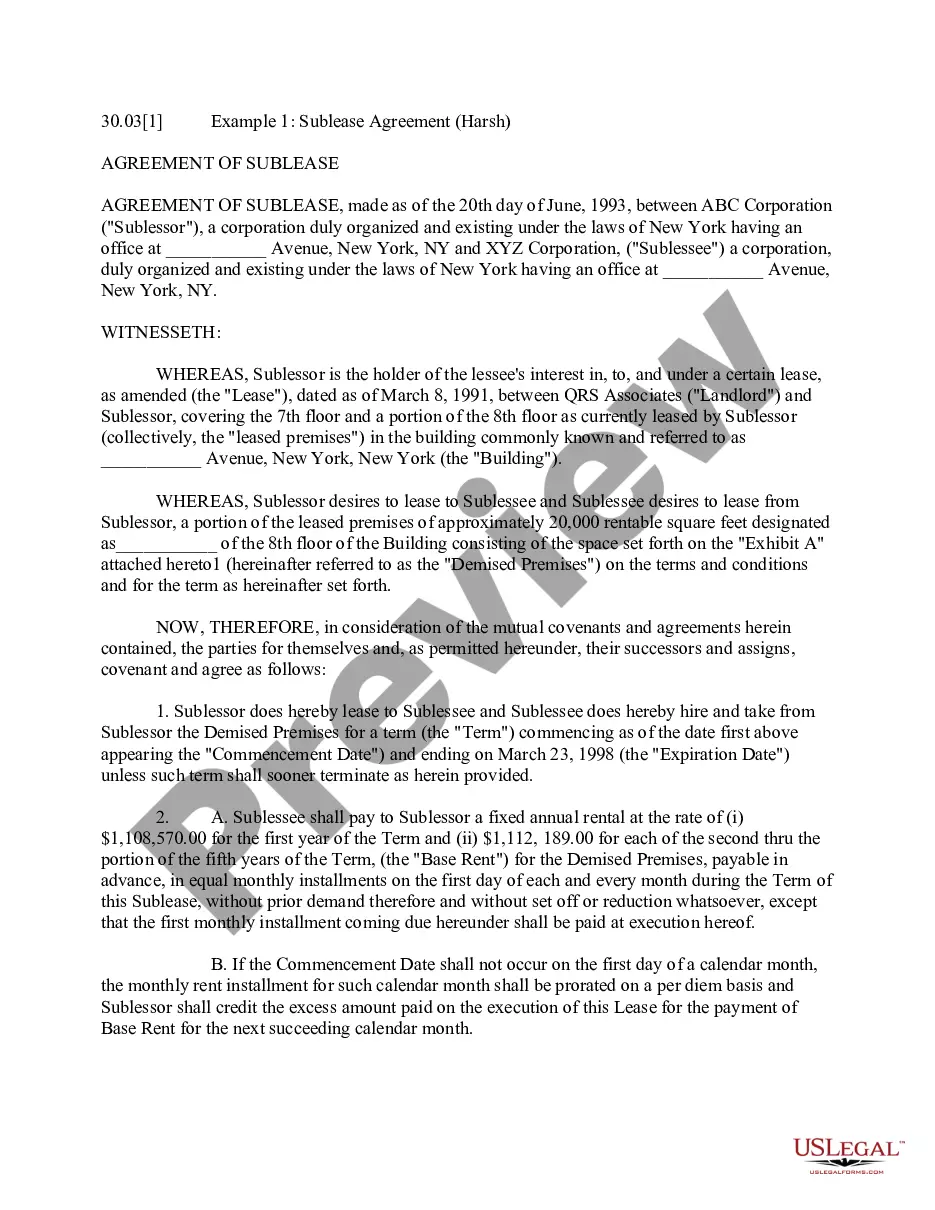
- Sublease of an Apartment - Real Estate Rental
When to use this document
This form package is useful in various scenarios, including:
- When a tenant wishes to sublease their rented property to another individual.
- If a landlord refuses to permit a sublease and the tenant believes this refusal is unreasonable.
- When a landlord grants a sublease but has specific requirements regarding rent liability.
- When legal documentation is needed to formalize the subleasing agreement between all parties involved.
Who this form package is for
- Residential tenants in Kansas who wish to sublease their rental property.
- Landlords looking to formalize agreements regarding subleases.
- Subtenants who require proper documentation to validate their sublease agreements.
- Individuals seeking legal forms drafted by licensed attorneys to avoid potential legal issues.
Steps to complete these forms
- Review the included forms to understand their purpose and requirements.
- Identify all parties involved in the subleasing arrangement, including the original tenant, the landlord, and the subtenant.
- Fill in necessary details such as names, addresses, and dates in the appropriate sections of each form.
- Ensure that all forms are signed by the relevant parties, adhering to the instructions provided.
- Store all completed documents in a secure location for future reference.
Notarization guidance for this package
Notarization is generally not required for forms in this package. However, specific circumstances or local laws may require it. You can complete notarization remotely through US Legal Forms, powered by Notarize, with 24/7 availability.
Get your form ready online
Our built-in tools help you complete, sign, share, and store your documents in one place.
Make edits, fill in missing information, and update formatting in US Legal Forms—just like you would in MS Word.
Download a copy, print it, send it by email, or mail it via USPS—whatever works best for your next step.
Sign and collect signatures with our SignNow integration. Send to multiple recipients, set reminders, and more. Go Premium to unlock E-Sign.
If this form requires notarization, complete it online through a secure video call—no need to meet a notary in person or wait for an appointment.
We protect your documents and personal data by following strict security and privacy standards.

Make edits, fill in missing information, and update formatting in US Legal Forms—just like you would in MS Word.

Download a copy, print it, send it by email, or mail it via USPS—whatever works best for your next step.

Sign and collect signatures with our SignNow integration. Send to multiple recipients, set reminders, and more. Go Premium to unlock E-Sign.

If this form requires notarization, complete it online through a secure video call—no need to meet a notary in person or wait for an appointment.

We protect your documents and personal data by following strict security and privacy standards.
Mistakes to watch out for
- Failing to obtain the landlord's written consent for the sublease.
- Not clearly specifying the subtenant's responsibilities in the sublease agreement.
- Omitting signatures or dates on the forms, which can render them invalid.
- Assuming that verbal agreements are legally binding without proper documentation.
Why use this package online
- Convenience: Access and download forms anytime, eliminating the need to visit a lawyer's office.
- Editability: Fill in forms digitally, making it easier to correct mistakes or update information.
- Cost-effectiveness: Save money by purchasing the complete package rather than individual forms.
- Reliability: All forms are drafted by licensed attorneys, ensuring they meet legal standards.
Looking for another form?





Form popularity
FAQ
The names of the parties (the tenant, the subtenant and the landlord); information of the master/original lease; the term of the sublease and whether the sublease is fixed or periodic; and. the amount of rent payable (if different from the master lease).
A lease is a rental contract between a property owner and a tenant; a sublease is a contract between a tenant and a third party who lives in the rental property during part of the tenant's lease term.
On your sublease agreement, include a list of various areas of the property (including the subtenant's room, hardwood floors, walls, exterior, etc.) and note its condition. And since you and your subtenant will need to abide by the original lease that you signed, it's important to include this with your sublease.
Subleasing a Rental Property When a tenant whose name is on the lease rents a room, a portion of the property, or all of the property to another, it is referred to as subleasing (or subletting).So, if the subtenant owes back rent, the landlord has the option of suing the original tenant.
In short, subletting allows a new renter to take over the lease directly with the landlord, while subleasing involves renting all or part of the space to another renter through the original renter.
A sublease is the re-renting of property by an existing tenant to a new third party for a portion of the tenant's existing lease contract.Even if a sublease is permitted, the original tenant is still liable for the obligations stated in the lease agreement, such as the payment of rent each month.
Most landlord insurance policies do not cover subletting. Therefore if your property gets damaged in some way you probably will not be covered by your landlord insurance.
California isn't the most tenant-friendly state when it comes to subletting. According to California law you must receive written consent from your landlord prior to subletting, and if your lease says no subletting, then that really means no subletting.
If a tenant is subletting without consent, it's likely they will have broken terms in their tenancy agreement. This breach of contract means that the landlord can take action to evict them from their home. Possession proceedings can be started quickly, but it's important to follow the correct legal process.