Indiana Residential or Rental Lease Extension Agreement
Understanding this form
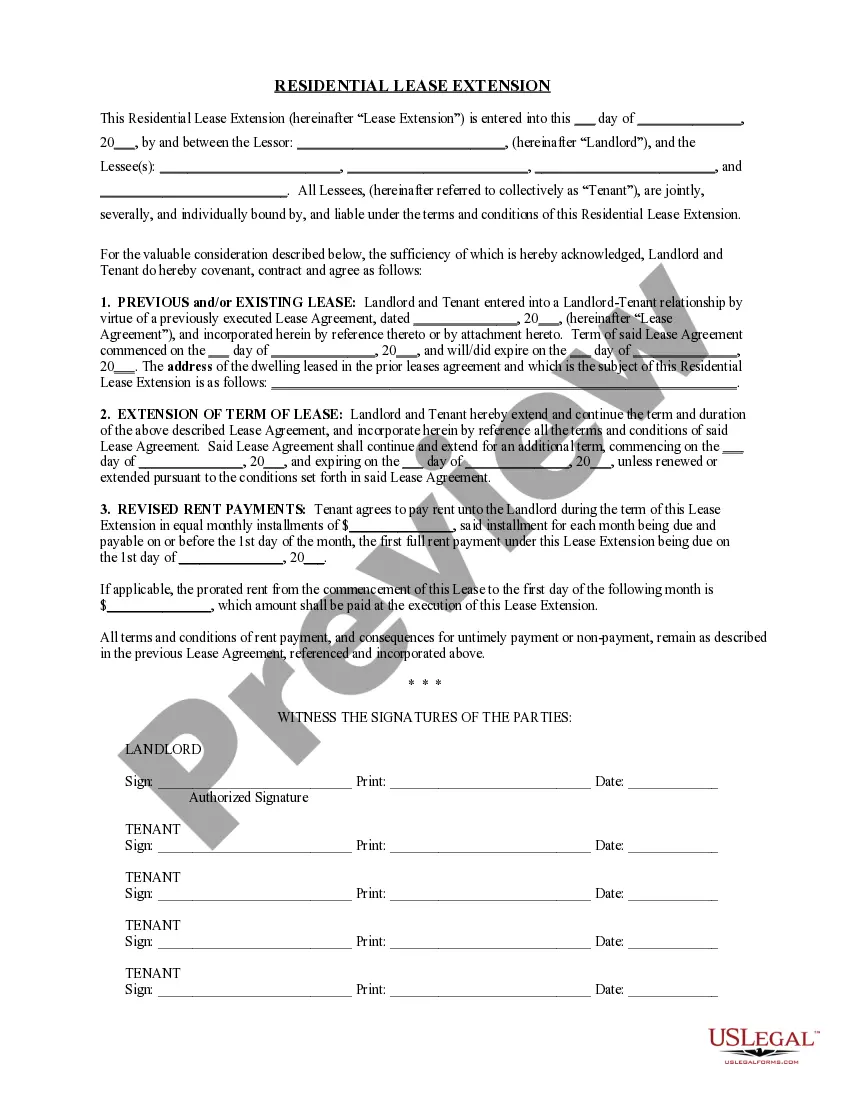
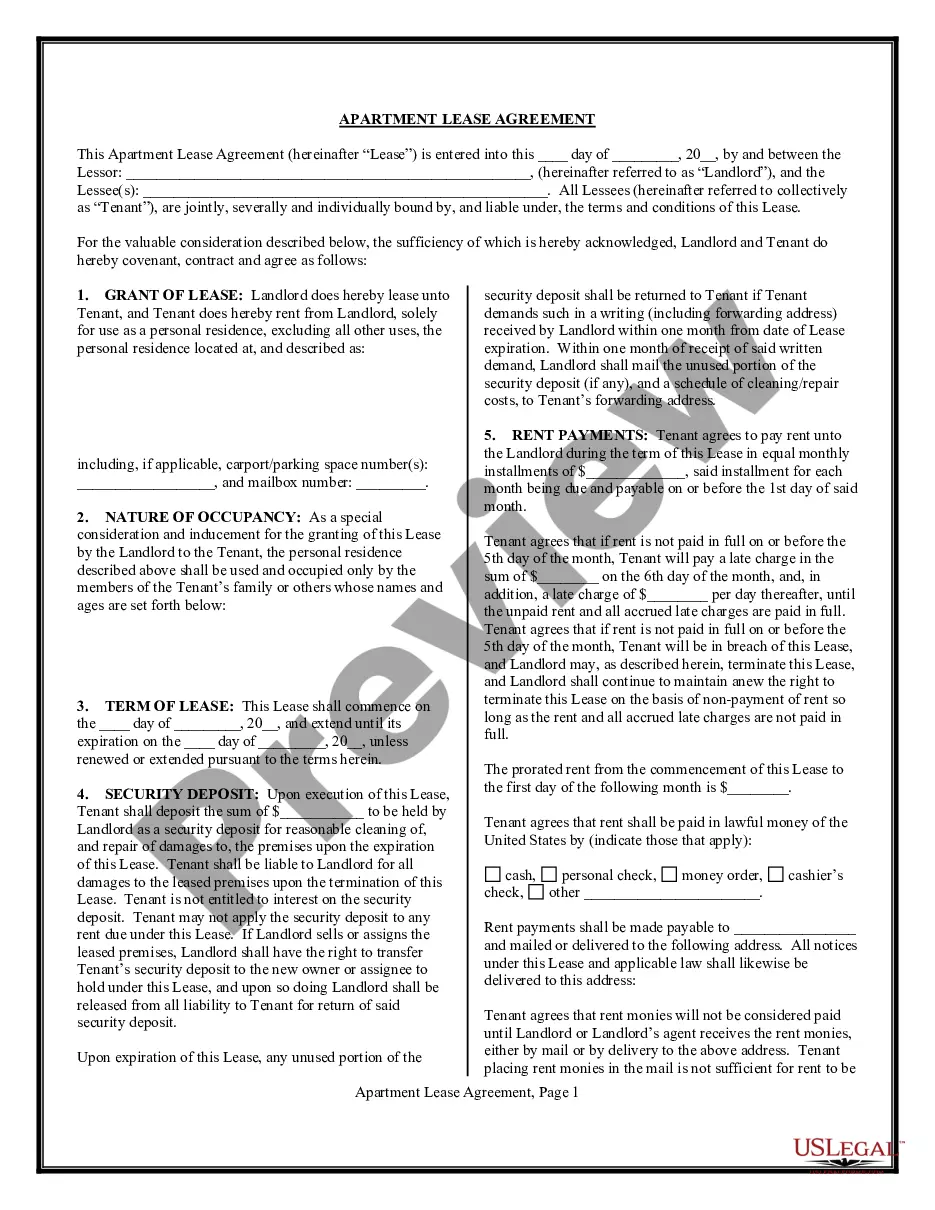
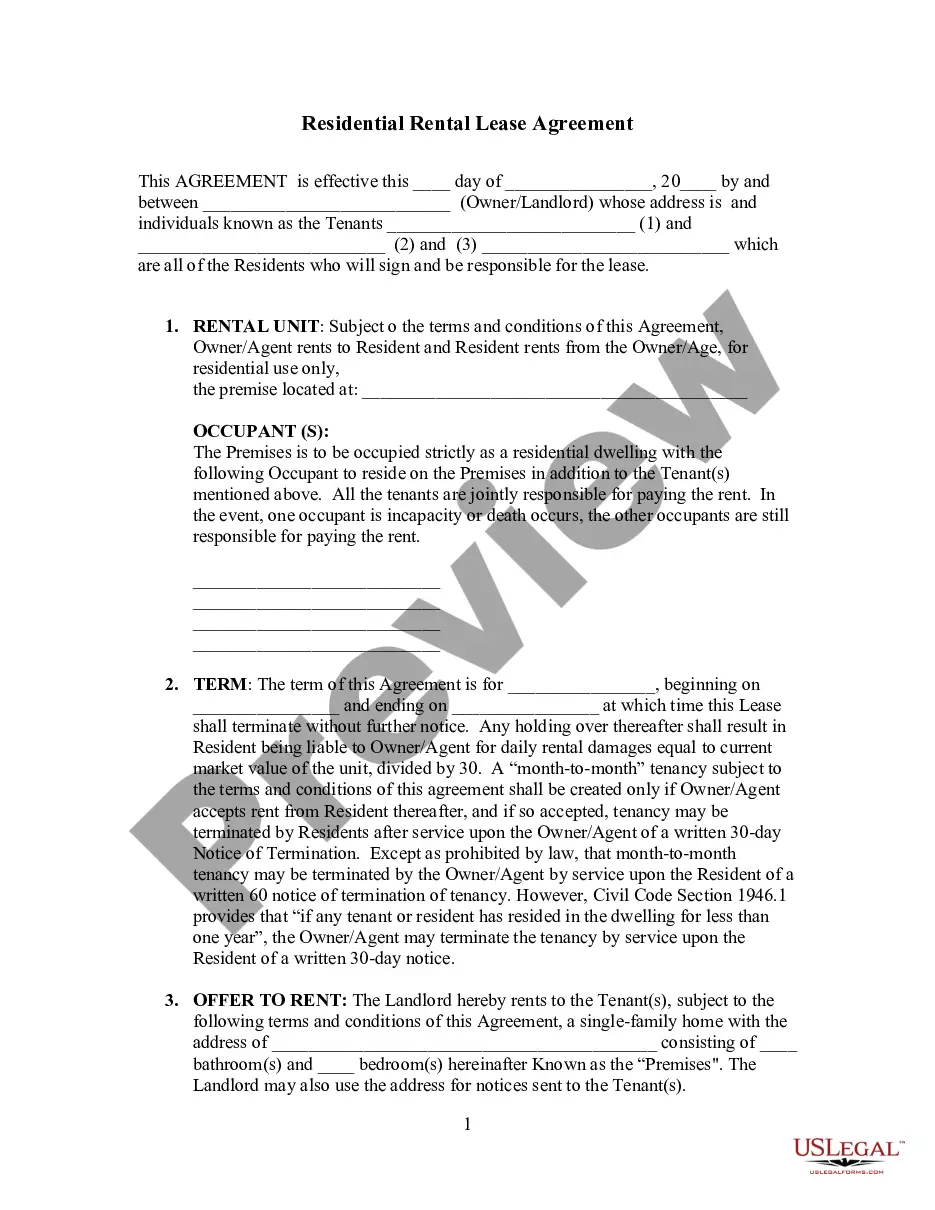
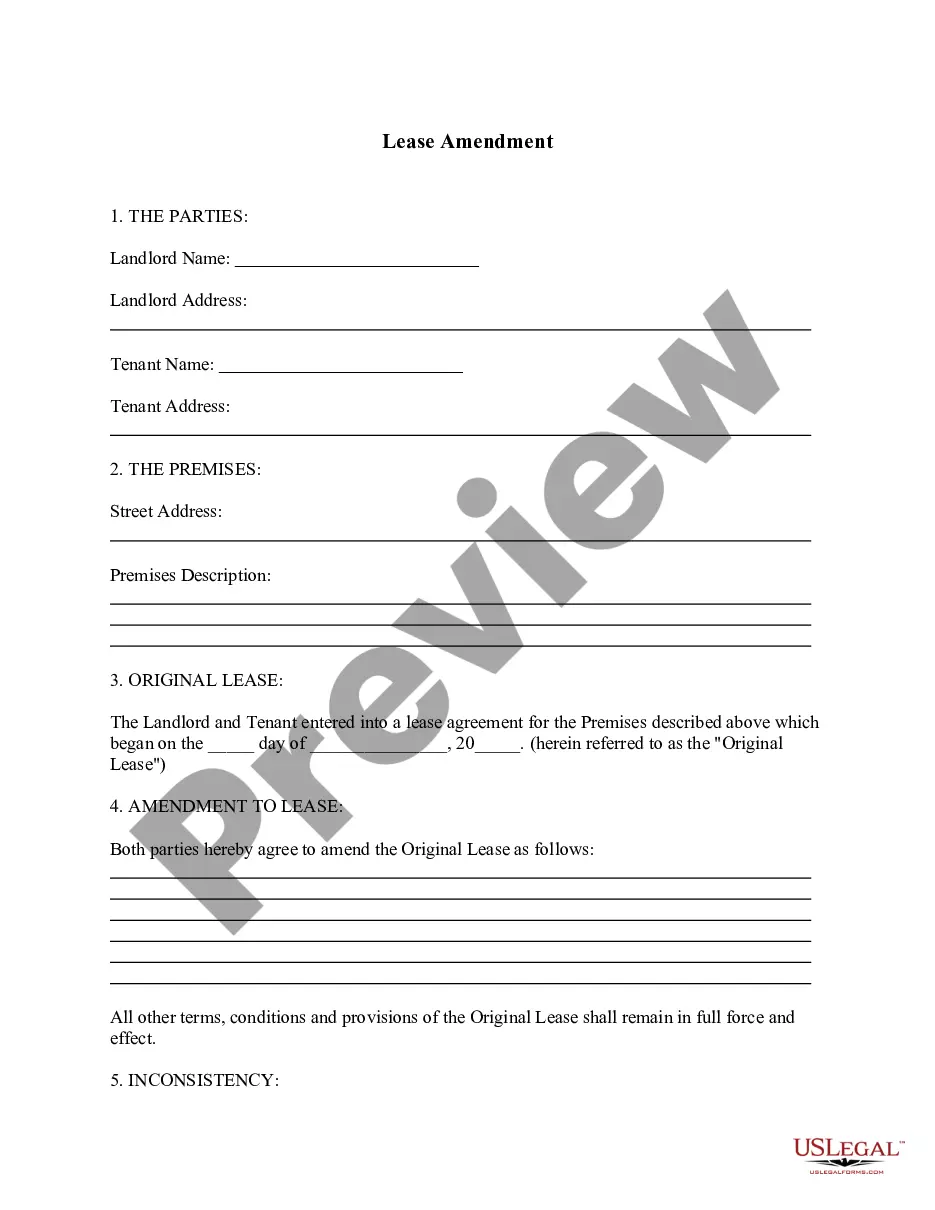
The Residential Lease Extension Agreement is a legal document that allows landlords and tenants in Indiana to extend the terms of an existing residential lease without having to draft a new lease. This agreement carries over the terms of the original lease while providing the opportunity to modify conditions, such as rent payments. It streamlines the renewal process and helps maintain continuity in the landlord-tenant relationship.
Form components explained
- Identification of the Landlord and Tenant with space for names and signatures.
- Reference to the existing Lease Agreement, including its start and expiration dates.
- Provision for extension of the lease term, specifying new dates for the extension.
- Details regarding revised rent payments, including amount and due dates.
When this form is needed
This form is useful when both the landlord and tenant agree to continue their lease arrangement beyond its original term. It is ideal for situations such as when the tenant wishes to remain in the rental property without the need to negotiate a new lease or when the landlord wants to keep the current tenant while adjusting rental terms.
Intended users of this form
- Landlords looking to extend a current residential lease with existing tenants.
- Tenants who wish to continue renting their current residence under potentially revised terms.
- Property managers handling lease agreements on behalf of landlords in Indiana.
Completing this form step by step
- Identify and enter the names and details of the Landlord and Tenant.
- Specify the reference details of the existing Lease Agreement, including dates.
- Fill in the new term's start and end dates for the lease extension.
- Enter the revised rent amount and the due date for rent payments.
- Have all parties sign and date the agreement to finalize the extension.
Notarization requirements for this form
In most cases, this form does not require notarization. However, some jurisdictions or signing circumstances might. US Legal Forms offers online notarization powered by Notarize, accessible 24/7 for a quick, remote process.
Get your form ready online
Our built-in tools help you complete, sign, share, and store your documents in one place.
Make edits, fill in missing information, and update formatting in US Legal Forms—just like you would in MS Word.
Download a copy, print it, send it by email, or mail it via USPS—whatever works best for your next step.
Sign and collect signatures with our SignNow integration. Send to multiple recipients, set reminders, and more. Go Premium to unlock E-Sign.
If this form requires notarization, complete it online through a secure video call—no need to meet a notary in person or wait for an appointment.
We protect your documents and personal data by following strict security and privacy standards.

Make edits, fill in missing information, and update formatting in US Legal Forms—just like you would in MS Word.

Download a copy, print it, send it by email, or mail it via USPS—whatever works best for your next step.

Sign and collect signatures with our SignNow integration. Send to multiple recipients, set reminders, and more. Go Premium to unlock E-Sign.

If this form requires notarization, complete it online through a secure video call—no need to meet a notary in person or wait for an appointment.

We protect your documents and personal data by following strict security and privacy standards.
Mistakes to watch out for
- Failing to specify the correct start and end dates of the lease extension.
- Not referencing the original Lease Agreement properly.
- Leaving out signatures or dates from the parties involved.
Benefits of completing this form online
- Convenience of downloading and filling out the form at your own pace.
- Easy edits to customize the agreement to fit specific needs.
- Access to attorney-drafted content, enhancing reliability and legal soundness.
Looking for another form?

Form popularity
FAQ
As long as the contract spells out specific details and both parties have signed that they agree to the contract's terms, a handwritten contract is legally binding and enforceable in court.
The Lease Must be in Writing It does not matter if the lease is handwritten or typed.
Collect each party's information. Include specifics about your property. Consider all of the property's utilities and services. Know the terms of your lease. Set the monthly rent amount and due date. Calculate any additional fees. Determine a payment method. Consider your rights and obligations.
Breaking Lease in Indiana If you break a lease in Indiana, the landlord can require that you pay rent for the remainder of the term. However, due to the state's requirement that landlords mitigate damages, your landlord is expected to try to find a replacement as soon as possible to let you off the hook.
A lease can be written or verbal, but a verbal lease can be very difficult to enforce.Most leases are fairly standard and cover basic components such as rent amount, duration of lease term, resposiblities of each party and penalties for not following the terms.
You can legally move out without penalties. Just include your landlord in every step toward opting out of the lease. Go over the sections pertaining to breaking the lease. Look for an opt-out clause.
A written agreement can act as a roadmap for the landlord-tenant relationship, especially if a dispute arises. Also, real estate (land) leases for more than one year must be in writing. If a lease for over one year is not in writing, it will generally not be enforceable in court.
In Indiana, tenants have the right to put rent money towards repairs in the event a landlord hasn't made repairs within a reasonable time. Tenants also have the right to terminate a lease agreement when premises become uninhabitable.
The lease becomes legally binding when all parties have signed: the landlord and all tenants living in the unit who are 18 and older. If you're worried about situations where a lease needs to end early, learn about breaking a lease and grounds for eviction.