Idaho Landlord Tenant Eviction / Unlawful Detainer Forms Package
Understanding this form package
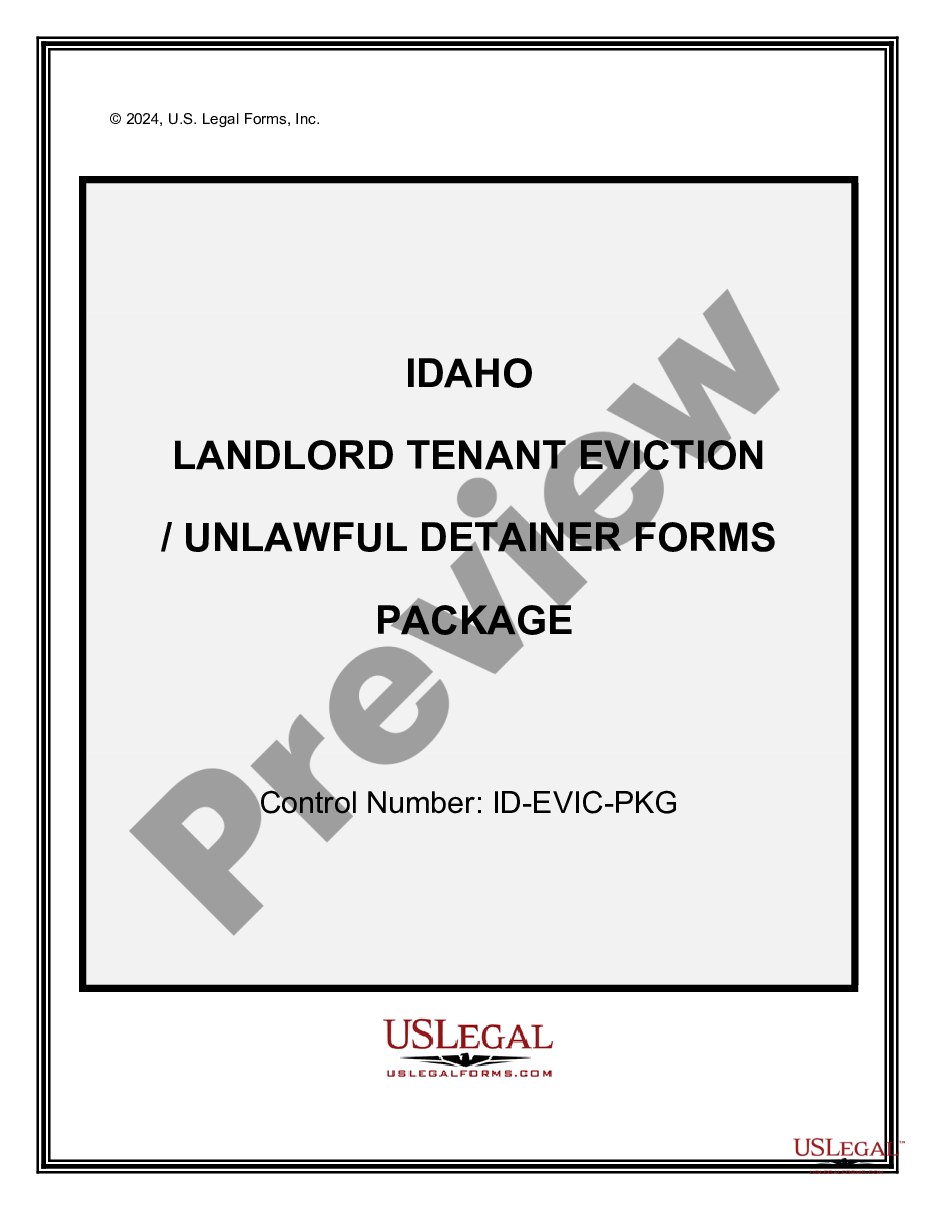
The Idaho Landlord Tenant Eviction / Unlawful Detainer Forms Package includes essential forms for landlords looking to evict a tenant. This comprehensive package helps ensure that landlords comply with Idaho's legal requirements during the eviction process, making it a cost-effective solution compared to hiring an attorney. It includes all necessary forms from notification to the final judgment and order for eviction.
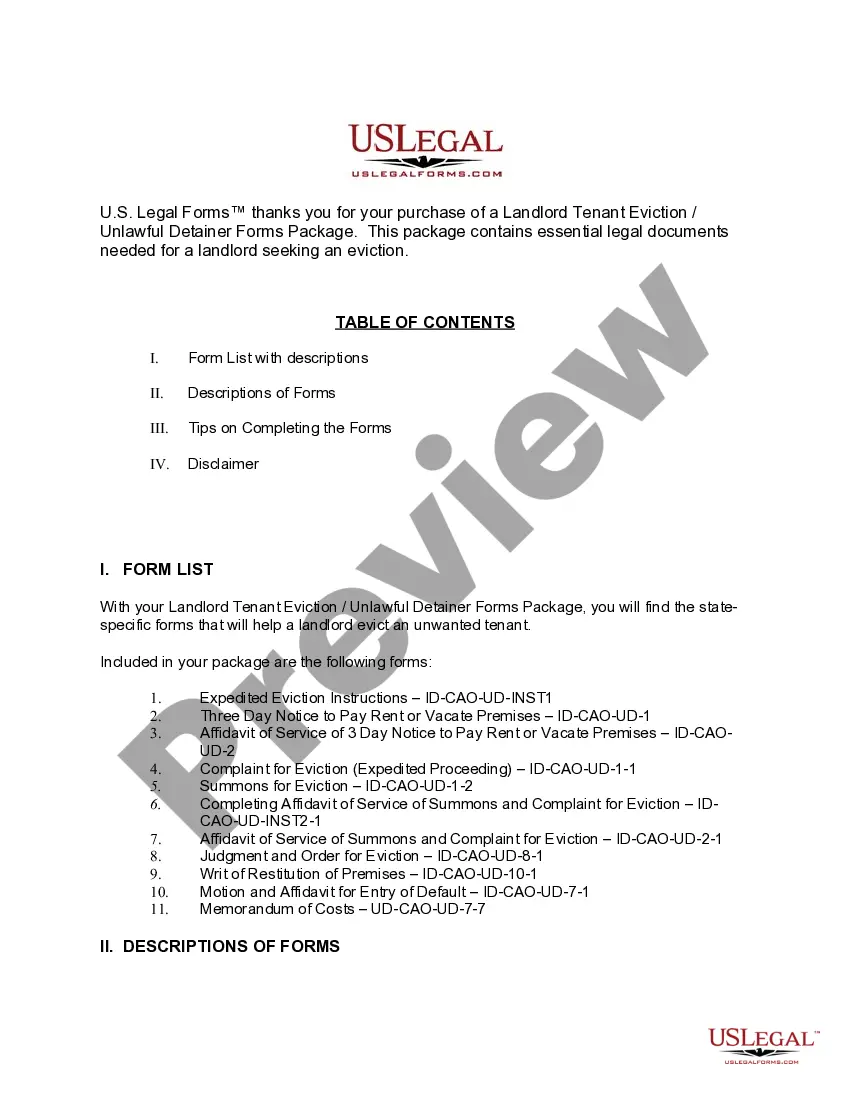
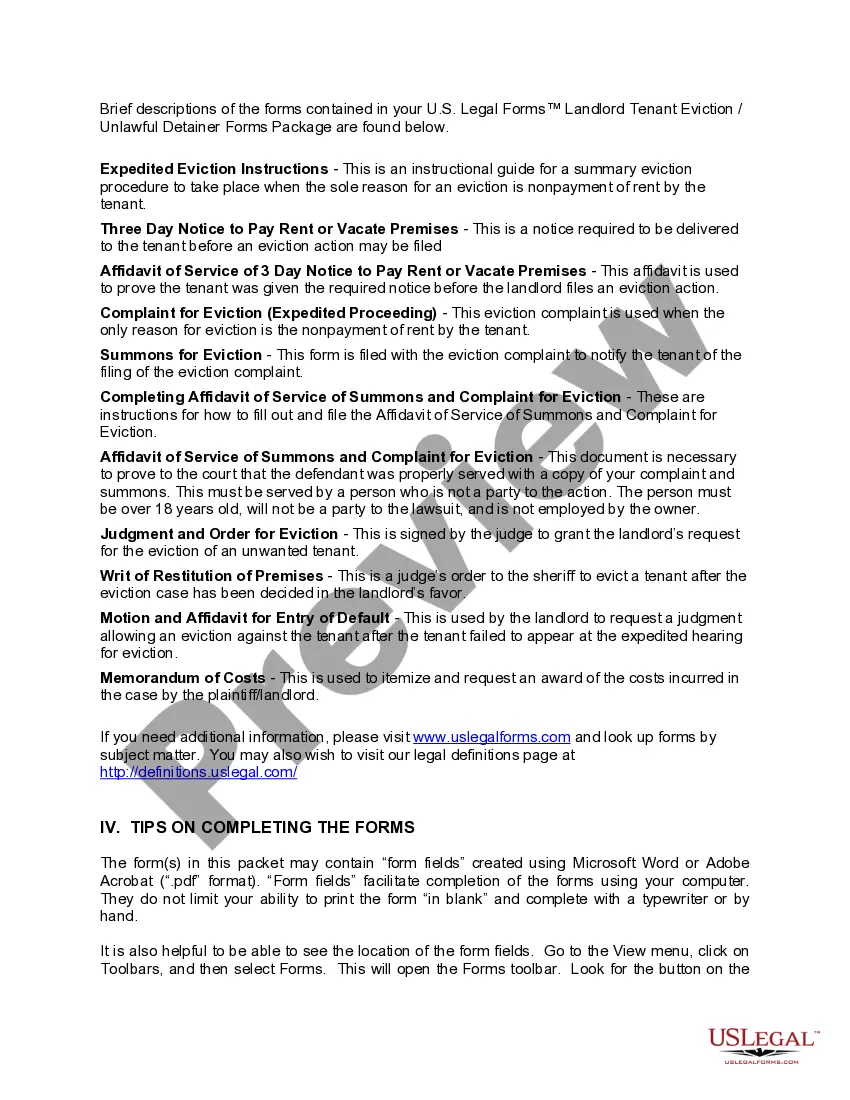
Forms provided in this package
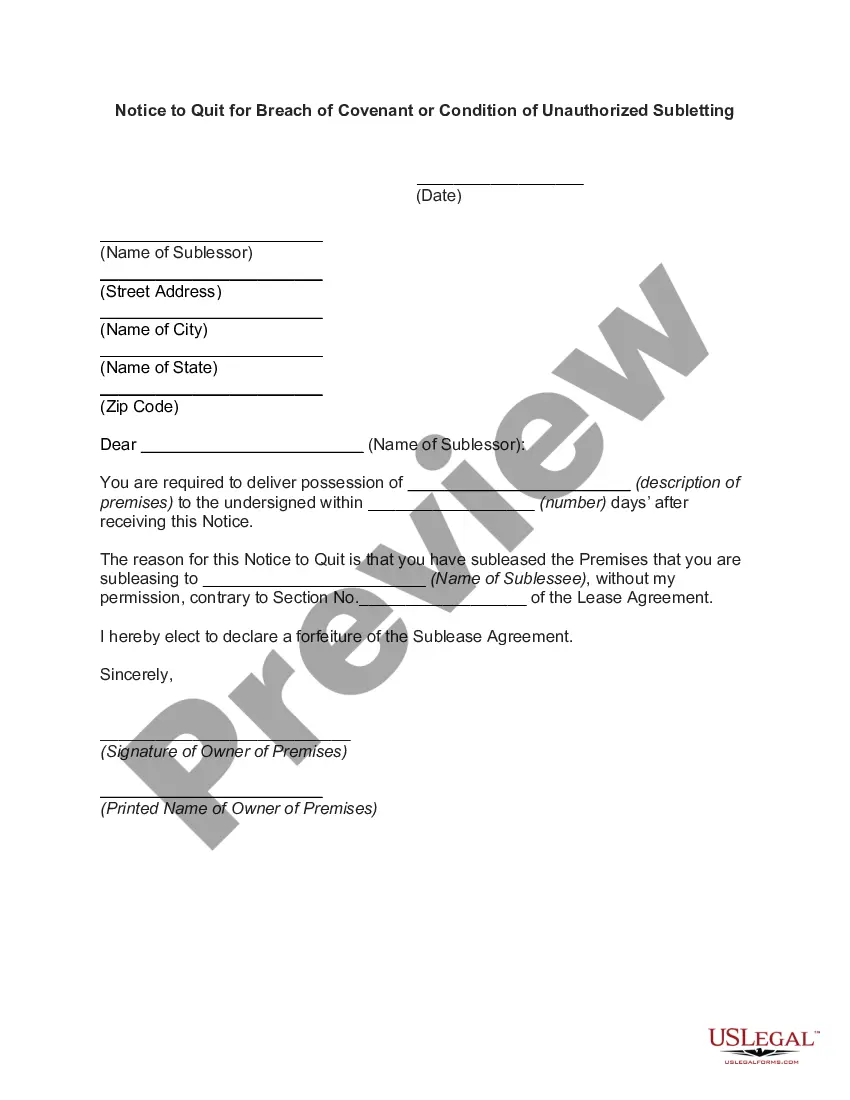
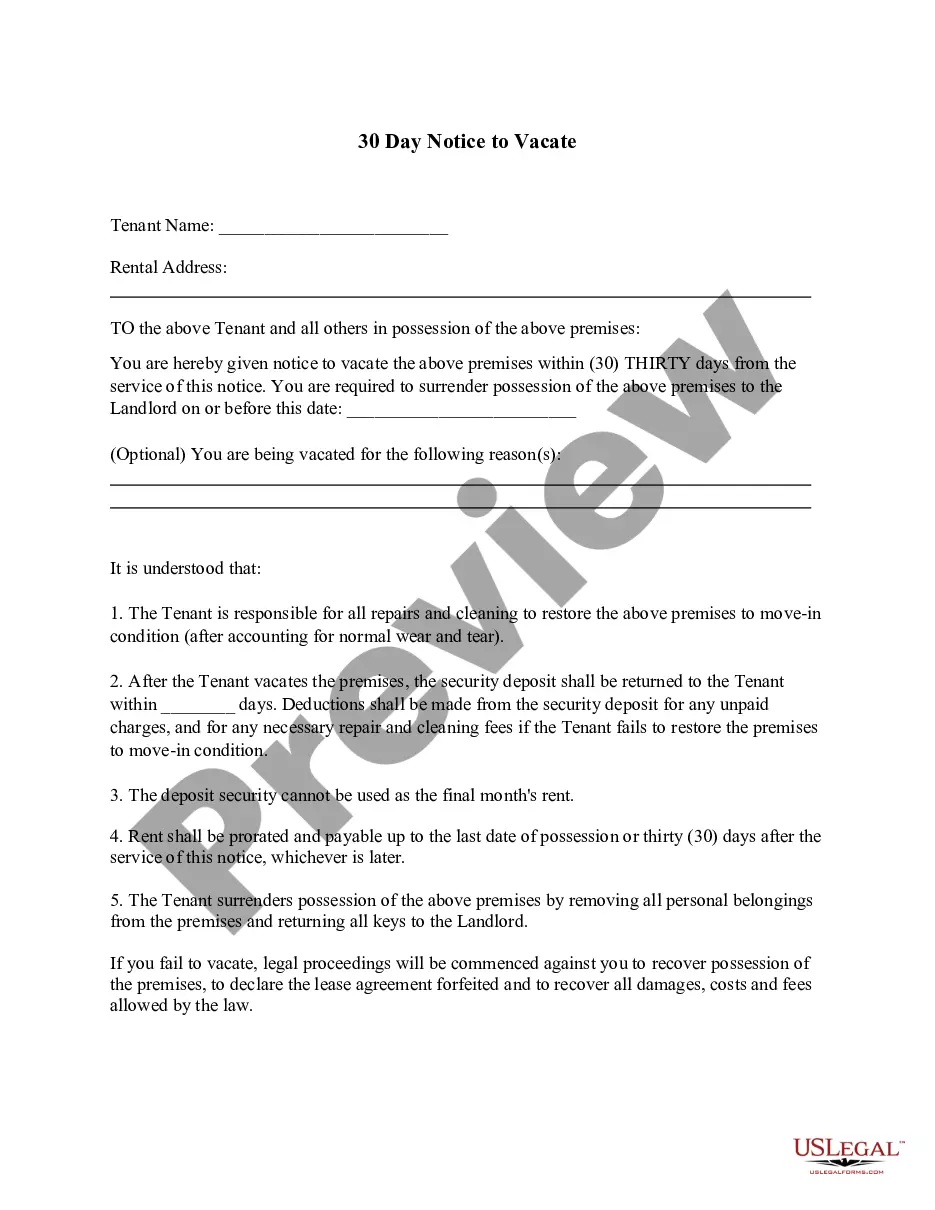
- Three Day Notice to Pay Rent or Vacate Premises
- Writ of Restitution of Premises
- Complaint for Eviction (Expedited Proceeding)
- Summons for Eviction
- Affidavit of Service of 3 Day Notice to Pay Rent or Vacate Premises
- Affidavit of Service of Summons and Complaint for Eviction
- Motion and Affidavit for Entry of Default
- Memorandum of Costs
- Judgment and Order for Eviction
- Expedited Eviction Instructions
- Completing Affidavit of Service of Summons and Complaint for Eviction

When to use this document
This form package is particularly useful in various scenarios, including:
- When a tenant fails to pay rent consistently.
- When a landlord needs to initiate the eviction process due to lease violations.
- When there is a need to expedite the eviction due to nonpayment of rent.
Who can use this document
- Landlords who own rental properties in Idaho.
- Property managers acting on behalf of the landlord.
- Individuals unfamiliar with legal processes who need a straightforward solution for eviction.
Completing these forms step by step
- Review the included forms to understand the eviction process.
- Complete the 'Three Day Notice to Pay Rent or Vacate Premises' with accurate tenant and property information.
- Deliver the notice as required and fill out the 'Affidavit of Service' to document delivery.
- If necessary, file the 'Complaint for Eviction' along with the 'Summons for Eviction' in your local court.
- Follow through with the remaining forms as needed, including the 'Judgment and Order for Eviction' and 'Writ of Restitution'.
Do forms in this package need to be notarized?
Some included forms must be notarized to ensure validity. US Legal Forms provides secure online notarization powered by Notarize, allowing you to complete the process through a verified video call anytime.
Get your form ready online
Our built-in tools help you complete, sign, share, and store your documents in one place.
Make edits, fill in missing information, and update formatting in US Legal Forms—just like you would in MS Word.
Download a copy, print it, send it by email, or mail it via USPS—whatever works best for your next step.
Sign and collect signatures with our SignNow integration. Send to multiple recipients, set reminders, and more. Go Premium to unlock E-Sign.
If this form requires notarization, complete it online through a secure video call—no need to meet a notary in person or wait for an appointment.
We protect your documents and personal data by following strict security and privacy standards.

Make edits, fill in missing information, and update formatting in US Legal Forms—just like you would in MS Word.

Download a copy, print it, send it by email, or mail it via USPS—whatever works best for your next step.

Sign and collect signatures with our SignNow integration. Send to multiple recipients, set reminders, and more. Go Premium to unlock E-Sign.

If this form requires notarization, complete it online through a secure video call—no need to meet a notary in person or wait for an appointment.

We protect your documents and personal data by following strict security and privacy standards.
Avoid these common issues
- Failing to provide proper notice to the tenant before initiating eviction.
- Not documenting the service of notice accurately.
- Using outdated forms or incorrect versions for Idaho regulations.
- Neglecting to follow up on court filings and deadlines.
Why complete this package online
- Convenience of downloading and printing forms from home.
- Editability allows you to fill out forms at your own pace.
- Reliability with forms drafted by licensed attorneys familiar with state-specific laws.
- Access to a complete package reduces the risk of missing key documents.
Legal use & context
- The forms provided are intended for lawful eviction processes under Idaho law.
- Ensure that all procedures are followed correctly to avoid legal complications.
- Consult with a legal professional if you have questions regarding specific eviction cases or tenant disputes.
Looking for another form?




Form popularity
FAQ
The Idaho Landlord Tenant Eviction / Unlawful Detainer Forms Package is a bundled set of essential eviction documents designed for Idaho landlords to comply with state requirements through every stage— from serving a notice to obtaining a final judgment and order for eviction. It is especially useful when a tenant consistently fails to pay rent or violates the lease.
The package includes the essential eviction forms needed to run the process from start to finish, including the initial notice, filings, and the final judgment and order for eviction. It provides a complete set to begin, pursue, and conclude an Idaho eviction in a single download.
The package provides the eviction notice form ready to customize for Idaho landlords, ensuring proper delivery and timing per Idaho procedures. After serving the notice, landlords can proceed with the next steps using the included forms to document nonpayment or lease violations and file with the court if needed.
Processing times depend on local court calendars and the eviction reason (nonpayment or lease violations). The package covers the steps and forms used at each stage, helping landlords move the case efficiently, but actual timelines vary by county and case specifics.
Eviction can be legally complex, especially for landlords unfamiliar with Idaho procedures. This package simplifies the process by providing a complete set of forms for notices, filings, and judgments, but landlords should still follow Idaho rules and consider consulting a licensed attorney if needed.
This package bundles all necessary Idaho eviction documents—from the initial notice to the final judgment and order for eviction—into one download, ensuring consistency and compliance across the entire process. Purchasing the package saves time and avoids gaps that can occur when assembling forms separately.