Idaho Apartment Rules and Regulations
What this document covers
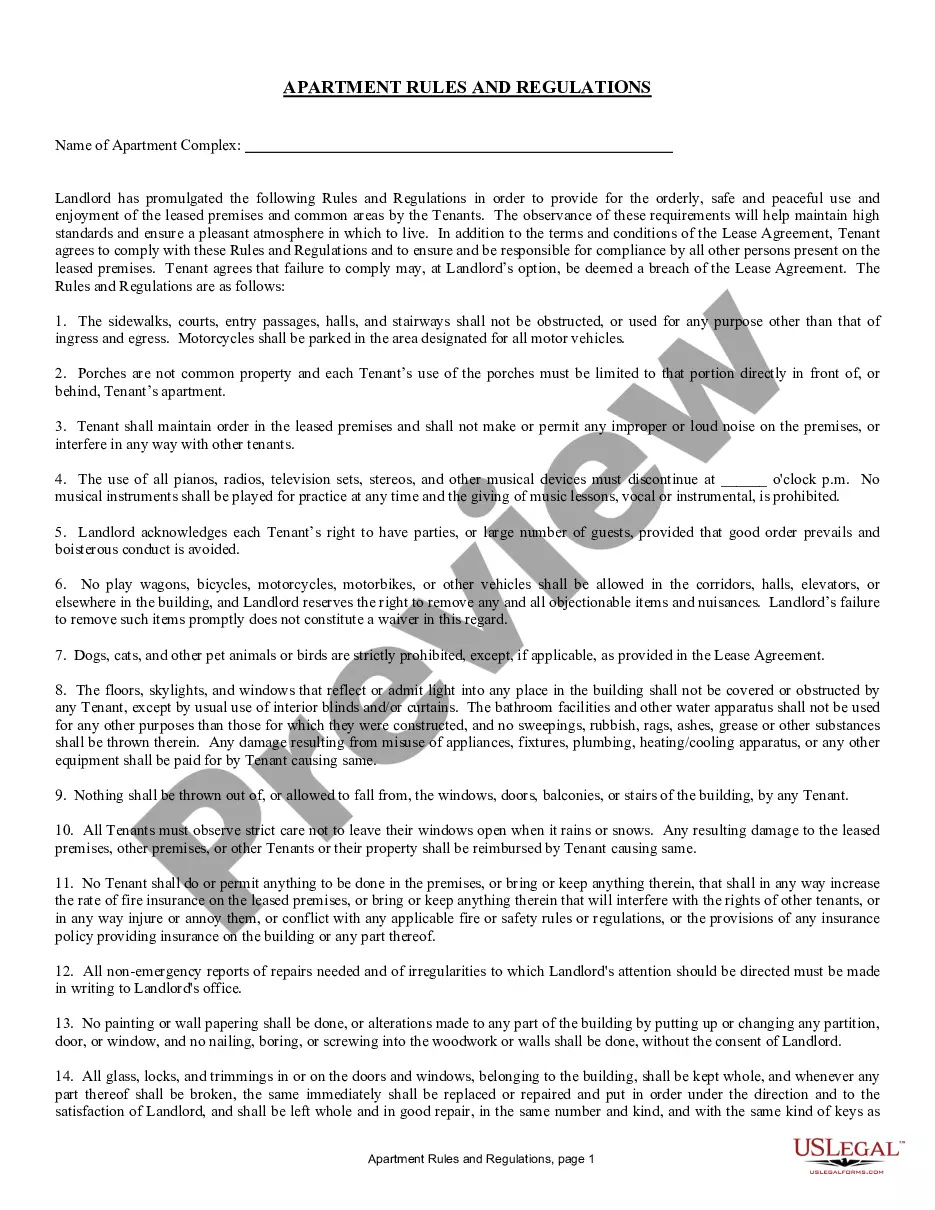
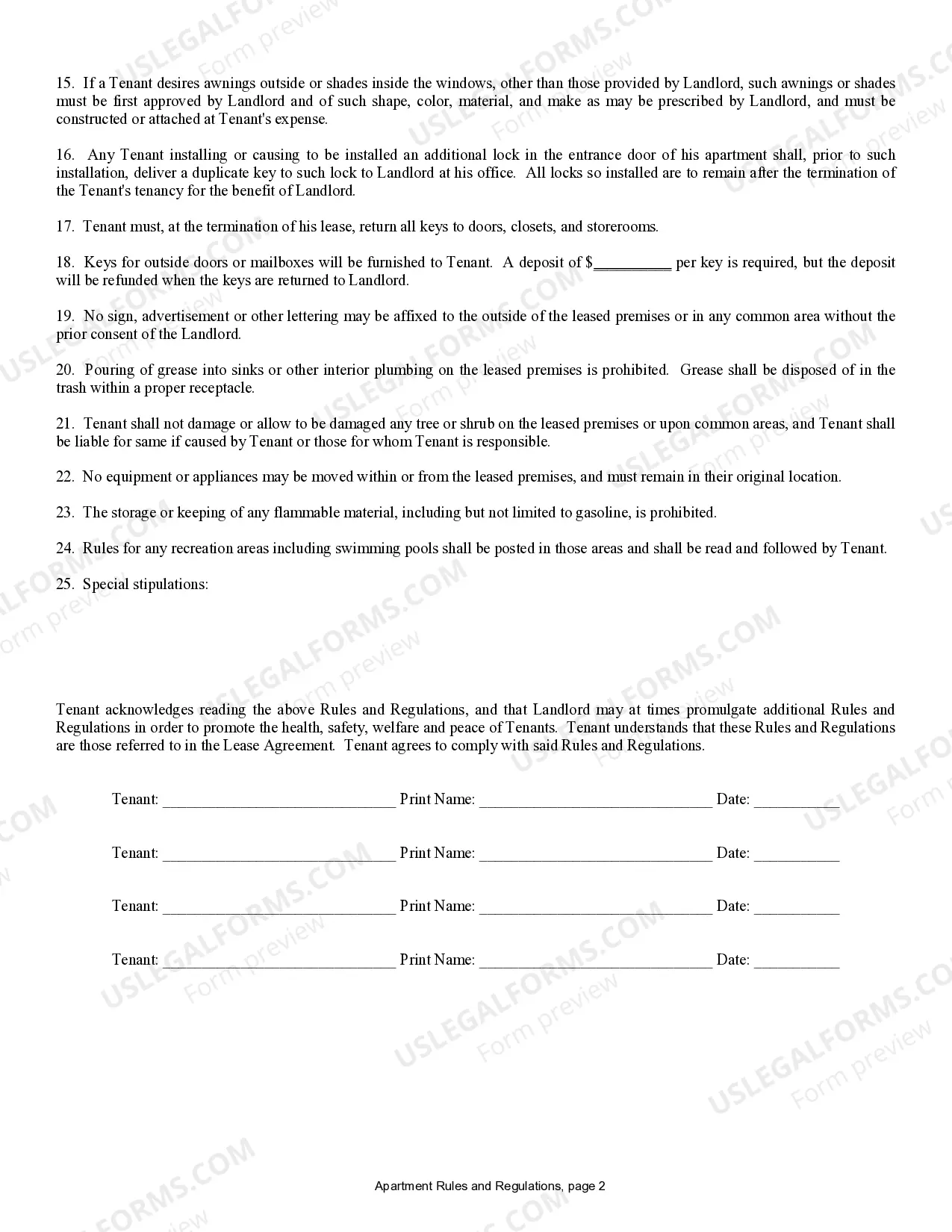
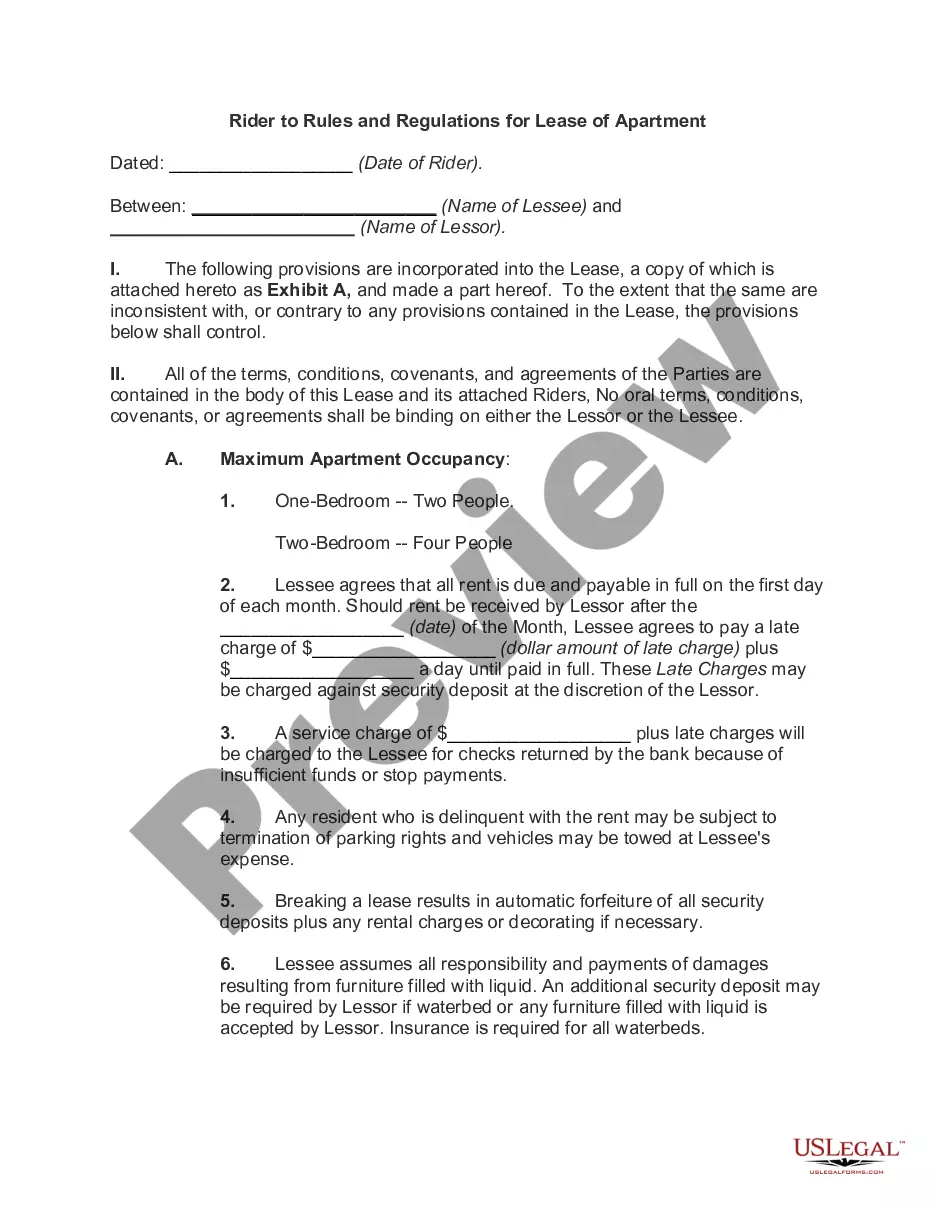
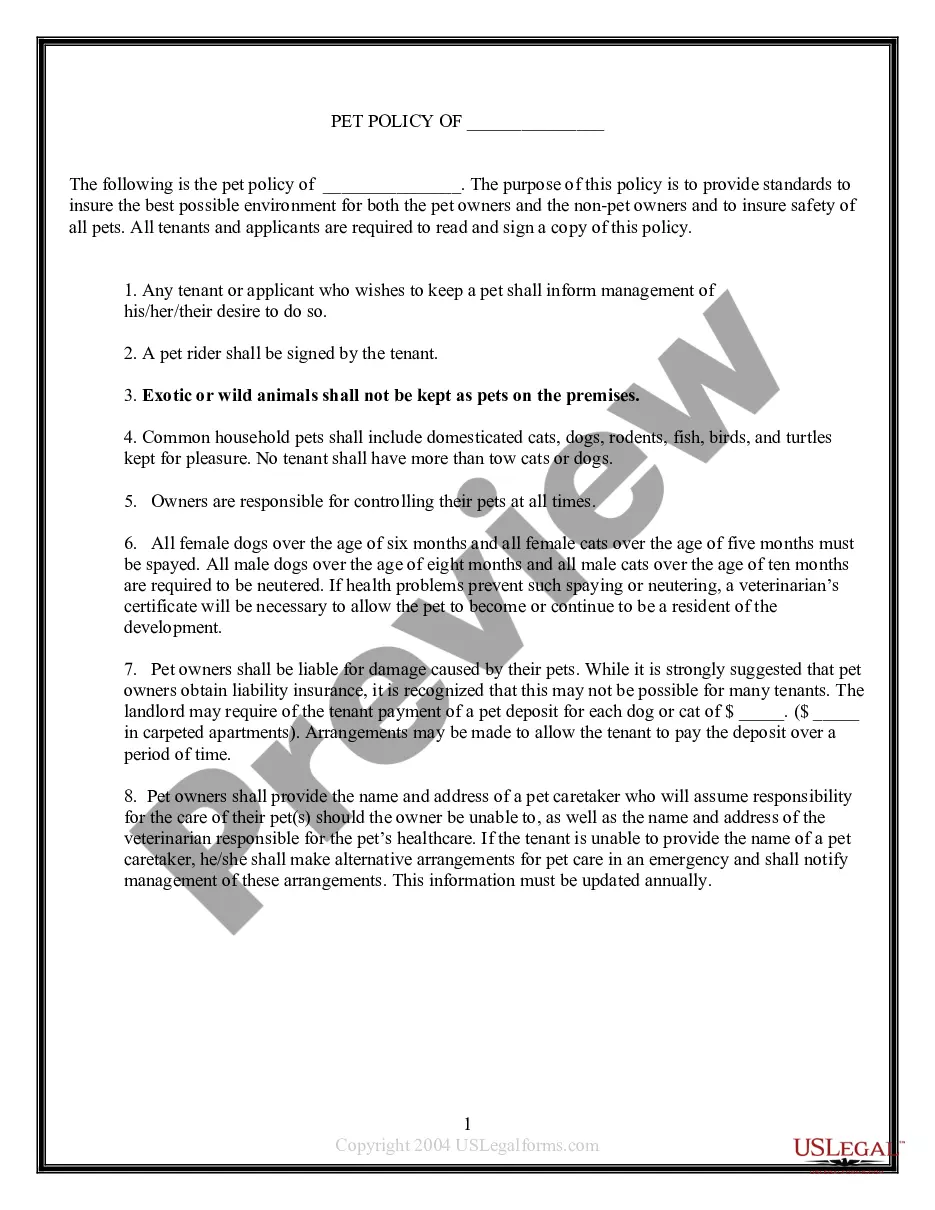
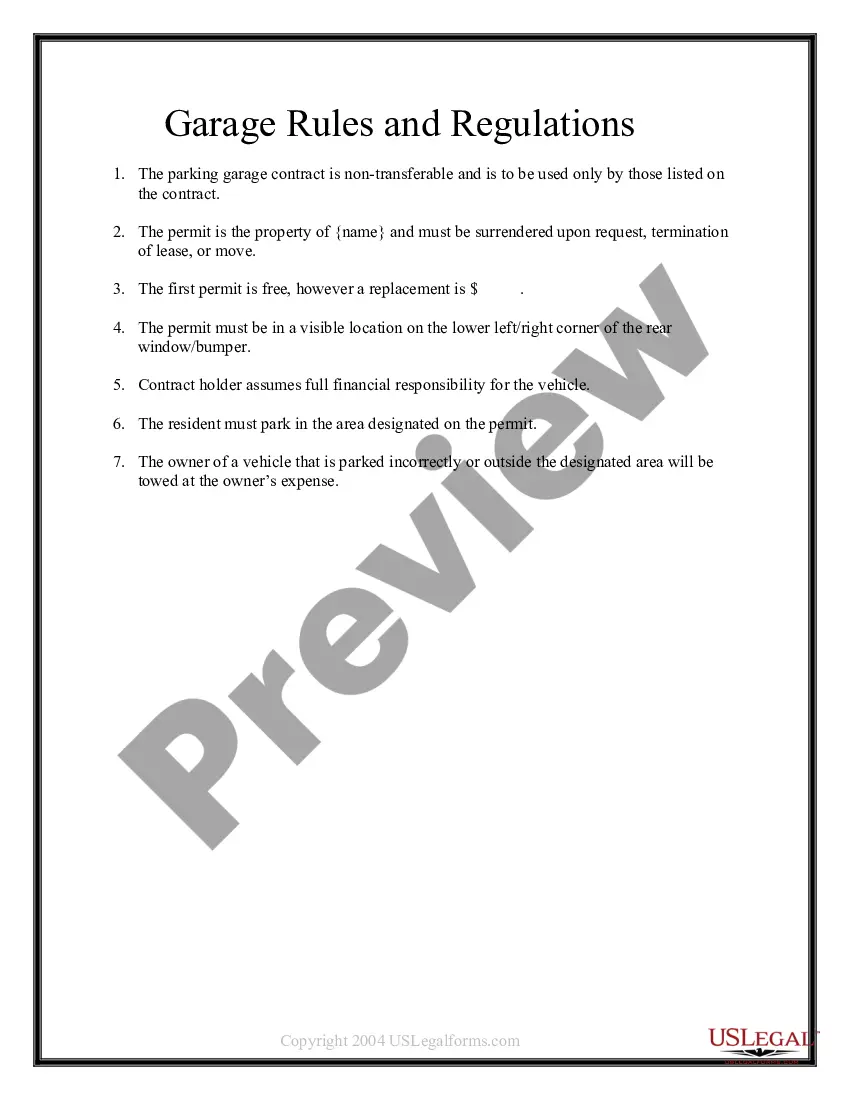
The Apartment Rules and Regulations form outlines essential guidelines that tenants must follow while residing in an apartment complex. It serves as a supplementary document to the Apartment Lease Agreement, detailing the expectations for tenant behavior and communal living practices. Compliance with these rules ensures a peaceful and orderly environment for all residents.
Main sections of this form
- Identification of the apartment complex and landlord.
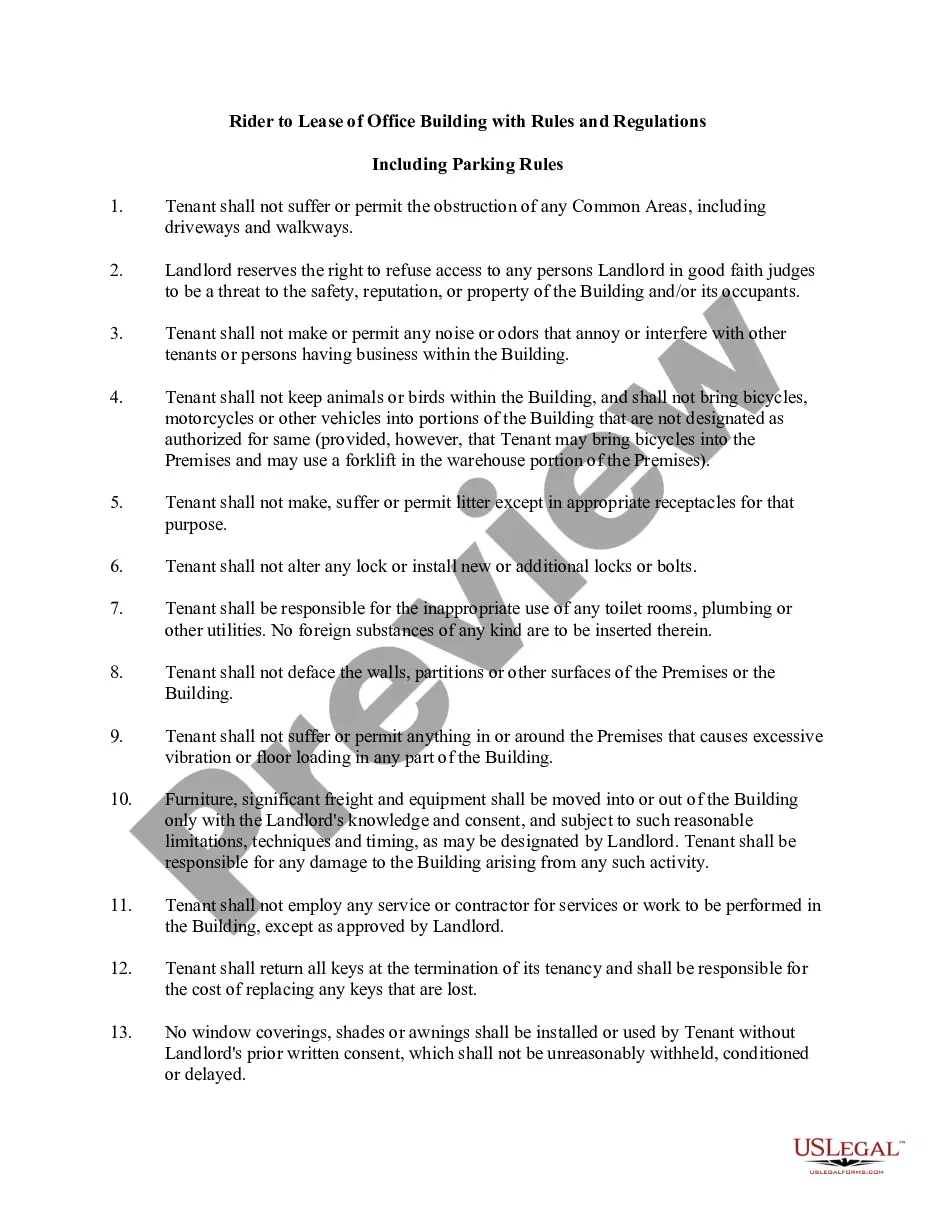
- List of specific rules regarding noise, property use, and personal conduct.
- Responsibilities of the tenant, including maintenance and respecting communal spaces.
- Consequences for non-compliance with the rules.
- Requirement for tenants to report issues and request repairs in writing.
Common use cases
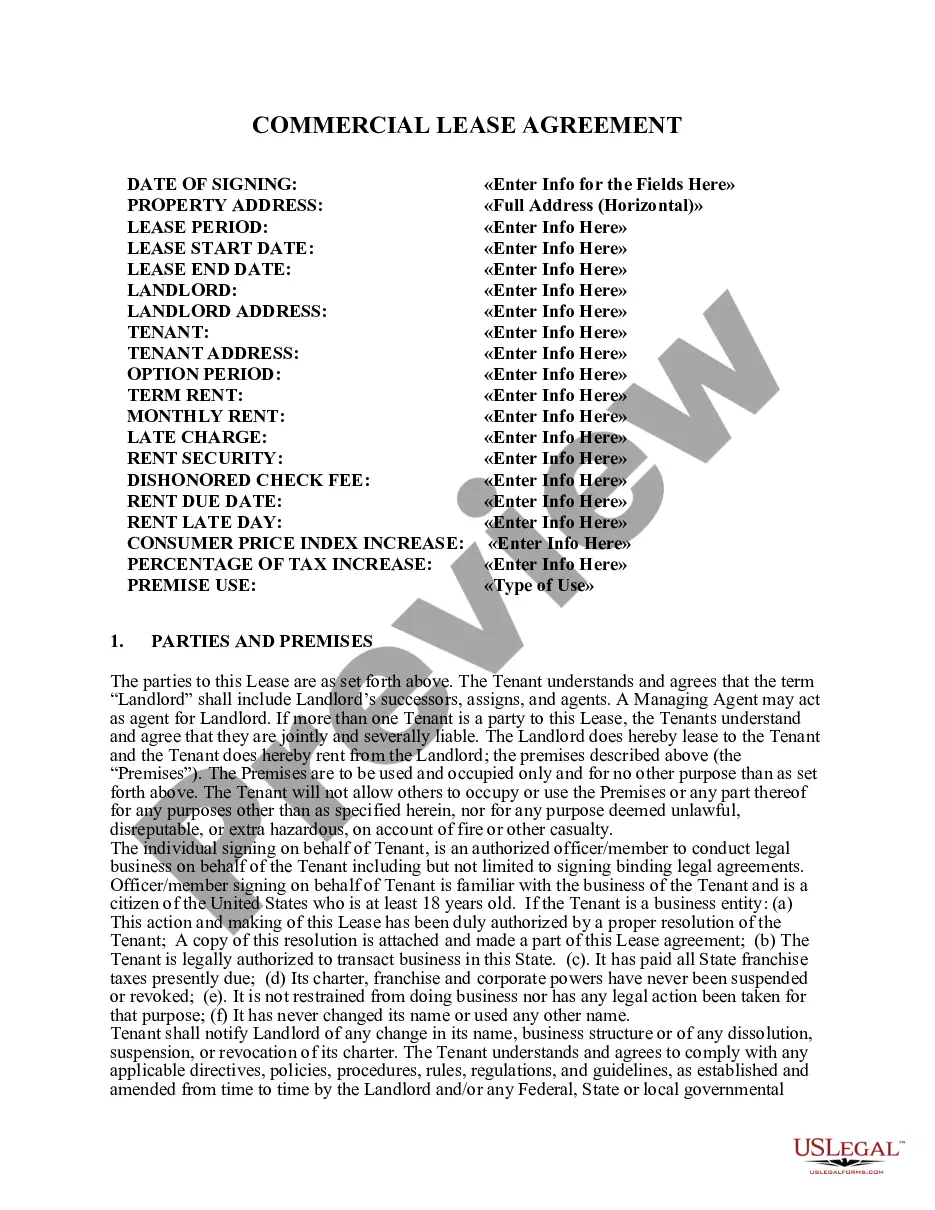
This form should be used whenever a landlord establishes specific rules and regulations for tenants beyond what is covered in the standard Apartment Lease Agreement. It is particularly useful during the onboarding process of new tenants, ensuring they understand the expectations for living in a shared environment.
Intended users of this form
- Landlords managing apartment complexes looking to set clear behavioral expectations for tenants.
- Property managers responsible for ensuring compliance with community rules.
- Tenants who need to understand their rights and responsibilities within the rental property.
Steps to complete this form
- Enter the name of the apartment complex.
- Review and acknowledge each rule by signing and dating the form.
- Specify any specific pet policies or alterations as mentioned in the Lease Agreement.
- Complete the section on keys and deposits related to entry points and mail access.
Notarization guidance
Notarization is generally not required for this form. However, certain states or situations might demand it. You can complete notarization online through US Legal Forms, powered by Notarize, using a verified video call available anytime.
Get your form ready online
Our built-in tools help you complete, sign, share, and store your documents in one place.
Make edits, fill in missing information, and update formatting in US Legal Forms—just like you would in MS Word.
Download a copy, print it, send it by email, or mail it via USPS—whatever works best for your next step.
Sign and collect signatures with our SignNow integration. Send to multiple recipients, set reminders, and more. Go Premium to unlock E-Sign.
If this form requires notarization, complete it online through a secure video call—no need to meet a notary in person or wait for an appointment.
We protect your documents and personal data by following strict security and privacy standards.

Make edits, fill in missing information, and update formatting in US Legal Forms—just like you would in MS Word.

Download a copy, print it, send it by email, or mail it via USPS—whatever works best for your next step.

Sign and collect signatures with our SignNow integration. Send to multiple recipients, set reminders, and more. Go Premium to unlock E-Sign.

If this form requires notarization, complete it online through a secure video call—no need to meet a notary in person or wait for an appointment.

We protect your documents and personal data by following strict security and privacy standards.
Common mistakes
- Failing to sign and date the form, which can lead to misunderstandings about responsibilities.
- Not fully reading and understanding each rule, leading to potential violations.
- Assuming verbal agreements override the written rules detailed in the form.
Benefits of using this form online
- Convenience of downloading and accessing the form anytime, anywhere.
- Editability allows landlords to tailor the document to specific property needs.
- Instant access to professionally drafted language by licensed attorneys, ensuring legal reliability.
Legal use & context
- This form is enforceable as part of the tenant's lease obligations.
- It helps protect the rights of landlords to maintain order in the property.
- Clear rules reduce ambiguities and disputes between tenants and landlords.
Summary of main points
- The Apartment Rules and Regulations form sets clear expectations for tenants.
- It serves as a vital supplement to a lease agreement.
- Proper completion and understanding of the form is crucial for maintaining a harmonious living environment.
Looking for another form?
Form popularity
FAQ
Fundamental responsibilities of landlords include: providing and maintaining the property in a clean and reasonable standard; giving proper receipts and maintaining records of all transactions pertaining to the tenancy; paying council rates and taxes; maintaining locks to ensure the property's security; and lodging the
If the resident does not follow the notice and pay rent or move out in the stipulated time (3 days), then you have the right order for their eviction. For a lease violation, Idaho landlord-resident laws require that you must give your resident a 3-Day Notice to Comply or Vacate to begin the eviction process.
Idaho is a fairly landlord-friendly state because there are few limits on fees and other charges, and landlords can manage security deposits how they wish. Tenants are also not allowed to withhold rent, although they can make repairs and deduct the cost for smoke detectors alone.
The Idaho law enacted in 1977 clearly specifies the rights of landlords and tenants. Some of the tenant rights include: Right to remain on the property until they're properly evicted by a court order. Right to have repairs made within a reasonable amount of time after a request is made.
A landlord cannot evict a tenant without an adequately obtained eviction notice and sufficient time. A landlord cannot retaliate against a tenant for a complaint. A landlord cannot forego completing necessary repairs or force a tenant to do their own repairs.A landlord cannot remove a tenant's personal belongings.
Allow the landlord to enter the rental unit without providing proper notice as provided by law or the lease agreement; require the tenant's security deposit to cover damages not caused by the tenant or the tenant's guests;allow the landlord to seize a tenant's personal property if the tenant fails to pay rent.
Although renters must abide by the Homeowners' Association rules, they still have rights under the law. The property owner must also follow their home state's Landlord-Tenant Laws that include the Fair Housing Act and Fair Credit Reporting Act.
The big take-away is that in most circumstances a landlord cannot enter a property without agreement from the tenant. And If the landlord ignores the law and enters the property without permission, the tenant may be able to claim damages or gain an injunction to prevent the landlord doing it again.