Idaho Notice of Default in Payment of Rent as Warning Prior to Demand to Pay or Terminate for Residential Property
What this document covers
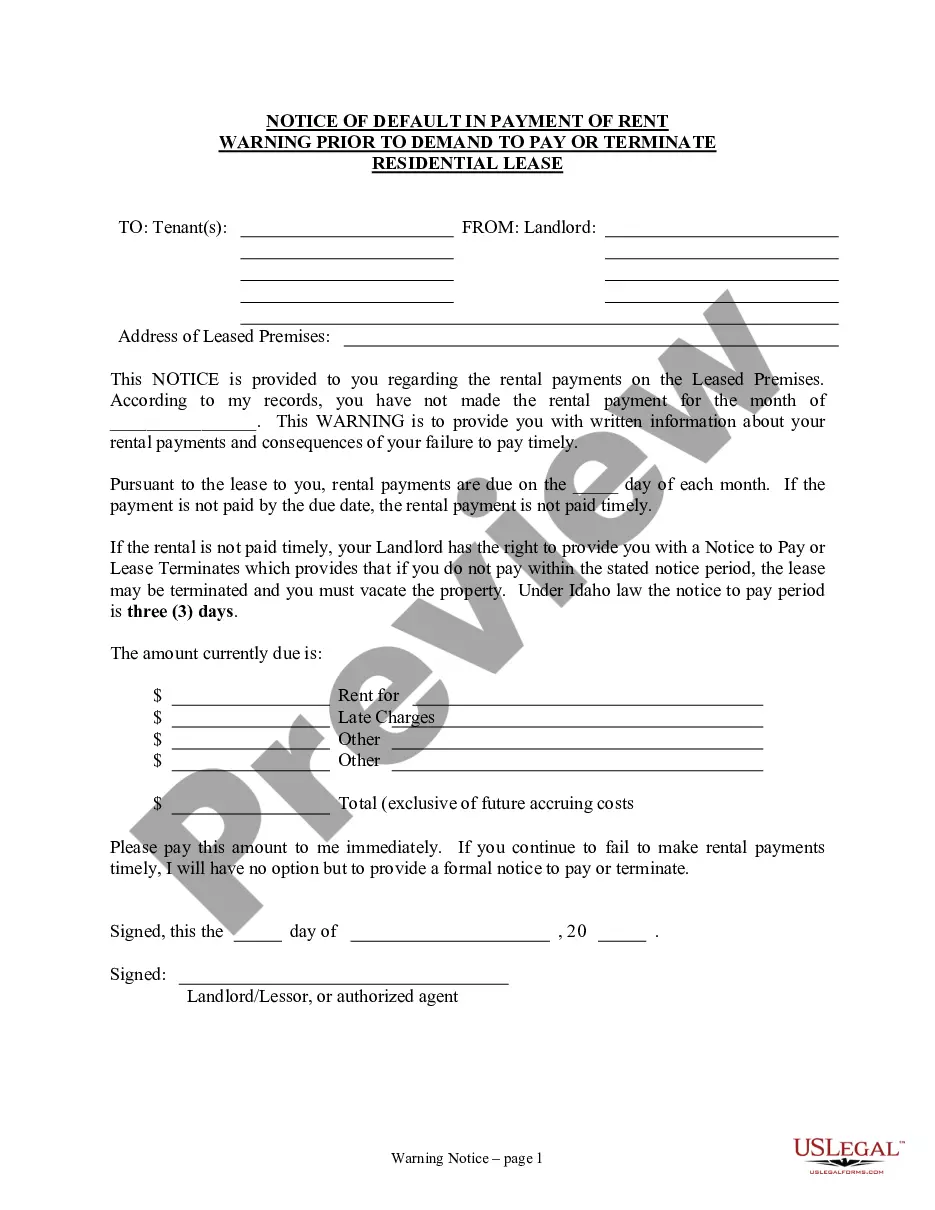
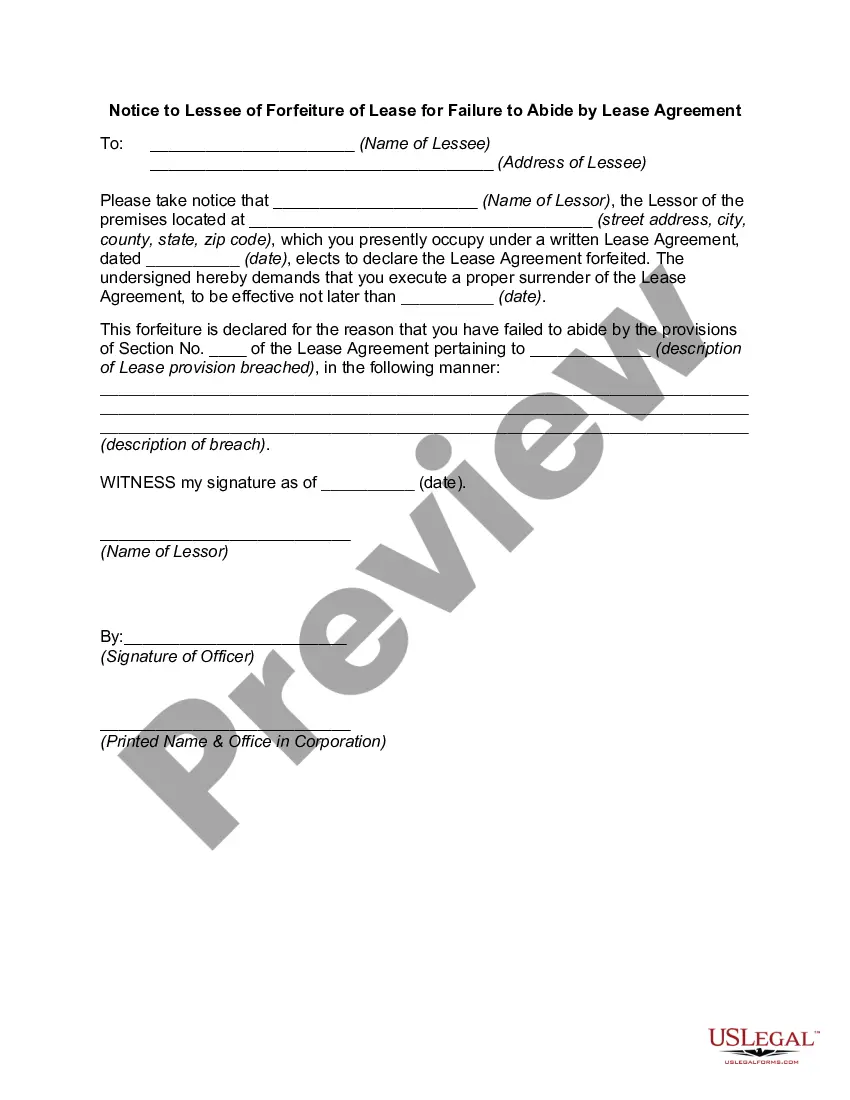
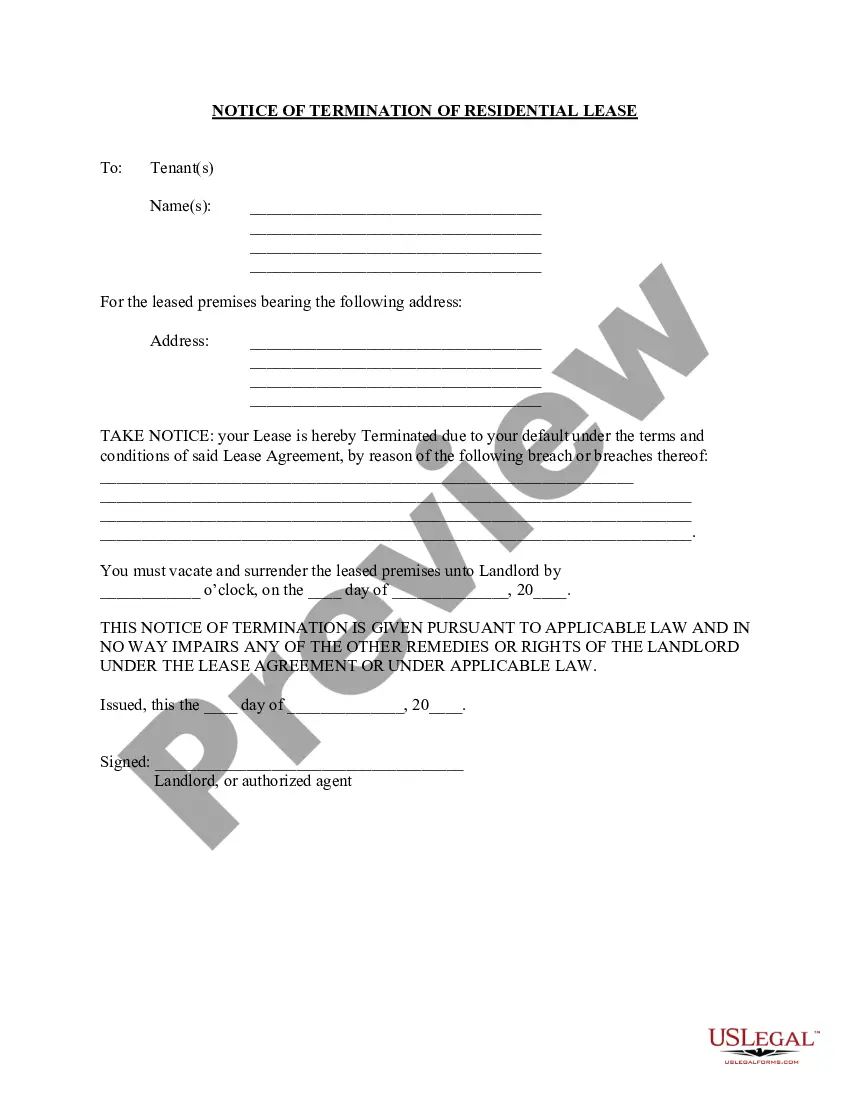
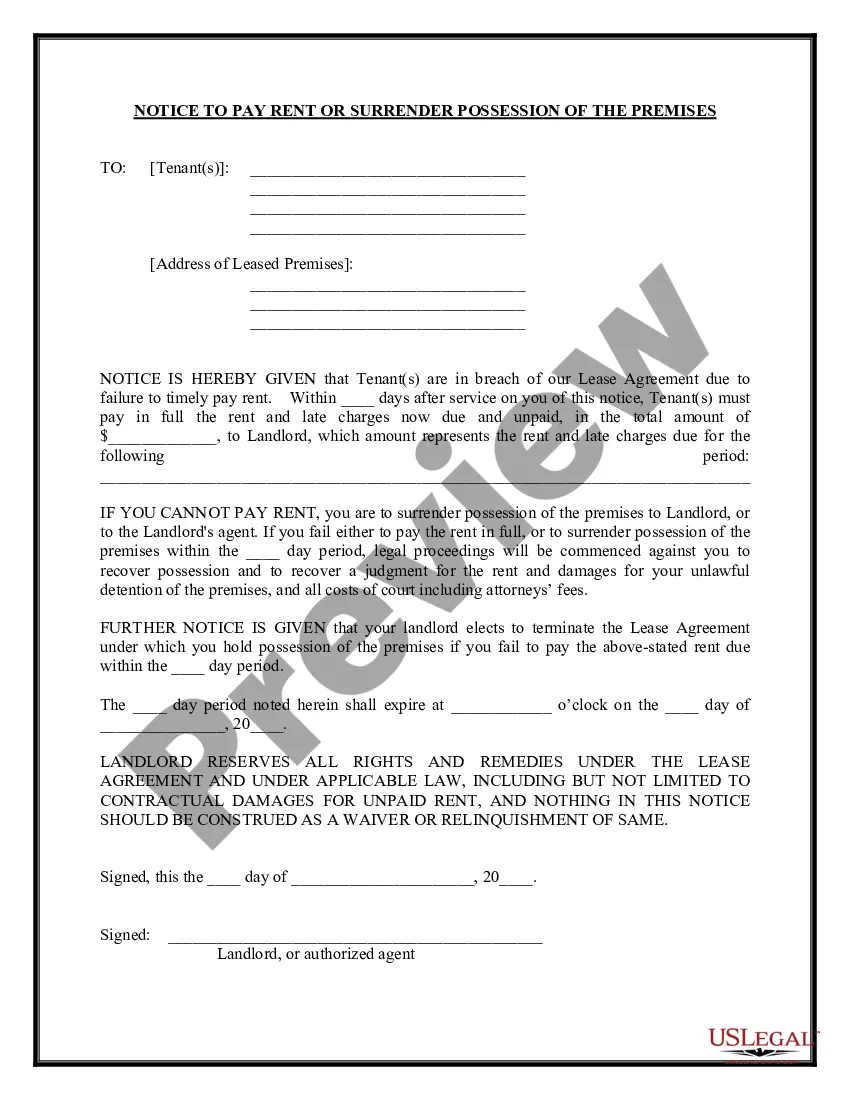
The Notice of Default in Payment of Rent as Warning Prior to Demand to Pay or Terminate for Residential Property is a crucial legal document used by landlords to notify tenants of their failure to pay rent. This form serves as a formal warning before escalating the situation to a demand for payment or termination of the lease. It highlights important details such as the due date and the consequences of late payment, differentiating it from other notices that may require immediate action or legal proceedings.
What’s included in this form
- Landlord and tenant's names and addresses
- Due date of the unpaid rent
- Total amount due including any late charges
- Warning regarding the potential consequences of continued non-payment
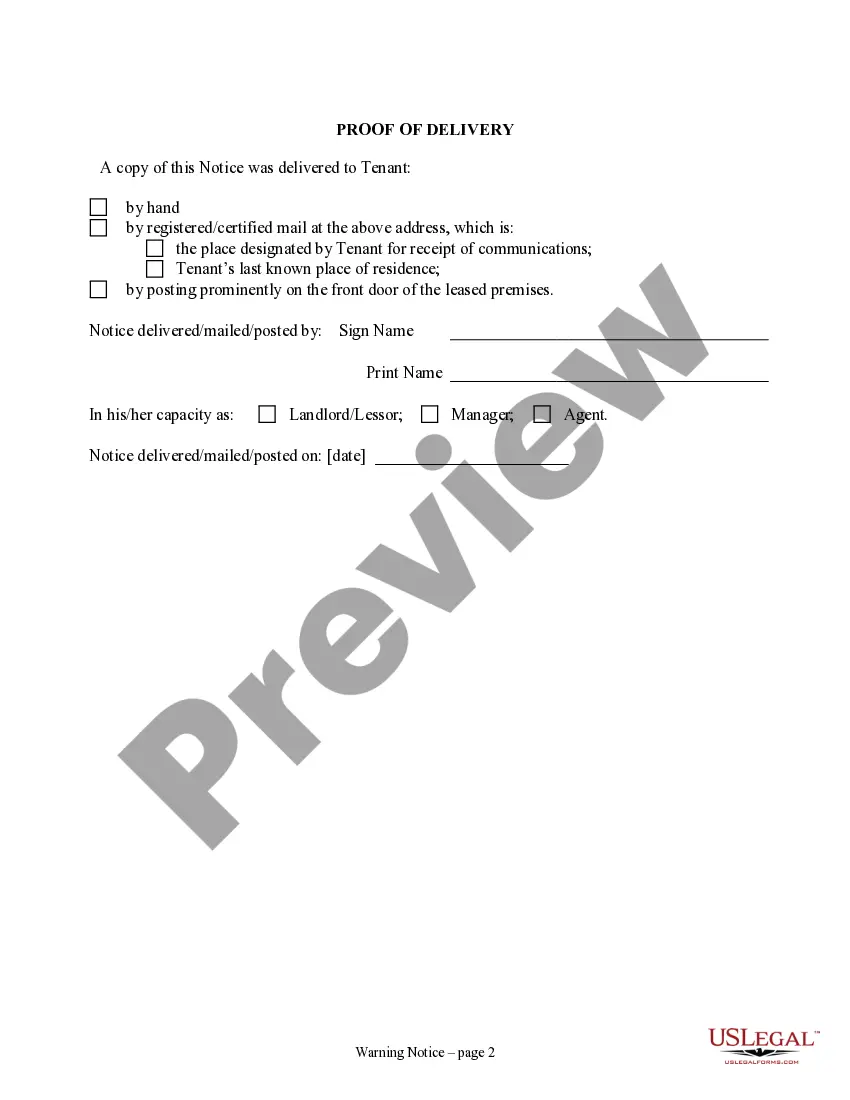
- Proof of delivery section to document how the notice was served
When to use this document
This form is used when a tenant has failed to make rent payments on time. It serves as a preliminary step for landlords who wish to remind tenants of their obligations before taking more serious actions, such as terminating the lease. It is particularly useful in situations where landlords want to document their efforts to communicate with tenants regarding overdue rent, ensuring compliance with legal requirements.
Who this form is for
- Residential landlords managing rental properties
- Property managers acting on behalf of landlords
- Landlords who need to communicate non-payment issues to tenants
Completing this form step by step
- Fill in the names and addresses for both the landlord and tenant.
- Indicate the address of the leased premises.
- Specify the month for which rent has not been received.
- Detail the due date and total amount due, including late fees if applicable.
- Sign and date the form to validate the notice.
- Record delivery to the tenant, noting the method used (e.g., hand-delivered, mail).
Is notarization required?
This form does not typically require notarization unless specified by local law. Ensure you check any state-specific regulations that may apply.
Get your form ready online
Our built-in tools help you complete, sign, share, and store your documents in one place.
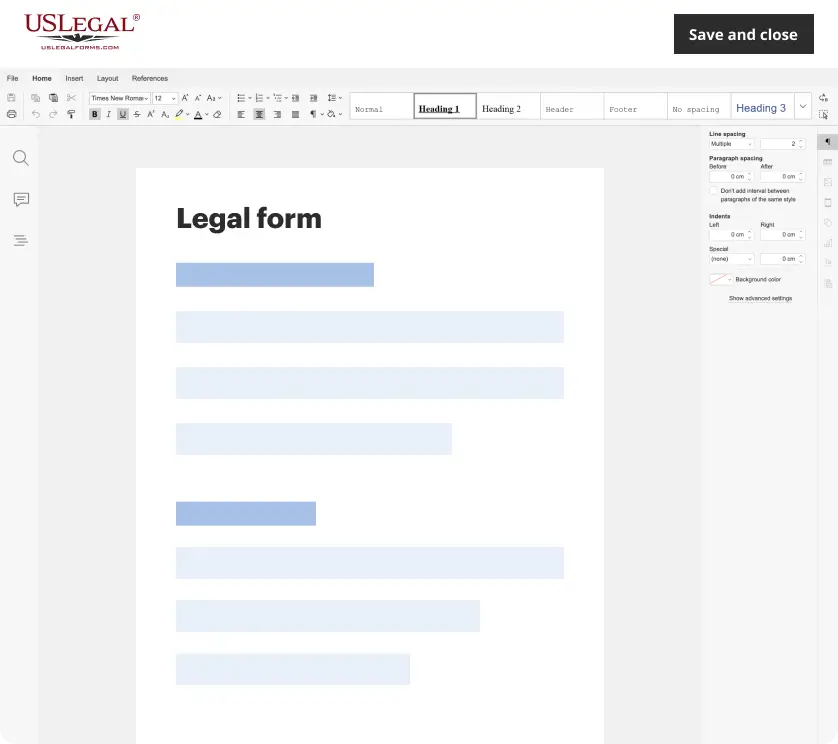
Make edits, fill in missing information, and update formatting in US Legal Forms—just like you would in MS Word.
Download a copy, print it, send it by email, or mail it via USPS—whatever works best for your next step.
Sign and collect signatures with our SignNow integration. Send to multiple recipients, set reminders, and more. Go Premium to unlock E-Sign.
If this form requires notarization, complete it online through a secure video call—no need to meet a notary in person or wait for an appointment.
We protect your documents and personal data by following strict security and privacy standards.
Make edits, fill in missing information, and update formatting in US Legal Forms—just like you would in MS Word.
Download a copy, print it, send it by email, or mail it via USPS—whatever works best for your next step.
Sign and collect signatures with our SignNow integration. Send to multiple recipients, set reminders, and more. Go Premium to unlock E-Sign.
If this form requires notarization, complete it online through a secure video call—no need to meet a notary in person or wait for an appointment.
We protect your documents and personal data by following strict security and privacy standards.
Avoid these common issues
- Failing to provide correct amounts due or due dates.
- Not including proof of delivery, which can affect legal enforceability.
- Not adapting the notice period according to state laws.
- Signing the form without the required landlord details or authorization.
Advantages of online completion
- Easy access to legally vetted templates tailored by licensed attorneys.
- Convenient to fill out and edit according to individual situations.
- Fast download options to send notices immediately to tenants.
- Reduces the likelihood of errors through guided input.
Legal use & context
- This notice serves as a formal communication before further legal actions.
- It is a critical step in maintaining compliance with local landlord-tenant laws.
- Failure to provide this notice may impact the landlord's ability to terminate the lease legally.
What to keep in mind
- This notice is a proactive tool for landlords to address missed rent payments.
- Clear documentation of payment reminders can help in potential legal disputes.
- Using this form correctly can protect landlords' rights while giving tenants a fair opportunity to pay.
Looking for another form?
Form popularity
FAQ
There are no limits on the number of times or the amount a landlord can increase the rent unless there is a provision in the lease. A tenant can move rather than pay the increase. Idaho Code Section 55-307.
Allow the landlord to enter the rental unit without providing proper notice as provided by law or the lease agreement; require the tenant's security deposit to cover damages not caused by the tenant or the tenant's guests;allow the landlord to seize a tenant's personal property if the tenant fails to pay rent.
The Idaho law enacted in 1977 clearly specifies the rights of landlords and tenants. Some of the tenant rights include: Right to remain on the property until they're properly evicted by a court order. Right to have repairs made within a reasonable amount of time after a request is made.
Idaho does not regulate the amount of rent, deposits or fees that landlords can charge.
Idaho does not currently enforce any kind of rent control so landlords are able to charge whatever they want in rental prices. Rental increases. Idaho landlords are not limited in how much they can raise rental prices but they must give tenants at least 15 days' advance notice before doing so.
Idaho is a fairly landlord-friendly state because there are few limits on fees and other charges, and landlords can manage security deposits how they wish. Tenants are also not allowed to withhold rent, although they can make repairs and deduct the cost for smoke detectors alone.
If the resident does not follow the notice and pay rent or move out in the stipulated time (3 days), then you have the right order for their eviction. For a lease violation, Idaho landlord-resident laws require that you must give your resident a 3-Day Notice to Comply or Vacate to begin the eviction process.
The big take-away is that in most circumstances a landlord cannot enter a property without agreement from the tenant. And If the landlord ignores the law and enters the property without permission, the tenant may be able to claim damages or gain an injunction to prevent the landlord doing it again.