Georgia Warranty Deed from Limited Partnership or LLC is the Grantor, or Grantee
About this form
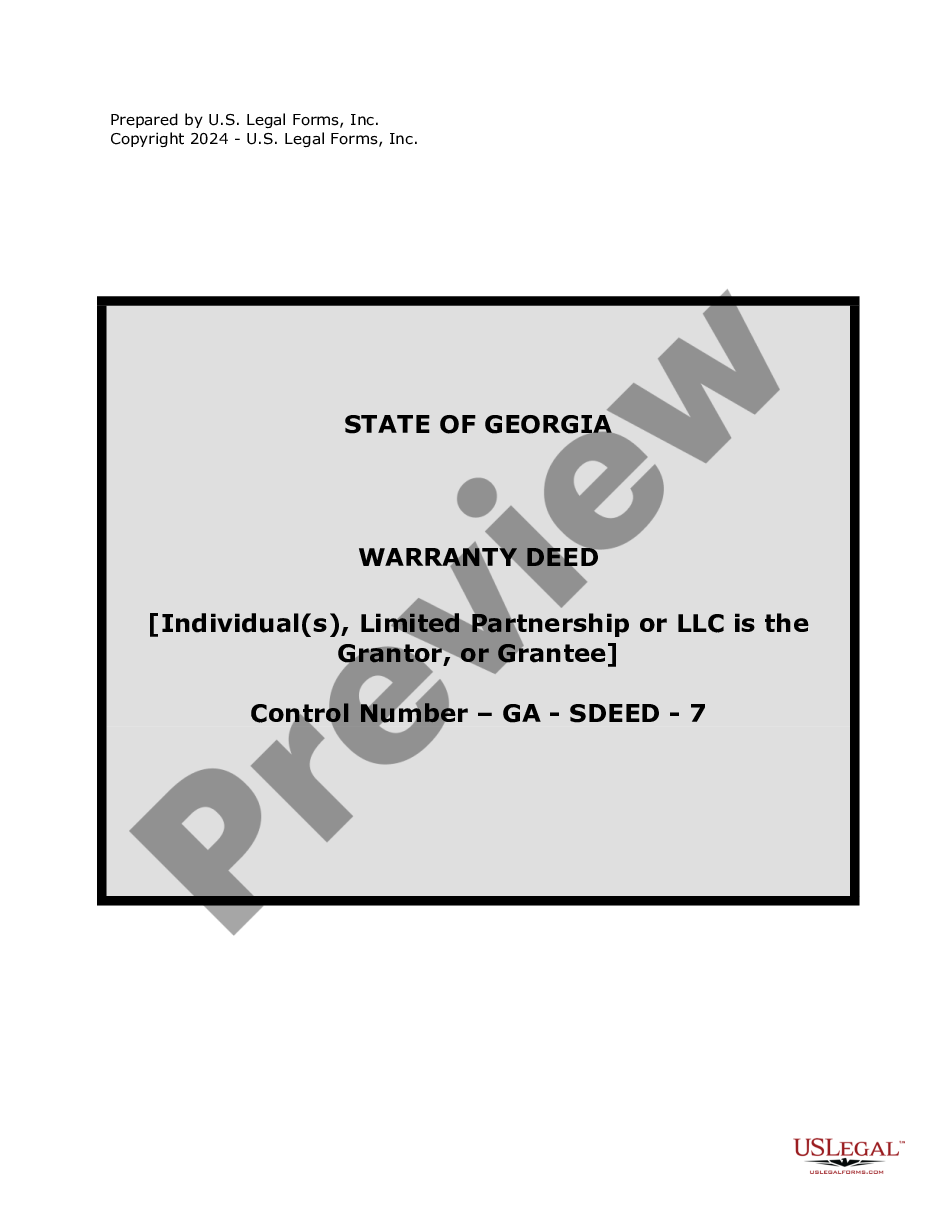
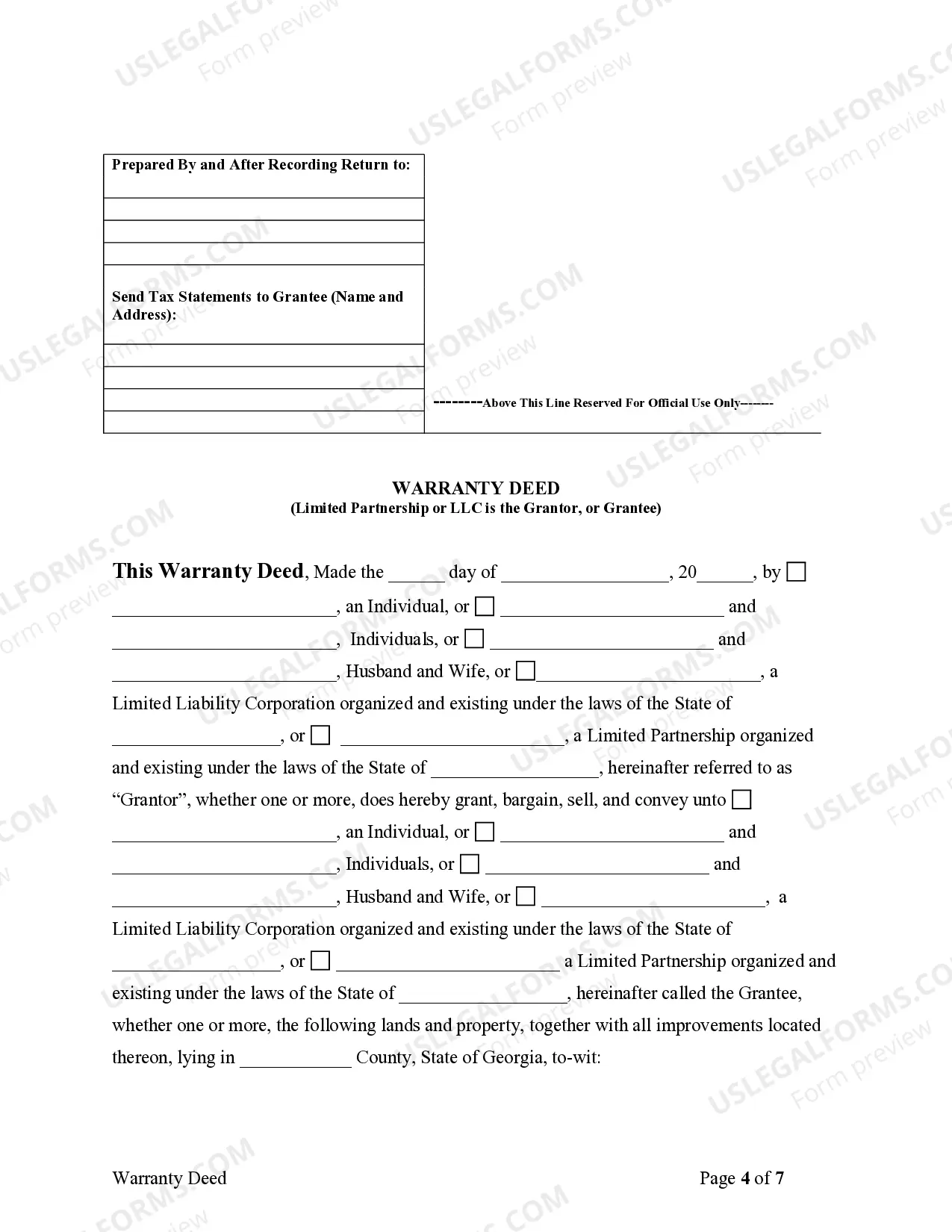
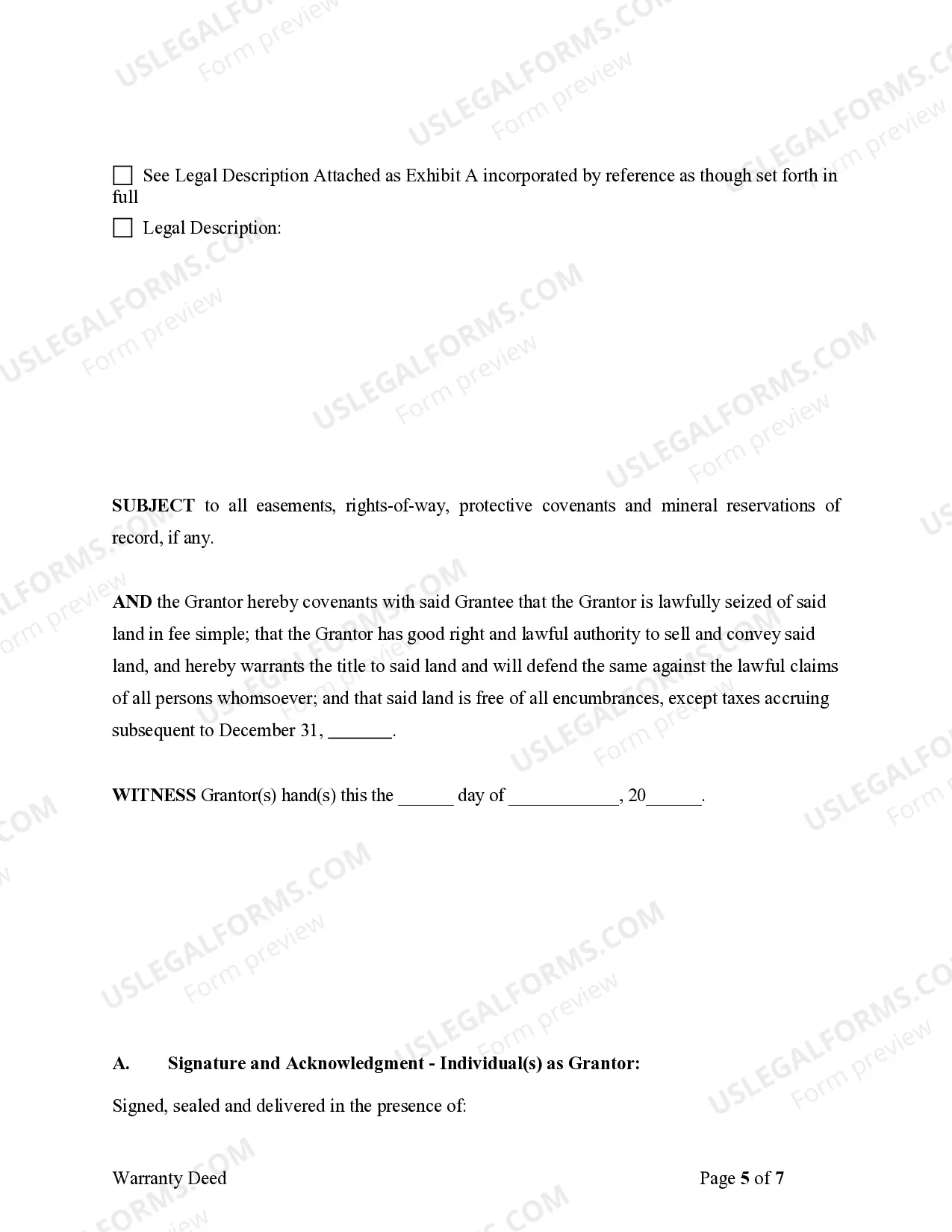
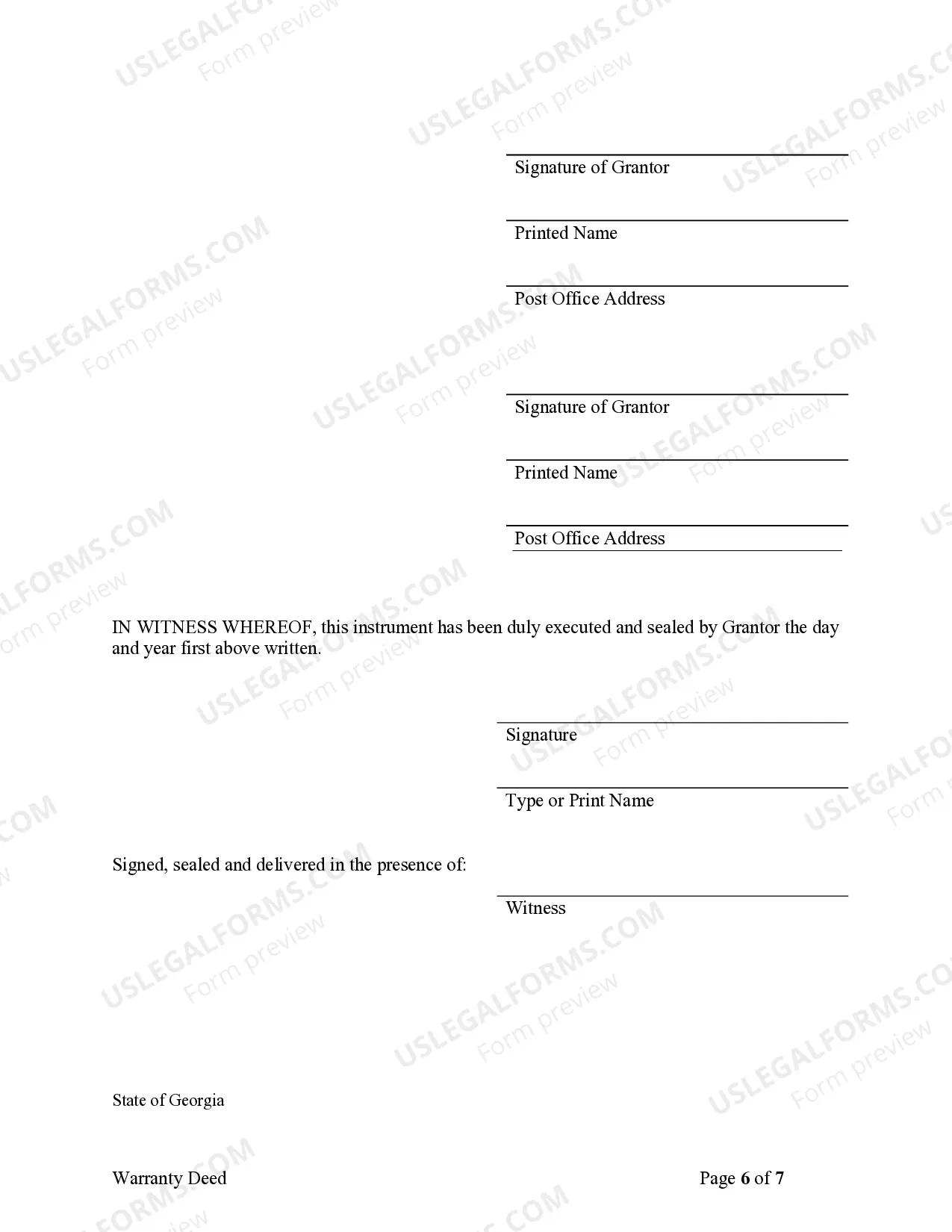
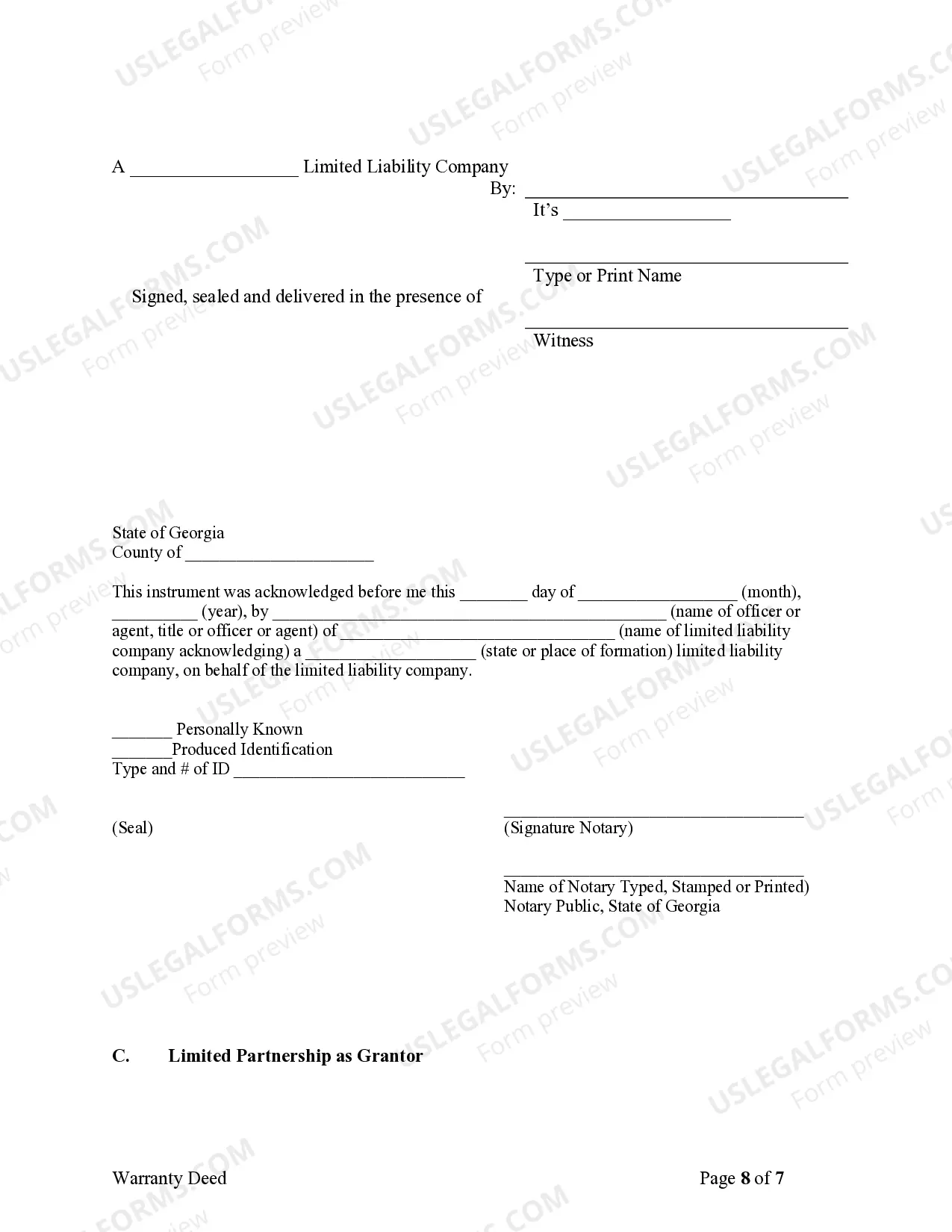
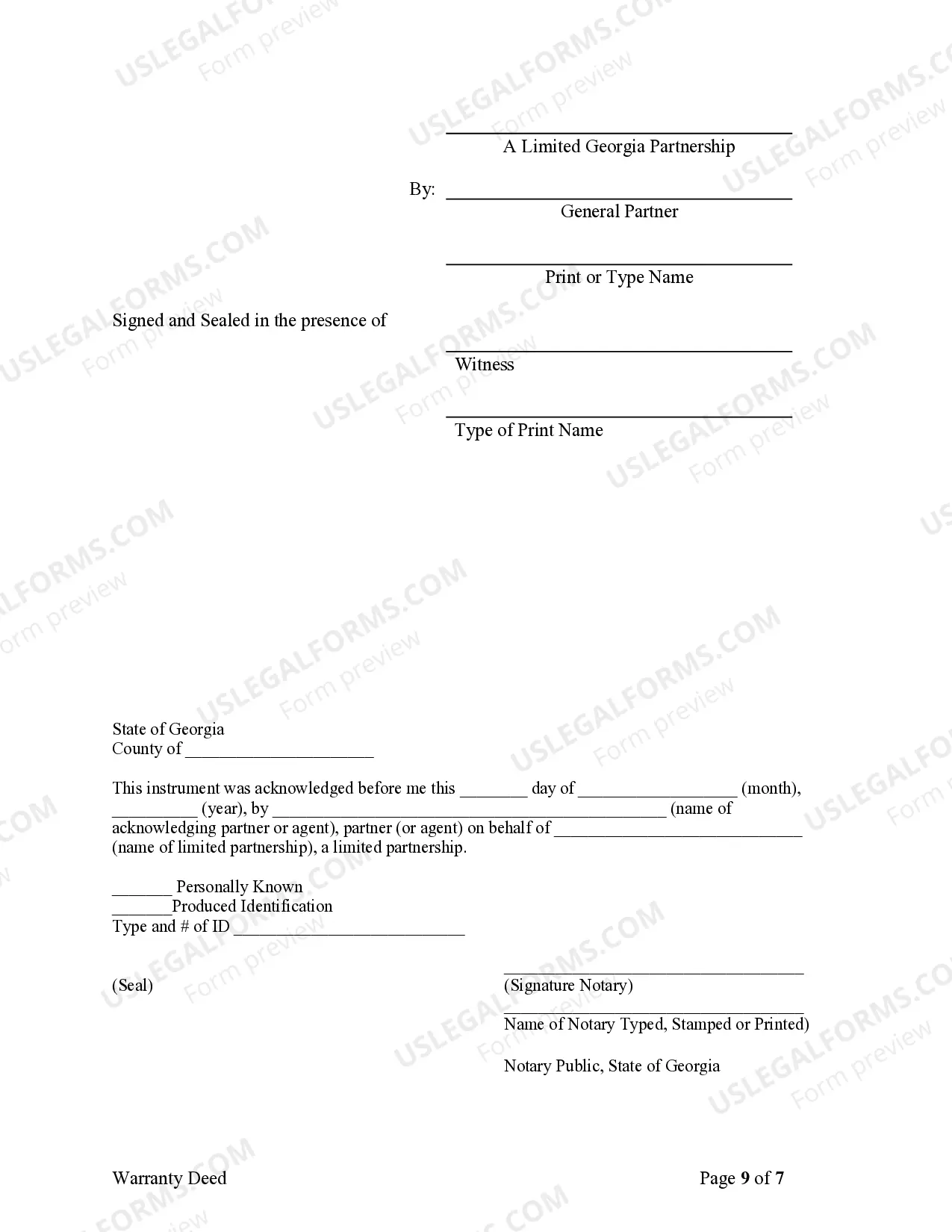
The Warranty Deed from Limited Partnership or LLC is the Grantor, or Grantee is a legal document used to transfer ownership of real property. This form specifically allows a limited partnership or a limited liability company (LLC) to act as either the grantor (seller) or the grantee (buyer) in the transaction. Unlike other warranty deeds, this form accommodates the unique structures of partnerships and LLCs, ensuring that the parties involved can securely convey property while protecting their legal interests.
Key components of this form
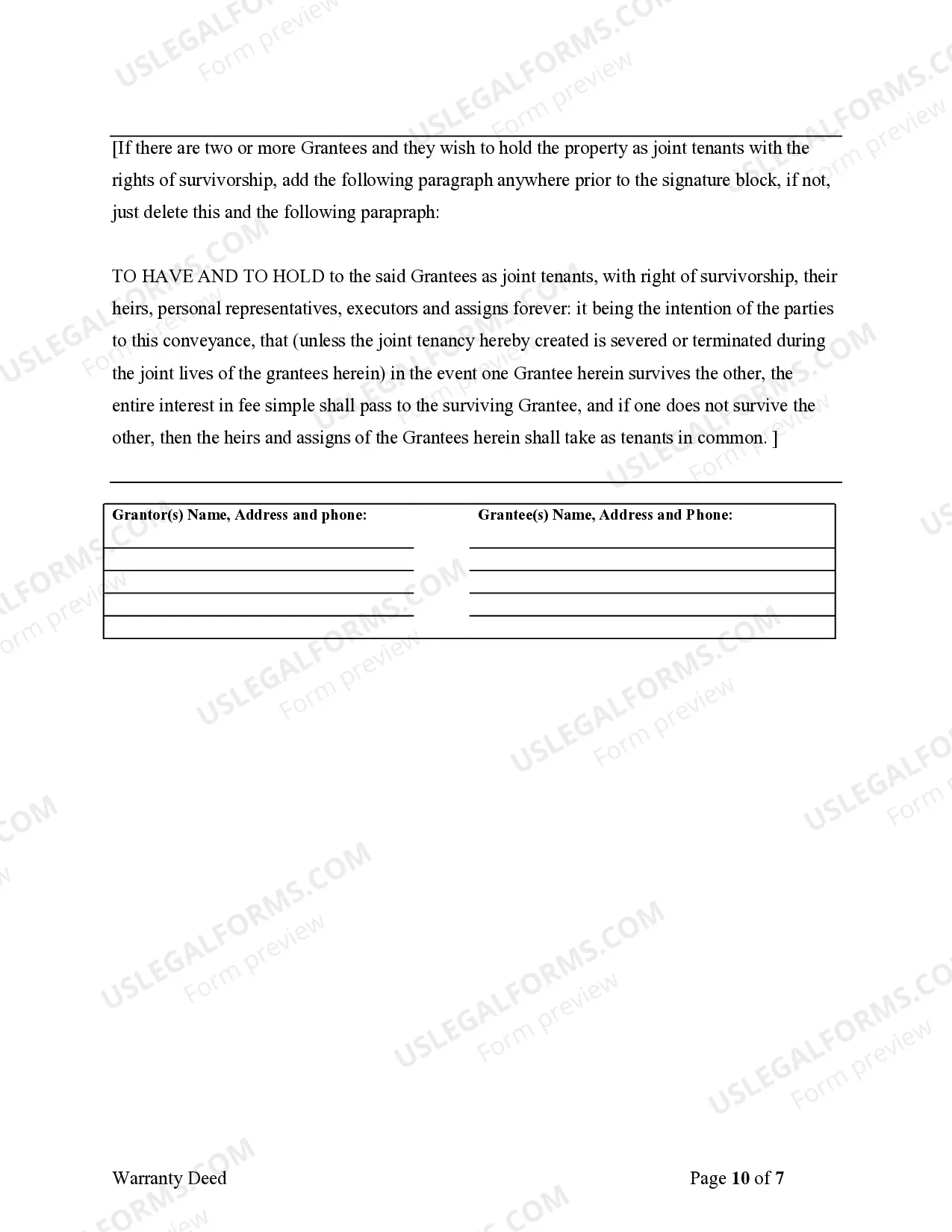
- Identification of grantor(s) and grantee(s), including necessary signatures.
- Legal description of the property being transferred.
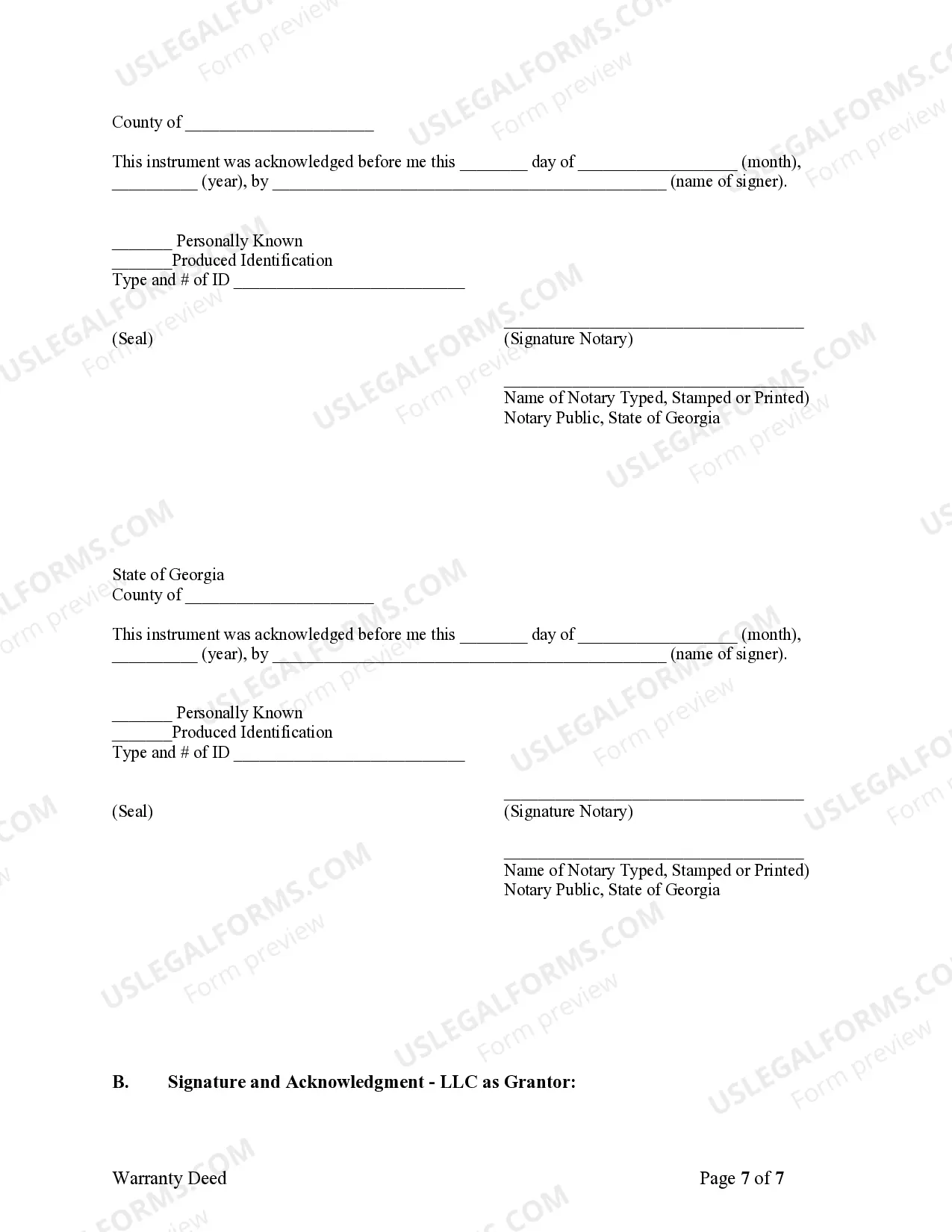
- Notarization requirements and acknowledgment sections to validate the deed.
- Options for specifying joint tenancy rights among multiple grantees.






When to use this document
This form should be used in scenarios where a limited partnership or LLC is involved in the transfer of property ownership. It is suitable for real estate transactions where the entity is either transferring its interest in a property or receiving property as part of a sale or gift. Use this deed when the parties wish to provide a warranty regarding the title and ensure that any claims against the property are addressed.
Who should use this form
- Limited partnerships involved in transferring ownership of property.
- Limited liability companies (LLCs) acting as sellers or buyers in real estate transactions.
- Real estate professionals facilitating transactions that involve partnerships or LLCs.
- Individuals or entities seeking a reliable method to document property transfers with legal protections.
How to prepare this document
- Identify the parties involved: clearly list the grantor (limited partnership or LLC) and the grantee.
- Provide a complete legal description of the property being conveyed.
- Enter the effective date of the transfer and necessary signatures from all parties.
- Complete any required notarization sections to validate the deed.
- Review the document for accuracy before submission.
Does this document require notarization?
Yes, this form must be notarized to be legally valid. The notarization process confirms the identities of the parties signing the deed and ensures that the transfer of property is conducted in accordance with the law. US Legal Forms offers integrated online notarization services, which provide 24/7 availability through a secure video call, thereby eliminating the need for travel and guaranteeing the legal equivalence of notary services.
Get your form ready online
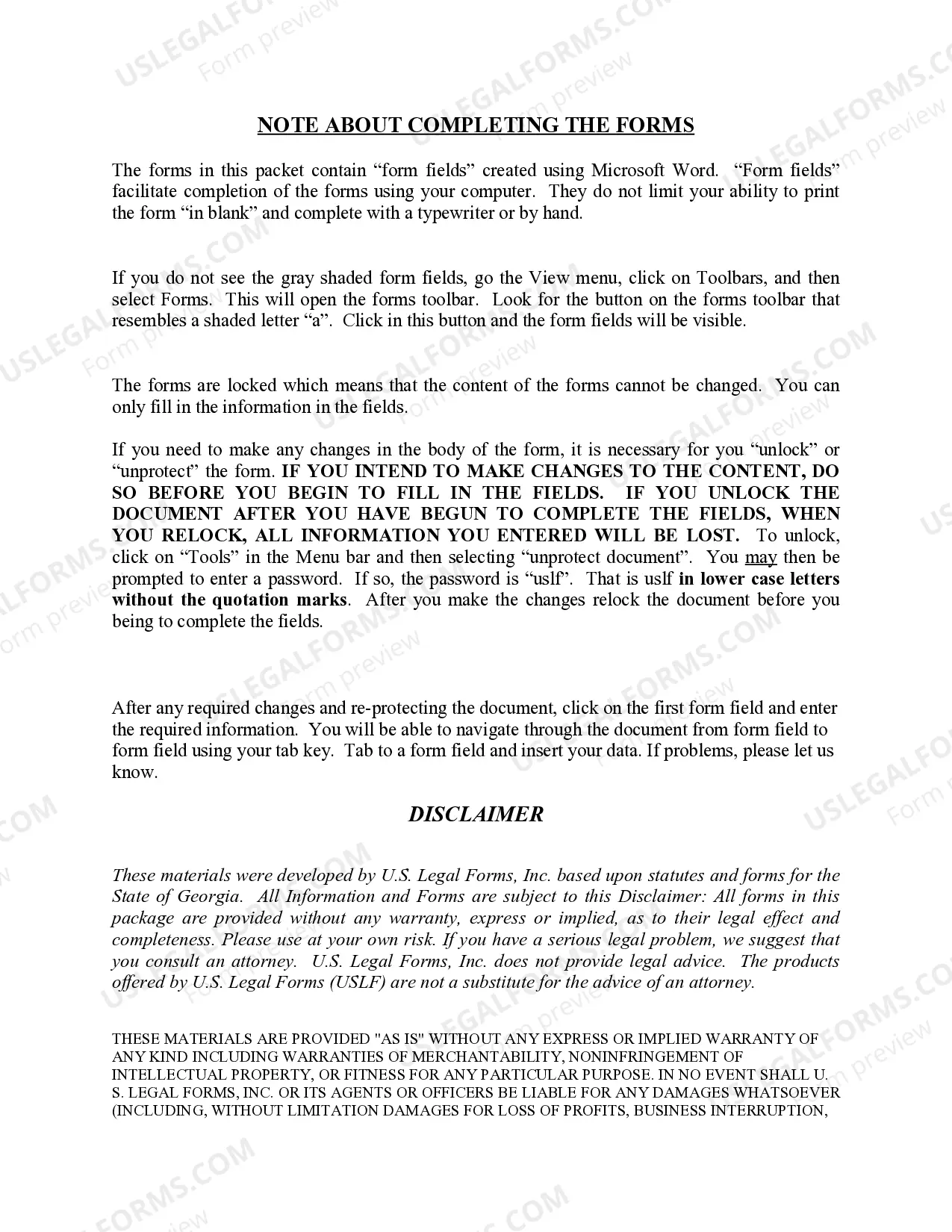
Our built-in tools help you complete, sign, share, and store your documents in one place.
Make edits, fill in missing information, and update formatting in US Legal Forms—just like you would in MS Word.
Download a copy, print it, send it by email, or mail it via USPS—whatever works best for your next step.
Sign and collect signatures with our SignNow integration. Send to multiple recipients, set reminders, and more. Go Premium to unlock E-Sign.
If this form requires notarization, complete it online through a secure video call—no need to meet a notary in person or wait for an appointment.
We protect your documents and personal data by following strict security and privacy standards.

Make edits, fill in missing information, and update formatting in US Legal Forms—just like you would in MS Word.

Download a copy, print it, send it by email, or mail it via USPS—whatever works best for your next step.

Sign and collect signatures with our SignNow integration. Send to multiple recipients, set reminders, and more. Go Premium to unlock E-Sign.

If this form requires notarization, complete it online through a secure video call—no need to meet a notary in person or wait for an appointment.

We protect your documents and personal data by following strict security and privacy standards.
Typical mistakes to avoid
- Failing to provide a complete legal description of the property.
- Not obtaining the necessary notarization for the deed.
- Omitting signature fields or signatures from all parties involved.
- Using incorrect or outdated forms that do not comply with state laws.
Advantages of online completion
- Convenience of filling out the form from home without the need to visit an attorney.
- Editability allows for easy revisions to ensure all information is correct before finalization.
- Reliability of using professionally drafted forms that comply with Georgiaâs legal requirements.
Legal use & context
- This warranty deed serves as a legally binding document confirming the transfer of property ownership.
- It offers protection for the grantee by guaranteeing that the grantor holds clear title to the property.
- Should an issue arise regarding the title, the grantor may be held liable under the warranty provided.
Key takeaways
- The form is specifically designed for use by limited partnerships and LLCs in property transfers.
- Complete all necessary fields accurately to avoid legal complications.
- Consult your local laws and regulations to ensure compliance with property transfer procedures.
Looking for another form?


Form popularity
FAQ
A limited warranty deed in Georgia is a legal document where the grantor provides a warranty of title only for the time that they have owned the property. This type of deed protects the grantee from any claims or defects that originated during the grantor’s ownership. Knowing this can be beneficial when navigating property transactions involving limited partnerships or LLCs.
A warranty deed provides full assurances about the property, guaranteeing the title against all defects, while a limited warranty deed only covers the period of the grantor's ownership. This distinction is crucial for buyers, especially when dealing with entities like limited partnerships or LLCs. Understanding these differences helps you make informed decisions about your property.
In a warranty deed, the grantor is the party that transfers the property, while the grantee receives the property. The roles are vital in transactions involving a Georgia Warranty Deed from Limited Partnership or LLC, as each party has specific duties and rights outlined in the deed. This clear delineation helps facilitate smooth property exchanges.
In a quit claim deed, the grantor is the person or entity transferring their interest in the property. Importantly, this type of deed does not guarantee that the grantor has valid ownership. Therefore, understanding the role of the grantor is essential when dealing with real estate transactions.
A limited warranty deed specifically limits the grantor's warranties to the period they owned the property. This deed is crucial for entities like limited partnerships or LLCs, as it clarifies the extent of the grantor's liability. Such clarity helps protect both parties in a property transaction.
The main advantage of a warranty deed is that it provides a strong assurance to the grantee regarding property ownership and its condition. However, one downside is that it may impose more liability on the grantor, as they guarantee the title against defects beyond their ownership period. Understanding these aspects is important when considering a Georgia Warranty Deed from Limited Partnership or LLC.
Yes, you can obtain title insurance with a limited warranty deed. Title insurance can provide additional security for the grantee, ensuring that any undiscovered issues are covered, despite the limited guarantees made by the Georgia Warranty Deed from Limited Partnership or LLC. This insurance helps protect your investment and offers peace of mind.
A limited warranty deed provides specific assurances about the ownership rights of the property from a limited partnership or LLC. It guarantees that the property has been clear during the grantor's period of ownership but does not cover issues arising from prior ownership. Essentially, it protects the grantee from defects that occurred only while the grantor owned the property.
Anyone can fill out a warranty deed as long as they have the essential information. This includes individuals, companies, or representatives of Limited Partnerships and LLCs. When dealing with a Georgia Warranty Deed from Limited Partnership or LLC, ensure you have authority to act on behalf of the organization to prevent any disputes.
A warranty deed typically involves at least two parties: the grantor and the grantee. In cases where the Georgia Warranty Deed from Limited Partnership or LLC is involved, the grantor could be an LLC or Limited Partnership, while the grantee may be an individual or another entity. Understanding these roles is crucial for a smooth transfer of property.