Georgia Quitclaim Deed from Individual to Individual
Overview of this form
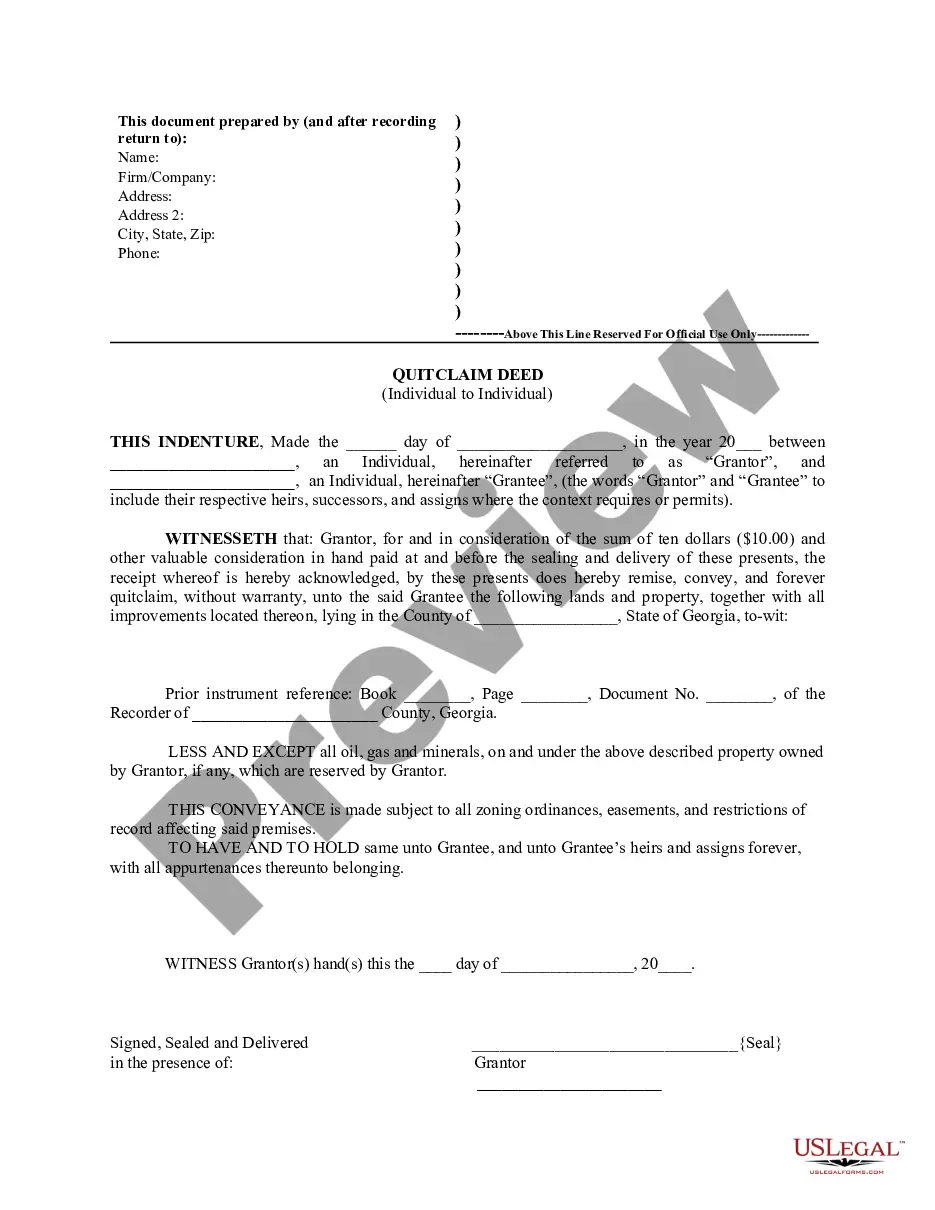
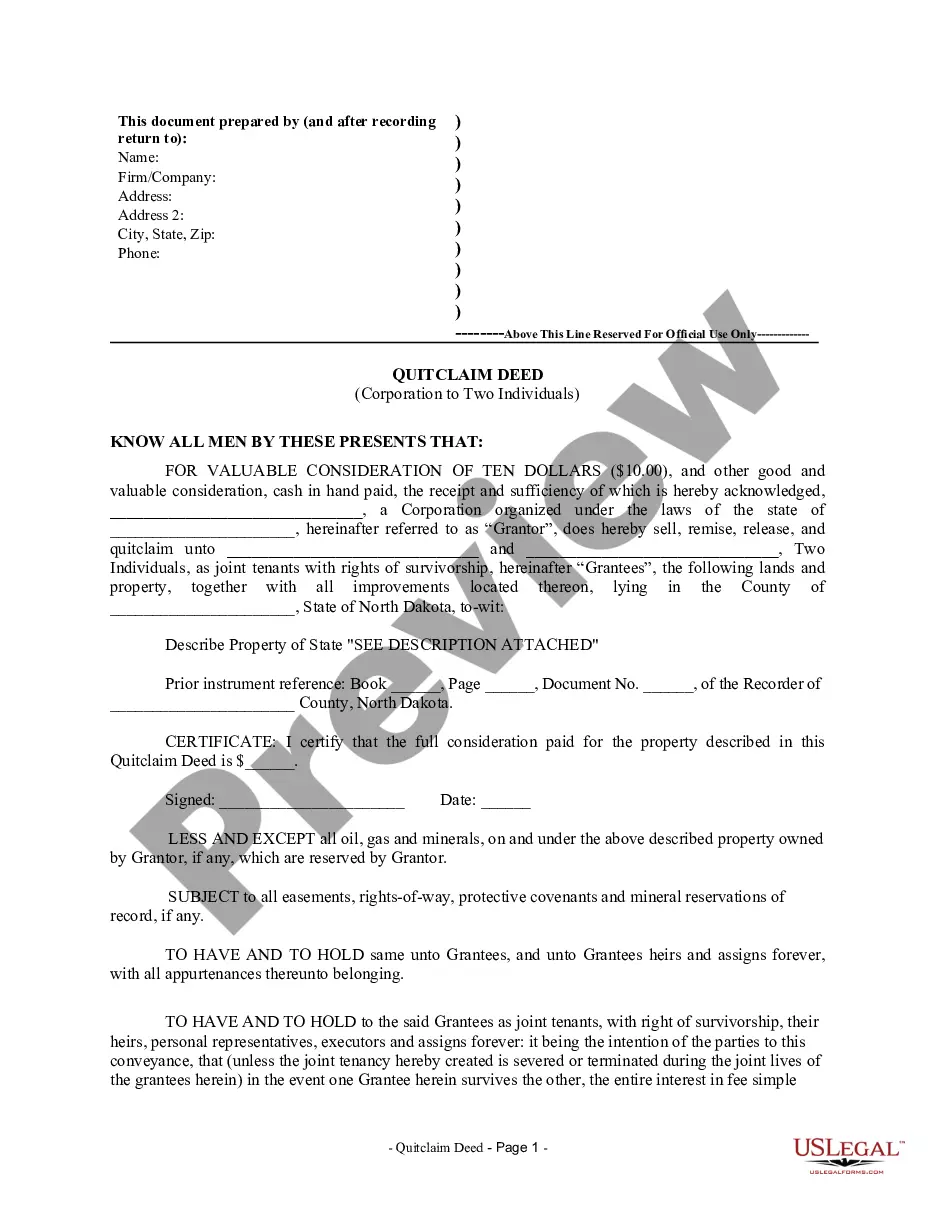
This Quitclaim Deed from Individual to Individual is a legal document that allows one individual (the Grantor) to transfer their interest in a property to another individual (the Grantee). Unlike warranty deeds, this form does not guarantee that the Grantor has a valid title to the property; it simply conveys whatever interest the Grantor holds. This quitclaim deed may also specify that certain rights, such as oil, gas, and mineral rights, are reserved by the Grantor.
What’s included in this form
- Identification of the Grantor and Grantee
- Description of the property being conveyed
- Statement of any reservations, such as mineral rights
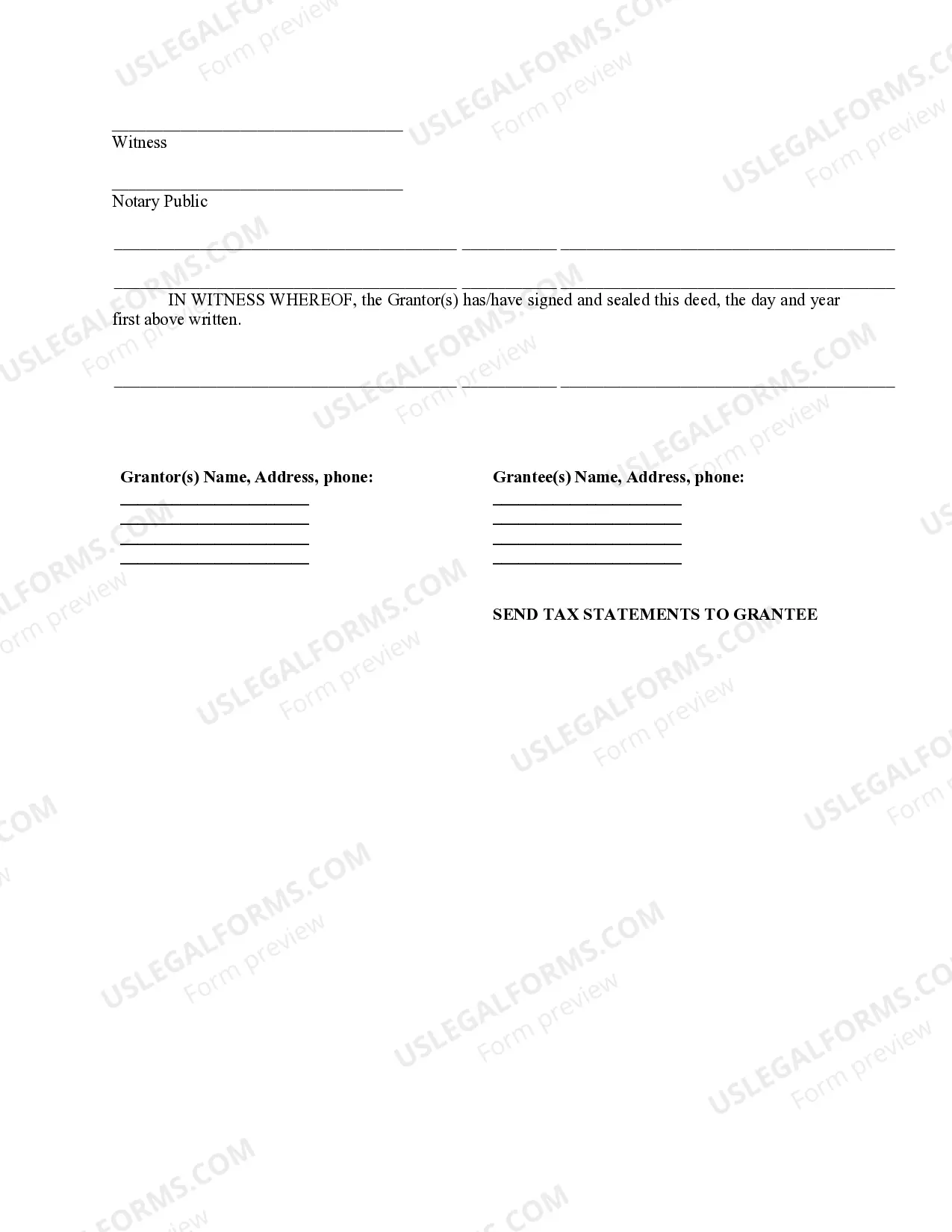
- Signature of the Grantor
- Signature of an unofficial witness and a notary





Common use cases
This form is appropriate when one individual wishes to transfer property ownership to another individual without any warranties regarding the title. Common scenarios include family transfers, gifting property, or removing a spouse from a property deed after a divorce.
Who this form is for
- Individuals transferring ownership of real estate to another individual
- Persons involved in estate planning or property gifting
- Individuals needing to clarify property ownership among family members
Steps to complete this form
- Identify the parties involved: the Grantor and the Grantee.
- Specify the property being transferred by including a legal description.
- Include any reservations, such as mineral rights, if applicable.
- Have the Grantor sign the deed in the presence of the unofficial witness and notary.
- Complete and file the real estate transfer tax form along with the quitclaim deed.
Does this document require notarization?
Yes, this form must be notarized to be legally valid. In Georgia, the quitclaim deed requires signatures from both an unofficial witness and a notary public. US Legal Forms provides integrated online notarization, allowing you to securely notarize documents via video call at your convenience.
Get your form ready online
Our built-in tools help you complete, sign, share, and store your documents in one place.
Make edits, fill in missing information, and update formatting in US Legal Forms—just like you would in MS Word.
Download a copy, print it, send it by email, or mail it via USPS—whatever works best for your next step.
Sign and collect signatures with our SignNow integration. Send to multiple recipients, set reminders, and more. Go Premium to unlock E-Sign.
If this form requires notarization, complete it online through a secure video call—no need to meet a notary in person or wait for an appointment.
We protect your documents and personal data by following strict security and privacy standards.

Make edits, fill in missing information, and update formatting in US Legal Forms—just like you would in MS Word.

Download a copy, print it, send it by email, or mail it via USPS—whatever works best for your next step.

Sign and collect signatures with our SignNow integration. Send to multiple recipients, set reminders, and more. Go Premium to unlock E-Sign.

If this form requires notarization, complete it online through a secure video call—no need to meet a notary in person or wait for an appointment.

We protect your documents and personal data by following strict security and privacy standards.
Common mistakes
- Failing to include a clear legal description of the property.
- Not having the deed properly witnessed and notarized.
- Neglecting to reserve any mineral rights if applicable.
- Forgetting to file the required real estate transfer tax form.
Benefits of using this form online
- Convenience of completing the form at your own pace.
- Editability to ensure all details are accurate before finalizing.
- Access to attorney-drafted templates that comply with state laws.
What to keep in mind
- The Quitclaim Deed from Individual to Individual transfers property ownership without title guarantees.
- Ensure all necessary witnesses and notarization are completed.
- File appropriate tax forms in conjunction with this deed.
Looking for another form?
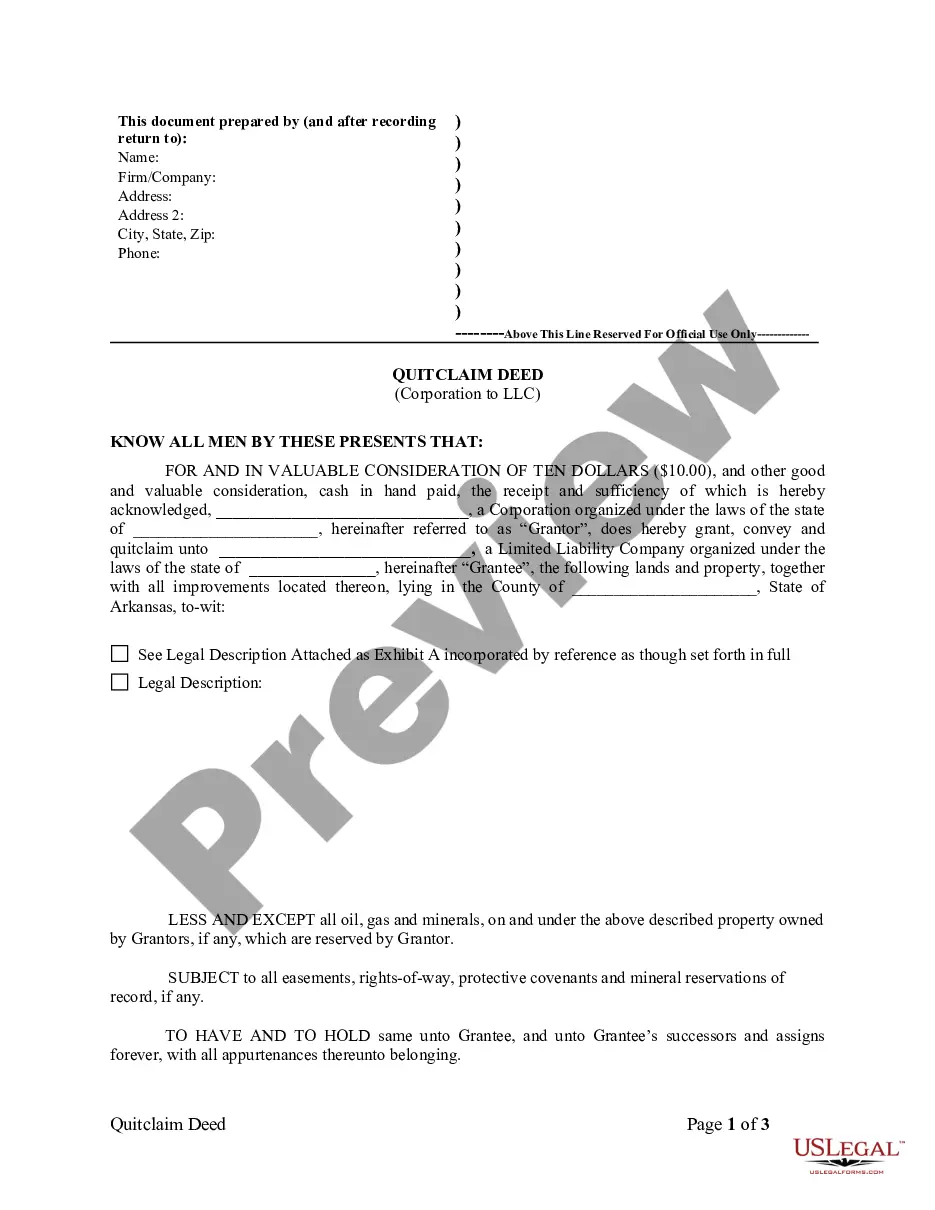
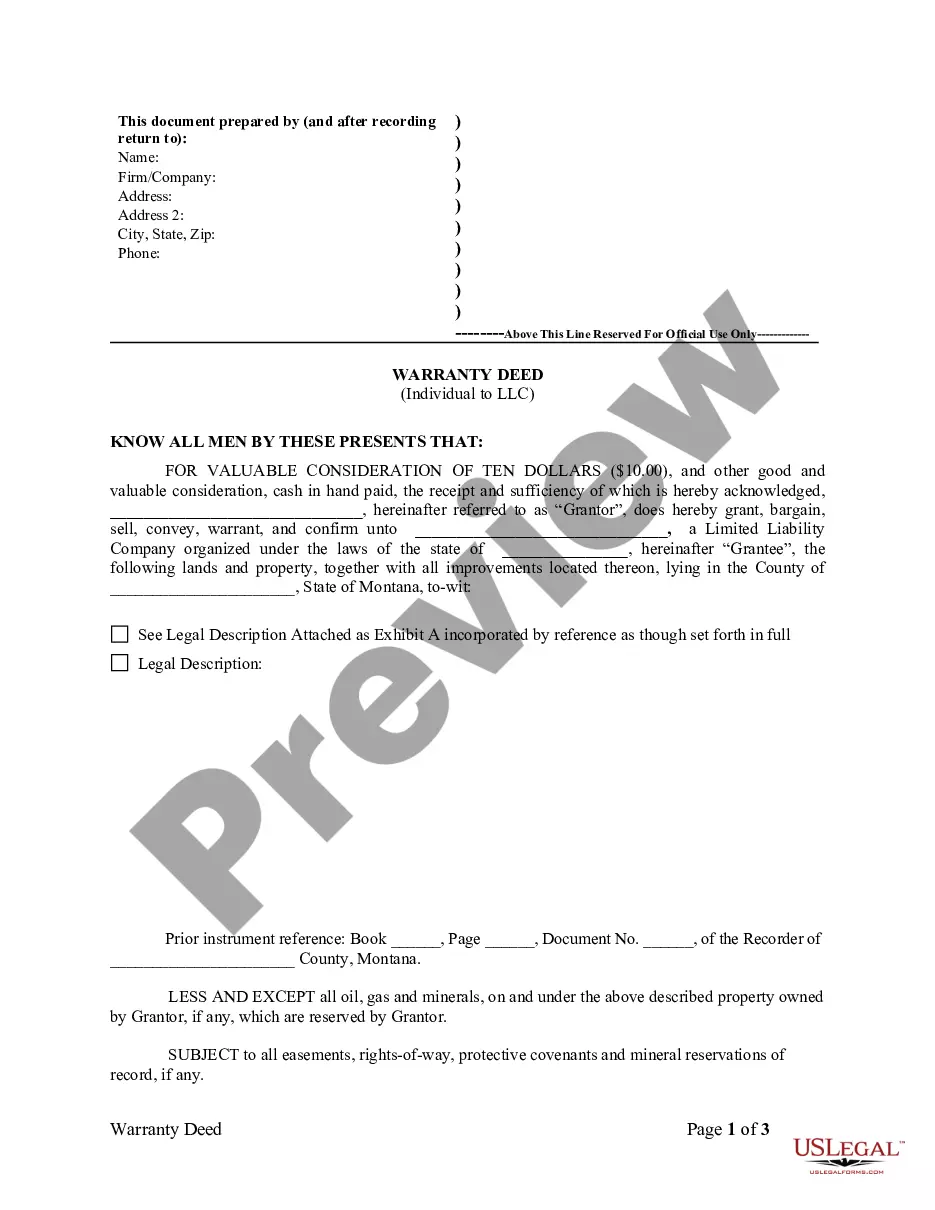
Form popularity
FAQ
While you can complete a Georgia Quitclaim Deed from Individual to Individual without a lawyer, hiring one may provide peace of mind. A legal expert can help ensure that all necessary documents are properly filled out and filed with the county. Furthermore, a lawyer can address any specific concerns or complications that arise during the process. Utilizing platforms like US Legal Forms can also simplify the procedure, offering guidance on the necessary steps.
You can make a quitclaim deed yourself, provided you adhere to the legal requirements set by Georgia law. Clearly outlining the property and the parties involved is critical for the deed’s validity. With the help of user-friendly templates and instructions available on US Legal Forms, you can create a Georgia Quitclaim Deed from Individual to Individual effortlessly, making ownership transfer straightforward.
Yes, you can do your own quitclaim deed in Georgia. Being diligent in preparing the document correctly helps avoid potential legal issues later. By using resources from US Legal Forms, you can access the necessary templates and guidelines for completing a Georgia Quitclaim Deed from Individual to Individual, allowing you to complete the process with confidence.
You can certainly do a quitclaim deed yourself, as long as you understand the necessary elements involved. A quitclaim deed transfers ownership without warranty, so it’s essential to use clear language and follow the proper format. Platforms like US Legal Forms provide templates and instructions that can assist you in creating a valid Georgia Quitclaim Deed from Individual to Individual, ensuring your document complies with state laws.
Yes, you can prepare your own quitclaim deed in Georgia. It is important to ensure that the deed meets all legal requirements in your state. Utilizing a resource like US Legal Forms can help guide you through the steps of creating a valid Georgia Quitclaim Deed from Individual to Individual, making the process simpler and more efficient.
To remove a person's name from a house deed, you will utilize a Georgia Quitclaim Deed from Individual to Individual. This process involves filling out the deed accurately, signing before a notary, and then recording it with your county's Clerk of Superior Court. By following these steps, you can ensure that the change is officially recognized.
To remove someone from a title, you'll need to complete a Georgia Quitclaim Deed from Individual to Individual. This deed requires specific information, such as the property details and the names of both parties. After signing the document, you should have it notarized and duly recorded with the county for it to be legally effective.
Generally, both parties do not need to be present when signing a Georgia Quitclaim Deed from Individual to Individual. However, the party relinquishing their interest must sign the deed in front of a notary public. It’s best practice to ensure all parties involved understand the agreement.
When removing someone from a deed, especially through a Georgia Quitclaim Deed from Individual to Individual, be aware of potential gift tax implications. The IRS may consider the transfer a gift if the person removed is not compensated for their share. Consult a tax professional for personalized advice on how this may affect your situation.
To transfer property from one person to another in Georgia, a Georgia Quitclaim Deed from Individual to Individual is often used. You’ll need to complete the deed with the details of the property and parties involved. Once signed and notarized, it must be recorded with the county to finalize the transfer.