Florida Letter from Tenant to Landlord about Inadequacy of heating resources insufficient heat
Overview of this form
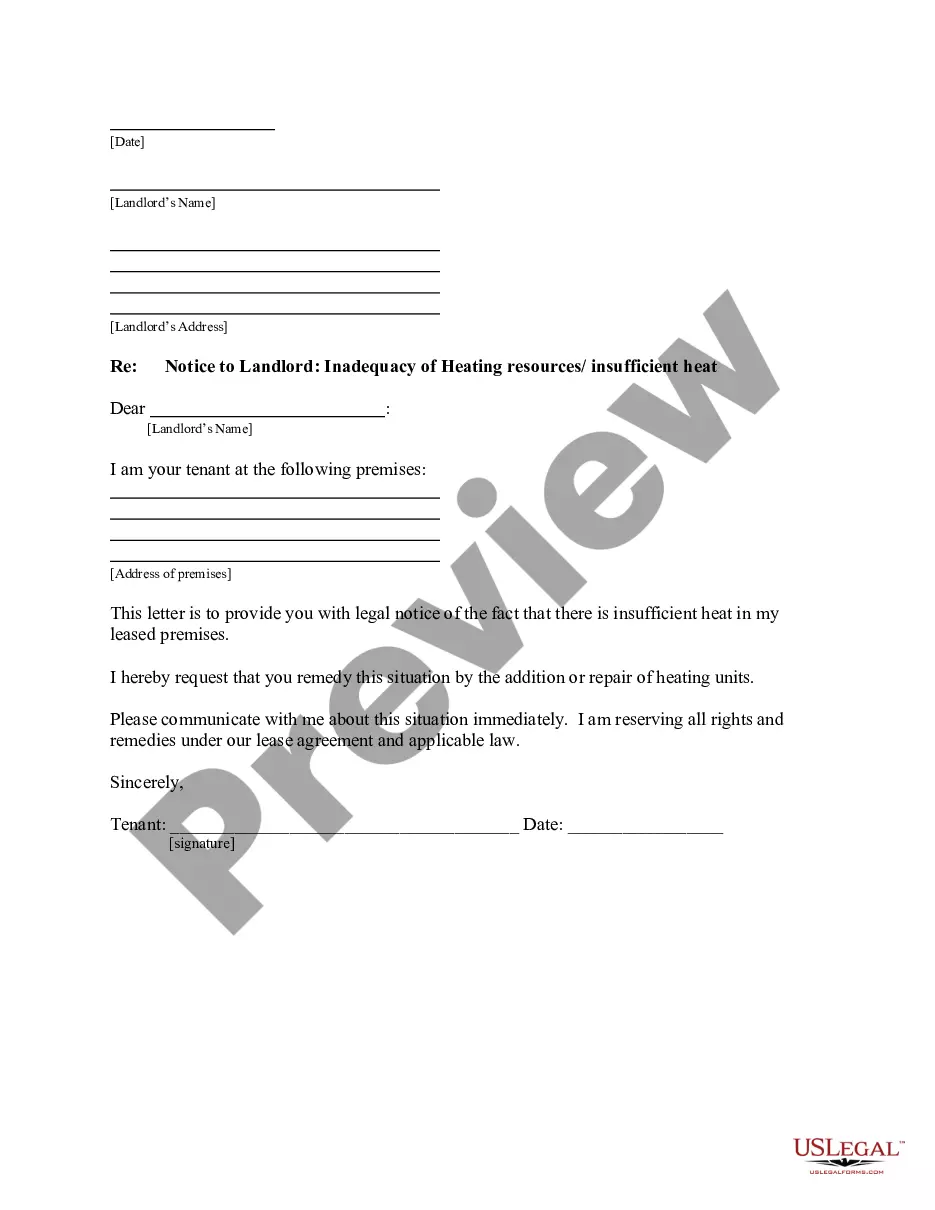
This form is a Letter from Tenant to Landlord about inadequacy of heating resources. Its purpose is to formally notify the landlord of insufficient heat in the leased premises and request that the landlord address the issue by adding or repairing heating units. This form serves a specific function, differing from general complaint letters by focusing solely on heating issues and the tenant's legal rights regarding the lease agreement.
Key components of this form
- Tenant's contact information
- Landlord's contact information
- Date of the letter
- Stated issue of insufficient heating
- Request for remedy through addition or repair of heating units
- Statement reserving rights under the lease and applicable law
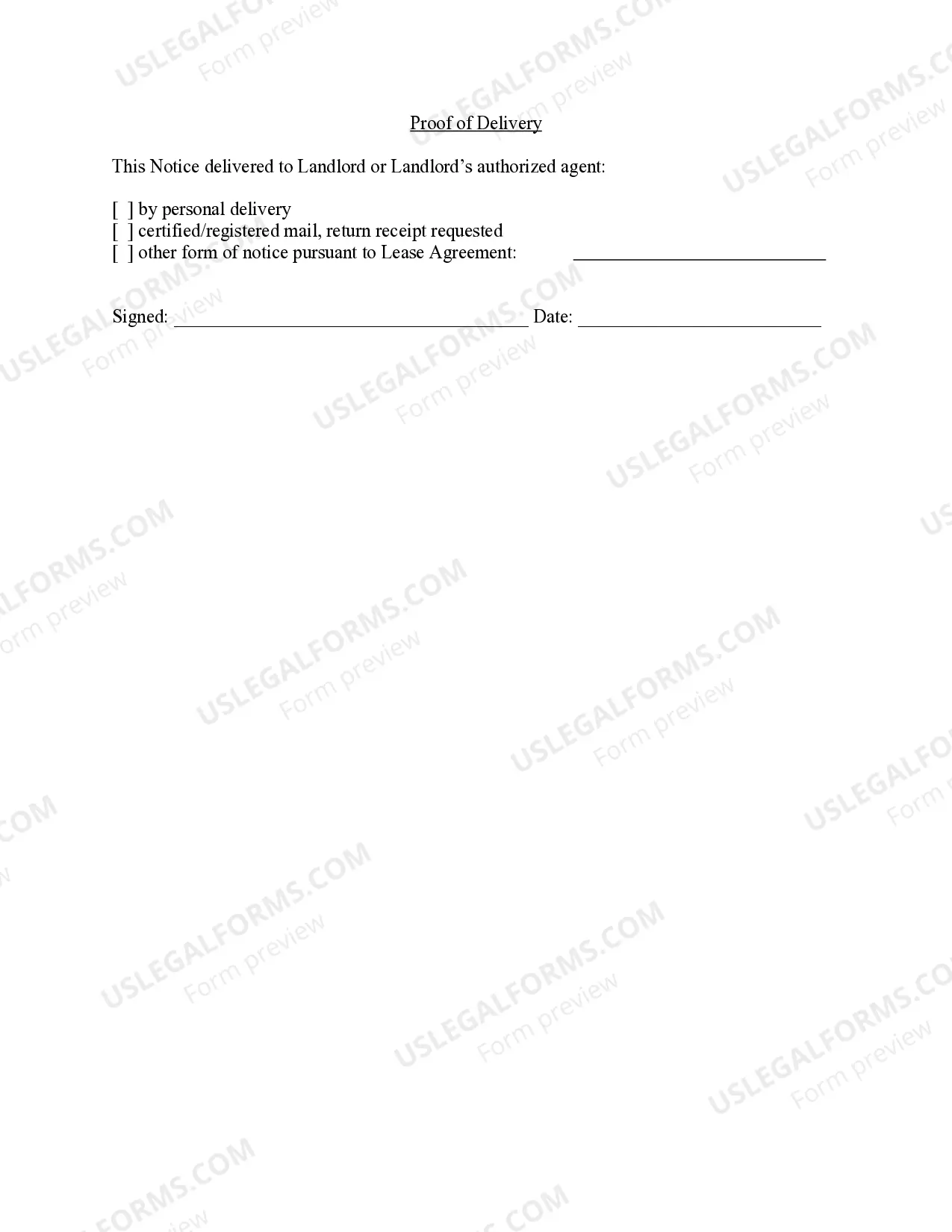
- Proof of delivery section

Situations where this form applies
You should use this form when you, as a tenant, experience inadequate heating in your rental unit and have notified your landlord verbally or otherwise without a resolution. This form provides legal notice documenting the issue and requests action from the landlord, which is often necessary for further legal steps if the problem persists.
Intended users of this form
- Tenants in residential rental agreements experiencing heating problems
- Individuals seeking a formal record of communication with their landlord regarding heat issues
- Renters who want to invoke their rights under the lease agreement
Completing this form step by step
- Identify and enter your name and contact information at the top.
- Enter your landlord's name and contact information.
- Insert the date when you are sending the letter.
- Clearly state the issue regarding insufficient heat in your unit.
- Request specific actions to remedy the situation.
- Sign the letter and note the date, then keep a copy for your records.
Is notarization required?
In most cases, this form does not require notarization. However, some jurisdictions or signing circumstances might. US Legal Forms offers online notarization powered by Notarize, accessible 24/7 for a quick, remote process.
Get your form ready online
Our built-in tools help you complete, sign, share, and store your documents in one place.
Make edits, fill in missing information, and update formatting in US Legal Forms—just like you would in MS Word.
Download a copy, print it, send it by email, or mail it via USPS—whatever works best for your next step.
Sign and collect signatures with our SignNow integration. Send to multiple recipients, set reminders, and more. Go Premium to unlock E-Sign.
If this form requires notarization, complete it online through a secure video call—no need to meet a notary in person or wait for an appointment.
We protect your documents and personal data by following strict security and privacy standards.
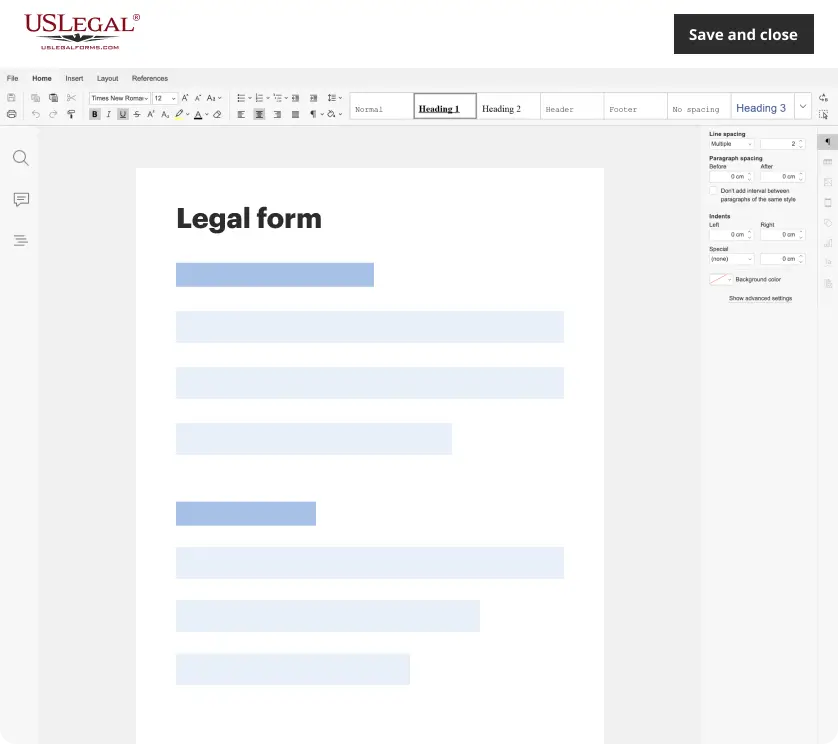
Make edits, fill in missing information, and update formatting in US Legal Forms—just like you would in MS Word.
Download a copy, print it, send it by email, or mail it via USPS—whatever works best for your next step.
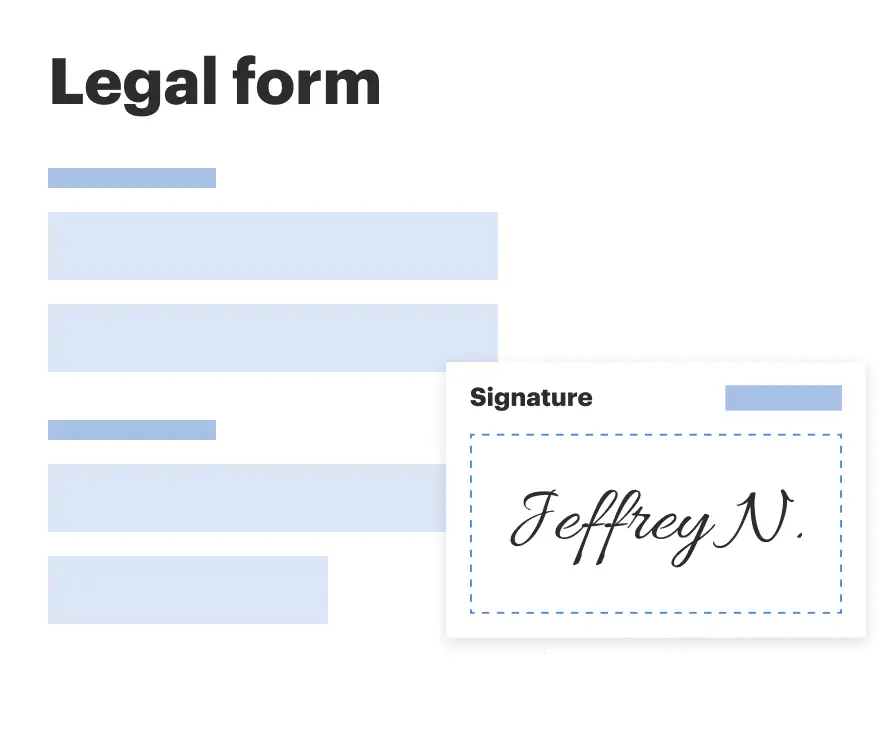
Sign and collect signatures with our SignNow integration. Send to multiple recipients, set reminders, and more. Go Premium to unlock E-Sign.
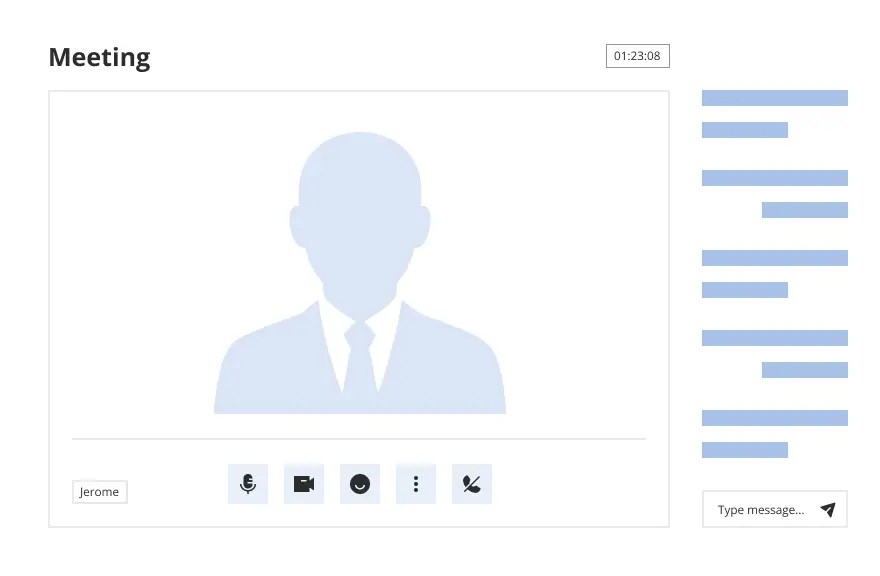
If this form requires notarization, complete it online through a secure video call—no need to meet a notary in person or wait for an appointment.
We protect your documents and personal data by following strict security and privacy standards.
Avoid these common issues
- Failing to keep a copy of the signed letter for personal records.
- Not providing clear details about the heating issue.
- Neglecting to specify a reasonable time frame for the landlord to respond.
Advantages of online completion
- Convenience of downloading and completing the form at your own pace.
- Editable fields allow for custom details specific to your situation.
- Access to professionally drafted templates ensures legal accuracy.
Looking for another form?
Form popularity
FAQ
In Connecticut, landlords have several responsibilities, including ensuring that rental units are habitable and meet health and safety codes. This includes providing adequate heating and heating systems that function properly. If you are facing issues with heating, you may want to send a Florida Letter from Tenant to Landlord about inadequacy of heating resources, insufficient heat, to express your concerns. Understanding your landlord's responsibilities can help you advocate for your rights as a tenant.
Yes, if you experience heat exhaustion due to insufficient heat in your rental unit, you may have grounds for a lawsuit against your landlord. It's essential to document how the lack of heat has affected your health and well-being. Providing a Florida Letter from Tenant to Landlord about inadequacy of heating resources, insufficient heat, can strengthen your case by showing that you notified them of the issue. Seeking legal advice can help you understand your options for pursuing a claim.
Connecticut requires landlords to maintain a minimum temperature of 65 degrees Fahrenheit during the day and 62 degrees at night from September 30 to May 31. This standard ensures tenants have a comfortable living environment during colder months. If you find your living conditions lacking, consider drafting a Florida Letter from Tenant to Landlord about inadequacy of heating resources, insufficient heat, to address your concerns effectively. Knowing the local heat requirements benefits you as a tenant.
The 83.51 law in Florida relates to a landlord's duty to maintain premises. This law mandates that landlords must ensure their properties provide habitable conditions, which include adequate heating. If you are experiencing issues with heating, a Florida Letter from Tenant to Landlord about inadequacy of heating resources, insufficient heat, can be crucial in documenting your concerns formally. Knowing your rights under this law can empower you in discussions with your landlord.
Yes, you can sue your landlord for no heat if the issue persists and they fail to resolve it. In Florida, tenants have rights to adequate heating, and the lack of heat can violate those rights. If you have already sent a Florida Letter from Tenant to Landlord about the inadequacy of heating resources, insufficient heat, and the landlord has not addressed the situation, legal action may be necessary. Consulting with a legal expert can provide guidance on how to proceed.
Insufficient rental history typically means a tenant has little to no documented past rental activity for landlords to review. This may present challenges in securing a new rental agreement. In situations where heat issues occur, a Florida Letter from Tenant to Landlord about Inadequacy of heating resources insufficient heat can serve as an essential piece of communication, showcasing your engagement and commitment to resolving your housing concerns.
Rental history deemed unsatisfactory or insufficient often reflects poor payment behaviors or disputes with previous landlords. This status can hinder your ability to secure future housing. To improve your situation, consider documenting any discrepancies in your living conditions through a Florida Letter from Tenant to Landlord about Inadequacy of heating resources insufficient heat. This can help establish a clear record of your actions.
Items such as late payments, unpaid rent, and eviction records can negatively impact your rental history. Landlords often conduct background checks to evaluate an applicant's reliability. To mitigate potential issues, you can submit a Florida Letter from Tenant to Landlord about Inadequacy of heating resources insufficient heat, showing your proactive efforts in addressing living condition challenges. Such communication enhances your credibility.
The unsatisfactory rent to income ratio often indicates that tenants spend more than 30% of their income on housing, which may strain finances. This ratio is critical for landlords considering applications. If you feel the rent is too high in relation to your income, consider discussing your situation with a Florida Letter from Tenant to Landlord about Inadequacy of heating resources insufficient heat. This letter can underscore issues with your living conditions.
In Florida, landlords are required to provide essential services, including heat, especially during colder months. If your unit lacks adequate heating, a landlord typically has a reasonable amount of time to address the issue, usually 24 to 72 hours. You can send a Florida Letter from Tenant to Landlord about Inadequacy of heating resources insufficient heat to document your concerns. This can prompt quicker action and ensure your comfort.