Florida Notice of Default for Past Due Payments in connection with Contract for Deed
Understanding this form
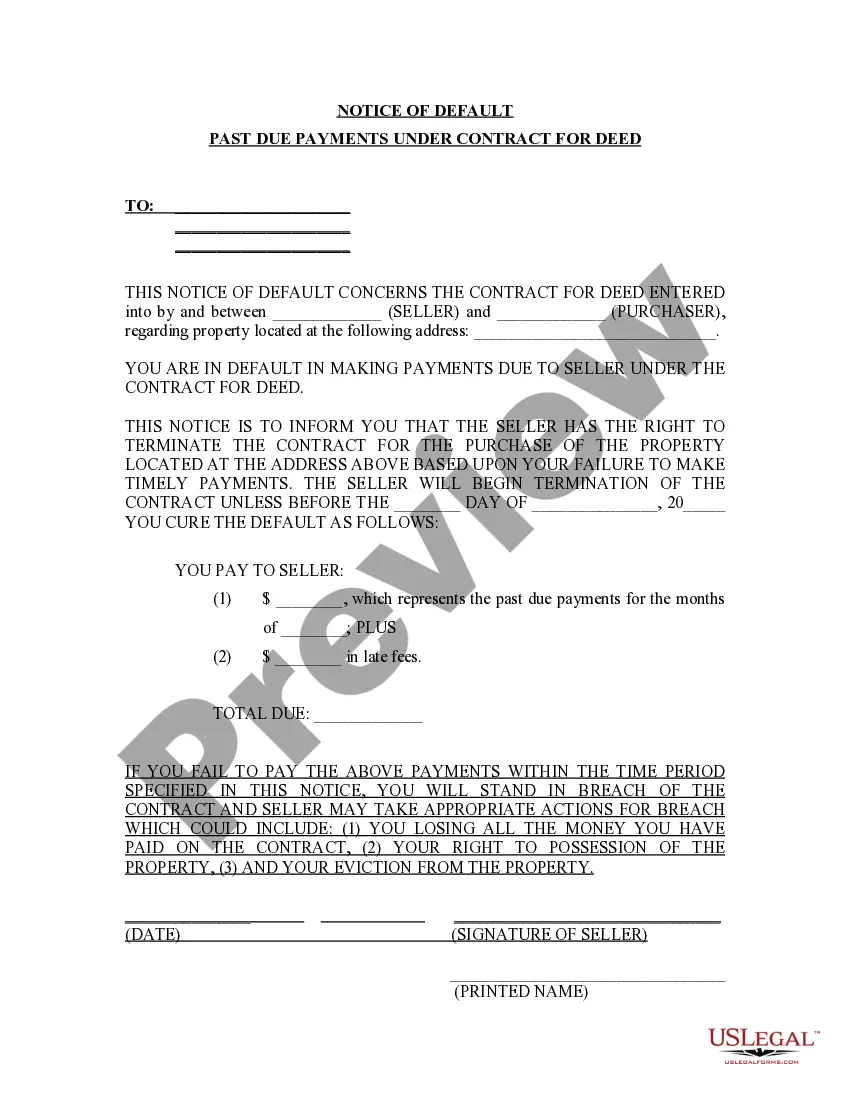
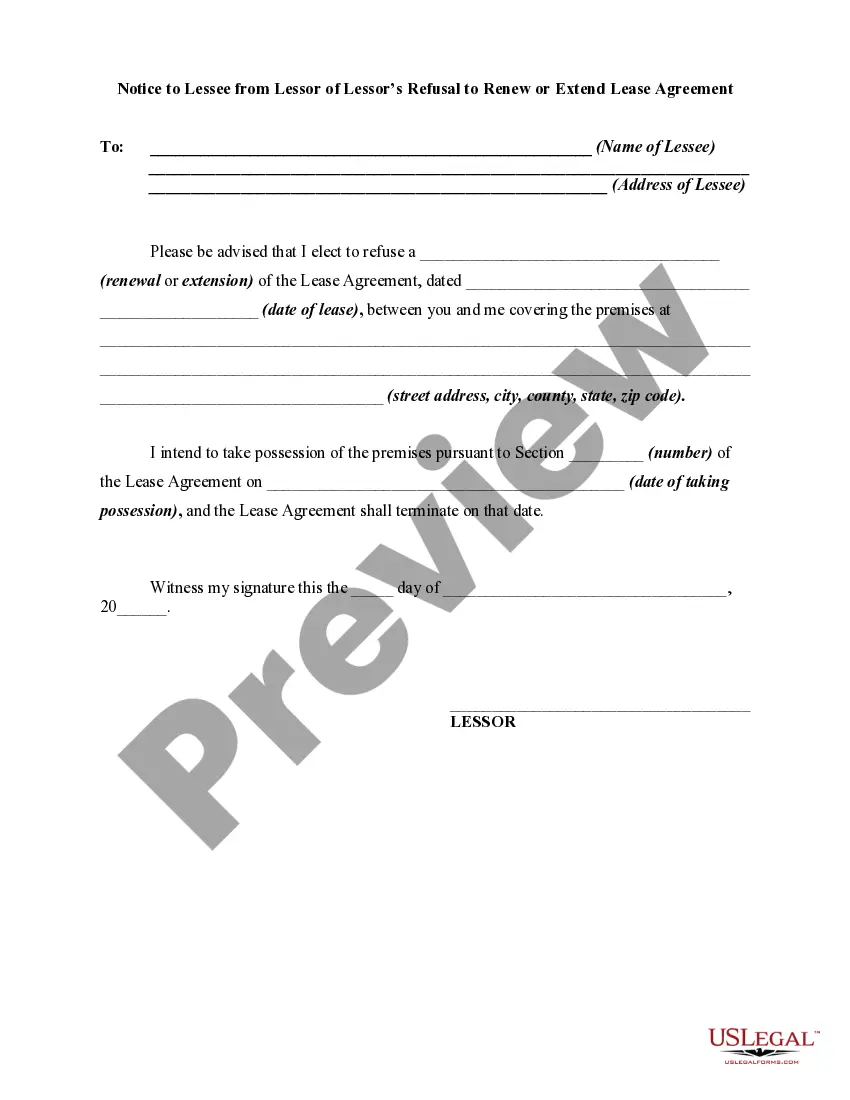
The Notice of Default for Past Due Payments in connection with Contract for Deed is a legal document that serves as a formal notification from a Seller to a Purchaser when payments have been missed. This notice outlines the specific payment terms of the contract for deed and informs the Purchaser that they are in default. It differs from similar documents as it focuses specifically on overdue payments rather than general default issues.
Form components explained
- Identification of the Seller and Purchaser.
- Details of the property involved in the contract for deed.
- Specific payment terms that are in default.
- Consequences of failing to remedy the default.
- Instructions for the Purchaser to respond to the notice.

When to use this form
This form should be used when a Purchaser has failed to make timely payments as specified in their contract for deed. It is essential when the Seller wishes to formally notify the Purchaser of the late payments and outline the potential consequences, including the possibility of foreclosure or cancellation of the contract. This legal action can help sellers maintain the integrity of the agreement and secure their rights to the property.
Who should use this form
- Sellers who have entered into a contract for deed with a Purchaser.
- Individuals representing the Seller in a real estate transaction.
- Lenders or financial institutions involved with contracts for deed.
How to complete this form
- Identify and enter the names and contact information for both the Seller and the Purchaser.
- Clearly specify the property address that is covered under the contract for deed.
- Detail the specific payment amounts that are overdue, including the dates they were due.
- Include consequences the Purchaser will face if the default is not corrected.
- Sign and date the notice, and provide copies as necessary to the Purchaser.
Is notarization required?
Notarization is required for this form to take effect. Our online notarization service, powered by Notarize, lets you verify and sign documents remotely through an encrypted video session, available 24/7.
Get your form ready online
Our built-in tools help you complete, sign, share, and store your documents in one place.
Make edits, fill in missing information, and update formatting in US Legal Forms—just like you would in MS Word.
Download a copy, print it, send it by email, or mail it via USPS—whatever works best for your next step.
Sign and collect signatures with our SignNow integration. Send to multiple recipients, set reminders, and more. Go Premium to unlock E-Sign.
If this form requires notarization, complete it online through a secure video call—no need to meet a notary in person or wait for an appointment.
We protect your documents and personal data by following strict security and privacy standards.

Make edits, fill in missing information, and update formatting in US Legal Forms—just like you would in MS Word.

Download a copy, print it, send it by email, or mail it via USPS—whatever works best for your next step.

Sign and collect signatures with our SignNow integration. Send to multiple recipients, set reminders, and more. Go Premium to unlock E-Sign.

If this form requires notarization, complete it online through a secure video call—no need to meet a notary in person or wait for an appointment.

We protect your documents and personal data by following strict security and privacy standards.
Typical mistakes to avoid
- Failing to provide accurate details about the payment terms or due dates.
- Not sending the notice to the correct address of the Purchaser.
- Omitting signatures or dates, which can render the notice invalid.
- Not keeping a copy of the notice for your records.
Benefits of using this form online
- Convenient access and immediate download for quick use.
- Edit and customize the form easily to fit individual circumstances.
- Reliable legal templates drafted by licensed attorneys.
- Secure storage options for completed forms in the user account.
Legal use & context
- A Notice of Default for Past Due Payments is vital for establishing a legal record of the Purchaser's delinquency.
- Properly using this form can help enforce the Seller's rights under the contract for deed.
- Failure to issue this notice may hinder the Seller's ability to pursue further legal action if necessary.
Quick recap
- This form is a crucial step for Sellers dealing with late payments on a contract for deed.
- Ensure all details are accurate to avoid invalidating the notice.
- Understand the implications of the notice and follow up accordingly.
Looking for another form?
Form popularity
FAQ
After a buyer pays back the debt established by a land sale contract, they obtain a clear title to the property, signifying full ownership. The seller must fulfill any obligations to transfer ownership formally. It is a significant milestone for buyers, marking the end of their installment payments. For assistance with executing the final steps efficiently, platforms like USLegalForms can be invaluable.
When a buyer defaults on payments under a land contract, the seller usually has to follow specific legal procedures, which may include issuing a Florida Notice of Default for Past Due Payments. This formal notice alerts the buyer about their overdue status, providing an opportunity to rectify the situation. Failure to respond may lead to further action, including foreclosure. Thus, staying proactive and informed is important to navigate this process.
The default clause in a land contract specifies the conditions under which a buyer may be considered in default, such as failing to make timely payments. This clause outlines the seller's rights, including issuing a Florida Notice of Default for Past Due Payments if the buyer does not comply. Understanding this clause can help buyers avoid pitfalls and protect their interests. Always read contracts thoroughly and consider legal advice if needed.
Stopping payments on a land contract can lead to serious consequences. The seller may issue a Florida Notice of Default for Past Due Payments, allowing them to take legal action to reclaim the property. This situation can result in losing the home and any investment made. It is important to communicate with the seller and explore options rather than allowing the situation to escalate.
If a buyer defaults on a land contract in Florida, the seller typically has the right to initiate a Florida Notice of Default for Past Due Payments. This notice serves to inform the buyer of their overdue payments and the potential consequences. The seller may reclaim the property if the buyer does not remedy the default within the specified timeframe. Therefore, staying informed about your rights and obligations is essential.
When a contract for deed is in default, the seller must follow a legal process to regain possession of the property. This typically involves issuing a Florida Notice of Default for Past Due Payments and allowing a specific period for the buyer to remedy the default. If the buyer fails to correct the issue, the seller may need to initiate legal proceedings to reclaim possession and equitable title. It's advisable for sellers to consult with legal professionals or platforms like uslegalforms to ensure all procedures are followed correctly.
When you receive a notice of default, it triggers a series of critical steps you should take. First, review the notice carefully to understand the specifics of the missed payments and timelines involved. Next, contact your lender or the entity that issued the Florida Notice of Default for Past Due Payments in connection with Contract for Deed to discuss your options. Prompt communication can sometimes lead to alternatives that prevent escalation to foreclosure.
Default refers to the failure to fulfill the payment obligations outlined in a contract for deed or mortgage agreement. Foreclosure, on the other hand, is the legal process initiated by the lender or seller to reclaim the property after a default notice has been issued. In Florida, a Notice of Default for Past Due Payments is often the precursor to foreclosure proceedings, signaling that serious legal actions may follow if payments are not made. Understanding this distinction helps you to navigate the situation more effectively.
Receiving a default notice is a serious matter that should not be taken lightly. This notice indicates that you are at risk of losing your property if payments are not made. In Florida, a Notice of Default for Past Due Payments in connection with Contract for Deed can lead to foreclosure proceedings if the issue is not addressed swiftly. It is crucial to act quickly to discuss your options and potentially resolve the situation before it escalates.
A notice of default is a formal declaration issued when a borrower fails to meet the obligations of their mortgage or contract for deed. In the context of Florida, a Notice of Default for Past Due Payments signals that payments have not been made as agreed upon. This document serves as a warning and indicates that the lender or seller intends to take further action if the situation remains unresolved. It is important to address this notice promptly to avoid further legal complications.