District of Columbia Amendment to Lease or Rental Agreement
What this document covers
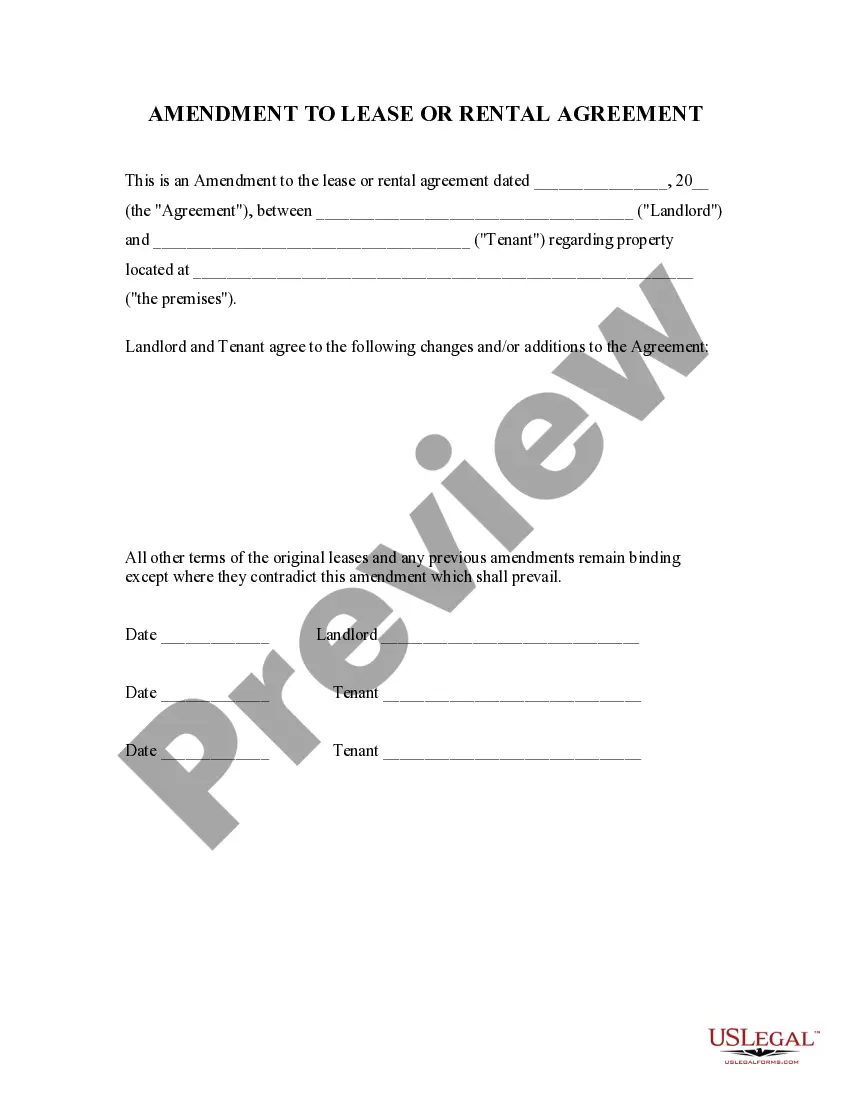
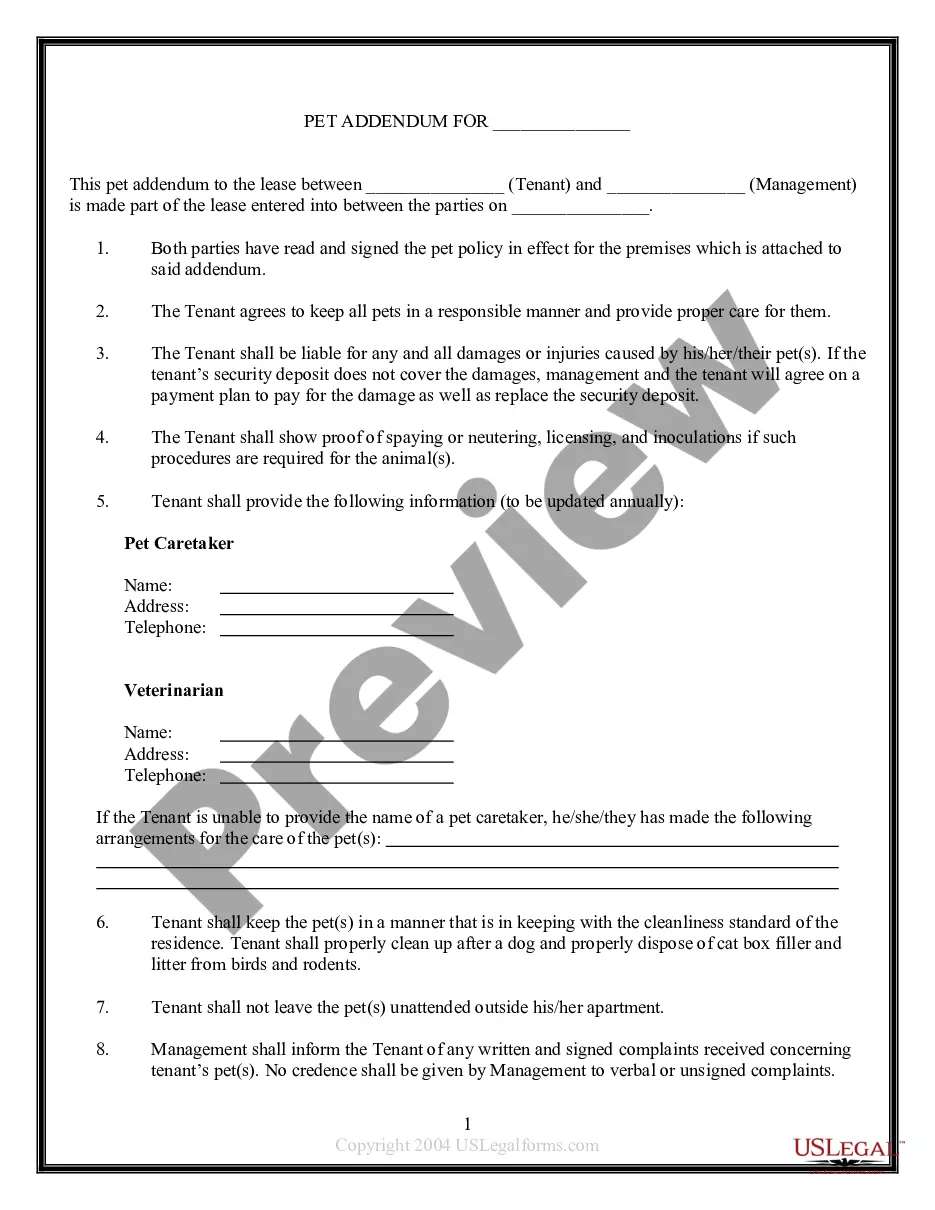
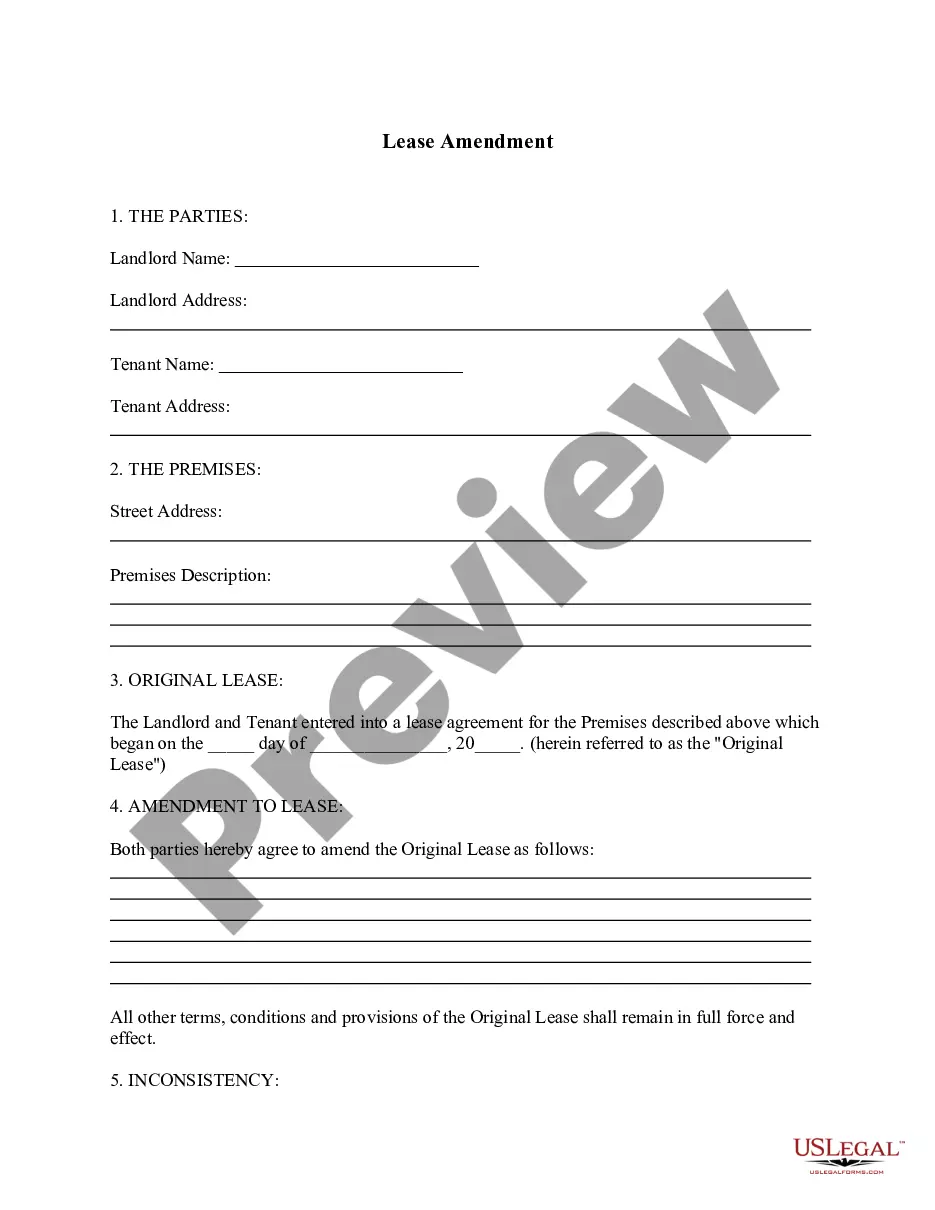
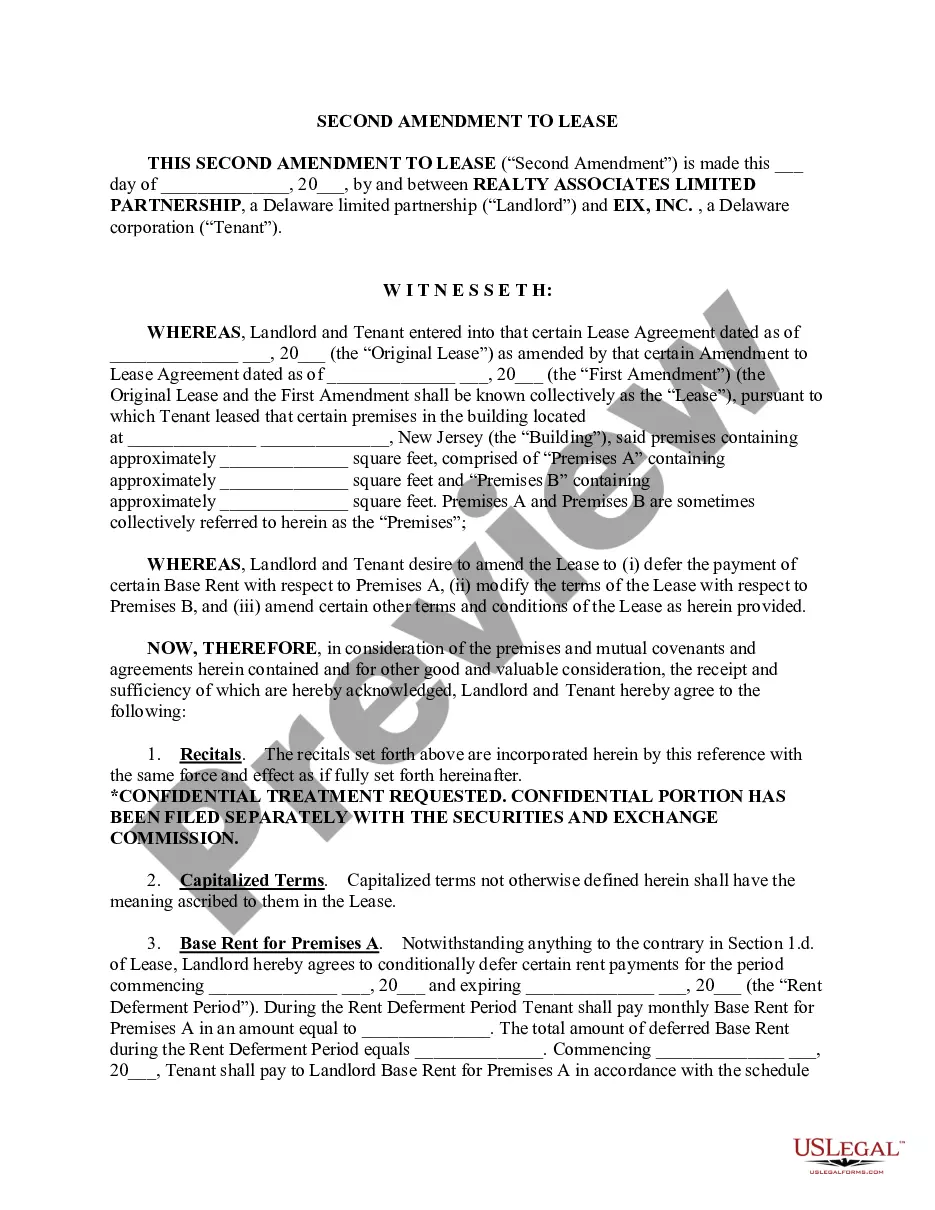
The Amendment to Lease or Rental Agreement is a legal document that records changes to the terms of an existing rental agreement. This form is essential for landlords and tenants to agree on modifications such as rent increases, lease extensions, or changes in responsibility. Unlike verbal agreements, this written amendment provides clarity and protection in case of future disputes, ensuring both parties are on the same page regarding the new terms of the rental arrangement.
Key parts of this document
- Original lease date: This section specifies the date of the initial rental agreement.
- Landlord and tenant names: Clearly identifies the parties involved in the amendment.
- Property address: Details the location of the property governed by the lease.
- Amendment details: This section provides space to specify the terms being changed or added.
- Signature lines: Both parties must sign to validate the amendment.
Situations where this form applies
This form should be used when either the landlord or tenant wishes to make modifications to an existing rental agreement. Common scenarios include increasing rent, extending the lease duration, allowing subletting, or changing pet policies. Documenting any changes with an amendment helps avoid misunderstandings and provides a clear record of updated terms.
Who this form is for
- Landlords who wish to modify the existing lease terms.
- Tenants who need to request changes to their rental agreement.
- Both parties seeking to ensure legal documentation of agreed changes.
Steps to complete this form
- Identify the parties: Enter the names of the landlord and tenant as listed in the original lease.
- Specify the property: Provide the full address of the rental property.
- Enter the original lease date: Fill in the date of the initial rental agreement.
- Detail the changes: Clearly outline the specific terms being modified in the agreement.
- Sign and date: Both the landlord and tenant should sign and date the amendment to make it valid.
Notarization requirements for this form
This form usually doesn’t need to be notarized. However, local laws or specific transactions may require it. Our online notarization service, powered by Notarize, lets you complete it remotely through a secure video session, available 24/7.
Get your form ready online
Our built-in tools help you complete, sign, share, and store your documents in one place.
Make edits, fill in missing information, and update formatting in US Legal Forms—just like you would in MS Word.
Download a copy, print it, send it by email, or mail it via USPS—whatever works best for your next step.
Sign and collect signatures with our SignNow integration. Send to multiple recipients, set reminders, and more. Go Premium to unlock E-Sign.
If this form requires notarization, complete it online through a secure video call—no need to meet a notary in person or wait for an appointment.
We protect your documents and personal data by following strict security and privacy standards.

Make edits, fill in missing information, and update formatting in US Legal Forms—just like you would in MS Word.

Download a copy, print it, send it by email, or mail it via USPS—whatever works best for your next step.

Sign and collect signatures with our SignNow integration. Send to multiple recipients, set reminders, and more. Go Premium to unlock E-Sign.

If this form requires notarization, complete it online through a secure video call—no need to meet a notary in person or wait for an appointment.

We protect your documents and personal data by following strict security and privacy standards.
Avoid these common issues
- Failing to include specific details about the changes being made.
- Not having both parties sign the document, rendering it unenforceable.
- Leaving out important dates or property details, leading to confusion.
Benefits of completing this form online
- Convenience: Easily downloadable and fillable from anywhere at any time.
- Editability: Make changes to the document as needed without hassle.
- Reliability: Forms are drafted by licensed attorneys, ensuring legal soundness.
What to keep in mind
- Document any changes to an existing rental agreement in writing to avoid disputes.
- Ensure both parties clearly understand and agree to the new terms outlined in the amendment.
- Using this form provides a formal and legally valid way to modify lease agreements.
Looking for another form?
Form popularity
FAQ
If a landlord in D.C. decides to sell the property, tenants have rights that must be honored under local laws. They cannot be evicted simply because a sale is in process; their lease agreement remains valid until its expiration, relating directly to the District of Columbia Amendment to Lease or Rental Agreement. Tenants can expect proper notice and a clear explanation of how the new ownership will affect their tenancy. Understanding these rights helps tenants safeguard their living situations during transitions.
The D.C. Code 42 3202 addresses security deposits and outlines the restrictions and guidelines for handling them. This code is essential for both tenants and landlords, emphasizing proper procedures for collecting, holding, and returning security deposits in line with the District of Columbia Amendment to Lease or Rental Agreement. By understanding these regulations, tenants can ensure they receive their security deposits back as agreed. This builds trust within the tenant-landlord relationship.
The D.C. Code 42 3208 deals with the procedures landlords must follow when enforcing eviction regulations in the District of Columbia. This code lays out tenants' rights during eviction processes, ensuring they receive proper notice and opportunity to resolve issues, which relates to the District of Columbia Amendment to Lease or Rental Agreement. Knowing this code can empower tenants and encourage them to stand up for their rights. It's crucial for landlords to comply to maintain fairness and transparency.
A lease amendment is a formal change made to an existing lease agreement between a landlord and tenant. This can include modifications to rental terms, such as rent amounts or property rules, and it is important for documenting changes to maintain legal clarity. The District of Columbia Amendment to Lease or Rental Agreement allows for such amendments to ensure both parties are aligned on new terms. Engaging in this process reduces misunderstandings and fosters better communication.
The Rental Act in Washington, D.C. provides comprehensive regulations that govern the rental housing market. This act forms the foundation for the requirements and rights of both landlords and tenants, and it highlights the importance of the District of Columbia Amendment to Lease or Rental Agreement. Understanding this act can help you navigate your rental situations effectively, ensuring that you are treated fairly. Legal clarity is vital for a positive renting experience, and the act lays down the framework for that.
The D.C. Code 42 3201 outlines the legal requirements for rental agreements in the District of Columbia. This code serves as a basis for understanding tenant and landlord responsibilities under the District of Columbia Amendment to Lease or Rental Agreement. It ensures that vital information including terms and conditions is clearly stated in rental agreements. By adhering to this code, both tenants and landlords can enjoy a structured relationship built on clarity.
Yes, you can add an addendum to a lease after signing, provided both parties agree to the changes. This written document clarifies any modifications or additional terms that override the original lease. It's essential to include the District of Columbia Amendment to Lease or Rental Agreement to ensure compliance with local laws. Using a service like uslegalforms can simplify the process of drafting and executing this addendum.
In the District of Columbia, tenants have specific rights regarding maintenance issues in their rental properties. Landlords must ensure that all rental units are safe and habitable, responding promptly to maintenance requests. If repairs are not addressed, tenants may be able to file a complaint with the Department of Consumer and Regulatory Affairs (DCRA). Understanding the District of Columbia Amendment to Lease or Rental Agreement can help you navigate the responsibilities of both landlords and tenants.
In Washington D.C., a landlord's ability to increase rent typically follows rent control guidelines, often limited to a certain percentage annually. Familiarizing yourself with these rules helps ensure your rights remain protected. This knowledge is crucial when navigating the District of Columbia Amendment to Lease or Rental Agreement.
You can change a lease agreement after signing by drafting a detailed amendment. Both parties must agree to any changes for them to be legally binding. This process is an important part of the District of Columbia Amendment to Lease or Rental Agreement.