District of Columbia Letter from Landlord to Tenant as Notice to tenant to inform landlord of tenant's knowledge of condition causing damage to premises
Understanding this form
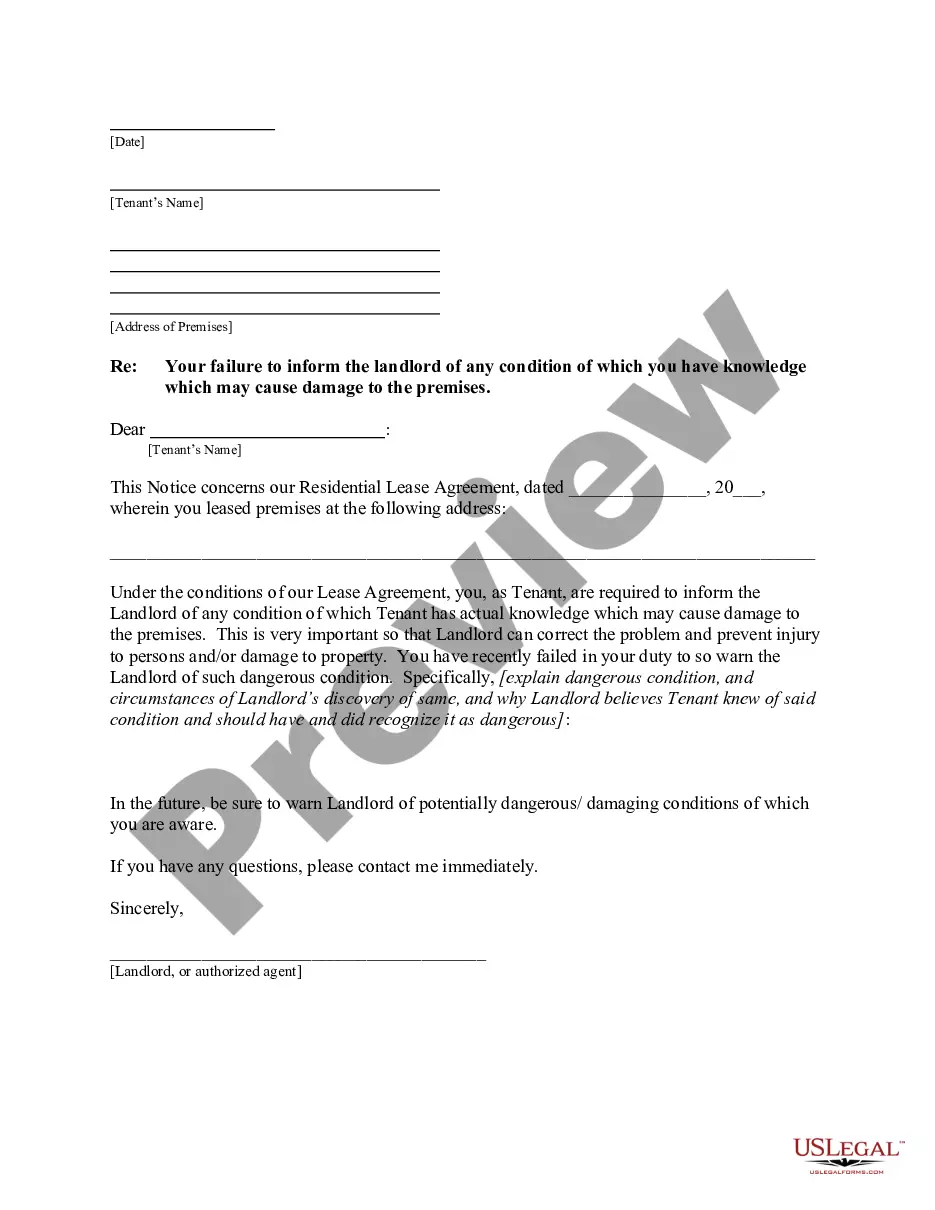
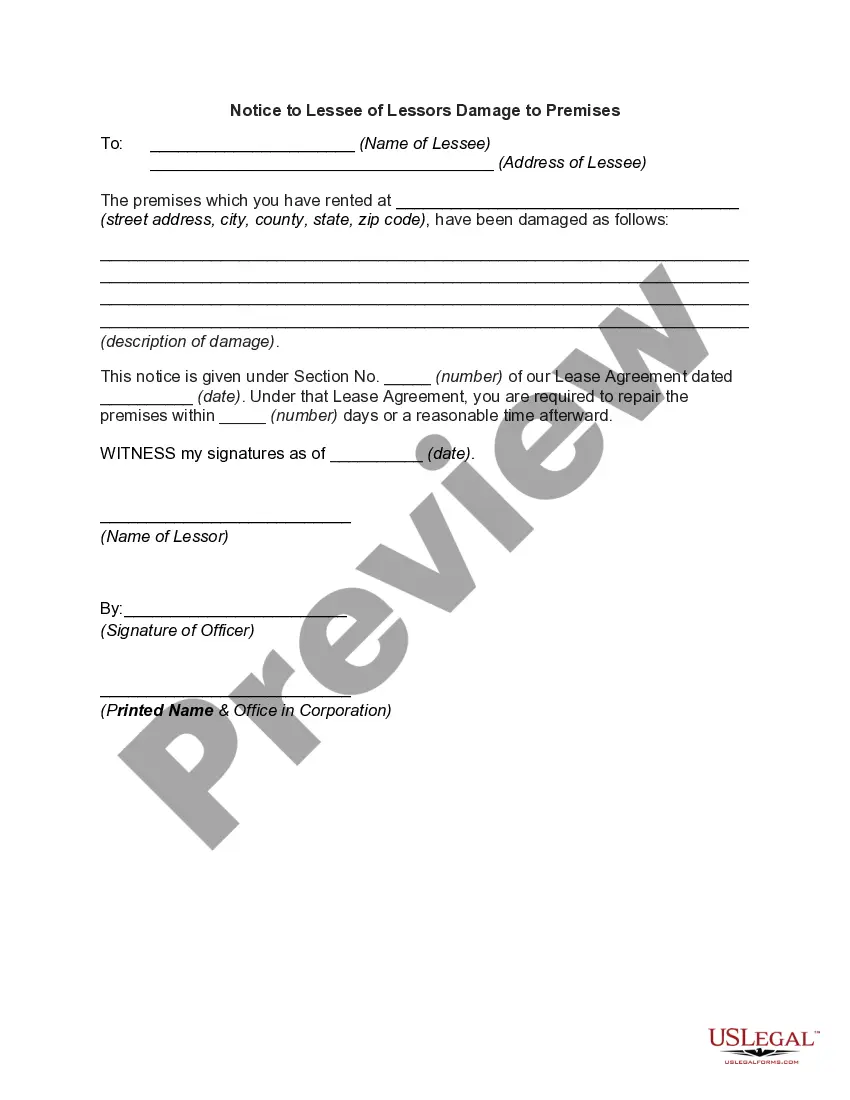
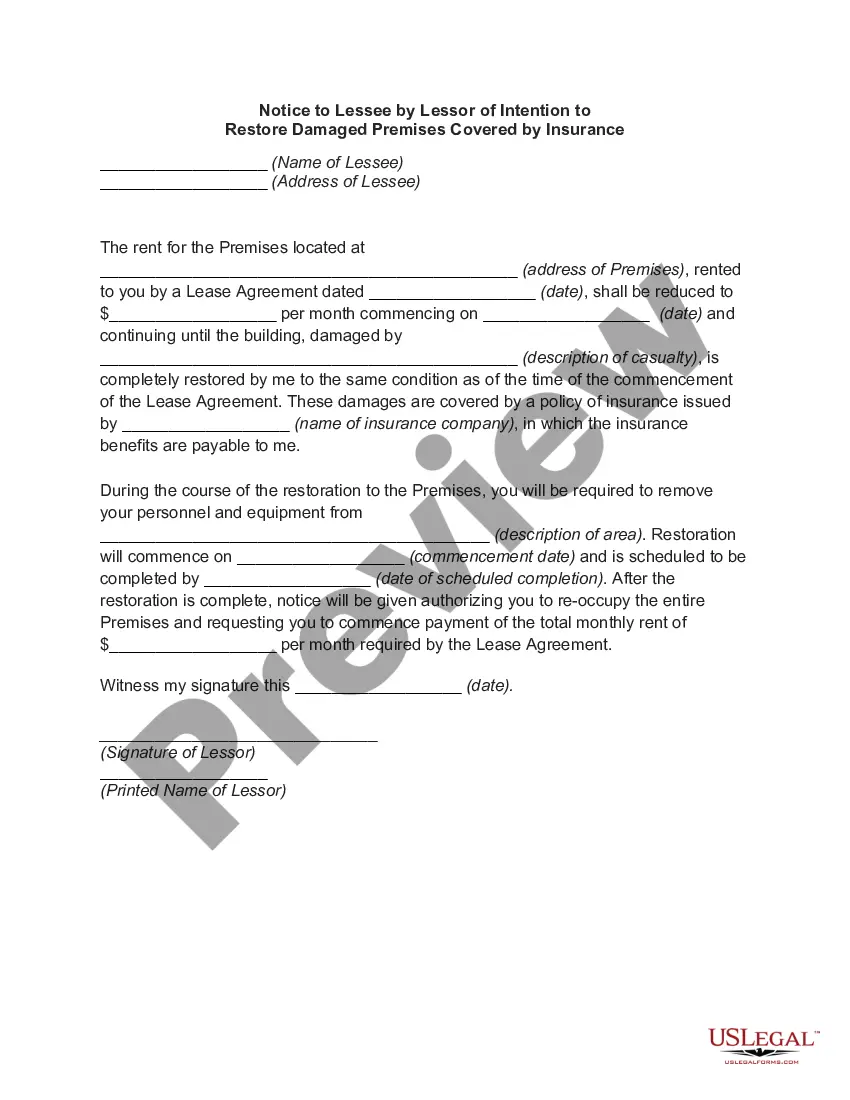
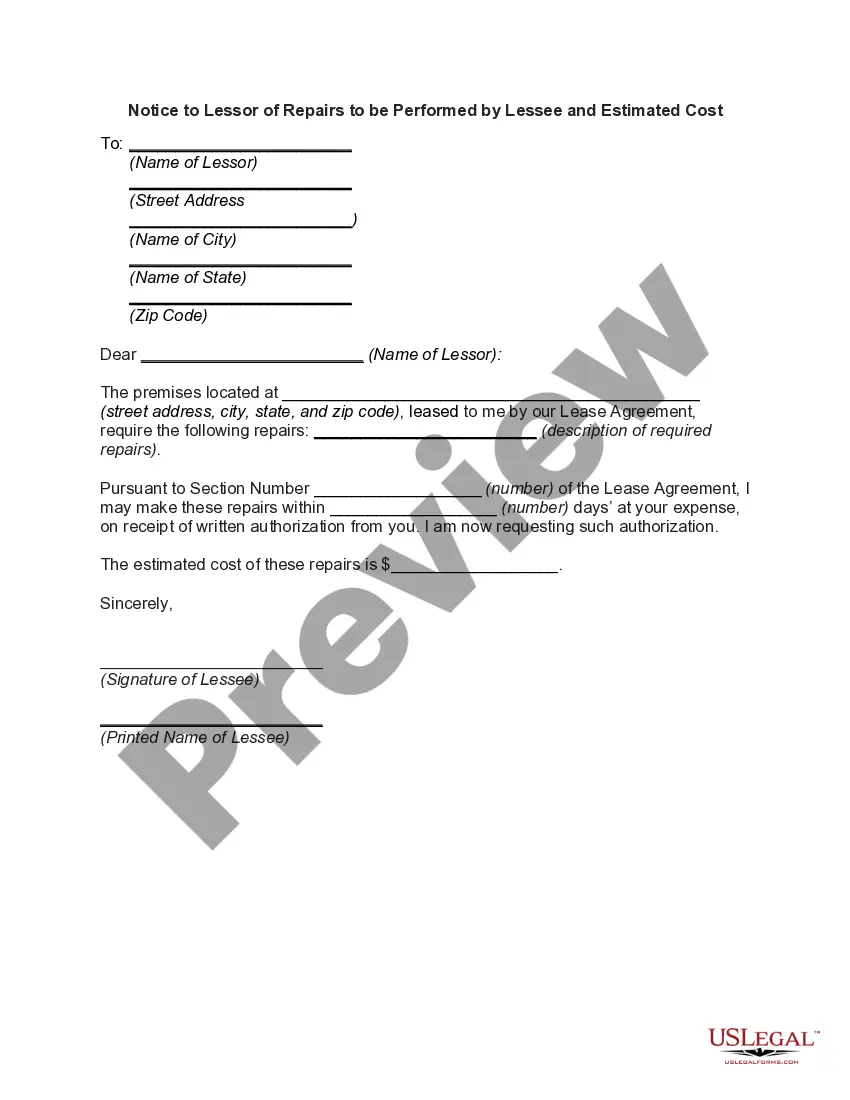
This is a letter from the landlord to the tenant serving as a notice that the tenant must inform the landlord of any known conditions that might cause damage to the premises. This form emphasizes the tenant's responsibility under the lease agreement, allowing the landlord to address issues promptly to prevent potential harm to individuals or property. Unlike other rental forms that deal with agreements or disputes, this notice focuses specifically on communication regarding property conditions.
Form components explained
- Introduction stating the purpose of the letter
- Statement of tenantâs obligation to inform the landlord
- Signature section for the landlord or authorized agent
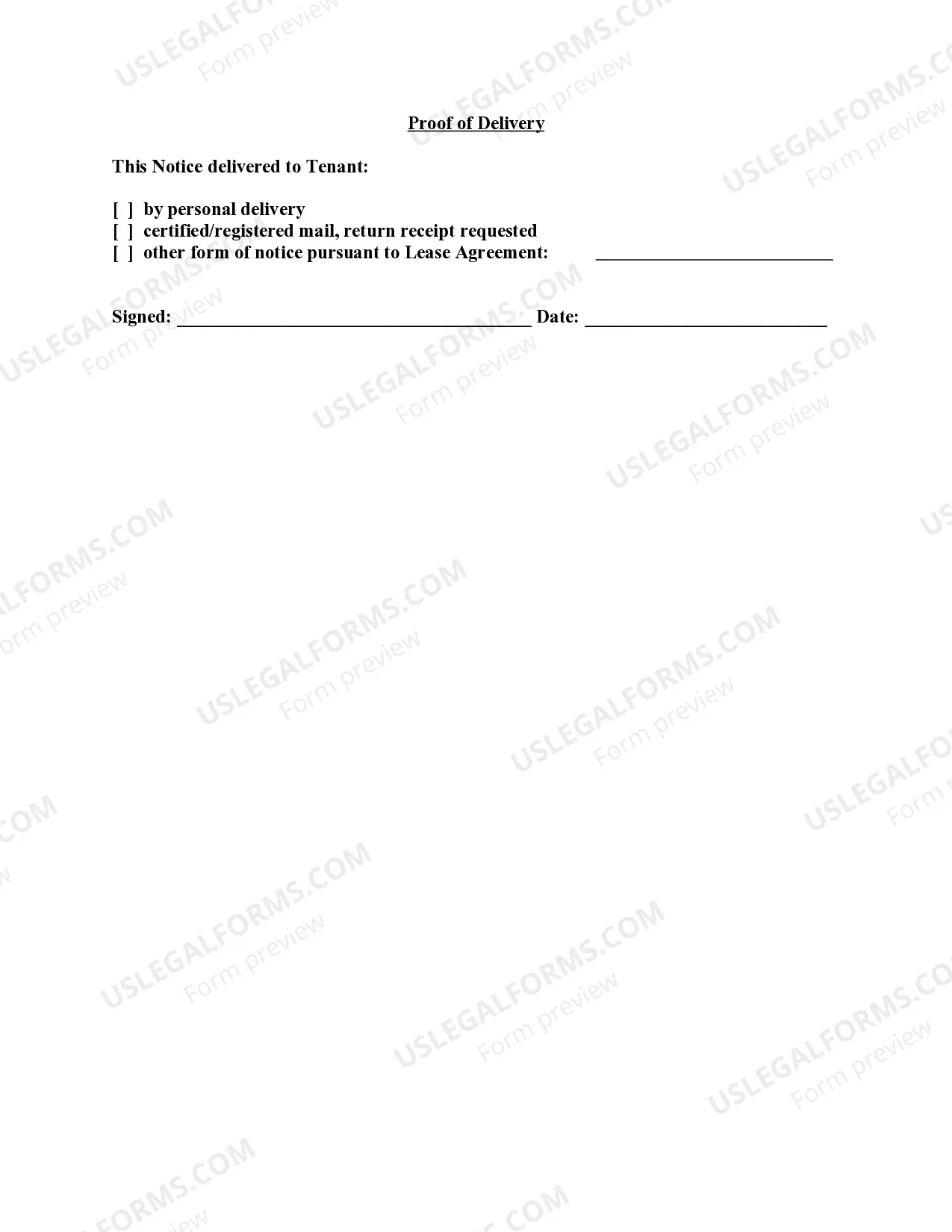
- Proof of delivery section, indicating how the notice was delivered

Situations where this form applies
This form should be used when a landlord needs to formally remind a tenant of their obligation to report any conditions that may lead to damage within the rented property. This could include situations like water leaks, broken windows, or any other issues the tenant knows about that could affect the propertyâs condition. Ensuring timely communication can help in avoiding expensive repairs and maintaining a safe living environment.
Who this form is for
- Landlords who manage rental properties and wish to enforce lease terms
- Tenant landlords needing to document communication about property conditions
- Property management companies representing landlords
Instructions for completing this form
- Identify the landlord and tenant by entering their legal names.
- Specify the property address and details relevant to the lease agreement.
- Clearly state the condition that needs to be reported by the tenant.
- Complete the proof of delivery section to document how the notice was sent.
- Have the landlord or authorized agent sign the letter.
Is notarization required?
Notarization is not commonly needed for this form. However, certain documents or local rules may make it necessary. Our notarization service, powered by Notarize, allows you to finalize it securely online anytime, day or night.
Get your form ready online
Our built-in tools help you complete, sign, share, and store your documents in one place.
Make edits, fill in missing information, and update formatting in US Legal Forms—just like you would in MS Word.
Download a copy, print it, send it by email, or mail it via USPS—whatever works best for your next step.
Sign and collect signatures with our SignNow integration. Send to multiple recipients, set reminders, and more. Go Premium to unlock E-Sign.
If this form requires notarization, complete it online through a secure video call—no need to meet a notary in person or wait for an appointment.
We protect your documents and personal data by following strict security and privacy standards.
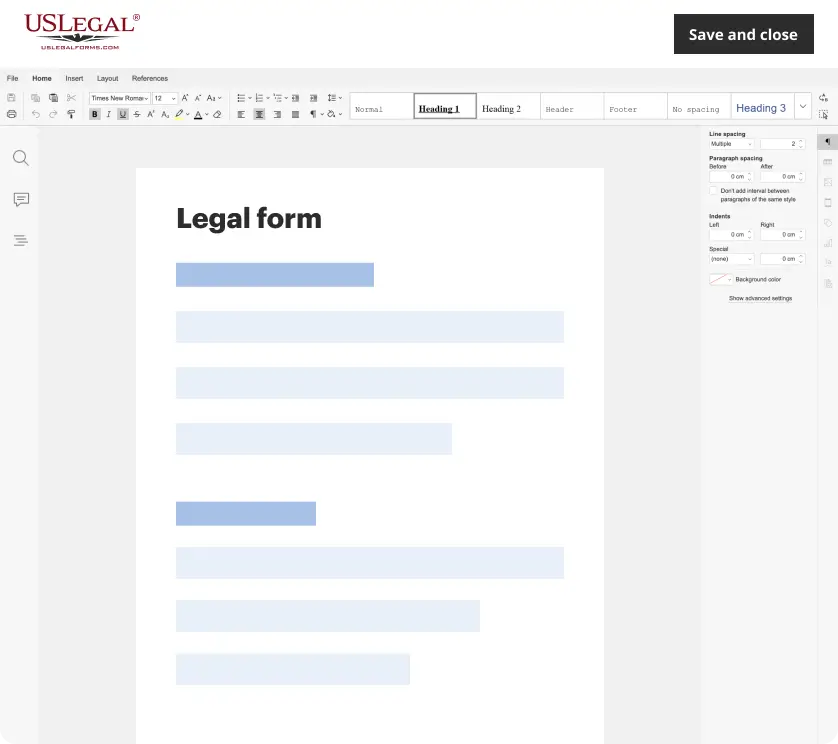
Make edits, fill in missing information, and update formatting in US Legal Forms—just like you would in MS Word.
Download a copy, print it, send it by email, or mail it via USPS—whatever works best for your next step.
Sign and collect signatures with our SignNow integration. Send to multiple recipients, set reminders, and more. Go Premium to unlock E-Sign.

If this form requires notarization, complete it online through a secure video call—no need to meet a notary in person or wait for an appointment.
We protect your documents and personal data by following strict security and privacy standards.
Common mistakes to avoid
- Failing to provide accurate delivery information.
- Not signing the notice or having an authorized agent sign.
- Using vague language rather than specifying the condition.
Why complete this form online
- Convenient access and immediate download for timely communication.
- Editability allows for customization to fit specific situations.
- Prepared by licensed attorneys, ensuring legal compliance and accuracy.
Main things to remember
- This notice keeps tenants informed of their responsibilities under the lease agreement.
- Documenting communication can help prevent misunderstandings and potential disputes.
- Timely reporting of issues can lead to quicker resolutions and better property maintenance.
Looking for another form?
Form popularity
FAQ
If your landlord breaches the warranty of habitability or the warranty of quiet enjoyment, you may be able to sue her to recover monetary damages.In some states, such as California and Arizona, you may be able to seek emotional distress damages if the landlord's actions were particularly egregious.
Washington, D.C., Eviction Process Timeline Initial Notice Period between 30 and 180 days, depending on the notice type and reason for eviction. Issuance/Service of Summons and Complaint 5-7 days, depending on whether the eviction is for illegal drug activity.
Know your state's landlord/tenant laws. Read and respond to the court summons. Try to work out a settlement. Consider legal counsel. Show up for court. Look sharp and provide evidence.
In order to evict a tenant, the landlord must go through the judicial process. The tenant must be given: A written Notice to Vacate (except for non-payment of rent, if the tenant waived the right to notice in the lease); An opportunity to cure the lease violation, if that is the basis for the action; and.
If you're seeking damages for emotional distress caused by a landlord's discrimination, or punitive damages for especially blatant and intentional discrimination, a lawsuit may well be your best bet. Understand what's involved in suing your landlord. You may file a lawsuit in either federal or state court.
Know your state's landlord/tenant laws. Read and respond to the court summons. Try to work out a settlement. Consider legal counsel. Show up for court. Look sharp and provide evidence.
A landlord cannot legally evict you without a court order, whether or not you have a lease.) How long does it take for a landlord to evict a tenant? A landlord can evict a tenant only by going through a formal eviction proceeding, which can take a few weeks from start to finish.
The landlord had a duty to reasonably maintain the property; The landlord knew or should have known of the dangerous condition; The landlord breached their duty by failing to repair/fix the dangerous condition;