Connecticut Conservation Easement Agreement for Town
Understanding this form
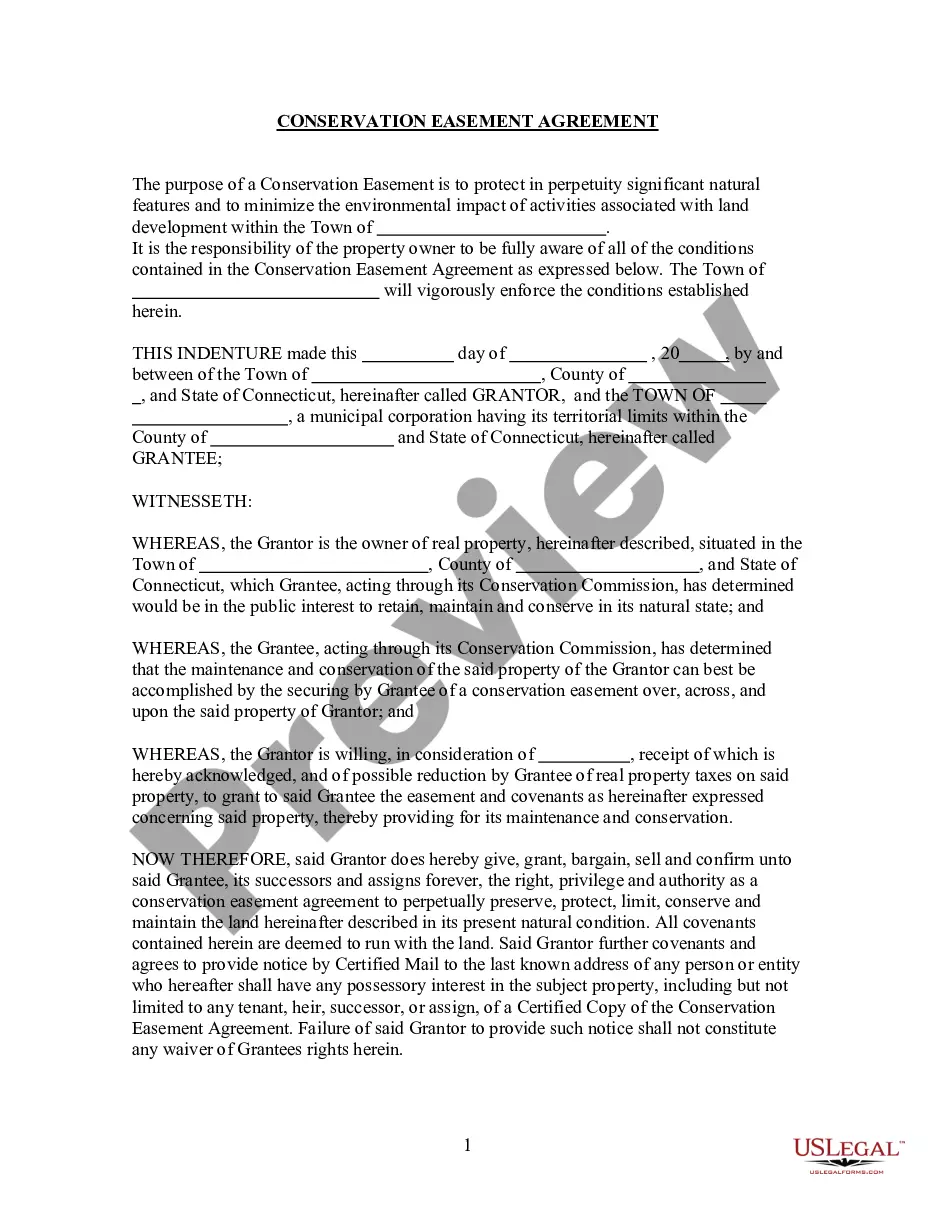
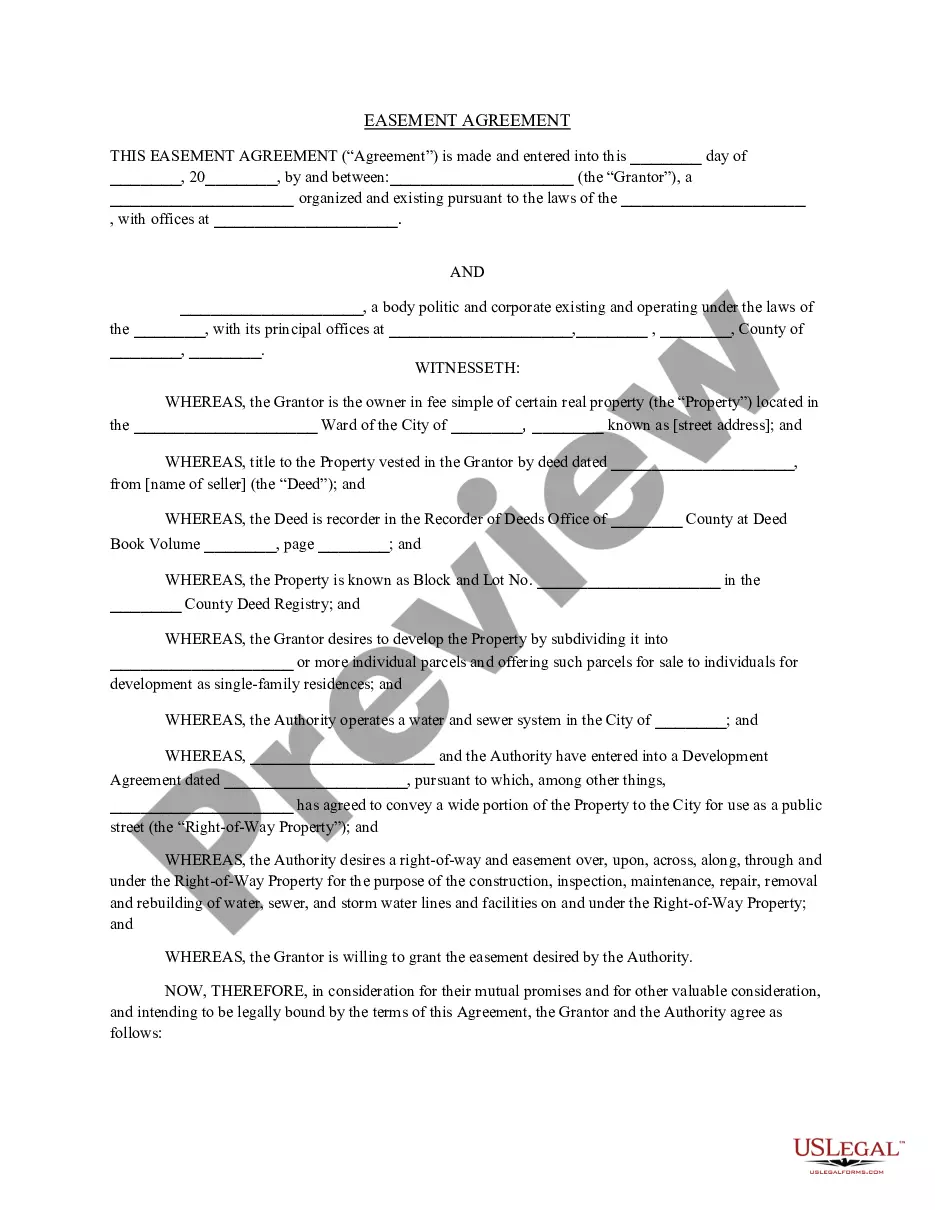
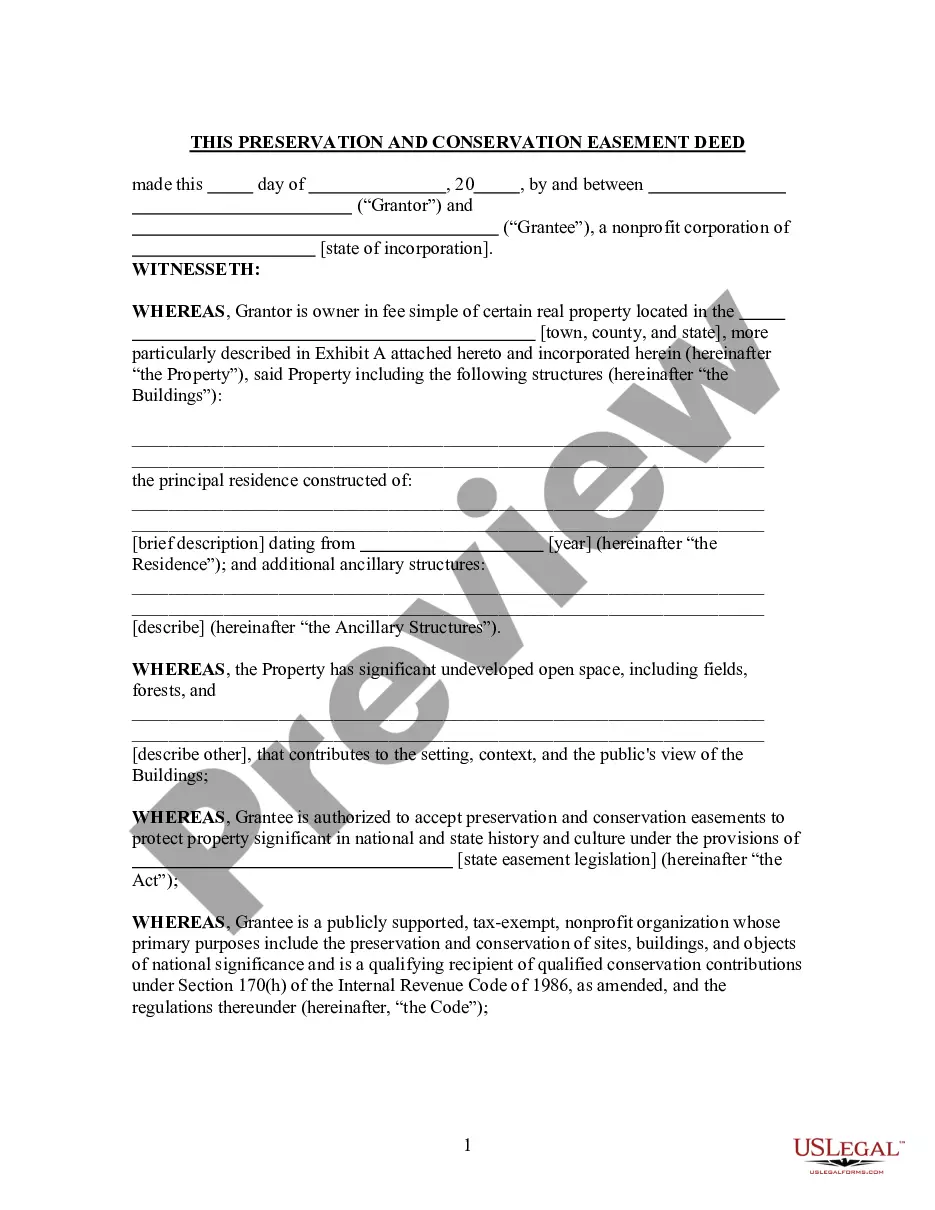
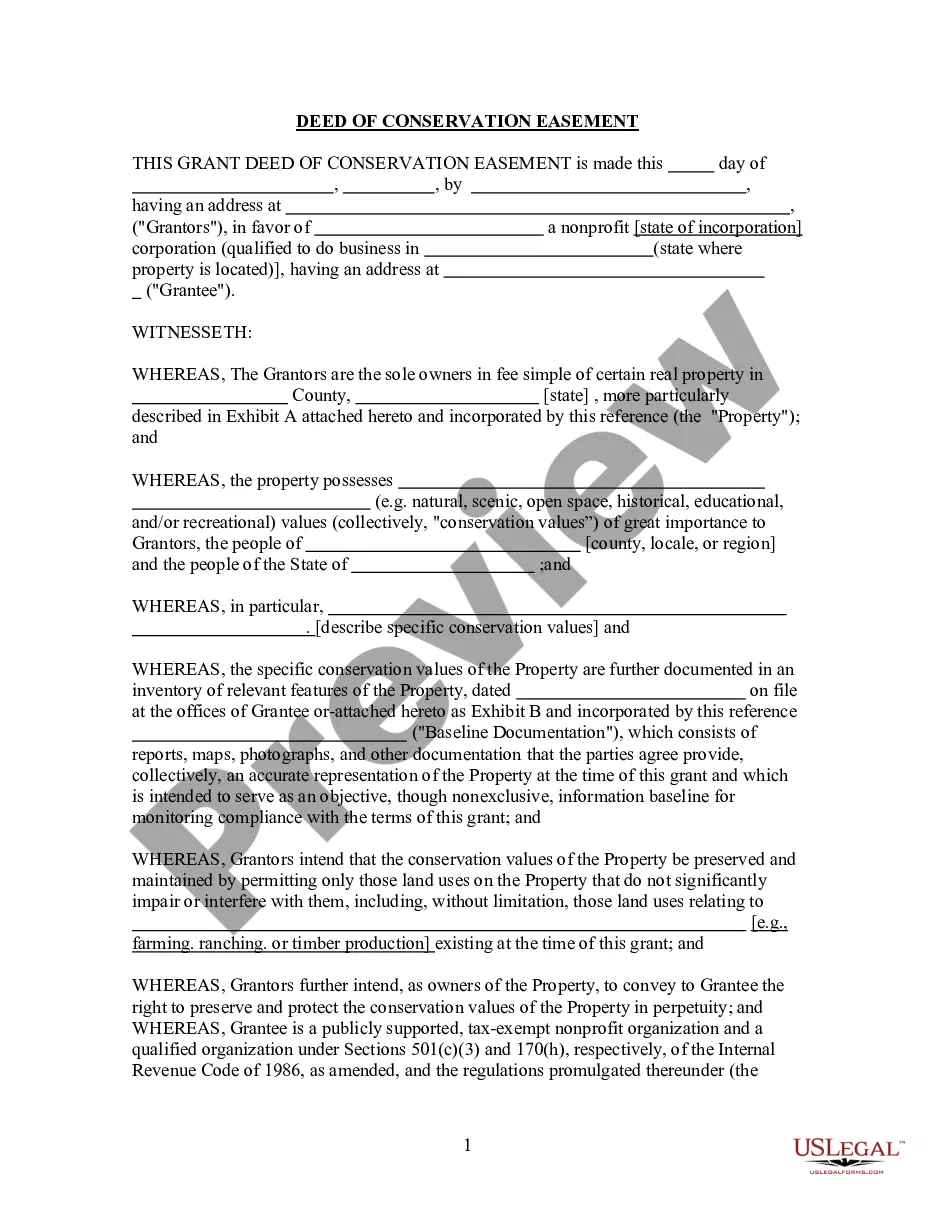
The Conservation Easement Agreement for Town is a legal document used to protect significant natural features of a property. This form grants a conservation easement to a designated town authority, ensuring that the land remains in its natural state and limiting environmentally harmful activities. It differs from other property agreements by focusing specifically on conservation efforts and maintaining the environmental integrity of the land in perpetuity.
Key components of this form
- Identification of the Grantor and Grantee, which includes the conservation authority.
- Rights granted to the Grantee to preserve and maintain the property.
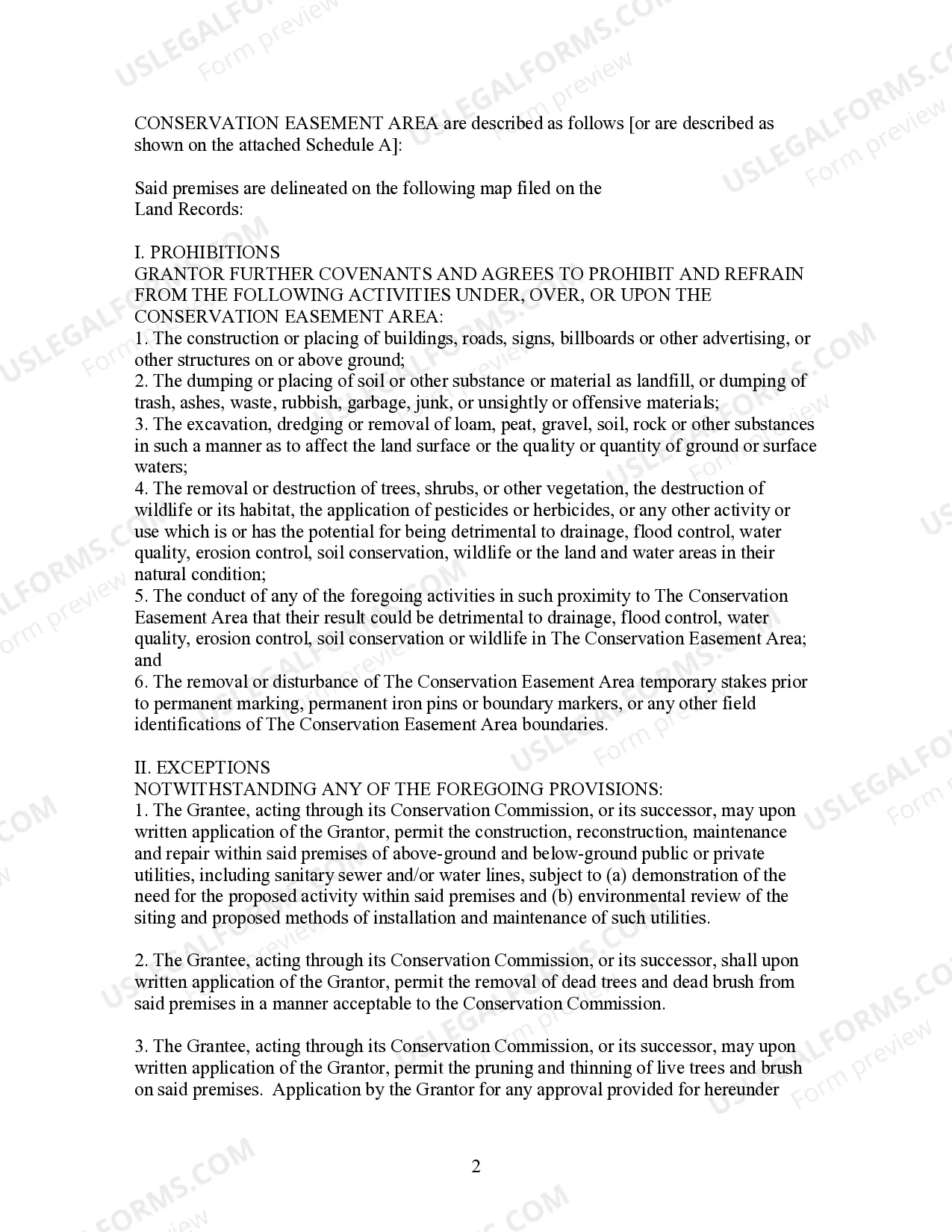
- Restrictions on activities such as construction, dumping, and vegetation removal.
- Conditions for exceptions regarding maintenance of public utilities and dead vegetation.
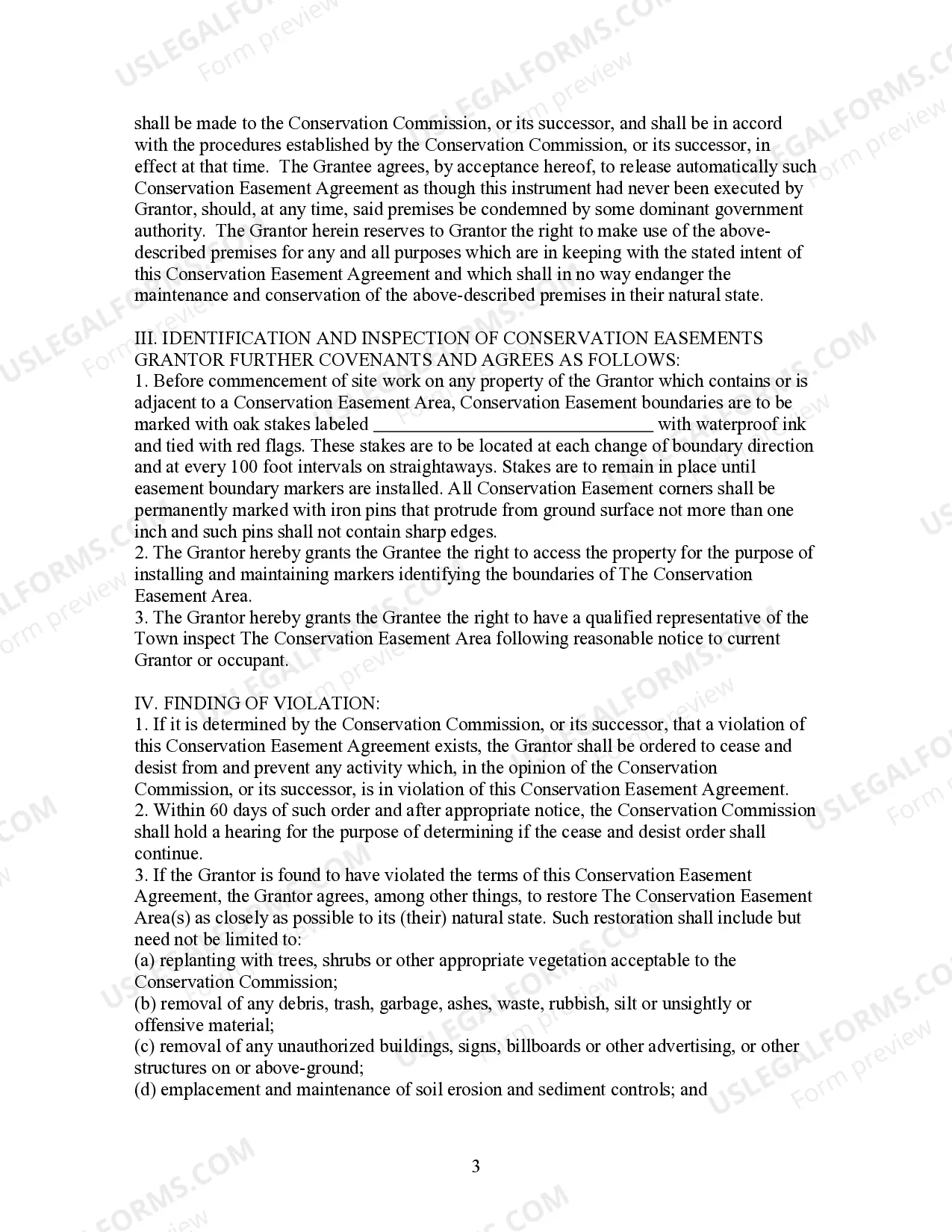
- Provisions for access and inspection of the conservation easement area.
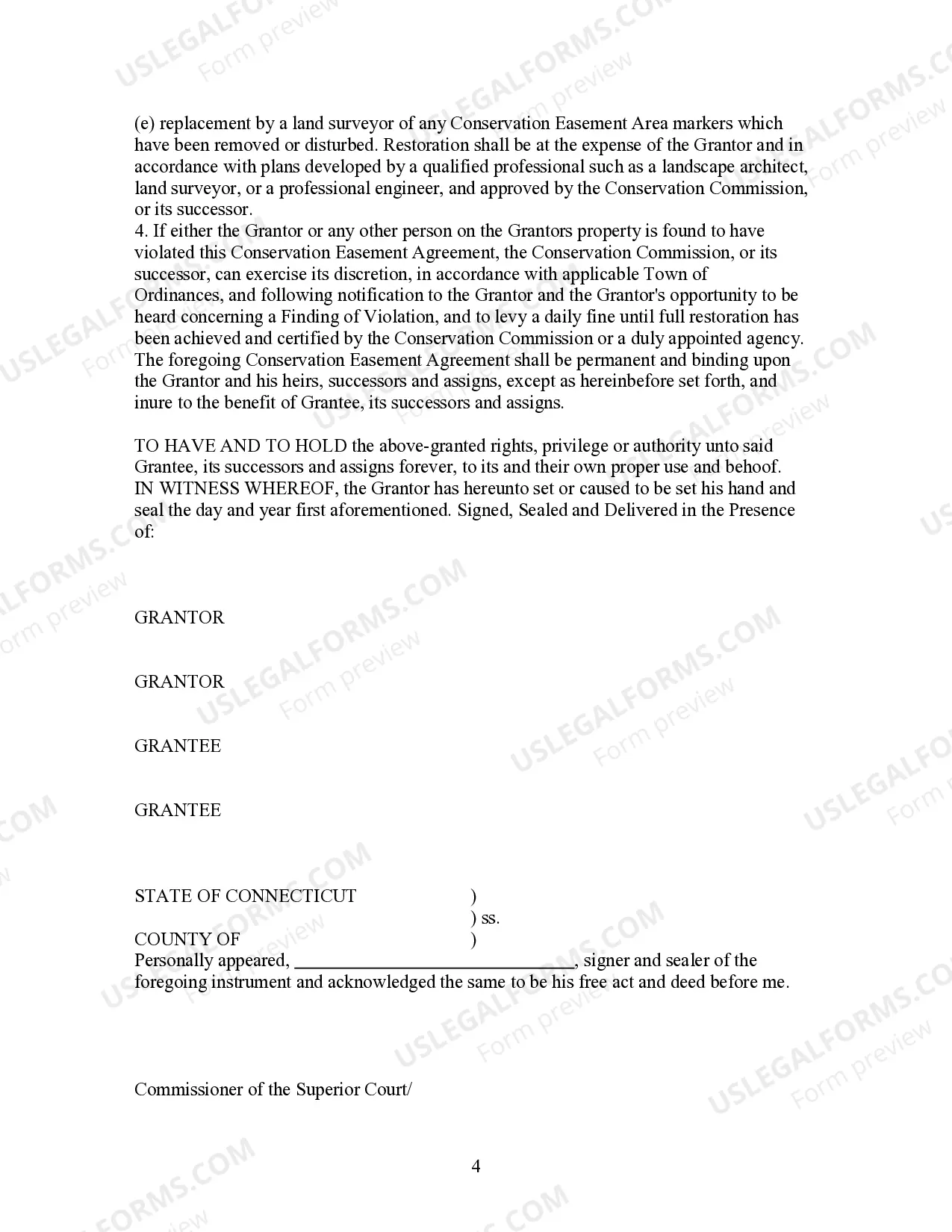
- Outline for enforcement actions in case of violations, including restoration requirements.
When to use this form
This form is necessary when a landowner wishes to protect the natural characteristics of their property while allowing for limited use. It's commonly used by parties looking to preserve wetlands, forests, and wildlife habitats from the impacts of development. Local government entities or conservation organizations often utilize this form to secure conservation rights over privately-owned or publicly accessible lands.
Who needs this form
- Property owners who want to ensure their land remains undeveloped and preserved.
- Local governments seeking to protect environmental features in their jurisdiction.
- Conservation organizations attempting to secure easements on properties for ecological safeguarding.
- Anyone involved in land conservation efforts who needs to restrict future land development.
How to prepare this document
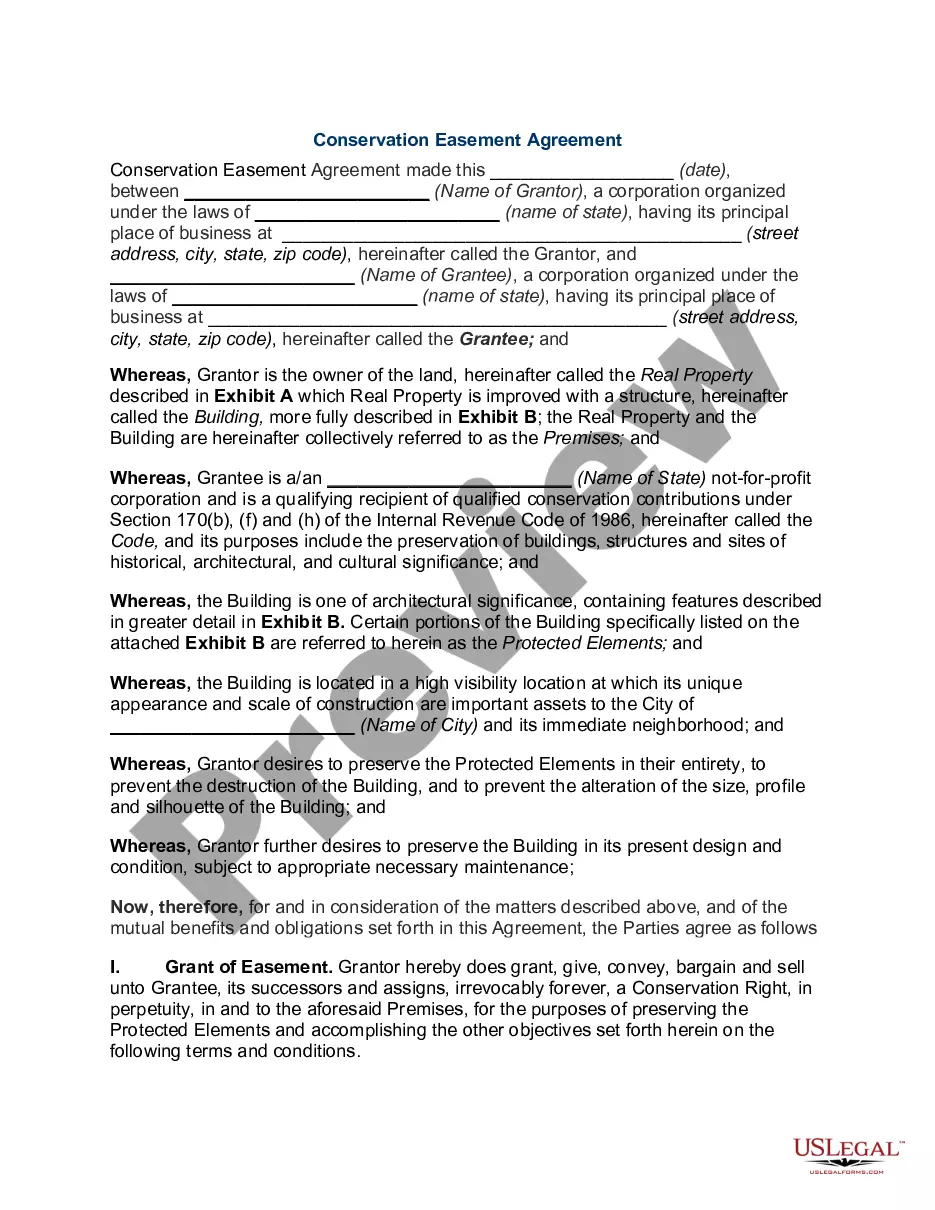
- Identify the parties involved, including the Grantor (landowner) and Grantee (conservation authority).
- Specify the property being conserved, including a detailed description and boundaries.
- Enter any restrictions on activities that may cause environmental harm.
- Outline any exceptions allowing certain activities, such as utility maintenance.
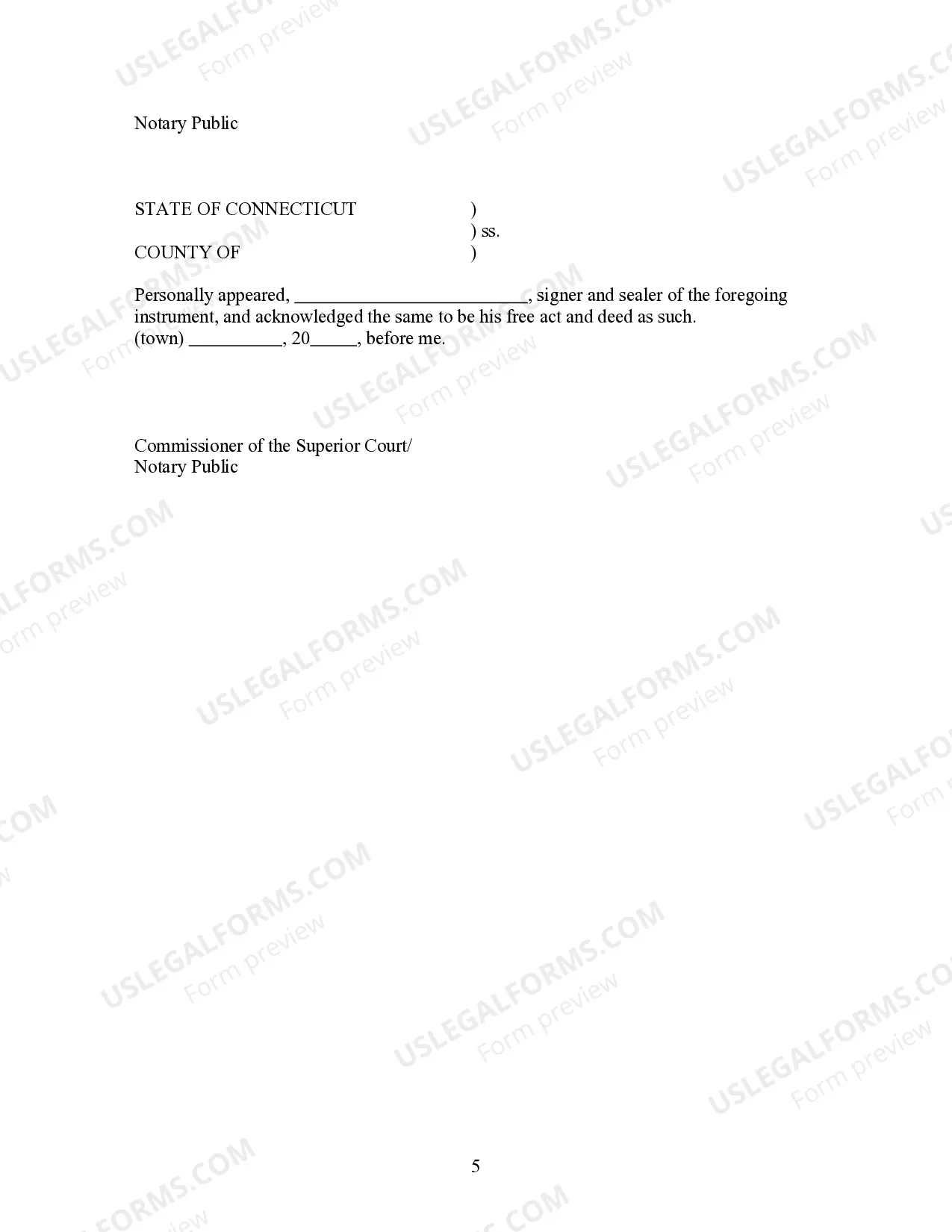
- Sign and date the agreement in the presence of a witness if required.
Does this document require notarization?
This form does not typically require notarization unless specified by local law. However, it is advisable to have the agreement notarized to add an additional layer of validity and to ensure its acceptance in all jurisdictions.
Get your form ready online
Our built-in tools help you complete, sign, share, and store your documents in one place.
Make edits, fill in missing information, and update formatting in US Legal Forms—just like you would in MS Word.
Download a copy, print it, send it by email, or mail it via USPS—whatever works best for your next step.
Sign and collect signatures with our SignNow integration. Send to multiple recipients, set reminders, and more. Go Premium to unlock E-Sign.
If this form requires notarization, complete it online through a secure video call—no need to meet a notary in person or wait for an appointment.
We protect your documents and personal data by following strict security and privacy standards.

Make edits, fill in missing information, and update formatting in US Legal Forms—just like you would in MS Word.

Download a copy, print it, send it by email, or mail it via USPS—whatever works best for your next step.

Sign and collect signatures with our SignNow integration. Send to multiple recipients, set reminders, and more. Go Premium to unlock E-Sign.

If this form requires notarization, complete it online through a secure video call—no need to meet a notary in person or wait for an appointment.

We protect your documents and personal data by following strict security and privacy standards.
Mistakes to watch out for
- Failing to provide complete property descriptions, which can lead to ambiguity.
- Not clearly stating restrictions, which may lead to misunderstandings later.
- Omitting signatures or necessary witnesses, resulting in unenforceability.
Benefits of completing this form online
- Convenient access to legal forms without the need for in-person appointments.
- Editable templates allow for customization to meet specific needs.
- Reliable resources drafted by licensed attorneys ensure compliance with local laws.
Key takeaways
- The Conservation Easement Agreement helps maintain the natural state of properties and restricts harmful activities.
- It's vital for landowners, municipalities, and environmental groups focused on land preservation.
- Proper completion and adherence to the terms of the agreement are essential for legal enforcement.
Looking for another form?
Form popularity
FAQ
In Connecticut, the rules for easements are defined under state law and require proper documentation to ensure legal enforceability. A Connecticut Conservation Easement Agreement for Town typically outlines specific restrictions and conditions placed on the use of land to preserve its conservation values. Additionally, landowners must clearly state the rights granted to the easement holder, ensuring that environmental protection measures align with the community's goals. Using a reliable platform like US Legal Forms can simplify the process of creating and managing your easement agreement.
The primary disadvantage of an easement involves potential restrictions on land use, which may limit your ability to develop or alter the property. Furthermore, such agreements can lead to complex legal conditions that demand careful consideration. A Connecticut Conservation Easement Agreement for Town offers clarity, but ensures you are prepared for these limitations.
One disadvantage of a conservation easement is the loss of certain property rights, which may not suit every landowner. Additionally, these agreements can be complicated, requiring commitment and understanding of the terms. It's crucial to weigh these challenges with the benefits provided by a Connecticut Conservation Easement Agreement for Town.
Setting up a conservation easement requires several key steps, including identifying a piece of land and drafting a legal agreement. Working with legal professionals is essential to ensure the agreement meets local regulations. A Connecticut Conservation Easement Agreement for Town outlines the needed details to protect your land effectively.
Conservation easements can be a positive investment depending on your goals. They promote land preservation while potentially providing tax benefits. When exploring options, consider how a Connecticut Conservation Easement Agreement for Town aligns with your long-term investment strategy.
Yes, land can be removed from a conservation easement, but the process can be complicated. Generally, it requires the consent of all parties involved and often must adhere to specific regulations. Understanding the terms within a Connecticut Conservation Easement Agreement for Town is critical before making such a decision.
The conservation easement Act in Texas is a legal framework designed to encourage land conservation through easements similar to those in Connecticut. Although it operates under different regulations, it shares the fundamental goal of protecting land characteristics from development. Understanding these differences can be beneficial if you are considering conservation options in either state, including a Connecticut Conservation Easement Agreement for Town.
The amount of land required for a conservation easement can differ depending on various factors, including the specific goals of the easement and local regulations. For a Connecticut Conservation Easement Agreement for Town, it’s advisable to assess the ecological needs and community standards. Consulting with local land trusts can provide guidance on appropriate land sizes for effective conservation.
While conservation easements can provide significant benefits, there are downsides to consider as well. Once established, a Connecticut Conservation Easement Agreement for Town restricts property use, which may limit future development opportunities or affect property values. It's essential to weigh these factors against the conservation benefits before proceeding.
Setting up a conservation easement involves several steps, including identifying the land to protect and consulting local conservation organizations. For a successful Connecticut Conservation Easement Agreement for Town, you should work with legal and environmental experts to draft the agreement, outlining restrictions and conservation goals. This process ensures that the easement meets both your intentions and legal requirements.