Connecticut Revocation of Living Trust
What is this form?
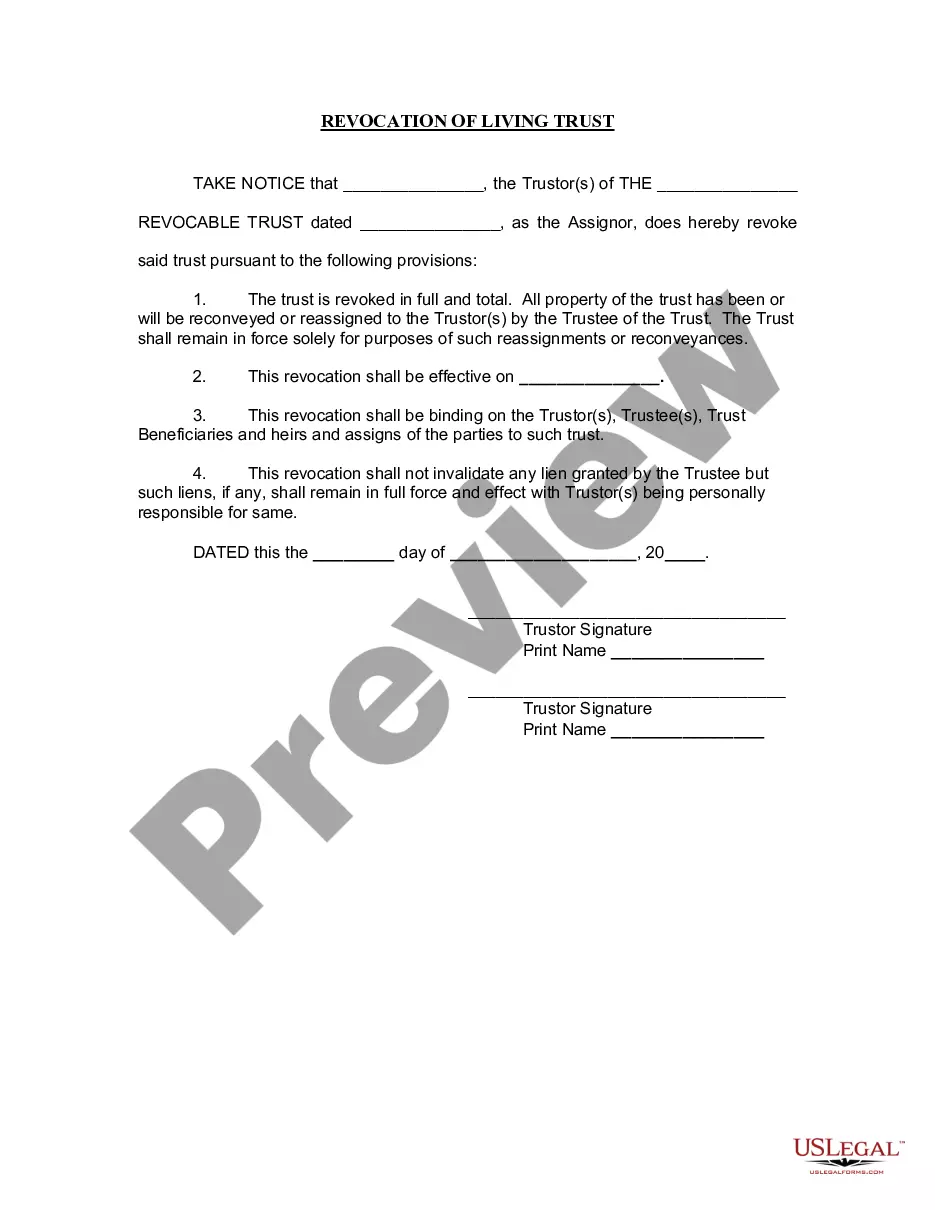
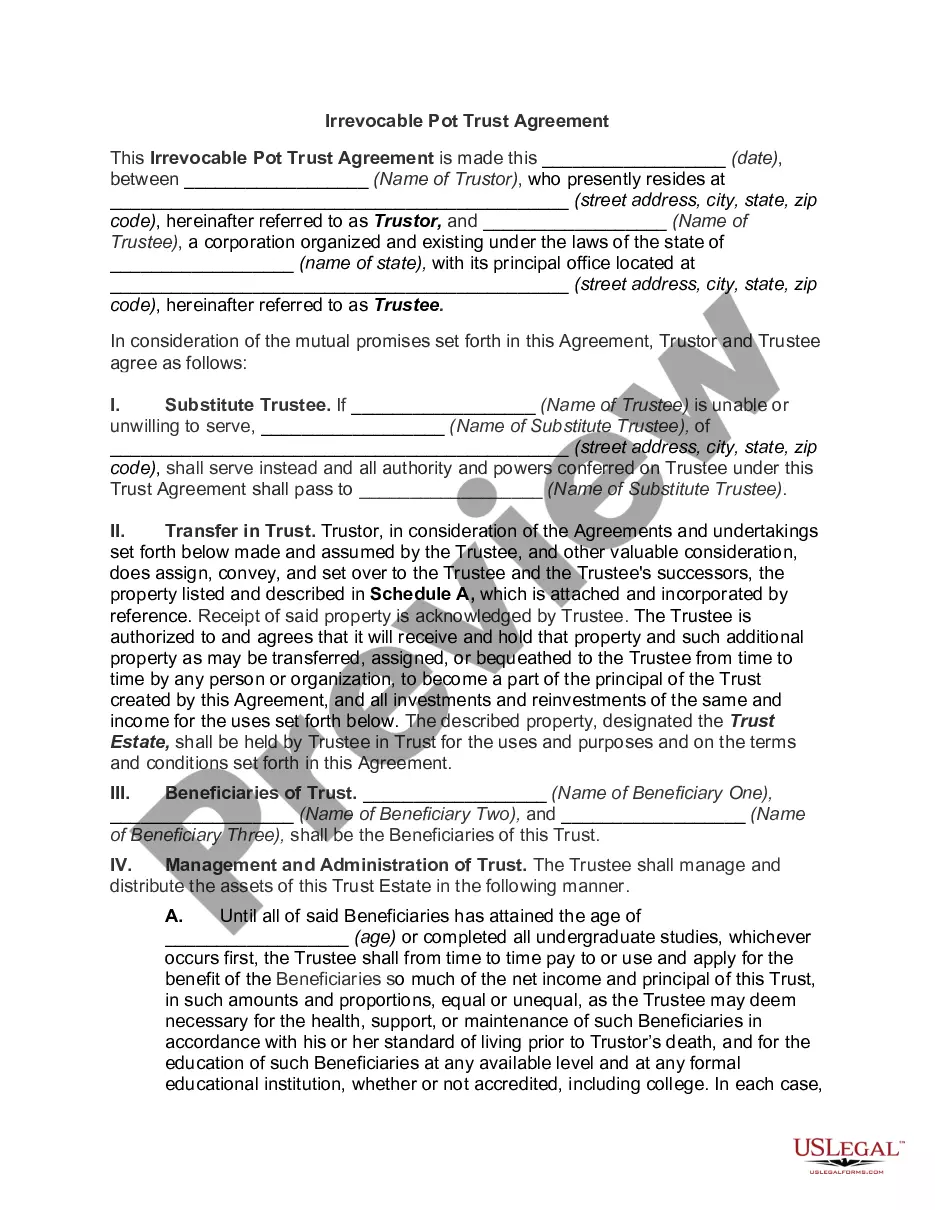
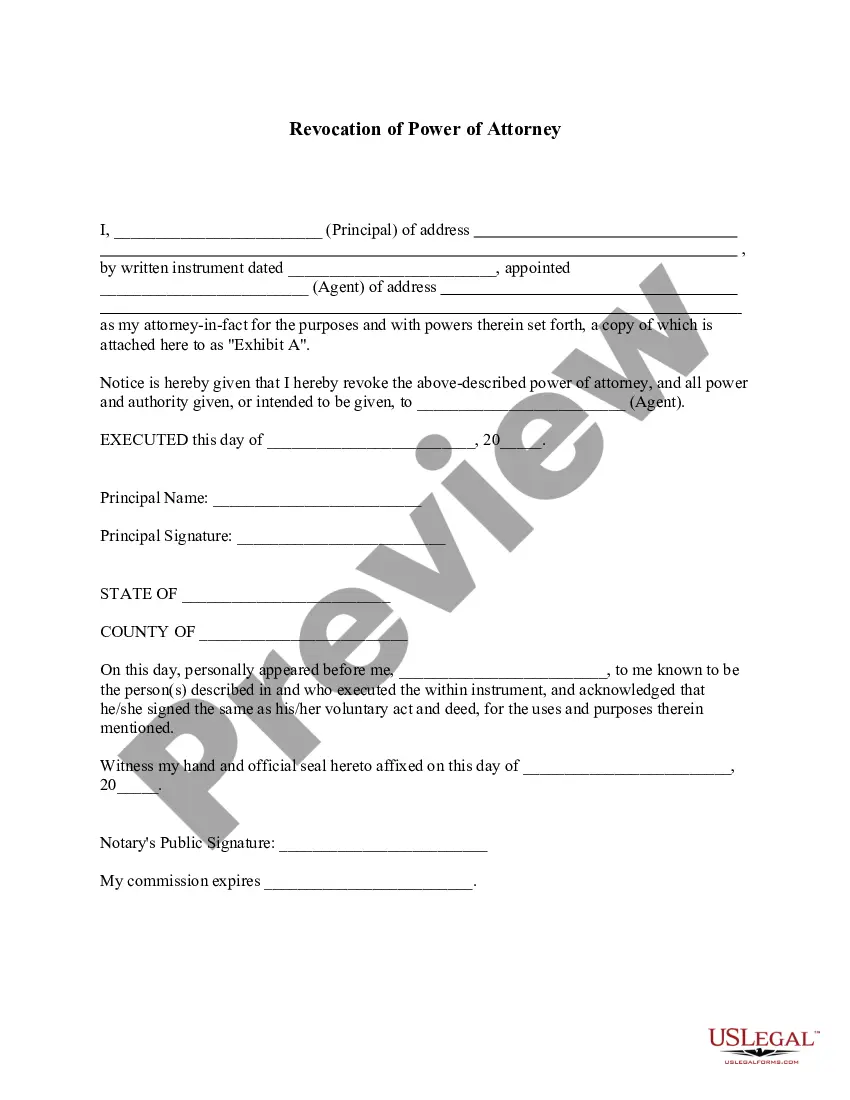
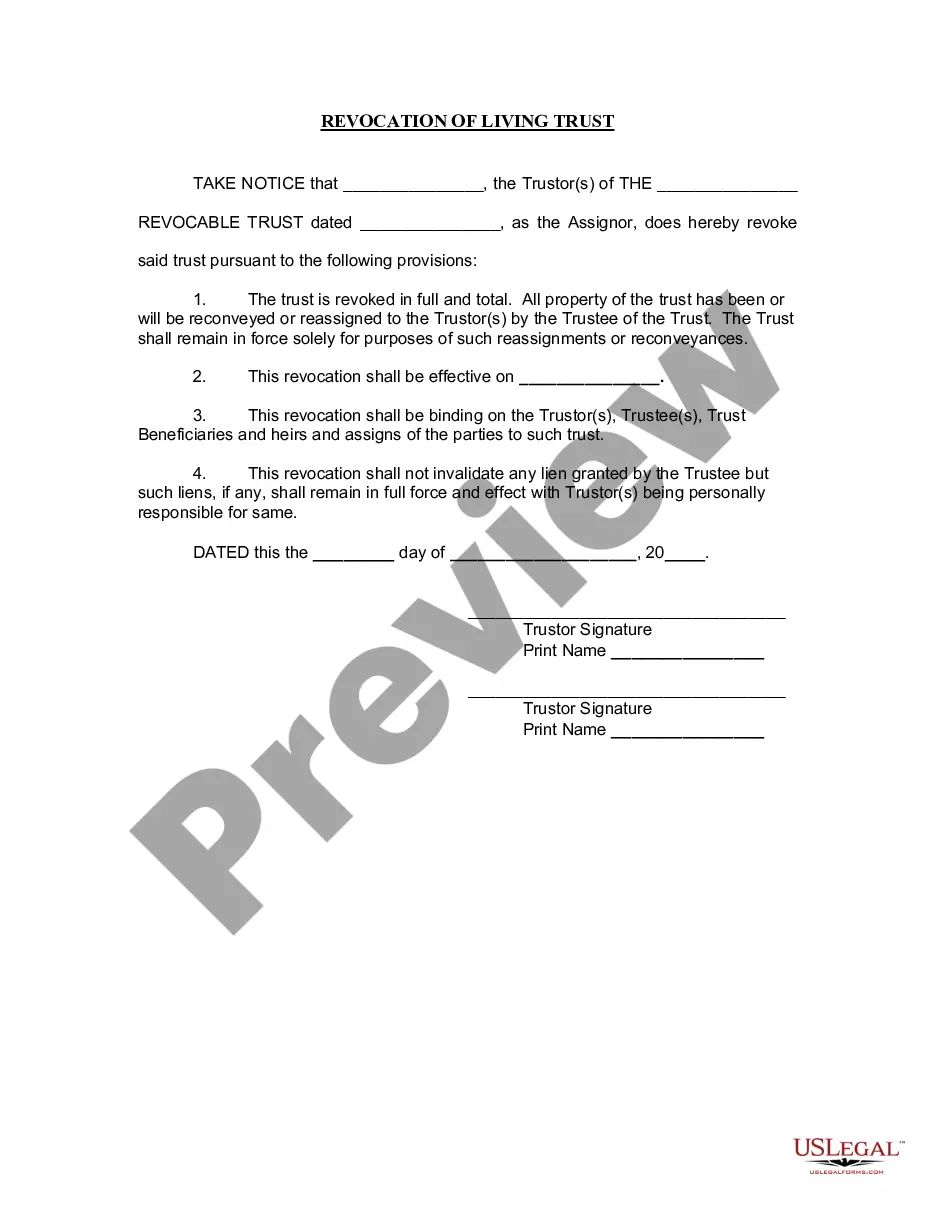
The Revocation of Living Trust form is a legal document used to officially revoke a living trust that a person has created during their lifetime. This form serves to declare the complete revocation of the trust, facilitates the return of the trust property to the trustor(s), and specifies the effective date of the revocation. Unlike other estate planning documents, this form specifically addresses the annulment of a trust rather than its creation or modification.
Key components of this form
- Trustor(s) information: Names of individuals revoking the trust.
- Trust details: The name and date of the original living trust being revoked.
- Revocation declaration: A statement confirming the total revocation of the trust.
- Property reconveyance clause: Confirmation that all trust property will be returned to the trustor(s).
- Effective date: The date upon which the revocation takes effect.
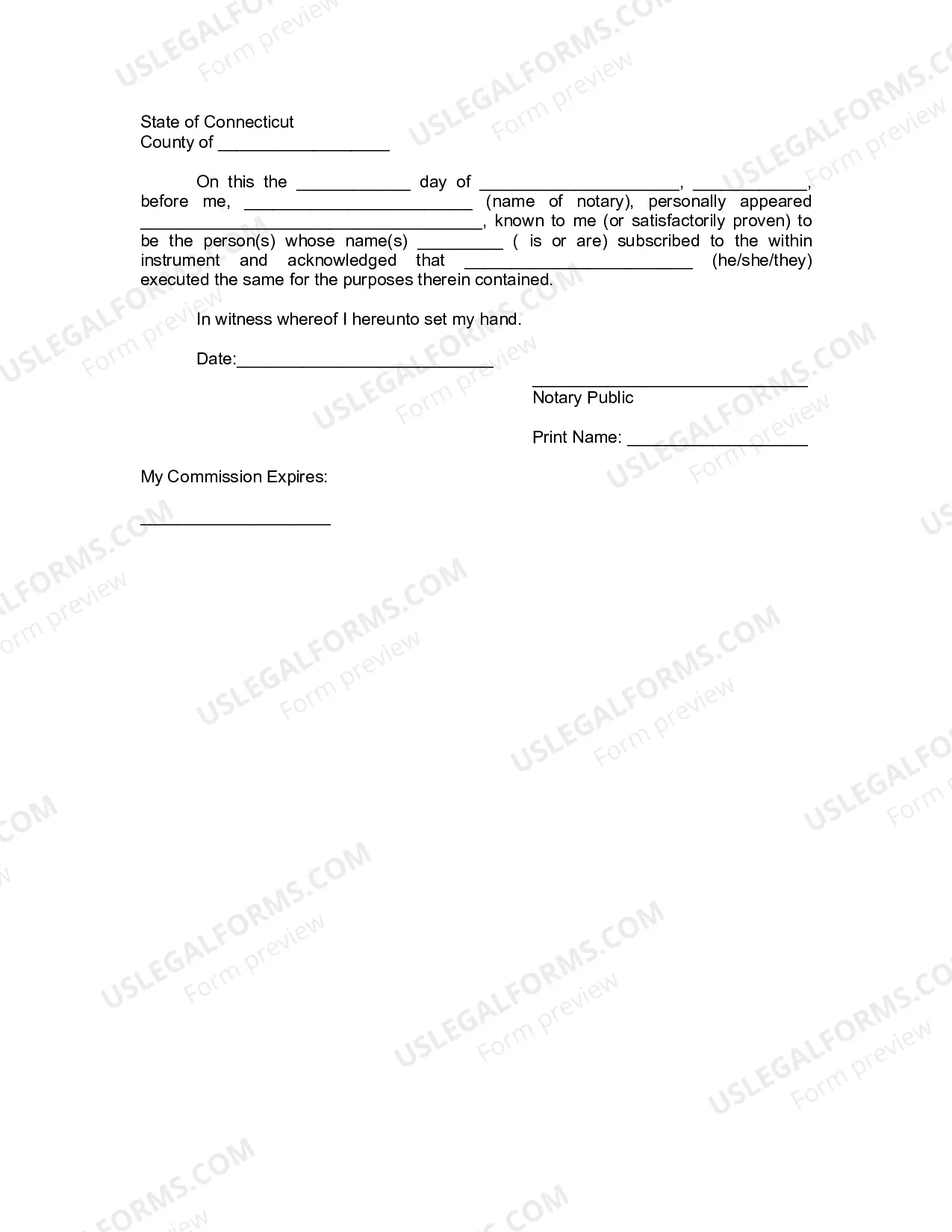
- Signatures: Signatures of the trustor(s) and a notary public to validate the document.

When this form is needed
You should use the Revocation of Living Trust form if you have decided to cancel a living trust that you previously established. This may occur if your financial situation changes, if you wish to alter your estate planning strategy, or if you want to create a new trust with different terms. Revoking a trust is important to ensure your intentions for asset distribution are clear and legally recognized.
Who this form is for
- Individuals who have established a living trust and wish to revoke it.
- Trustors looking to redirect their estate planning strategy.
- Persons who have changes in their financial circumstances necessitating the cancellation of a trust.
Completing this form step by step
- Identify the trustor(s) by entering their names at the top of the form.
- Record the name and date of the living trust you are revoking.
- Fill in the effective date of the revocation.
- Ensure that both trustor(s) sign the form in the designated areas.
- Have the form notarized by a licensed notary public to confirm its validity.
Is notarization required?
To make this form legally binding, it must be notarized. Our online notarization service, powered by Notarize, lets you verify and sign documents remotely through an encrypted video session.
Get your form ready online
Our built-in tools help you complete, sign, share, and store your documents in one place.
Make edits, fill in missing information, and update formatting in US Legal Forms—just like you would in MS Word.
Download a copy, print it, send it by email, or mail it via USPS—whatever works best for your next step.
Sign and collect signatures with our SignNow integration. Send to multiple recipients, set reminders, and more. Go Premium to unlock E-Sign.
If this form requires notarization, complete it online through a secure video call—no need to meet a notary in person or wait for an appointment.
We protect your documents and personal data by following strict security and privacy standards.

Make edits, fill in missing information, and update formatting in US Legal Forms—just like you would in MS Word.

Download a copy, print it, send it by email, or mail it via USPS—whatever works best for your next step.

Sign and collect signatures with our SignNow integration. Send to multiple recipients, set reminders, and more. Go Premium to unlock E-Sign.

If this form requires notarization, complete it online through a secure video call—no need to meet a notary in person or wait for an appointment.

We protect your documents and personal data by following strict security and privacy standards.
Avoid these common issues
- Failing to notarize the document, which could render it invalid.
- Not including the effective date of the revocation.
- Neglecting to provide complete trustor information.
- Forgetting to have all trustor(s) sign the revocation form.
Why complete this form online
- Convenience: Download and complete the form at your own pace without the need for appointments.
- Editability: Easily fill in and modify the form as needed before finalizing it.
- Reliability: Obtain a professionally drafted legal document tailored to your needs.
Legal use & context
- The revocation must be executed properly to ensure its validity.
- Failure to notify relevant parties may lead to disputes or complications regarding the former trust.
- State laws may vary regarding the treatment and requirements for revoked living trusts.
Summary of main points
- The Revocation of Living Trust form cancels an existing living trust.
- Signatures from notarized parties are essential for legal effectiveness.
- It provides a clear process for returning assets to the trustor(s).
Looking for another form?
Form popularity
FAQ
Shutting down a trust involves several steps, such as gathering trust documents, informing beneficiaries, and executing a formal trust revocation. You may need to provide notice to all parties involved and follow state laws regarding asset distribution. For Connecticut residents, uslegalforms offers comprehensive tools and templates to assist in effectively managing the Connecticut Revocation of Living Trust, making the shutdown process seamless.
A trust can be terminated through several methods, including completing its purpose, revocation by the creator, or court order. It may also happen if the assets become negligible or the beneficiaries agree to terminate it. For individuals facing the need to execute a Connecticut Revocation of Living Trust, utilizing services like uslegalforms can streamline the documentation process and ensure proper handling.
While you do not necessarily need a lawyer to dissolve a trust, consulting one can provide essential guidance and simplify the process. Trust laws can be intricate, and a legal expert can help ensure you are taking the correct steps to effectively revoke your trust. For those in Connecticut, engaging with uslegalforms can provide the necessary documentation and support for a smooth Connecticut Revocation of Living Trust process.
A trust becomes null and void when its terms cannot be fulfilled or if it contravenes state laws. Common reasons include lack of legal capacity by the trust creator, improper execution, or if the trust purpose is illegal. In Connecticut, understanding the technicalities of trust law can be complex, so consider utilizing resources from uslegalforms to ensure clarity and compliance. This is especially important for anyone dealing with a Connecticut Revocation of Living Trust.
You should update a revocable trust whenever there are significant life changes, such as marriage, divorce, or the birth of a child. Additionally, reviewing the trust every few years can ensure that it meets your current wishes and complies with state laws. Keeping your Connecticut revocation of living trust updated safeguards your assets and ensures they are distributed according to your desires. For guidance on how to update your trust effectively, USLegalForms provides helpful tools and resources.
Yes, you can amend a revocable living trust at any time while you are alive and competent. This process is part of the flexibility that a revocable living trust offers. To make amendments, you typically need to draft a formal amendment document that outlines the changes. If you need assistance with this process, consider using USLegalForms to simplify your Connecticut revocation of living trust needs.
As mentioned earlier, a living trust does avoid probate in Connecticut. This efficiency allows your heirs to access their inheritances more quickly without the lengthy probate process. However, ensure all your assets are included in the trust, as anything not transferred could still go through probate. Familiarizing yourself with the Connecticut revocation of living trust can provide you with the tools to navigate these situations effectively.
A revocation of a living trust is a legal process where the trustor withdraws their authority over the trust, effectively ending its existence. This process involves creating a document that declares the trust has been revoked and ensuring that all assets are returned to the trustor. If you are considering this step, it’s wise to understand the implications surrounding Connecticut revocation of living trust to avoid complications down the road.
A trust can be terminated through revocation by the trustor, through expiration if it reaches its pre-set duration, or by court order. In Connecticut, proper procedures must be followed when revoking a trust. Understanding these methods is crucial if you are contemplating the Connecticut revocation of living trust. Consulting a qualified attorney can provide clarity on your specific situation.
While a living trust has many benefits, there are some downsides to consider. Establishing a trust can involve higher initial costs compared to a will, and maintaining it requires ongoing management. Additionally, assets not properly transferred into the trust may still be subject to probate. Be sure to weigh the pros and cons when considering the Connecticut revocation of living trust.