Connecticut Letter from Tenant to Landlord containing Notice of wrongful deductions from security deposit and demand for return
About this form
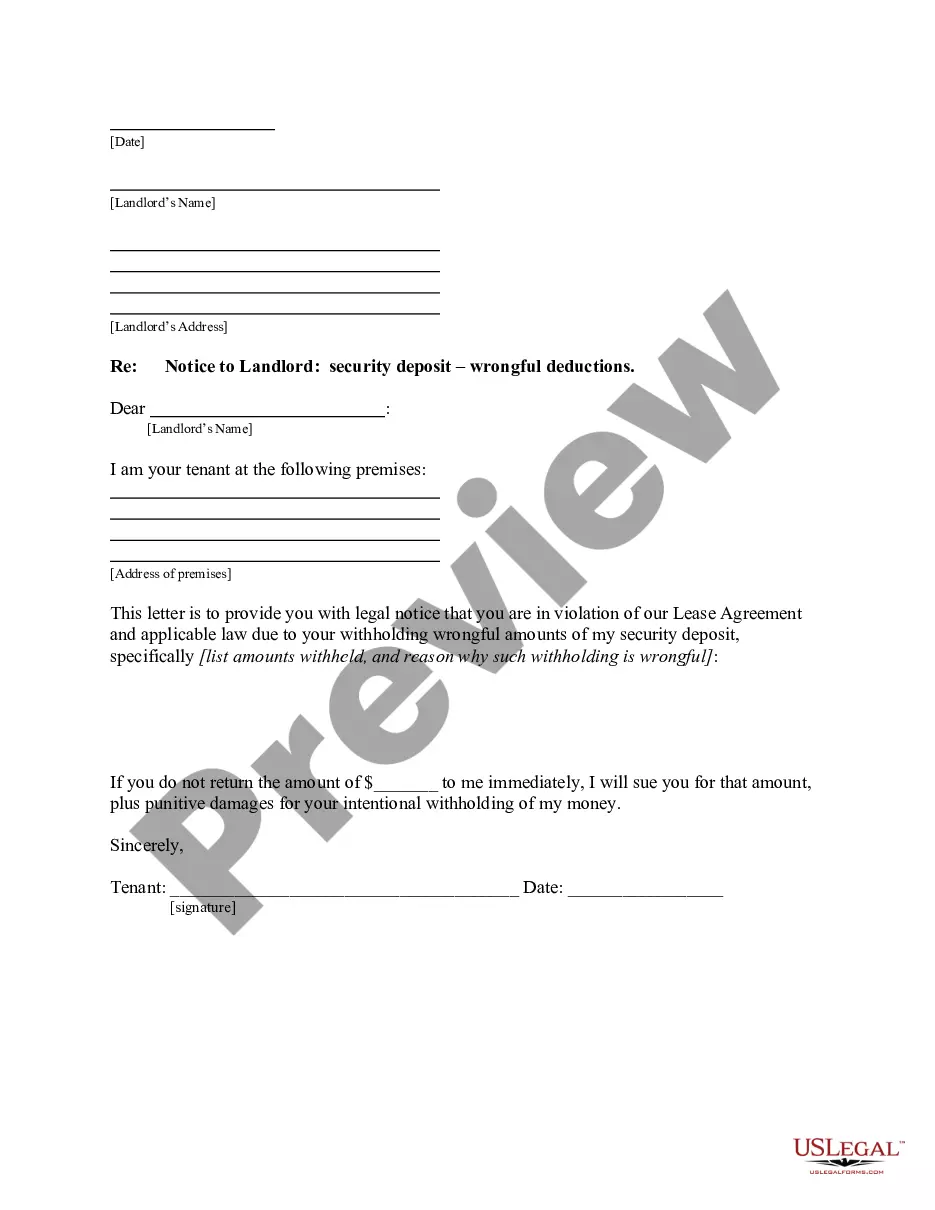
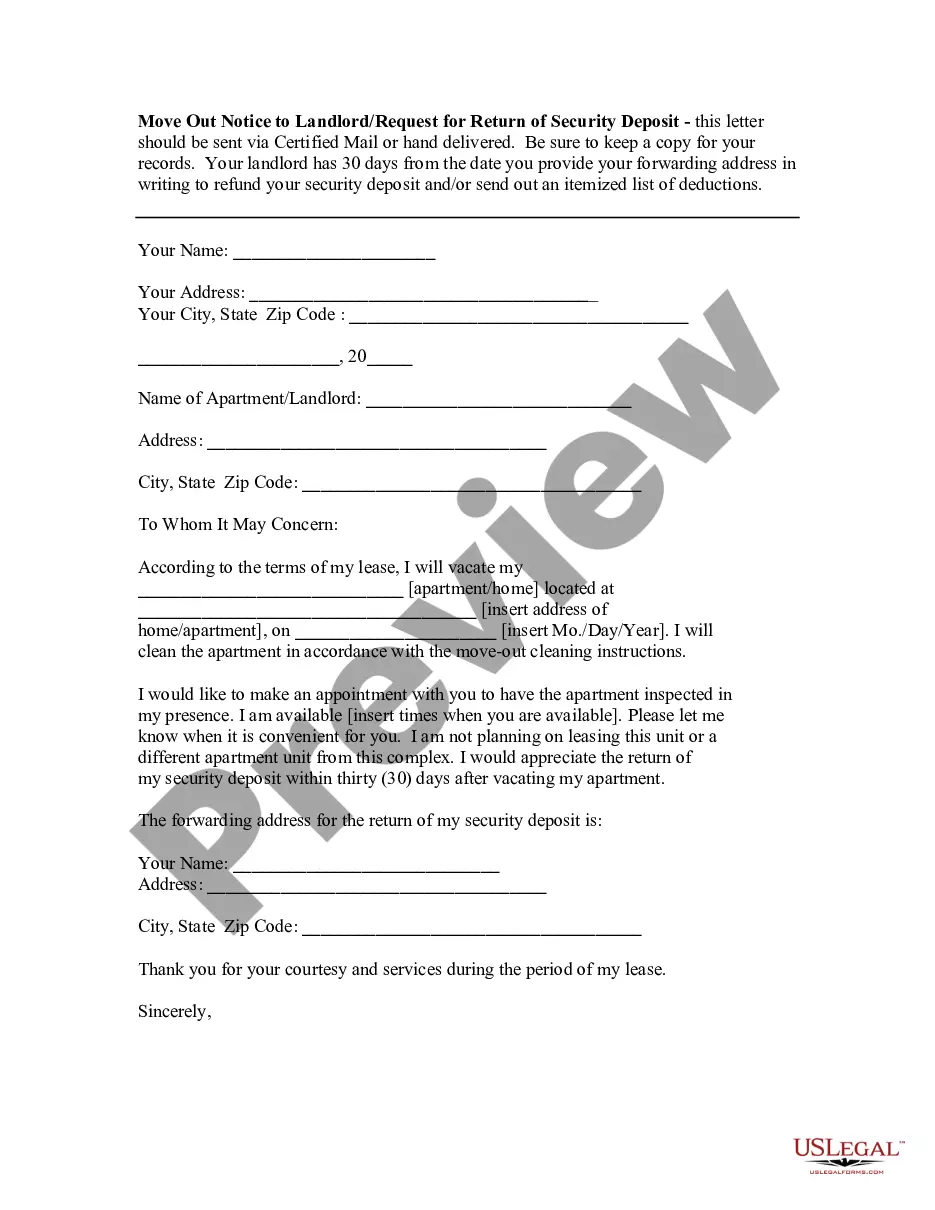
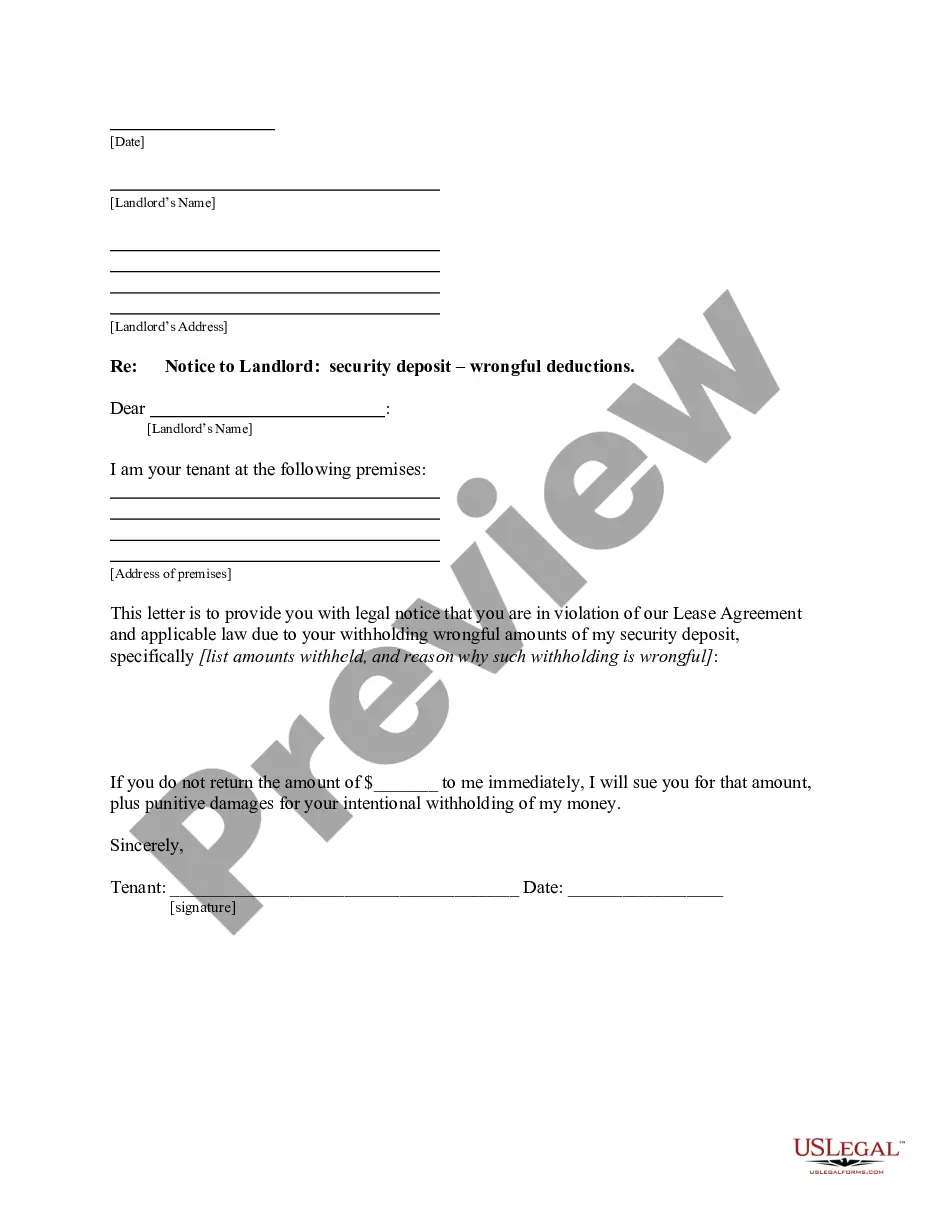
This form is a letter from a tenant to a landlord that addresses wrongful deductions made from the security deposit and demands the return of the remaining amount. By using this form, tenants can formally notify their landlords of any discrepancies and seek resolution in a structured manner. This form specifically complies with state statutory law to ensure its enforceability.
What’s included in this form
- Tenant's name and signature
- Date of writing the letter
- Details of wrongful deductions from the security deposit
- Demand for return of the remaining security deposit
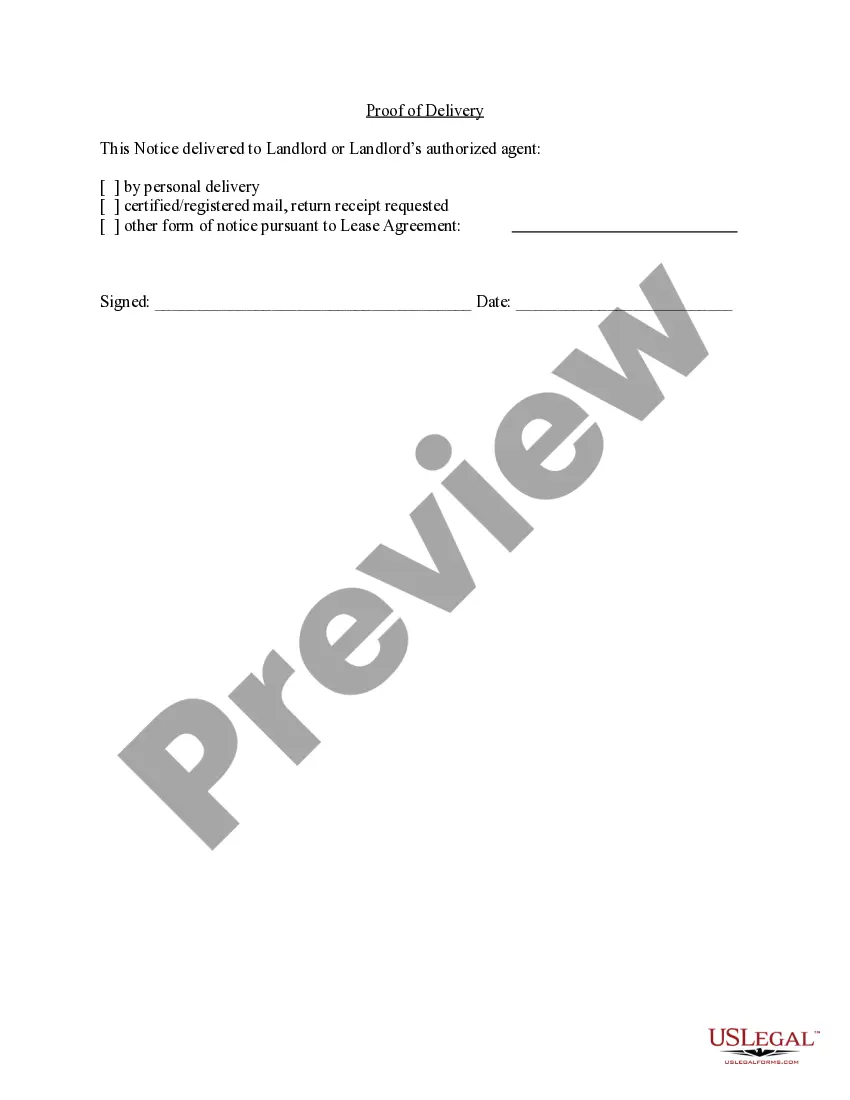
- Proof of delivery options for notifying the landlord



Common use cases
This form is necessary when a tenant believes that their landlord has made unlawful deductions from their security deposit upon moving out. It is particularly useful in situations where the tenant has not received a satisfactory explanation for these deductions or when the landlord has failed to return the deposit in a timely fashion.
Intended users of this form
- Tenants who have recently moved out of a rental property.
- Individuals who believe their security deposit was incorrectly withheld by the landlord.
- Renters seeking to formally communicate with their landlord about deposit issues.
Completing this form step by step
- Identify yourself as the tenant, including your full name and signature.
- State the date you are sending this letter.
- Clearly outline the specific deductions you believe are wrongful.
- Include a demand statement indicating the amount you wish to be returned.
- Choose and indicate the method of delivery to the landlord.
Notarization requirements for this form
This form does not typically require notarization unless specified by local law.
Get your form ready online
Our built-in tools help you complete, sign, share, and store your documents in one place.
Make edits, fill in missing information, and update formatting in US Legal Forms—just like you would in MS Word.
Download a copy, print it, send it by email, or mail it via USPS—whatever works best for your next step.
Sign and collect signatures with our SignNow integration. Send to multiple recipients, set reminders, and more. Go Premium to unlock E-Sign.
If this form requires notarization, complete it online through a secure video call—no need to meet a notary in person or wait for an appointment.
We protect your documents and personal data by following strict security and privacy standards.
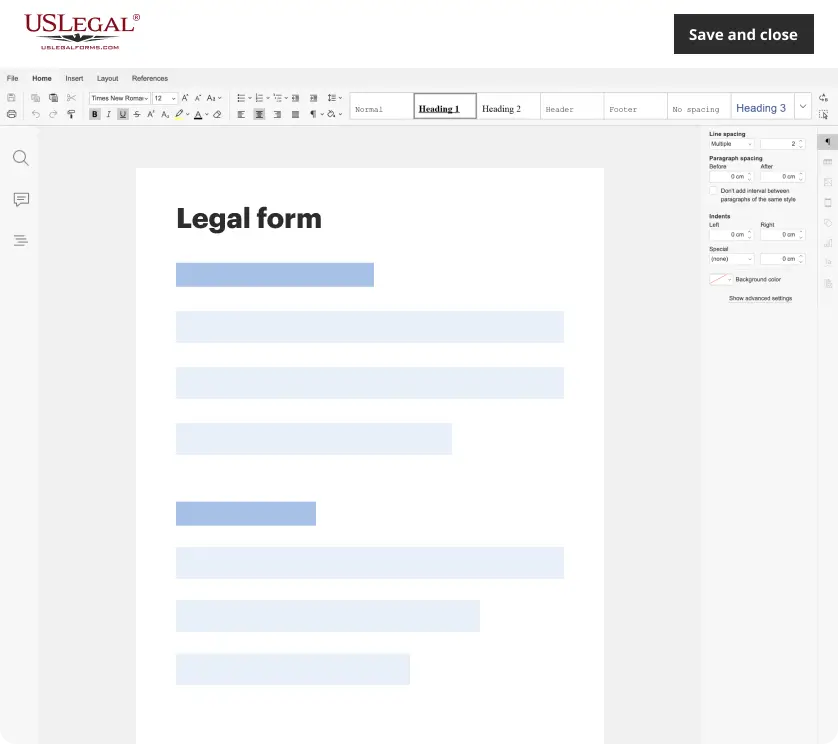
Make edits, fill in missing information, and update formatting in US Legal Forms—just like you would in MS Word.
Download a copy, print it, send it by email, or mail it via USPS—whatever works best for your next step.
Sign and collect signatures with our SignNow integration. Send to multiple recipients, set reminders, and more. Go Premium to unlock E-Sign.

If this form requires notarization, complete it online through a secure video call—no need to meet a notary in person or wait for an appointment.
We protect your documents and personal data by following strict security and privacy standards.
Typical mistakes to avoid
- Failing to specify the exact amount deducted and the reasons for dispute.
- Not including proof of delivery with the notice.
- Sending the letter without a date or signature.
Why use this form online
- Instant access to a legally compliant template tailored for your state.
- Editable format allows for personalized details to be easily inserted.
- Convenient download options for immediate use.
Legal use & context
- This form serves as a formal record of the tenant's complaint.
- Using this letter can be beneficial if legal action is pursued later.
- The form provides documentation that may support the tenant's claims in disputes.
Key takeaways
- Utilize this form to formally address wrongful deductions from a security deposit.
- Ensure accurate completion to avoid common mistakes.
- The form is compliant with state laws for effective communication with landlords.
Looking for another form?
Form popularity
FAQ
This form is a formal Letter from Tenant to Landlord that notifies about wrongful security-deposit deductions and demands the return of any withheld funds. It is tailored for Connecticut law, helping tenants document disputes and request prompt correction. Use it when you believe the landlord charged improper deductions or failed to provide an itemized list.
Connecticut typically allows deductions for unpaid rent and for damages beyond ordinary wear and tear, but this form focuses on wrongful deductions and demands their return. The form requests details of each deduction and proof of delivery, ensuring the dispute is documented and the landlord has a chance to respond.
Yes. If a landlord fails to return the security deposit after the tenant sends this notice, the tenant may pursue remedies such as filing a claim in small claims court. This form documents the dispute and can support a legal claim, but consult a licensed attorney for advice tailored to the situation.
In Connecticut, minor scuffs and marks on walls are typically considered wear and tear and not deductible as damages. This form helps tenants distinguish such wear from damages and records the specific deductions disputed, along with proof of delivery.
Tenants don’t deduct amounts from a security deposit themselves; they seek the return of any portion not rightfully withheld. Landlords may deduct for unpaid rent or damages beyond normal wear and tear. This form helps document disputed deductions and request their return.
This form is tailored to Connecticut law and the state’s security deposit process. It focuses on wrongful deductions, requires details of each deduction, and includes a delivery-proof field to satisfy CT requirements. Its Connecticut-specific guidance makes it more effective than a generic, nonjurisdictional letter.