Connecticut Warranty Deed from Husband and Wife to Husband and Wife
What this document covers
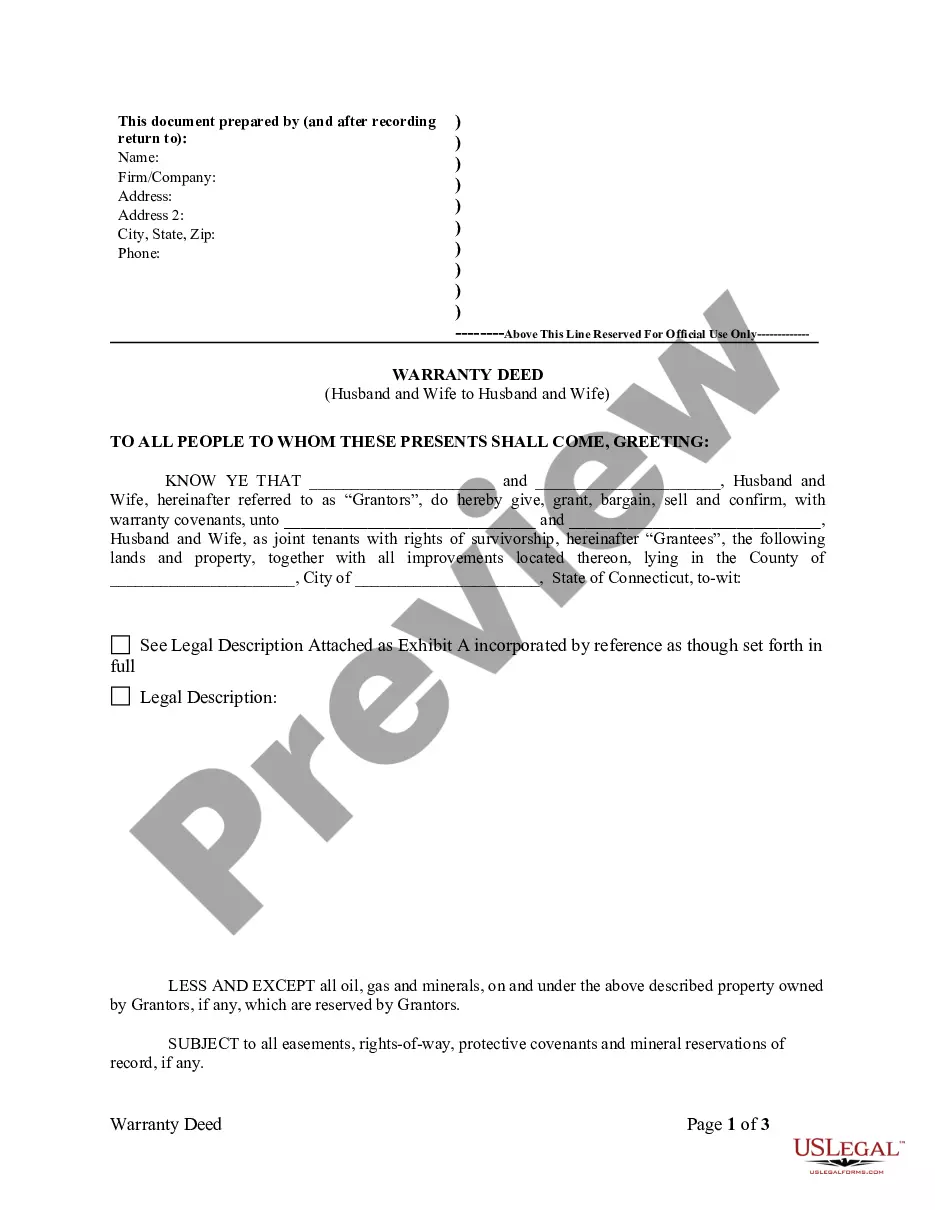
This Warranty Deed from Husband and Wife to Husband and Wife is a legal document that transfers property ownership from a married couple to themselves. Unlike other deeds, this form specifically allows the grantors to retain certain rights, such as oil, gas, and minerals under the property. This deed is designed to comply with state laws to ensure a smooth transfer of ownership between spouses while preserving specific rights.
Key parts of this document
- Identification of the grantors (husband and wife) and grantees (husband and wife).
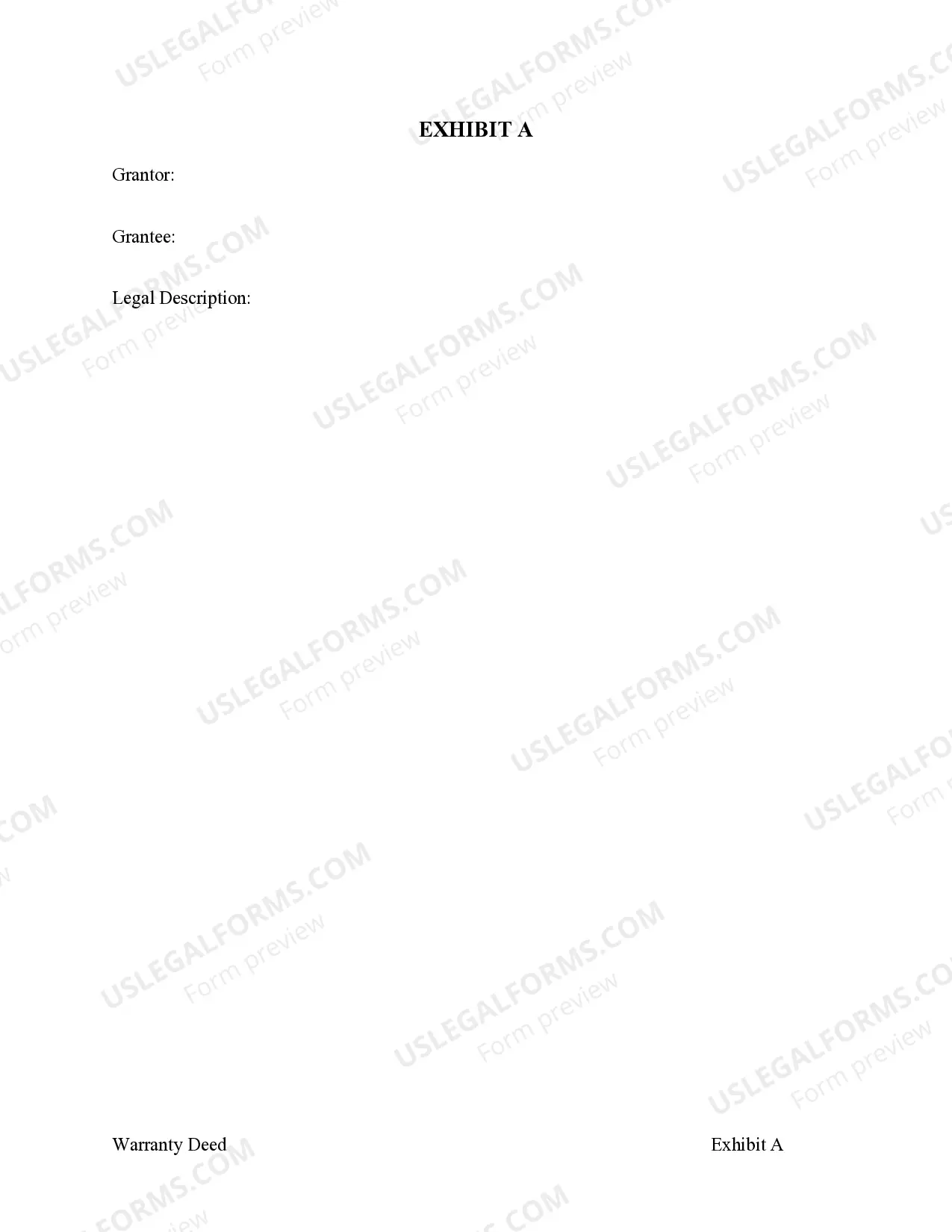
- Legal description of the property being transferred.
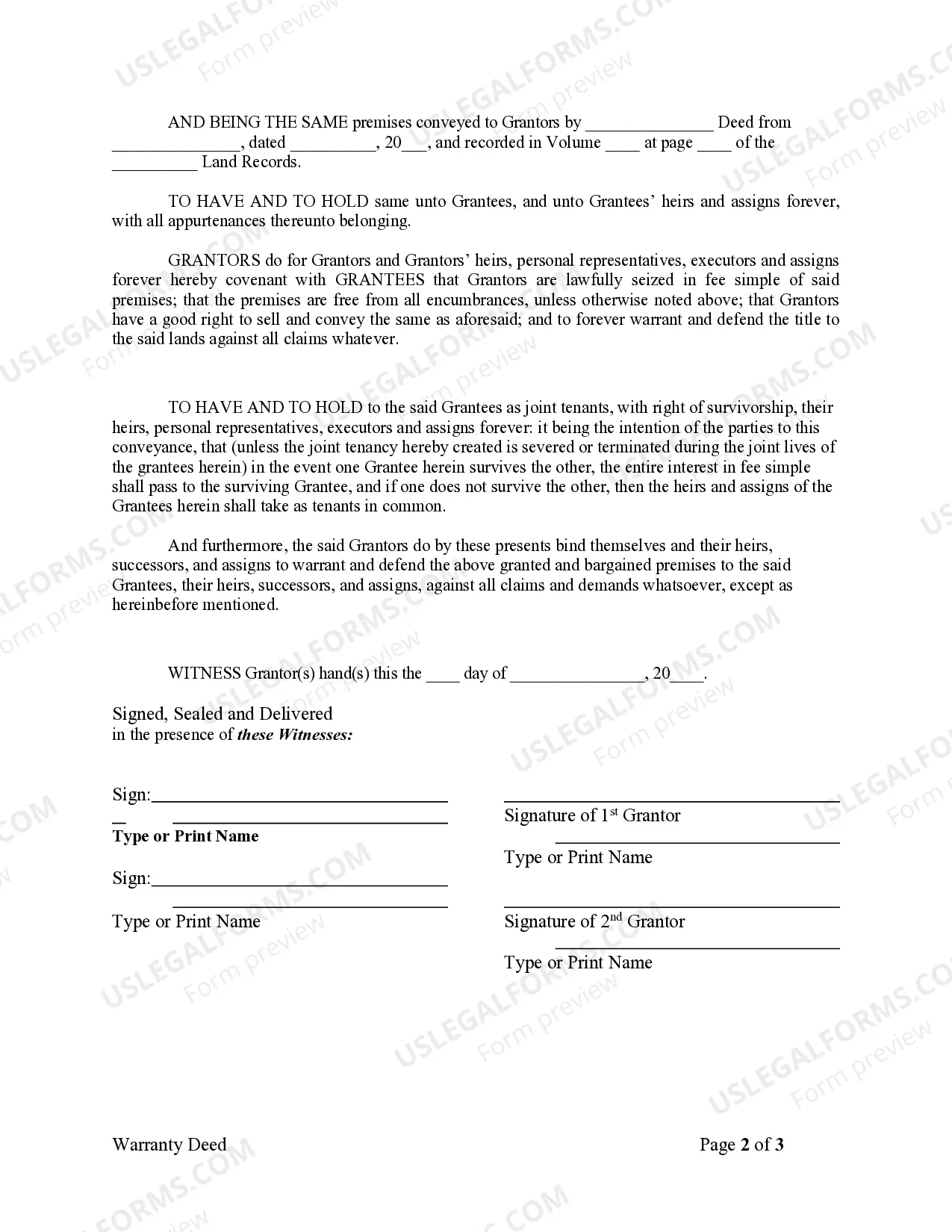
- Confirmation that the grantors are lawfully seized of the property and free from encumbrances.
- Provisions for joint tenancy and right of survivorship between grantees.
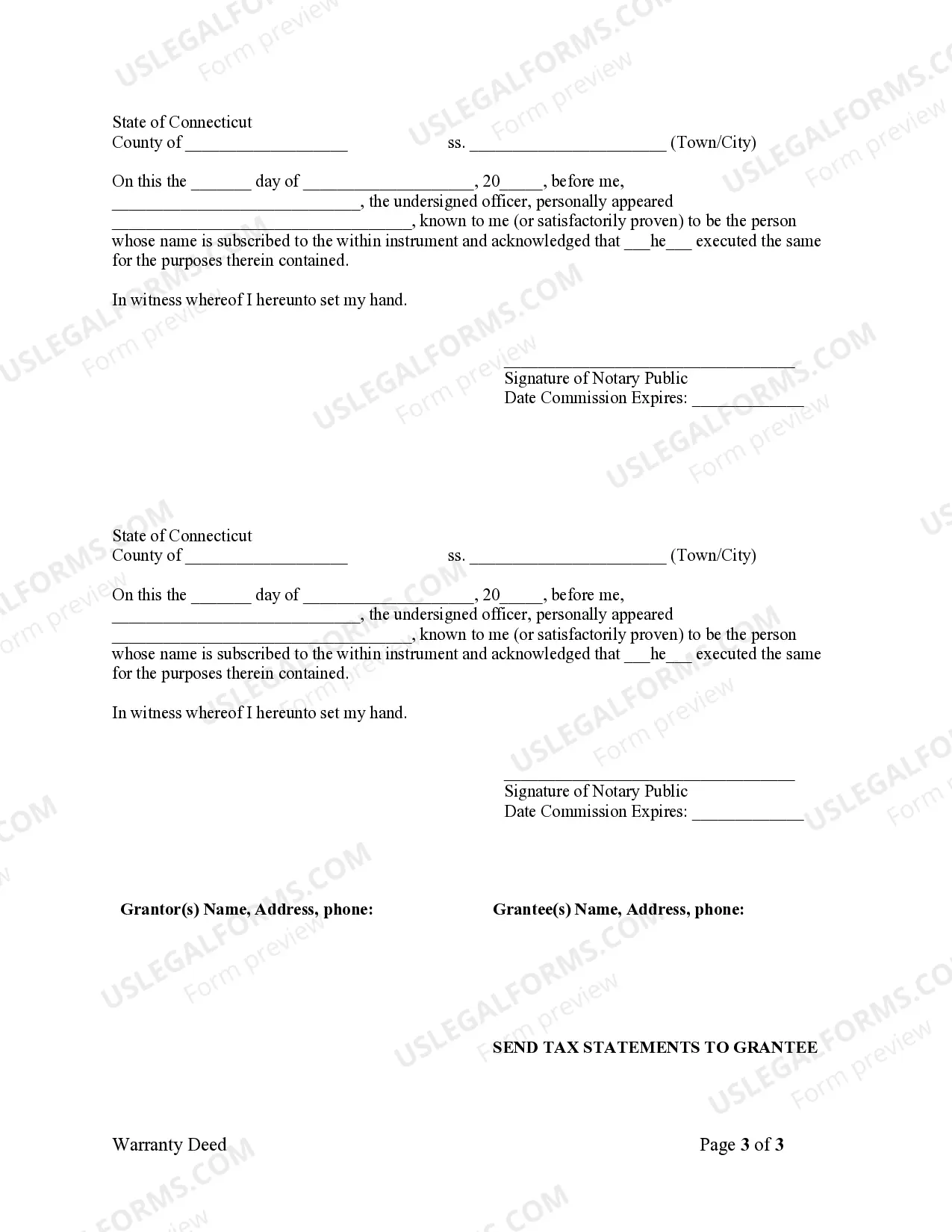
- Signatures of grantors and witnesses, along with a notary acknowledgment.



When to use this document
This form is appropriate when a married couple wishes to transfer property to themselves, ensuring that they both hold the title as joint tenants. It is commonly used in situations such as when spouses want to consolidate property ownership or enhance their estate planning by adding the right of survivorship.
Who needs this form
- Married couples looking to transfer property ownership to themselves.
- Spouses seeking to update their property titles as part of an estate planning strategy.
- Individuals who want to ensure that their surviving spouse retains ownership of assets upon their death.
Completing this form step by step
- Identify the grantors (husband and wife) and enter their names at the beginning of the form.
- Specify the grantees (also husband and wife) and confirm their names in the designated section.
- Provide a legal description of the property as detailed in Exhibit A.
- Fill in the date of the original deed from which the grantors derived their ownership.
- Have all parties sign the document in the presence of witnesses and a notary public.
Is notarization required?
This form must be notarized to be legally valid. US Legal Forms provides secure online notarization powered by Notarize, allowing you to complete the process through a verified video call.
Get your form ready online
Our built-in tools help you complete, sign, share, and store your documents in one place.
Make edits, fill in missing information, and update formatting in US Legal Forms—just like you would in MS Word.
Download a copy, print it, send it by email, or mail it via USPS—whatever works best for your next step.
Sign and collect signatures with our SignNow integration. Send to multiple recipients, set reminders, and more. Go Premium to unlock E-Sign.
If this form requires notarization, complete it online through a secure video call—no need to meet a notary in person or wait for an appointment.
We protect your documents and personal data by following strict security and privacy standards.

Make edits, fill in missing information, and update formatting in US Legal Forms—just like you would in MS Word.

Download a copy, print it, send it by email, or mail it via USPS—whatever works best for your next step.

Sign and collect signatures with our SignNow integration. Send to multiple recipients, set reminders, and more. Go Premium to unlock E-Sign.

If this form requires notarization, complete it online through a secure video call—no need to meet a notary in person or wait for an appointment.

We protect your documents and personal data by following strict security and privacy standards.
Common mistakes
- Failing to include the legal description of the property, which can render the deed incomplete.
- Not having the form notarized, if required by local laws.
- Using incorrect or outdated names for the grantors or grantees.
Benefits of completing this form online
- Convenience of accessing the form anytime, anywhere, with immediate downloads.
- Editability to customize the form based on specific needs.
- Reliable templates drafted by licensed attorneys, ensuring legal compliance.
Looking for another form?
Form popularity
FAQ
In New York, it is generally required for both parties to be present during the title transfer process. This ensures that both the grantor and grantee can agree to the terms and complete the Connecticut Warranty Deed from Husband and Wife to Husband and Wife properly. However, if one party cannot attend, legal representation can often step in to facilitate the transfer. It's crucial to verify this with local regulations for the most accurate guidance.
Filling out a Connecticut Warranty Deed from Husband and Wife to Husband and Wife involves several steps. Begin by clearly stating the names of both grantors and grantees, ensuring all spelling is correct. Next, describe the property in detail, including the address and any legal descriptions. Lastly, have both parties sign the deed and ensure it is notarized to make it valid.
If your wife is not on the deed, it can create complications regarding property rights. Without her name on the Connecticut Warranty Deed from Husband and Wife to Husband and Wife, she may not have a legal claim to the property. This situation could lead to disputes in the event of a separation or your passing. To clarify ownership and protect both parties, consider adding her to the deed through a legal process.
It is generally advisable to put your spouse on the deed if you own property together. By doing so, you establish joint ownership, which adds security and transparency to your financial and legal arrangements. Using a Connecticut Warranty Deed from Husband and Wife to Husband and Wife simplifies this process. If you have concerns about ownership, consulting a legal professional can provide additional insights.
A married couple should consider having both names on the deed after purchasing property. This ensures that both partners have an equal stake in the property. For a Connecticut Warranty Deed from Husband and Wife to Husband and Wife, joint ownership provides security and clarity. Moreover, it helps facilitate the transfer of property rights in the event of a divorce or death.
Yes, both spouses should ideally be on the deed, especially when owning property together. Including both names in the Connecticut Warranty Deed from Husband and Wife to Husband and Wife clarifies ownership and protects each party's rights. By doing so, you can prevent potential disputes in the future. Furthermore, this approach can simplify the estate planning process.
To transfer ownership from husband to wife, you can execute a Connecticut Warranty Deed from Husband and Wife to Husband and Wife. This process involves completing the deed form accurately and filing it with the local registry of deeds. It is important to ensure that the deed clearly states the intention to transfer ownership. Additionally, seeking legal advice can help ensure all necessary legalities are followed.
You can add your spouse to the deed without refinancing by drafting a Connecticut Warranty Deed from Husband and Wife to Husband and Wife that includes both names. This can be achieved simply by creating a new deed, which must be signed and notarized. Afterward, file the deed with the local land records office. Platforms like USLegalForms can provide the necessary forms and instructions to streamline this process for you.
While it is not strictly necessary to hire a lawyer to add someone to a deed, doing so can provide you with valuable legal guidance. The process involves understanding local laws and ensuring the deed is properly executed. If you're unsure, using resources like USLegalForms can help you navigate this situation confidently. Thus, you can ensure that your Connecticut Warranty Deed from Husband and Wife to Husband and Wife is legally sound.
To transfer property with a Connecticut Warranty Deed from Husband and Wife to Husband and Wife, first prepare the warranty deed document. Ensure all parties sign the deed in front of a notary. Next, file the deed with the appropriate local government office to update the property records. USLegalForms provides templates and guidance to make this process easier for homeowners.