Colorado Foreign Judgment Enrollment
What is this form?
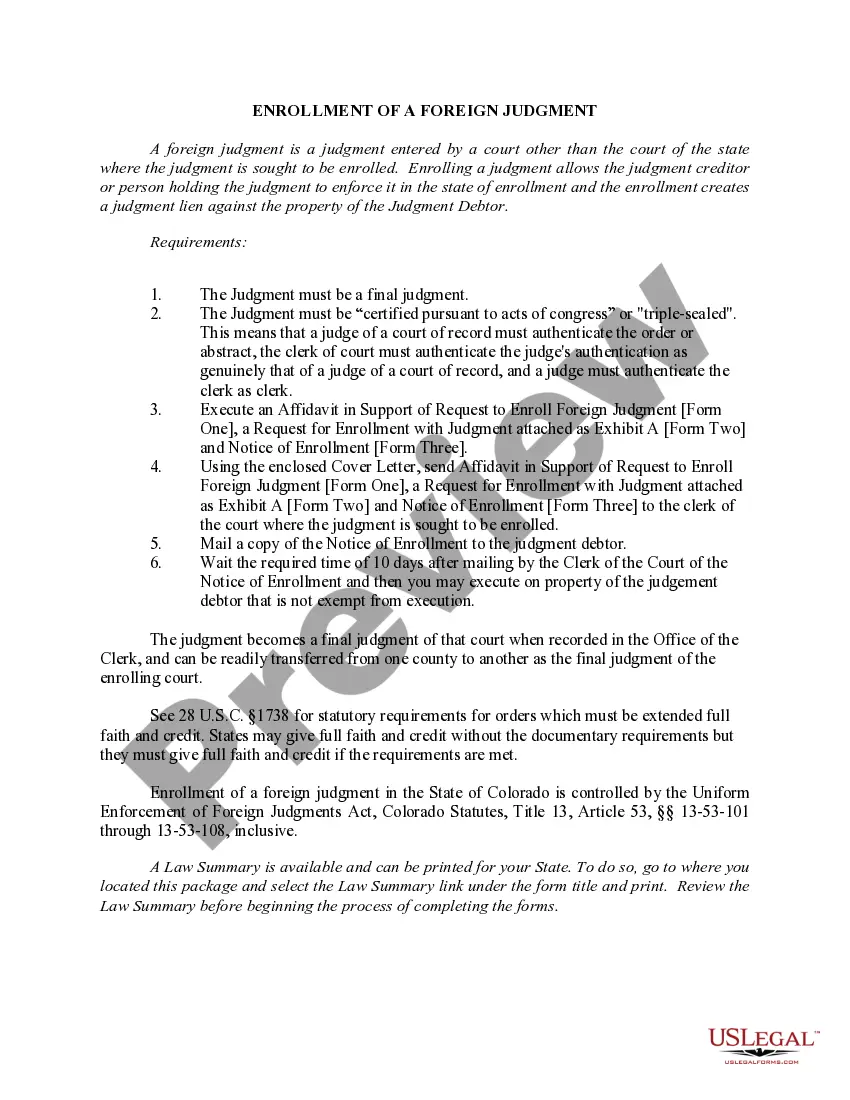
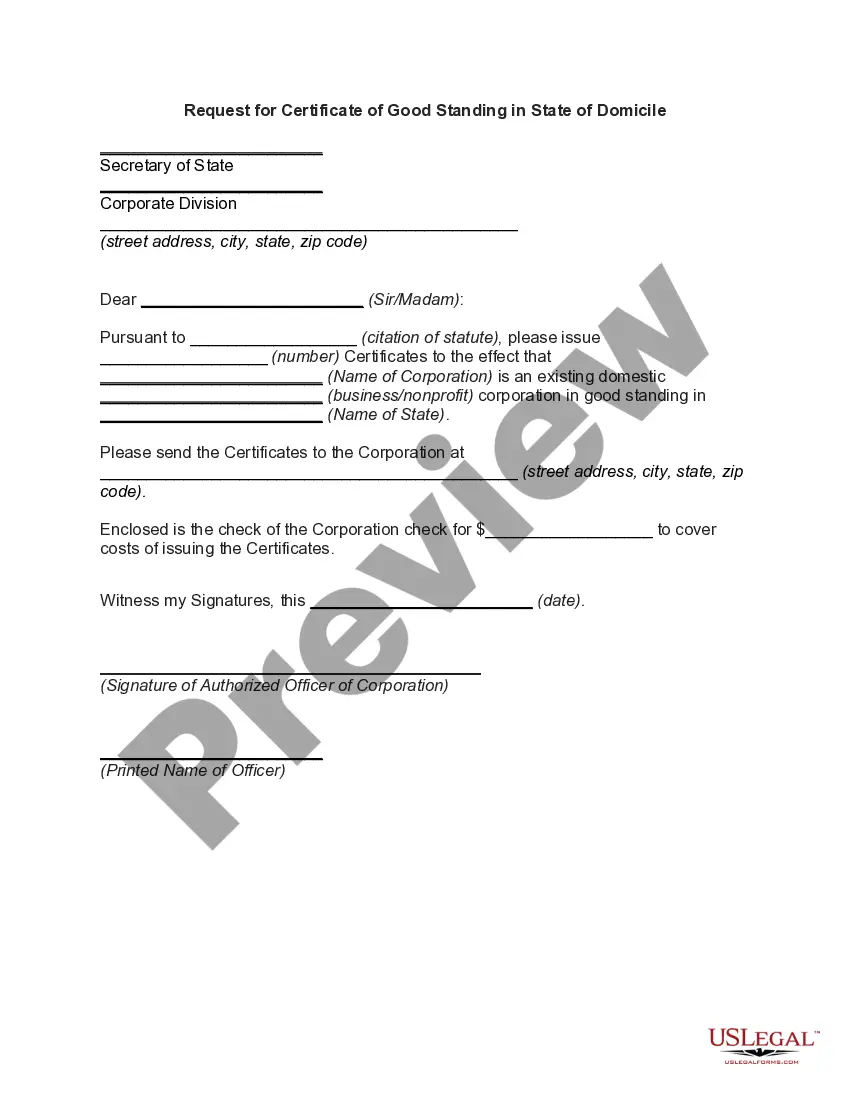
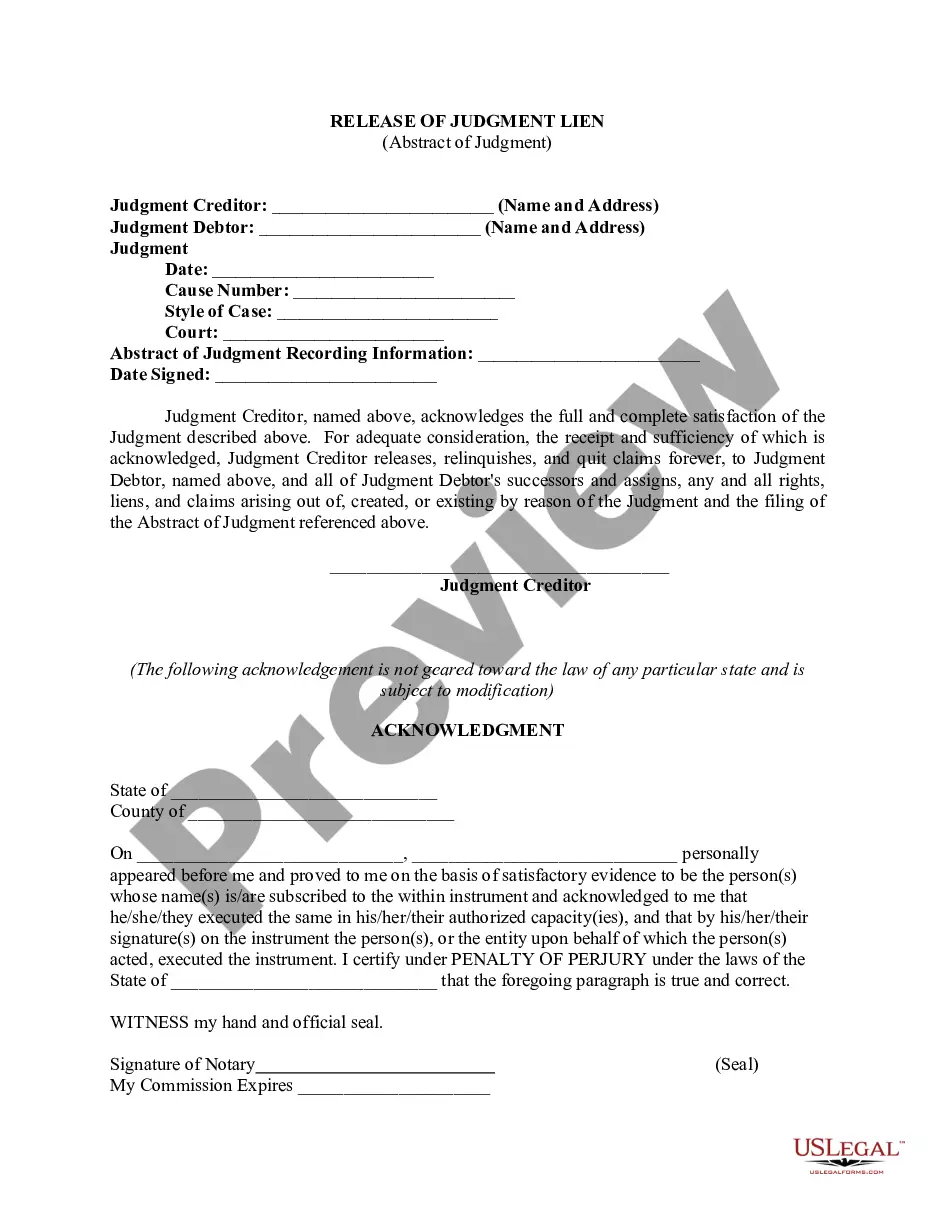
The Colorado Foreign Judgment Enrollment form is a legal document used to enroll a judgment from another state within Colorado. This form allows judgment creditors to enforce a foreign judgment in Colorado, establishing a lien against the property of the judgment debtor. Unlike general judgment forms, this specific enrollment process adheres to the Colorado Uniform Enforcement of Foreign Judgments Act, ensuring that the foreign judgment is recognized and enforceable within this jurisdiction.
Key parts of this document
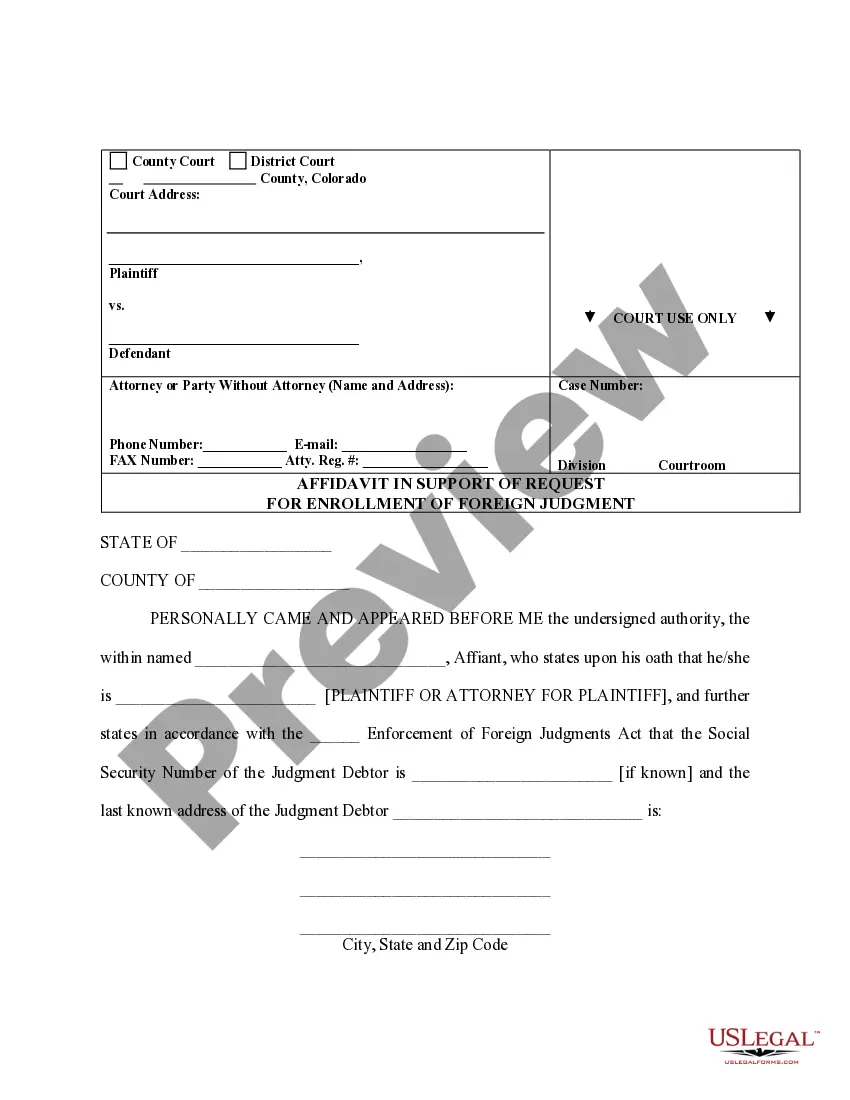
- A completed affidavit in support of the request to enroll the foreign judgment.
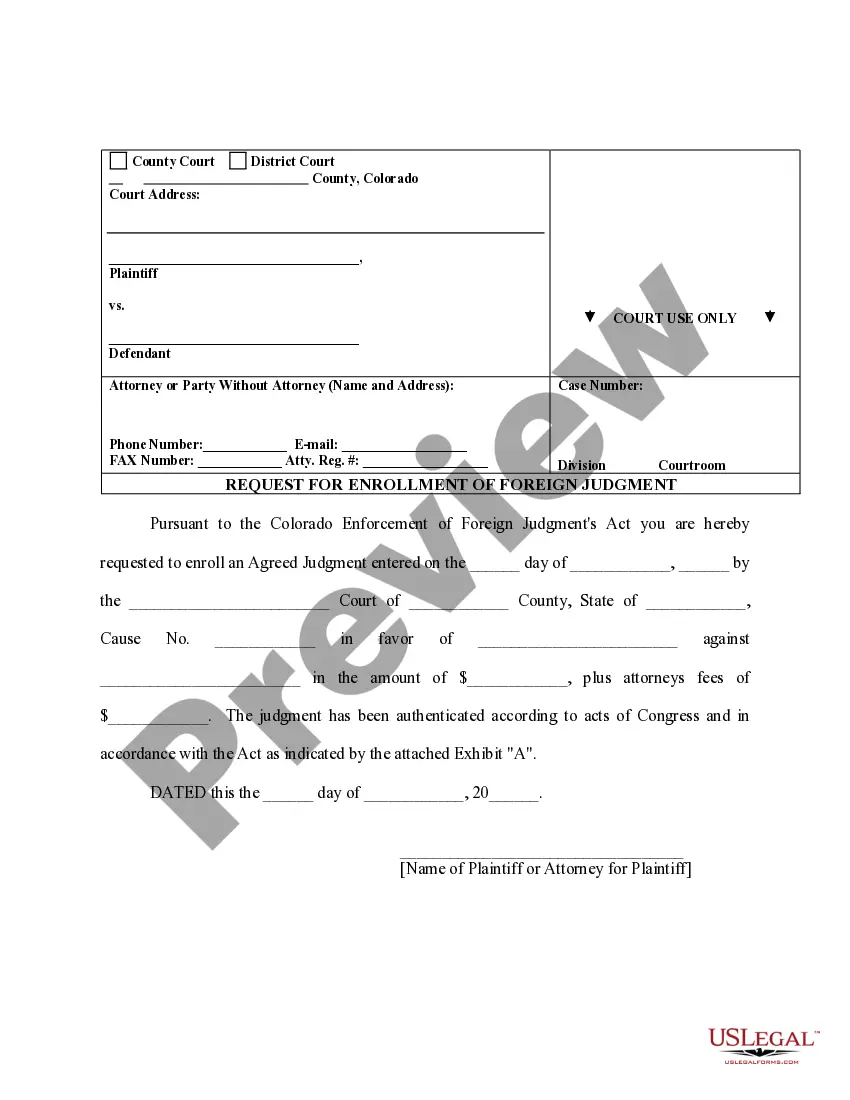
- Request for enrollment form that includes the judgment details as an attached exhibit.
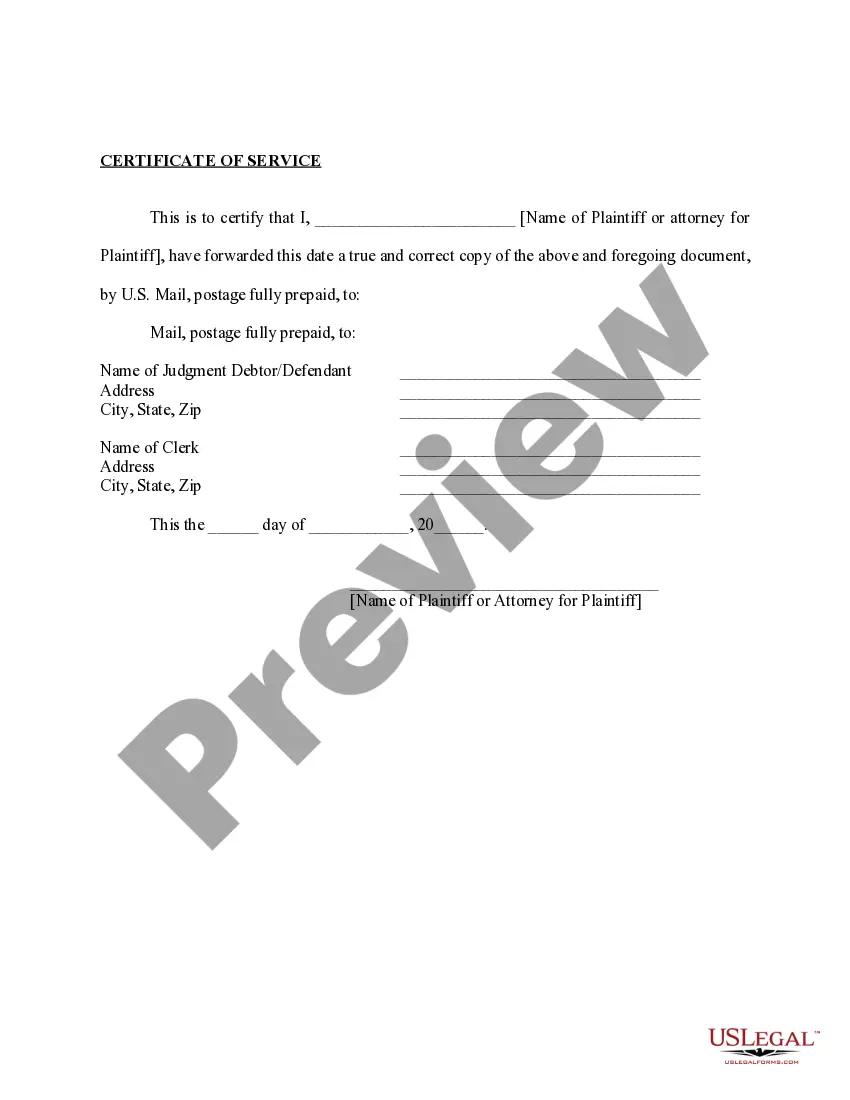
- Notice of enrollment to inform all parties involved of the judgment enrollment.
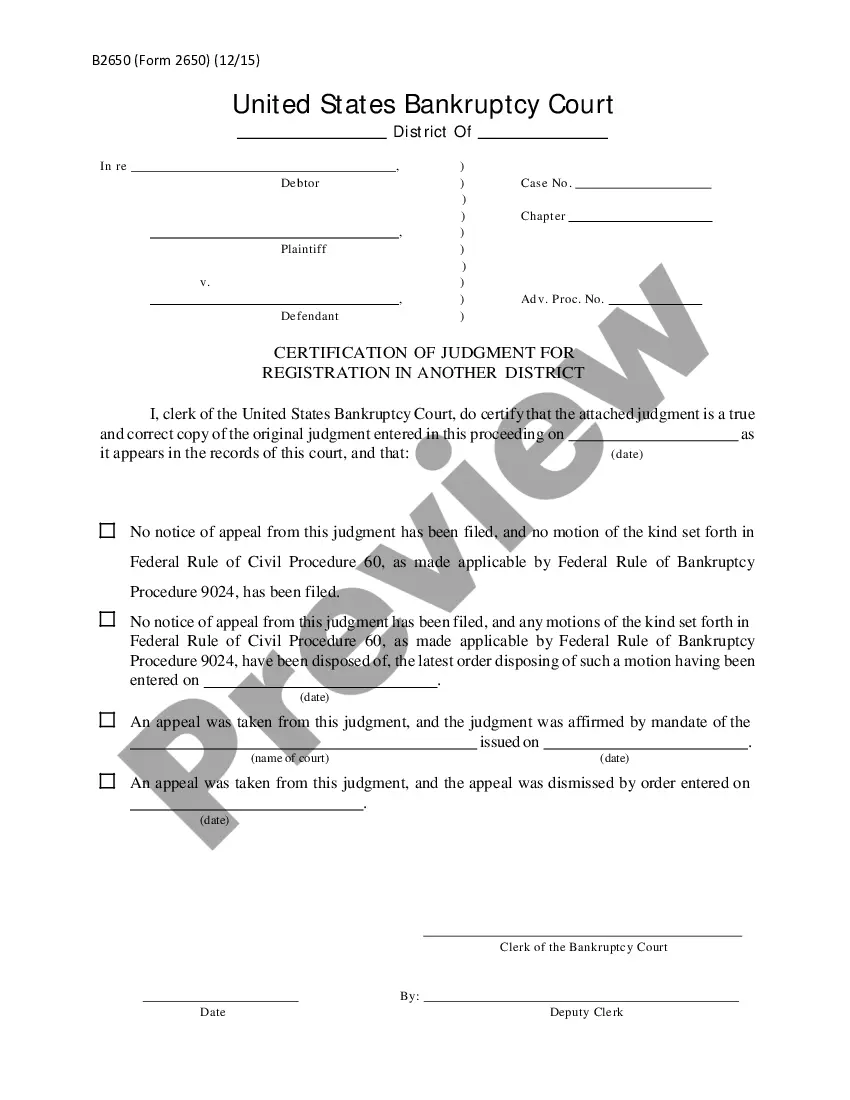
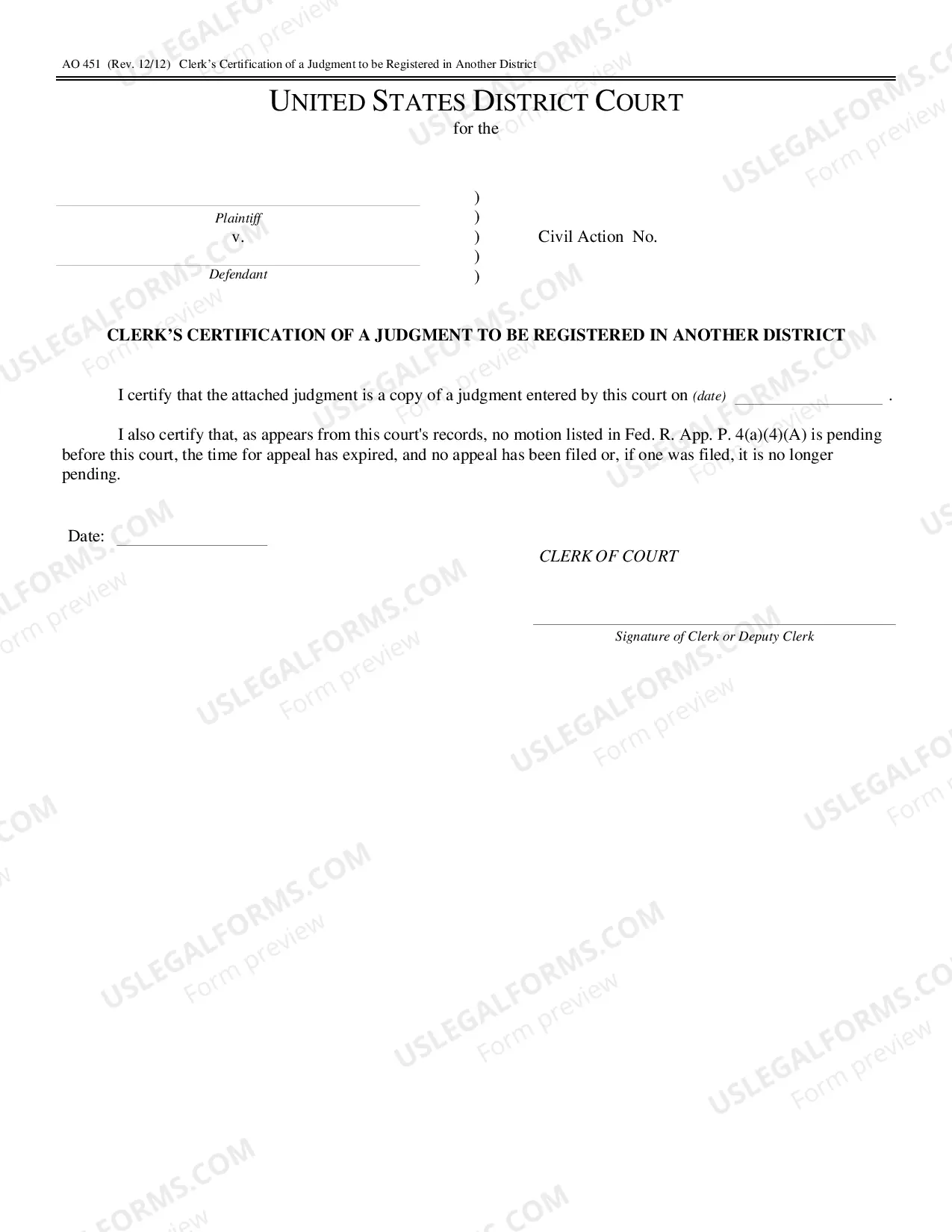
- Specific requirements for obtaining a final judgment certification.
- Instructions for mailing the forms to the appropriate court.




When to use this document
This form should be used when you have a final judgment from a court outside of Colorado that you need to uphold within Colorado. It is essential if you wish to enforce that judgment against a debtor's property in the state. Examples include situations where you are trying to collect a debt, or recover damages awarded to you by a court in another state.
Who this form is for
This form is intended for:
- Individuals or entities who hold a foreign judgment from another state.
- Attorneys representing clients with foreign judgments.
- Judgment creditors who need to enforce a court-ordered payment in Colorado.
Completing this form step by step
- Obtain a certified copy of the foreign judgment from the original court.
- Complete the affidavit in support of your request, providing necessary debtor information.
- Fill out the request for enrollment form, making sure to attach the foreign judgment as an exhibit.
- Mail the completed forms to the clerk of the court where you wish to enroll the judgment, alongside any required fees.
- Send a copy of the notice of enrollment to the judgment debtor to inform them of the enrollment.
Notarization guidance
Yes, this form must be notarized to be legally valid. This ensures the authenticity of signatures on the affidavit and other documents required for enrollment. US Legal Forms offers integrated online notarization, providing a secure video call experience, available 24/7, so you can complete this process without needing to travel to a notary public.
Get your form ready online
Our built-in tools help you complete, sign, share, and store your documents in one place.
Make edits, fill in missing information, and update formatting in US Legal Forms—just like you would in MS Word.
Download a copy, print it, send it by email, or mail it via USPS—whatever works best for your next step.
Sign and collect signatures with our SignNow integration. Send to multiple recipients, set reminders, and more. Go Premium to unlock E-Sign.
If this form requires notarization, complete it online through a secure video call—no need to meet a notary in person or wait for an appointment.
We protect your documents and personal data by following strict security and privacy standards.

Make edits, fill in missing information, and update formatting in US Legal Forms—just like you would in MS Word.

Download a copy, print it, send it by email, or mail it via USPS—whatever works best for your next step.

Sign and collect signatures with our SignNow integration. Send to multiple recipients, set reminders, and more. Go Premium to unlock E-Sign.

If this form requires notarization, complete it online through a secure video call—no need to meet a notary in person or wait for an appointment.

We protect your documents and personal data by following strict security and privacy standards.
Mistakes to watch out for
- Failing to obtain a certified copy of the foreign judgment.
- Not including the required exhibits with the request for enrollment.
- Omitting key information in the affidavit, such as the debtor's last known address.
- Failing to send the notice of enrollment to the judgment debtor.
Benefits of using this form online
- Convenience of completing the form at your own pace without the need for in-person visits.
- Editability, allowing corrections or updates before final submission.
- Access to attorney-drafted forms ensuring they meet legal standards.
- Easy downloads that enable immediate printing once completed.
- The enrolled judgment must be a final judgment that has been certified appropriately.
- It becomes enforceable once filed in Colorado courts and after all notifications to the debtor are completed.
- Judgment creditors must ensure they follow state rules for enforcement actions to avoid complications.
Quick recap
- The Colorado Foreign Judgment Enrollment form is crucial for enforcing out-of-state judgments.
- Proper completion and filing are required to create a judgment lien in Colorado.
- Understanding the legal requirements and potential filing errors can streamline the enrollment process.
Looking for another form?

Form popularity
FAQ
In Colorado, a judgment remains valid for six years from the date of entry. After this period, the creditor may not enforce the judgment unless they renew it through the proper legal channels. This is important for those considering Colorado Foreign Judgment Enrollment, as it helps you understand the lifespan of your judgment in this state. Ensuring your judgment is enforced within this timeframe can protect your rights and recovery efforts.
Certain assets are protected from seizure under Colorado law, including most retirement accounts, necessary household goods, and personal items necessary for daily life. Understanding these exemptions is crucial when facing Colorado Foreign Judgment Enrollment, as it helps you identify which assets remain safe. For instance, equity in your primary residence often rests beneath specific thresholds. To fully grasp your protections, reach out to a legal professional who can clarify the nuances.
In Colorado, various assets can be subject to seizure through a judgment, including bank accounts, real estate, and vehicles. If you undergo Colorado Foreign Judgment Enrollment, recognizing these potential liabilities is essential for safeguarding your assets. Certain financial products, such as stocks and bonds, may also be vulnerable to seizure. Always explore exemptions and consult a legal expert to ensure proper protection.
Recognition refers to a court's acknowledgment of a foreign judgment, confirming its validity without taking any action to enforce it. In contrast, enforcement involves the actual implementation of a foreign judgment through legal means, such as asset seizure. Understanding this distinction is vital when navigating Colorado Foreign Judgment Enrollment, as both processes may affect your assets differently. Ensure you consult a knowledgeable legal professional to guide you through these steps.
In Colorado, a judgment can lead to the seizure of various personal properties such as bank accounts, vehicles, and certain valuable items. When pursuing Colorado Foreign Judgment Enrollment, it's crucial to know that creditors may claim assets that are non-exempt under state law. However, essential items like clothing, household goods, and certain retirement accounts typically remain protected. Always review your specific circumstances to understand what may be at stake.
To domesticate a foreign judgment means to recognize and convert it into a judgment that is enforceable within the jurisdiction of a US court. This process typically includes verifying that the original judgment complies with local laws and regulations. By using Colorado Foreign Judgment Enrollment, you simplify the domestication process, ensuring that your judgment is upheld and can be enforced effectively.
Enforcing a foreign judgment in US courts involves filing a motion for recognition of that judgment. Each state may have its own rules about how to do this, so it's important to understand the specific requirements. Colorado Foreign Judgment Enrollment can provide the necessary tools and expertise to navigate the legal landscape efficiently.
Yes, overseas debt can be enforced in the US, but it typically involves a legal process to recognize the foreign judgment here. You will need to present the judgment to a US court to determine its enforceability. With Colorado Foreign Judgment Enrollment, you gain access to professional assistance that helps simplify this often complex procedure.
Transferring a judgment to another state requires you to domesticate it in the new location. You must file the original judgment proof with the court in the new state and follow that state’s specific requirements. Utilizing Colorado Foreign Judgment Enrollment ensures that you comply with all legal protocols needed for a successful transfer.
To enforce a foreign judgment in the US, you typically need to file a petition in the appropriate state court where you seek enforcement. This process often involves demonstrating that the judgment is valid and meets certain legal standards. Colorado Foreign Judgment Enrollment can help streamline this process by providing necessary documentation and guidance tailored to your situation.