Colorado Postnuptial Property Agreement
What is this form?
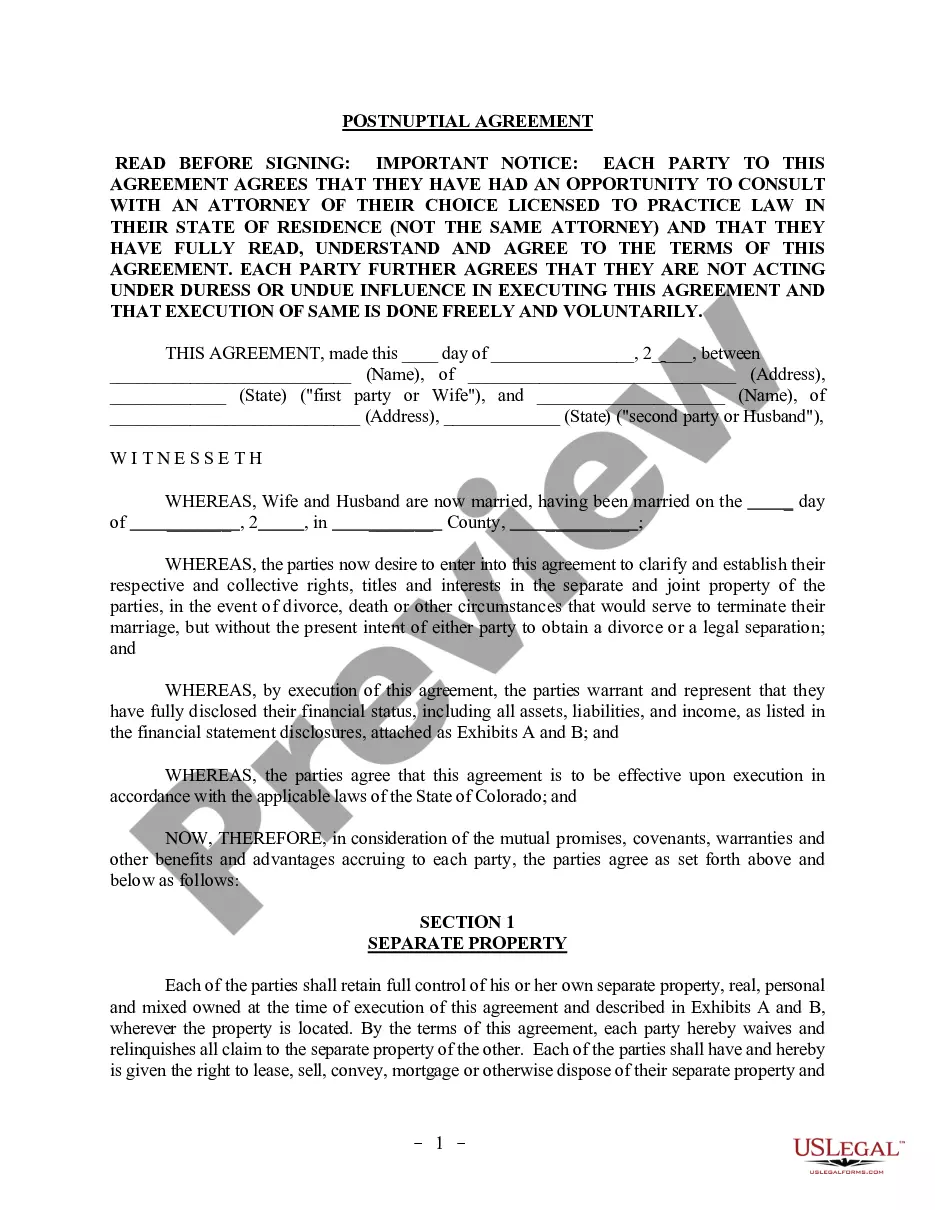
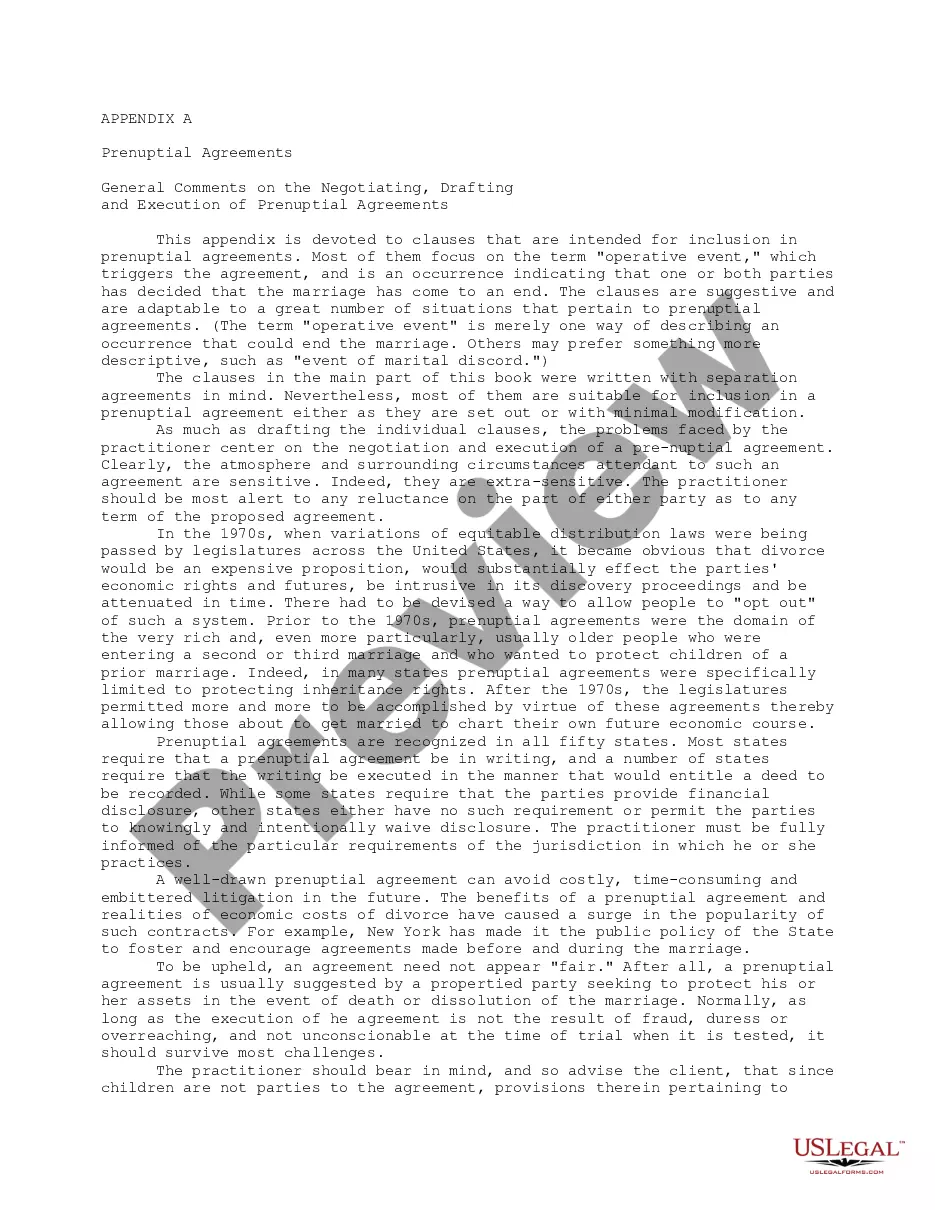
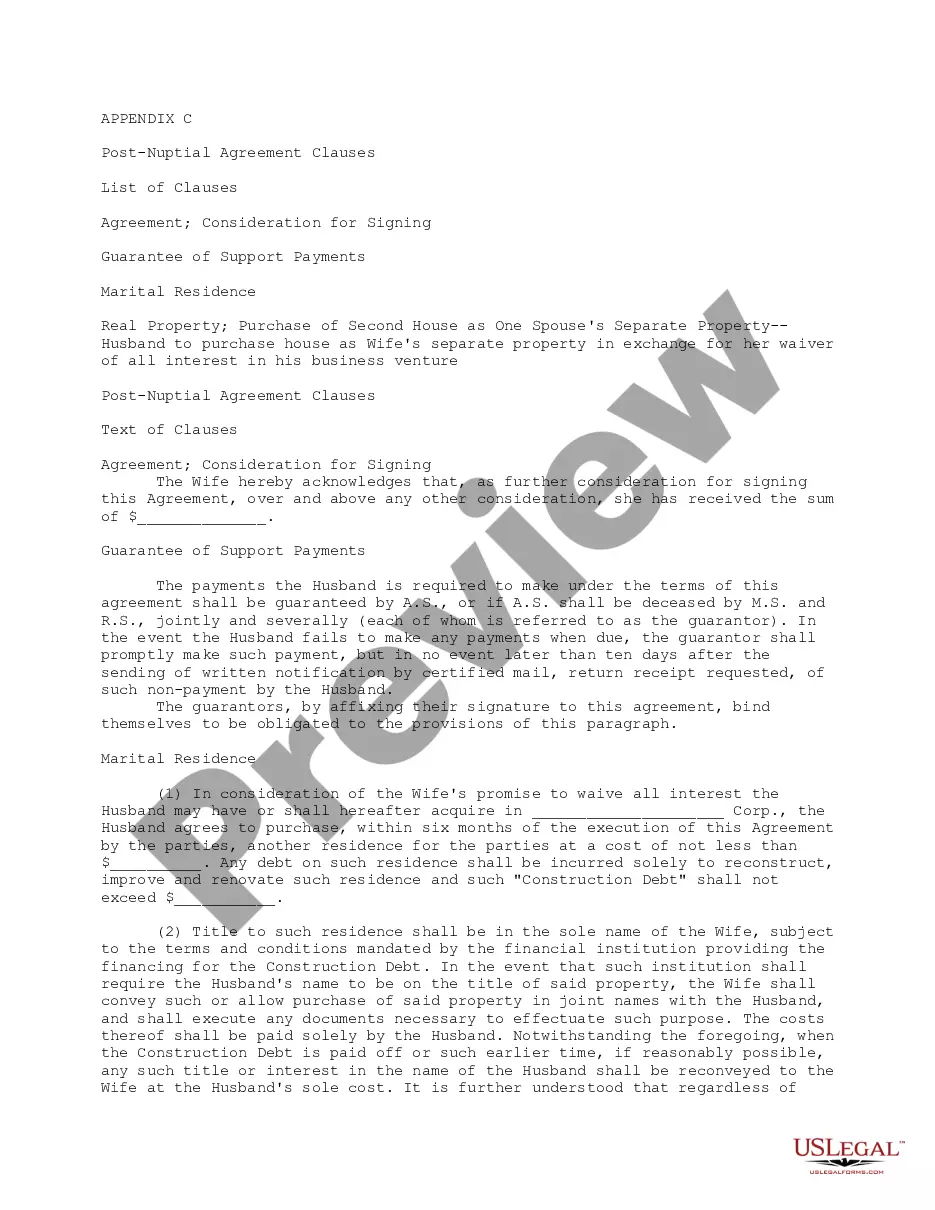
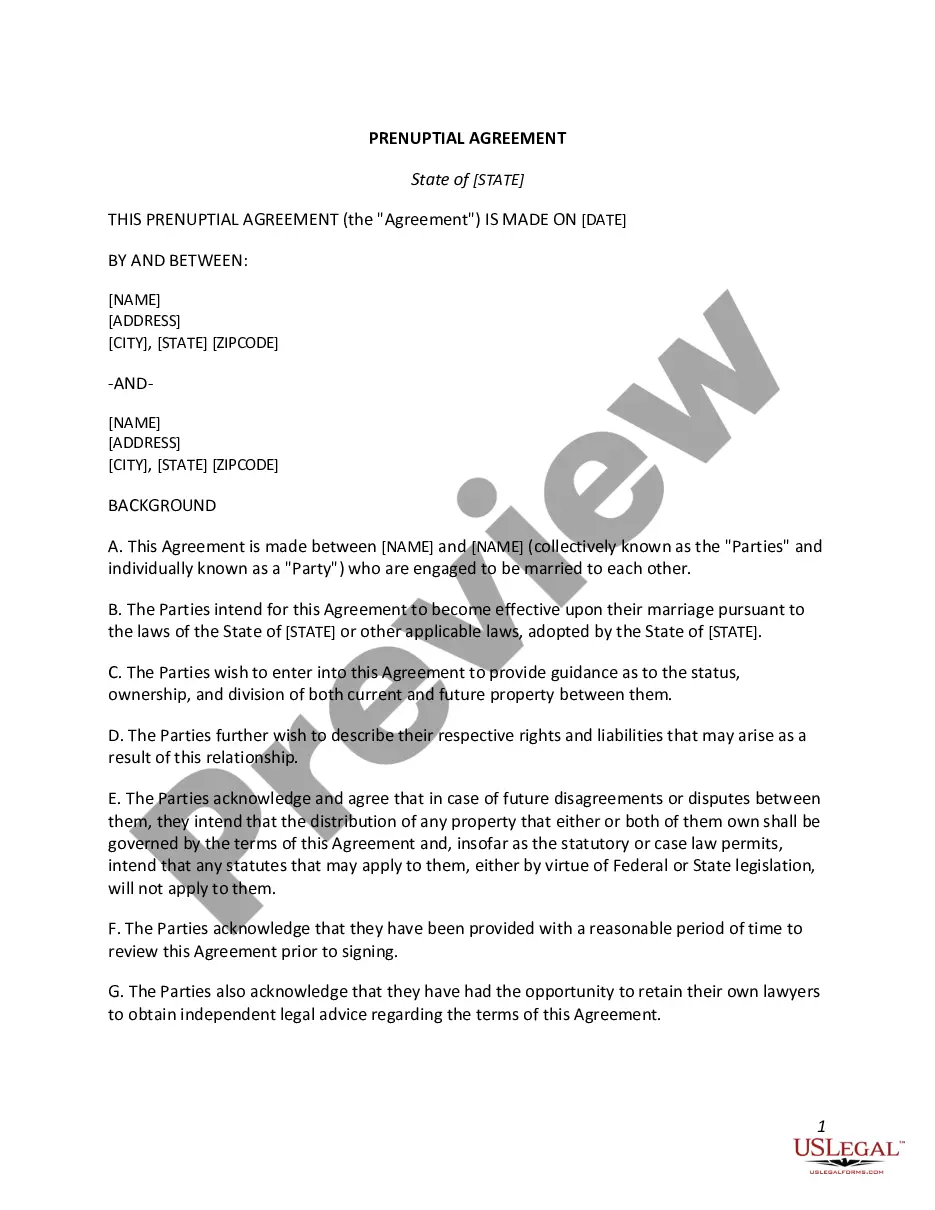
A postnuptial property agreement is a legal document that outlines the rights and responsibilities of spouses regarding their individual and shared properties after marriage. This agreement is different from a prenuptial agreement, which is made before marriage. The purpose of the postnuptial property agreement is to provide clarity and stability in property ownership and distribution, especially in the event of divorce or separation.
What’s included in this form
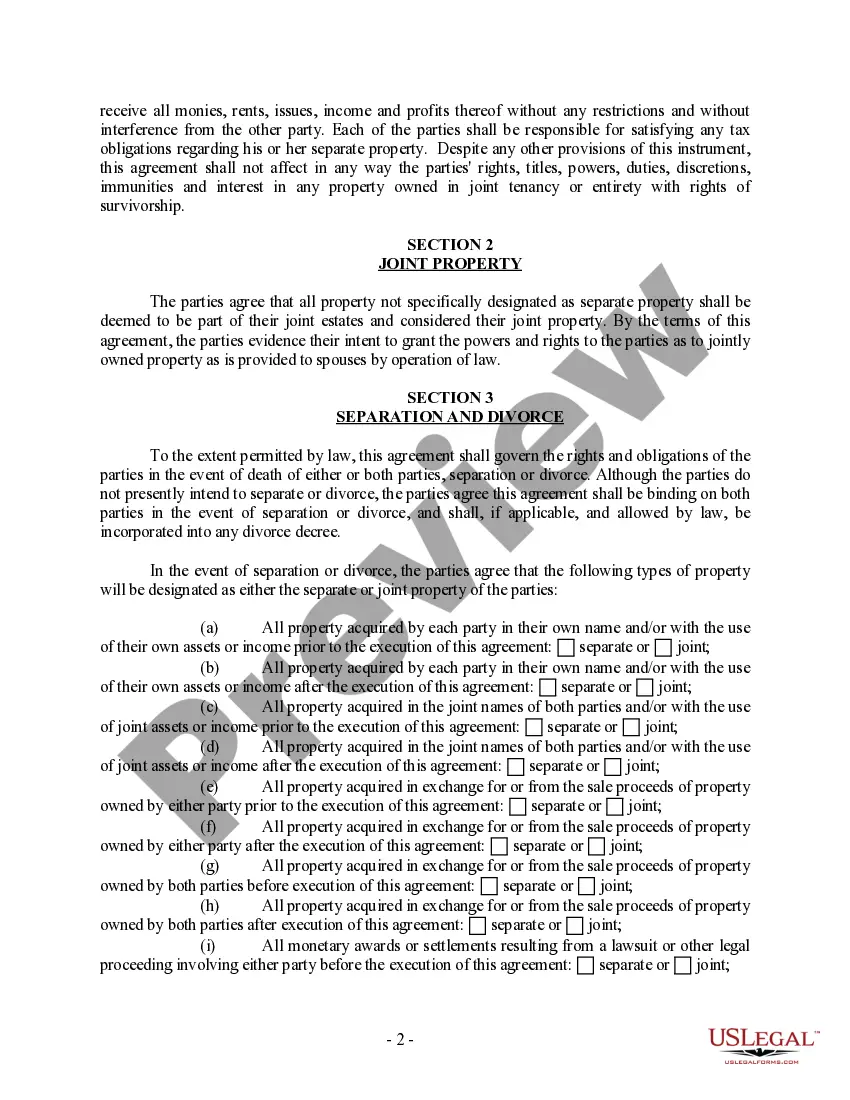
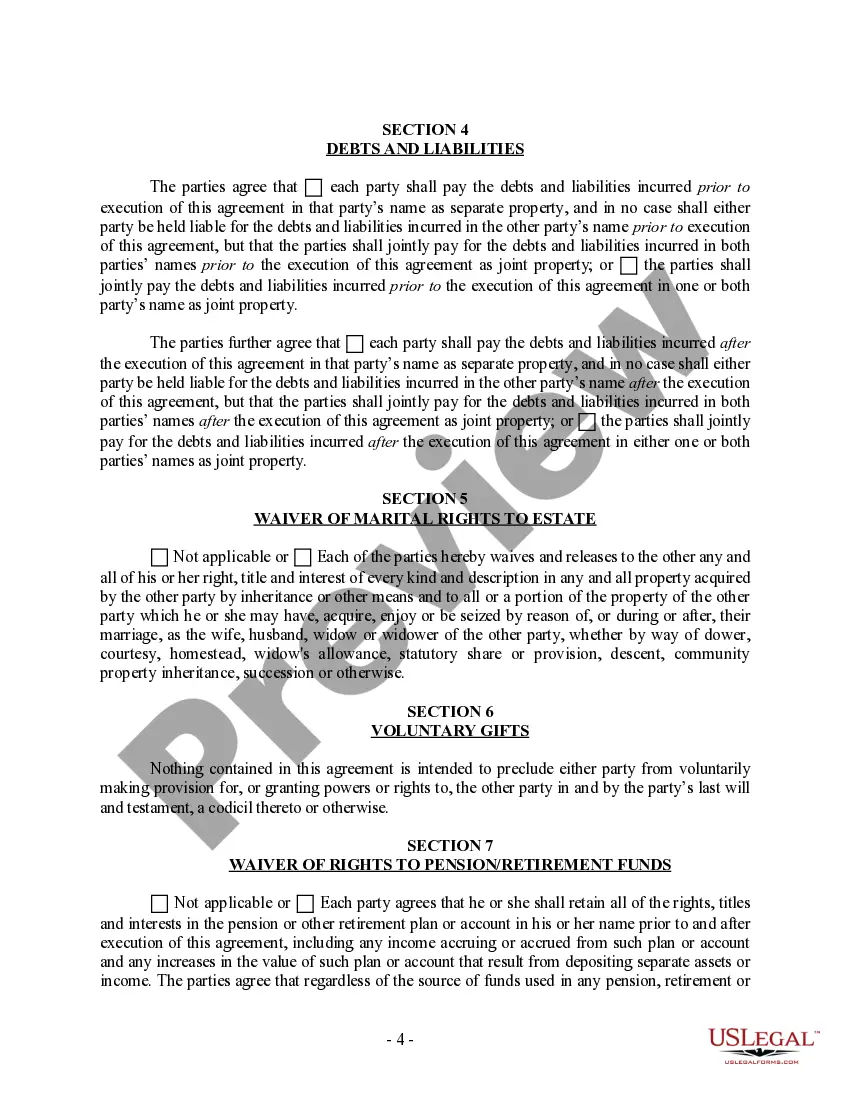
- Definition of separate property retained by each party.
- Specification of joint property owned by both parties.
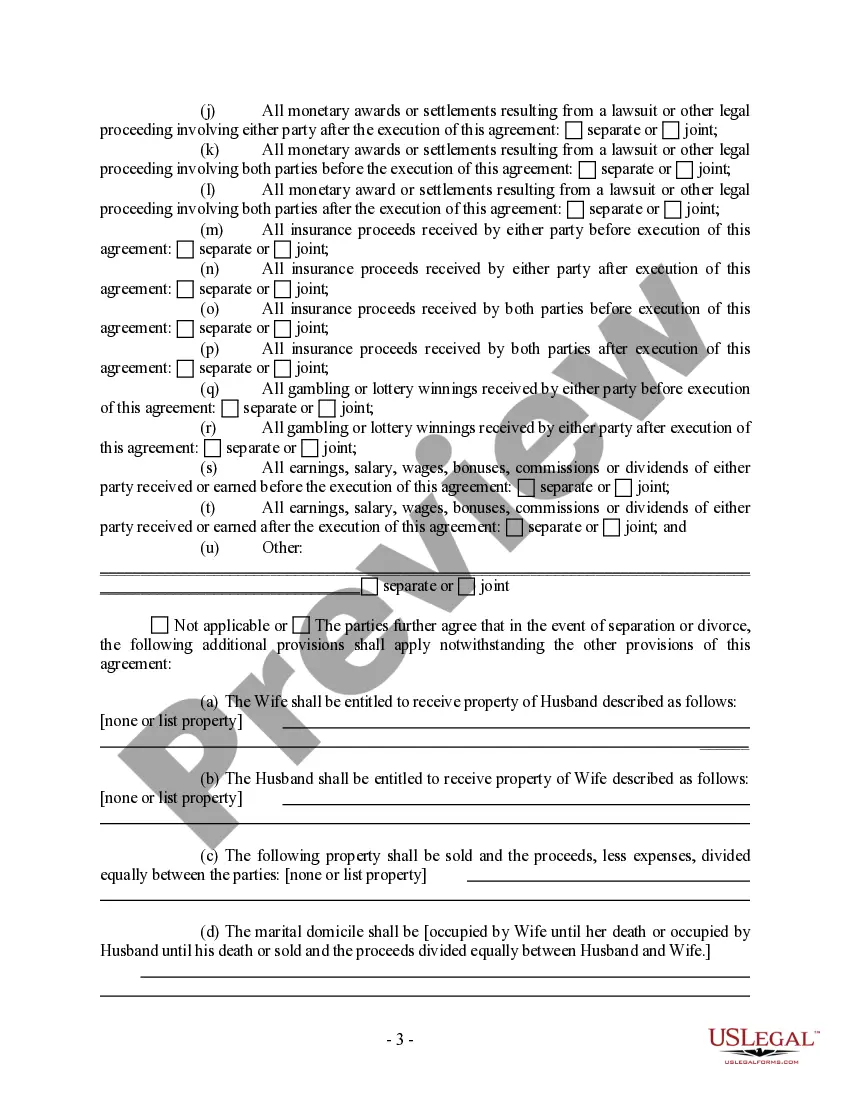
- Provisions regarding property rights in the case of separation or divorce.
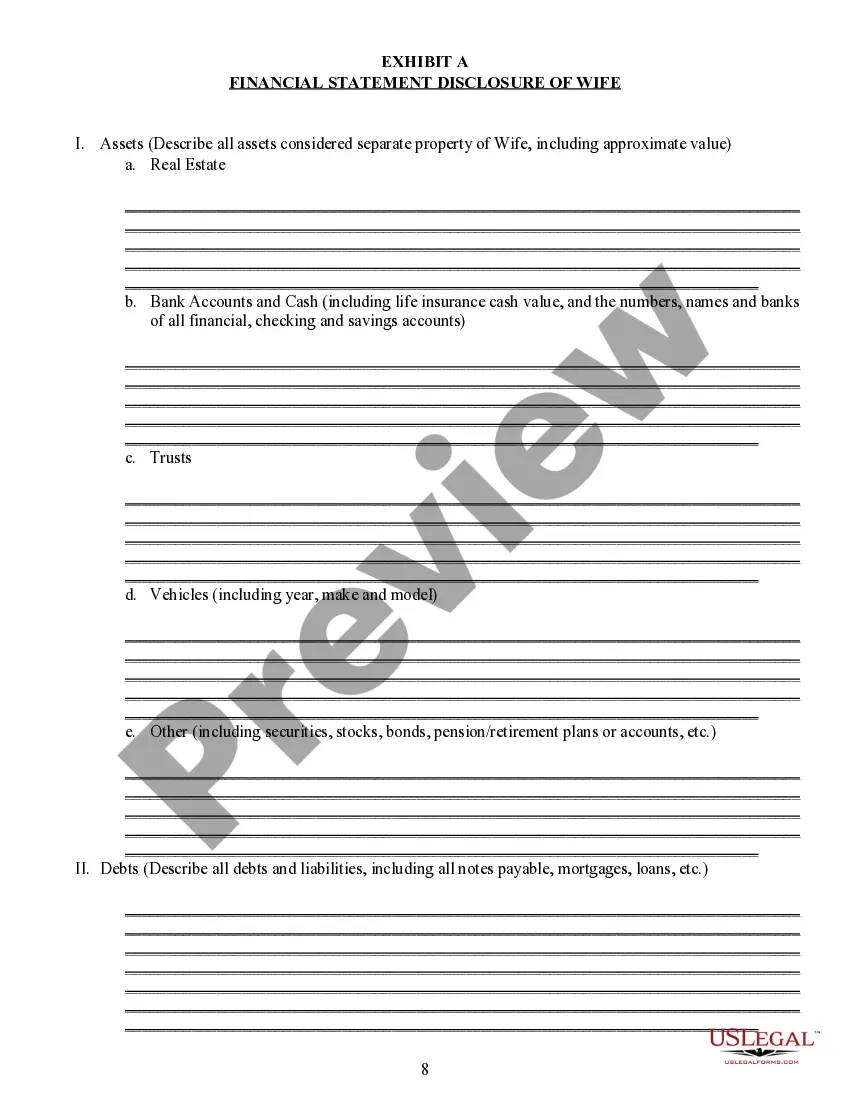
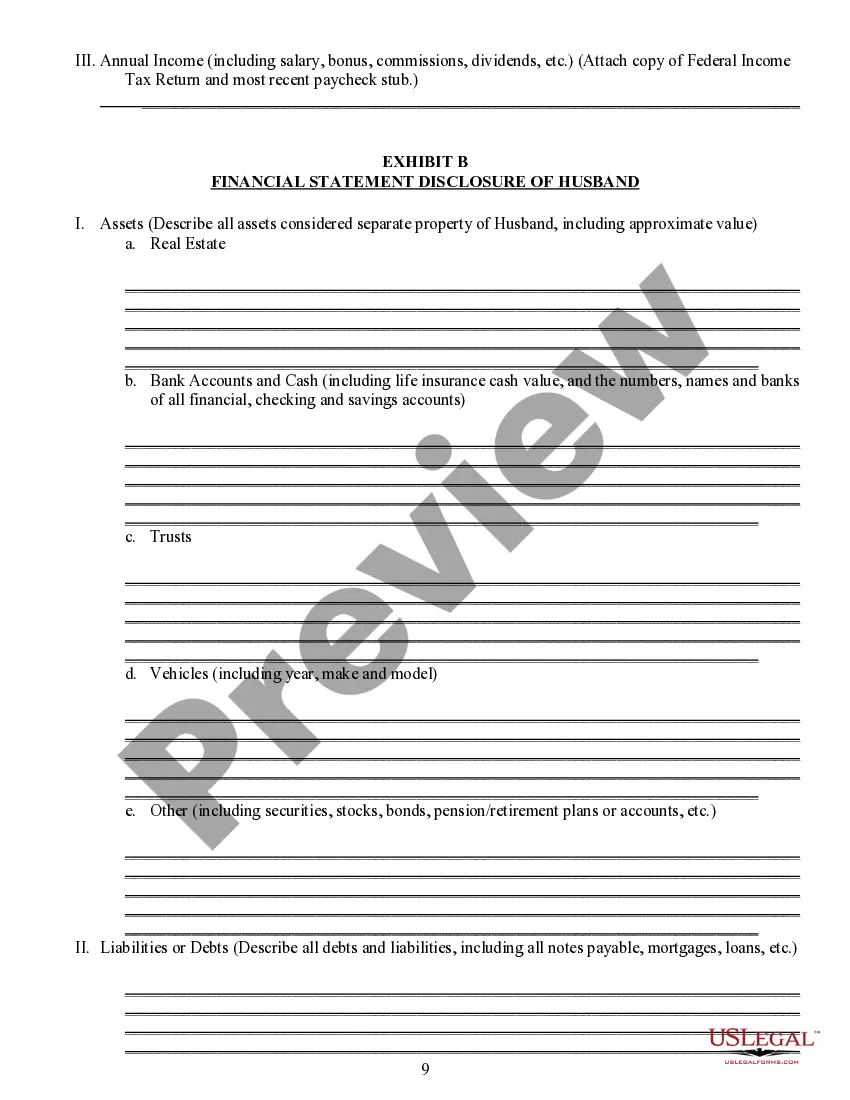
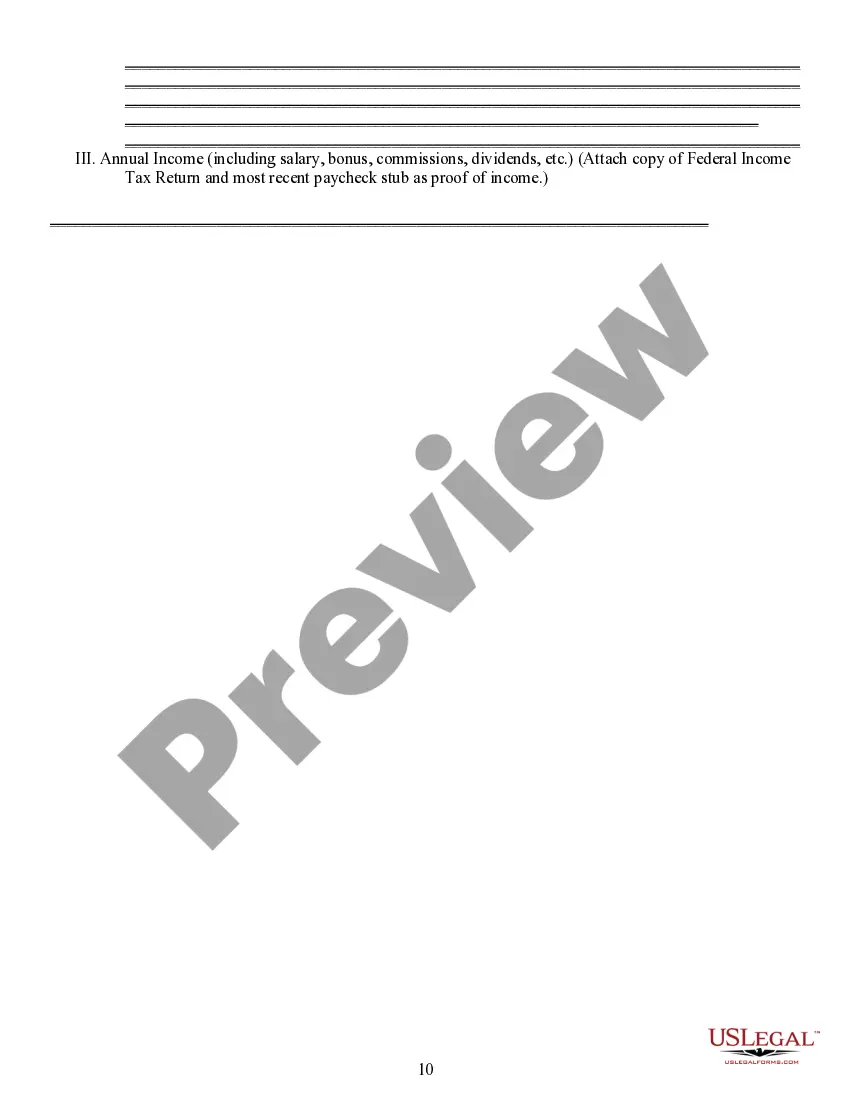
- Financial disclosure requirements for both parties.
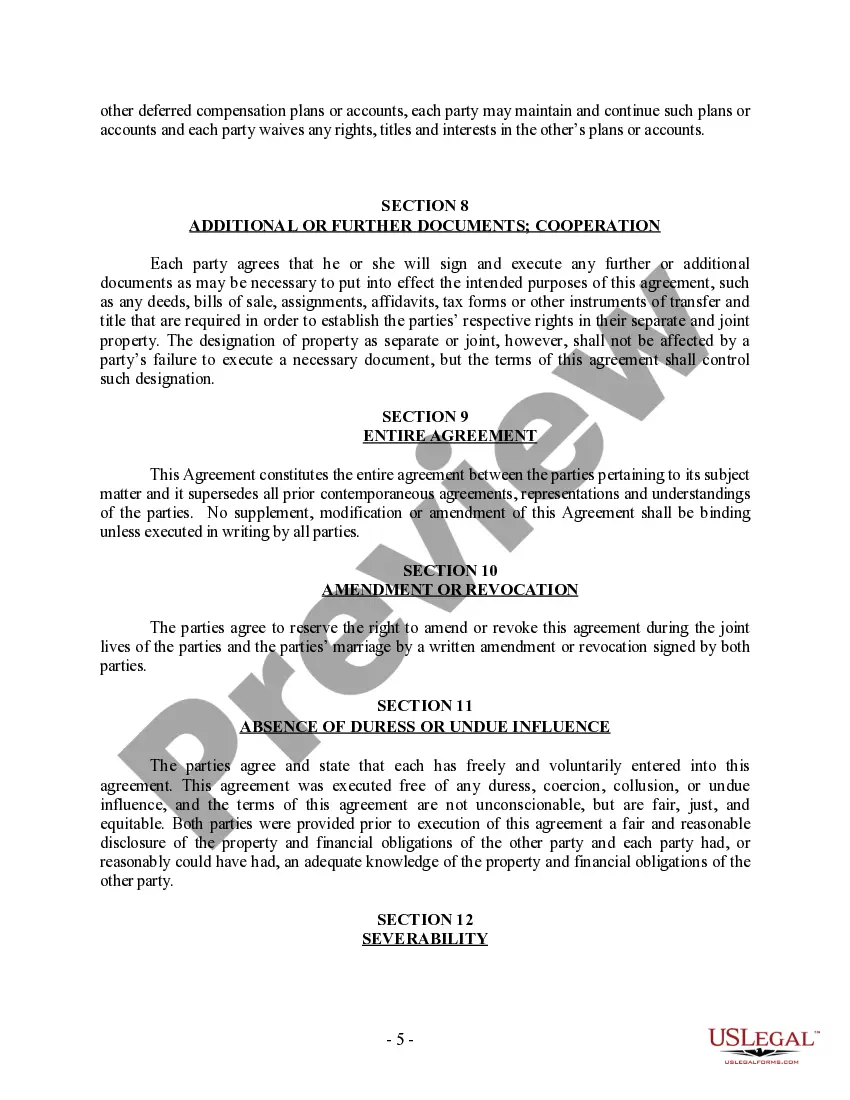
- Waiver of rights to inherit from the other party.
- Procedures for amending or revoking the agreement.
When to use this form
This form should be used by married couples who wish to clarify their property rights and responsibilities after marriage. It is particularly useful when couples acquire significant assets during their marriage, wish to protect individual assets, or plan for future events such as separation or divorce. Additionally, this agreement can provide peace of mind regarding financial arrangements and asset distribution in case of unforeseen circumstances.
Intended users of this form
- Married couples seeking to define property rights post-marriage.
- Couples who have acquired significant assets and want to protect them.
- Spouses wanting clarity about joint and individual property.
- Couples considering separation or divorce who wish to streamline asset division.
How to prepare this document
- Identify the parties involved in the agreement (husband and wife).
- Complete the financial disclosure sections, detailing assets and liabilities.
- Specify which properties are to be classified as separate and which as joint.
- Include any additional provisions regarding division of property upon divorce or separation.
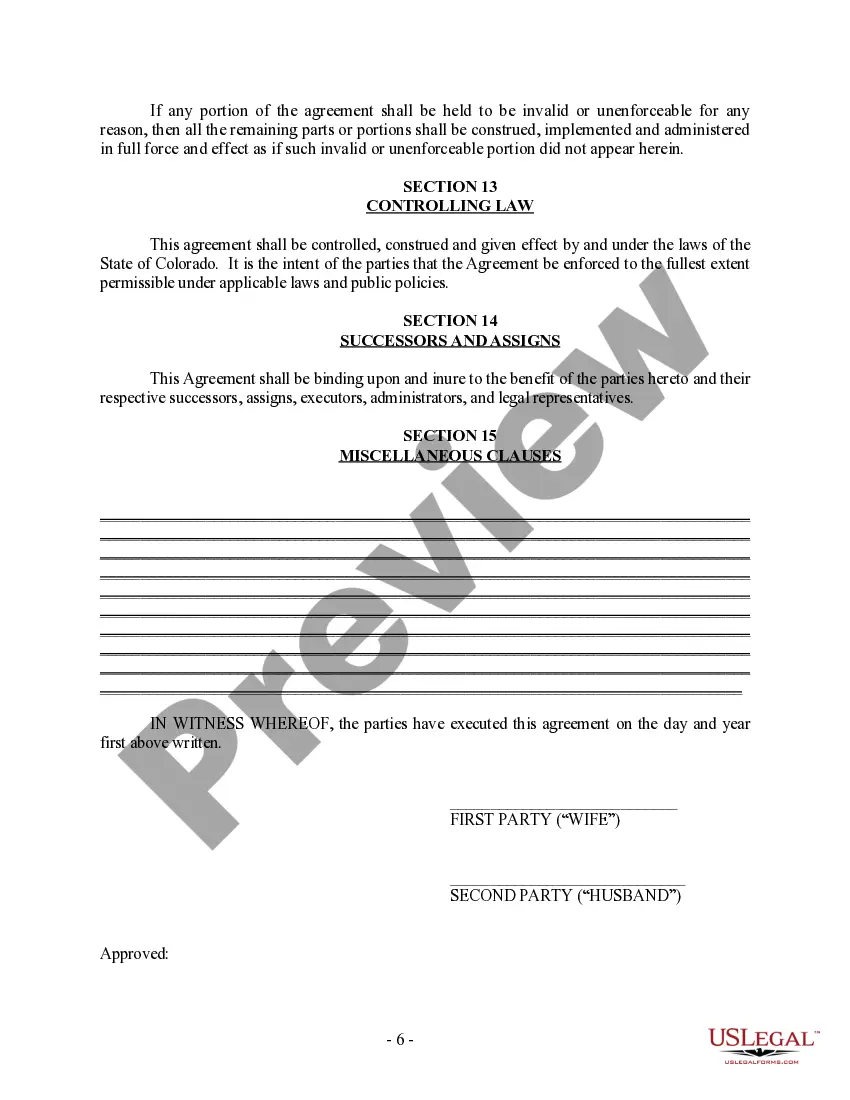
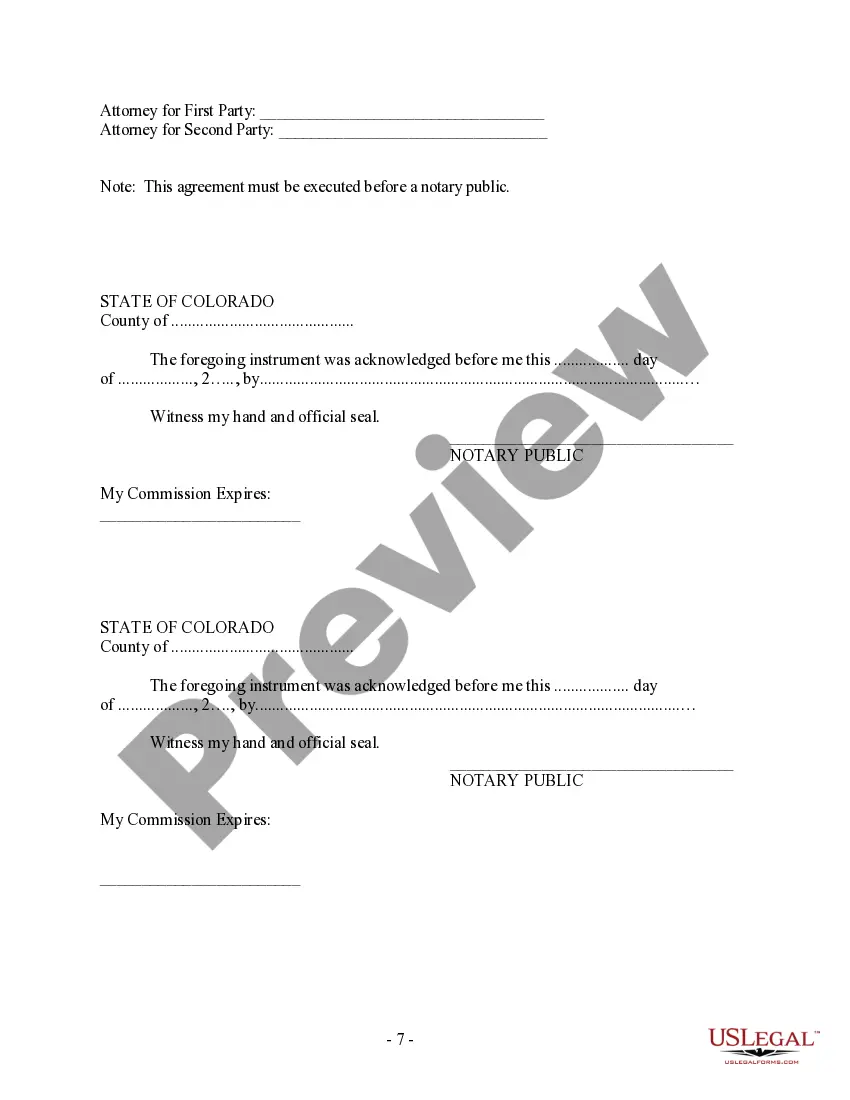
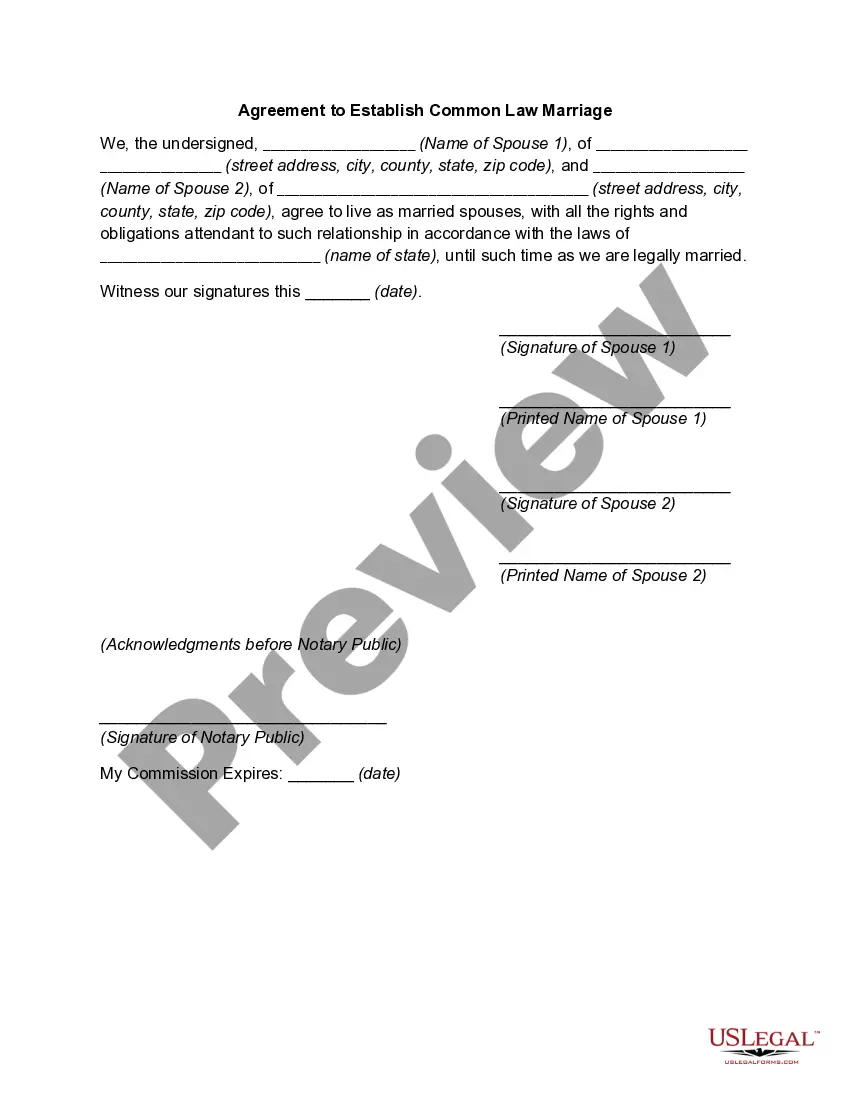
- Both parties must sign the agreement in the presence of a notarizing official.
Is notarization required?
Yes, this form must be notarized to be legally valid. It is important to sign the agreement in front of a notary public, as this can provide necessary proof of authenticity and help avoid disputes over its validity in the future. US Legal Forms offers integrated online notarization services, making it easy and convenient for you to get your document notarized securely.
Get your form ready online
Our built-in tools help you complete, sign, share, and store your documents in one place.
Make edits, fill in missing information, and update formatting in US Legal Forms—just like you would in MS Word.
Download a copy, print it, send it by email, or mail it via USPS—whatever works best for your next step.
Sign and collect signatures with our SignNow integration. Send to multiple recipients, set reminders, and more. Go Premium to unlock E-Sign.
If this form requires notarization, complete it online through a secure video call—no need to meet a notary in person or wait for an appointment.
We protect your documents and personal data by following strict security and privacy standards.

Make edits, fill in missing information, and update formatting in US Legal Forms—just like you would in MS Word.

Download a copy, print it, send it by email, or mail it via USPS—whatever works best for your next step.

Sign and collect signatures with our SignNow integration. Send to multiple recipients, set reminders, and more. Go Premium to unlock E-Sign.

If this form requires notarization, complete it online through a secure video call—no need to meet a notary in person or wait for an appointment.

We protect your documents and personal data by following strict security and privacy standards.
Common mistakes
- Not fully disclosing assets and liabilities, which can invalidate the agreement.
- Failing to consult separate legal counsel, which may lead to claims of coercion.
- Not understanding the ramifications of the agreement, leading to future disputes.
- Omitting necessary notarization, resulting in legal complications.
Benefits of completing this form online
- Convenient: Complete the form at your own pace from the comfort of your home.
- Editability: Easily make changes before finalizing your agreement.
- Reliability: Access forms drafted by licensed attorneys, ensuring legal compliance.
Main things to remember
- A Postnuptial Property Agreement helps married couples manage and protect their assets.
- It differentiates between separate and joint property ownership.
- This document is crucial for couples concerned about financial responsibilities in the case of separation or divorce.
- Both parties should seek independent legal advice to ensure fair terms are agreed upon.
Looking for another form?




Form popularity
FAQ
A postnuptial agreement can become invalid if it fails to meet specific legal requirements, such as having both spouses provide full financial disclosures. Additionally, if the agreement is signed under duress or without adequate legal representation, it may also be challenged in court. Understanding these factors is crucial for anyone considering a Colorado Postnuptial Property Agreement.
Yes, Colorado does recognize postnuptial agreements as legally binding documents. These agreements enable couples to outline their property rights and obligations after marriage. Once drafted and executed properly, a Colorado Postnuptial Property Agreement is enforceable in court, providing peace of mind for both parties.
Certain matters cannot be included in a Colorado Postnuptial Property Agreement, such as child custody or child support terms. These aspects are typically determined based on the best interests of the child in a court setting. Additionally, any illegal provisions or those that promote harmful practices are automatically unenforceable under the law.
A Colorado Postnuptial Property Agreement can be voided if it lacks mutual consent between both spouses. Additionally, if one spouse used fraud or coercion to influence the other, the agreement may be considered invalid. It’s crucial to ensure that both parties understand the terms clearly and agree voluntarily to avoid any disputes later.
Yes, you can create your own postnuptial agreement in Colorado, but it's important to follow legal guidelines to ensure its validity. While DIY templates can help, consider consulting an attorney for legal advice specific to your situation. US Legal Forms provides user-friendly templates that can assist you in drafting a Colorado Postnuptial Property Agreement tailored to your needs. This approach helps protect your interests and ensures both parties have a clear understanding of the terms.
Typically, there is no formal filing process for a Colorado Postnuptial Property Agreement since it's a private contract between spouses. However, it may be beneficial to keep the document in a secure location and provide copies to both parties and their attorneys. If necessary, consult a family law attorney for any specific filing requirements, especially if disputes arise. Utilizing platforms like US Legal Forms can simplify the preparation and organization of your agreement.
Yes, postnuptial agreements are enforceable in Colorado, provided they meet certain legal criteria. The agreement must be fair, voluntarily signed by both parties, and each spouse should disclose their assets and debts. By using US Legal Forms, you can ensure that your Colorado Postnuptial Property Agreement adheres to these requirements, thus reinforcing its enforceability. Remember, clarity and mutual understanding play vital roles in creating a valid agreement.
While you can draft your own Colorado postnuptial property agreement, it is wise to seek legal advice. A well-structured agreement should clearly outline how to handle assets and debts in case of divorce or separation. An experienced attorney can help ensure your document complies with Colorado law and addresses your unique circumstances. Using a platform like USLegalForms can also simplify the process by providing templates and guidance.
Yes, Colorado postnuptial property agreements can hold up in court if they meet certain requirements. It is essential that both spouses voluntarily agree to the terms, and that the agreement is written and signed. Additionally, full financial disclosure is important to ensure fairness. Consulting a qualified attorney can help you navigate these requirements, allowing you to create a valid document for your situation.
You can create your own Colorado Postnuptial Property Agreement, but it's advisable to seek legal guidance. Using templates can be a good start, but ensure they meet Colorado laws and reflect your mutual agreements clearly. Always review the document with a legal professional to avoid potential disputes in the future. By doing so, you help protect both partners' rights and interests effectively.