California Apartment Rules and Regulations
What this document covers
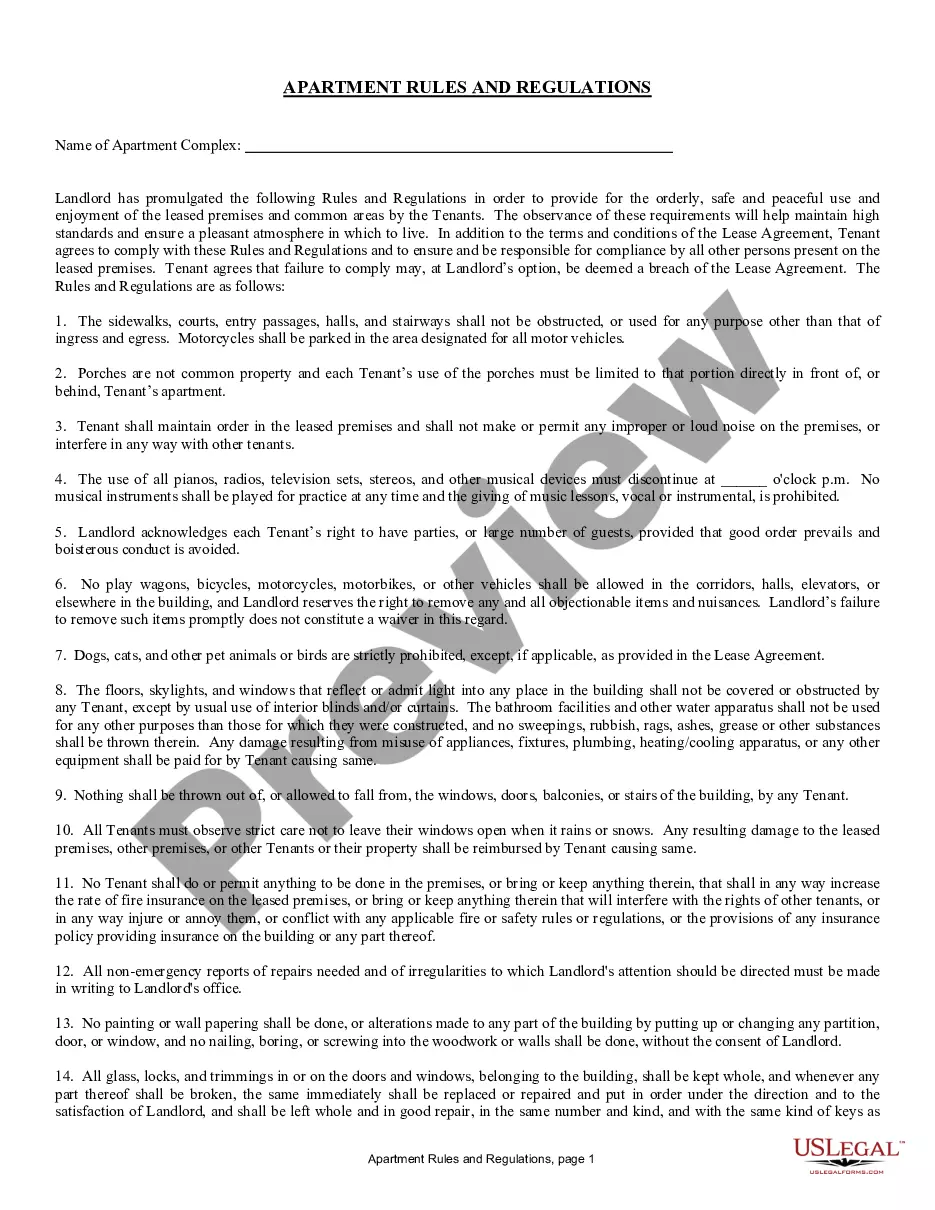
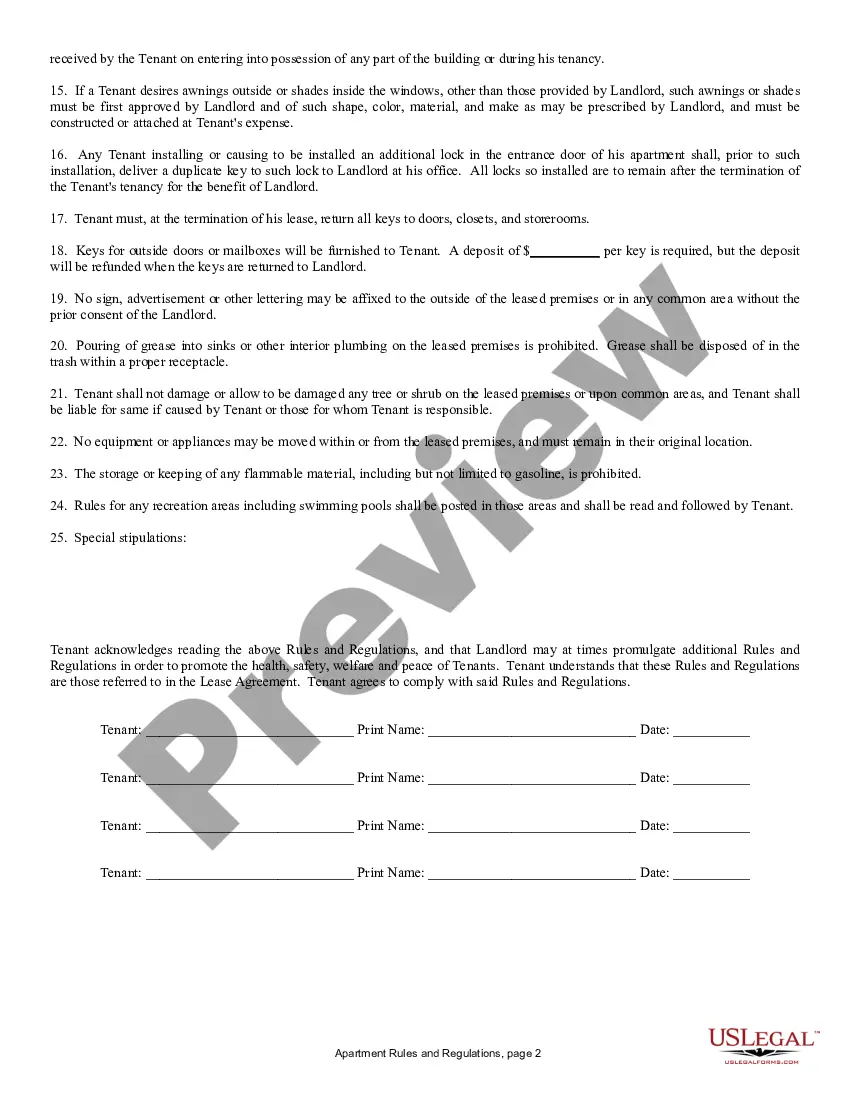
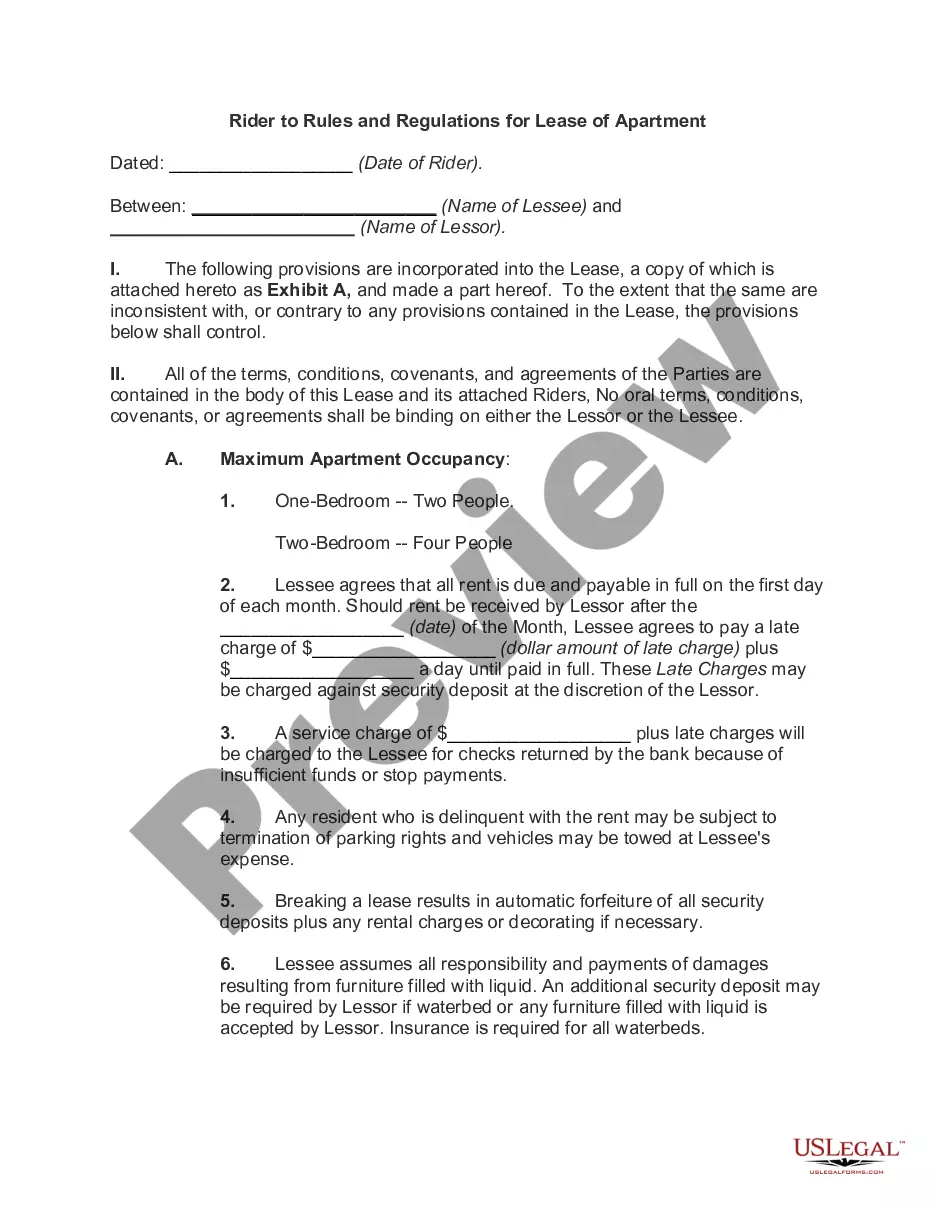
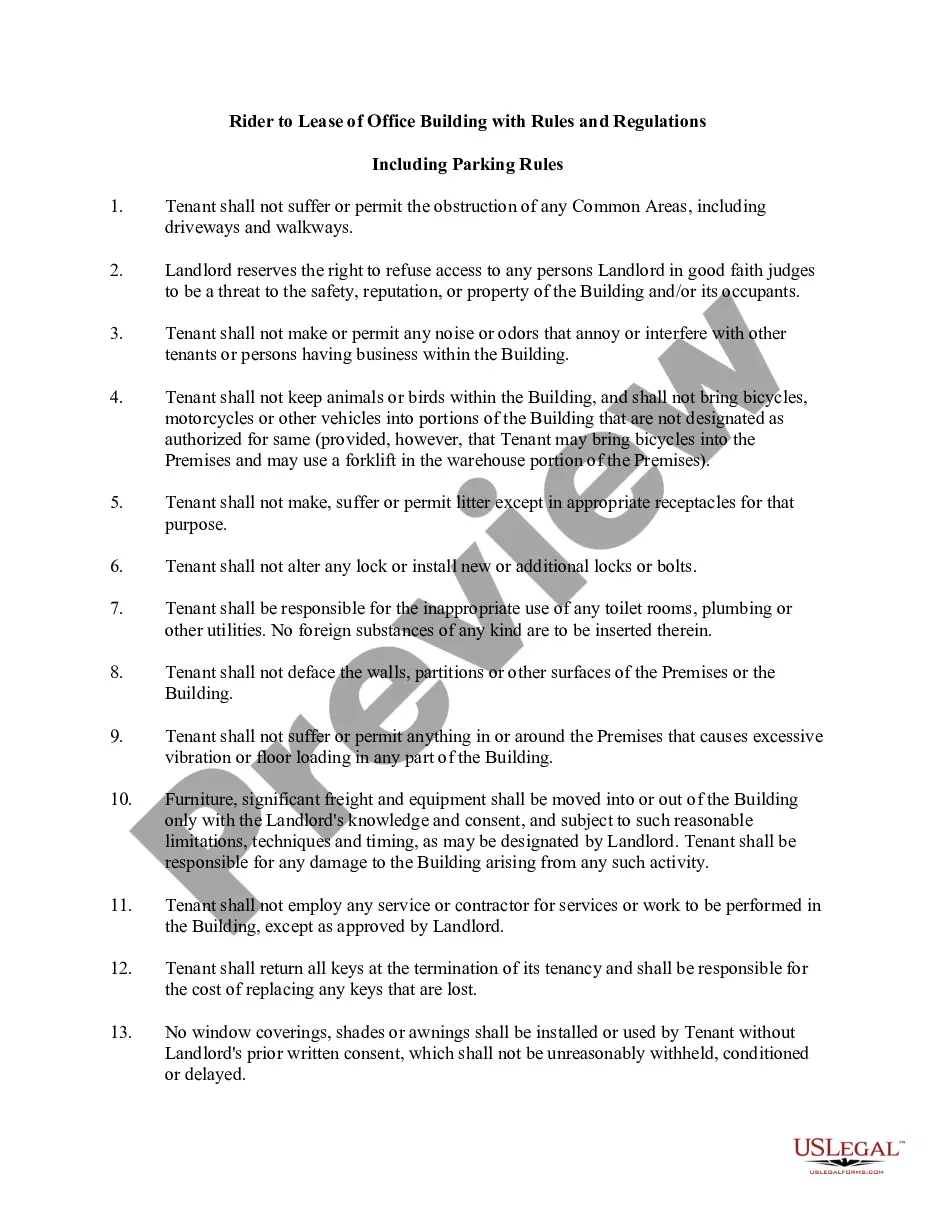
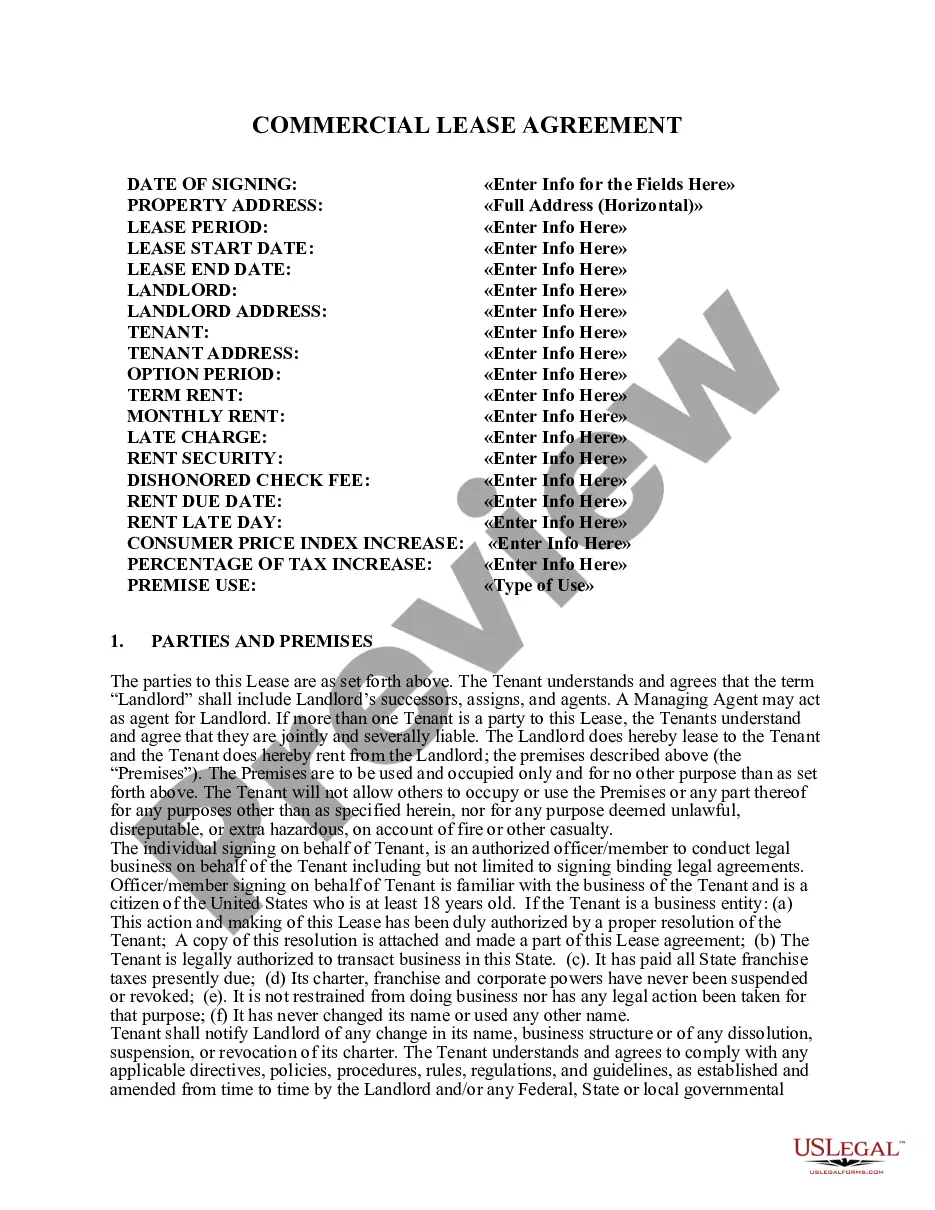
The Apartment Rules and Regulations form is a standardized document that outlines the essential guidelines tenants must follow while residing in an apartment complex. This form serves to supplement the Apartment Lease Agreement, detailing everyday rules that ensure a safe, orderly, and peaceful living environment for all residents. By signing this document, tenants agree to uphold these regulations, which help maintain community standards and prevent conflicts among neighbors.
Key parts of this document
- Name of Apartment Complex
- Tenant obligations regarding noise and conduct
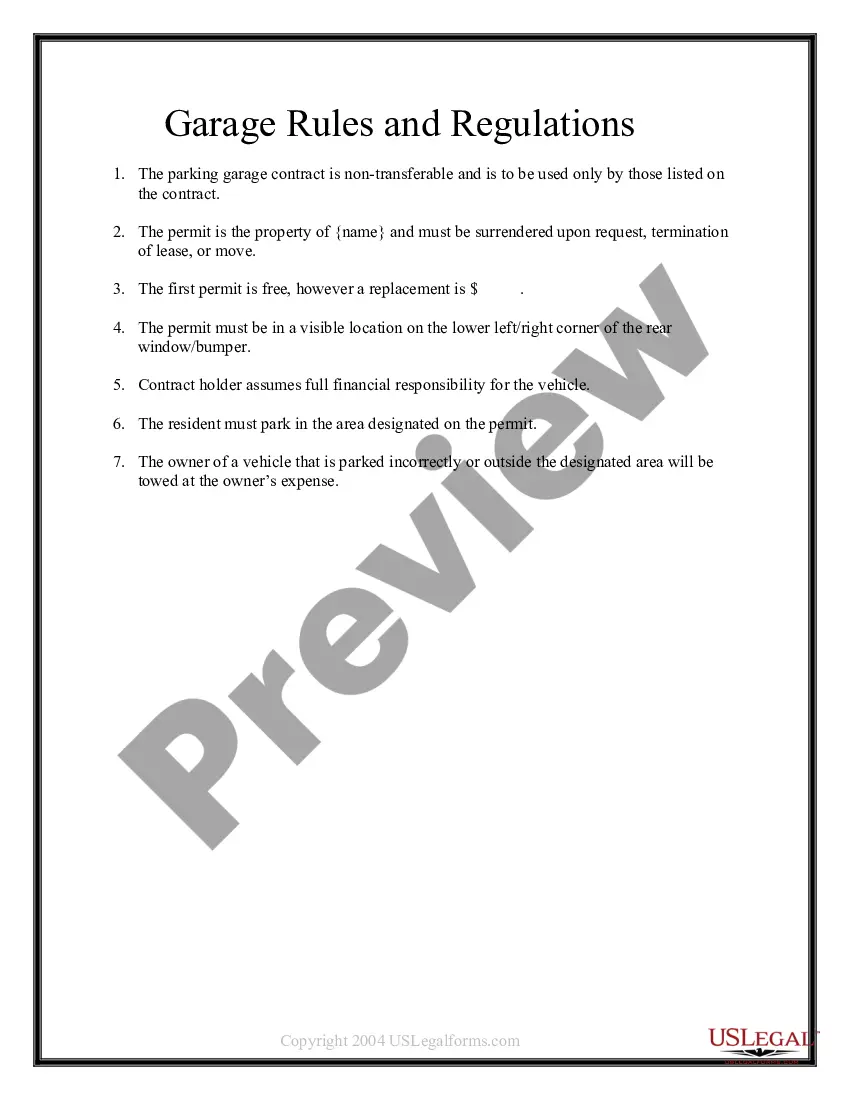
- Parking and common area usage rules
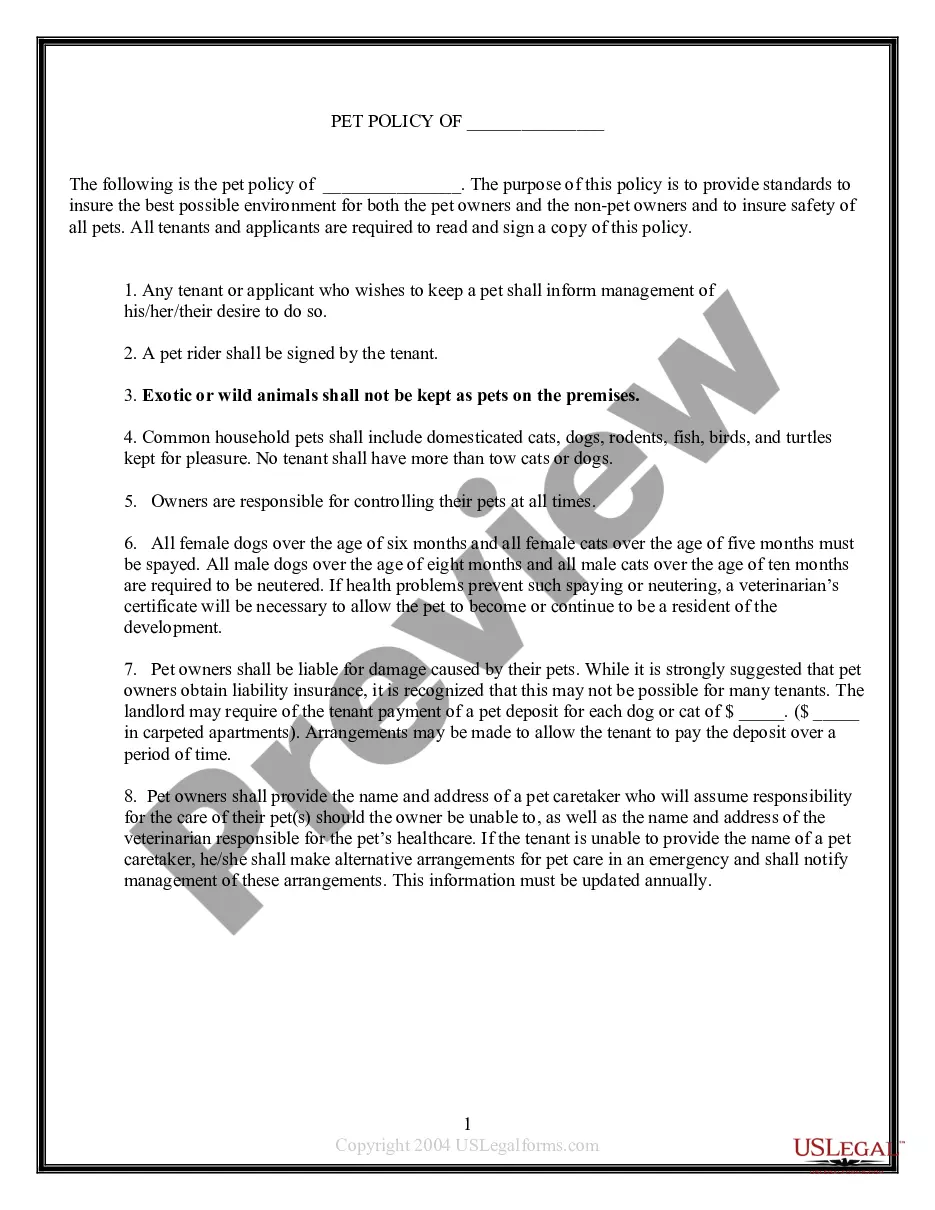
- Guidelines for pet ownership
- Provisions regarding alterations and maintenance responsibilities
- Consequences for non-compliance
Situations where this form applies
This form is important for landlords and tenants to establish clear expectations and reduce misunderstandings. It is typically used when a new tenant moves in or when updating regulations in an apartment complex. Additionally, it can be revisited when issues arise related to tenant behavior or property maintenance.
Who can use this document
- Landlords or property managers of apartment complexes
- Tenants moving into a rental unit with specific rules
- Individuals involved in landlord-tenant negotiations
Completing this form step by step
- Identify the name of the apartment complex at the top of the form.
- Review each rule outlined to ensure understanding and compliance.
- Complete the signature section with all tenant names and dates.
- Return the form to the landlord or property manager.
- Maintain a copy for personal records.
Does this document require notarization?
This form does not typically require notarization unless specified by local law. It is essential to follow your state or local regulations regarding documentation requirements.
Get your form ready online
Our built-in tools help you complete, sign, share, and store your documents in one place.
Make edits, fill in missing information, and update formatting in US Legal Forms—just like you would in MS Word.
Download a copy, print it, send it by email, or mail it via USPS—whatever works best for your next step.
Sign and collect signatures with our SignNow integration. Send to multiple recipients, set reminders, and more. Go Premium to unlock E-Sign.
If this form requires notarization, complete it online through a secure video call—no need to meet a notary in person or wait for an appointment.
We protect your documents and personal data by following strict security and privacy standards.
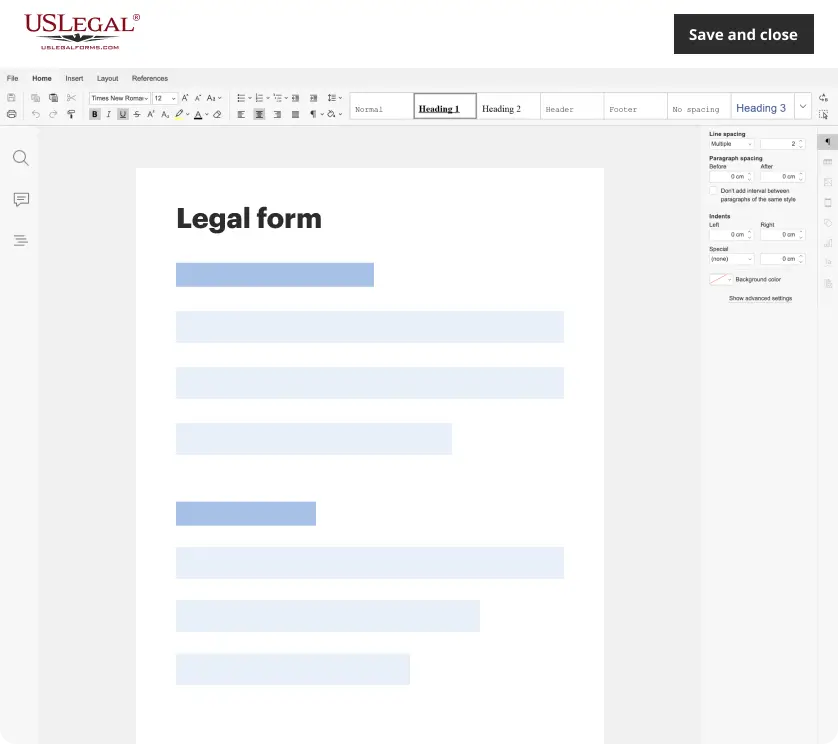
Make edits, fill in missing information, and update formatting in US Legal Forms—just like you would in MS Word.
Download a copy, print it, send it by email, or mail it via USPS—whatever works best for your next step.
Sign and collect signatures with our SignNow integration. Send to multiple recipients, set reminders, and more. Go Premium to unlock E-Sign.
If this form requires notarization, complete it online through a secure video call—no need to meet a notary in person or wait for an appointment.
We protect your documents and personal data by following strict security and privacy standards.
Common mistakes
- Failing to read and understand all rules before signing.
- Not keeping a copy of the signed document for reference.
- Assuming all rules can be ignored without consequences.
Benefits of completing this form online
- Convenience of downloading the form anytime, anywhere.
- Editable fields to customize according to specific apartment complex needs.
- Time-saving compared to creating a document from scratch.
Legal use & context
- The form provides a basis for regulating tenant behavior, essential for community harmony.
- Failure to comply with these rules can lead to eviction or lease termination.
- Landlords must ensure that the rules comply with state housing laws.
Key takeaways
- The Apartment Rules and Regulations form is essential for maintaining order in rental properties.
- Both landlords and tenants can benefit from clearly defined responsibilities.
- Understanding and complying with the form can prevent disputes and ensure a harmonious living environment.
Looking for another form?
Form popularity
FAQ
If you are facing issues with your landlord in California, numerous options are available to file a complaint. You can contact your local housing authority or tenant's rights organization for guidance on the California Apartment Rules and Regulations. Additionally, consider visiting local governmental websites that offer resources for filing a formal complaint. Utilizing platforms like USLegalForms can provide you with the necessary documents and steps to effectively address your concerns.
Filling out an apartment condition statement is a simple yet crucial task for tenants and landlords. Begin by documenting the condition of each room in detail, noting any existing damages or maintenance concerns. In California, this statement should comply with the California Apartment Rules and Regulations to safeguard the interests of both parties. Utilizing platforms like USLegalForms can simplify the process by providing templates and guidance tailored to your needs.
Rent rules in California are designed to offer protection to both tenants and landlords. Generally, landlords cannot raise the rent more than a certain percentage without notice, and they must provide a valid reason for eviction. Additionally, the California Apartment Rules and Regulations stipulate that landlords must return security deposits within a specific time frame after the lease ends. Understanding these rules will help both parties maintain a fair rental relationship.
Filling out a California residential lease agreement involves a few important steps. First, enter the names of all tenants and the landlord in the designated sections. Next, write down the property address, rental terms, and payment details clearly. To ensure compliance with California Apartment Rules and Regulations, review the agreement for any specific clauses regarding deposits, maintenance responsibilities, and termination conditions.
California has introduced several important laws that impact renters, focusing on enhancing tenant protections under California Apartment Rules and Regulations. Recent legislation addresses issues such as rent control, eviction protections, and limits on rental increases. Staying informed about these laws is crucial not just for compliance but for ensuring that your rights are respected as a tenant. US Legal Forms provides valuable updates and resources to help you understand these changes thoroughly.
As a renter in California, you have specific rights protected under California Apartment Rules and Regulations. These rights include the right to a habitable living environment, the right to privacy, and the right to fair treatment regarding rent increases and eviction processes. Understanding these rights can help you navigate any challenges you may face as a tenant. For detailed information, our platform, US Legal Forms, offers essential resources to empower you and ensure your rights are upheld.
To file a complaint against an apartment complex in California, you should first gather all relevant information, such as your lease agreement and documentation of the issues. Then, you can contact your local housing agency, which oversees enforcement of California Apartment Rules and Regulations. If necessary, consider submitting your complaint in writing to ensure there is a record. Remember, having clear evidence can strengthen your case and lead to prompt resolutions.