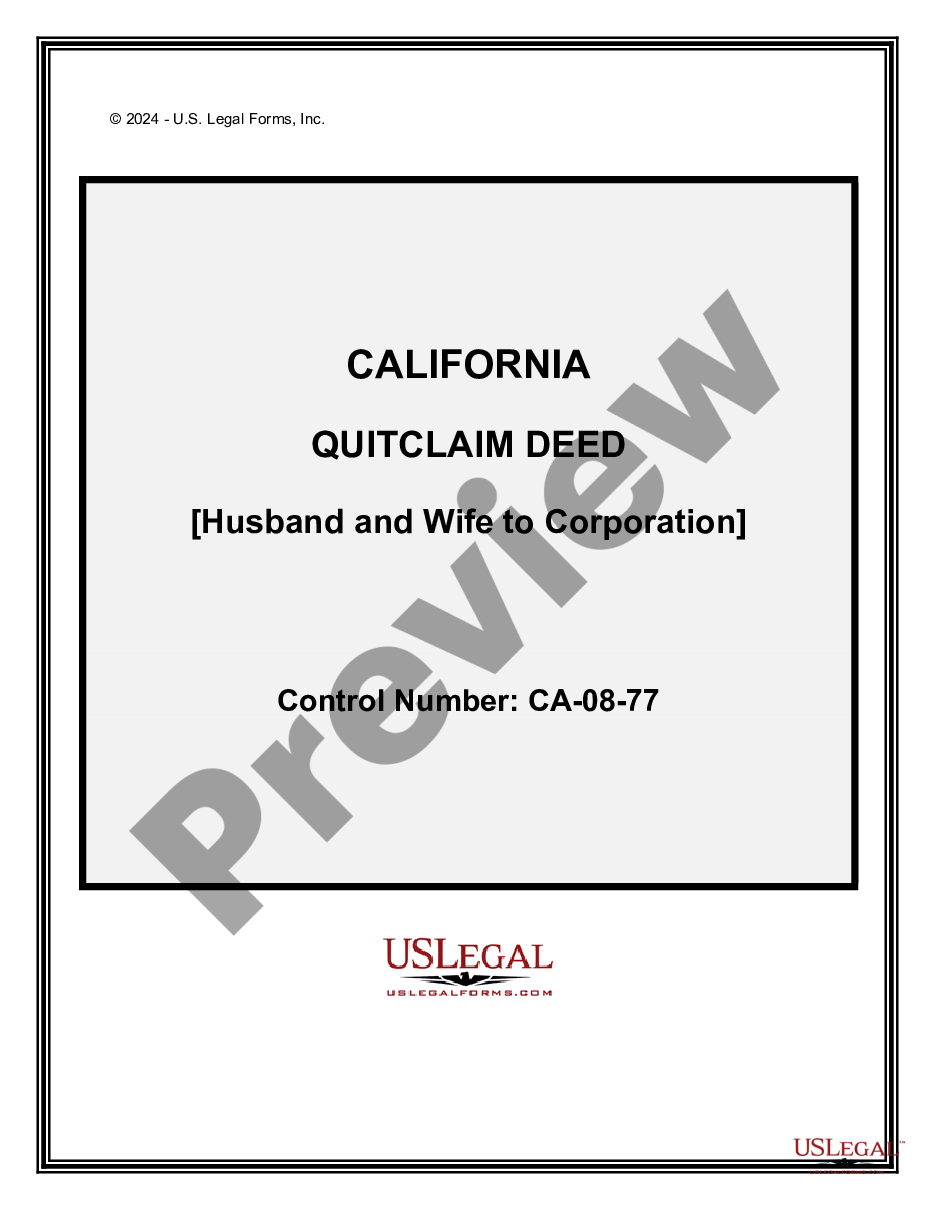
California Quitclaim Deed from Husband and Wife to Corporation
What is this form?
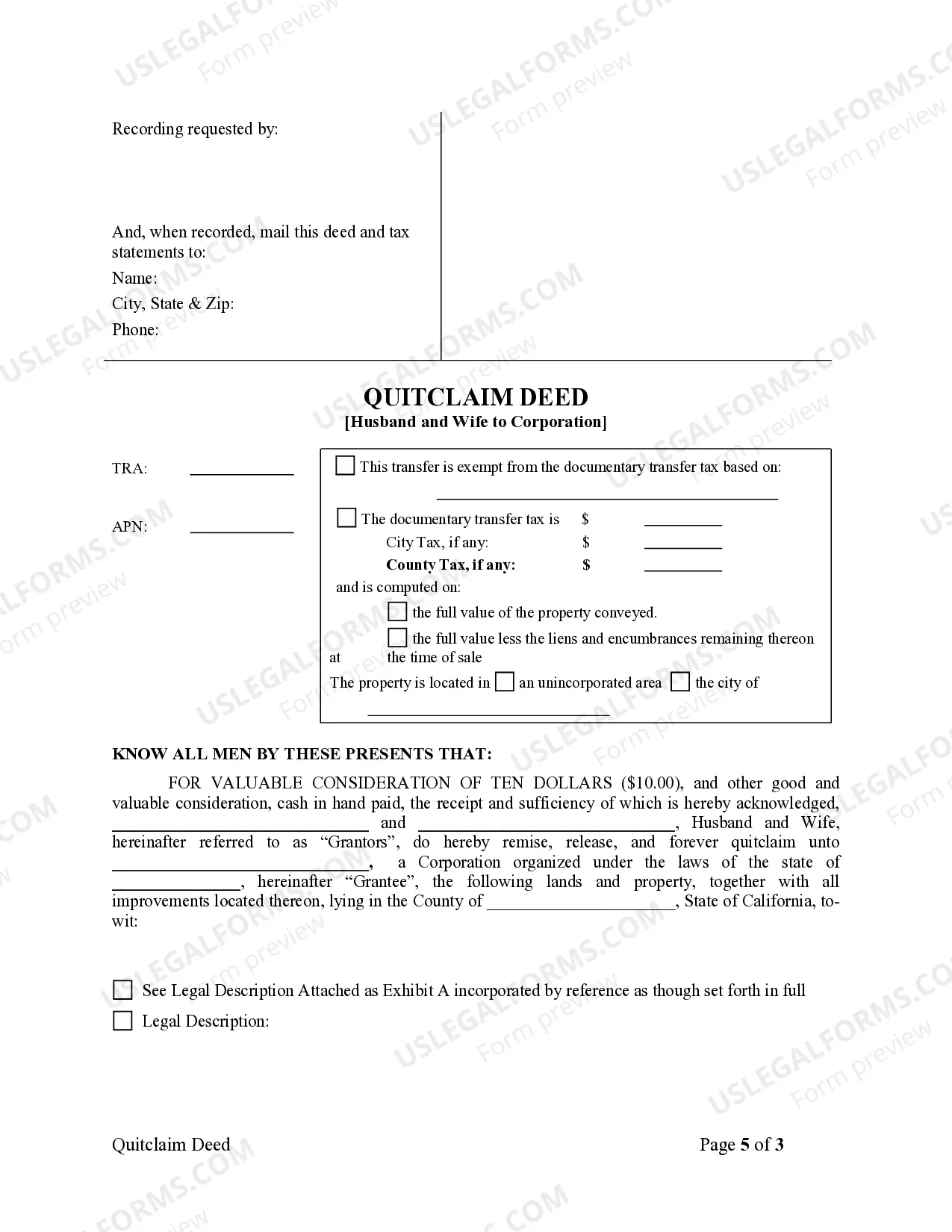
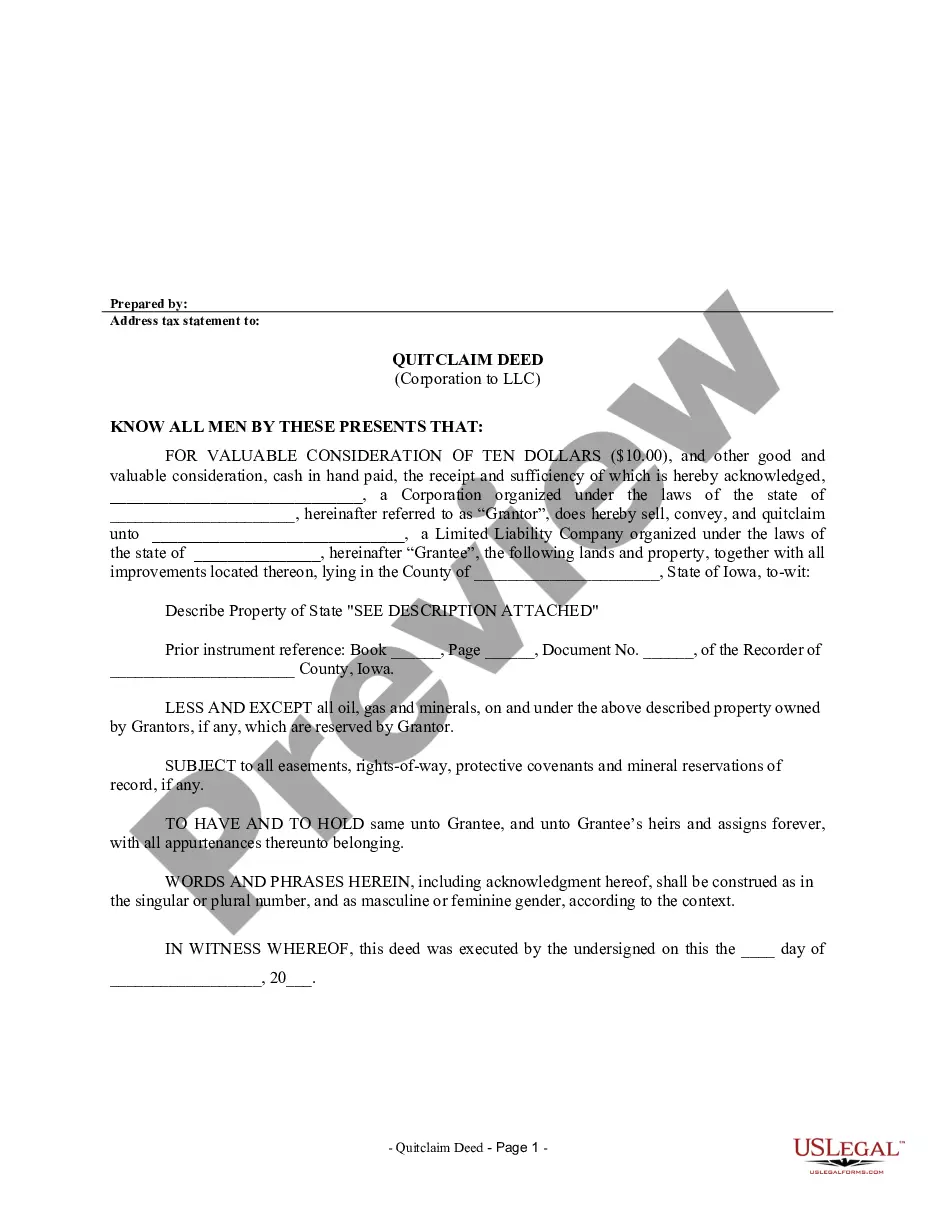
The Quitclaim Deed from Husband and Wife to Corporation is a legal document that allows a married couple to transfer their interest in property to a corporation. This form differs from other types of deeds, such as warranty deeds, because it does not guarantee that the property title is clear of claims or liens. Instead, it simply conveys any ownership interest the grantors have in the property, while reserving certain rights, such as oil, gas, and mineral rights, if applicable.
What’s included in this form
- Identification of grantors (husband and wife) and grantee (corporation).
- Legal description of the property being conveyed.
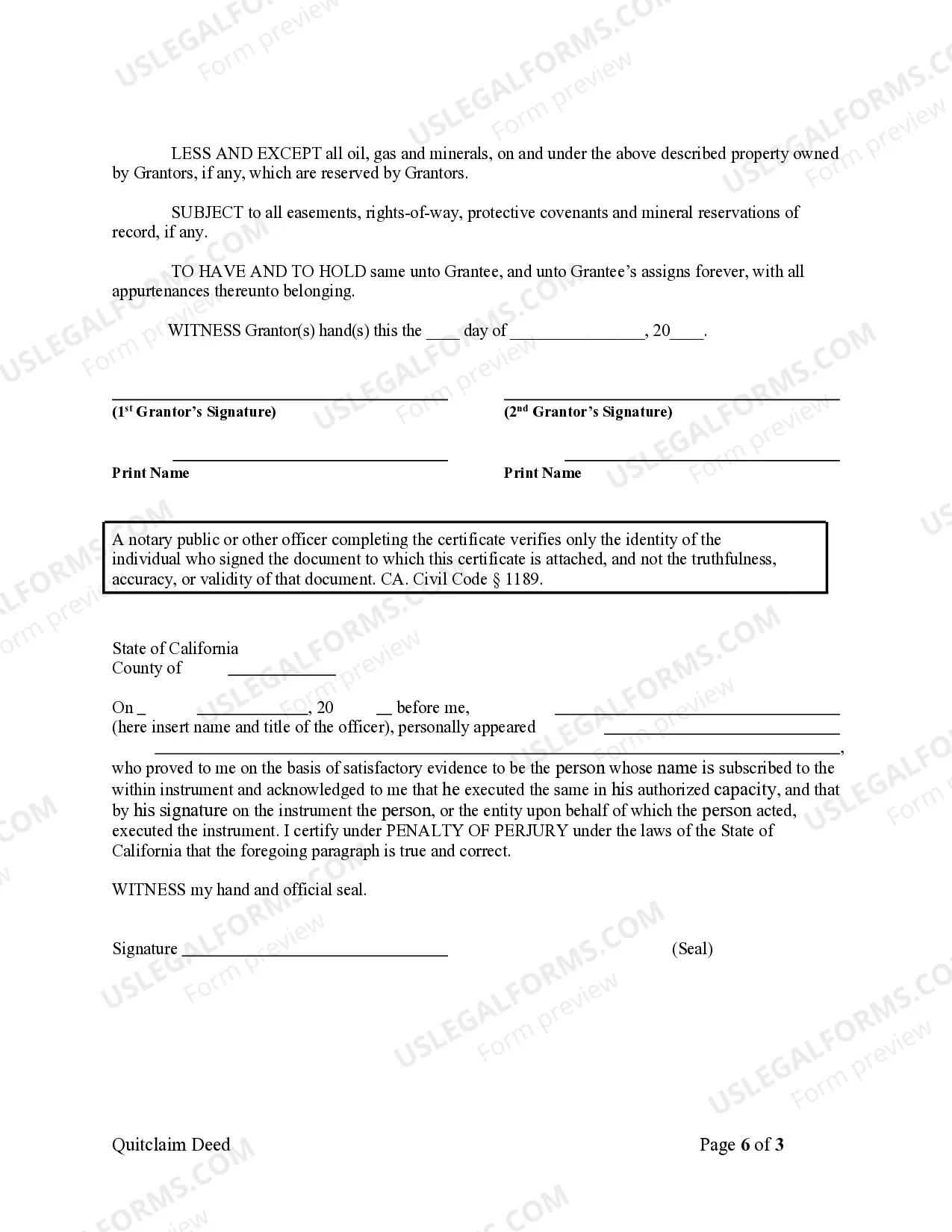
- Statement of reservation for oil, gas, and mineral rights.
- Signatures of the grantors and the date of execution.
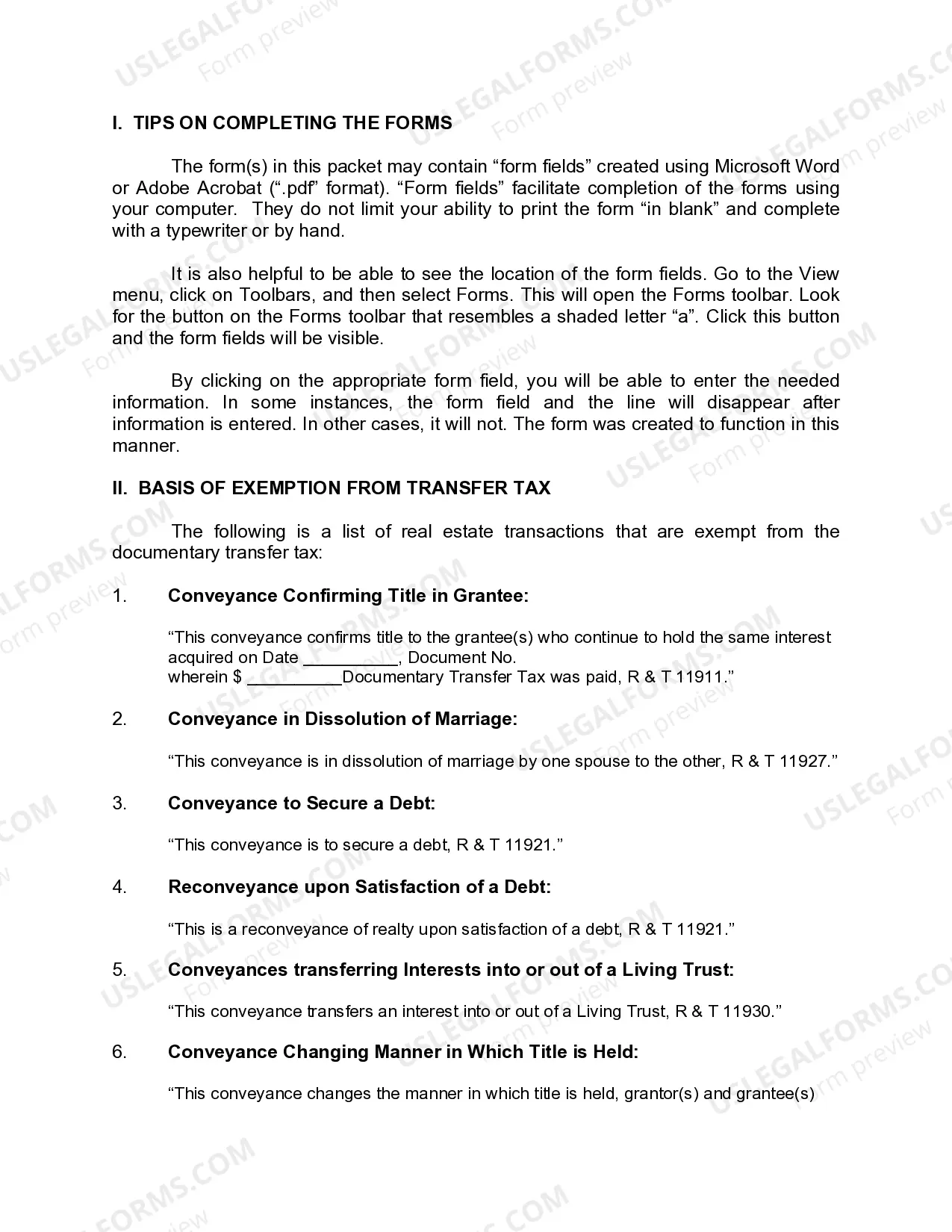
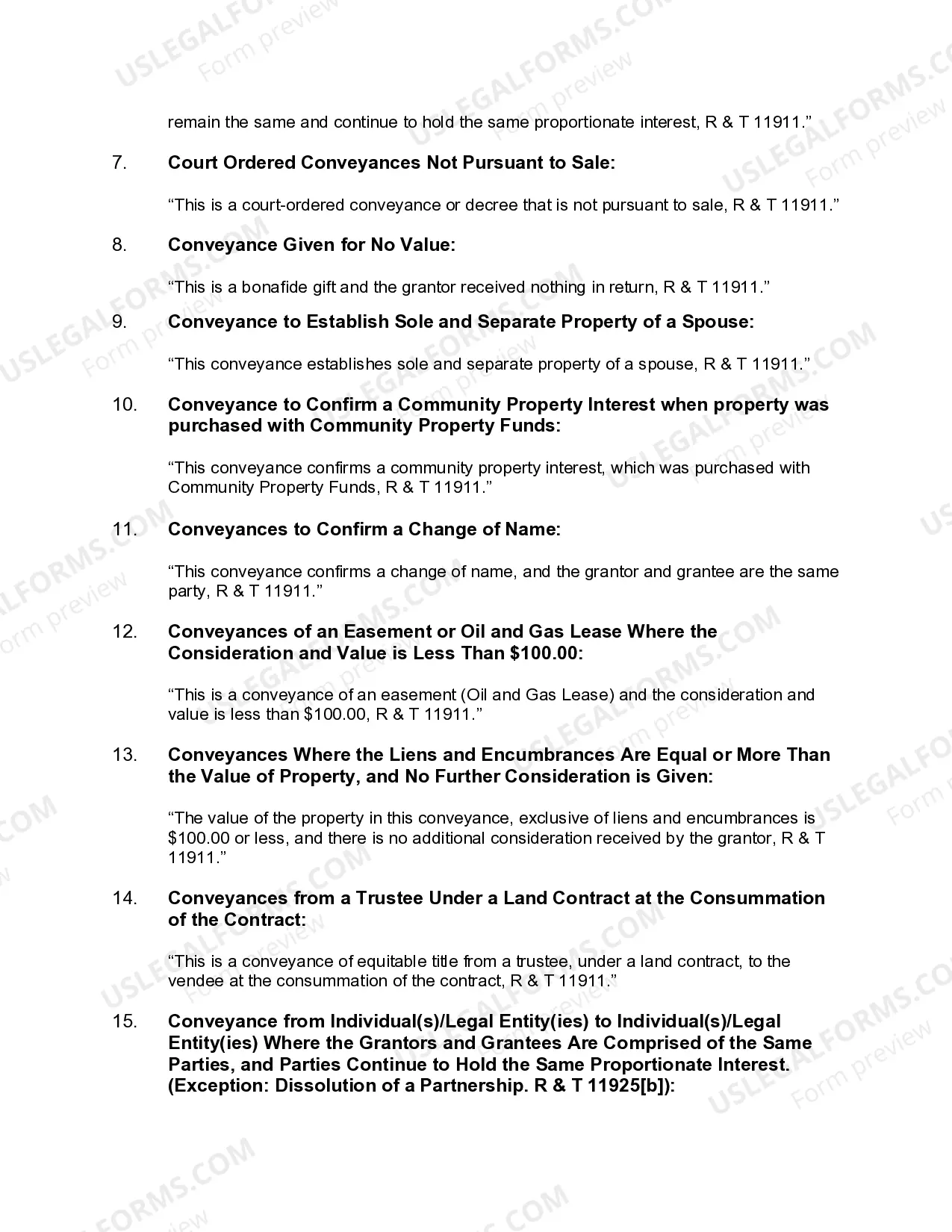
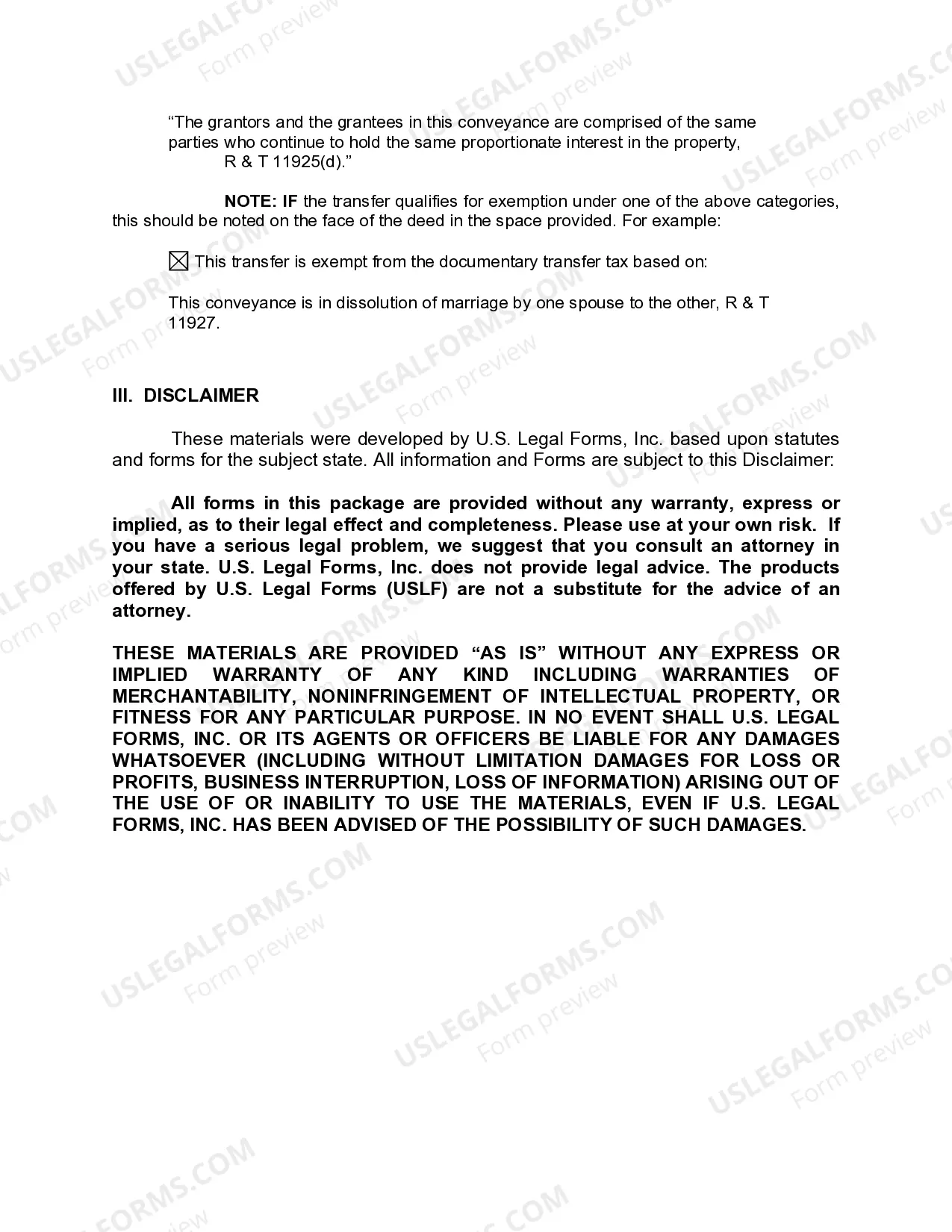
- Space to note transfer tax exemptions, if applicable.




Common use cases
This quitclaim deed is used when a married couple wishes to transfer their property ownership to a corporation, often for reasons such as business ownership, estate planning, or simplifying property management. It is particularly applicable when the couple wants to reserve rights to any natural resources beneath the property or when there is no intention to provide warranties about the property condition.
Who should use this form
- Married couples who own property together and wish to transfer it to a corporation.
- Corporations receiving property from a married couple.
- Individuals involved in business transactions that require property transfer for operational needs.
Instructions for completing this form
- Identify the parties involved: the husband and wife as grantors, and the corporation as the grantee.
- Clearly specify the property being transferred using its legal description.
- Reserve any rights to oil, gas, or minerals if applicable.
- Sign and date the document in the presence of witnesses or a notary as required.
- Note any applicable exemptions from transfer tax on the deed.
Notarization guidance
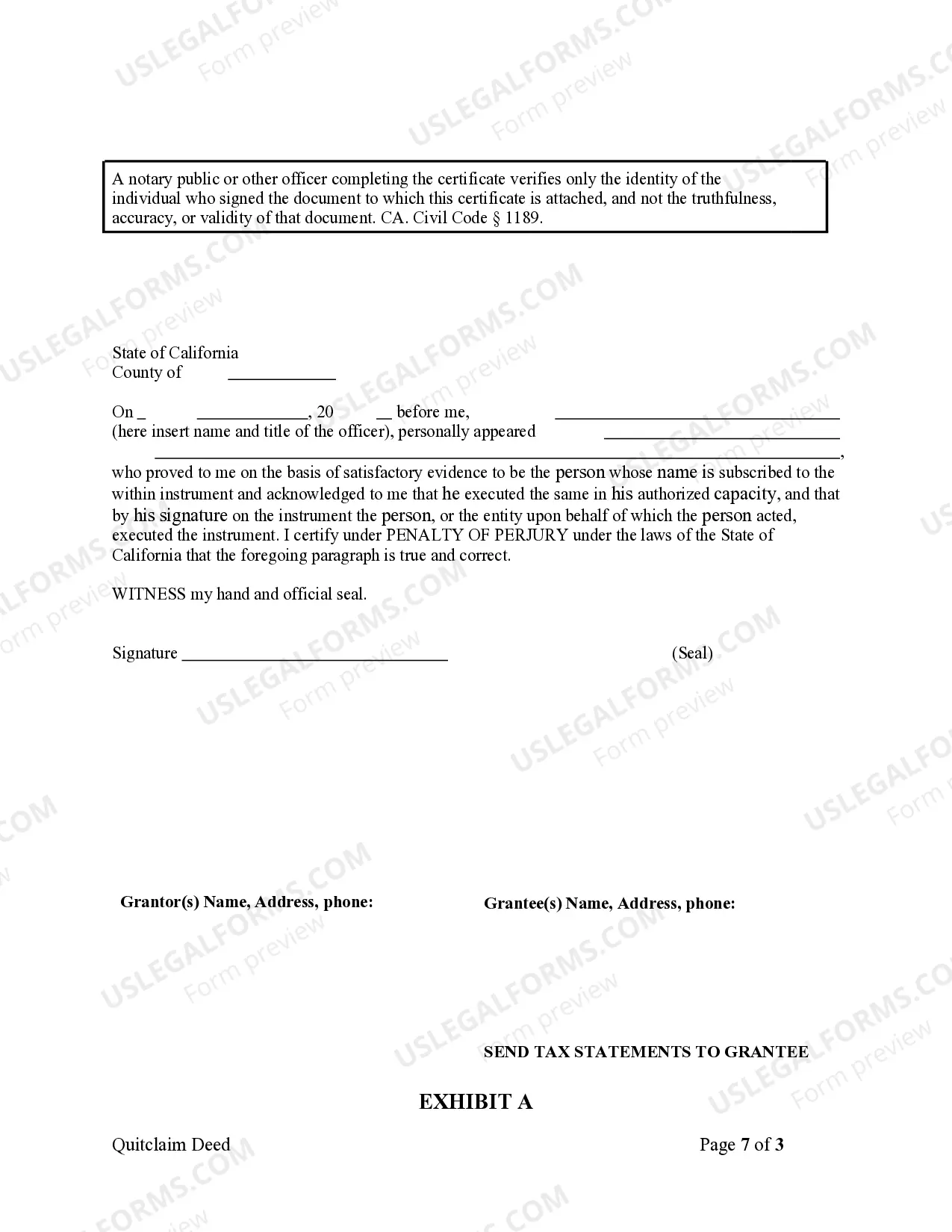
This form must be notarized to be legally valid. US Legal Forms provides secure online notarization powered by Notarize, allowing you to complete the process through a verified video call.
Get your form ready online
Our built-in tools help you complete, sign, share, and store your documents in one place.
Make edits, fill in missing information, and update formatting in US Legal Forms—just like you would in MS Word.
Download a copy, print it, send it by email, or mail it via USPS—whatever works best for your next step.
Sign and collect signatures with our SignNow integration. Send to multiple recipients, set reminders, and more. Go Premium to unlock E-Sign.
If this form requires notarization, complete it online through a secure video call—no need to meet a notary in person or wait for an appointment.
We protect your documents and personal data by following strict security and privacy standards.

Make edits, fill in missing information, and update formatting in US Legal Forms—just like you would in MS Word.

Download a copy, print it, send it by email, or mail it via USPS—whatever works best for your next step.

Sign and collect signatures with our SignNow integration. Send to multiple recipients, set reminders, and more. Go Premium to unlock E-Sign.

If this form requires notarization, complete it online through a secure video call—no need to meet a notary in person or wait for an appointment.

We protect your documents and personal data by following strict security and privacy standards.
Mistakes to watch out for
- Failing to include a complete legal description of the property.
- Not reserving rights for minerals or resources when intended.
- Incomplete signatures or missing witness acknowledgments.
- Neglecting to address transfer tax exemptions correctly.
Benefits of completing this form online
- Convenient access to legal forms from anywhere, anytime.
- Fast and editable templates that cater to your specific needs.
- Documents drafted by licensed attorneys to ensure legal accuracy.
Looking for another form?
Form popularity
FAQ
Filling out an interspousal transfer deed requires clarity and specific information to ensure a valid transfer. You should start by listing both spouses’ names, then detail the property being transferred, along with its legal description. It’s important to declare that the transfer is between spouses, which is a requirement in California. Using resources like USLegalForms can simplify the process, guiding you through the necessary declarations and legal criteria.
The primary difference between a quitclaim deed and an interspousal transfer lies in their intent and use. A quitclaim deed simply transfers whatever interest one spouse has in a property to the other, without guaranteeing the property's title. On the other hand, an interspousal transfer is specifically designed for transfers between spouses and often has additional protections under California law. Understanding these distinctions can help you choose the right tool for a California Quitclaim Deed from Husband and Wife to Corporation.
Filling out a deed involves several key steps to ensure its accuracy and legality. First, clearly identify the parties involved, including the grantor and grantee. Next, include a complete legal description of the property in question. For a California Quitclaim Deed from Husband and Wife to Corporation, you must also ensure that the corporation is properly named and that you follow the guidelines required by California law, which can be conveniently navigated using platforms like USLegalForms.
A quit claim deed for a married couple is a legal document that allows one spouse to transfer their interest in a property to the other spouse, or to an entity, such as a corporation. This type of deed is often used when a couple decides to change the ownership structure of their property. In the context of a California Quitclaim Deed from Husband and Wife to Corporation, this allows for a straightforward transfer of assets into a corporate ownership framework. It is essential to understand its implications for tax and property rights.
A quitclaim deed between husband and wife, such as a California Quitclaim Deed from Husband and Wife to Corporation, allows one spouse to transfer their interest in jointly owned property to the other spouse or to a third party. This legal document does not guarantee that the title is clear of defects, but it simplifies property ownership changes without the need for extensive legal procedures. It is often used to ensure smoother transitions in property ownership during life changes or after marriage dissolution.
A quitclaim deed, especially a California Quitclaim Deed from Husband and Wife to Corporation, may not be appropriate in situations involving contested ownership or property that has mortgage liens. It cannot be used to clear title disputes or transfer property that requires warranties of title. Additionally, if there are financial obligations tied to the property that need to be resolved, using a quitclaim deed might complicate the matter further.
Yes, a quitclaim deed does transfer ownership but only to the extent of the grantor's interest. If a husband and wife execute a California quitclaim deed transferring property to a corporation, the corporation gains ownership rights. However, if the grantor does not own the property, the deed does not confer any real rights.
In California, the individuals transferring their interest in the property must sign the quitclaim deed. Typically, this includes both spouses if they are jointly transferring ownership to a corporation. It's also important to ensure that the corporation's authorized representative signs to acknowledge receipt of the property.
Anyone can prepare a quitclaim deed in California, but it’s advisable to seek assistance from professionals. Many people choose to hire attorneys or legal document services, like USLegalForms, to ensure accuracy and compliance with state laws. This way, you avoid potential issues that could arise from improperly drafted documents.
In California, when a spouse signs a quitclaim deed transferring property to a corporation, they generally relinquish their ownership rights. This act means they no longer hold claim to the property, and it is now under the corporation's ownership. However, it's essential to consult with a legal professional to understand specific implications and rights that may still exist.