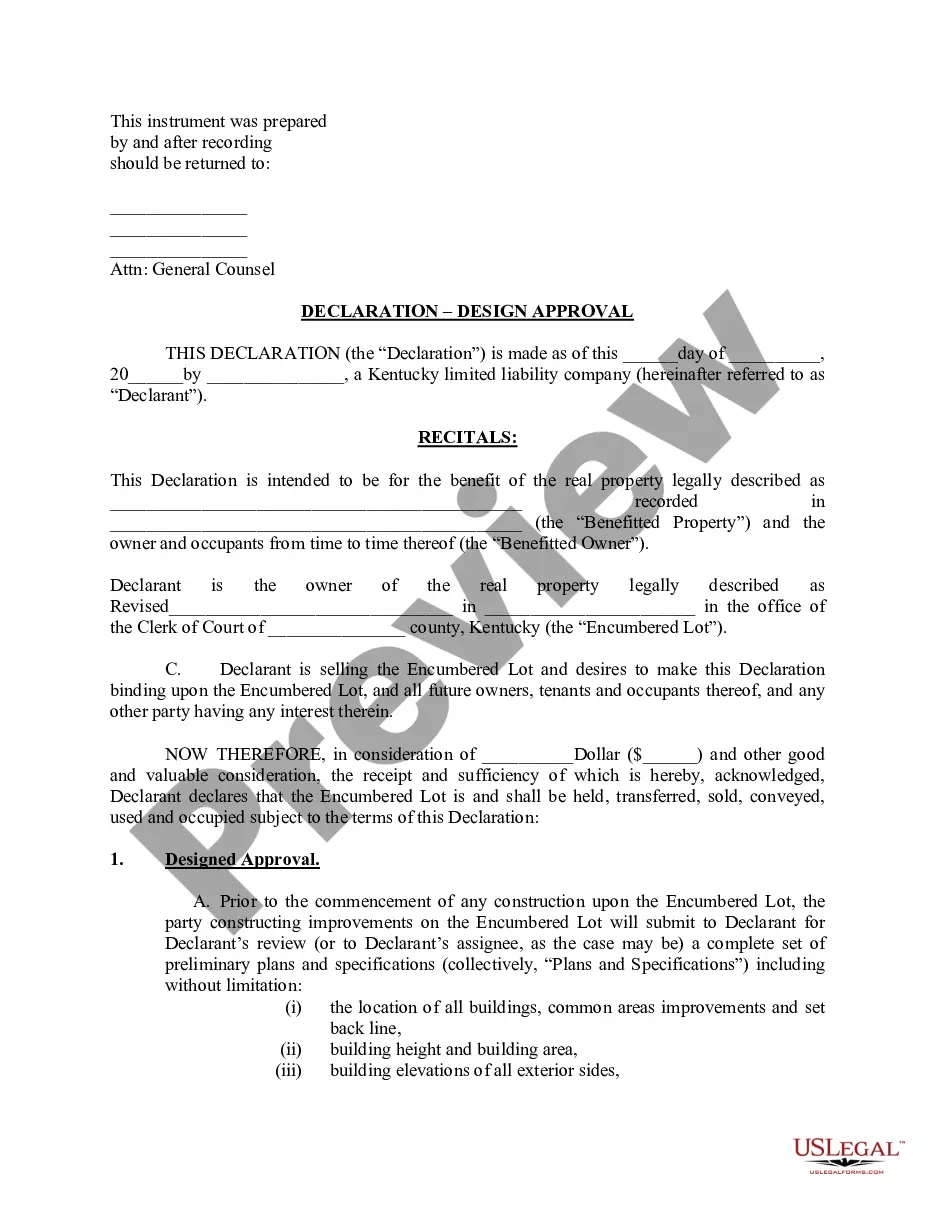
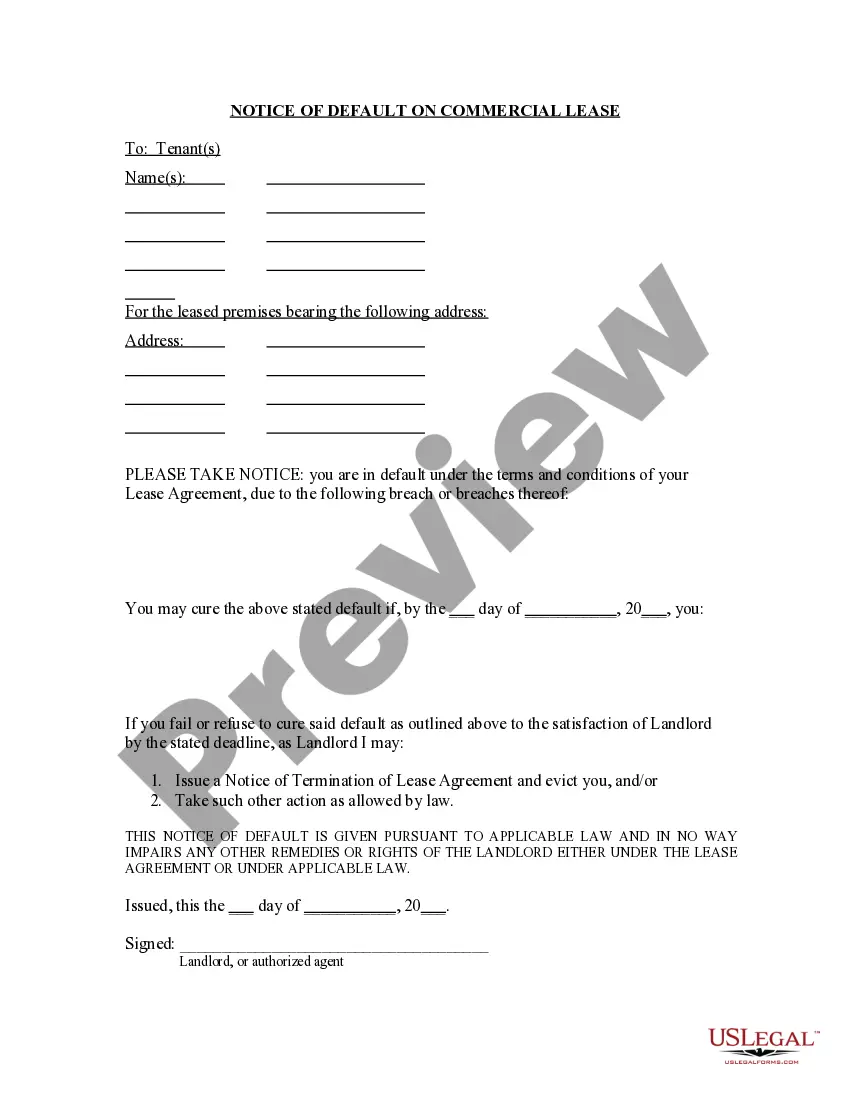
Arizona Letter from Landlord to Tenant as Notice of Default on Commercial Lease
The Letter from Landlord to Tenant as Notice of Default on Commercial Lease is a formal notification from a landlord to a tenant that specifies breaches of the lease agreement. This notice is critical as it outlines the specific defaults and sets a deadline for the tenant to take corrective action. If the tenant fails to remedy the breaches, the landlord can pursue their legal rights, including eviction. Unlike general notices, this document serves as a prerequisite for any potential eviction procedures and highlights the seriousness of the breaches noted.
- Notice of Default: Clearly states the specific breaches by the tenant.
- Deadline for Cure: Provides a defined period for the tenant to rectify the identified issues.
- Landlordâs Rights: Informs the tenant about the landlord's rights if breaches are not cured, including eviction.
- Issue Date: A space for the landlord to indicate when the notice is issued.
- Signatures: Requires the landlord (or authorized agent) to sign for validity.
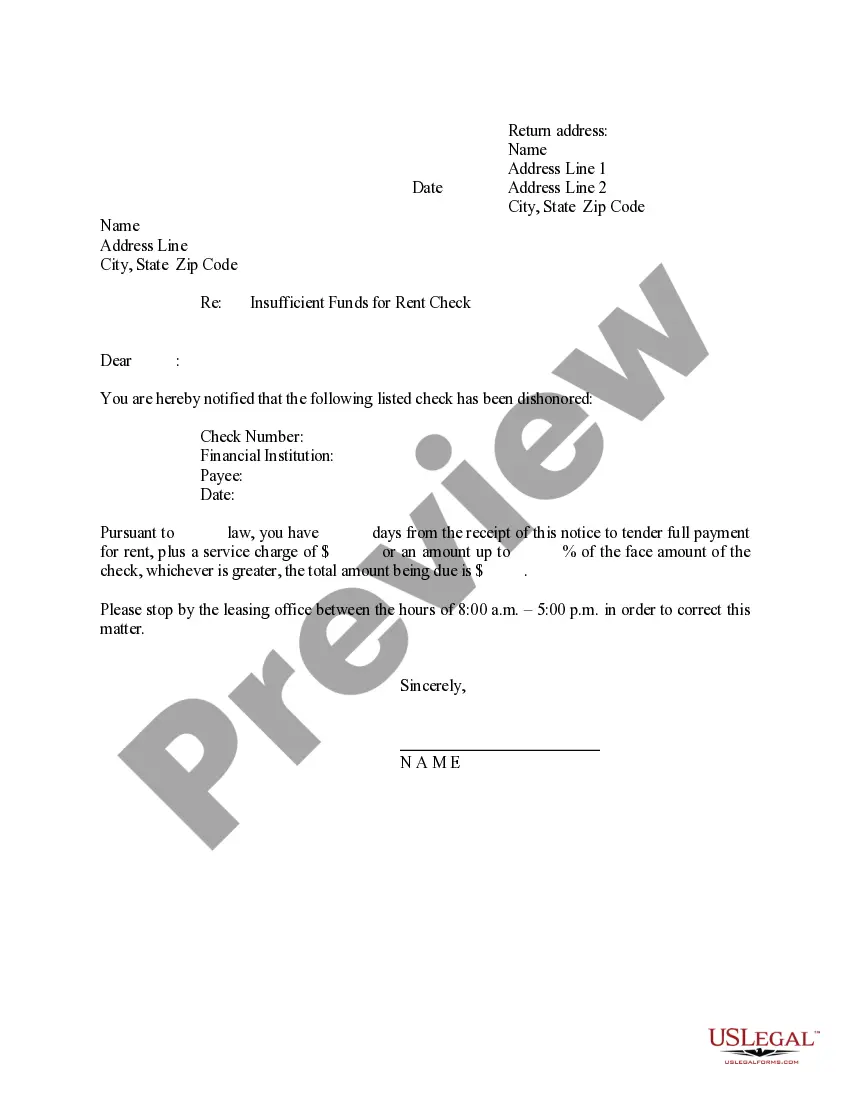
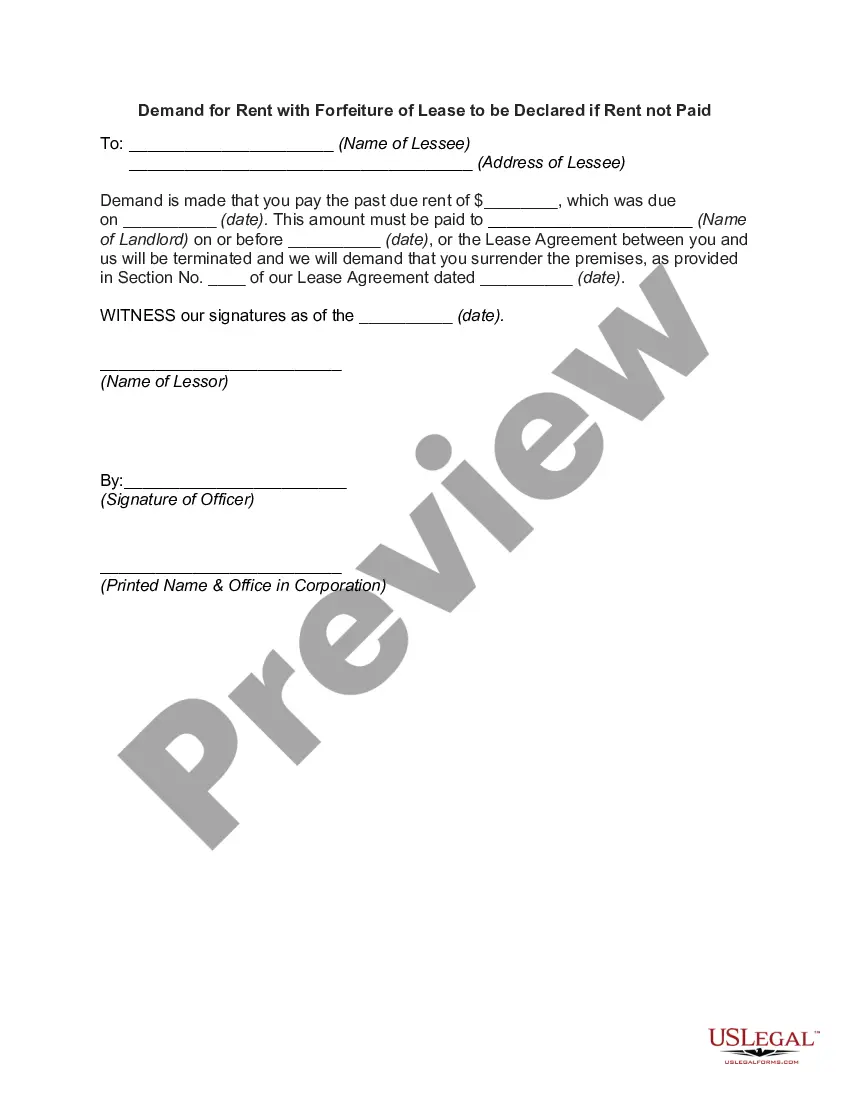


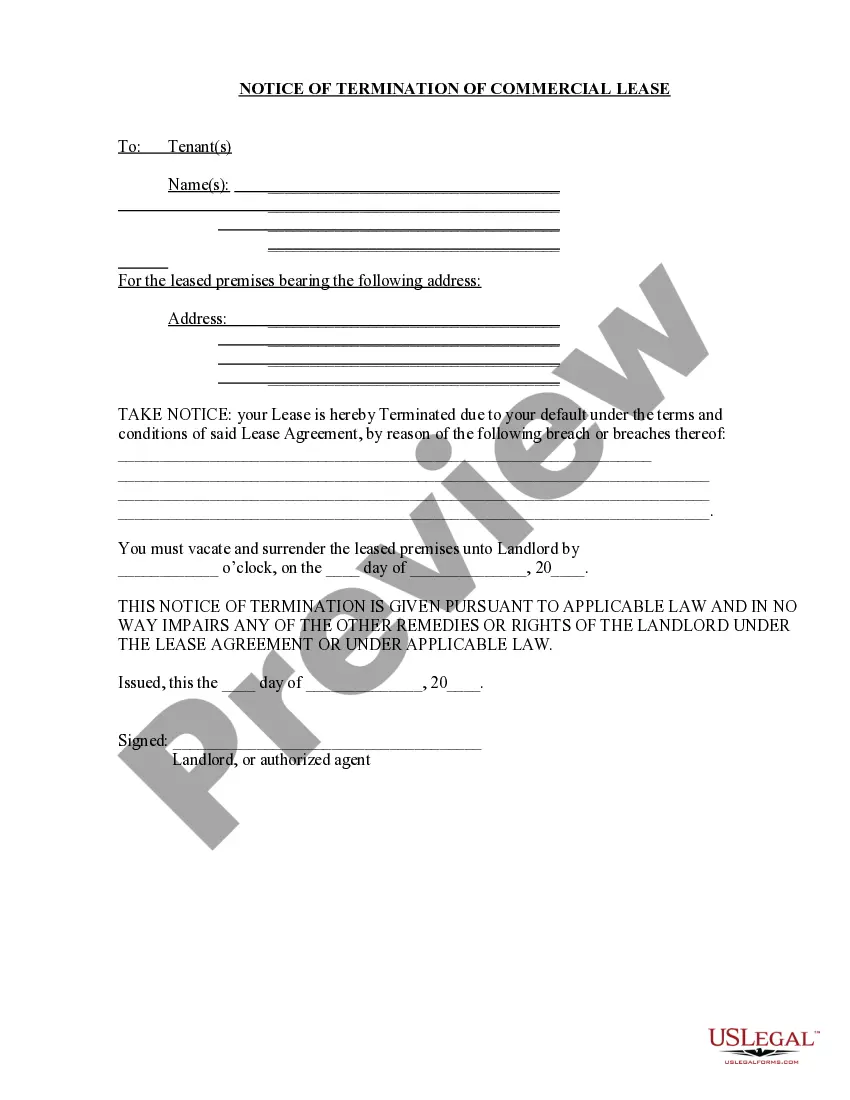
This form is used when a tenant is in default of their commercial lease obligations. Common scenarios include failure to pay rent on time, neglecting property maintenance, or violating lease terms. Landlords typically send this notice before taking legal action to resolve the issue or begin eviction proceedings.
This form is intended for:
- Landlords of commercial properties who need to address tenant defaults.
- Property managers acting on behalf of landlords.
- Tenants who need to understand their rights upon receiving such a notice.
To complete this form, follow these steps:
- Identify the parties involved, including the landlord and tenant.
- Specify the address of the leased property.
- Clearly state the nature of the default or breach.
- Set a specific deadline for the tenant to cure the breach.
- Enter the date the notice is issued.
- Sign the notice as the landlord or authorized agent.
This form does not typically require notarization unless specified by local law. It is advisable to check state regulations to ensure proper execution of the notice.
Get your form ready online
Our built-in tools help you complete, sign, share, and store your documents in one place.
Make edits, fill in missing information, and update formatting in US Legal Forms—just like you would in MS Word.
Download a copy, print it, send it by email, or mail it via USPS—whatever works best for your next step.
Sign and collect signatures with our SignNow integration. Send to multiple recipients, set reminders, and more. Go Premium to unlock E-Sign.
If this form requires notarization, complete it online through a secure video call—no need to meet a notary in person or wait for an appointment.
We protect your documents and personal data by following strict security and privacy standards.

Make edits, fill in missing information, and update formatting in US Legal Forms—just like you would in MS Word.

Download a copy, print it, send it by email, or mail it via USPS—whatever works best for your next step.

Sign and collect signatures with our SignNow integration. Send to multiple recipients, set reminders, and more. Go Premium to unlock E-Sign.

If this form requires notarization, complete it online through a secure video call—no need to meet a notary in person or wait for an appointment.

We protect your documents and personal data by following strict security and privacy standards.
- Failing to specify the exact breaches, which can lead to confusion.
- Not providing a clear deadline for the tenant to respond.
- Omitting signatures or dates, which can invalidate the notice.
- Using vague language instead of clearly stating the defaults.
- Easy access to the legal form, ensuring compliance with local laws.
- Convenient editing options to tailor the form to specific situations.
- Reliability of documents drafted by licensed attorneys to meet legal standards.
Looking for another form?
Form popularity
FAQ
In Arizona, the timeline for evicting a commercial tenant can vary, but it generally takes several weeks to a few months. The process begins with providing proper notice, which could be an Arizona Letter from Landlord to Tenant as Notice of Default on Commercial Lease. After this, if the tenant does not comply, the landlord must file an eviction action, which adds to the overall timeframe depending on court schedules.
The most effective way to evict a commercial tenant involves adhering to Arizona’s legal procedures. First, you must send a notice informing the tenant of the default. This could include an Arizona Letter from Landlord to Tenant as Notice of Default on Commercial Lease, outlining the reasons for eviction. Following this, ensure that you file the necessary legal documents to proceed with the eviction if needed.
In Arizona, tenants have several rights when it comes to commercial leases. These rights include enjoying the space without interference, receiving adequate notice for any lease changes, and having a fair process during eviction. Knowing these rights is vital, particularly if you find yourself needing to respond to an Arizona Letter from Landlord to Tenant as Notice of Default on Commercial Lease.
A letter of intent, or LOI, is a document that outlines the preliminary agreements between a landlord and a tenant regarding a commercial lease. This letter typically includes essential terms, such as rental rates and space requirements, but it is not legally binding. Understanding its significance can help you avoid conflicts later on, especially when drafting an Arizona Letter from Landlord to Tenant as Notice of Default on Commercial Lease.
A letter of intent to lease is a document that shows one party's intention to rent a property from another party. It typically includes essential details such as the desired lease terms, rental rates, and other pertinent conditions. This document helps clarify intentions and sets the stage for drafting a formal lease agreement. In the case of an Arizona Letter from Landlord to Tenant as Notice of Default on Commercial Lease, a letter of intent can guide the resolution of issues by defining expectations upfront.
A letter of intent (LOI) and a request for proposal (RFP) serve distinct purposes in business transactions. An LOI outlines the preliminary agreement and intentions of the parties, while an RFP invites vendors to bid on a project, often detailing specific requirements. In commercial leasing, an LOI focuses on the agreement between landlord and tenant, while an RFP may guide landlords in selecting potential tenants. Understanding these differences is important, particularly when dealing with an Arizona Letter from Landlord to Tenant as Notice of Default on Commercial Lease.
An LOI is required to establish clear communication between the landlord and tenant before entering into a legally binding lease. It helps both parties understand their obligations and expectations, reducing the potential for misunderstandings. Having an LOI can also streamline the negotiation process, making it easier to move forward with the formal lease. In scenarios involving an Arizona Letter from Landlord to Tenant as Notice of Default on Commercial Lease, having a documented LOI can serve as a reference point for compliance and disputes.
A letter of intent (LOI) serves as a preliminary agreement between parties involved in a potential lease. This document outlines the key terms, goals, and expectations for both the landlord and tenant. It acts as a framework for negotiations and provides a roadmap for drafting the final lease agreement. In the context of an Arizona Letter from Landlord to Tenant as Notice of Default on Commercial Lease, an LOI is crucial for clarifying intentions before formalizing agreements.
In Arizona, a landlord cannot legally evict a tenant without a court order. Any informal attempts, such as changing locks or removing property, are prohibited and may lead to legal consequences. The proper method is to send an Arizona Letter from Landlord to Tenant as Notice of Default on Commercial Lease, then follow through with a court eviction process if necessary. Always adhere to legal guidelines to protect your rights.
When writing a notification letter to your landlord, be sure to include essential details such as your address and the purpose of the letter. Start with a courteous introduction, followed by the specific points you wish to address, like issues with the lease or requesting repairs. Keeping your tone respectful improves chances of a positive response. Providing feedback or suggestions can foster better communication and understanding.