Arkansas Transfer on Death Deed or TOD - Beneficiary Deed for One Individual to Two Individuals
What is this form?
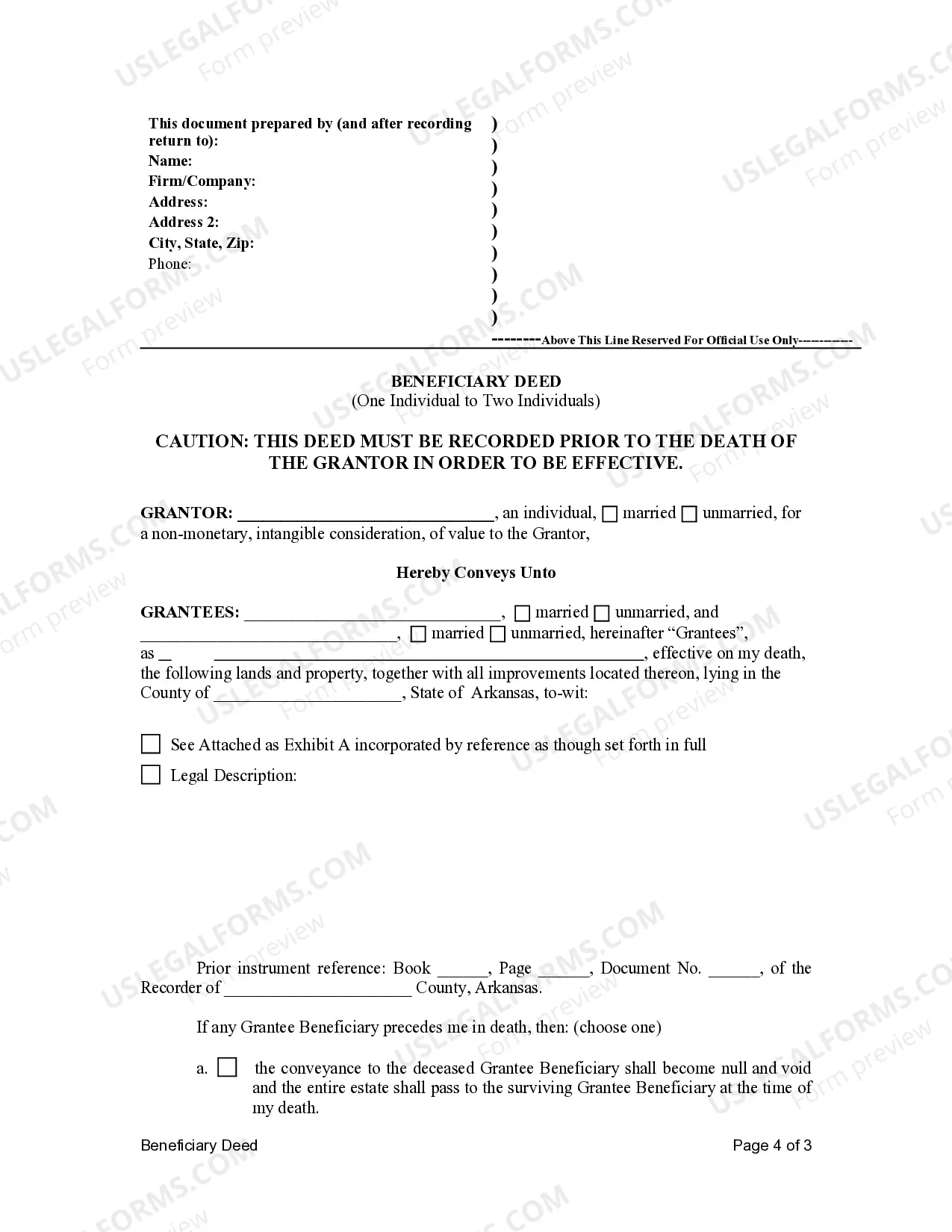
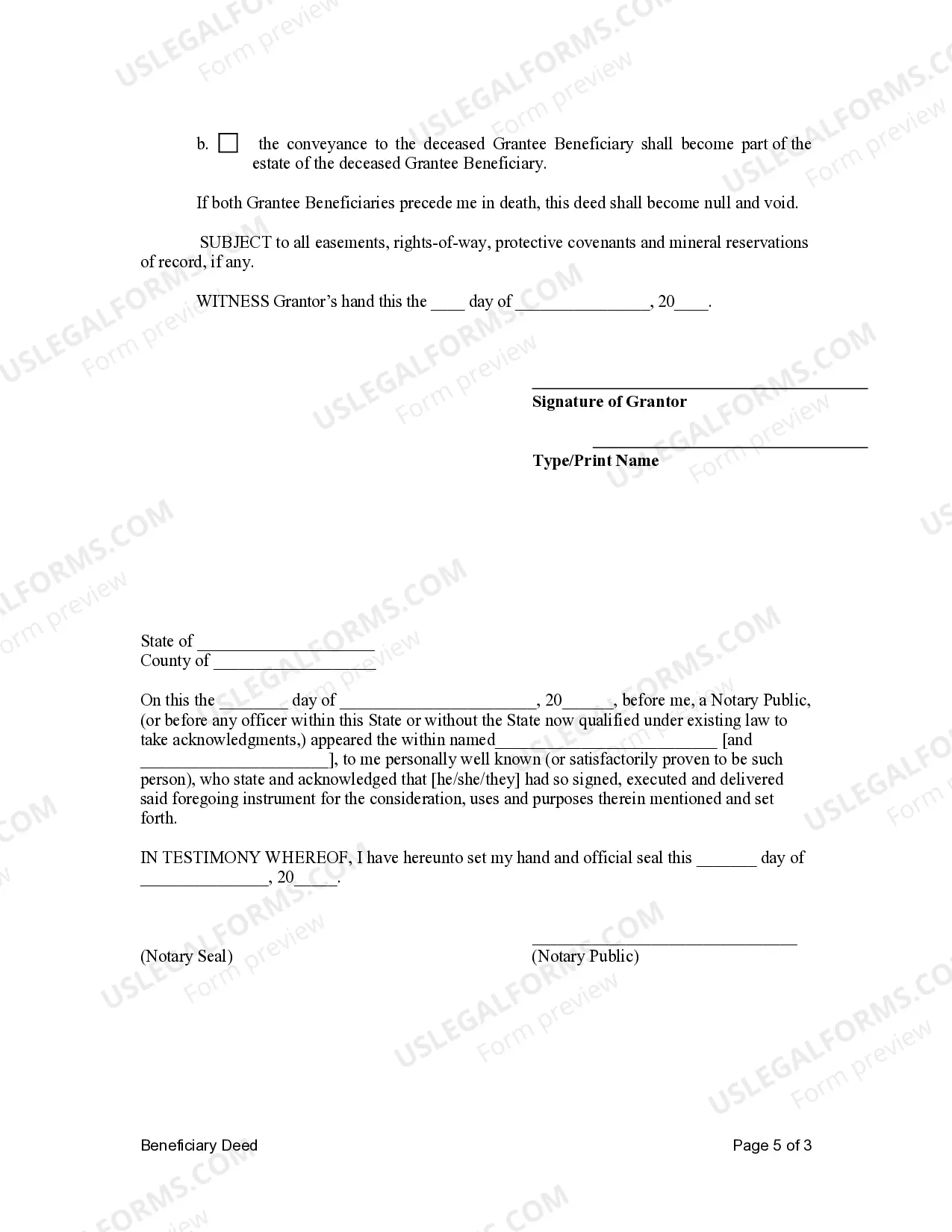
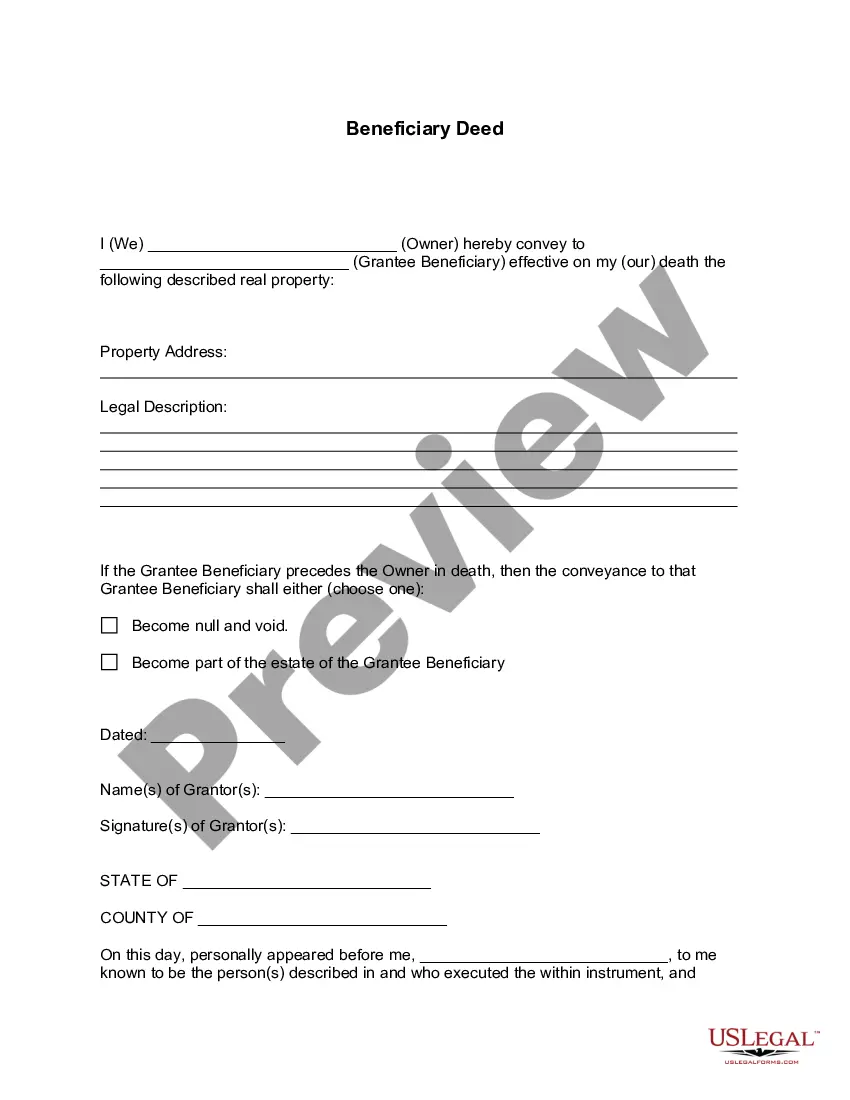
The Transfer on Death Deed, or TOD Beneficiary Deed, allows an individual (the grantor) to designate two other individuals (the grantees) to receive property upon the grantor's death. This form serves as a revocable transfer of property that becomes effective only if filed before the grantor's death. Should one grantee pass away before the grantor, their share will either go to their estate or to the surviving grantee. This form is important for ensuring that property transfers smoothly and without the need for probate, aligning with state regulations.
Form components explained
- Grantor details, including marital status.
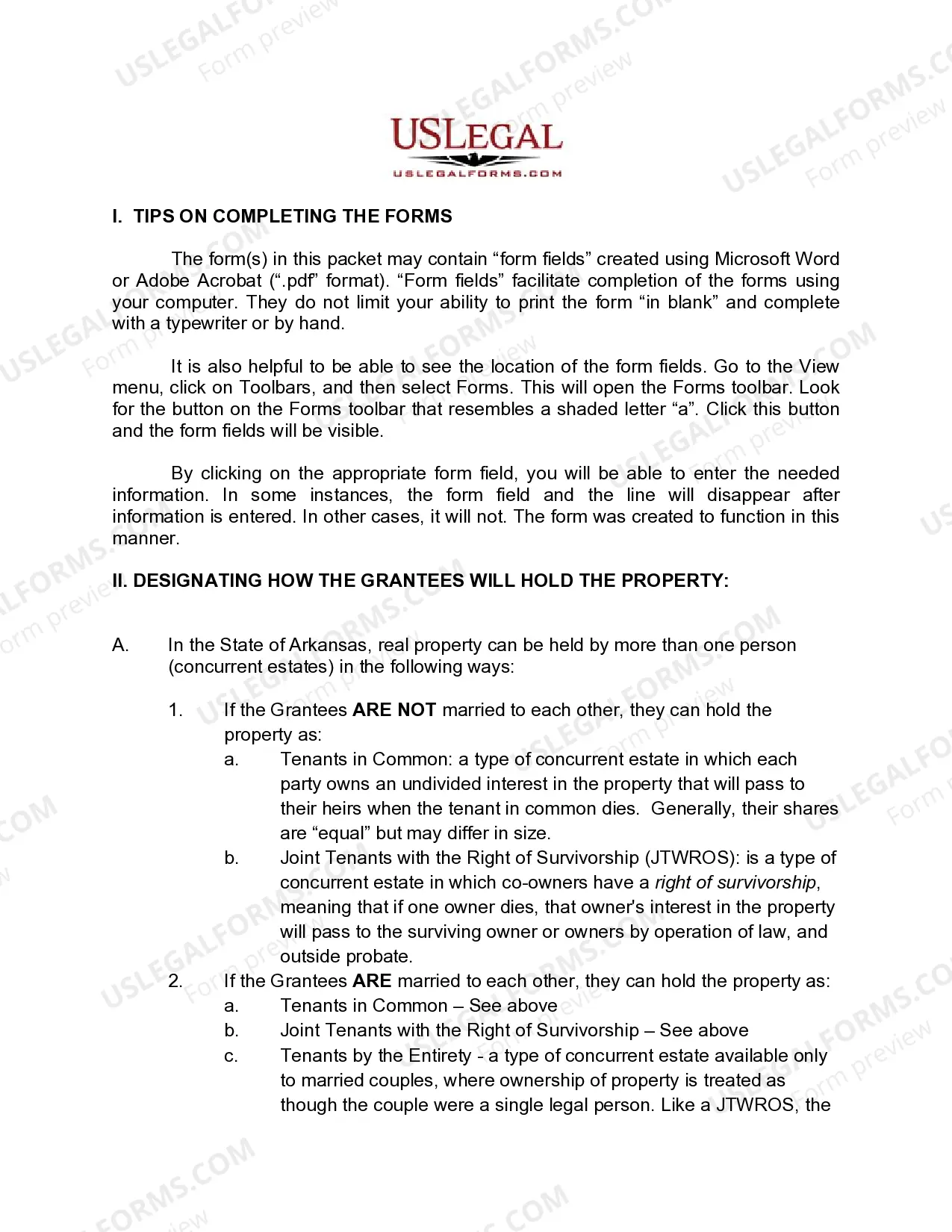
- Information about the grantees, specifying how they will hold the property (e.g., tenants in common, joint tenants with survival rights, tenants by the entirety).
- Declarations regarding the validity of the deed and the necessary filing before the grantor's death.
- Signature of the grantor and acknowledgment by a notary public.




Common use cases
This form should be used when an individual wants to transfer their real property directly to two individuals after their passing, providing a simple and effective means to manage estate planning. It is particularly useful for those who want to avoid probate and have clear directives for their property distribution upon death.
Who should use this form
- Individual property owners wishing to secure an inheritance path for beneficiaries.
- Those seeking to ensure their property bypasses probate after death.
- Individuals with clear intentions on how to distribute their property among chosen beneficiaries.
Completing this form step by step
- Identify the grantor and fill in personal details including marital status.
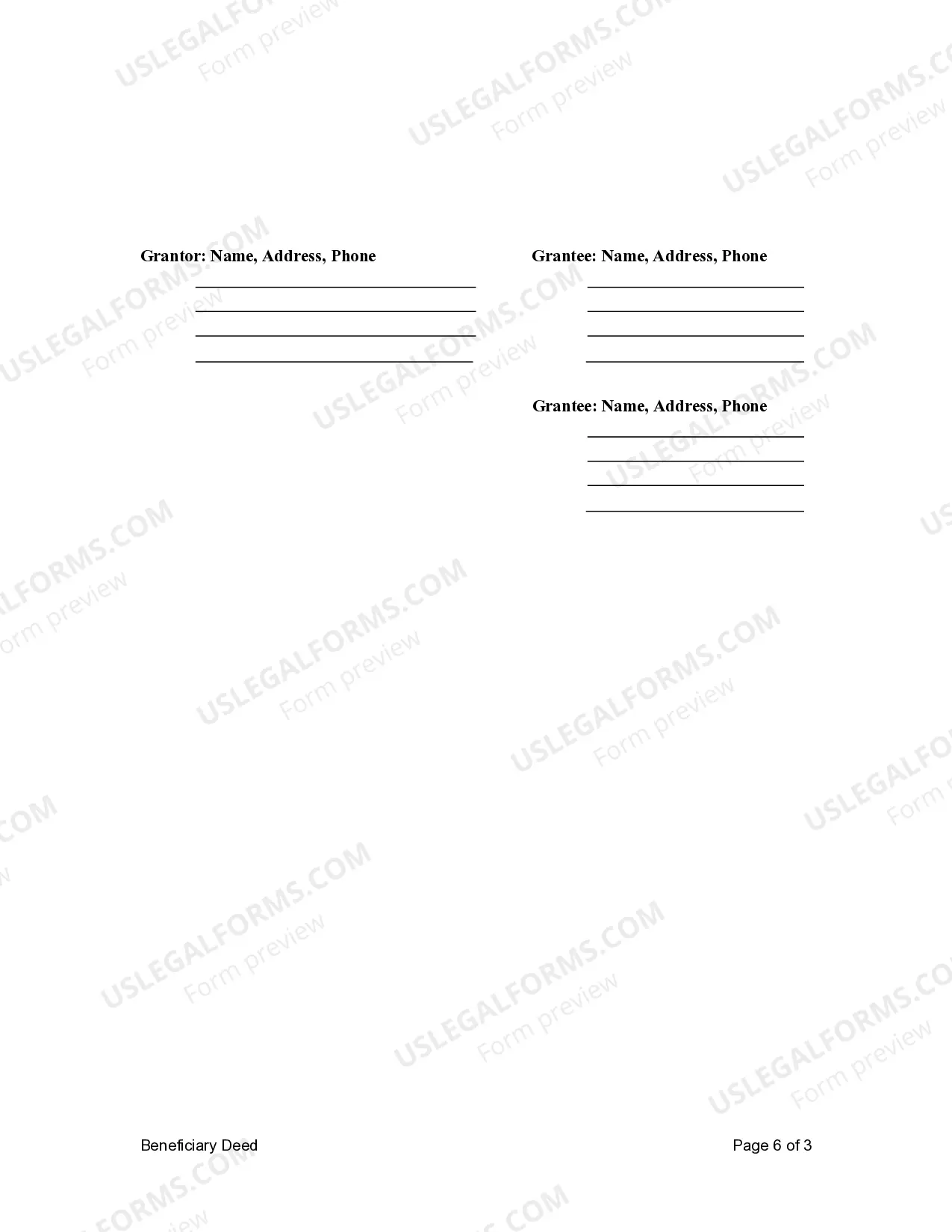
- List the names and details of both grantees.
- Select how the grantees will hold the property (e.g., tenants in common, joint tenants, or tenants by the entirety).
- Ensure signatures are provided by the grantor and a notary public.
- File the completed deed before the grantor's death to ensure efficacy.
Notarization requirements for this form
This form must be notarized to be legally valid. US Legal Forms provides secure online notarization powered by Notarize, allowing you to complete the process through a verified video call.
Get your form ready online
Our built-in tools help you complete, sign, share, and store your documents in one place.
Make edits, fill in missing information, and update formatting in US Legal Forms—just like you would in MS Word.
Download a copy, print it, send it by email, or mail it via USPS—whatever works best for your next step.
Sign and collect signatures with our SignNow integration. Send to multiple recipients, set reminders, and more. Go Premium to unlock E-Sign.
If this form requires notarization, complete it online through a secure video call—no need to meet a notary in person or wait for an appointment.
We protect your documents and personal data by following strict security and privacy standards.

Make edits, fill in missing information, and update formatting in US Legal Forms—just like you would in MS Word.

Download a copy, print it, send it by email, or mail it via USPS—whatever works best for your next step.

Sign and collect signatures with our SignNow integration. Send to multiple recipients, set reminders, and more. Go Premium to unlock E-Sign.

If this form requires notarization, complete it online through a secure video call—no need to meet a notary in person or wait for an appointment.

We protect your documents and personal data by following strict security and privacy standards.
Common mistakes to avoid
- Failing to file the deed before the grantor's death.
- Not clearly specifying how grantees will hold the property.
- Incomplete notarization, omitting the notary's signature or seal.
- Not including essential details of the property being transferred.
Benefits of using this form online
- Convenience of downloading and filling out the form at home.
- Editability allows for easy corrections before finalizing.
- Access to forms created by licensed attorneys to ensure compliance with state laws.
- Streamlined process to help avoid unnecessary legal fees associated with traditional legal services.
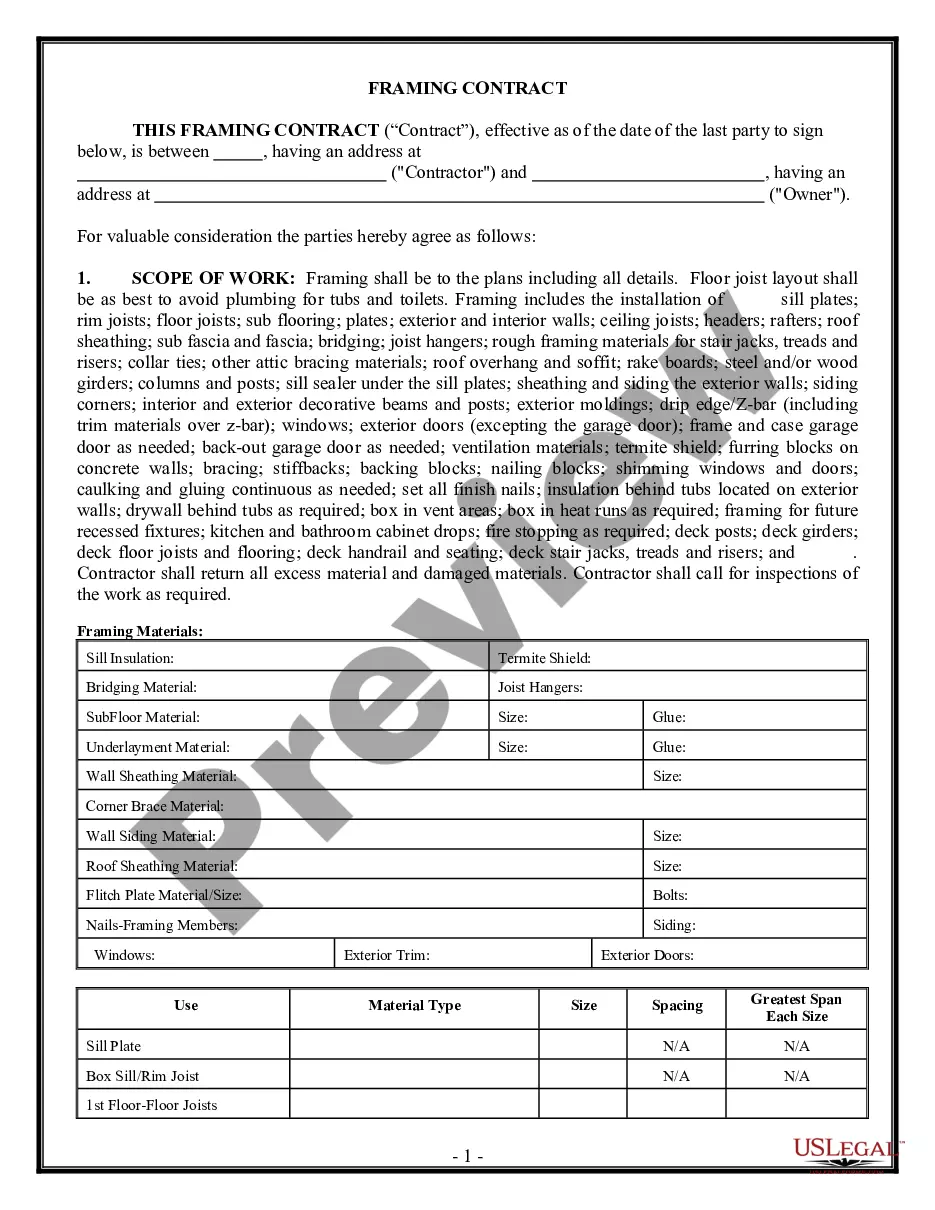
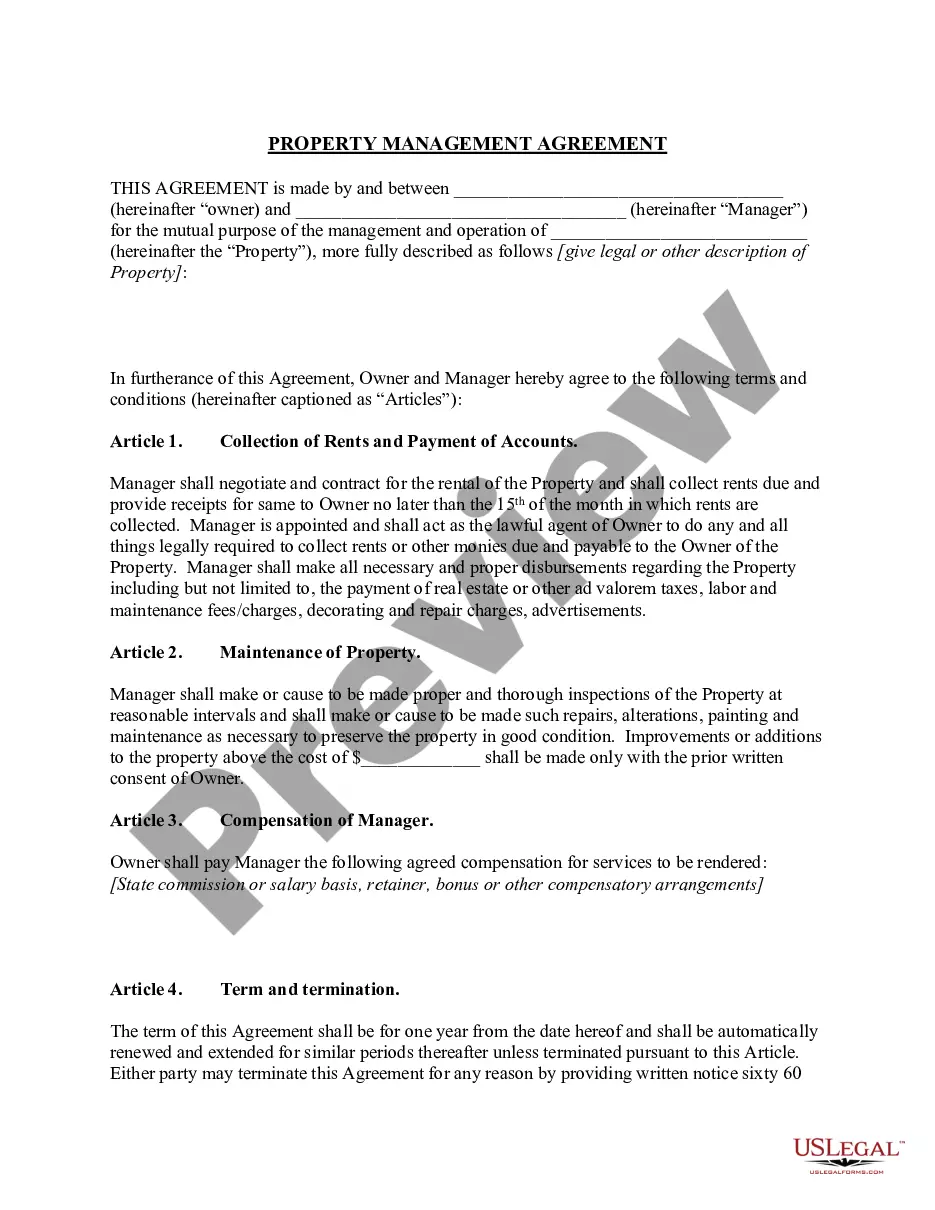
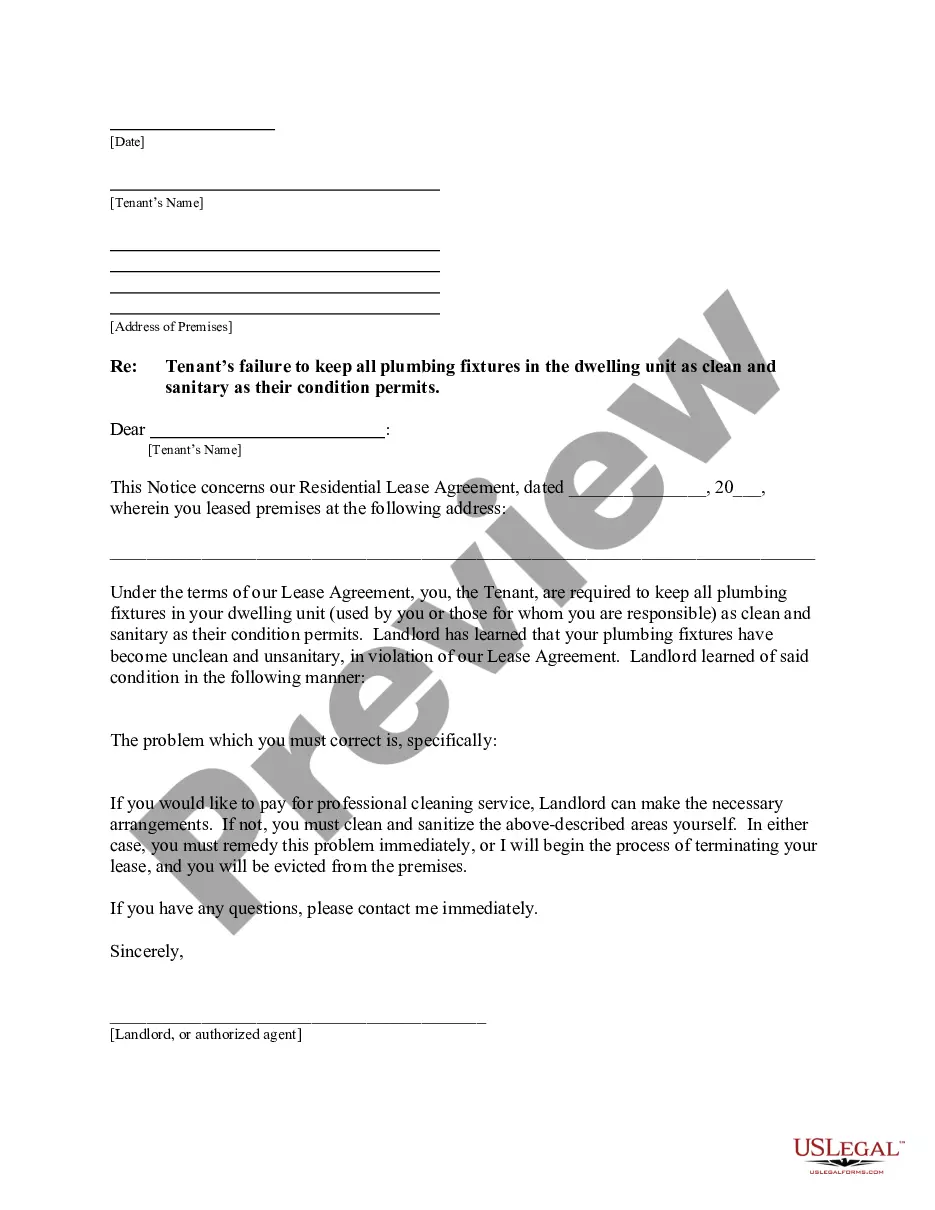
Looking for another form?
Form popularity
FAQ
This form lets a property owner (the grantor) designate two beneficiaries to receive the property after the grantor's death. It is revocable and becomes effective only if filed before death, avoiding probate in Arkansas. If one beneficiary dies first, that share goes to the beneficiary’s estate or to the surviving beneficiary.
This TOD deed names two grantees. It also specifies how the property will be held, such as tenants in common, joint tenants with survivorship rights, or tenants by the entirety, depending on the grantor’s provisions.
The form allows the grantees to hold the property as tenants in common, joint tenants with rights of survivorship, or tenants by the entirety, as chosen by the grantor and documented in the deed.
The grantor must sign the deed and have it acknowledged by a notary public. The deed must be filed before the grantor's death for the transfer to take effect, per the form's guidance.
If a grantee dies before the grantor, that share passes either to the grantee's estate or to the surviving grantee, depending on the form's terms and how the grantees hold title.
This form names two grantees instead of one and provides options for how they hold title and what happens if one dies, ensuring the grantor’s wishes are carried out for both beneficiaries.