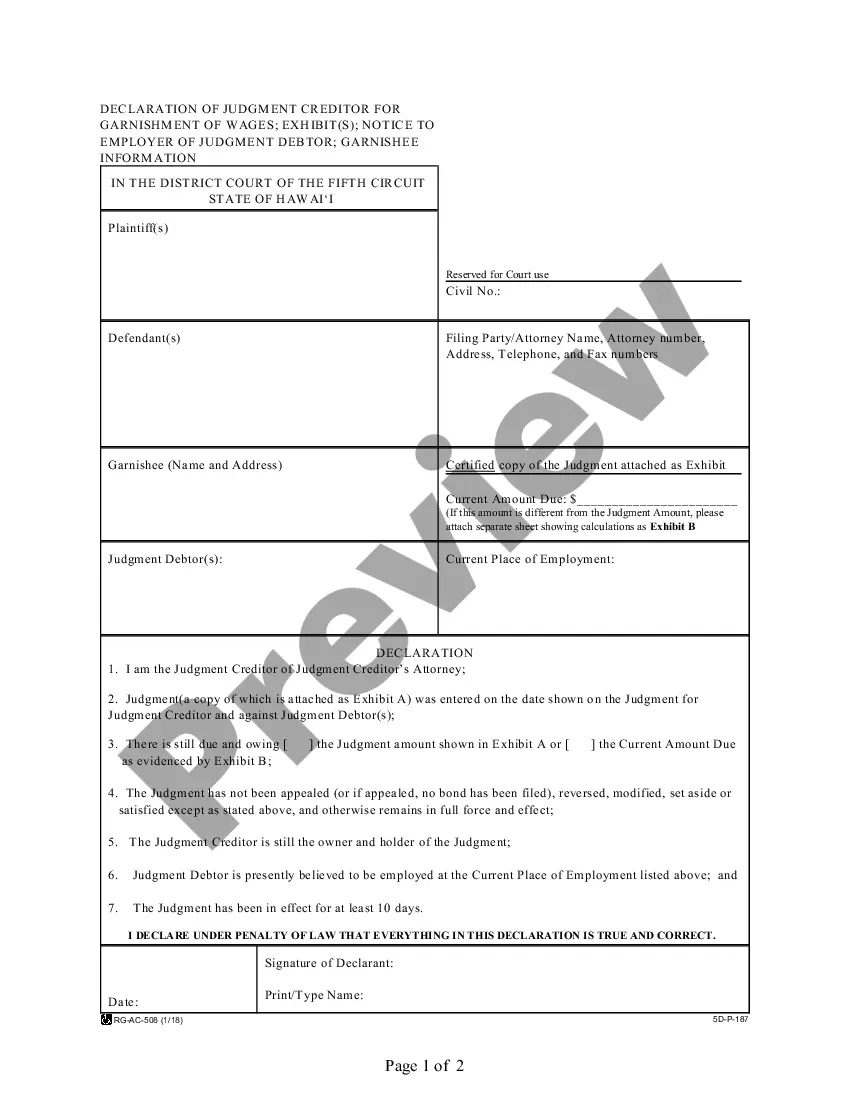
Arkansas Flooring Contract for Contractor
Understanding this form
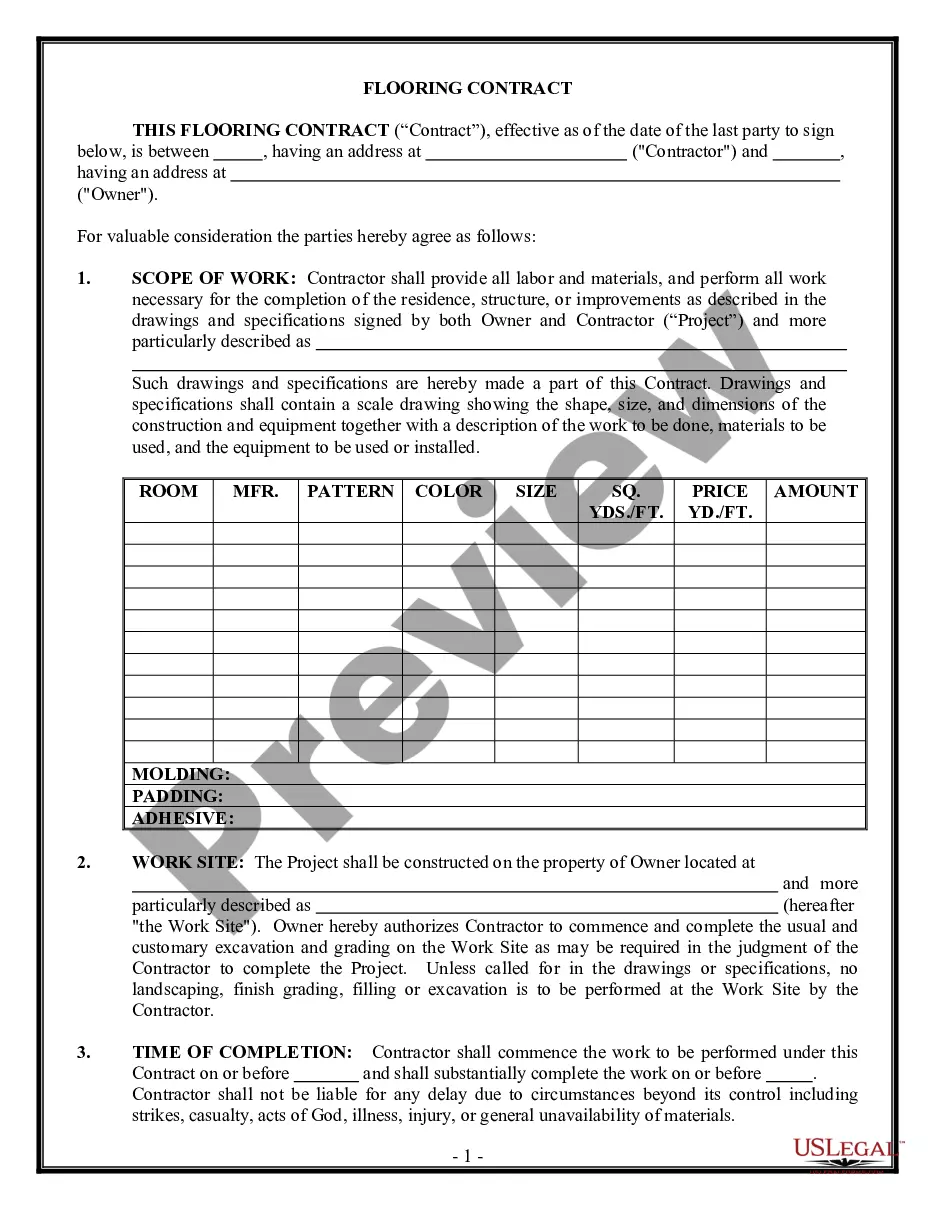
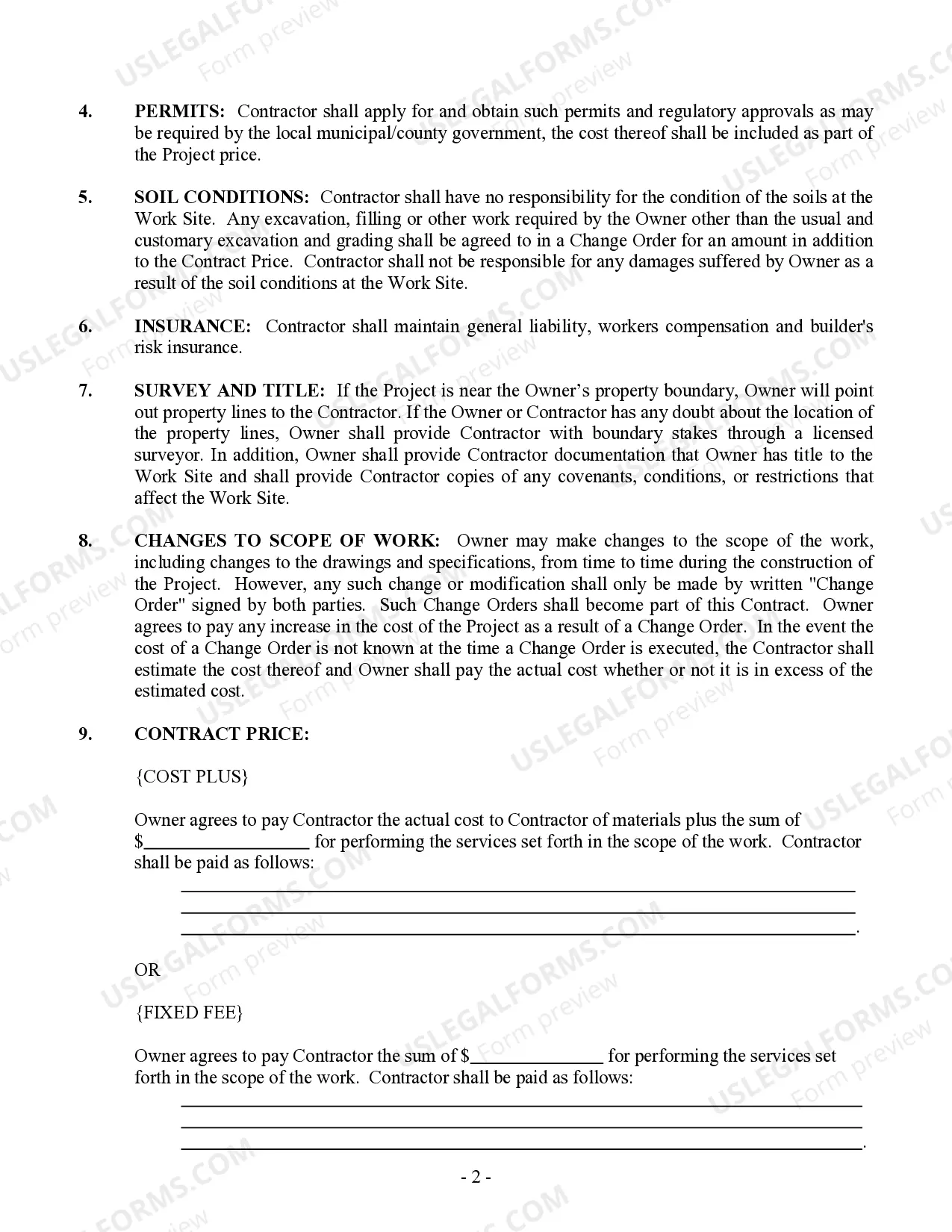
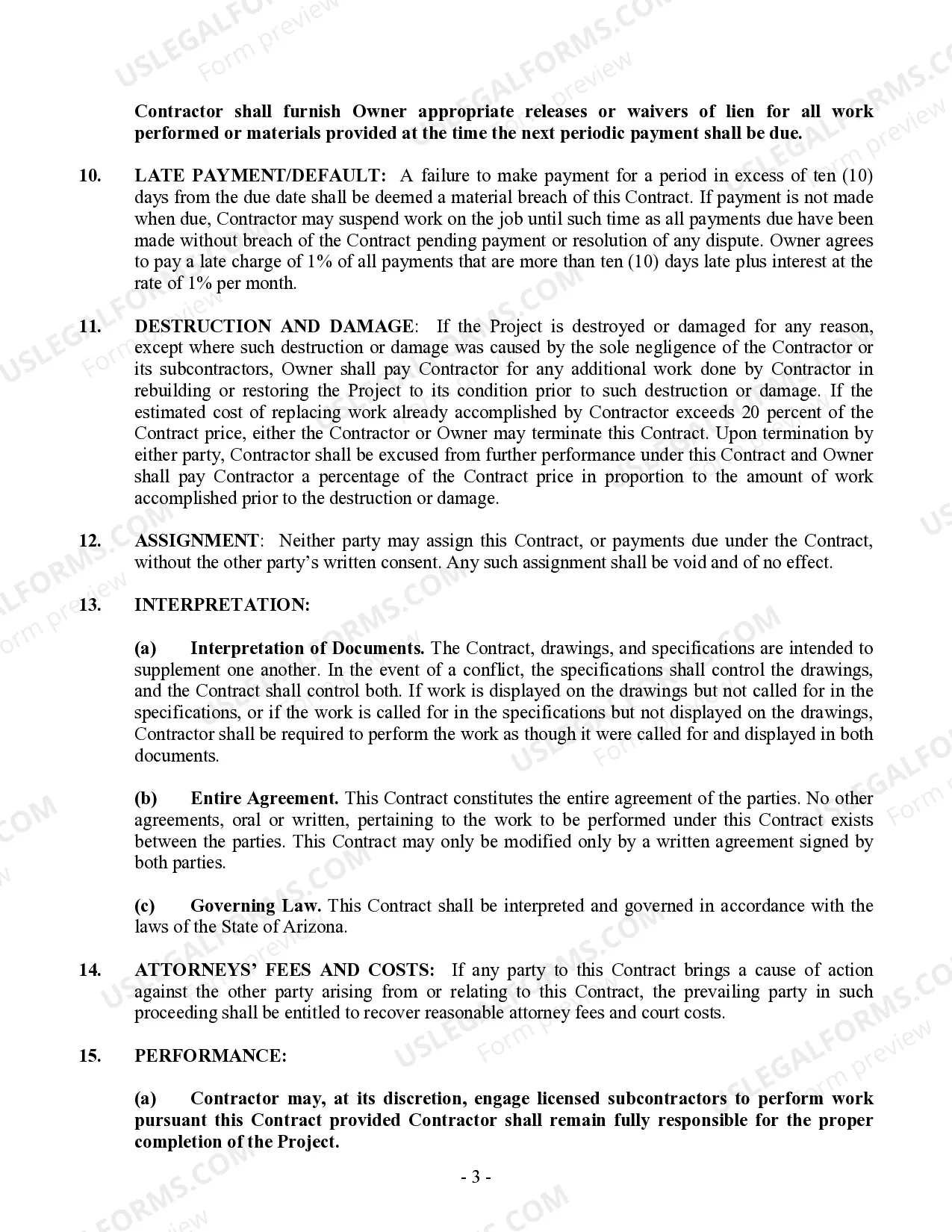
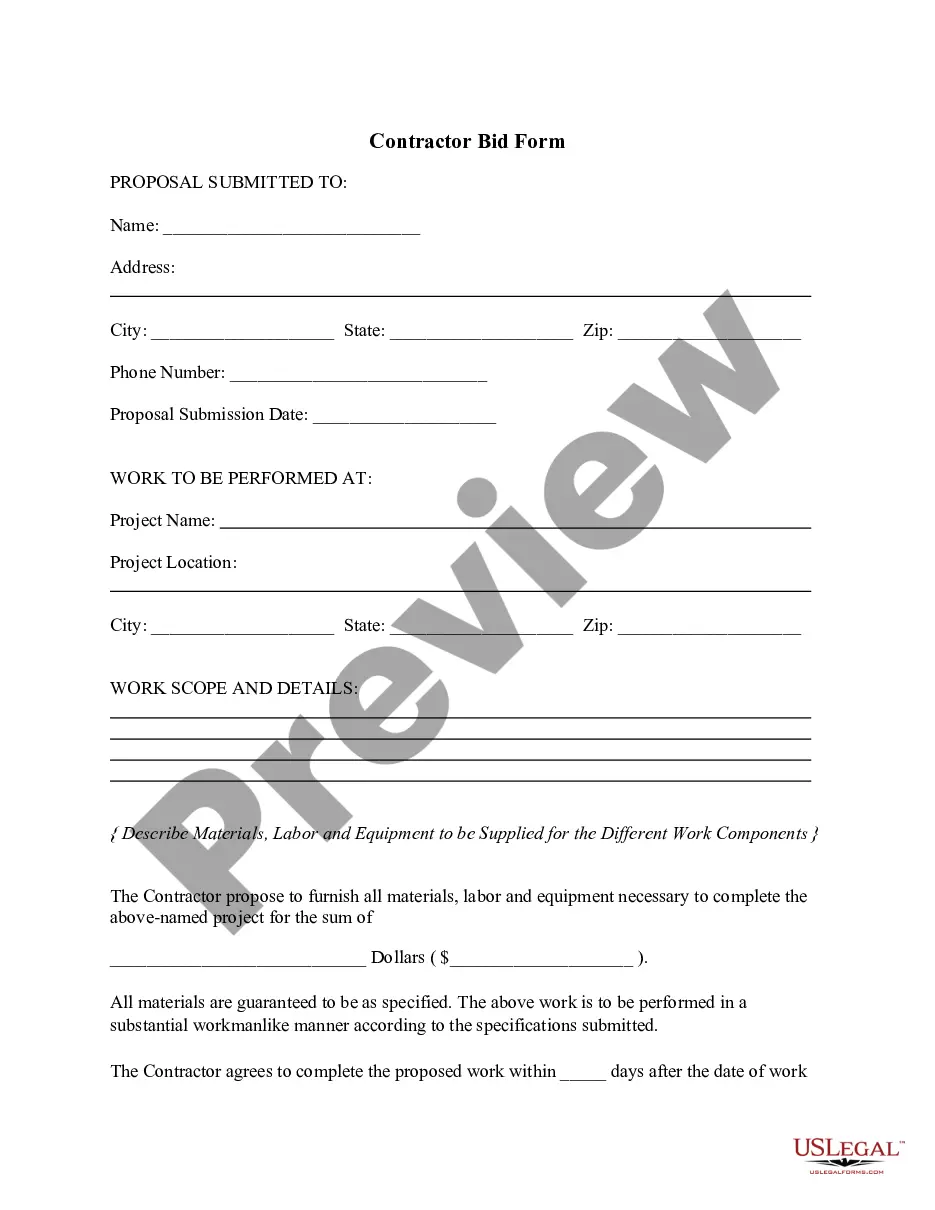
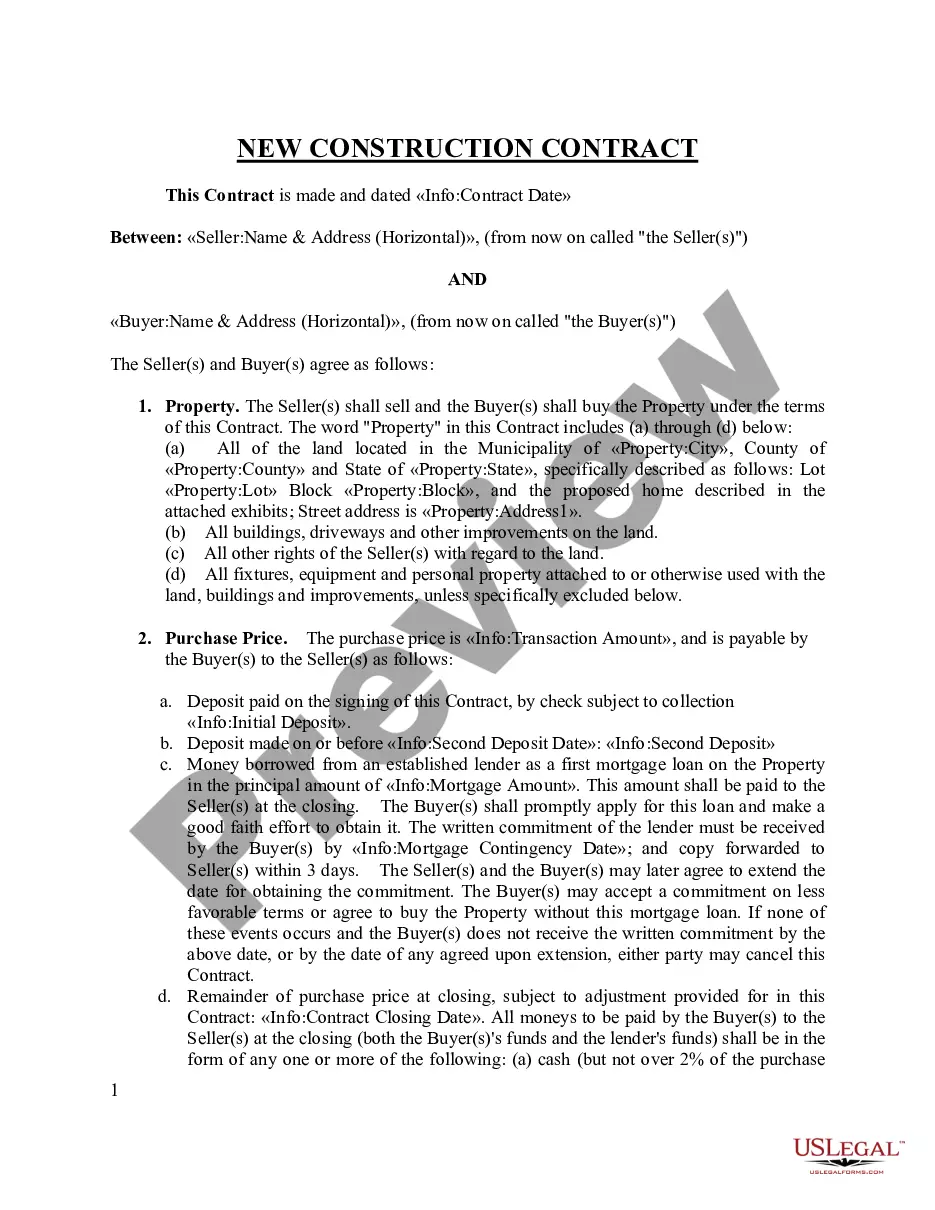
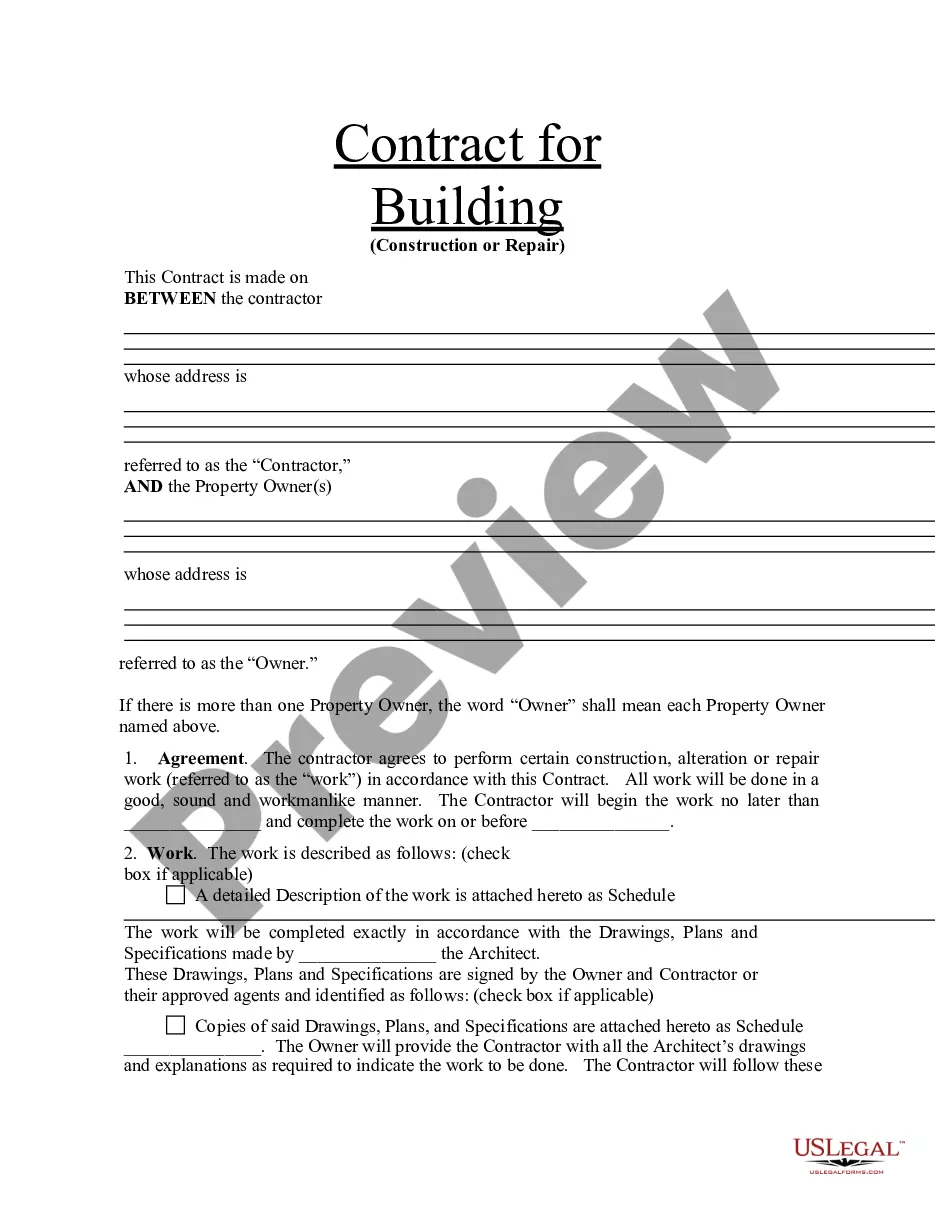
The Flooring Contract for Contractor is a legal document that outlines the agreement between flooring contractors and property owners for flooring installation services. This contract can be tailored to include either a cost plus or fixed fee payment arrangement. It addresses essential aspects such as change orders, warranties, and insurance, distinguishing it from simpler agreements by providing detailed protections and obligations for both parties involved.
What’s included in this form
- Permitting requirements for contractor responsibilities.
- Soil condition disclaimers to limit contractor liability.
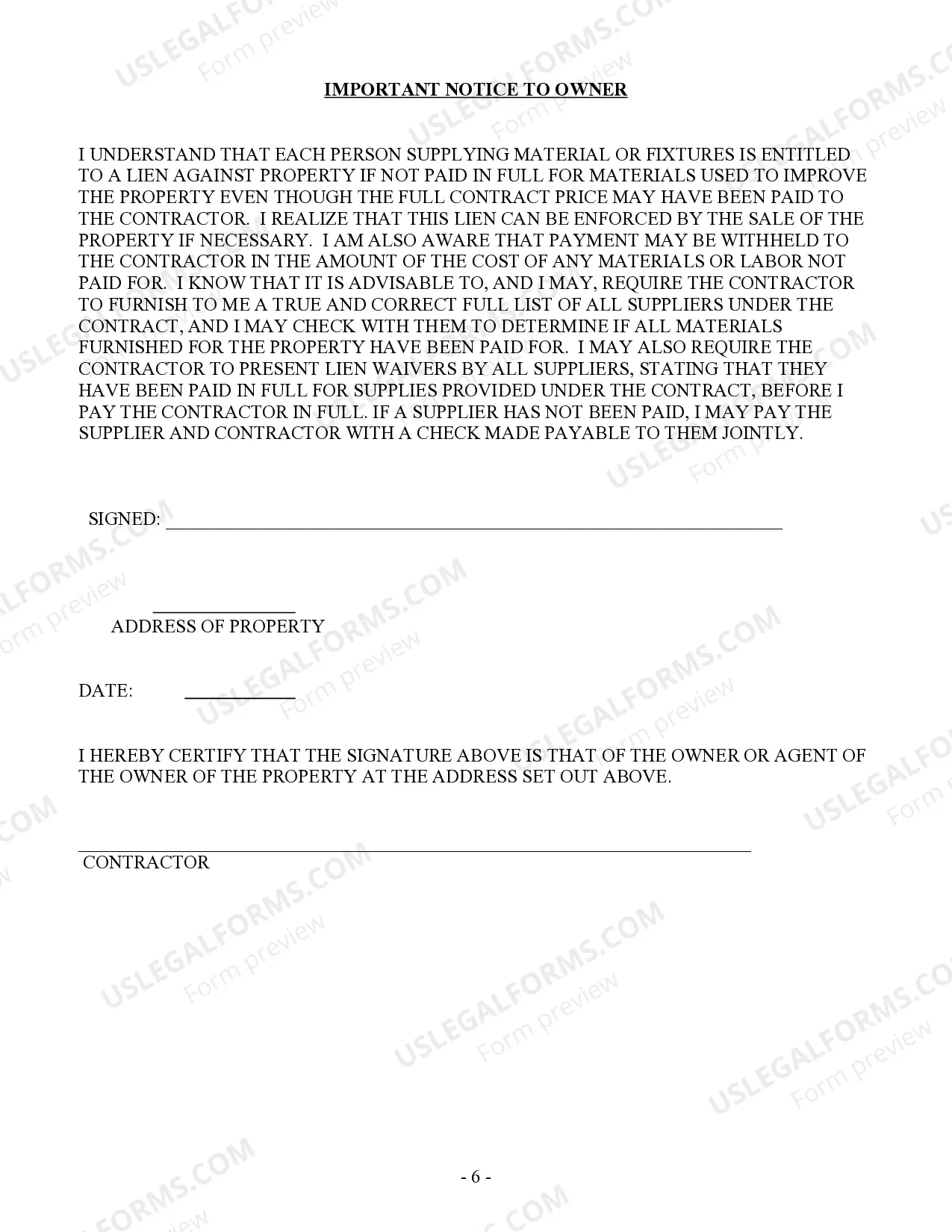
- Insurance stipulations for contractor coverage.
- Details on change orders and adjustments to project scope.
- Contract price arrangements and payment terms.
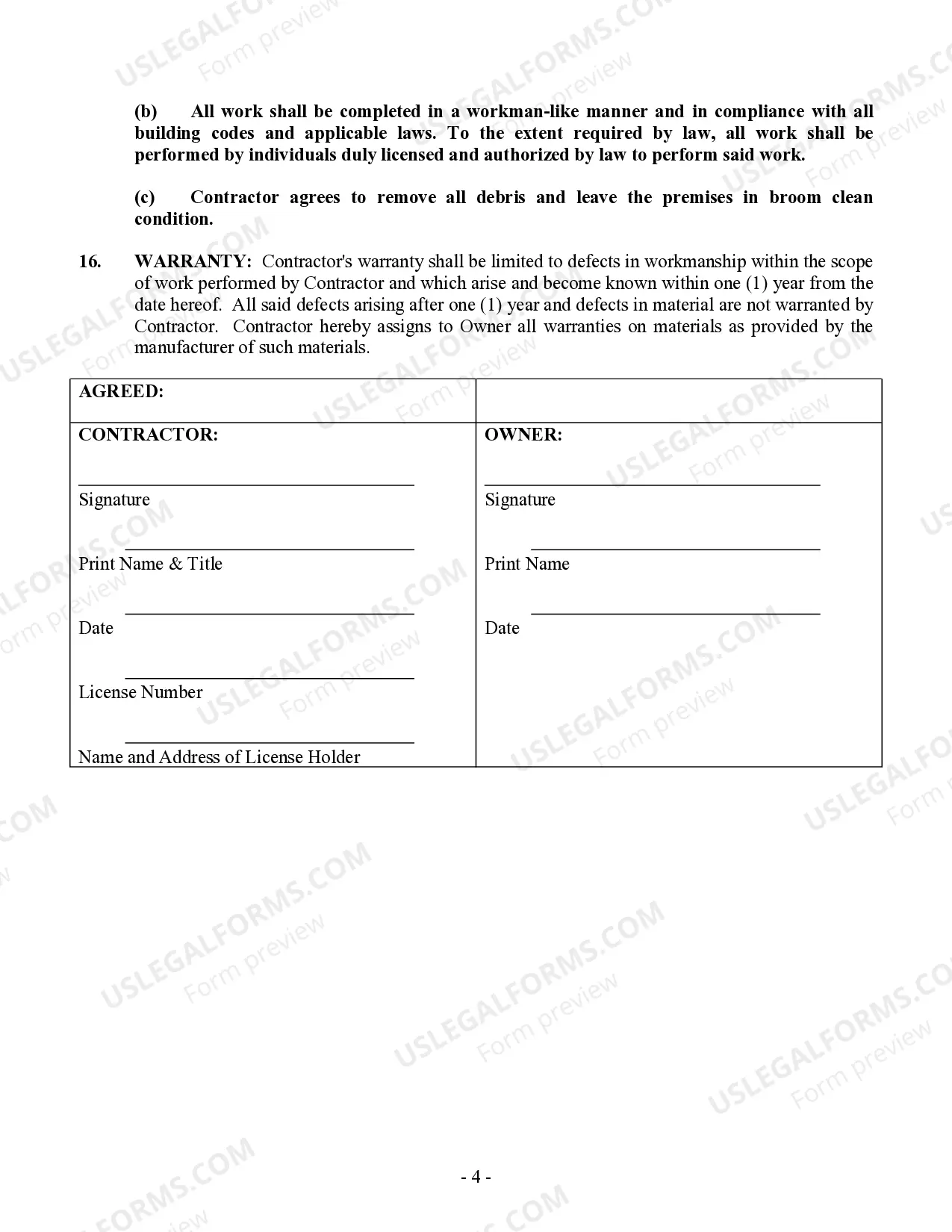
- Warranties related to workmanship and materials used.


Common use cases
This form is essential when engaging a flooring contractor for a project in which specific work details, payment structures, and legal obligations must be clearly defined. Use it when planning to install new flooring in residential or commercial properties, when significant changes to project scope may occur, or when obtaining necessary permits is required.
Who needs this form
- Property owners looking to hire professional flooring services.
- Flooring contractors who need a structured contract to outline terms.
- Individuals or businesses undertaking renovation or construction projects that require flooring installation.
How to complete this form
- Identify the parties involved, including the contractor and property owner.
- Specify the project scope, including flooring types and materials to be used.
- Detail payment arrangements, indicating whether the contract is based on a cost plus or fixed fee structure.
- Outline the permits required and responsibilities for obtaining them.
- Enter dates for the start and completion of the project, and collect signatures from both parties to finalize the agreement.
Does this document require notarization?
This form does not typically require notarization unless specified by local law. However, it is advisable to have it notarized for added validity and to ensure all parties' signatures are verified for legal purposes.
Get your form ready online
Our built-in tools help you complete, sign, share, and store your documents in one place.
Make edits, fill in missing information, and update formatting in US Legal Forms—just like you would in MS Word.
Download a copy, print it, send it by email, or mail it via USPS—whatever works best for your next step.
Sign and collect signatures with our SignNow integration. Send to multiple recipients, set reminders, and more. Go Premium to unlock E-Sign.
If this form requires notarization, complete it online through a secure video call—no need to meet a notary in person or wait for an appointment.
We protect your documents and personal data by following strict security and privacy standards.

Make edits, fill in missing information, and update formatting in US Legal Forms—just like you would in MS Word.

Download a copy, print it, send it by email, or mail it via USPS—whatever works best for your next step.

Sign and collect signatures with our SignNow integration. Send to multiple recipients, set reminders, and more. Go Premium to unlock E-Sign.

If this form requires notarization, complete it online through a secure video call—no need to meet a notary in person or wait for an appointment.

We protect your documents and personal data by following strict security and privacy standards.
Avoid these common issues
- Failing to specify the exact scope of work, leading to misunderstandings.
- Omitting terms regarding changes to the project, which can result in disputes later.
- Not including payment terms clearly, which can lead to delays in compensation.
- Neglecting to address permit responsibilities, potentially leading to legal issues.
Benefits of using this form online
- Convenient access to expertly drafted legal documents at any time.
- Editable templates allow for customization to fit specific project needs.
- Reliable resource that provides peace of mind by following state-specific legal guidelines.
- Saves time compared to generating a contract from scratch.
Legal use of this Flooring Contract for Contractor ensures that both parties have a clear understanding of their rights and obligations. This agreement is enforceable in Arkansas courts, provided that it is correctly filled out, signed, and dated. Failure to comply with the contract terms may lead to legal disputes, which could necessitate mediation or litigation.
Key takeaways
Key takeaways from the Flooring Contract for Contractor include:
- Clarifies the duties and payment terms between contractor and property owner.
- Addresses important details such as permits, insurance, and warranties.
- Specific to the laws of Arkansas, ensuring compliance with state legal requirements.
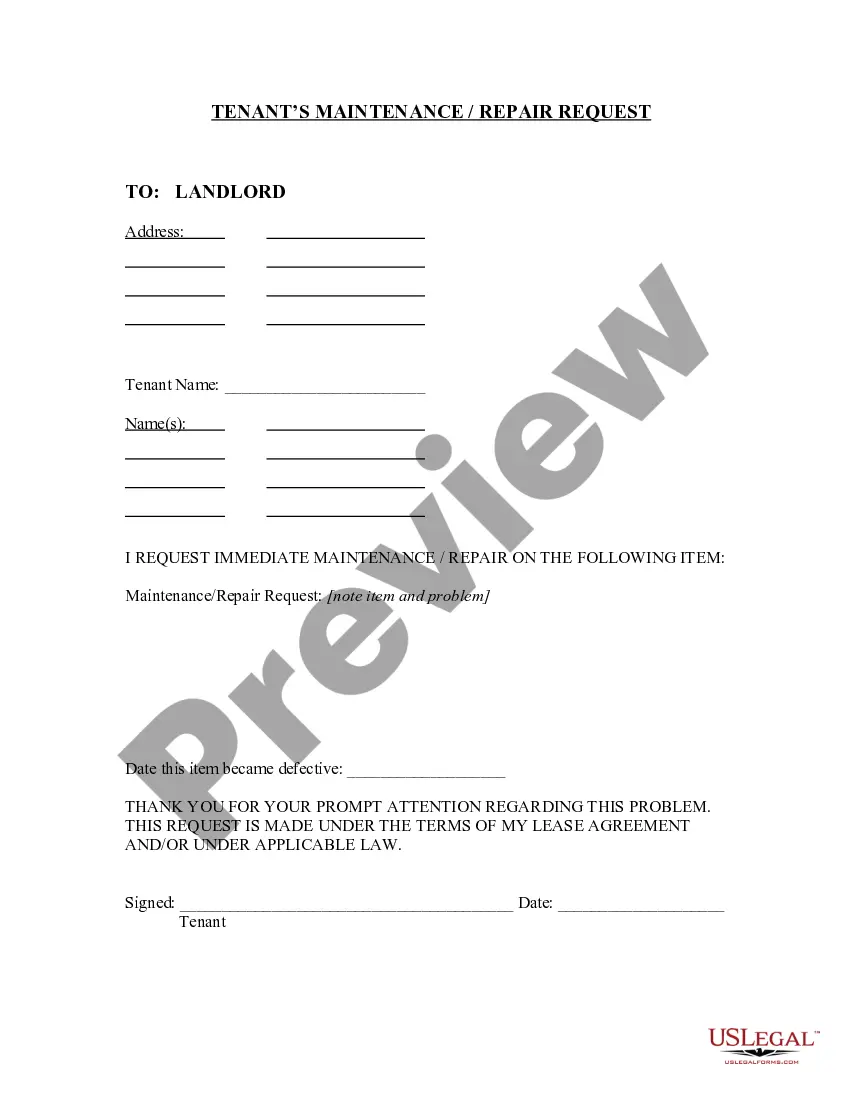
Looking for another form?


Form popularity
FAQ
To write an effective flooring contract, start by including the names and addresses of the contractor and homeowner. Clearly outline the scope of work, specifying materials, design preferences, and installation details. It's also important to include payment terms, project timelines, and any warranties, ensuring both parties understand their obligations under the Arkansas Flooring Contract for Contractor.
Fill out a contractor agreement by providing crucial information upfront. Include both parties' names, addresses, and the project's nature. Be specific about the services, materials involved, and payment schedules. Using a reliable template can streamline this process and ensure you include all necessary legal elements for your Arkansas Flooring Contract.
A simple Arkansas Flooring Contract for Contractor might include the contractor's name, client's name, project specifics, and payment terms. It may state that the contractor will install specific flooring within a chosen timeframe for an agreed amount. Such a straightforward contract establishes clear expectations and responsibilities with minimal complexity.
Writing an Arkansas Flooring Contract for Contractor as a beginner involves focusing on essential components. Start with clear identification of the parties involved. Describe the work scope, including specific details such as type of flooring and installation requirements. Lastly, detail payment terms, including deposit amounts and final payment conditions to create a clear and effective contract.
Filling out a contract form requires attention to detail and a clear understanding of the agreement. Begin by filling in the names and addresses of the contractor and client. Then, specify the project's description, including materials and services. Lastly, include important terms like payment amounts and timelines to prevent any misunderstandings.
Yes, it is legal to write your own Arkansas Flooring Contract for Contractor. However, ensure that it complies with state laws and covers essential terms. A well-crafted contract protects both parties and minimizes the risk of disputes. Consulting legal resources or templates can guide you in drafting a comprehensive and enforceable contract.
Filling out an Arkansas Flooring Contract for Contractor involves clearly entering details about both parties, the scope of work, payment terms, and timelines. Start by providing legal names and contact information. Next, describe the services to be provided, including specific materials and design features. Finally, outline payment schedules and project deadlines to ensure clarity for both sides.
To be licensed and bonded, you must complete an application process that includes providing proof of your experience and financial stability. You must also obtain a surety bond that acts as a financial guarantee for your clients under the Arkansas Flooring Contract for Contractor. Generally, this involves a background check and proof of insurance. Following these steps successfully will help ensure you are fully compliant and ready for work.
Yes, Arkansas requires a contractor license to perform certain types of work, including flooring projects. This regulation ensures that contractors meet minimum standards for professionalism and skill in the industry. For those engaged in the Arkansas Flooring Contract for Contractor, obtaining the necessary license is crucial for legal compliance and to build trust with clients. Always verify the specifics of the licensing requirements for your trade.
To obtain a contractor's license in Arkansas, you must meet several requirements set by the Arkansas Contractors Licensing Board. These include submitting an application, proving your work experience, and passing relevant examinations. Additionally, you need to show proof of insurance and may be required to provide a surety bond for your Arkansas Flooring Contract for Contractor. Meeting these criteria can position you for success in the contracting business.