Alabama Quitclaim Deed from Individual to Two Individuals in Joint Tenancy
Overview of this form
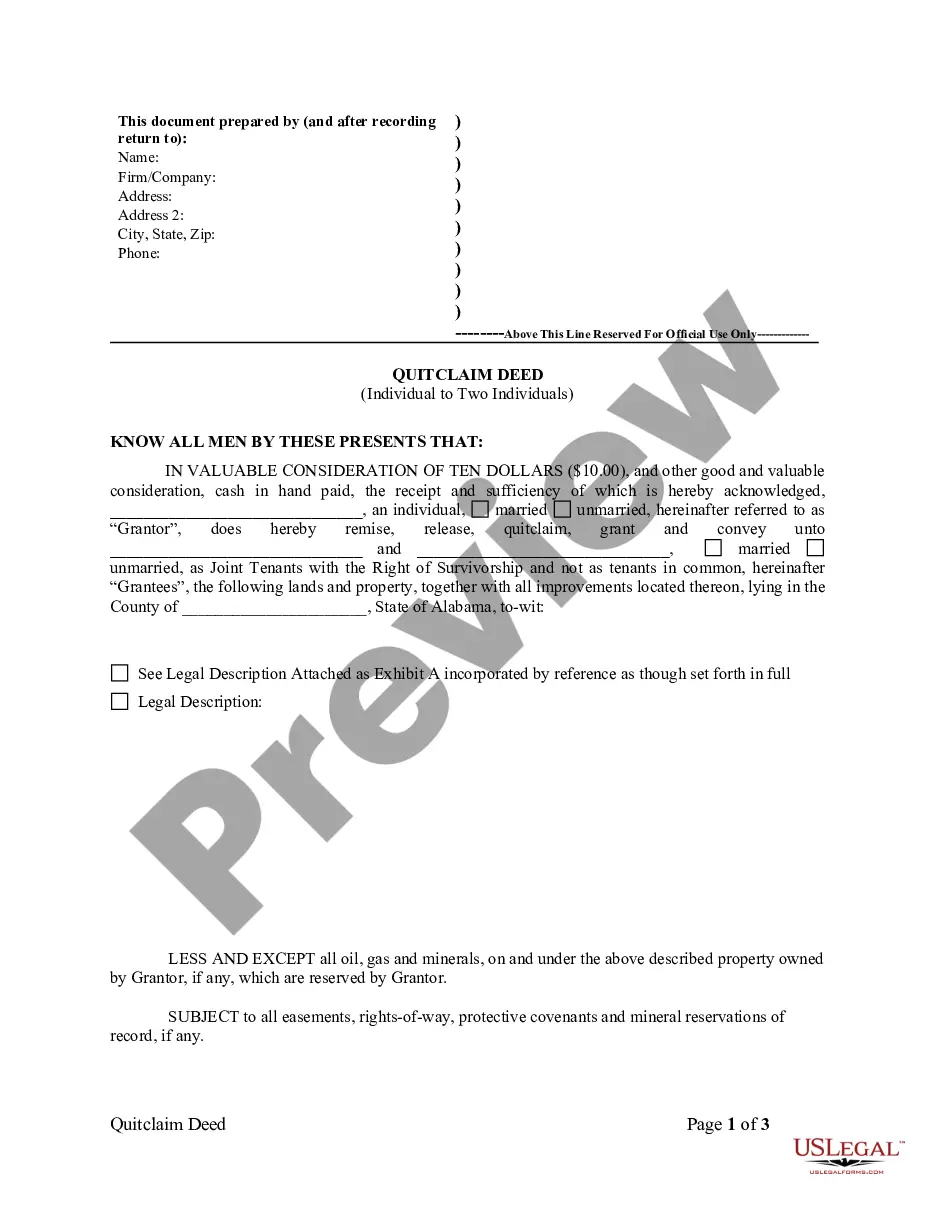
The Quitclaim Deed from Individual to Two Individuals in Joint Tenancy is a legal document that allows a property owner (the Grantor) to transfer their interest in real estate to two other individuals (the Grantees) who hold the property as joint tenants. This type of quitclaim deed is unique because it establishes rights of survivorship, meaning if one Grantee passes away, their share of the property automatically transfers to the surviving Grantee. This form ensures that all involved parties understand the nature of the conveyance, especially regarding any mineral rights that may be reserved by the Grantor.
Main sections of this form
- Identification of the Grantor and Grantees
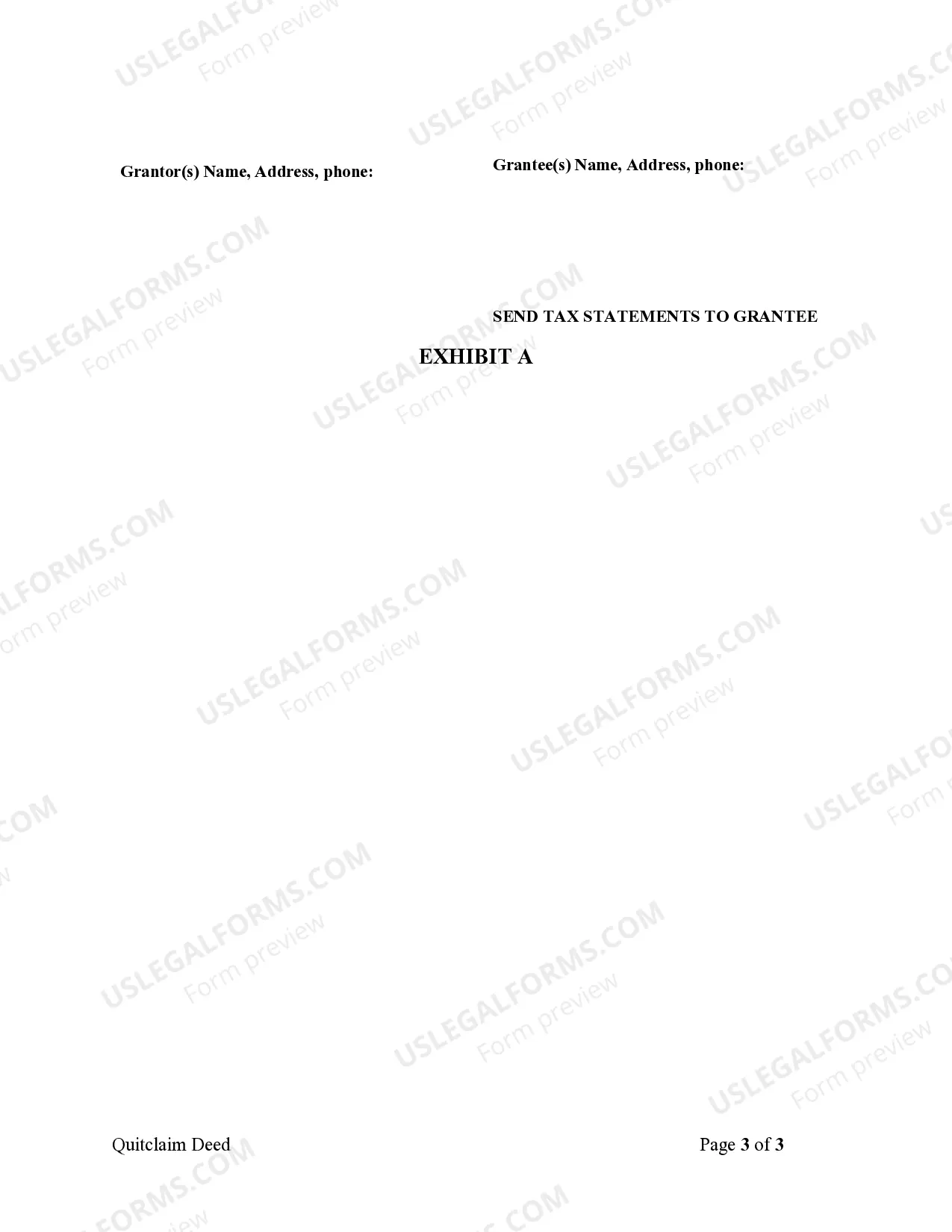
- Description of the property being conveyed
- Reservation of mineral rights by the Grantor
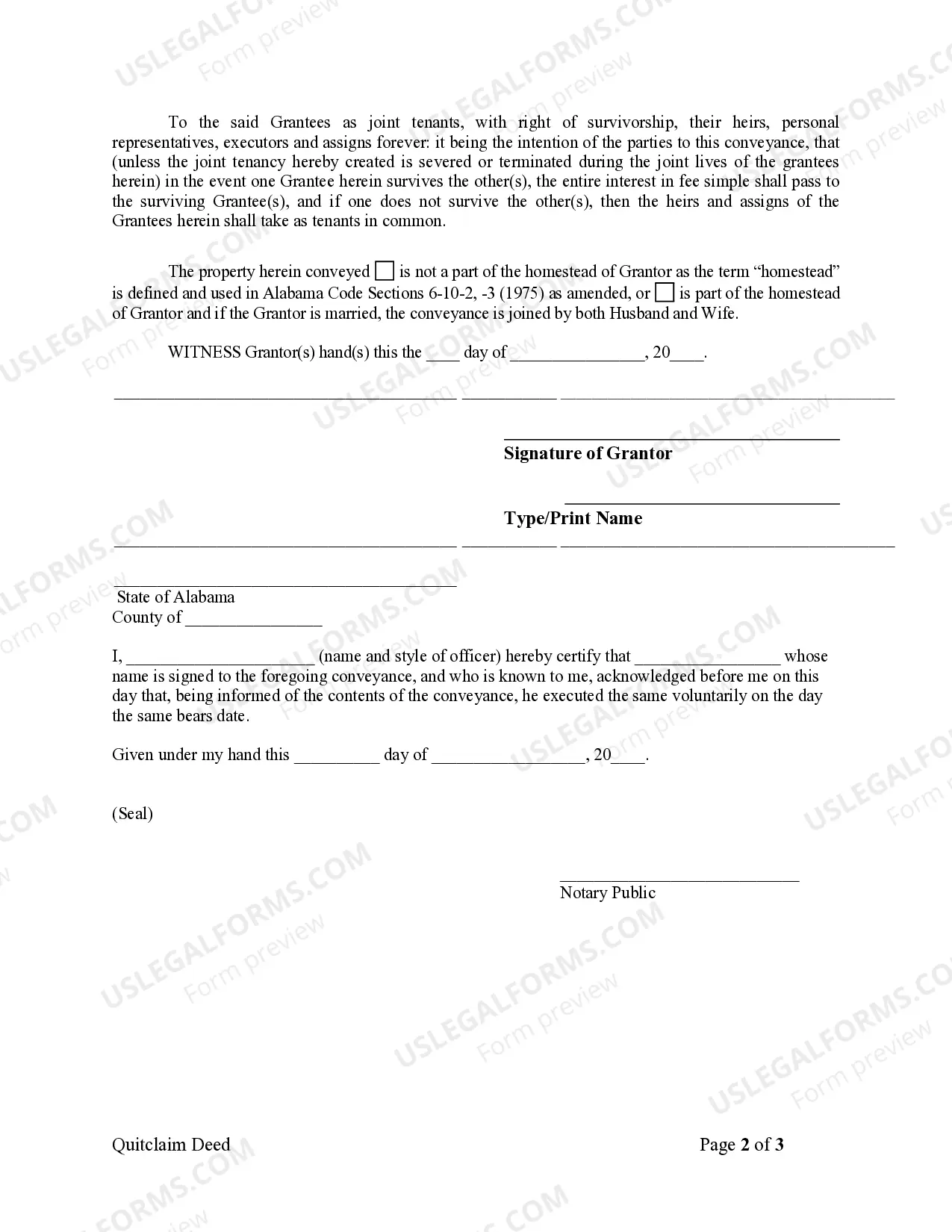
- Intent for joint tenancy with rights of survivorship
- Signatures of the Grantor and the requirements for notarization
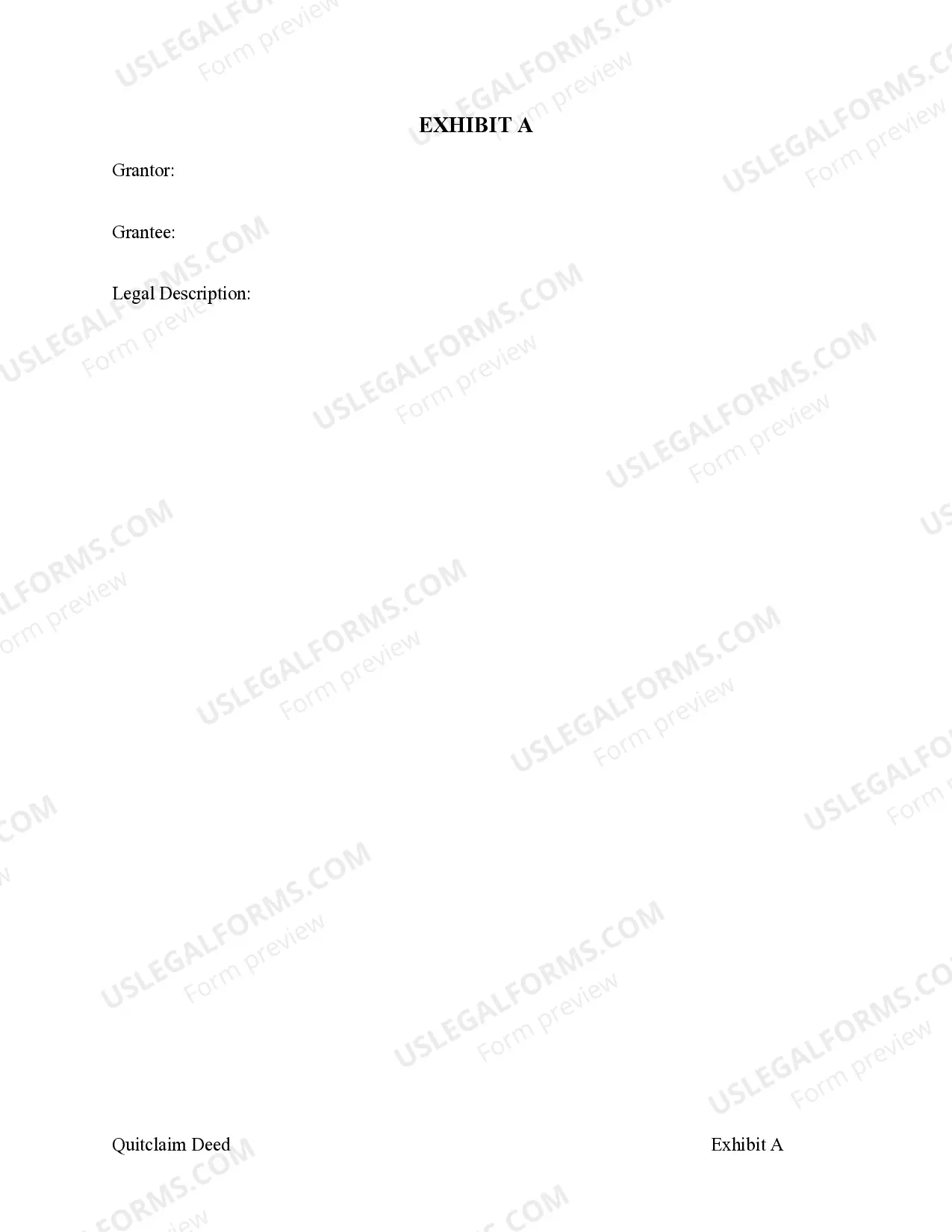

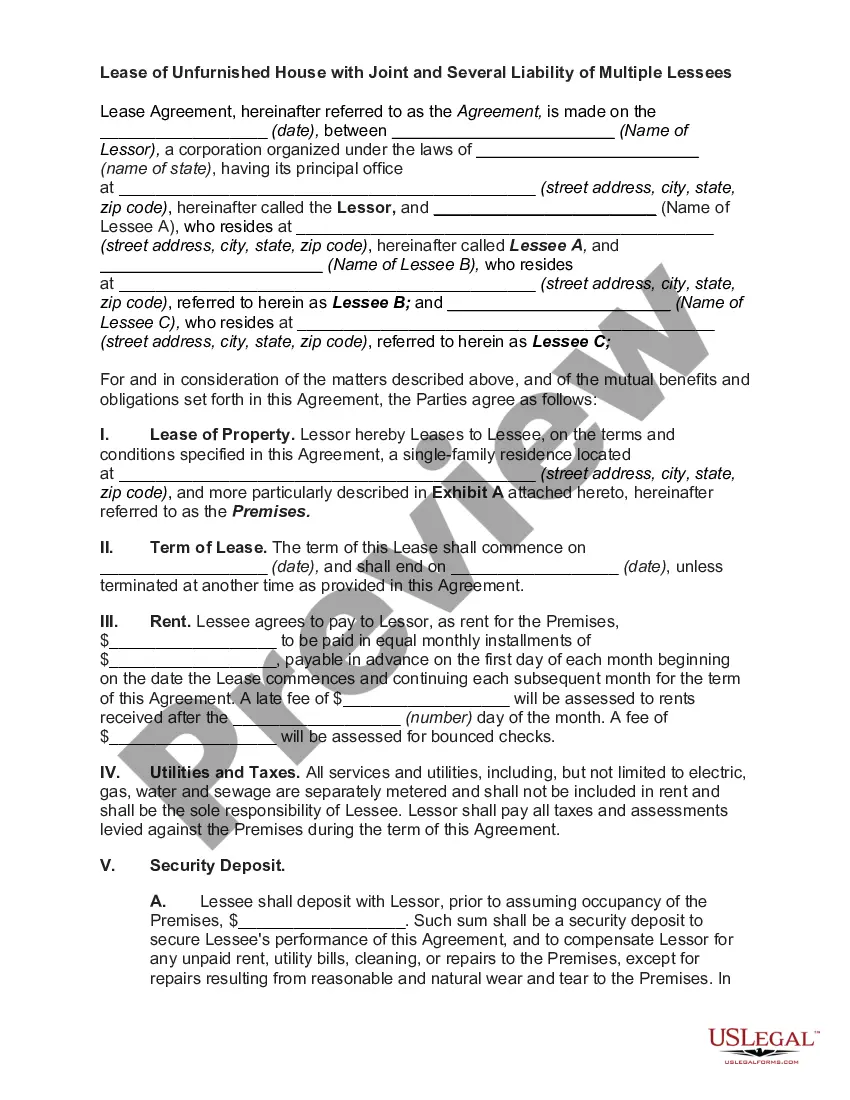



Common use cases
This quitclaim deed is typically used when an individual wishes to transfer property to two other individuals, particularly in situations where both parties need to share ownership equally and ensure that the rights of survivorship are clearly defined. Common scenarios include transferring property to family members or co-owners who want to formalize their joint ownership structure.
Who this form is for
- Property owners looking to transfer ownership to two individuals
- Individuals who want to establish joint tenancy with rights of survivorship
- Married couples seeking to jointly transfer property to co-owners
- Anyone wanting to clarify ownership and survivorship rights in property dealings
How to complete this form
- Identify the parties involved: clearly state the names of the Grantor and the two Grantees.
- Provide a legal description of the property being transferred.
- Indicate any mineral rights that are being reserved by the Grantor.
- Choose the date of signing and include the appropriate signatures of the Grantor.
- Obtain notarization, ensuring the execution of the document meets legal standards.
Notarization guidance
Yes, this form must be notarized to be legally valid. Notarization ensures that the signatures on the deed are confirmed as authentic. US Legal Forms offers integrated online notarization services, allowing you to connect with a notary public through secure video calls, ensuring convenience and compliance without the need for travel.
Get your form ready online
Our built-in tools help you complete, sign, share, and store your documents in one place.
Make edits, fill in missing information, and update formatting in US Legal Forms—just like you would in MS Word.
Download a copy, print it, send it by email, or mail it via USPS—whatever works best for your next step.
Sign and collect signatures with our SignNow integration. Send to multiple recipients, set reminders, and more. Go Premium to unlock E-Sign.
If this form requires notarization, complete it online through a secure video call—no need to meet a notary in person or wait for an appointment.
We protect your documents and personal data by following strict security and privacy standards.
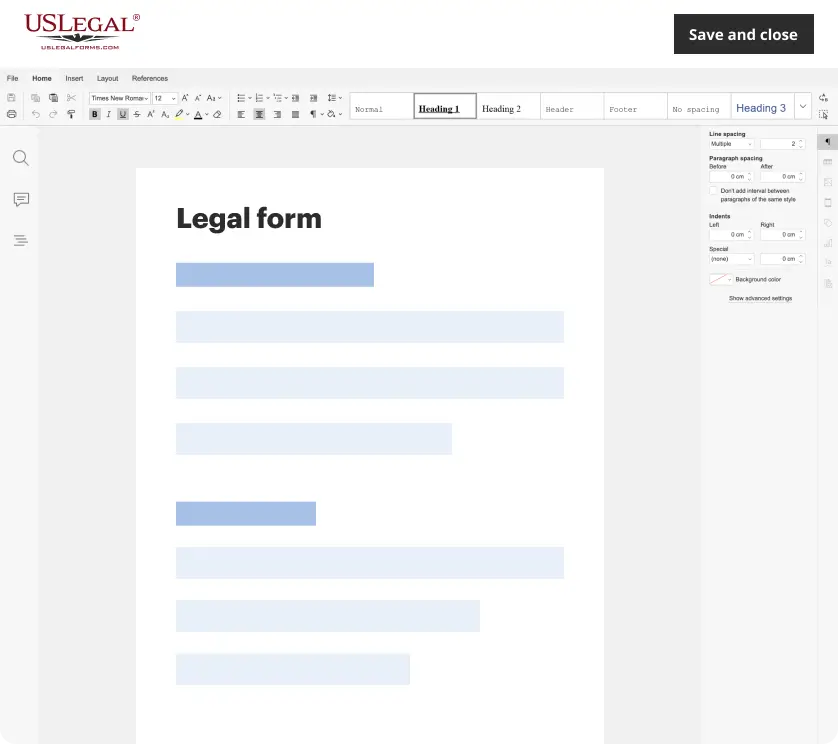
Make edits, fill in missing information, and update formatting in US Legal Forms—just like you would in MS Word.
Download a copy, print it, send it by email, or mail it via USPS—whatever works best for your next step.
Sign and collect signatures with our SignNow integration. Send to multiple recipients, set reminders, and more. Go Premium to unlock E-Sign.

If this form requires notarization, complete it online through a secure video call—no need to meet a notary in person or wait for an appointment.
We protect your documents and personal data by following strict security and privacy standards.
Mistakes to watch out for
- Failing to provide an accurate legal description of the property.
- Not reserving mineral rights when applicable.
- Neglecting to have the document notarized if required by local laws.
- Omitting signatures or dates in the appropriate sections.
Why complete this form online
- Convenience of downloading the form directly and filling it out at your own pace.
- Editability to customize the deed to reflect specific needs or property details.
- Access to professionally drafted legal language, ensuring compliance with statutory requirements.
- Secure storage options that prevent loss and provide easy access during future transactions.
Looking for another form?

Form popularity
FAQ
When done properly, a deed is recorded anywhere from two weeks to three months after closing. However, there are many instances where deeds are not properly recorded. Title agents commit errors, lose deeds, and even go out of business. Even county offices sometimes fail to record deeds that were properly submitted.
In order to terminate a joint tenancy, one of the four unities must be destroyed. You may do this by conveying your joint tenancy interest to any third person. This can be done through gift or sale. Upon termination, a tenancy in common is formed between the third person and the remaining co-tenant(s).
You can apply to court to change your ex-partner's tenancy to your name, or remove their name from a joint tenancy. You can apply for a 'transfer of tenancy' if: your landlord refuses to change your tenancy. your tenancy doesn't allow a transfer.
A quitclaim deed is a legal instrument that is used to transfer interest in real property.The owner/grantor terminates (quits) any right and claim to the property, thereby allowing the right or claim to transfer to the recipient/grantee.
A Quitclaim Deed must be notarized by a notary public or attorney in order to be valid.Consideration in a Quitclaim Deed is what the Grantee will pay to the Grantor for the interest in the property.
Recording (§ 35-4-50) A quit claim deed should be filed in the office of the County Probate Judge along with any required fees. Signing (A§ 35-4-20) All quit claim deeds are to be signed with a notary public present or with two (2) witnesses.
But you might be wondering if an owner can transfer a deed to another person without a real estate lawyer. The answer is yes. Parties to a transaction are always free to prepare their own deeds.A quitclaim deed, for example, is far simpler than a warranty deed.
The only way to forcibly change the ownership status is through a legal action and the resultant court order. However, if an owner chooses to be removed from the deed, it is simply a matter of preparing a new deed transferring that owner's interest in the property.
Discuss property ownership interests. Access a copy of your title deed. Complete, review and sign the quitclaim or warranty form. Submit the quitclaim or warranty form. Request a certified copy of your quitclaim or warranty deed.