Alaska Warranty Deed from Husband and Wife a Trust
What is this form?
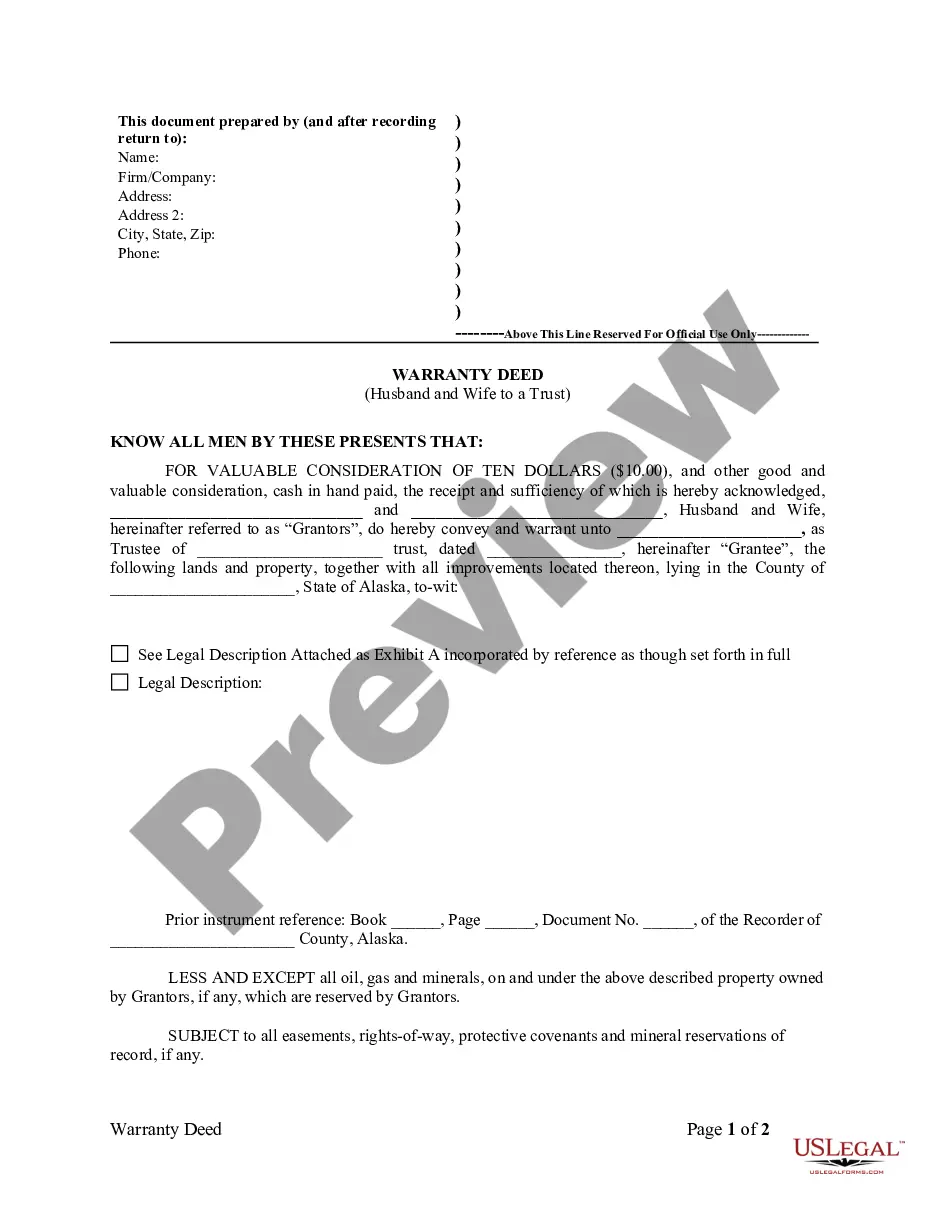
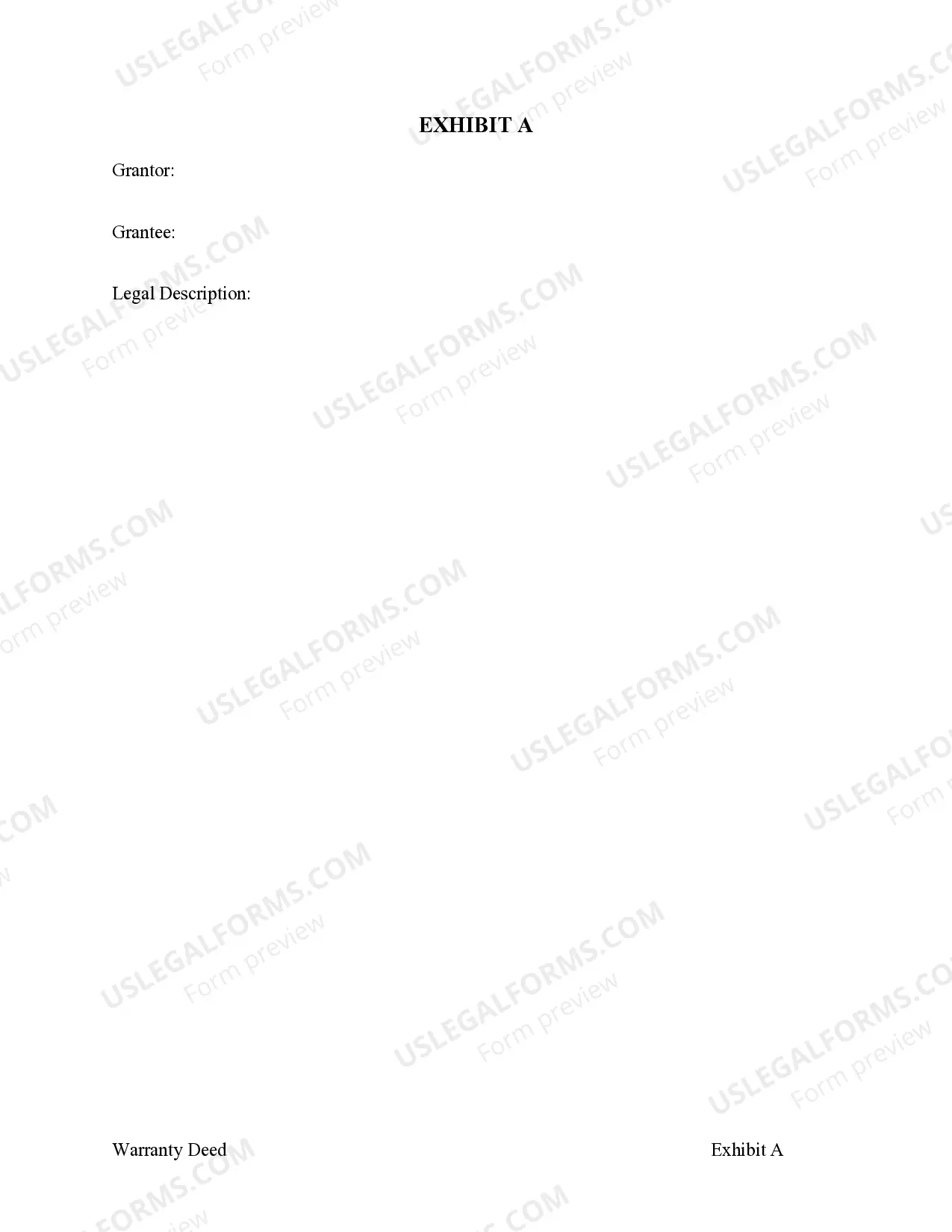
This Warranty Deed from Husband and Wife to a Trust is a legal document in which a married couple (the Grantors) transfers property ownership to a trustee of a trust (the Grantee). This deed guarantees that the Grantors possess clear title to the property, free of encumbrances, except for specified reservations such as oil, gas, and mineral rights. Unlike other forms of deeds, this document specifically involves a trust arrangement, providing an estate planning tool to manage assets for beneficiaries.
What’s included in this form
- Identification of the Grantors (husband and wife) and the Grantee (trust).
- Description of the property being transferred, including any reservations.
- Covenant of seisin, assuring the Grantors hold clear title to the property.
- Warranties against encumbrances unless noted otherwise.
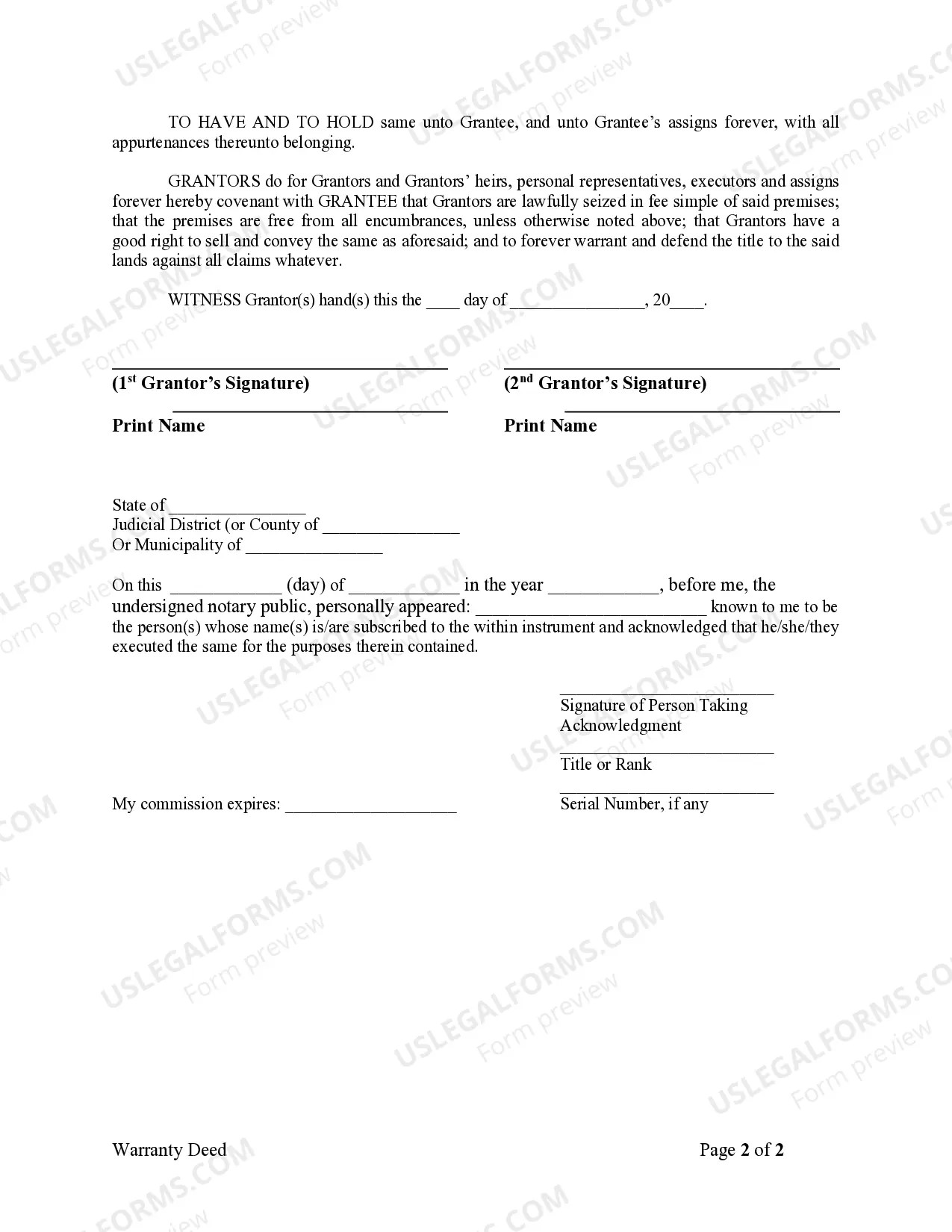
- Signatures of Grantors and a Notary Public for validation.




When to use this form
This form is useful when a married couple wants to transfer their property into a trust, often for estate planning purposes. It can help avoid probate and manage the distribution of assets to heirs. This deed is applicable when both spouses wish to convey their interests in real estate to a trust for financial or inheritance reasons, providing security and legal structure for their estate.
Who this form is for
- Married couples looking to transfer property to a trust.
- Homeowners seeking to streamline their estate planning process.
- Individuals wanting to protect their assets and beneficiaries.
Completing this form step by step
- Identify the parties involved, including both Grantors and the Grantee trust.
- Provide a detailed legal description of the property being transferred.
- Specify any reservations related to oil, gas, and mineral rights, if applicable.
- Include the date of the transaction and secure the necessary signatures from all Grantors.
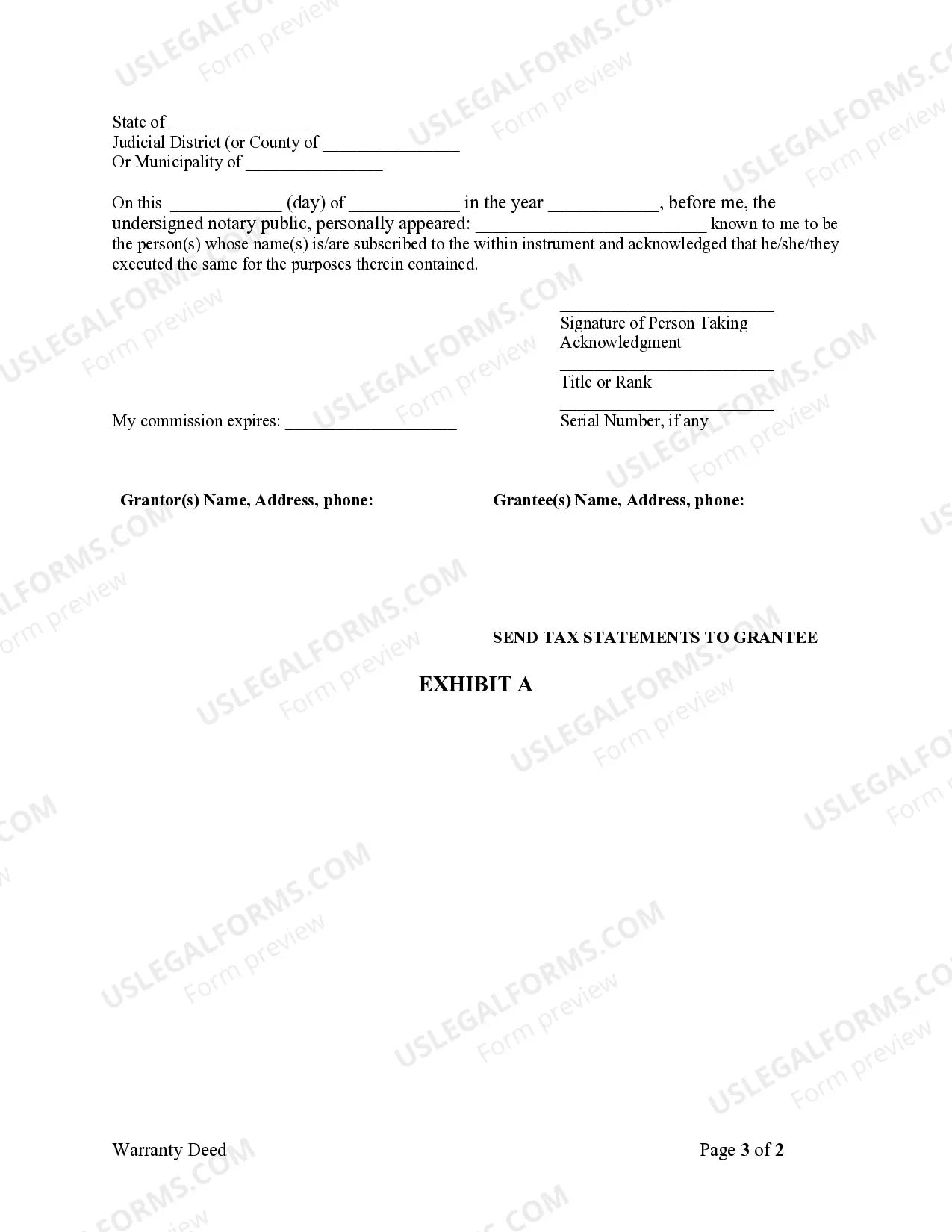
- Obtain notarization of the document for legal validation.
Notarization requirements for this form
Yes, this form must be notarized to be legally valid. Notarization helps verify the identities of the parties involved and confirms that they are signing the document willingly. US Legal Forms offers integrated online notarization services, allowing for secure video calls and ensuring legal equivalence, all without the need to travel.
Get your form ready online
Our built-in tools help you complete, sign, share, and store your documents in one place.
Make edits, fill in missing information, and update formatting in US Legal Forms—just like you would in MS Word.
Download a copy, print it, send it by email, or mail it via USPS—whatever works best for your next step.
Sign and collect signatures with our SignNow integration. Send to multiple recipients, set reminders, and more. Go Premium to unlock E-Sign.
If this form requires notarization, complete it online through a secure video call—no need to meet a notary in person or wait for an appointment.
We protect your documents and personal data by following strict security and privacy standards.

Make edits, fill in missing information, and update formatting in US Legal Forms—just like you would in MS Word.

Download a copy, print it, send it by email, or mail it via USPS—whatever works best for your next step.

Sign and collect signatures with our SignNow integration. Send to multiple recipients, set reminders, and more. Go Premium to unlock E-Sign.

If this form requires notarization, complete it online through a secure video call—no need to meet a notary in person or wait for an appointment.

We protect your documents and personal data by following strict security and privacy standards.
Common mistakes to avoid
- Failing to include a full legal description of the property.
- Not specifying reservations, which can lead to future disputes.
- Neglecting to have the form notarized when required.
- Incorrectly identifying the trust or not providing accurate trustee information.
Why complete this form online
- Immediate access to a legally compliant document tailored for your needs.
- Convenient and secure download options for your records.
- Editable format that allows easy customization before finalizing.
- Peace of mind knowing the form is drafted by licensed attorneys.
Summary of main points
- This Warranty Deed allows couples to transfer property to a trust effectively.
- Proper completion and notarization are essential for legal enforceability.
- It provides a structure for managing assets and protecting beneficiaries.
Looking for another form?
Form popularity
FAQ
California Property TaxesTransferring real property to yourself as trustee of your own revocable living trust -- or back to yourself -- does not trigger a reassessment for property tax purposes. (Cal. Rev. & Tax Code § 62(d).)
A quitclaim deed can be used to transfer property from a trust, but a Special Warranty Deed seems to be a more common way to do this.
Locate the deed that's in trust. Use the proper deed. Check with your title insurance company and lender. Prepare a new deed. Sign in the presence of a notary. Record the deed in the county clerk's office.
If you've recently married and already own a home or other real estate, you may want to add your new spouse to the deed for your property so the two of you own it jointly. To add a spouse to a deed, all you have to do is literally fill out, sign and record a new deed in your county recorder's office.
In the context of a California mortgage transaction, a trust deed also transfer ownership. Only this time, the title is being placed in the hands of a third-party trustee, who holds the property on behalf of the lender and the homeowner-borrower until the mortgage is paid.
Both a warranty deed and deed of trust are used to transfer the title of a property from one person to another. However, the difference between these two contracts is who is protected. As you now know, a deed of trust protects the beneficiary (lender). A warranty deed, on the other hand, protects the property owner.
When you're ready to transfer trust real estate to the beneficiary who is named in the trust document to receive it, you'll need to prepare, sign, and record a deed. That's the document that transfers title to the property from you, the trustee, to the new owner.
In the context of a California mortgage transaction, a trust deed also transfer ownership. Only this time, the title is being placed in the hands of a third-party trustee, who holds the property on behalf of the lender and the homeowner-borrower until the mortgage is paid.
Adding someone to your house deed requires the filing of a legal form known as a quitclaim deed. When executed and notarized, the quitclaim deed legally overrides the current deed to your home. By filing the quitclaim deed, you can add someone to the title of your home, in effect transferring a share of ownership.