Construction Contract for Home - Fixed Fee or Cost Plus
What is this form?
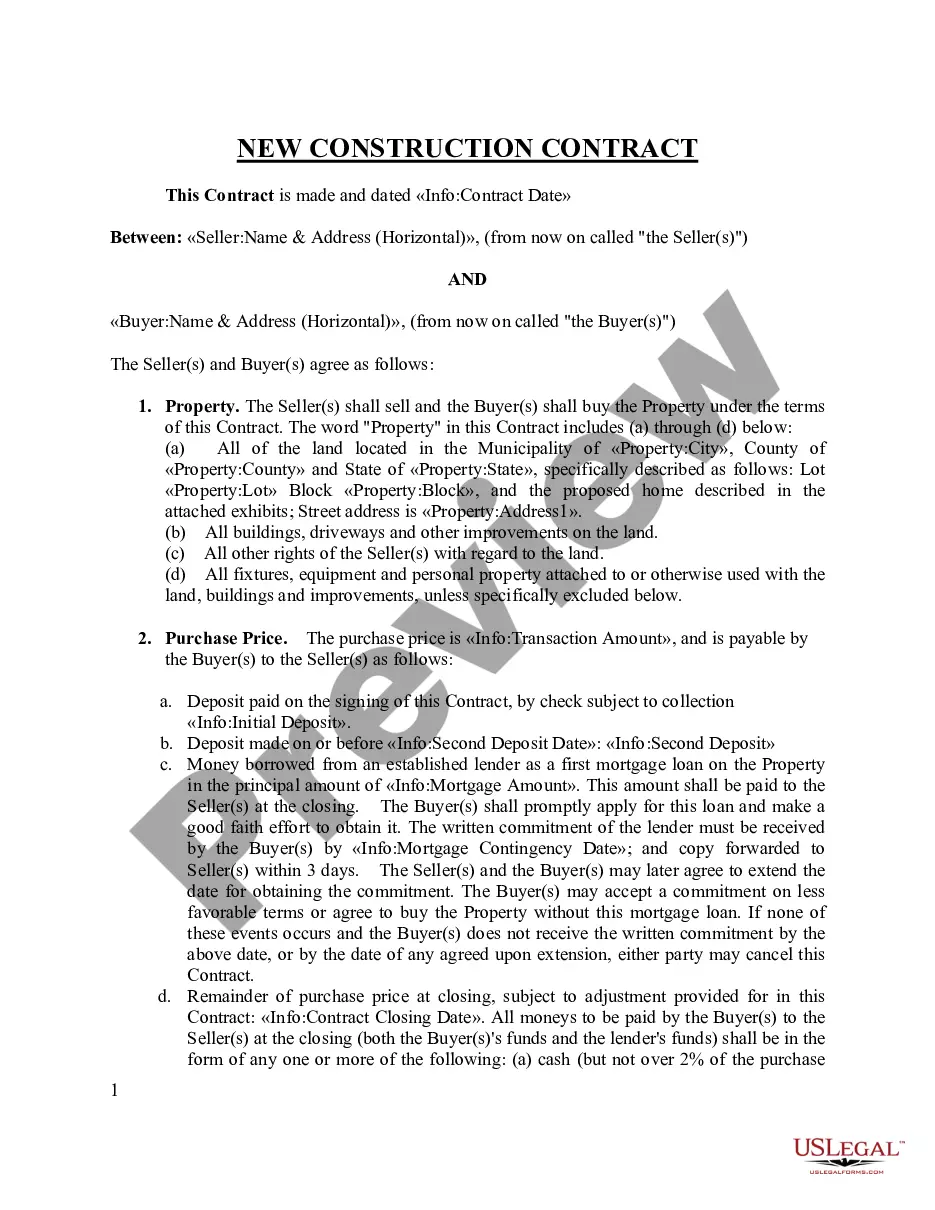
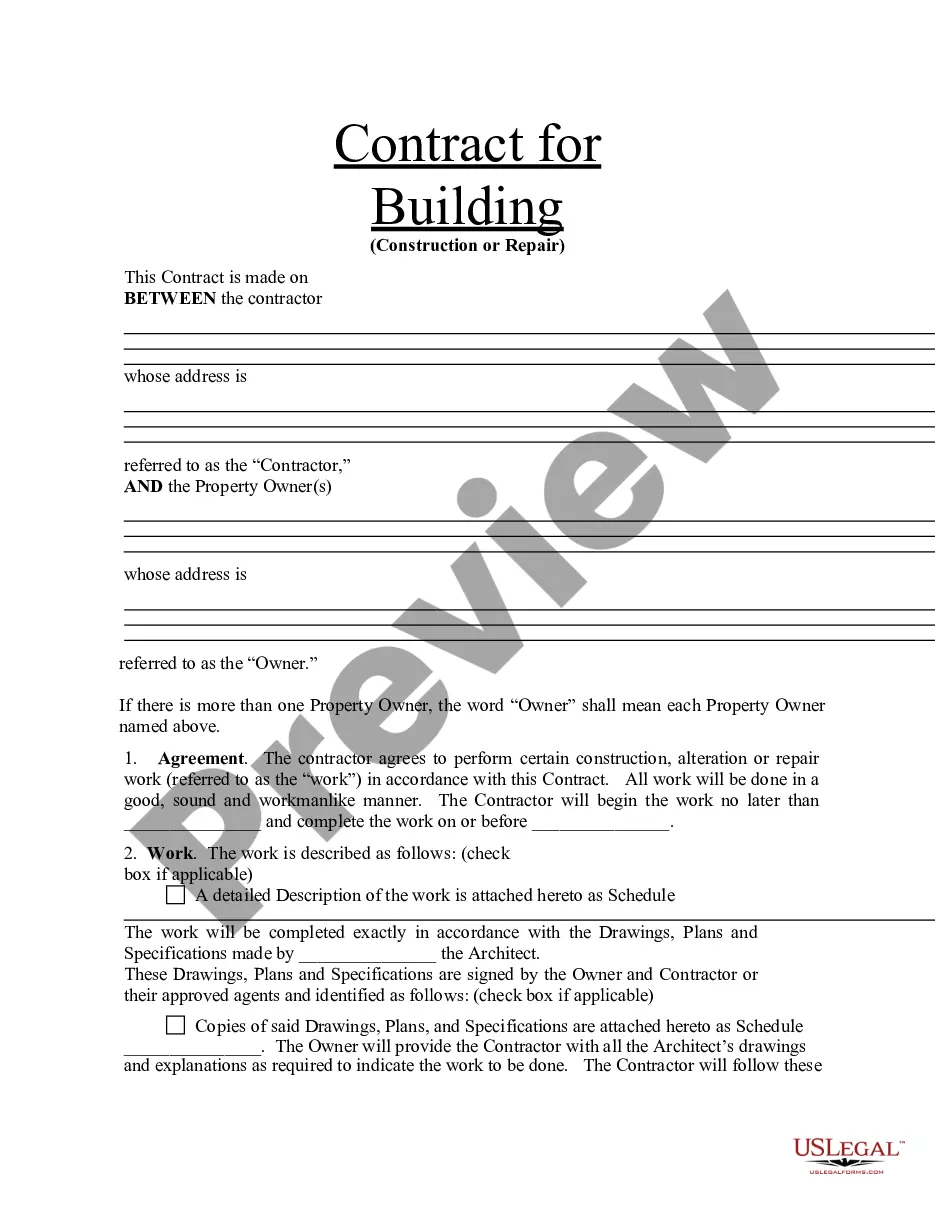
The Construction Contract for Home - Fixed Fee or Cost Plus is a legal document that outlines the agreement between homeowners and contractors for construction projects. This contract specifies the scope of work, payment structures, and responsibilities of both parties. It is essential for protecting the interests of both the homeowner and the contractor, ensuring clarity in expectations and obligations throughout the construction process.
Key parts of this document
- SCOPE OF WORK: Describes the specific tasks and materials involved in the construction project.
- WORK SITE: Identifies the location where the construction will take place.
- PERMITS: Outlines the contractor's responsibility to obtain necessary permits.
- INSURANCE: Details the insurance coverage the contractor must maintain.
- CHANGES TO SCOPE OF WORK: Provides procedures for making changes during construction.
- CONTRACTORS FEE: Specifies the payment methodâeither fixed fee or cost plus.


When to use this document
This Construction Contract should be used when homeowners are hiring a contractor for building, renovating, or reconstructing their home. It is ideal for both fixed-price and cost-plus arrangements, providing a clear framework for expectations and responsibilities. The contract serves to safeguard the rights of both parties and facilitate a smooth construction process.
Who should use this form
- Homeowners looking to hire a contractor for construction or renovation work.
- Contractors seeking to formalize their agreements with clients.
- Individuals with limited legal experience who need straightforward terms for home construction projects.
How to complete this form
- Identify the parties: Enter the names and contact information for both the contractor and the homeowner.
- Specify the property: Provide the legal description and address of the property where the work will be done.
- Detail the project: Describe the scope of the work, including relevant plans and specifications.
- Choose the payment structure: Indicate whether the contract is a fixed fee or cost plus arrangement and specify the amount.
- Gather required documentation: Ensure necessary permits and insurance documentation are included.
Notarization requirements for this form
This form does not typically require notarization unless specified by local law. It is important to check local requirements to ensure compliance.
Typical mistakes to avoid
- Failing to clearly define the scope of work.
- Not specifying payment terms, leading to disputes over costs.
- Neglecting to include necessary permits and insurance in the contract.
- Overlooking details regarding changes to the scope of work.
Benefits of using this form online
- Convenience of immediate access and download from any device.
- Editable templates that allow customization to fit specific needs.
- Reliable legal foundation crafted to protect both parties.
Legal use & context
- This contract is enforceable in a court of law when properly executed.
- It is advisable for both parties to retain copies for record-keeping.
- Incomplete or improperly filled forms may lead to disputes or unenforceability.
Summary of main points
- This Construction Contract for Home is vital for formalizing agreements between homeowners and contractors.
- Understanding the differences between fixed fee and cost-plus arrangements is crucial for financial planning.
- Providing detailed project descriptions and clear payment terms can prevent future disputes.

Form popularity
FAQ
The main difference in a cost-plus versus a fixed price contract is the budget. Cost-plus contracts have no set spending limit, the contractor purchases the materials and receives reimbursement plus a fee. Fixed-pricing sets a specific dollar amount for a project.
Disadvantages of cost-plus fixed-fee contracts may include: The final, overall cost may not be very clear at the beginning of negotiations. May require additional administration or oversight of the project to ensure that the contractor is factoring in the various cost factors.
Cost Plus Contract Disadvantages For the buyer, the major disadvantage of this type of contract is the risk for paying much more than expected on materials. The contractor also has less incentive to be efficient since they will profit either way.
In the cost plus a percentage arrangement, the contractor bills the client for his direct costs for labor, materials, and subs, plus a percentage to cover his overhead and profit. Markups might range anywhere from 10% to 25%.