Illinois Certificate of Merger
About this form
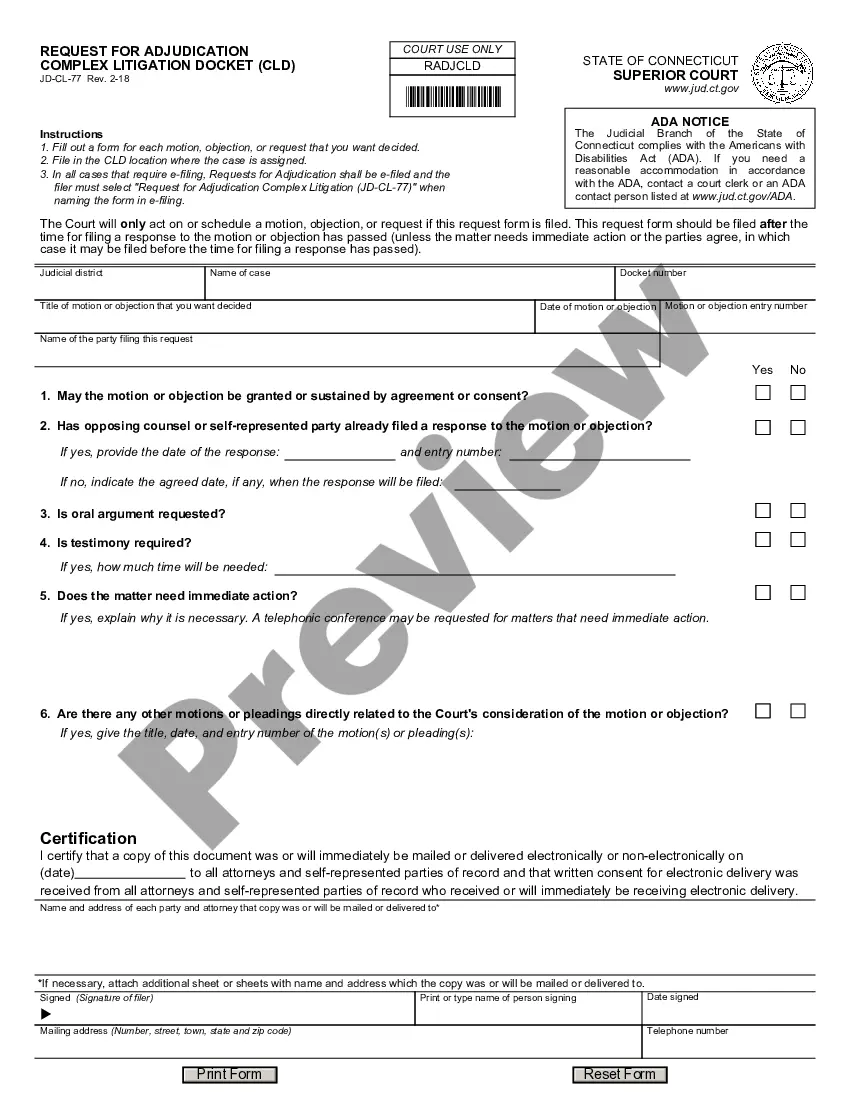
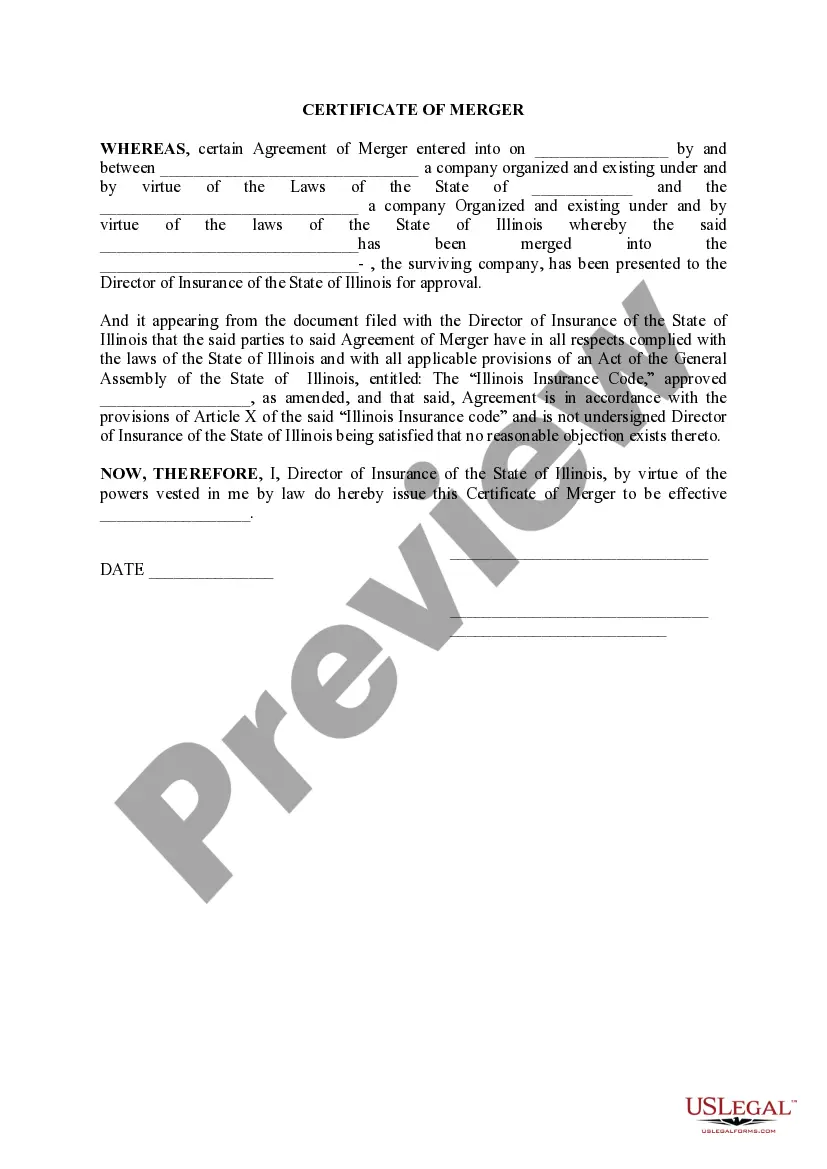
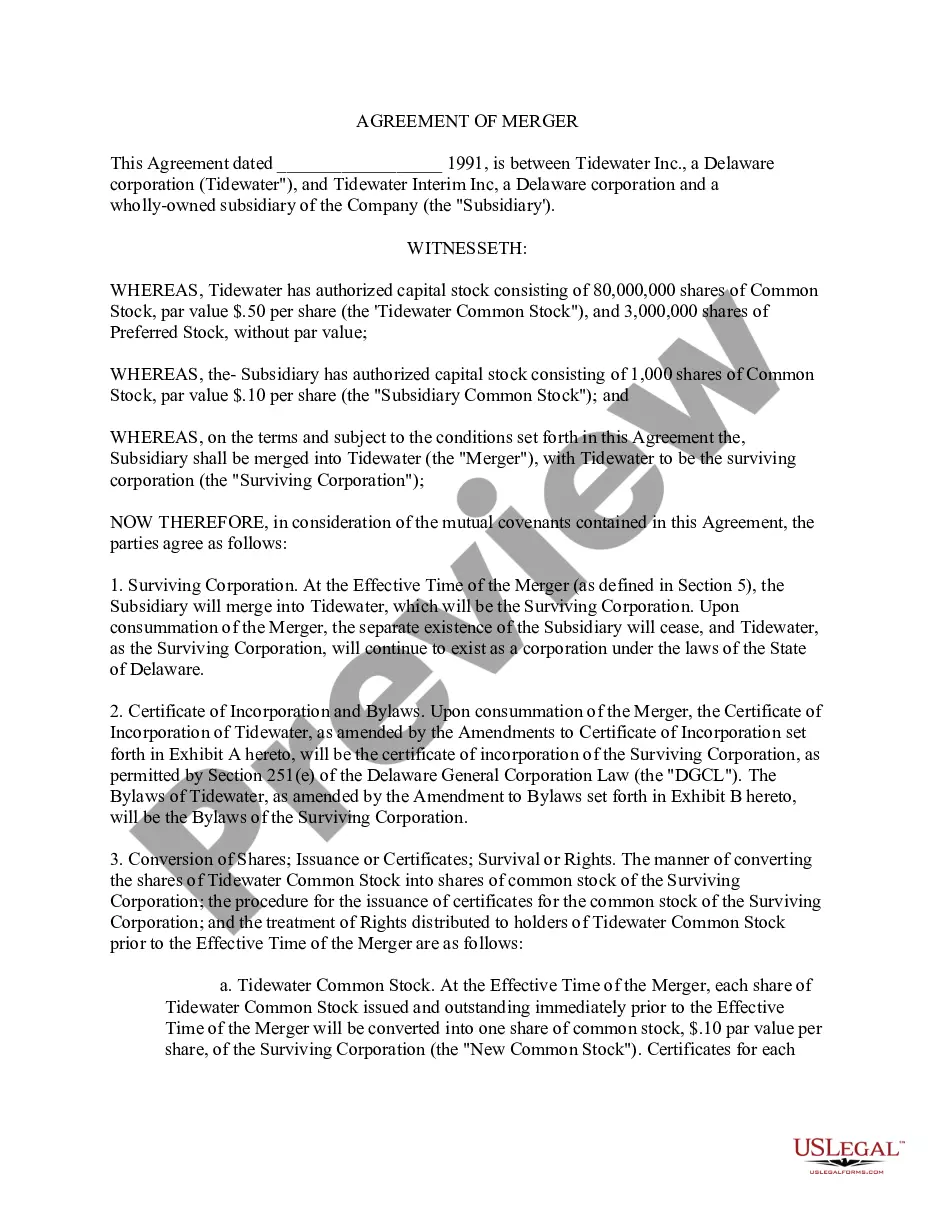
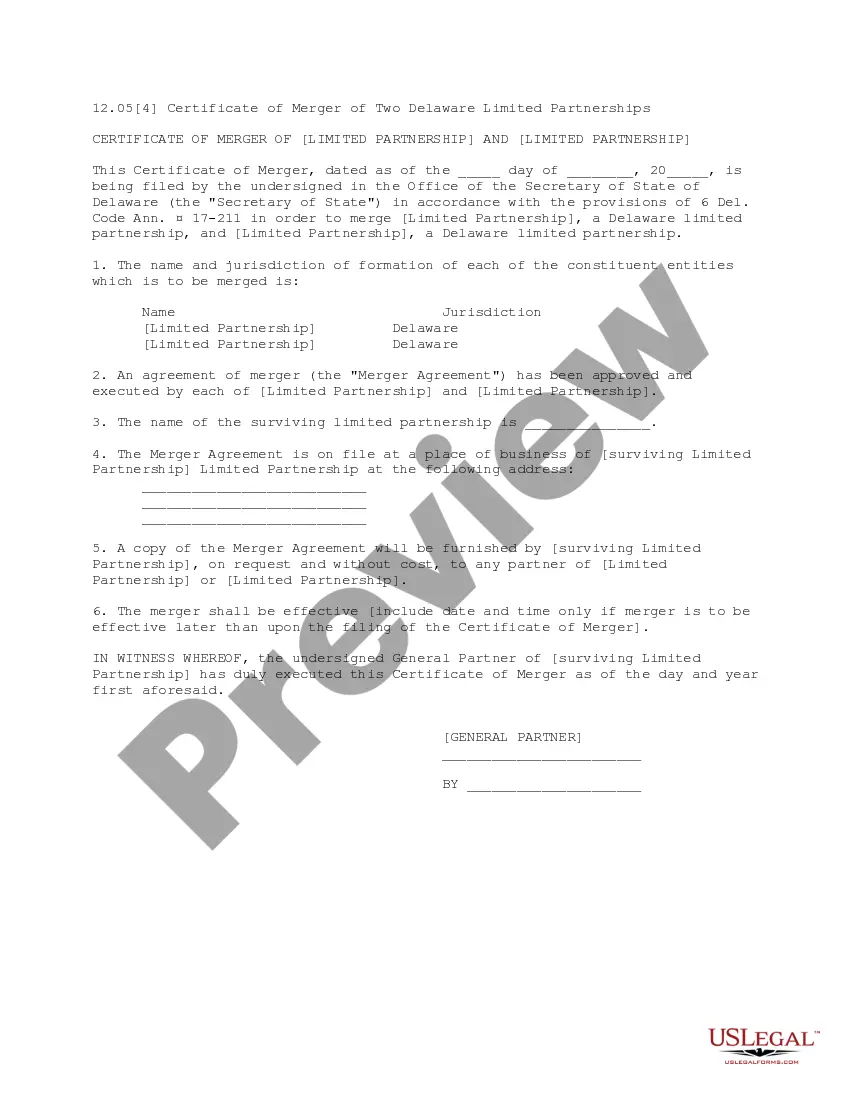
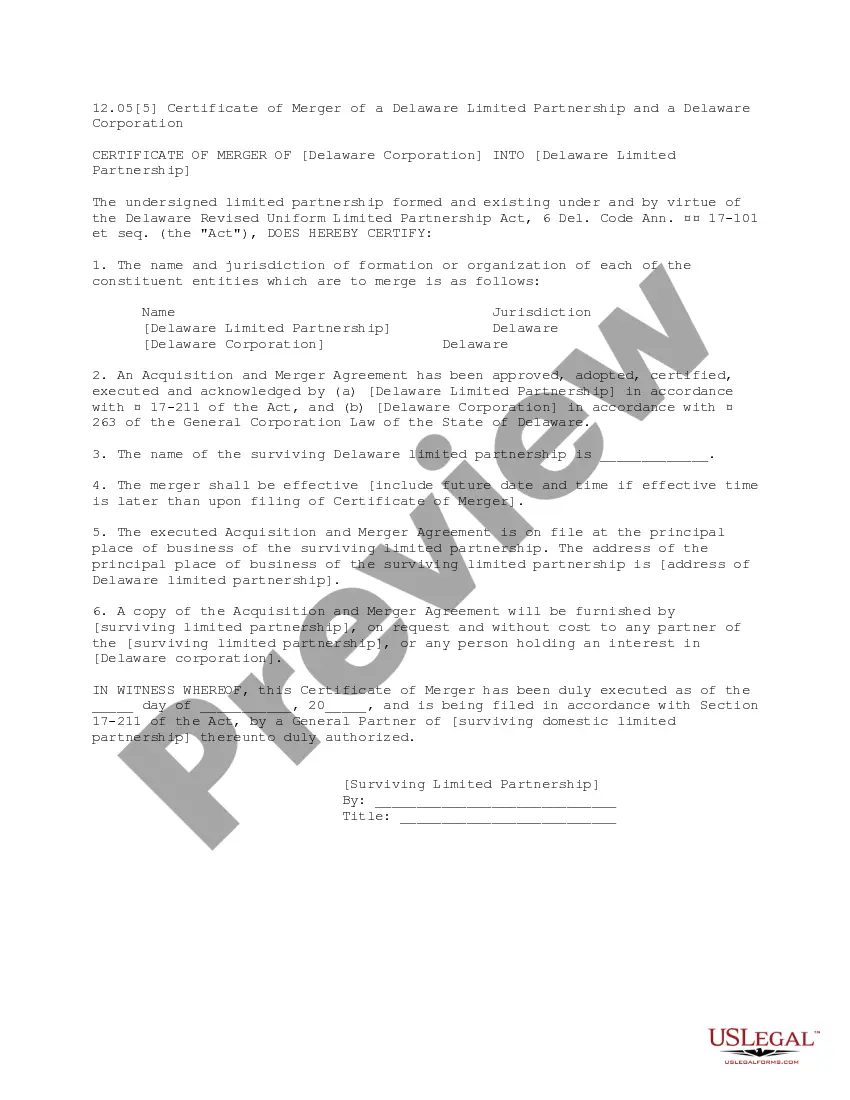
The Certificate of Merger is a legal document that formalizes the merging of two corporations, where one company absorbs the other. This form signifies that the remaining entity continues to exist while the absorbed company ceases to exist. It is crucial for ensuring the merger complies with state regulations, particularly under the Illinois Insurance Code, making it distinct from other merger documents, which may not fulfill specific legal requirements for insurance companies.
What’s included in this form
- Date of Agreement: The date when the merger agreement was made.
- Names of Corporations: Identification of both the merging and surviving companies.
- State Representation: Acknowledgment of compliance with the state laws of Illinois.
- Director of Insurance Approval: Statement verifying that the merger has been approved by the oversight authority.
- Effective Date: The official date from which the merger is recognized as active.
When this form is needed
This form is essential when two corporations decide to merge, particularly if one corporation will continue to exist while absorbing the other. It ensures that the legal aspects of the merger are properly documented and recognized by the state of Illinois, enabling effective business operations under the newly merged entity.
Who should use this form
- Corporations undergoing a merger in Illinois.
- Legal representatives of the involved companies.
- Business owners seeking to formalize the merger process.
- Compliance officers ensuring adherence to state regulations.
How to complete this form
- Identify the parties involved: Enter the full names of the merging companies as mentioned in the merger agreement.
- Enter the date of the merger agreement: Fill in the exact date the agreement was entered into.
- Specify the state of incorporation: Indicate the state laws governing the merging entities.
- Get Director of Insurance approval: Ensure that the document has been approved by the Illinois Director of Insurance.
- Provide the effective date of the merger: Enter the date on which the merger will officially take effect.
Does this document require notarization?
This form does not typically require notarization unless specified by local law.
Get your form ready online
Our built-in tools help you complete, sign, share, and store your documents in one place.
Make edits, fill in missing information, and update formatting in US Legal Forms—just like you would in MS Word.
Download a copy, print it, send it by email, or mail it via USPS—whatever works best for your next step.
Sign and collect signatures with our SignNow integration. Send to multiple recipients, set reminders, and more. Go Premium to unlock E-Sign.
If this form requires notarization, complete it online through a secure video call—no need to meet a notary in person or wait for an appointment.
We protect your documents and personal data by following strict security and privacy standards.

Make edits, fill in missing information, and update formatting in US Legal Forms—just like you would in MS Word.

Download a copy, print it, send it by email, or mail it via USPS—whatever works best for your next step.

Sign and collect signatures with our SignNow integration. Send to multiple recipients, set reminders, and more. Go Premium to unlock E-Sign.

If this form requires notarization, complete it online through a secure video call—no need to meet a notary in person or wait for an appointment.

We protect your documents and personal data by following strict security and privacy standards.
Avoid these common issues
- Failing to include the approval from the Director of Insurance.
- Incorrectly listing the names of the corporations involved.
- Not specifying the correct legal state governing the merger.
- Incomplete or missing effective date.
Benefits of completing this form online
- Convenience of downloading and completing the form at your own pace.
- Editability allows for any necessary changes before final submission.
- Access to templates drafted by licensed attorneys, ensuring legal compliance.
- Immediate availability without the need for in-person appointments.
Looking for another form?

Form popularity
FAQ
A Sole Proprietorship or Partnership is not able to obtain a certificate. To prove the existence of a Sole Proprietorship or Partnership, an Illinois Assumed Name Certificate is typically requested.
To register your foreign business in Illinois, you must file an Application for Admission to Transact Business with theIllinois Secretary of State (SOS). If you have a typical LLC, you will use Form LLC-45.5. If you have a a so-calledseries LLC (which are not covered here), use Form LLC-45.5(S).
The filing fees for a merger are $300 ($50 for nonprofit corporations and cooperatives) plus the filing fee for any new Texas filing entity created by the merger. For example: The filing fee for the merger of a Texas corporation that creates a new Texas limited partnership is $300 plus $750 for a total of $1050.
Generally the information included on an Illinois Certificate of Good Standing is implied to be valid for 60-90 days but it really depends on the nature of the business for which the Illinois Good Standing Certificate is being used.
Obtain a Certificate of Good Standing Payment may be made by Visa, MasterCard, Discover or American Express. For corporations only, you also may purchase a Certificate of Good Standing by calling 217-782-6875.
Illinois businesses are not legally required to obtain a certificate of good standing. However, your business may choose to get one if you decide to do business outside of Illinois or get a business bank account.
A Certificate of Good Standing is a document issued by the Illinois Secretary of State showing the official existence of registered business entities like a Limited Liability Company (LLC), Corporation, LP, LLP, or Not-for-Profit that is authorized to do business in Illinois.
Also known as articles of merger. A certificate evidencing the merger of two or more entities into one entity.
What is an entity status letter? It verifies whether or not an entity is in good standing with us and provides certification for: Legal status in court proceedings. An outstanding liability that could have an effect on an entity's credit rating (e.g., the closing of escrow).