Real Estate Attorney For Eviction
Description
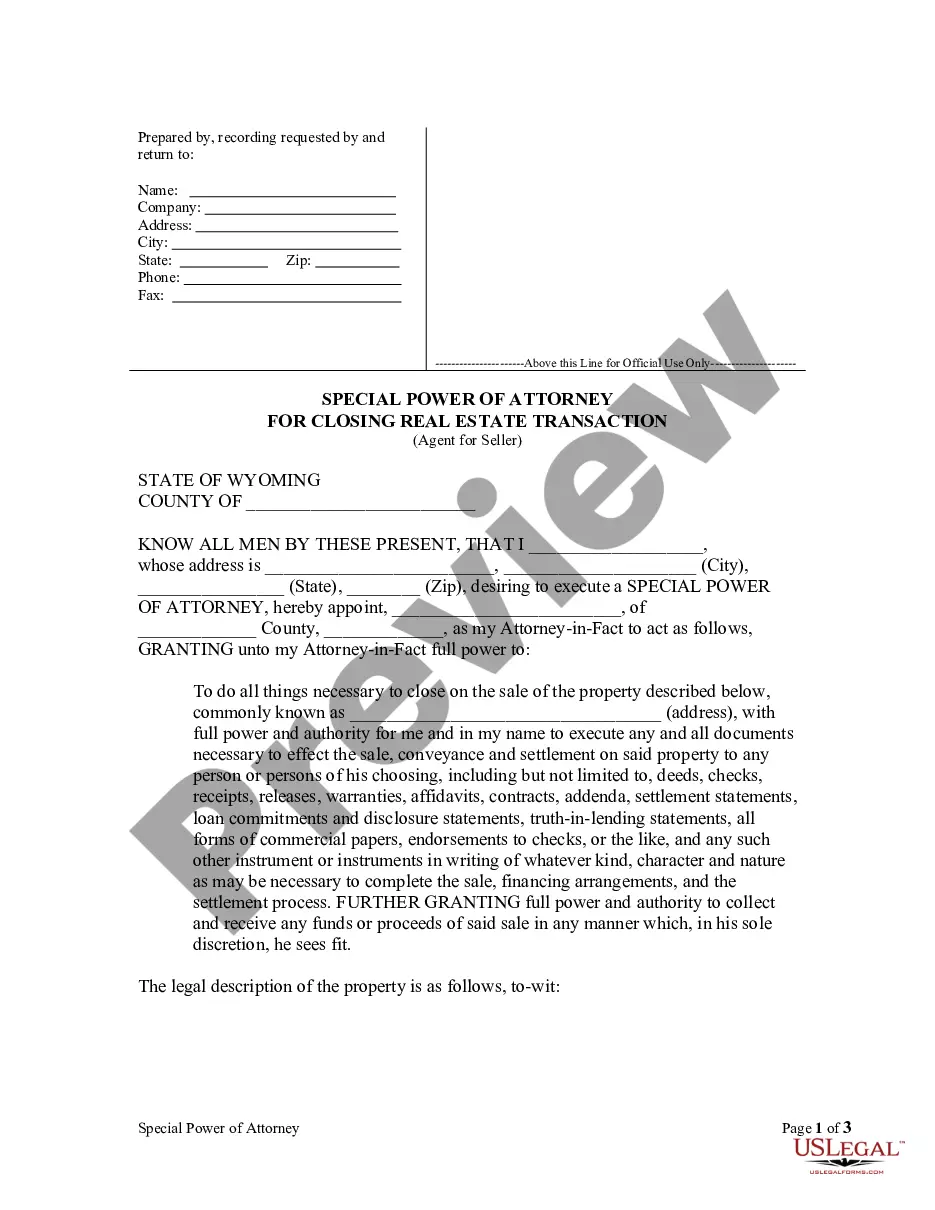
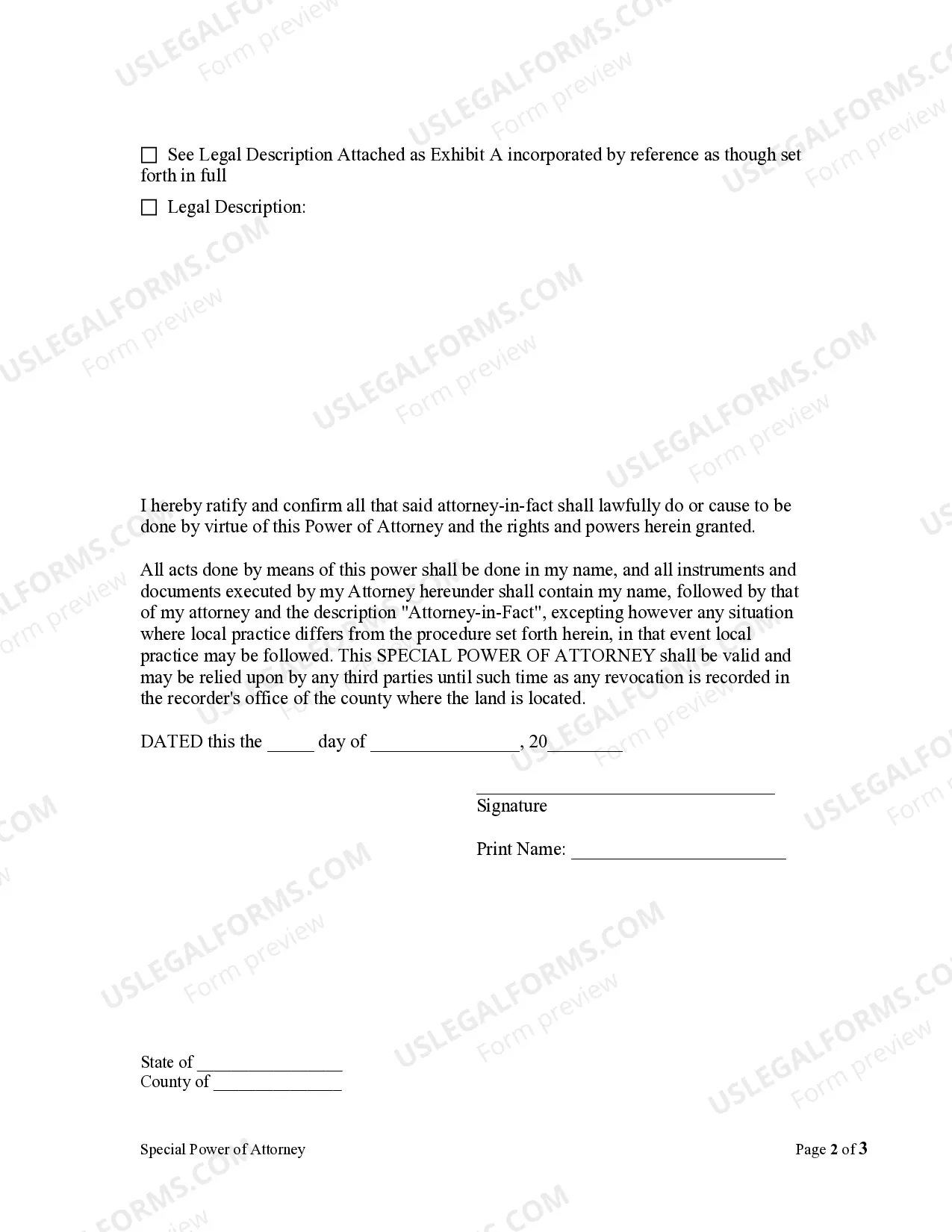
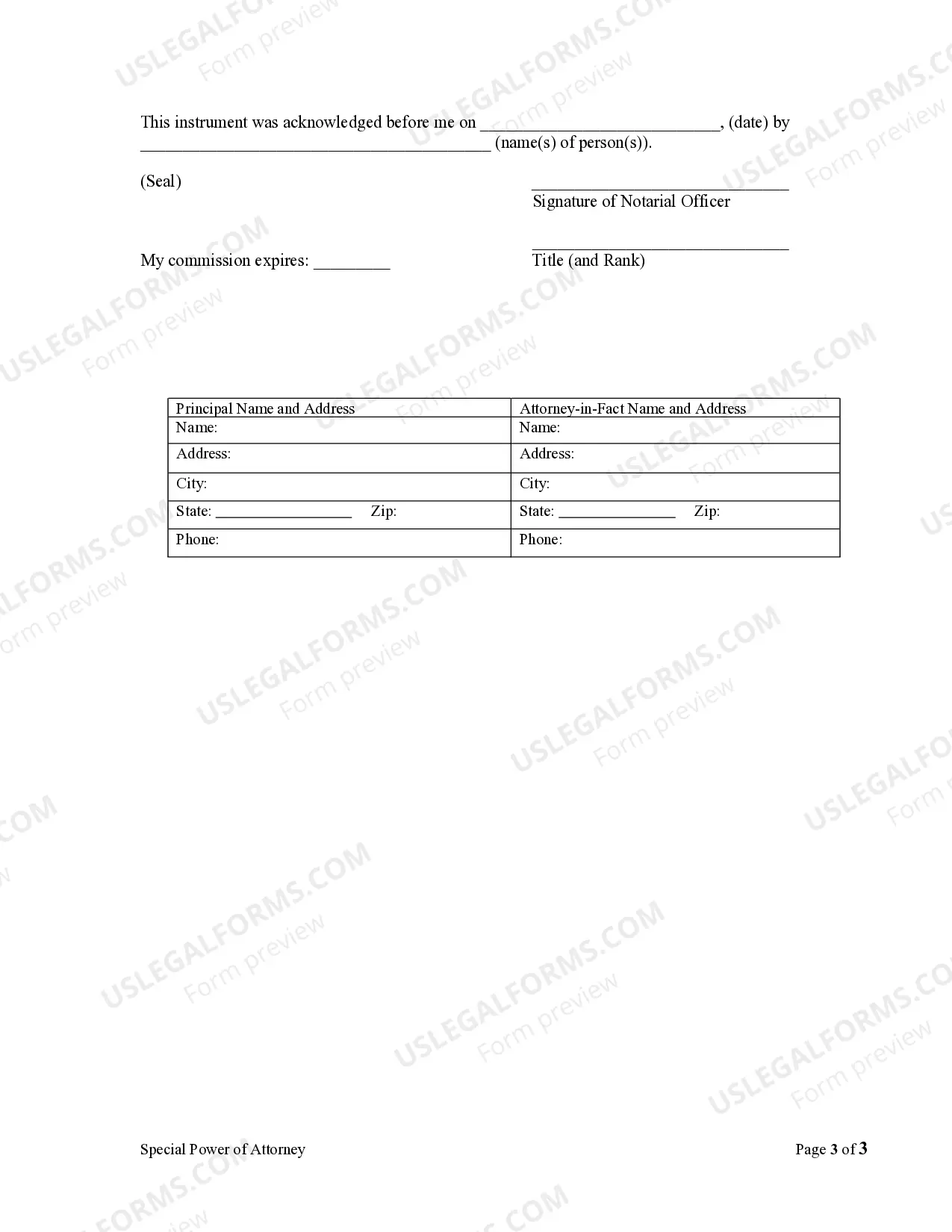

Get your form ready online
Our built-in tools help you complete, sign, share, and store your documents in one place.
Make edits, fill in missing information, and update formatting in US Legal Forms—just like you would in MS Word.
Download a copy, print it, send it by email, or mail it via USPS—whatever works best for your next step.
Sign and collect signatures with our SignNow integration. Send to multiple recipients, set reminders, and more. Go Premium to unlock E-Sign.
If this form requires notarization, complete it online through a secure video call—no need to meet a notary in person or wait for an appointment.
We protect your documents and personal data by following strict security and privacy standards.

Make edits, fill in missing information, and update formatting in US Legal Forms—just like you would in MS Word.

Download a copy, print it, send it by email, or mail it via USPS—whatever works best for your next step.

Sign and collect signatures with our SignNow integration. Send to multiple recipients, set reminders, and more. Go Premium to unlock E-Sign.

If this form requires notarization, complete it online through a secure video call—no need to meet a notary in person or wait for an appointment.

We protect your documents and personal data by following strict security and privacy standards.
Looking for another form?
How to fill out Wyoming Special Or Limited Power Of Attorney For Real Estate Sales Transaction By Seller?
- If you’re already a user, log in and download your desired form template instantly by selecting the Download button. Ensure that your subscription is current; if it's not, please renew it based on your plan.
- If this is your first time, start by checking the Preview mode and full description of the form to ensure it meets your requirements and complies with local jurisdiction.
- Search for alternatives if necessary. If you find any discrepancies, utilize the Search tab to locate the correct form that suits you.
- Proceed to purchase the document. Click on the Buy Now button and select the subscription plan that best fits your needs. Registration is required for access to our extensive library.
- Complete your purchase by entering your payment details or using PayPal for a smooth transaction.
- Download your form once the payment is processed. Save the template on your device, and you can always revisit it later through the My Forms section of your account.
By using US Legal Forms, individuals and attorneys alike can access a robust collection of over 85,000 legal forms tailored for various needs. This platform not only simplifies the process but also offers premium support for any assistance needed during form completion.
Start your legal journey today by utilizing US Legal Forms for hassle-free access to eviction documents. Experience the ease of navigation and the assurance of legal compliance!
Form popularity
FAQ
Yes, it is possible to overcome an eviction, but it typically requires prompt action and a solid understanding of your rights. You might be able to negotiate with your landlord or improve your situation to avoid eviction altogether. Seeking assistance from a real estate attorney for eviction can provide valuable strategies and legal support to address your specific circumstances.
In Washington state, the eviction process can take anywhere from a few weeks to a few months, depending on various factors, including whether the tenant contests the eviction. After filing an eviction notice, landlords must wait a specific period before moving to court. It's wise to work with a real estate attorney for eviction to understand timelines and to facilitate a smoother process.
To evict a tenant in New Mexico, you must follow the legal process which includes providing appropriate notices to the tenant. Typically, landlords need to serve a written notice that states the reason for eviction, followed by filing an eviction lawsuit if the tenant does not leave. Engaging a real estate attorney for eviction can streamline this process and ensure compliance with state laws.
A landlord can initiate eviction proceedings even if you have filed a lawsuit against them, but they must follow proper legal protocols. Your lawsuit does not automatically shield you from eviction. Nevertheless, legal disputes can add complexity to your case, making it essential to consult a real estate attorney for eviction to navigate through both proceedings effectively.
Yes, a landlord can withdraw an eviction before the court hearing or even after filing the eviction notice. However, this often requires a mutual agreement between the tenant and the landlord. If a landlord realizes that the eviction is unnecessary, they can take steps to avoid the legal process altogether. Consulting a real estate attorney for eviction can provide guidance on handling this situation effectively.
A landlord cannot evict you immediately in Texas; there are legal steps that must be followed. This includes providing notice and obtaining a judgment from a court. A real estate attorney for eviction can assist landlords in understanding these steps and help ensure that evictions are conducted lawfully and efficiently.
The quickest way to evict a tenant usually involves providing proper notice and filing an eviction lawsuit promptly. However, each state has specific laws that dictate the timelines and processes involved. Hiring a real estate attorney for eviction can help expedite the process by ensuring that all legal procedures are followed correctly, reducing potential delays.
In New York, a landlord cannot evict a tenant without going through the court system. It is essential to provide the tenant with proper notice and file a lawsuit to gain legal authority for eviction. Consulting a real estate attorney for eviction can provide clarity and support as you navigate this potentially complex legal landscape.
Evicting a tenant in Texas can be a straightforward process, but it requires careful adherence to legal protocols. Landlords must provide proper notice before initiating eviction proceedings and must proceed through the court to obtain an eviction order. A real estate attorney for eviction can streamline this process, ensuring that you meet all legal requirements, thereby reducing delays and complications.
In Texas, a landlord cannot legally evict you without a court order. This means that they must first file a lawsuit and receive a judgment from the court. Engaging a real estate attorney for eviction can help you understand your rights and navigate this process effectively. It is crucial to know that any self-help measures taken by landlords, such as changing locks or shutting off utilities, are illegal.