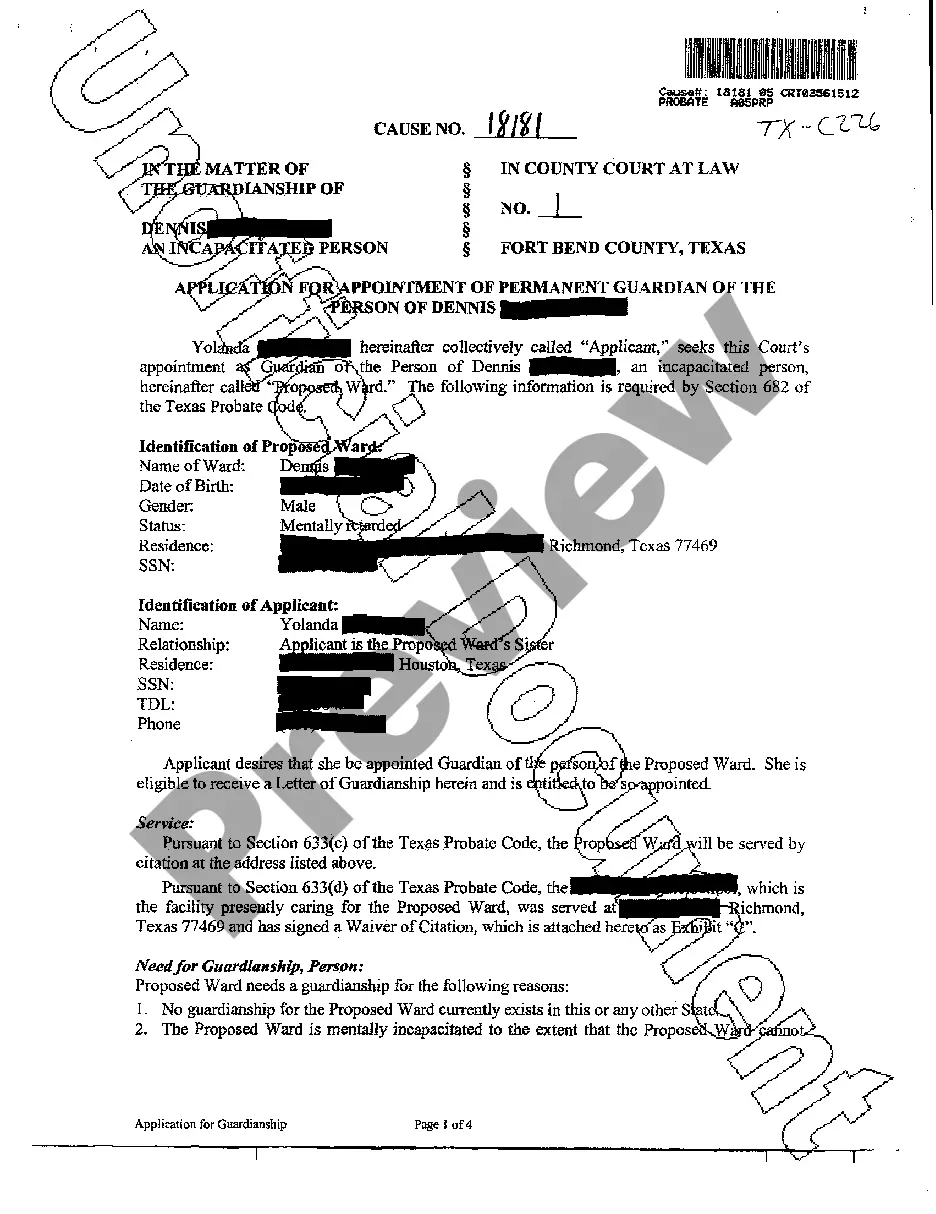
Nevada Interrogatories to Plaintiff for Motor Vehicle Occurrence
What is this form?
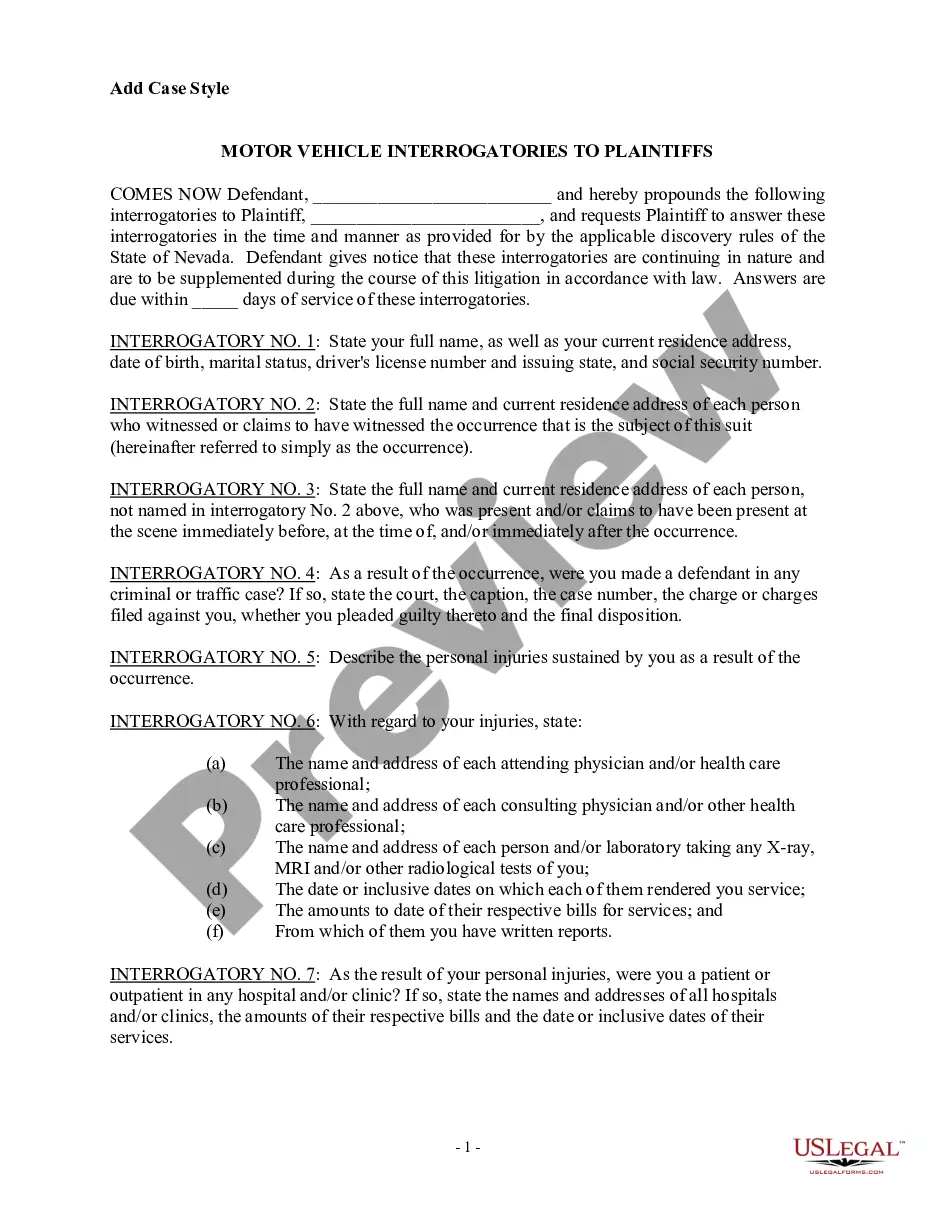
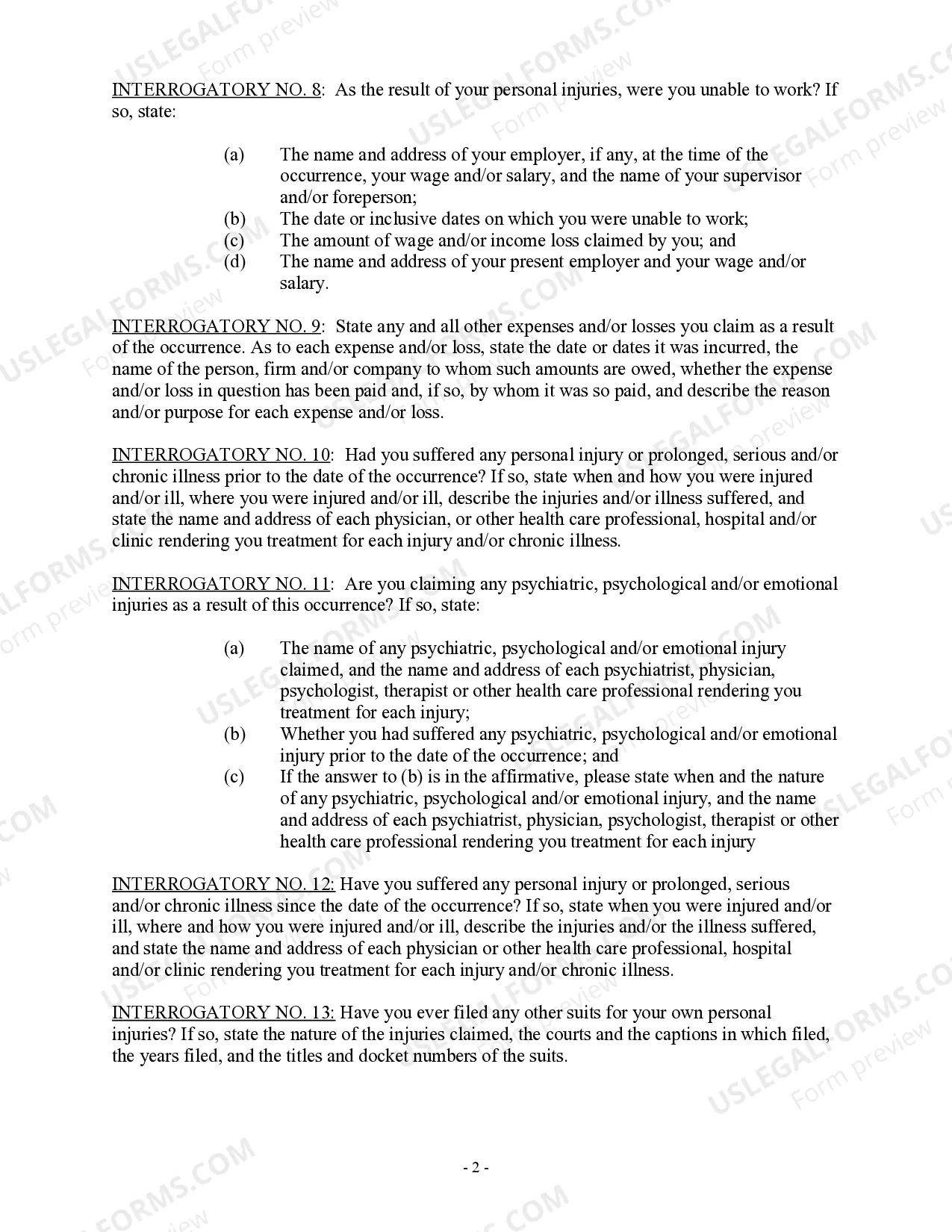
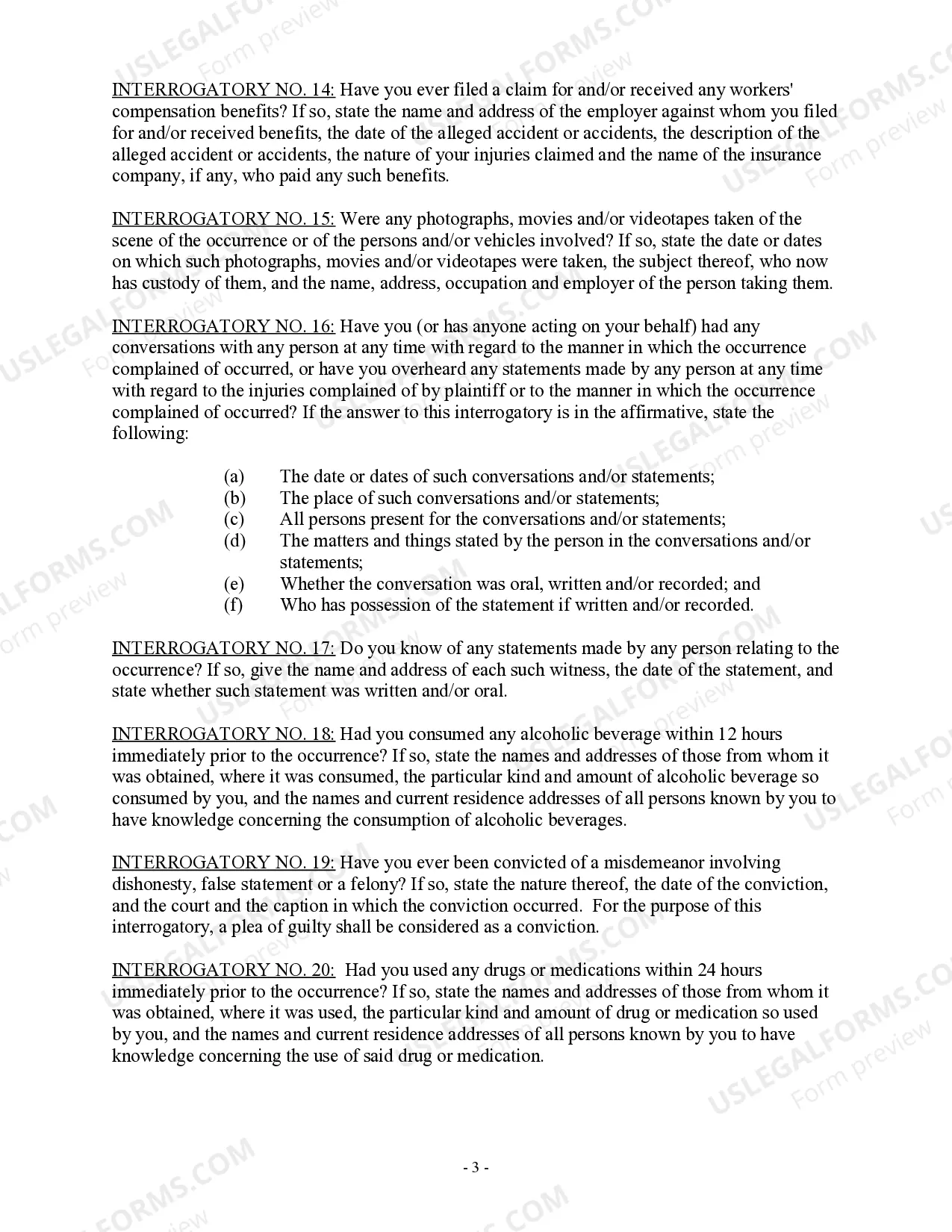
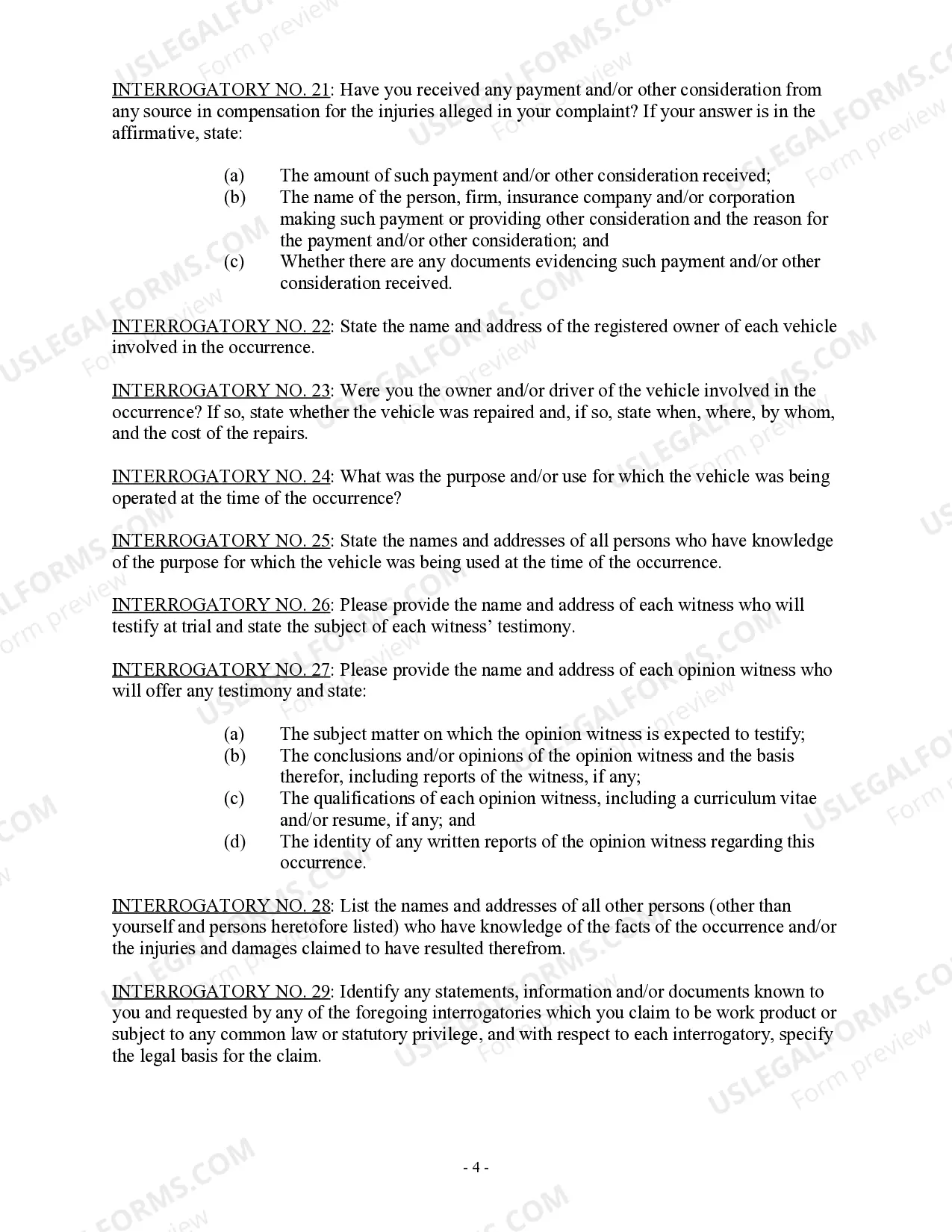
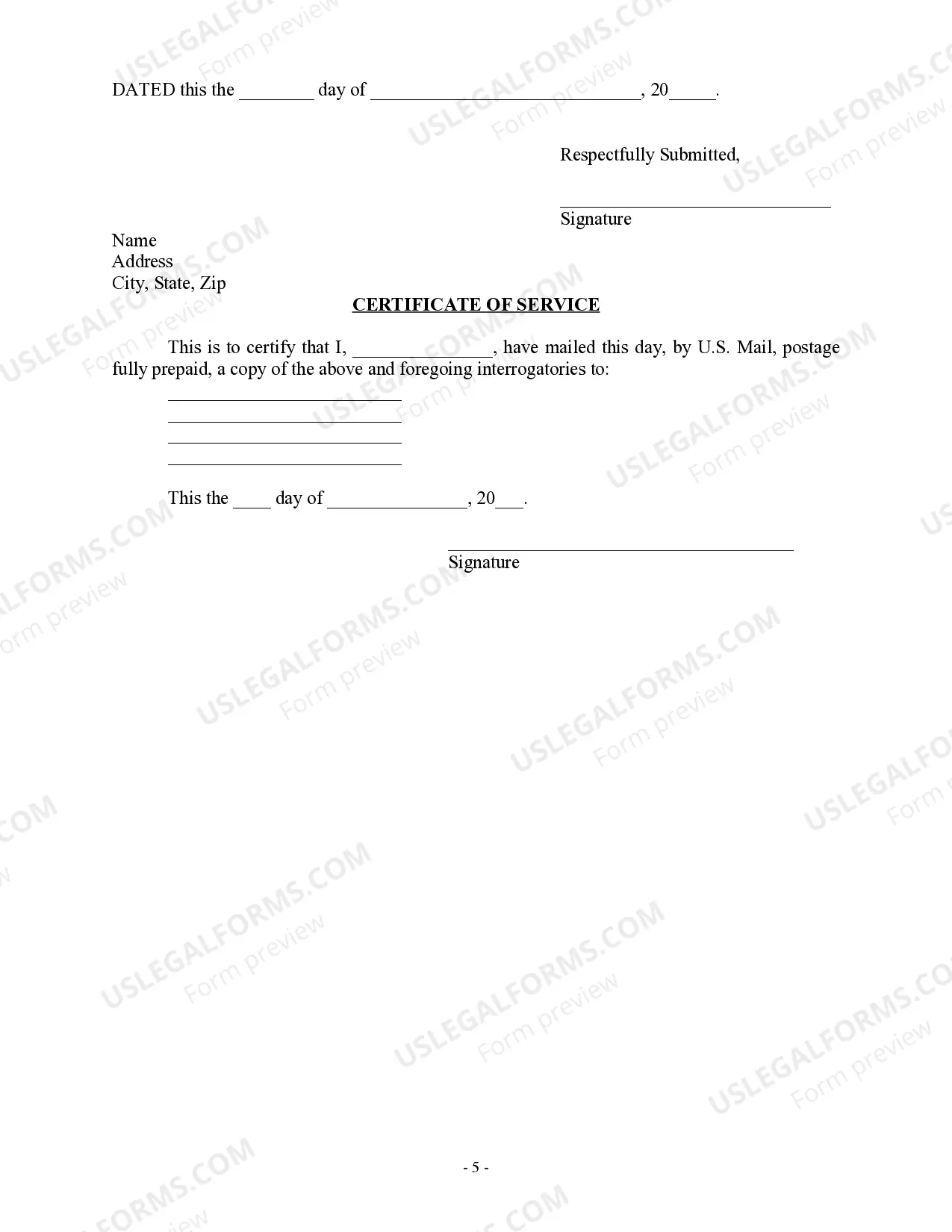
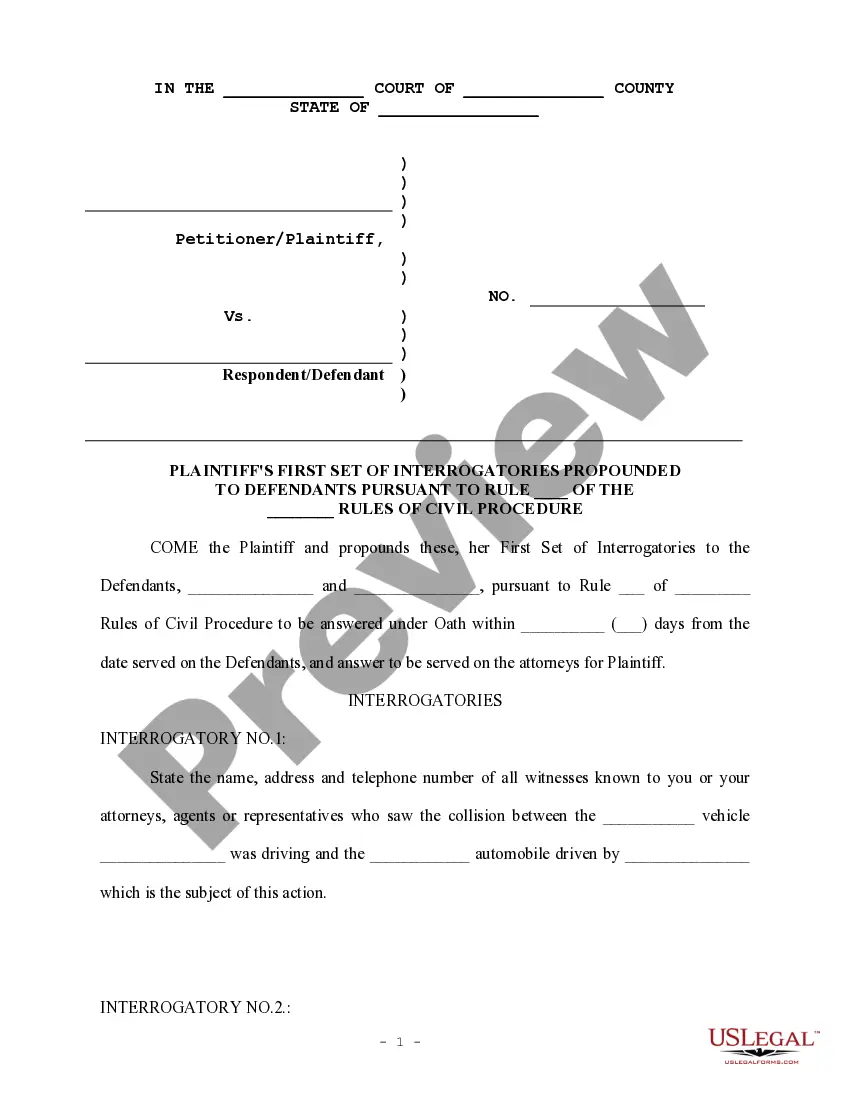
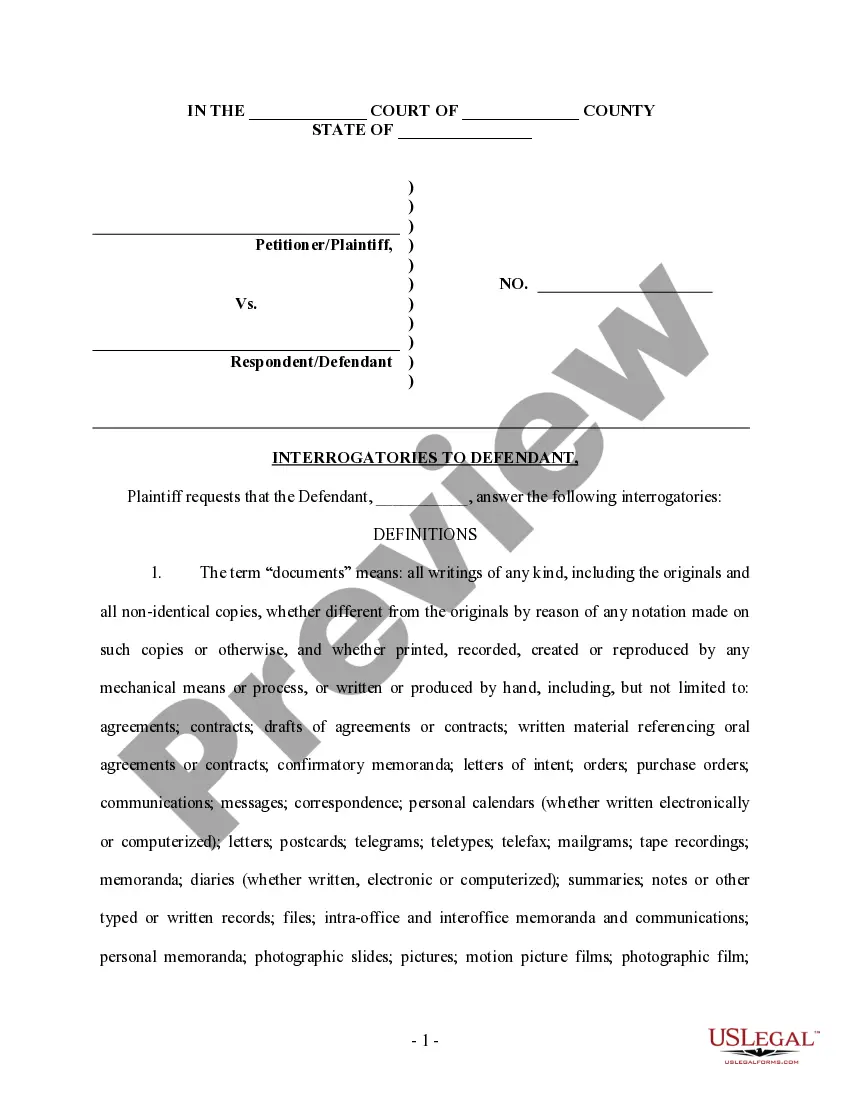
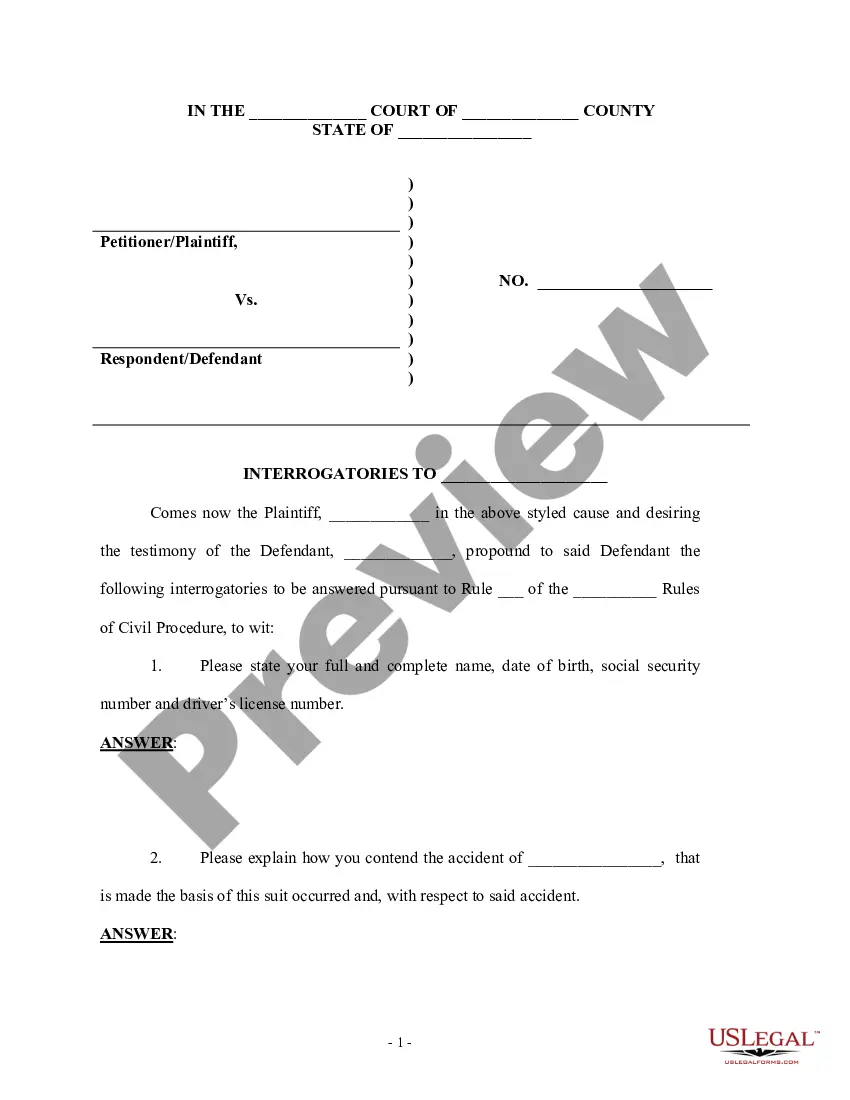
The Interrogatories to Plaintiff for Motor Vehicle Occurrence is a legal document used by defendants in vehicle incident cases, such as automobile accidents. This form includes a series of questions that the plaintiff must answer to provide clarity and details about the incident and any injuries claimed. Unlike other legal forms, this set of interrogatories aims specifically to gather information about the plaintiff's claims, witnesses, and any related expenses, making it essential for building a strong defense in litigation.
What’s included in this form
- Identification of the plaintiff, including personal details and contact information.
- List of witnesses and those present at the scene of the incident.
- Description of injuries sustained and medical treatment received.
- Details about any claims for lost wages and associated expenses.
- Questions regarding prior injuries, criminal history, and any other relevant claims or conversations.
When to use this form
This form is necessary when a defendant needs to gather pertinent information from a plaintiff involved in a motor vehicle incident. It is typically used during the discovery phase of litigation, allowing the defendant to assess the plaintiff's claims, identify witnesses, and prepare for potential trial proceedings. Using this form helps ensure that all vital information is collected for effective case management.
Who needs this form
- Defendants in vehicle incident lawsuits seeking to gather information and evidence.
- Legal representatives or attorneys working on behalf of defendants in personal injury cases.
- Individuals involved in litigation related to automobile accidents who require a structured way to request detailed responses from the plaintiff.
Steps to complete this form
- Identify the parties involved by providing the full names and addresses of the plaintiff and defendant.
- Answer each interrogatory thoroughly, providing accurate and detailed responses as required.
- Include any relevant documents or evidence supporting your claims, such as medical records or witness statements.
- Review your answers to ensure completeness and accuracy before submission.
- Sign and date the form correctly, ensuring compliance with the notice requirements specified in the document.
Does this document require notarization?
Notarization is generally not required for this form. However, certain states or situations might demand it. You can complete notarization online through US Legal Forms, powered by Notarize, using a verified video call available anytime.
Get your form ready online
Our built-in tools help you complete, sign, share, and store your documents in one place.
Make edits, fill in missing information, and update formatting in US Legal Forms—just like you would in MS Word.
Download a copy, print it, send it by email, or mail it via USPS—whatever works best for your next step.
Sign and collect signatures with our SignNow integration. Send to multiple recipients, set reminders, and more. Go Premium to unlock E-Sign.
If this form requires notarization, complete it online through a secure video call—no need to meet a notary in person or wait for an appointment.
We protect your documents and personal data by following strict security and privacy standards.

Make edits, fill in missing information, and update formatting in US Legal Forms—just like you would in MS Word.

Download a copy, print it, send it by email, or mail it via USPS—whatever works best for your next step.

Sign and collect signatures with our SignNow integration. Send to multiple recipients, set reminders, and more. Go Premium to unlock E-Sign.

If this form requires notarization, complete it online through a secure video call—no need to meet a notary in person or wait for an appointment.

We protect your documents and personal data by following strict security and privacy standards.
Common mistakes
- Failing to answer all interrogatories, resulting in incomplete information.
- Providing vague or unclear answers that may hinder understanding.
- Missing deadlines for submitting responses, which can result in penalties.
- Not verifying the accuracy of personal and contact information before submission.
- Overlooking the need to state prior medical conditions that may relate to the claims.
Advantages of online completion
- Convenience of downloading and filling out the form at your own pace.
- Editable fields allow you to tailor the interrogatories to fit your specific case situation.
- Access to legal expertise through professionally drafted content ensures the form meets necessary legal standards.
- Instant availability avoids delays associated with traditional legal processes.
What to keep in mind
- The Interrogatories to Plaintiff form is vital for defendants in vehicle accident cases.
- It facilitates the collection of essential information about the plaintiff's claims.
- Completing the form accurately is crucial to avoid potential legal errors.
- This form adheres to Nevada's discovery laws, ensuring it meets jurisdictional requirements.
Looking for another form?


Form popularity
FAQ
You must answer each interrogatory separately and fully in writing under oath, unless you object to it. You must explain why you object. You must sign your answers and objections.
If the plaintiff does not respond to the court order, then you can file a Motion to Dismiss and you may win your case. Send a final request. If they do not respond to the final request within 30 days you can send the court an application for entry of final judgment or dismissal.
Motions to Compel If a party doesn't respond to interrogatories or requests for production, then the party seeking those answers must file a motion to compel with the court. If the court grants the motion to compel, then the party who objected or failed to answer must then do so.
Personal/Corporate information of opposing party. Identifying information of witnesses. Contact information & background of expert witnesses. Insurance information.
So, can you refuse to answer interrogatories? The answer is, no, you may not.That answer must either permit inspection of the requested information or object to the production of the information for a specific reason.
Interrogatories are a part of the "discovery" stage of a civil case.During discovery, the parties request and exchange information and documents. Interrogatories and depositions form the bulk of the discovery process. Unlike many legal documents, interrogatories do not need to be filed with the court.
You must answer each interrogatory separately and fully in writing under oath, unless you object to it. You must explain why you object. You must sign your answers and objections.
Your answers to the interrogatories should usually be short, clear, and direct and should answer only the question that is being asked. This is not the time to set out your entire case or defense to the other side. Take the time to make sure your answers are correct and truthful.