Landlord Harassment Virginia Former
Description
Get your form ready online
Our built-in tools help you complete, sign, share, and store your documents in one place.
Make edits, fill in missing information, and update formatting in US Legal Forms—just like you would in MS Word.
Download a copy, print it, send it by email, or mail it via USPS—whatever works best for your next step.
Sign and collect signatures with our SignNow integration. Send to multiple recipients, set reminders, and more. Go Premium to unlock E-Sign.
If this form requires notarization, complete it online through a secure video call—no need to meet a notary in person or wait for an appointment.
We protect your documents and personal data by following strict security and privacy standards.

Make edits, fill in missing information, and update formatting in US Legal Forms—just like you would in MS Word.

Download a copy, print it, send it by email, or mail it via USPS—whatever works best for your next step.

Sign and collect signatures with our SignNow integration. Send to multiple recipients, set reminders, and more. Go Premium to unlock E-Sign.

If this form requires notarization, complete it online through a secure video call—no need to meet a notary in person or wait for an appointment.

We protect your documents and personal data by following strict security and privacy standards.
Looking for another form?
Form popularity
FAQ
In Virginia, landlords are generally required to address repair requests in a reasonable time frame, typically within 30 days, depending on the severity of the issue. If the repairs are urgent and affect your health or safety, your landlord should respond promptly. Understanding this timeline is crucial, especially if you're dealing with landlord harassment in Virginia regarding maintenance issues. If they fail to take action, consider turning to platforms like US Legal Forms for guidance on your next steps.
As a renter in Virginia, you have rights that protect you from landlord harassment and ensure your living conditions meet safety standards. Your rights include the right to a peaceful enjoyment of your home, proper notice before entry, and timely repairs. If you feel your rights are being violated, it's essential to know the resources available to you, including legal documentation and assistance from platforms like US Legal Forms. Being informed empowers you against any landlord harassment issues.
Tenant abandonment in Virginia occurs when a tenant leaves the rental property without notifying the landlord, indicating an intention to not return. If you believe your landlord is harassing you, they might misunderstand your absence as abandonment. Understanding this concept is essential, as it can impact your rights under Virginia law. Seeking legal advice or utilizing US Legal Forms can provide clarity on how to navigate this issue.
To file a complaint against your landlord in Virginia, start by documenting incidents of landlord harassment, including dates, times, and descriptions of events. Next, you can contact your local housing authority or consult an attorney knowledgeable about landlord-tenant issues. Utilizing the US Legal Forms platform can also help you find the right forms and guidance for filing your complaint effectively. Taking action promptly can help safeguard your rights.
Section 55-248.31 of the Virginia Residential Landlord and Tenant Act addresses the behaviors that qualify as landlord harassment in Virginia. This section prohibits landlords from intimidating or coercing tenants, thus ensuring your right to a safe living environment. It's crucial to understand this law if you face any landlord harassment in Virginia. You can protect your rights by familiarizing yourself with this section.
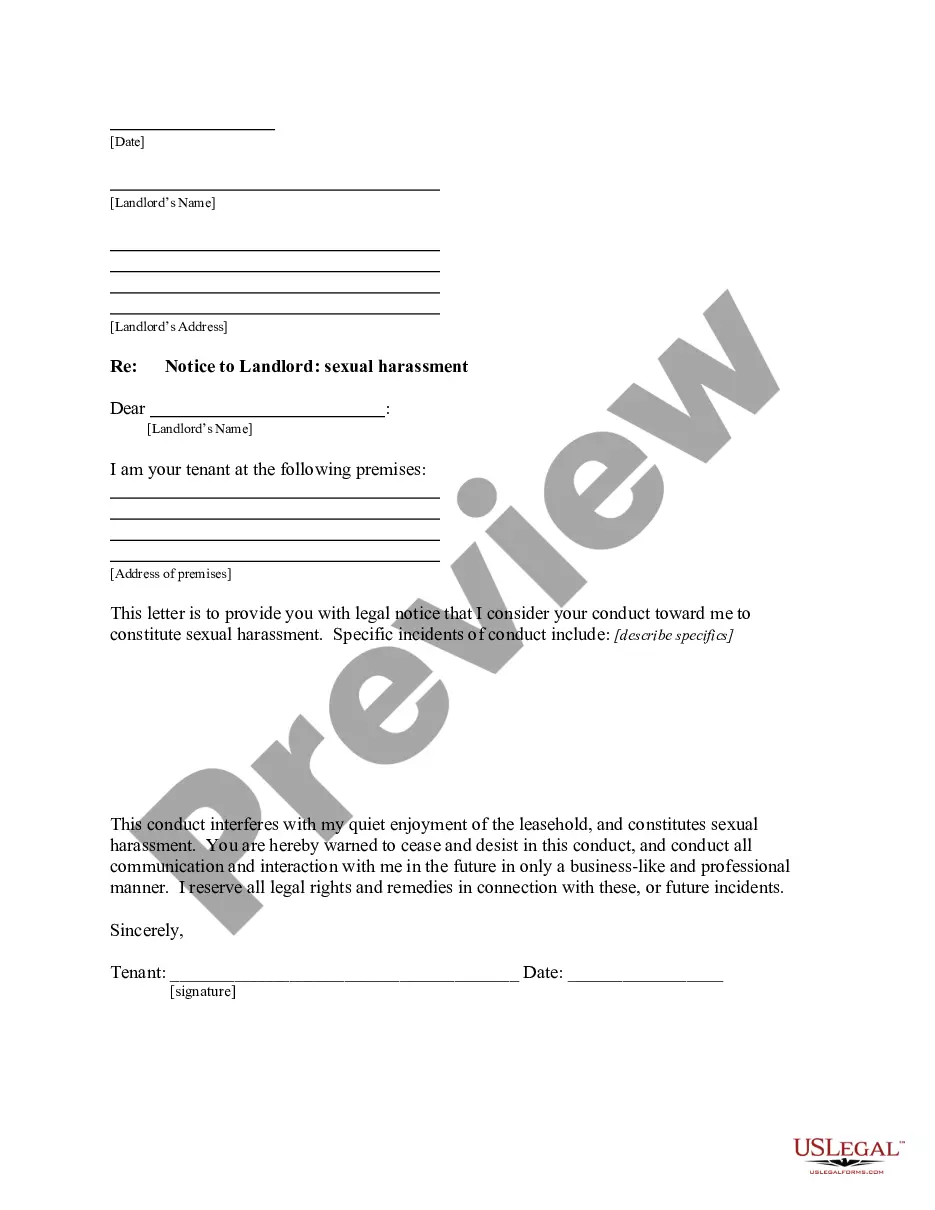
Harassment in Virginia qualifies as unwanted and aggressive behavior directed at an individual, such as a tenant. This could involve creating a hostile living situation through intimidation, spreading false information, or consistent negative interactions. Seeking guidance from online resources like US Legal Forms can help tenants navigate issues related to landlord harassment Virginia former.
In Virginia, landlord harassment encompasses any behavior aimed at intimidating or coercing a tenant. Examples include excessive and unauthorized entry, threats to cut off essential services, or creating an unsafe living environment. If you experience such actions, it may be necessary to take steps to address landlord harassment Virginia former.
Landlord harassment in Virginia includes actions that disturb a tenant's peace and quiet or violate their privacy rights. This can be through repeated, unwanted visits, threats of eviction without proper cause, or refusal to make necessary repairs. Recognizing these behaviors is vital for tenants facing landlord harassment Virginia former.
Tenants in Virginia can sue landlords for various reasons, including failure to maintain safe living conditions and wrongful eviction. If a landlord unlawfully retaliates against a tenant or violates the terms of the lease agreement, the tenant may also have grounds for a lawsuit. It is essential to seek legal solutions to ensure protection from landlord harassment Virginia former.
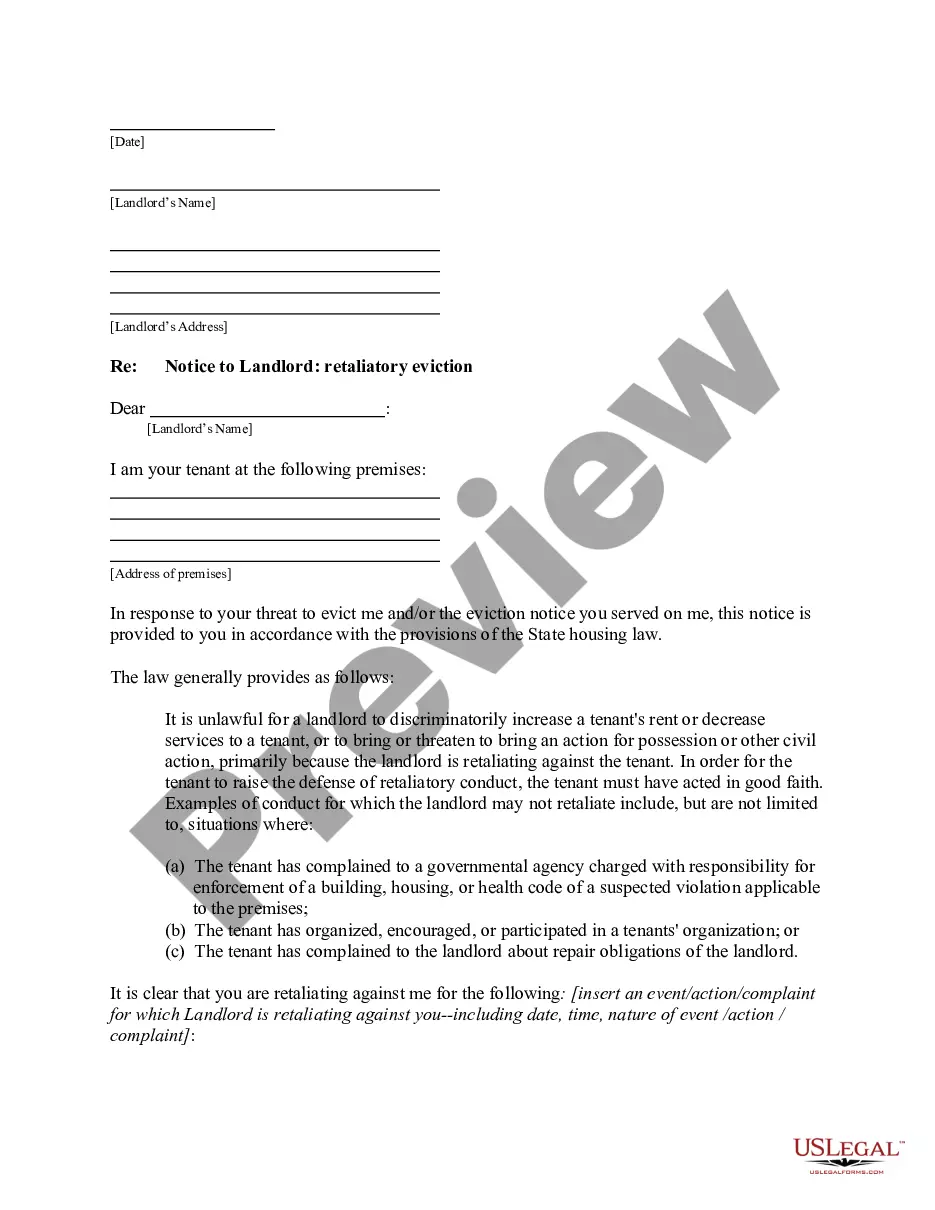
Landlords in Virginia are prohibited from taking actions that infringe on their tenants' rights. They cannot enter rental properties without proper notice, initiate eviction without following legal procedures, or retaliate against tenants who exercise their legal rights. Understanding these restrictions is crucial in addressing issues like landlord harassment Virginia former.
