West Virginia Letter from Tenant to Landlord about Sexual Harassment
What is this form?
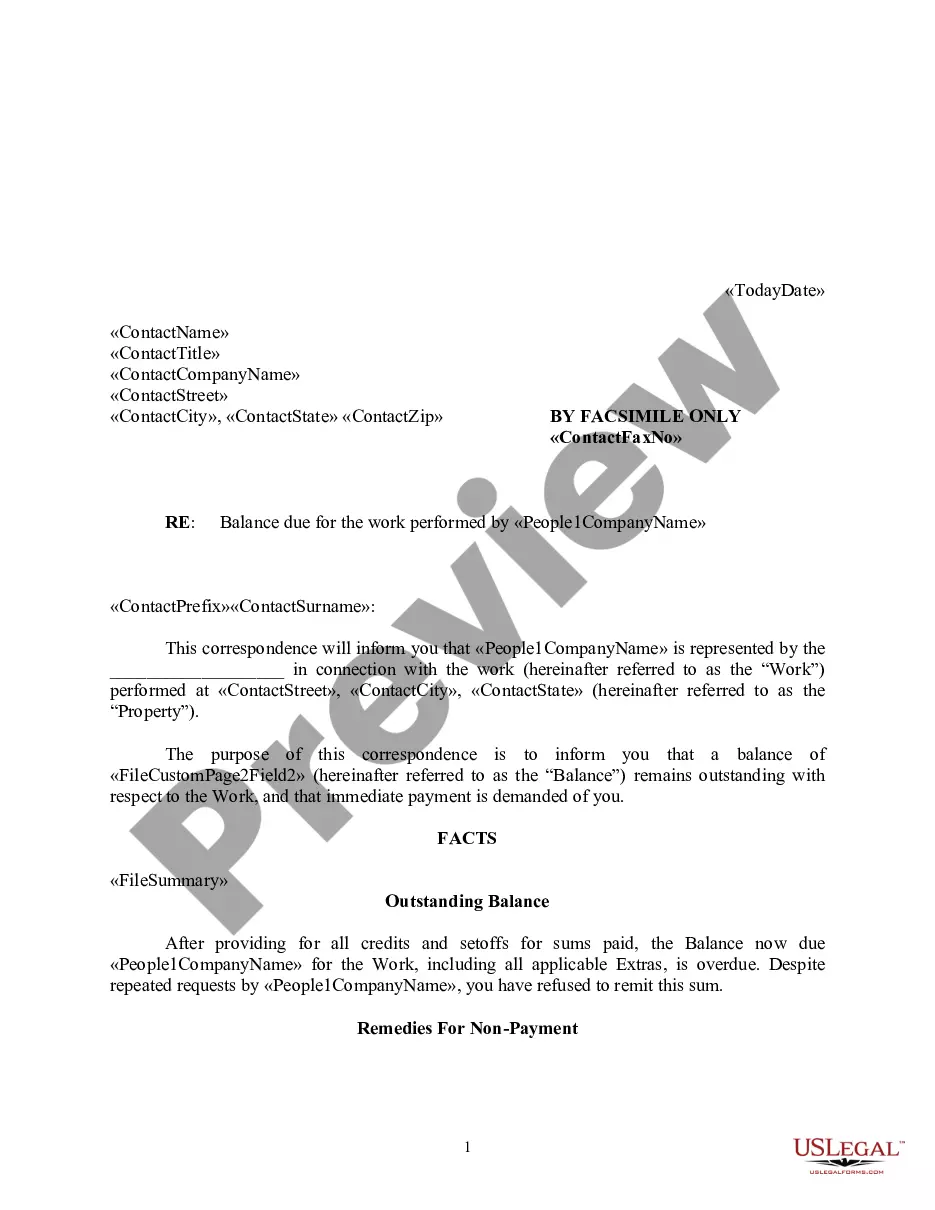
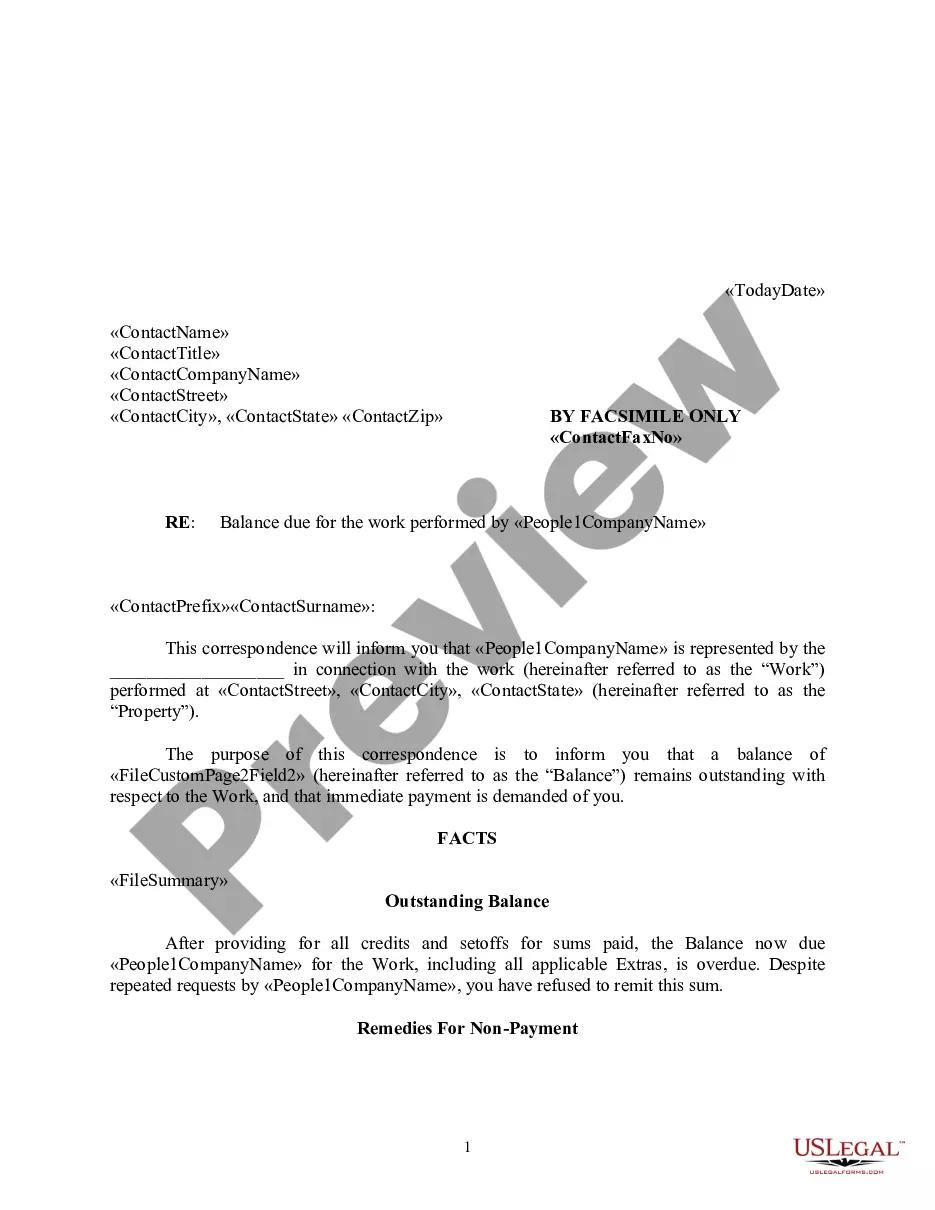
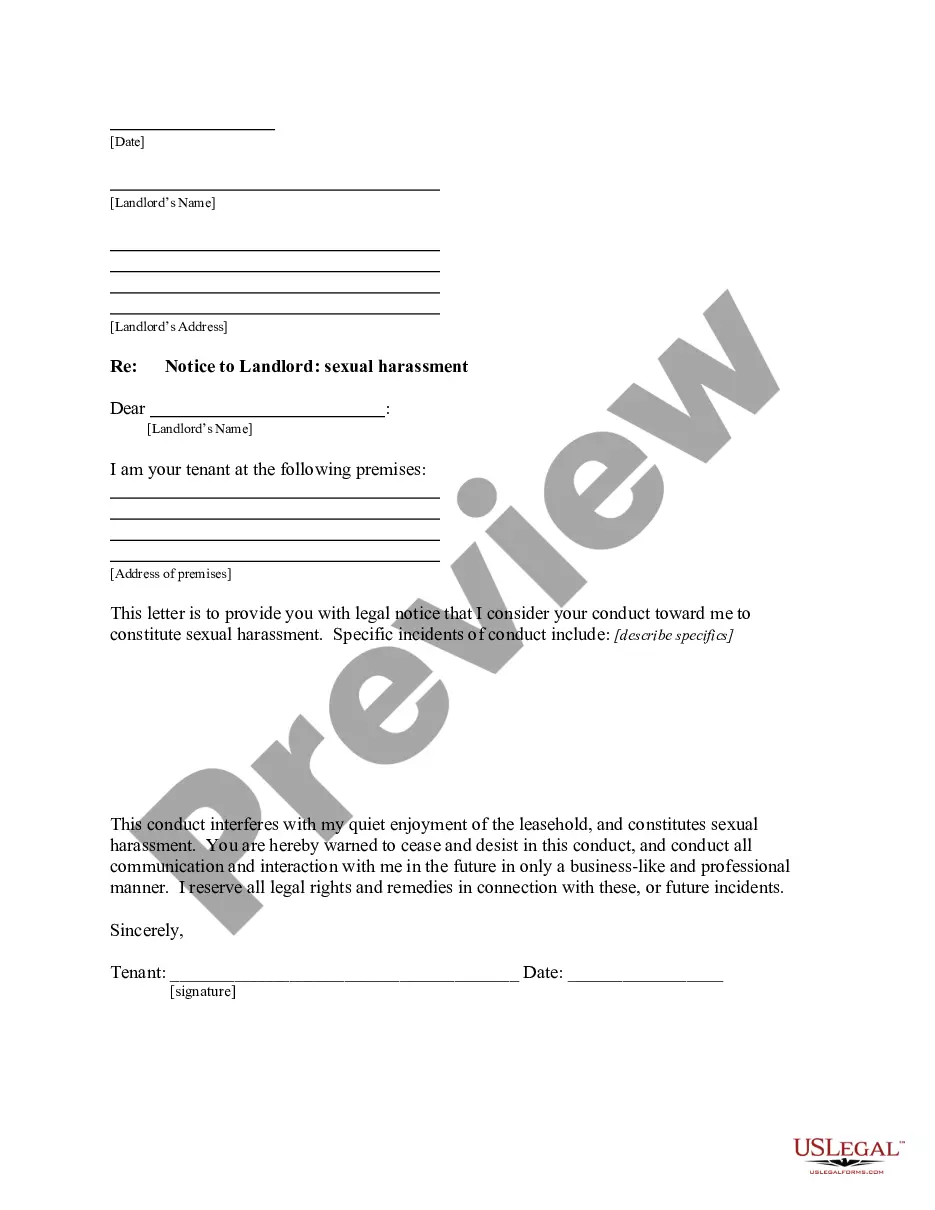
This Letter from Tenant to Landlord about Sexual Harassment is a legal document that allows tenants to formally notify their landlord of inappropriate and illegal conduct that constitutes sexual harassment. This letter conveys the seriousness of the situation and demands that the landlord cease such behavior, ensuring a business-like and professional interaction moving forward. It serves as a critical step in addressing concerns related to tenant safety and legal rights within the rental agreement context.
Key components of this form
- Tenant's name and contact information.
- Landlord's name and contact information.
- Date of the letter.
- Details of the harassing conduct experienced by the tenant.
- Statement requiring the landlord to stop the conduct.
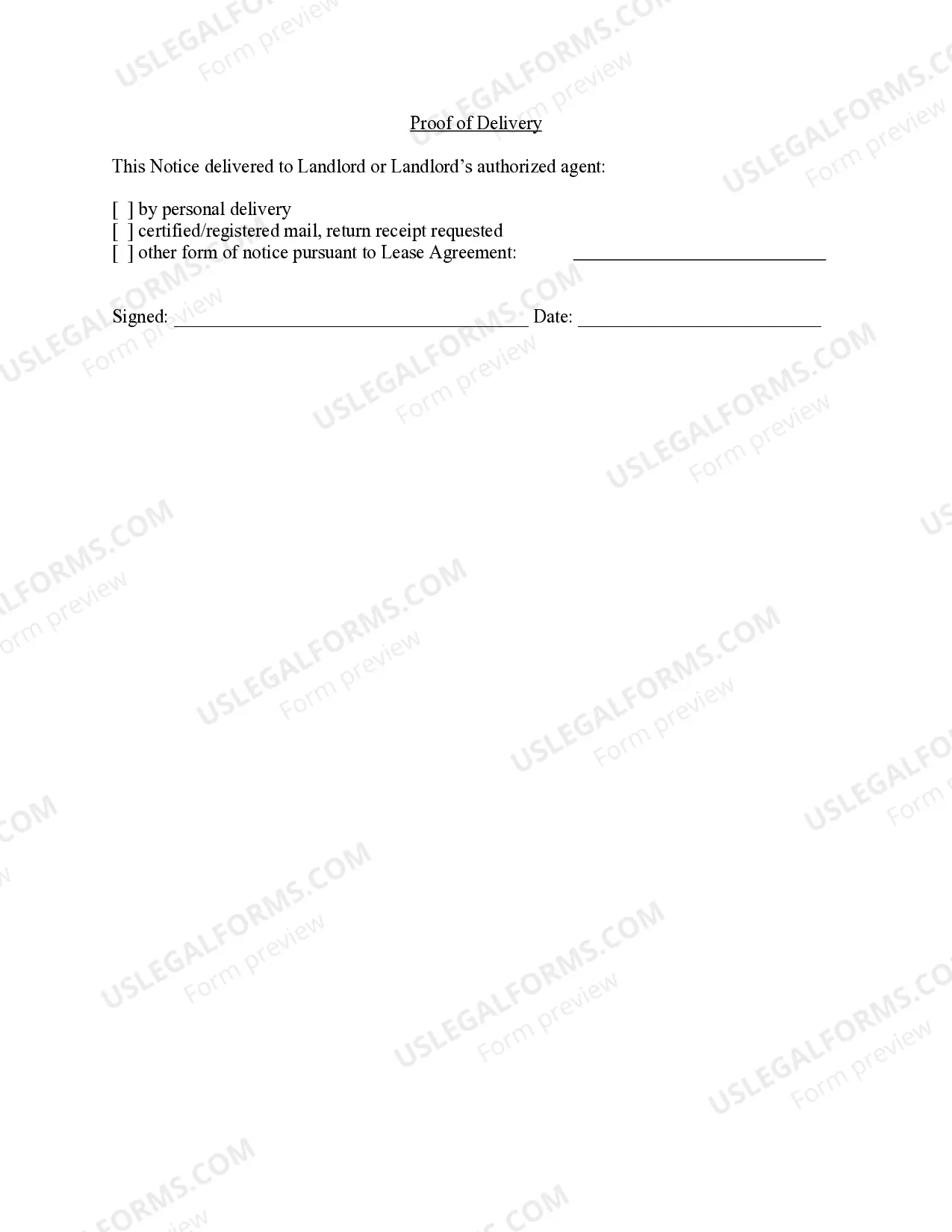
- Proof of delivery options for the notice.
Situations where this form applies
This form should be used when a tenant has experienced sexual harassment from their landlord. It can be applied in situations where interactions have become inappropriate, affecting the tenantâs right to quiet enjoyment of their rental property. This letter serves to document the issue formally and can act as a precursor to further legal actions if necessary.
Who this form is for
- Tenants who have experienced sexual harassment from their landlord.
- Individuals seeking to document inappropriate conduct in a rental situation.
- Tenants looking to initiate communication about legal rights and safety issues.
How to prepare this document
- Identify and fill in your name and contact information at the top of the letter.
- Include the landlordâs name and address in the designated section.
- Add the date you are sending the letter.
- Clearly describe the incidents of sexual harassment you have experienced.
- State your expectation for the landlord to cease these behaviors.
- Choose a method for delivering the letter and provide necessary proof of delivery as outlined.
Is notarization required?
This form does not typically require notarization unless specified by local law. However, ensuring proper delivery and documentation is crucial for legal validity.
Get your form ready online
Our built-in tools help you complete, sign, share, and store your documents in one place.
Make edits, fill in missing information, and update formatting in US Legal Forms—just like you would in MS Word.
Download a copy, print it, send it by email, or mail it via USPS—whatever works best for your next step.
Sign and collect signatures with our SignNow integration. Send to multiple recipients, set reminders, and more. Go Premium to unlock E-Sign.
If this form requires notarization, complete it online through a secure video call—no need to meet a notary in person or wait for an appointment.
We protect your documents and personal data by following strict security and privacy standards.

Make edits, fill in missing information, and update formatting in US Legal Forms—just like you would in MS Word.

Download a copy, print it, send it by email, or mail it via USPS—whatever works best for your next step.

Sign and collect signatures with our SignNow integration. Send to multiple recipients, set reminders, and more. Go Premium to unlock E-Sign.

If this form requires notarization, complete it online through a secure video call—no need to meet a notary in person or wait for an appointment.

We protect your documents and personal data by following strict security and privacy standards.
Typical mistakes to avoid
- Failing to provide specific details about the harassment incidents.
- Not including the date or the recipient's information correctly.
- Neglecting to keep a copy of the letter for personal records.
- Forgetting to use a method of delivery that confirms receipt.
Advantages of online completion
- Quick download and completion, allowing for immediate action.
- Edit the form easily to include specific details relevant to your situation.
- Access to templates crafted by licensed attorneys for legal compliance.
- Convenience of completing the document from home without legal complications.
Legal use & context
- This letter demonstrates awareness and documentation of harassment, which is crucial for legal proceedings, if necessary.
- Providing notice to the landlord about harassment can initiate a resolution process and may serve as evidence if further action is needed.
What to keep in mind
- The letter is a formal notice to address sexual harassment issues with a landlord.
- Clear documentation of harassment incidents is essential for your protection.
- Follow proper delivery methods to ensure the landlord acknowledges receipt of the letter.
Looking for another form?
Form popularity
FAQ
NOTE: Under Virginia law, if you do not have a lease, and you do not pay rent, you are considered a tenant at sufferance. This means you can be evicted for any reason at all, at any time, and no notice needs to be given to you.If the rent is paid by the week, only a 7-day written notice is required.
Complaints involving such issues should be directed to the Virginia Fair Housing Office at 888.551. 3247 or 804.367. 8530.
If your landlord breaches the warranty of habitability or the warranty of quiet enjoyment, you may be able to sue her to recover monetary damages.In some states, such as California and Arizona, you may be able to seek emotional distress damages if the landlord's actions were particularly egregious.
Harassing a tenant with the intention of making their living situation so uncomfortable they want to move or terminate a lease agreement is illegal.Landlord harassment is considered such an issue in major cities of these states that specific laws and protections were created to protect renters and punish violators.
If you're seeking damages for emotional distress caused by a landlord's discrimination, or punitive damages for especially blatant and intentional discrimination, a lawsuit may well be your best bet. Understand what's involved in suing your landlord. You may file a lawsuit in either federal or state court.
Tenants of HUD-insured or HUD-assisted properties are encouraged to report problems with landlords to HUD by calling the Multifamily Housing Complaint Line at (800) MULTI-70 (1-800-685-8470).
As a renter in Virginia, you have legal protections under the Virginia Residential Landlord and Tenant Act (VRLTA) that include the right to: A fair application fee. A fair security deposit. A decent and safe place to live.