Wi Statute Possession With Intent
Description
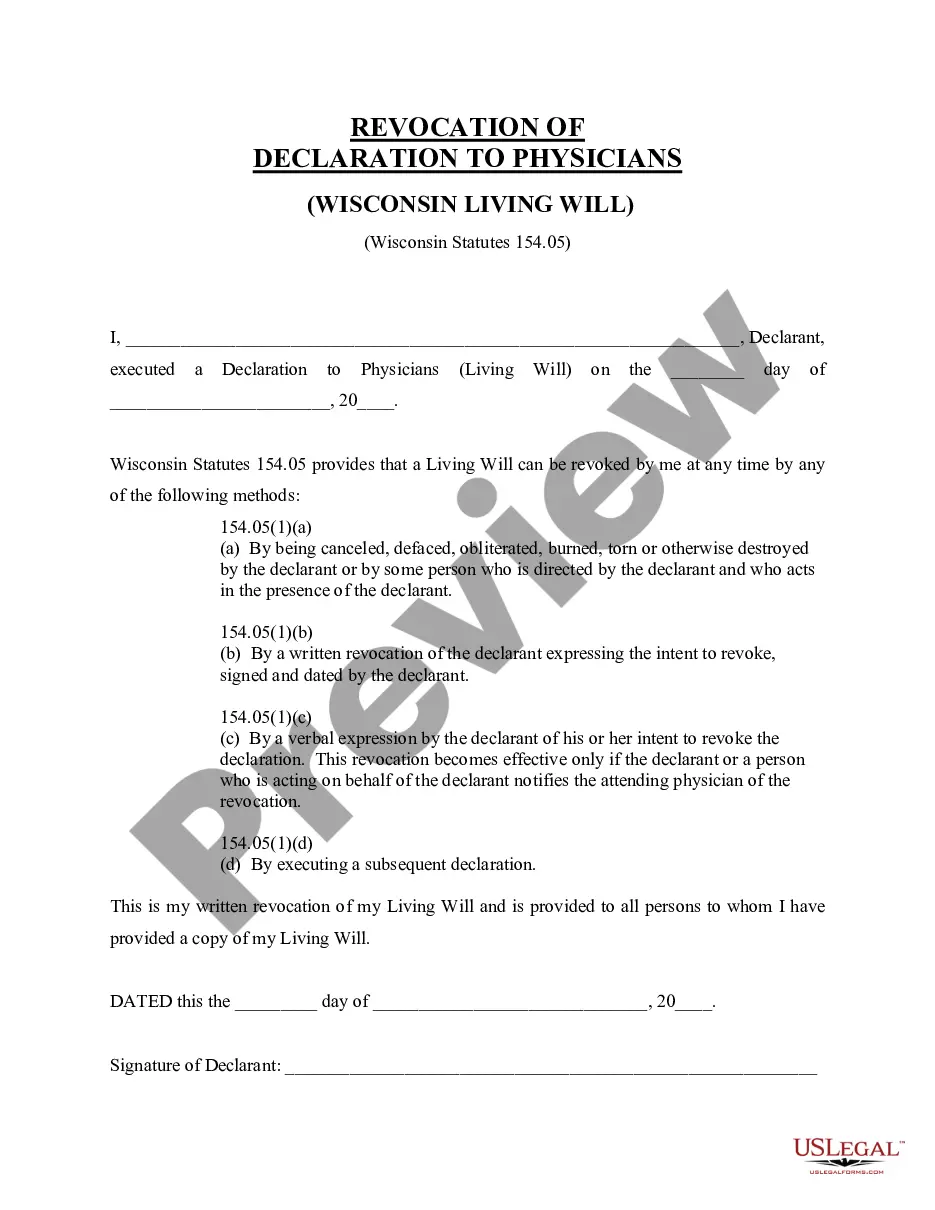
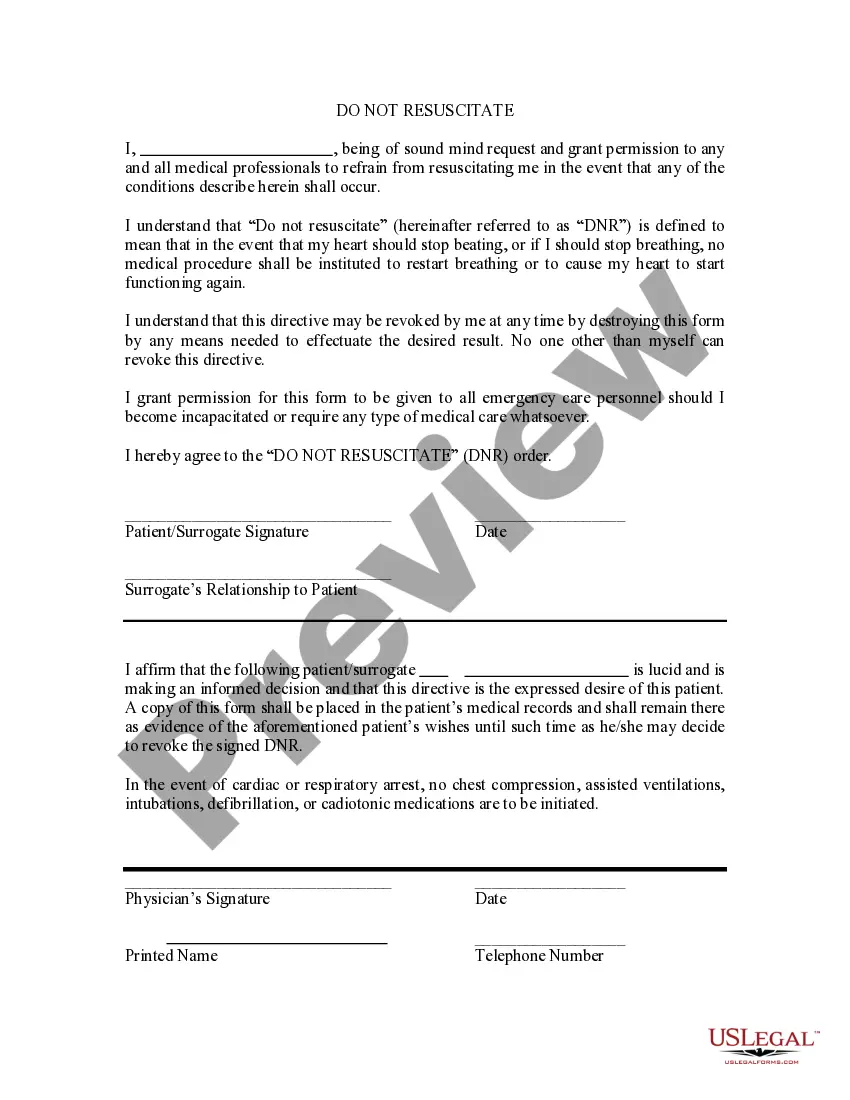
Get your form ready online
Our built-in tools help you complete, sign, share, and store your documents in one place.
Make edits, fill in missing information, and update formatting in US Legal Forms—just like you would in MS Word.
Download a copy, print it, send it by email, or mail it via USPS—whatever works best for your next step.
Sign and collect signatures with our SignNow integration. Send to multiple recipients, set reminders, and more. Go Premium to unlock E-Sign.
If this form requires notarization, complete it online through a secure video call—no need to meet a notary in person or wait for an appointment.
We protect your documents and personal data by following strict security and privacy standards.

Make edits, fill in missing information, and update formatting in US Legal Forms—just like you would in MS Word.

Download a copy, print it, send it by email, or mail it via USPS—whatever works best for your next step.

Sign and collect signatures with our SignNow integration. Send to multiple recipients, set reminders, and more. Go Premium to unlock E-Sign.

If this form requires notarization, complete it online through a secure video call—no need to meet a notary in person or wait for an appointment.

We protect your documents and personal data by following strict security and privacy standards.
Looking for another form?


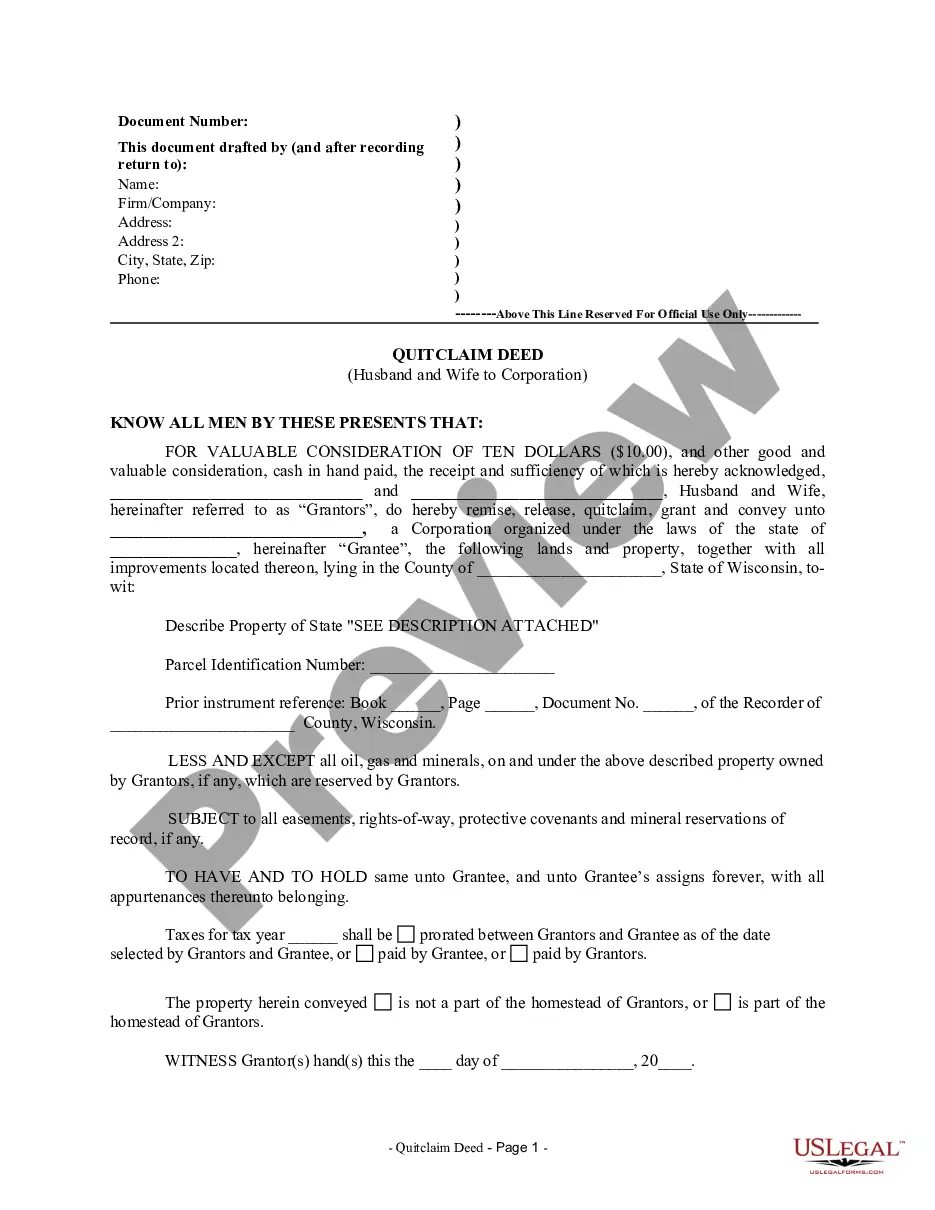


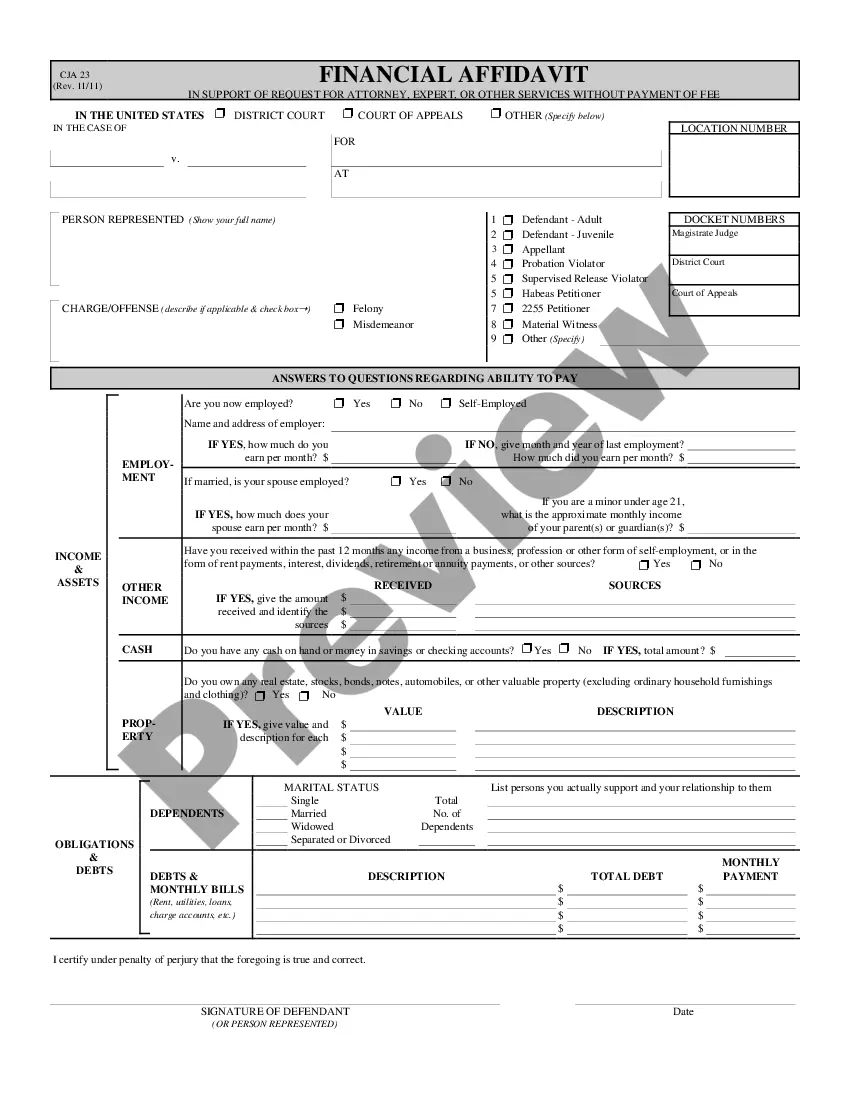
How to fill out Wisconsin Revocation Of Statutory Living Will?
Identifying a reliable location to obtain the most up-to-date and pertinent legal templates is a significant part of navigating bureaucracy.
Finding the accurate legal document requirements necessitates precision and meticulousness, which highlights the importance of sourcing Wi Statute Possession With Intent samples exclusively from trustworthy providers, such as US Legal Forms. A faulty template can consume your time and hinder your situation.
Once you have the document on your device, you can edit it with the editor or print it out to fill in manually. Eliminate the hassle associated with your legal documentation. Explore the extensive collection of US Legal Forms where you can find legal templates, assess their relevance to your circumstances, and download them promptly.
- Employ the catalog navigation or search bar to locate your document.
- Examine the form's description to determine if it meets your state's and area's criteria.
- View the form preview, if accessible, to ensure the template aligns with your expectations.
- Return to the search to find the appropriate template if the Wi Statute Possession With Intent does not meet your needs.
- If you are confident in the form's relevance, proceed to download it.
- If you possess an account, click Log in to verify and access your selected forms in My documents.
- If you haven't created an account yet, click Buy now to acquire the form.
- Choose the pricing option that suits your requirements.
- Continue to the registration process to complete your purchase.
- Conclude your purchase by selecting a payment method (credit card or PayPal).
- Select the file format for downloading Wi Statute Possession With Intent.
Form popularity
FAQ
Adverse possession in Wisconsin requires five key elements: open and notorious use, exclusive possession, continuous possession for a specific period, hostile use without permission, and actual possession. Understanding these requirements is vital for anyone considering claiming adverse possession. If you're looking for detailed legal documents or guidance on this topic, US Legal Forms can provide the necessary resources.
Intent plays a crucial role in possession charges in Wisconsin. Prosecutors must demonstrate that the individual intended to distribute the substance rather than merely possessing it for personal use. This differentiation can significantly affect the outcome of a case. Accessing legal resources through platforms like US Legal Forms can help clarify these issues.
The statute of possession with intent in Wisconsin specifically targets individuals who possess controlled substances with the intention to distribute them. This law is pivotal in determining how the legal system handles such offenses. It's essential to grasp the nuances of this statute if you find yourself in a legal predicament. US Legal Forms provides valuable insights and documents to assist you.
The time you could face for possession with intent to distribute in Wisconsin varies significantly based on the circumstances of the case. Factors such as the type of substance and prior convictions can influence sentencing. Generally, penalties can range from several months to years in prison. To understand your situation better, you may want to consult the resources available on US Legal Forms.
The statute regarding possession with intent to deliver in Wisconsin defines the legal implications of possessing illegal substances with the purpose of distribution. This law categorizes such offenses based on various factors, including the amount and type of drug. Knowing the specifics of this statute can help you navigate legal challenges effectively. For comprehensive legal documents and guidance, consider visiting US Legal Forms.
The Wisconsin statute 939.74 addresses the penalties for possession with intent to deliver controlled substances. This statute outlines the severity of the offense based on the type and amount of drug involved. Understanding this statute is crucial for anyone facing legal issues related to possession with intent. You can find more information on this topic through resources like US Legal Forms.
Sec. 961.41(3g), Stats. A person convicted of manufacturing a controlled substance, delivering a controlled substance, or possessing a controlled substance with an intent to manufacture or deliver, can be imprisoned for up to 30 years and fined up to $1,000, 000.
In Wisconsin, possession is charged as a misdemeanor for the first offense, and a conviction can result in jail time of up to six months and a fine of $1,000 or less. Subsequent possession charges result in stiffer penalties, including a prison sentence of up to three and a half years.
961.495 Possession or attempted possession of a controlled substance on or near certain places.
In Wisconsin, possession is charged as a misdemeanor for the first offense, and a conviction can result in jail time of up to six months and a fine of $1,000 or less. Subsequent possession charges result in stiffer penalties, including a prison sentence of up to three and a half years.