Wisconsin Law For Car Seats
Description
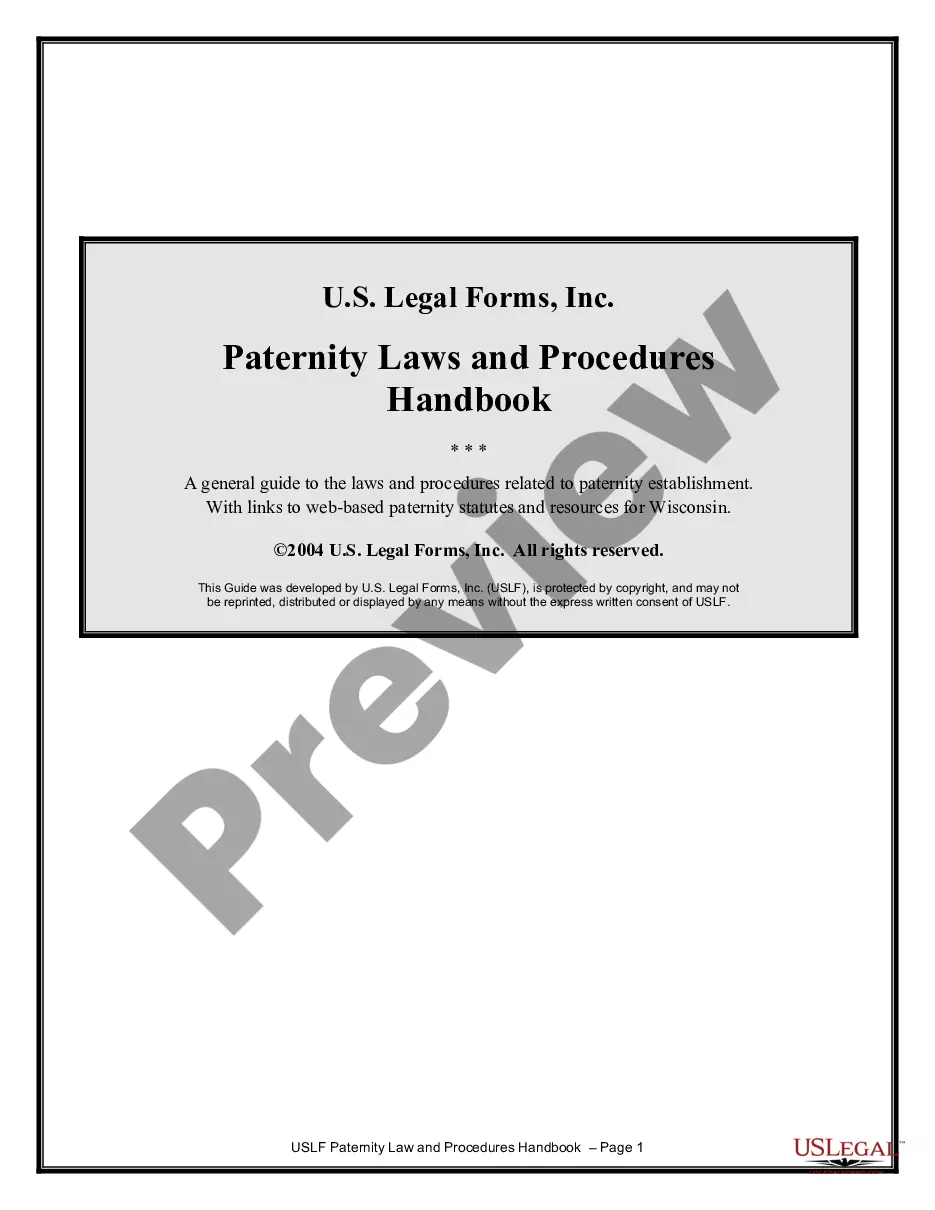
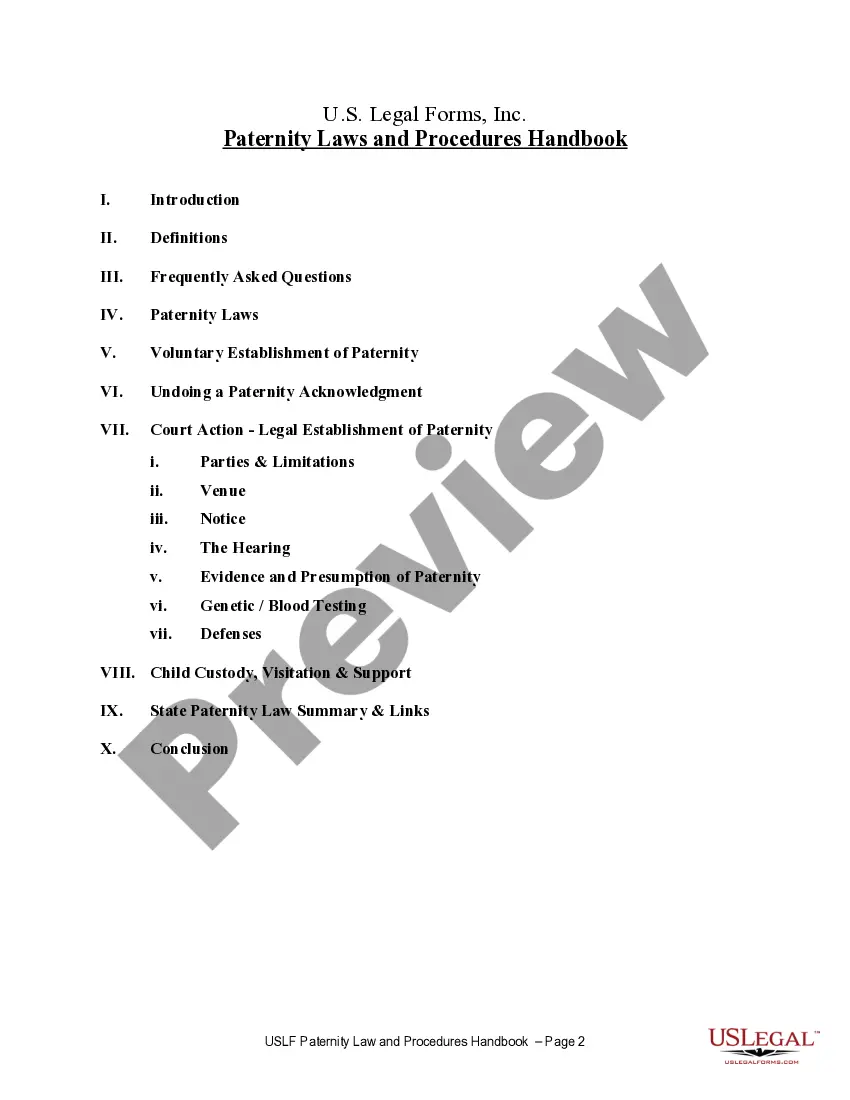
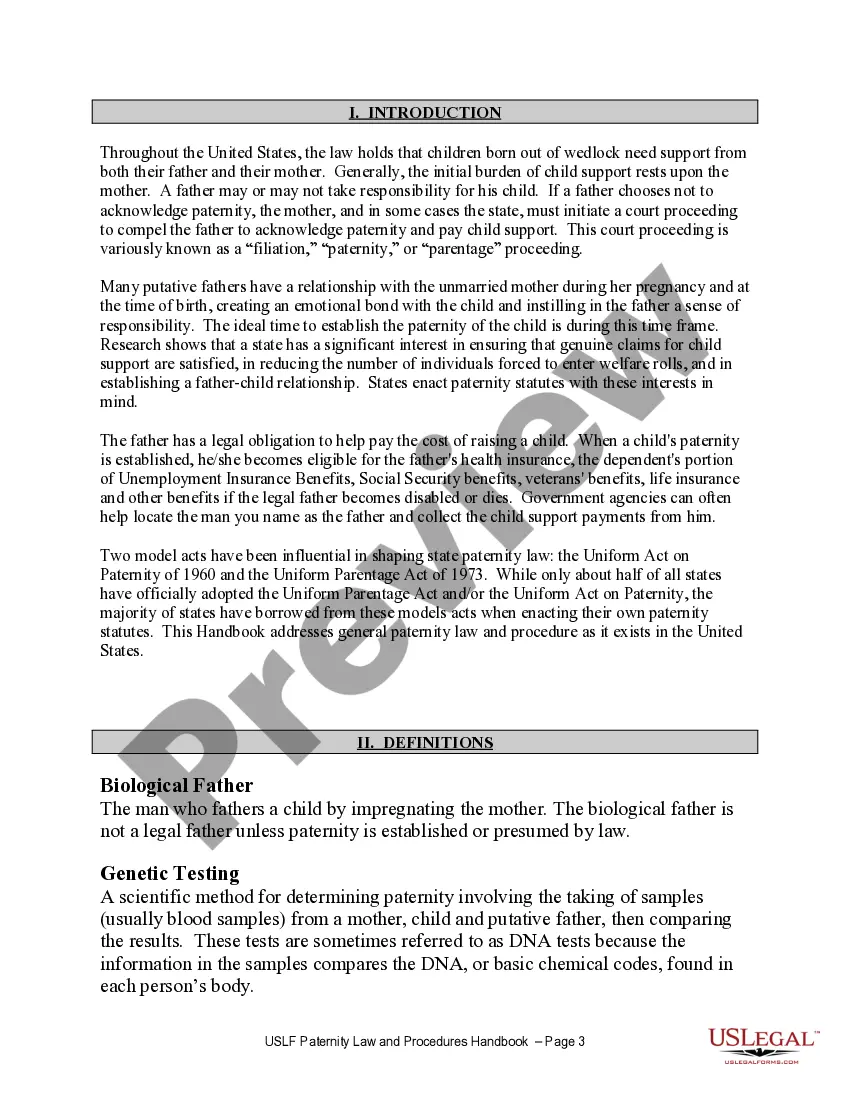
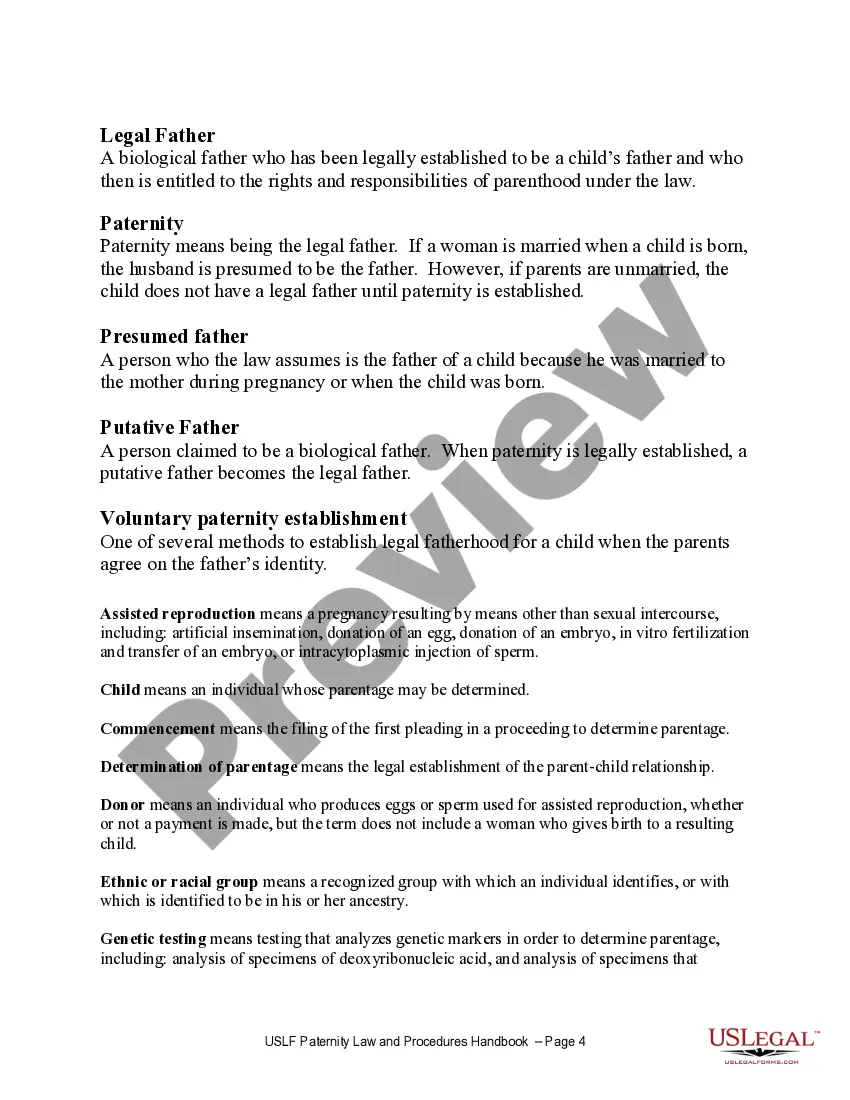
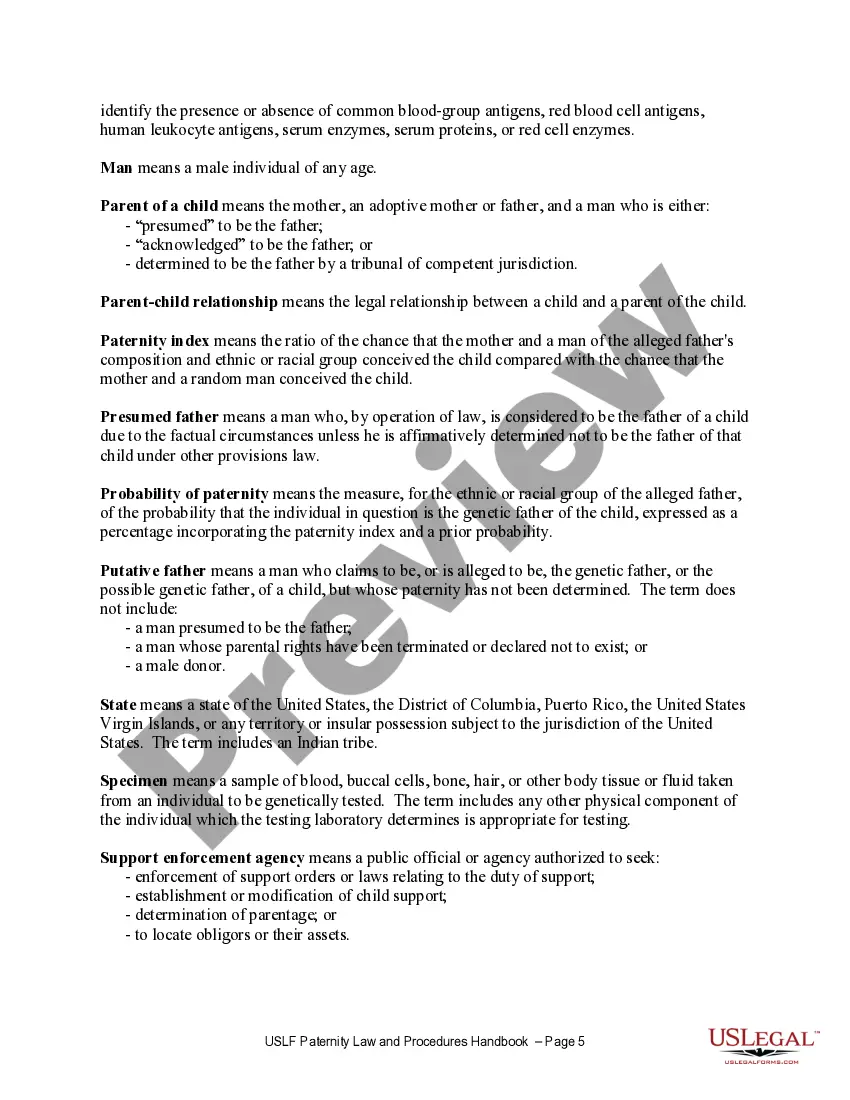
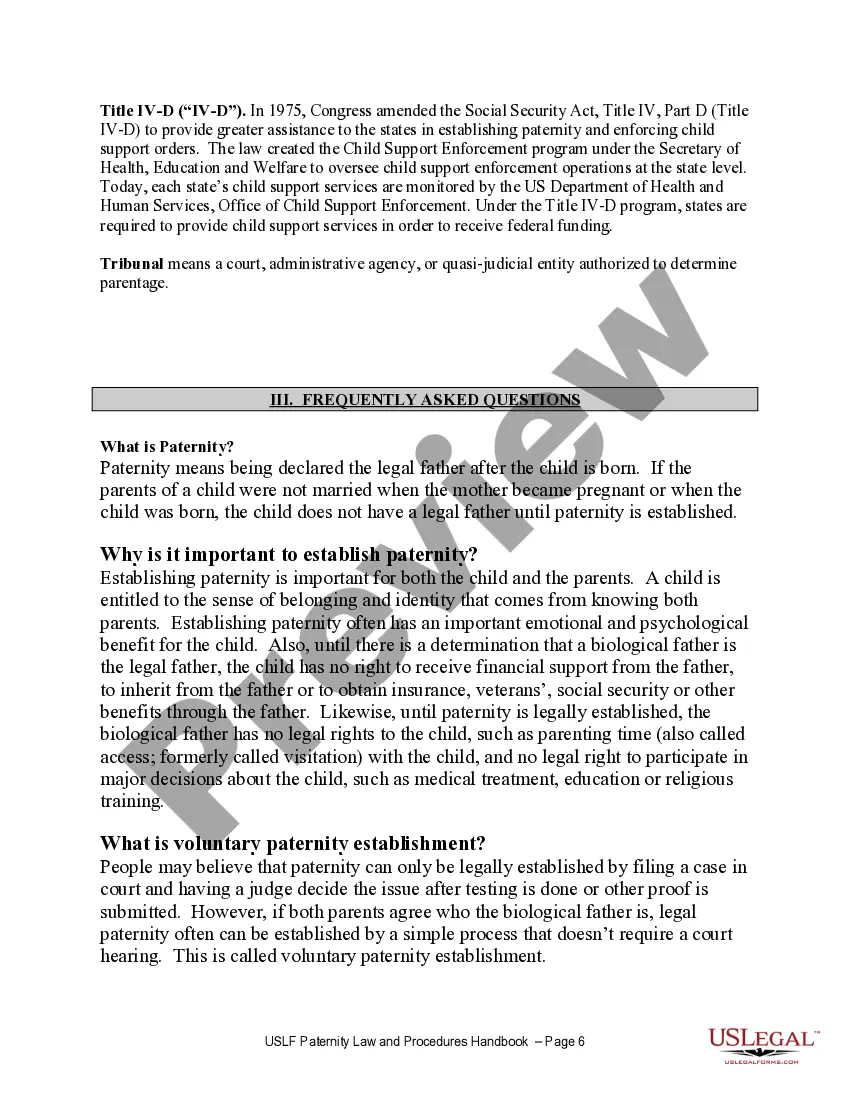
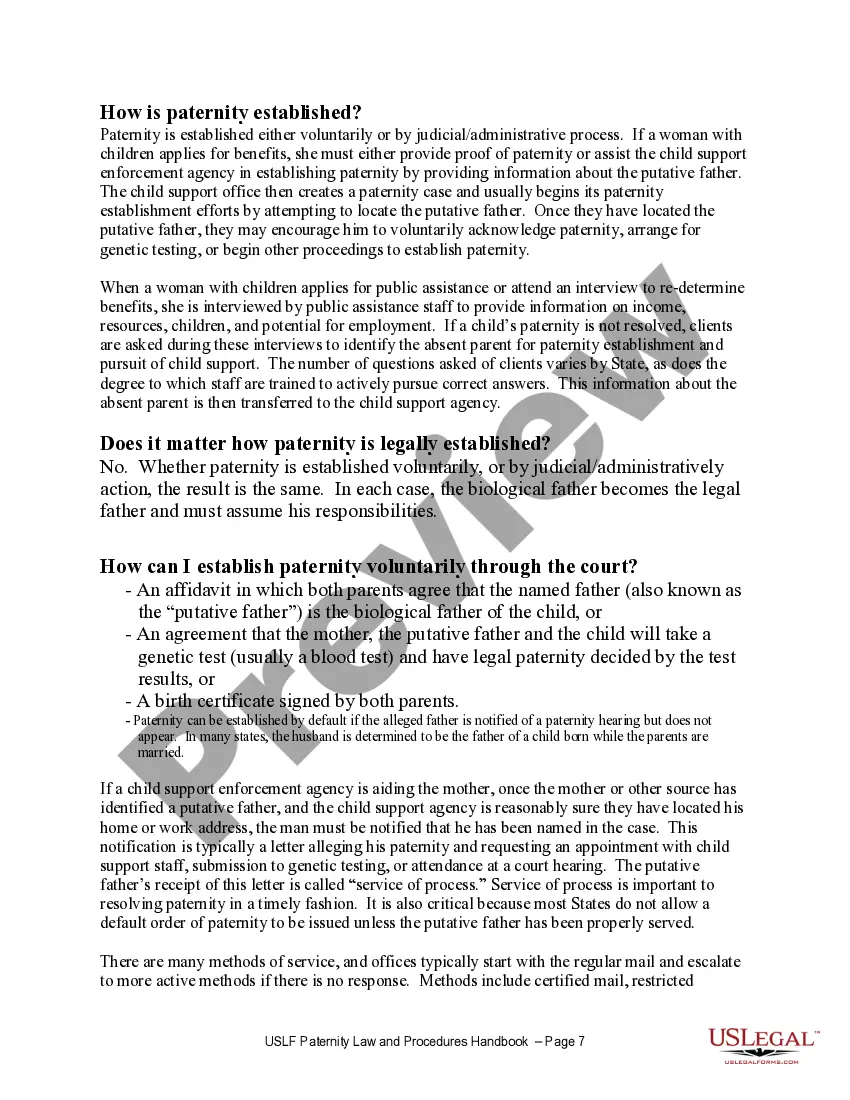
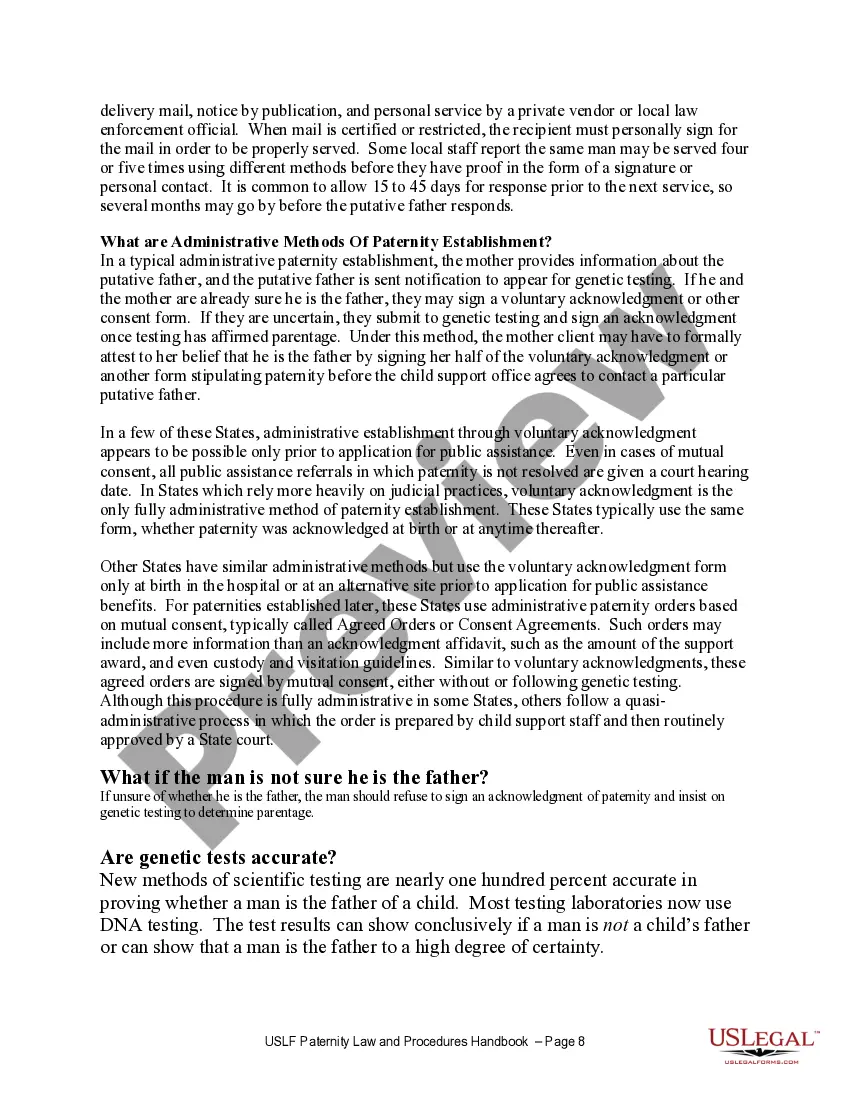

Get your form ready online
Our built-in tools help you complete, sign, share, and store your documents in one place.
Make edits, fill in missing information, and update formatting in US Legal Forms—just like you would in MS Word.
Download a copy, print it, send it by email, or mail it via USPS—whatever works best for your next step.
Sign and collect signatures with our SignNow integration. Send to multiple recipients, set reminders, and more. Go Premium to unlock E-Sign.
If this form requires notarization, complete it online through a secure video call—no need to meet a notary in person or wait for an appointment.
We protect your documents and personal data by following strict security and privacy standards.

Make edits, fill in missing information, and update formatting in US Legal Forms—just like you would in MS Word.

Download a copy, print it, send it by email, or mail it via USPS—whatever works best for your next step.

Sign and collect signatures with our SignNow integration. Send to multiple recipients, set reminders, and more. Go Premium to unlock E-Sign.

If this form requires notarization, complete it online through a secure video call—no need to meet a notary in person or wait for an appointment.

We protect your documents and personal data by following strict security and privacy standards.
Looking for another form?


How to fill out Wisconsin Paternity Law And Procedure Handbook?
Accessing legal documents that comply with federal and state regulations is essential, and the web provides various choices to choose from.
However, what’s the benefit of spending time searching for the appropriate Wisconsin Law For Car Seats template on the internet when US Legal Forms’ online library has these documents compiled in one location.
US Legal Forms is the premier online legal repository, featuring over 85,000 fillable documents created by attorneys for any business or personal need.
Review the template using the Preview feature or through the text outline to ensure it satisfies your needs.
- They are user-friendly, with all documents categorized by state and intended use.
- Our experts keep up with changes in legislation, so you can always ensure your documents are current and compliant when acquiring a Wisconsin Law For Car Seats from our site.
- Securing a Wisconsin Law For Car Seats is straightforward and quick for both existing and new users.
- If you already possess an account with an active subscription, Log In and store the document sample you need in your chosen format.
- If you’re new to our website, follow the steps outlined below.
Form popularity
FAQ
You should transition to a booster seat when your child outgrows their forward-facing car seat, usually around 40 pounds or when they reach the seat's height limit. Wisconsin law for car seats advises waiting until your child is at least 4 years old. Ensure your child meets the booster seat's safety requirements before making the switch. This transition helps keep them safe and secure.
Anyone can draft a bill of sale in Wyoming. As long as the bill of sale has been signed by all involved parties, it can be legally binding. Notarization can help it hold up in court. While you can create a bill of sale by yourself, it's easier to refer to state-provided forms or templates online.
If purchased from an individual, you will need a notarized bill of sale. If purchased from an individual or not provided with a Wyoming Dealer`s Reassignment Form, at least one of the buyer`s must sign the purchaser`s application and have their signature notarized.
Can I drive on a bill of sale? In Wyoming, individuals can drive on a notarized bill of sale for 60 days provided the title is being held in a lien: otherwise 45 days on a properly executed title.
Wyoming bill of sale forms records the transfer of ownership of personal property in that can be registered with the state. A bill of sale should identify the buyer and seller, describe the item changing possession, and record the terms of the transaction (e.g. purchase price, warranties, etc.).
A bill of sale states the vehicle's make, model, year, and VIN, pertinent information on both parties, the purchase price, and an odometer disclosure statement. Not every county requires a bill of sale for titling/registering a vehicle under the new owner's name, but a number of them do.
A Wyoming motor vehicle bill of sale is a document demonstrating that a motor vehicle has been legally sold in the State of Wyoming. The bill of sale will record identifying information about the seller and the buyer, a description of the vehicle, and the terms of the transfer of ownership.
Otherwise, bills of sale generally include some or all of the following information: Date of purchase. Buyer and seller's contact information. Purchase price. Description of the sold item. Guarantee that the asset is cleared of any liens or claims. Ongoing terms, such as warranties. Buyer and seller signatures. Notarization.
Transferring the Title of a Vehicle Currently Titled in Wyoming. The original Wyoming title properly signed by the seller(s), notarized, and free of any liens must be presented to the County Clerk. Wyoming titles require all owners whose names appear on the face to sign as seller in the presence of a notary public.