Landlord Harassment Wisconsin Form
Description

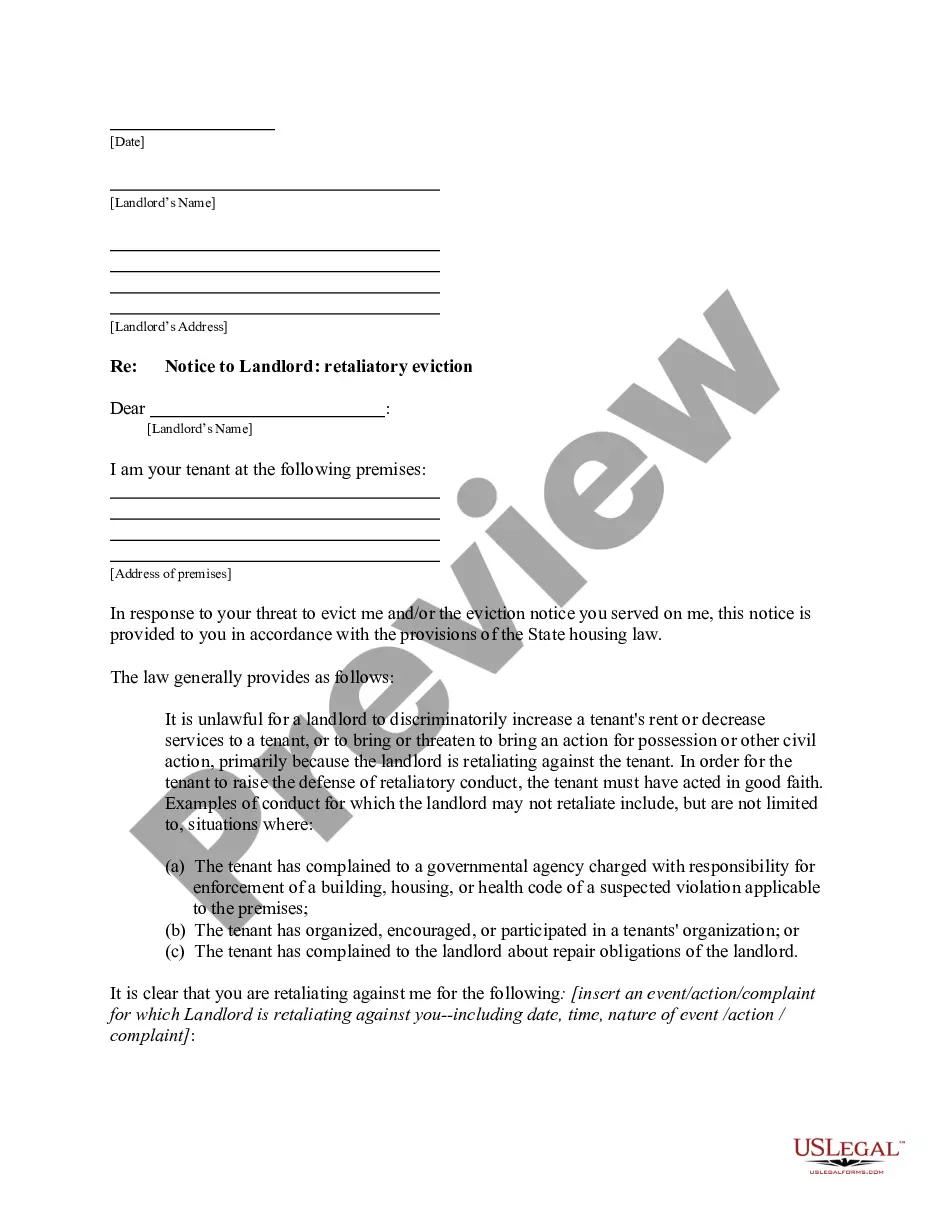
Get your form ready online
Our built-in tools help you complete, sign, share, and store your documents in one place.
Make edits, fill in missing information, and update formatting in US Legal Forms—just like you would in MS Word.
Download a copy, print it, send it by email, or mail it via USPS—whatever works best for your next step.
Sign and collect signatures with our SignNow integration. Send to multiple recipients, set reminders, and more. Go Premium to unlock E-Sign.
If this form requires notarization, complete it online through a secure video call—no need to meet a notary in person or wait for an appointment.
We protect your documents and personal data by following strict security and privacy standards.

Make edits, fill in missing information, and update formatting in US Legal Forms—just like you would in MS Word.

Download a copy, print it, send it by email, or mail it via USPS—whatever works best for your next step.

Sign and collect signatures with our SignNow integration. Send to multiple recipients, set reminders, and more. Go Premium to unlock E-Sign.

If this form requires notarization, complete it online through a secure video call—no need to meet a notary in person or wait for an appointment.

We protect your documents and personal data by following strict security and privacy standards.
Looking for another form?








Form popularity
FAQ
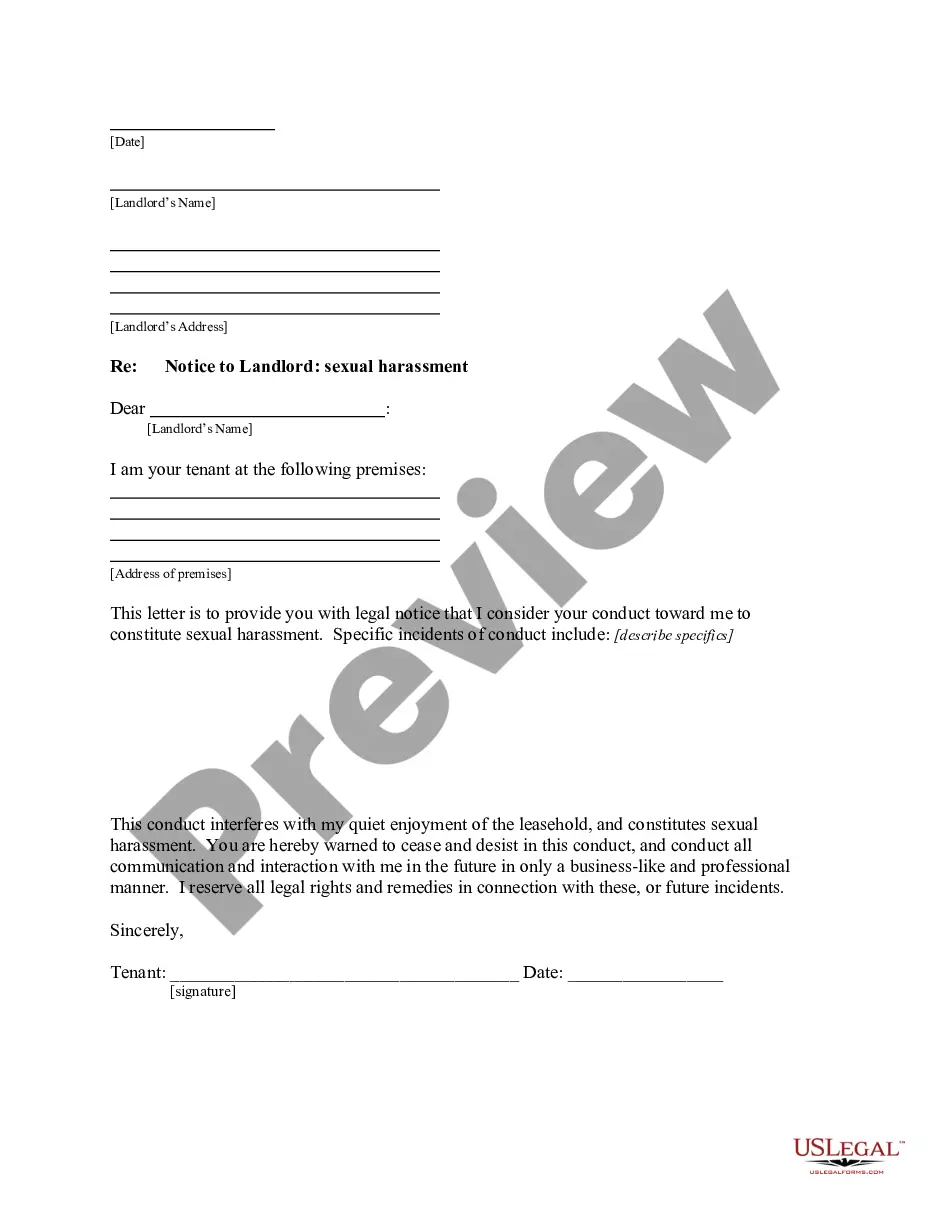
A landlord cannot enter your rental property without permission unless there is an emergency. Wisconsin law mandates that landlords provide notice and obtain consent before entering. If your landlord repeatedly enters without permission, this behavior may qualify as landlord harassment. Using the landlord harassment Wisconsin form can help document and address these violations effectively.
Yes, tenants can refuse showings in Wisconsin, especially if the landlord fails to provide proper notice. Landlords usually need to give at least 24 hours' notice before entering to show the property. If a landlord does not adhere to these guidelines, it is advisable to document the situation, potentially utilizing the landlord harassment Wisconsin form for protection. Know your rights so that you can take appropriate actions.
No, a landlord cannot lock you out without following legal procedures in Wisconsin. If you are facing eviction, your landlord must take legal action and cannot simply change the locks. Locking you out without due process can be seen as landlord harassment, which you can address using the landlord harassment Wisconsin form. It’s essential to understand your rights and seek solutions if you feel wronged.
Yes, you can refuse your landlord entry in Wisconsin if they do not provide proper notice or a valid reason for entry. According to Wisconsin law, landlords must give at least 24 hours' notice before entering your rental property. If your landlord’s entry violates this requirement, it may be considered a case of landlord harassment. To learn more about your rights, consider using the landlord harassment Wisconsin form.
Statute 704.45 in Wisconsin outlines protections for tenants concerning retaliatory actions by landlords. It prohibits landlords from taking adverse actions against tenants who have reported issues or complaints. To effectively address any landlord harassment you may experience, completing the Landlord harassment Wisconsin form can help in safeguarding your rights.
Landlord retaliation in Wisconsin refers to adverse actions a landlord takes against a tenant in response to the tenant exercising their rights. This could include raising rent, refusing repairs, or eviction attempts. If you are facing such actions, using the Landlord harassment Wisconsin form may provide you with the necessary documentation to support your case.
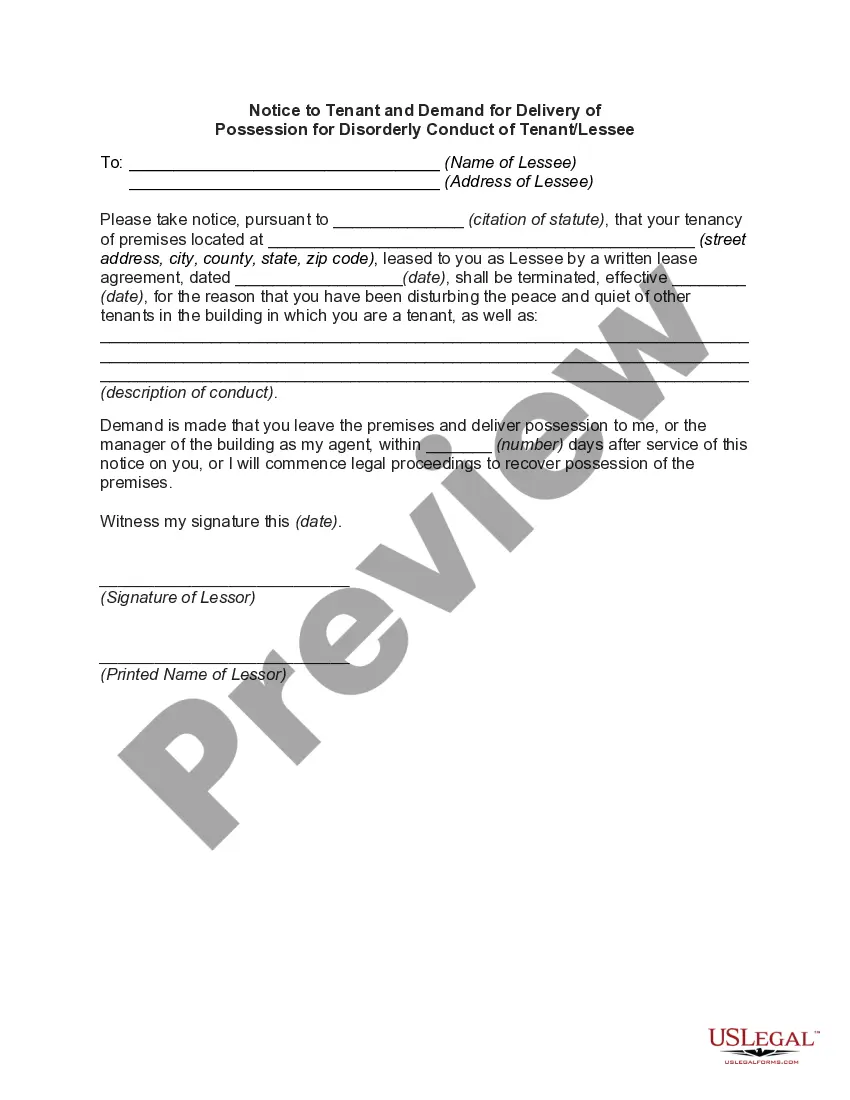
A retaliatory eviction occurs when a landlord attempts to evict a tenant for asserting their legal rights, such as reporting code violations. This type of eviction is illegal under Wisconsin law. If you believe you are a victim of a retaliatory eviction, the Landlord harassment Wisconsin form can assist you in taking appropriate legal action.
The Wisconsin Act 317 addresses tenant protections against landlord harassment. This law aims to support tenants facing intimidation or consistent harassment from their landlords. Completing the Landlord harassment Wisconsin form can be a vital step in documenting your experience and pursuing your rights under this act.
Wisconsin’s retaliation laws protect tenants from unlawful actions by landlords in response to tenant complaints or activities. If a landlord retaliates against you for asserting your legal rights, you may be eligible for legal remedies. Utilizing the Landlord harassment Wisconsin form can help you document your situation and seek justice.
Yes, a landlord can sue a tenant for emotional distress under specific circumstances. However, the claim must demonstrate that the tenant's actions caused significant emotional harm. If you feel you are facing landlord harassment in Wisconsin, you might want to explore the Landlord harassment Wisconsin form to understand your legal rights and options.
