Legal Property Info With A Reference
Description
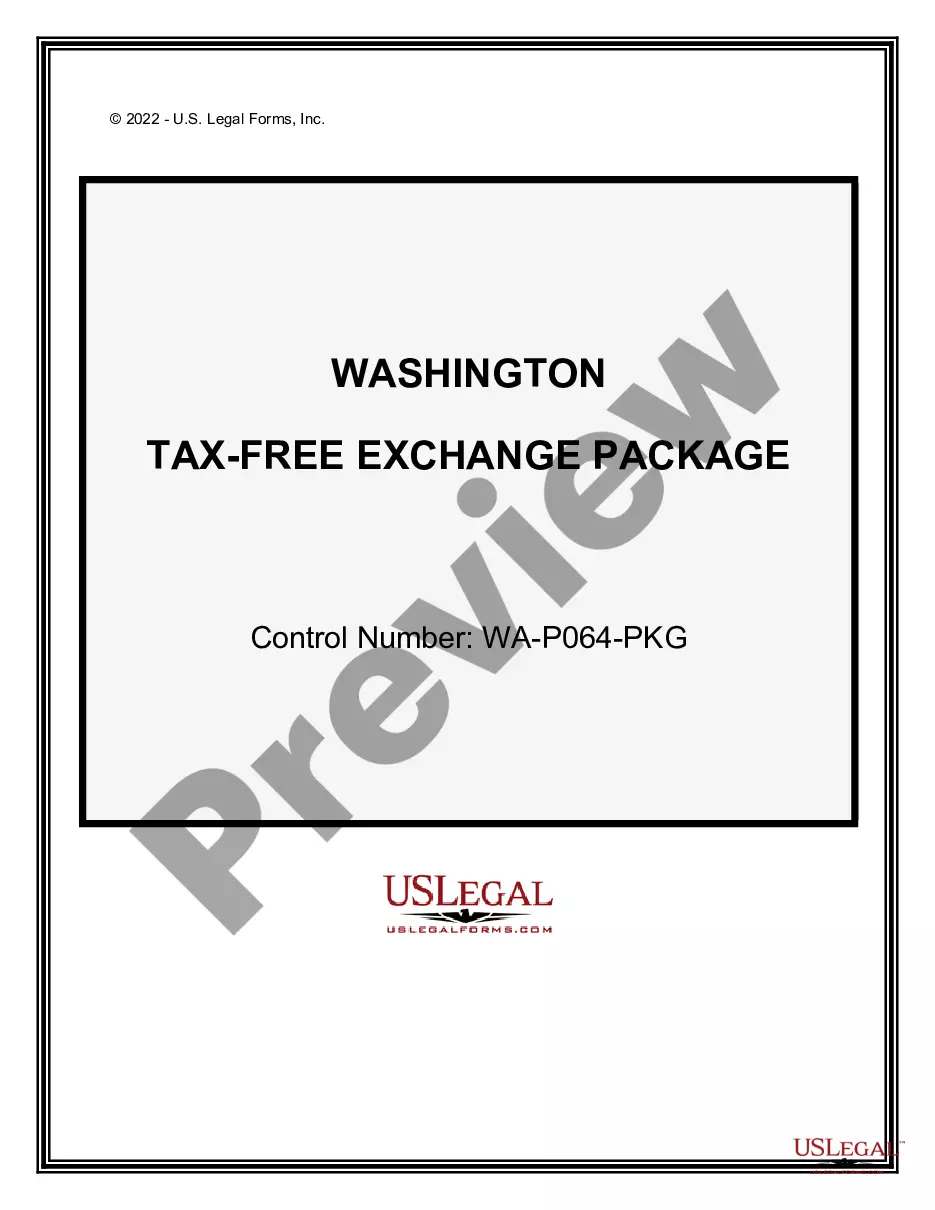




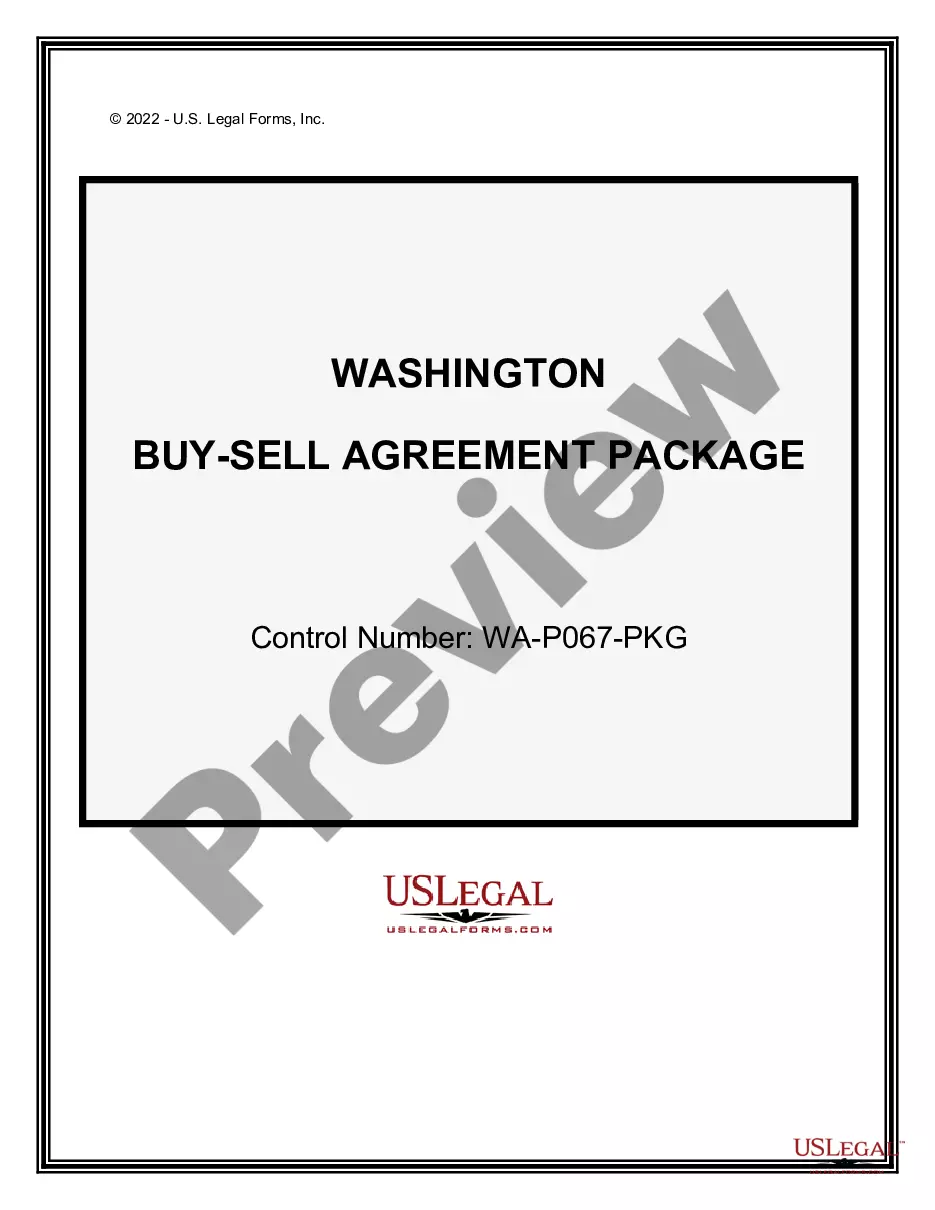
Get your form ready online
Our built-in tools help you complete, sign, share, and store your documents in one place.
Make edits, fill in missing information, and update formatting in US Legal Forms—just like you would in MS Word.
Download a copy, print it, send it by email, or mail it via USPS—whatever works best for your next step.
Sign and collect signatures with our SignNow integration. Send to multiple recipients, set reminders, and more. Go Premium to unlock E-Sign.
If this form requires notarization, complete it online through a secure video call—no need to meet a notary in person or wait for an appointment.
We protect your documents and personal data by following strict security and privacy standards.

Make edits, fill in missing information, and update formatting in US Legal Forms—just like you would in MS Word.

Download a copy, print it, send it by email, or mail it via USPS—whatever works best for your next step.

Sign and collect signatures with our SignNow integration. Send to multiple recipients, set reminders, and more. Go Premium to unlock E-Sign.

If this form requires notarization, complete it online through a secure video call—no need to meet a notary in person or wait for an appointment.

We protect your documents and personal data by following strict security and privacy standards.
Looking for another form?

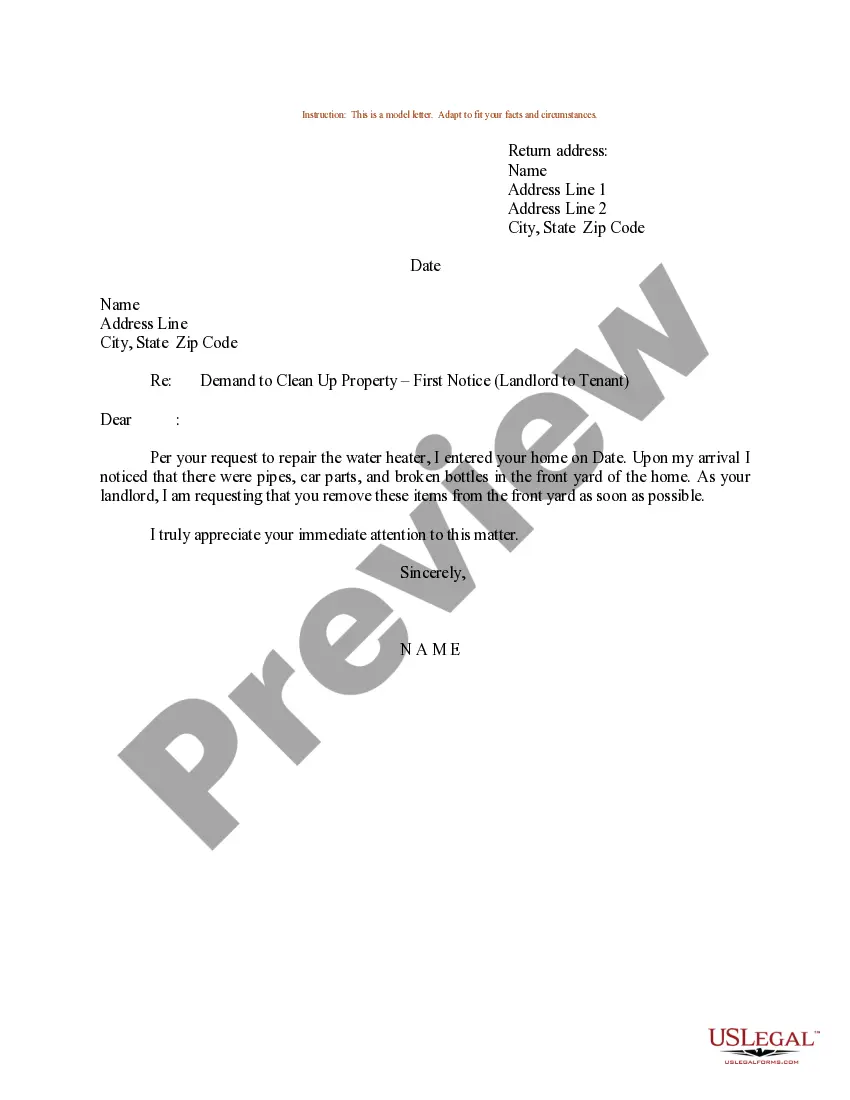


How to fill out Washington Tax Free Exchange Package?
- Log in to your US Legal Forms account. Ensure your subscription is active; if not, consider renewing it based on your plan.
- Browse through the available forms in the Preview mode. Check the descriptions carefully to select the template that meets your jurisdiction's requirements.
- If necessary, utilize the Search feature to find additional templates that suit your specific needs and legal criteria.
- Purchase the required document by clicking the Buy Now button. Choose a subscription plan that fits your requirements and create an account if you're a new user.
- Complete your transaction by entering your payment details via credit card or PayPal.
- Download the form directly to your device. You can access your saved templates anytime through the My Forms section in your profile.
By leveraging US Legal Forms, individuals and attorneys gain quick access to a robust collection of over 85,000 legal forms, making the drafting process hassle-free and efficient.
Ready to get started? Take advantage of US Legal Forms today for all your legal document needs!
Form popularity
FAQ
To write a property legal description, begin by gathering accurate information about the property, including its location and dimensions. Use specific terminology to define the boundaries, and include any easements or rights of way if applicable. Incorporating clear legal property info with a reference can enhance clarity and accuracy, ensuring that the description serves its intended purpose in legal contexts. Consider utilizing resources like uslegalforms to guide you through the process and ensure compliance with legal standards.
A valid legal description must provide clear and precise information about a property. It should include identification of the parcel, such as its boundaries, dimensions, and any relevant landmarks. Utilizing accurate legal property info with a reference ensures that anyone reading the description can locate the property without confusion. This level of detail is essential for legal purposes, particularly in transactions and disputes.
A property description typically provides a succinct overview of the property’s main features and characteristics. For example, it may read, 'This charming, three-bedroom home features a spacious yard and is conveniently located near schools and parks.' Incorporating this kind of legal property info with a reference in listings can attract potential buyers by conveying essential details.
To write a legal description of property, you should start with identifying the property’s exact location, including the address and parcel number. Next, include the land’s boundaries, which may involve specific measurements and references to adjoining properties or landmarks. This detailed legal property info with a reference is crucial for clarity in titles, deeds, and other legal documents.
A legal description clearly outlines the boundaries and location of a property. For instance, a legal description may state, 'The property located at 123 Main St, Lot 5, Block 2, Smithville Subdivision, as recorded in the office of the county clerk.' This type of legal property info with a reference ensures accurate identification of real estate and is essential for any legal documents.
A legal description of property can be written by a licensed surveyor, real estate attorney, or a qualified title company. These professionals ensure that the description complies with local regulations and accurately reflects the property's boundaries. Their expertise guarantees that you receive precise legal property info with a reference that meets legal standards.
Identifying the legal description of a property involves several steps, beginning with a title search to uncover historical documentation. Next, a qualified surveyor can physically measure the boundaries. This process ensures accurate legal property info with a reference that protects your investment and clarifies ownership.
A legal description of property typically includes terms like 'metes and bounds', 'lot and block', and 'government survey'. Metes and bounds describe a property using physical features and angles, while lot and block refer to subdivisions on a recorded plat. Understanding these terms can clarify the legal property info with a reference necessary for real estate transactions.
You can obtain the legal description of a property through public records, such as those held by the county assessor or clerk’s office. These documents often include maps and legal surveys associated with the property. Additionally, using online platforms like uslegalforms can streamline your search, providing easy access to comprehensive legal property info with a reference.
To write a legal description of a property, start by identifying the property's boundaries and the lot number. For instance, you could state, 'The property located at Parcel 123, Lot 5 of the Meadowlands Subdivision, as shown on the map recorded in the County Clerk’s Office.' Always remember to include landmark features and measurements, ensuring you provide clear legal property info with a reference to help future owners understand the layout.