Legal Info
Description
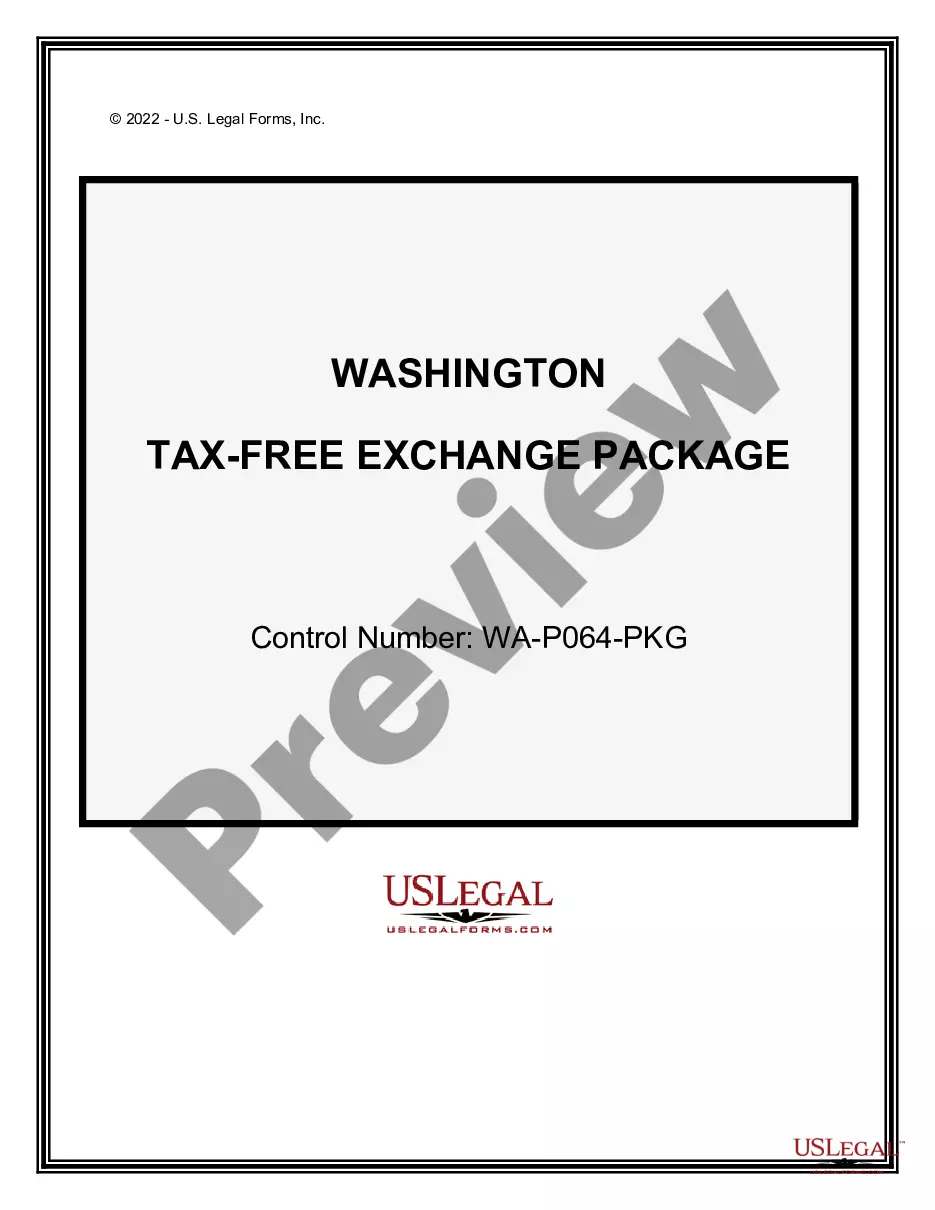
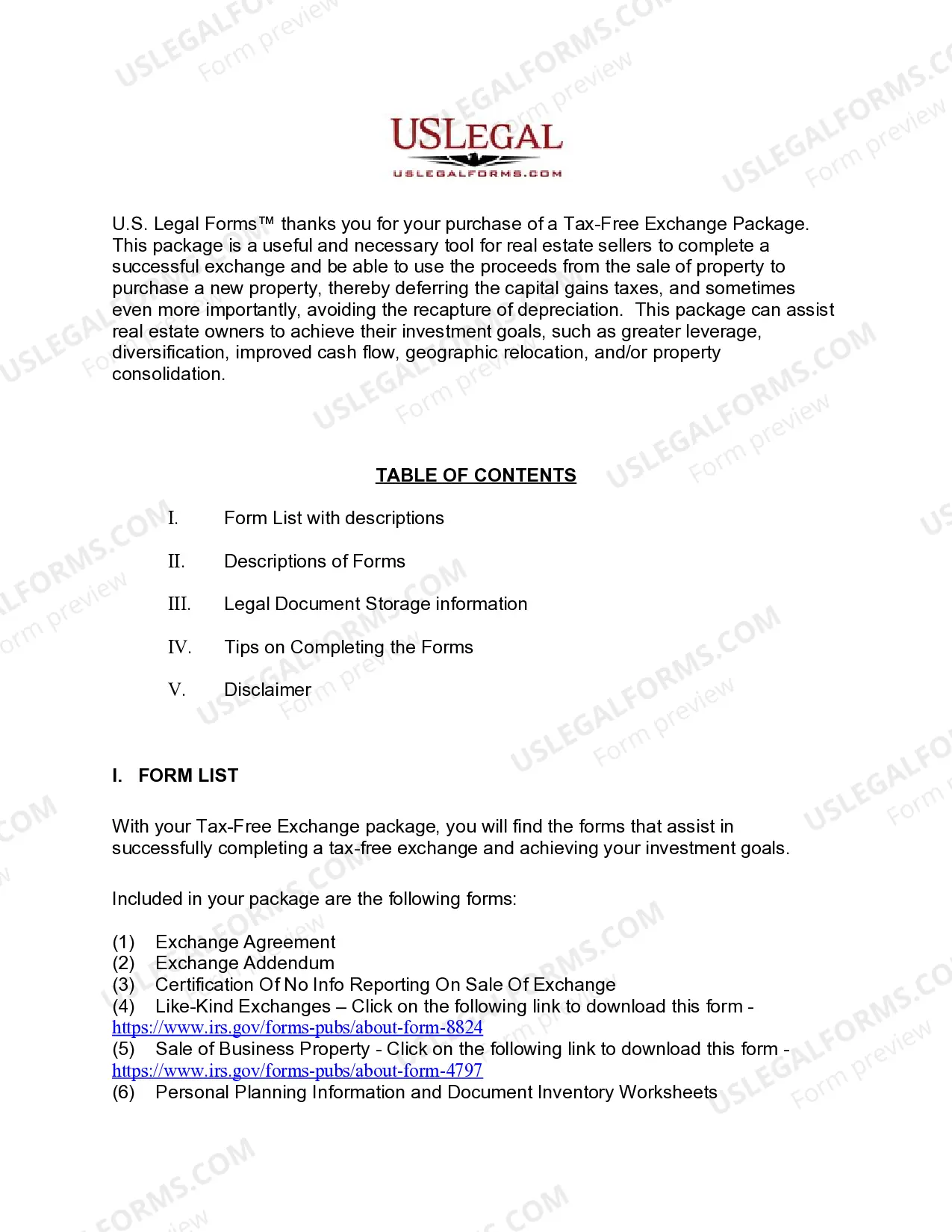




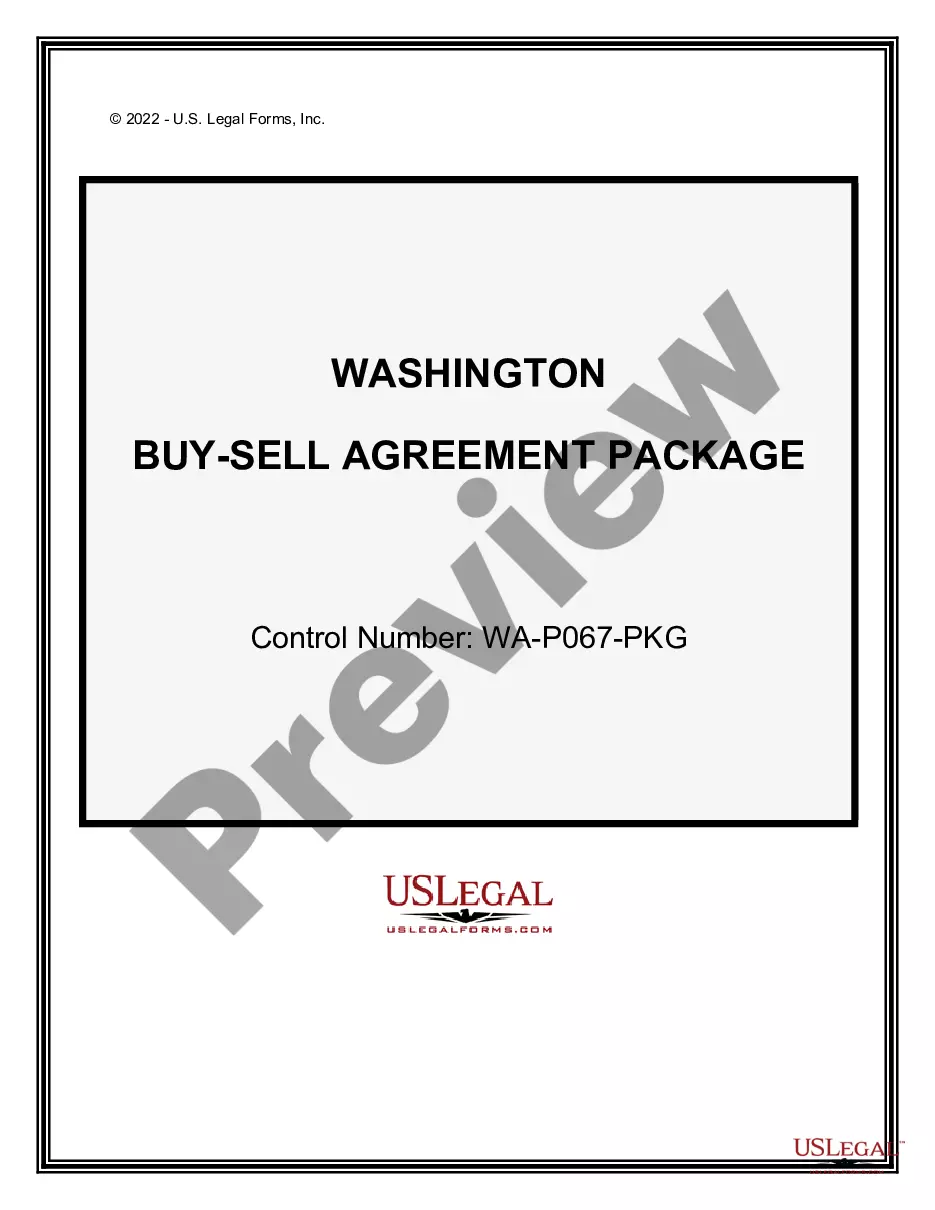
Get your form ready online
Our built-in tools help you complete, sign, share, and store your documents in one place.
Make edits, fill in missing information, and update formatting in US Legal Forms—just like you would in MS Word.
Download a copy, print it, send it by email, or mail it via USPS—whatever works best for your next step.
Sign and collect signatures with our SignNow integration. Send to multiple recipients, set reminders, and more. Go Premium to unlock E-Sign.
If this form requires notarization, complete it online through a secure video call—no need to meet a notary in person or wait for an appointment.
We protect your documents and personal data by following strict security and privacy standards.

Make edits, fill in missing information, and update formatting in US Legal Forms—just like you would in MS Word.

Download a copy, print it, send it by email, or mail it via USPS—whatever works best for your next step.

Sign and collect signatures with our SignNow integration. Send to multiple recipients, set reminders, and more. Go Premium to unlock E-Sign.

If this form requires notarization, complete it online through a secure video call—no need to meet a notary in person or wait for an appointment.

We protect your documents and personal data by following strict security and privacy standards.
Looking for another form?
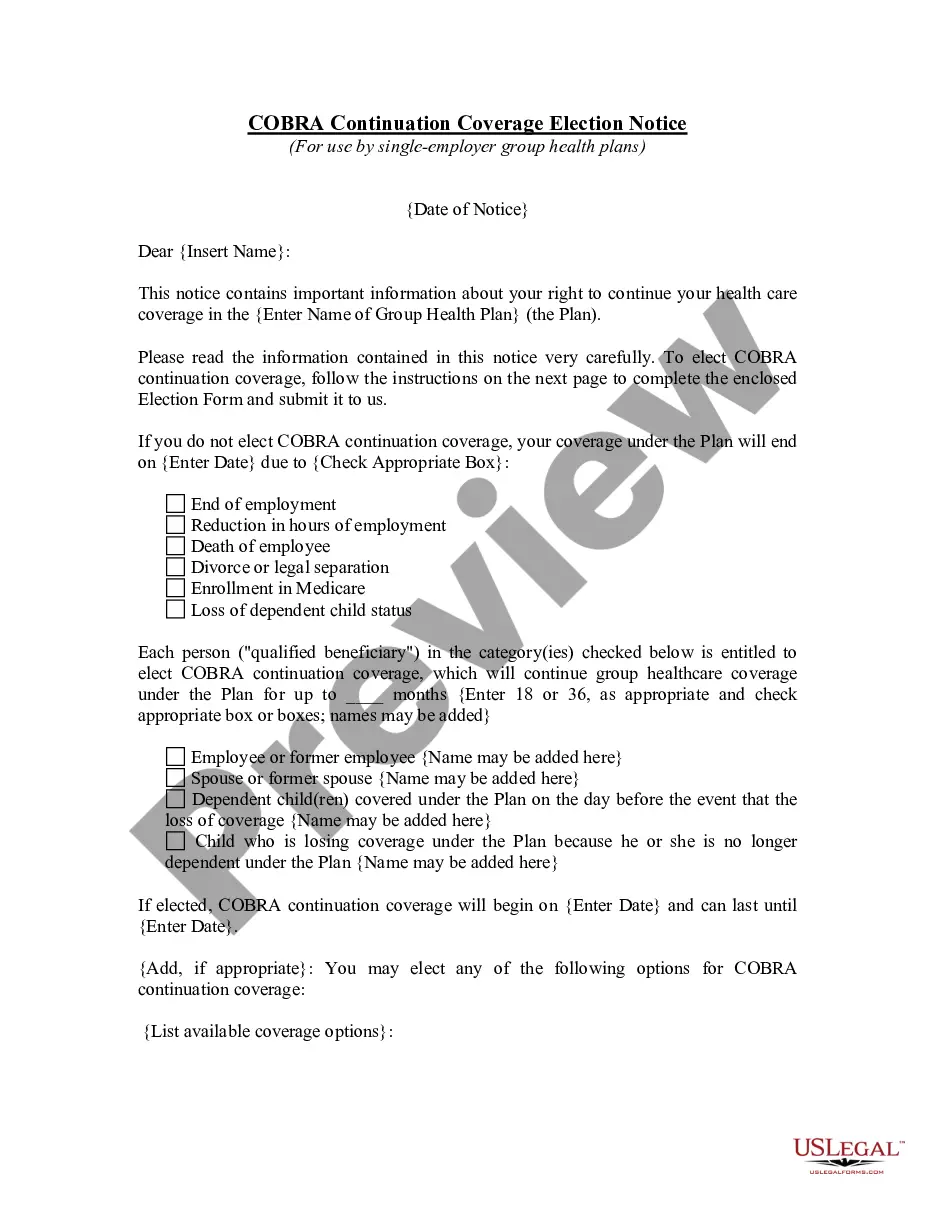




How to fill out Washington Tax Free Exchange Package?
- If you already have an account, log in and check your subscription status. Ensure it's active to download your desired form template.
- Browse the extensive online library, which boasts over 85,000 fillable and editable legal forms. Use the Preview mode to verify that the chosen form meets your local jurisdiction's requirements.
- If you're unable to find the correct form, utilize the Search tab at the top to explore additional templates that may suit your needs.
- Once you find the appropriate document, click on the Buy Now button and select your preferred subscription plan. You’ll need to create an account to access the resources.
- Complete your purchase by entering your payment details or using your PayPal account to subscribe.
- Download the legal form to your device, and it will also be accessible in the My Forms section of your profile for future reference.
In conclusion, US Legal Forms empowers users to efficiently manage their legal documentation with ease. By following these simple steps, you can secure the necessary forms and ensure compliance with your local laws.
Start your legal journey today by exploring the extensive resources available through US Legal Forms!
Form popularity
FAQ
An example of legal info includes guidelines outlining the steps for a divorce, which serves to inform individuals about the legal process involved. Another instance could be a summary of tenant rights regarding lease agreements, which helps educate individuals about their legal standing. Such information empowers you to navigate legal landscapes better. For comprehensive legal info, check resources like uslegalforms to access a wealth of knowledge.
Legally, confidential information includes any data that is meant to remain private and is protected by law. This can encompass personal, financial, or proprietary information, such as social security numbers, medical records, and trade secrets. Understanding confidentiality is vital, as breaches can lead to legal repercussions. When handling sensitive matters, consult legal info sources or professionals for guidance on maintaining confidentiality.
Legal definitions are readily available in various formats, including legal dictionaries, online resources, and legal databases. These platforms often provide precise meanings of terms used in law, making it easier to understand legal info. Websites like uslegalforms offer a variety of resources that include definitions and explanations tailored to common legal queries. This can be a useful first step in learning more about specific legal terms.
A legal document serves a specific purpose in legal contexts and follows formal requirements dictated by the law. Examples include contracts, wills, deeds, and court filings. Each type of document has distinct elements that must be present for it to be considered valid. When you need to create or access legal documents, uslegalforms provides user-friendly templates that simplify the process.
Legal info presents general knowledge about laws and procedures, while legal advice provides personalized guidance based on individual circumstances. Legal info can be shared freely and is useful for education, whereas legal advice often requires professional qualification and understanding of specific cases. Understandably, people often seek clarity; thus, recognizing the distinction can help you avoid confusion in legal matters. For precise guidance, consider consulting uslegalforms.
Legal advice occurs when someone offers recommendations or opinions regarding a specific legal situation. This guidance is tailored to an individual's unique circumstances and is intended to help them navigate legal issues. For example, advising someone on how to respond to a legal dispute, or interpreting laws in the context of a specific case, falls under legal advice. It's crucial to seek qualified professionals for legal advice rather than relying on general legal info.
Giving legal info involves sharing facts or explanations about laws, regulations, or legal concepts without providing personalized guidance. It typically includes descriptions of legal terms, procedures, or general knowledge about various legal situations. For instance, explaining what a contract is or outlining the steps in filing a lawsuit qualifies as legal info. It's important to note that this information should not be confused with legal advice.
To effectively start off a legal document, include a strong title that indicates the document’s type and purpose. Next, detail the date and names of all parties involved to clarify who is engaged in the agreement or statement. A succinct introduction should summarize the main issues being addressed in the document. For structured format guidelines, refer to resources that specialize in providing legal info.
Start a legal statement by clearly identifying the parties involved and the purpose of the statement. Begin with a title that reflects the subject matter, then state your name and position for clarity. Make sure to outline the facts or assertions you will be discussing in a clear, concise manner. For additional guidance on legal statements, consult platforms with comprehensive legal info.
To start a legal document, begin with a title that specifies the type of document, such as 'Contract' or 'Lease Agreement.' Then, include the date and the names of the parties involved. Follow this introductory section with a clear purpose statement that outlines what the document will address. For more examples and templates, look into resources providing legal info.