Specific Right Landlord For Rent
Description

Get your form ready online
Our built-in tools help you complete, sign, share, and store your documents in one place.
Make edits, fill in missing information, and update formatting in US Legal Forms—just like you would in MS Word.
Download a copy, print it, send it by email, or mail it via USPS—whatever works best for your next step.
Sign and collect signatures with our SignNow integration. Send to multiple recipients, set reminders, and more. Go Premium to unlock E-Sign.
If this form requires notarization, complete it online through a secure video call—no need to meet a notary in person or wait for an appointment.
We protect your documents and personal data by following strict security and privacy standards.

Make edits, fill in missing information, and update formatting in US Legal Forms—just like you would in MS Word.

Download a copy, print it, send it by email, or mail it via USPS—whatever works best for your next step.

Sign and collect signatures with our SignNow integration. Send to multiple recipients, set reminders, and more. Go Premium to unlock E-Sign.

If this form requires notarization, complete it online through a secure video call—no need to meet a notary in person or wait for an appointment.

We protect your documents and personal data by following strict security and privacy standards.
Looking for another form?








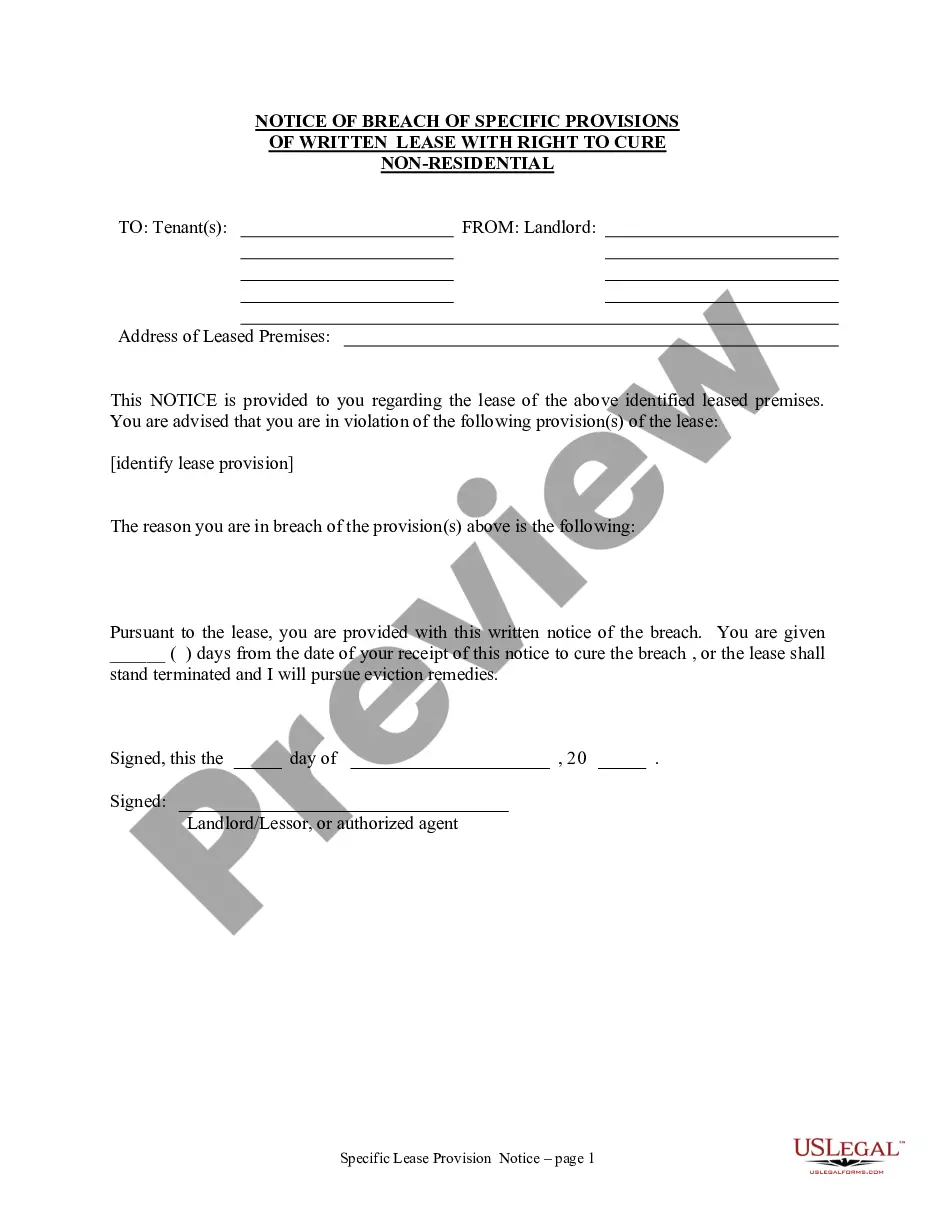
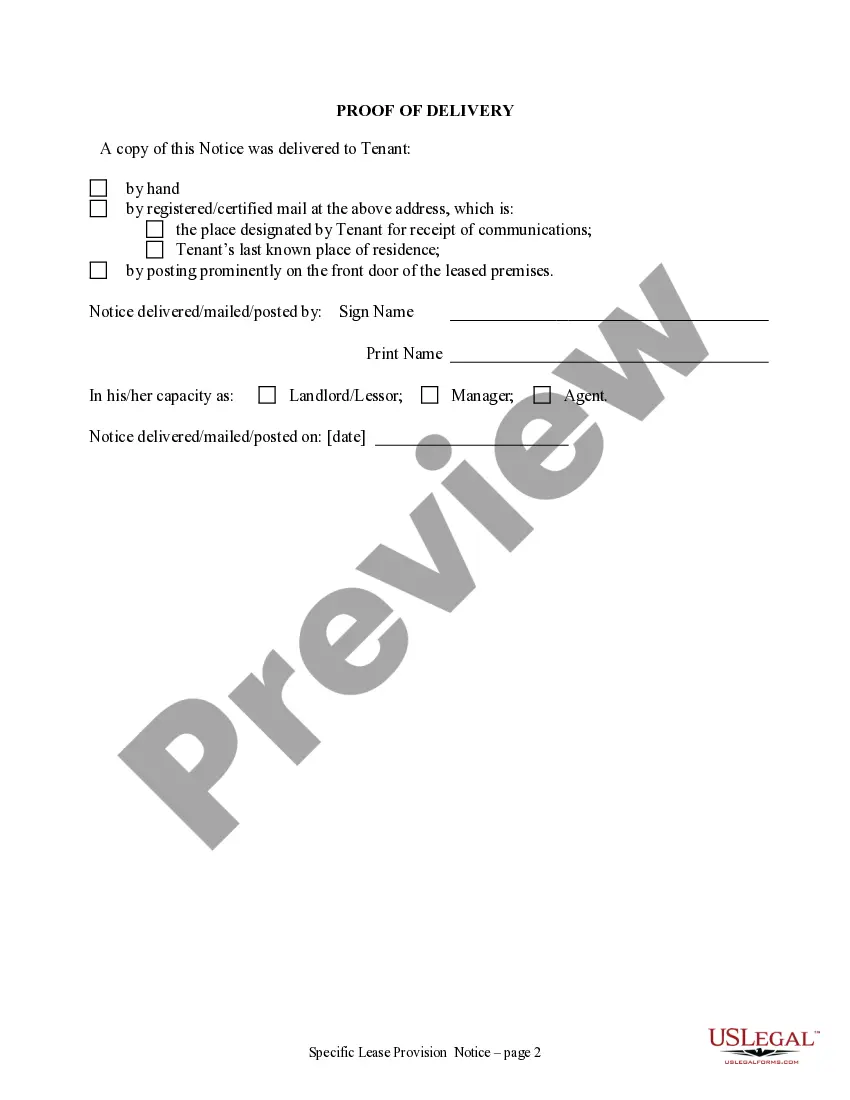
How to fill out Washington Notice Of Breach Of Written Lease For Violating Specific Provisions Of Lease With Right To Cure For Nonresidential Property From Landlord To Tenant?
- Start by logging into your US Legal Forms account if you're an existing user. Ensure your subscription is active, or renew it if necessary.
- If you’re new, familiarize yourself with the extensive library. Review the preview mode and form descriptions to confirm you’re selecting the right documents that align with your local requirements.
- Use the search function to find additional templates you may need. If you encounter discrepancies, switch templates until you find one that fits your needs.
- Proceed to purchase the document by clicking the Buy Now button. Choose your preferred subscription plan and create an account for full access.
- Complete your purchase by entering your payment details through credit card or PayPal.
- Finally, download your selected forms. They will be available anytime in the My Forms section of your profile.
US Legal Forms stands out by empowering individuals and attorneys alike to swiftly prepare legal documents. With over 85,000 editable forms, you can ensure your paperwork meets all legal requirements.
By following these steps, you will effectively find and secure the specific right landlord for rent. Start your journey with US Legal Forms today and ensure your rental experience is both hassle-free and legally sound!
Form popularity
FAQ
The standard of proof for gross negligence requires showing that the landlord acted with a complete disregard for the safety and well-being of tenants. This higher standard goes beyond ordinary negligence, demonstrating that a landlord's actions were reckless or showed a willful disregard for the consequences. Understanding this concept can empower you to assert your specific right landlord for rent effectively. Engaging with legal professionals or resources like USLegalForms can provide guidance on how to approach these claims.
Landlords typically are not responsible for damage caused by tenant negligence or normal wear and tear in rental units. Additionally, they are not liable for incidents resulting from tenant behavior or actions that fall outside their control. Familiarizing yourself with your specific right landlord for rent can clarify these boundaries. However, if you feel a landlord is not fulfilling their responsibilities, consider consulting with USLegalForms for further insights.
Landlord negligence occurs when a landlord fails to meet their legal responsibilities, resulting in unsafe or unhealthy living conditions for tenants. Issues like leaky roofs, lack of heat, or failure to address pest infestations are common examples. Understanding your specific right landlord for rent means recognizing and addressing these problems promptly. If you find yourself facing negligence, documenting the issues and seeking advice can lead to resolution.
In Kansas, you can report landlords to local housing authorities or the Kansas Attorney General's office if they violate tenant laws or housing codes. These organizations work to protect your specific right landlord for rent by enforcing regulations. You may also consider speaking with legal aid services for additional support. Effective reporting can help improve your living conditions and ensure fair treatment.
Yes, you can sue your landlord for negligence in Pennsylvania if their actions or inactions directly lead to harm or unsafe living conditions. As a tenant, you have the specific right to hold your landlord accountable for failing to maintain a safe property. Document any evidence of negligence and consider reaching out to a legal professional for guidance. Using resources like USLegalForms can help you understand the necessary steps to protect your specific right landlord for rent.
In Tennessee, there isn't a legally established maximum for how much a landlord can raise rent. This empowers landlords with a specific right landlord for rent to set increases based on market conditions. Renters should maintain dialogue with their landlord and review lease terms to stay informed about any planned increases.
A landlord in Tennessee can raise rent by any amount unless a lease specifies a limit. This presents a specific right landlord for rent, and tenants should be informed during discussions about lease terms and renewals. It is advisable to prepare for potential increases when agreeing to rental terms.
There is no formal limit set by Tennessee law on how much a landlord can increase rent. This lack of cap empowers landlords with a specific right landlord for rent, yet it places the responsibility on tenants to negotiate or seek clarification on rental terms. Always discuss rent changes openly with your landlord beforehand.
In Tennessee, there is no specific state law dictating the maximum rent increase allowed. However, many leases stipulate terms regarding rent hikes, giving landlords a specific right landlord for rent. It’s important to review your rental agreement to understand any potential increases.
Renters' rights in Tennessee ensure that tenants have protections and entitlements concerning their living conditions. These rights include the specific right landlord for rent, which outlines obligations such as maintaining safe and habitable properties. Knowing these rights empowers tenants to advocate for themselves and ensures fair treatment.