Remainder Interest Trust With Ira
Description
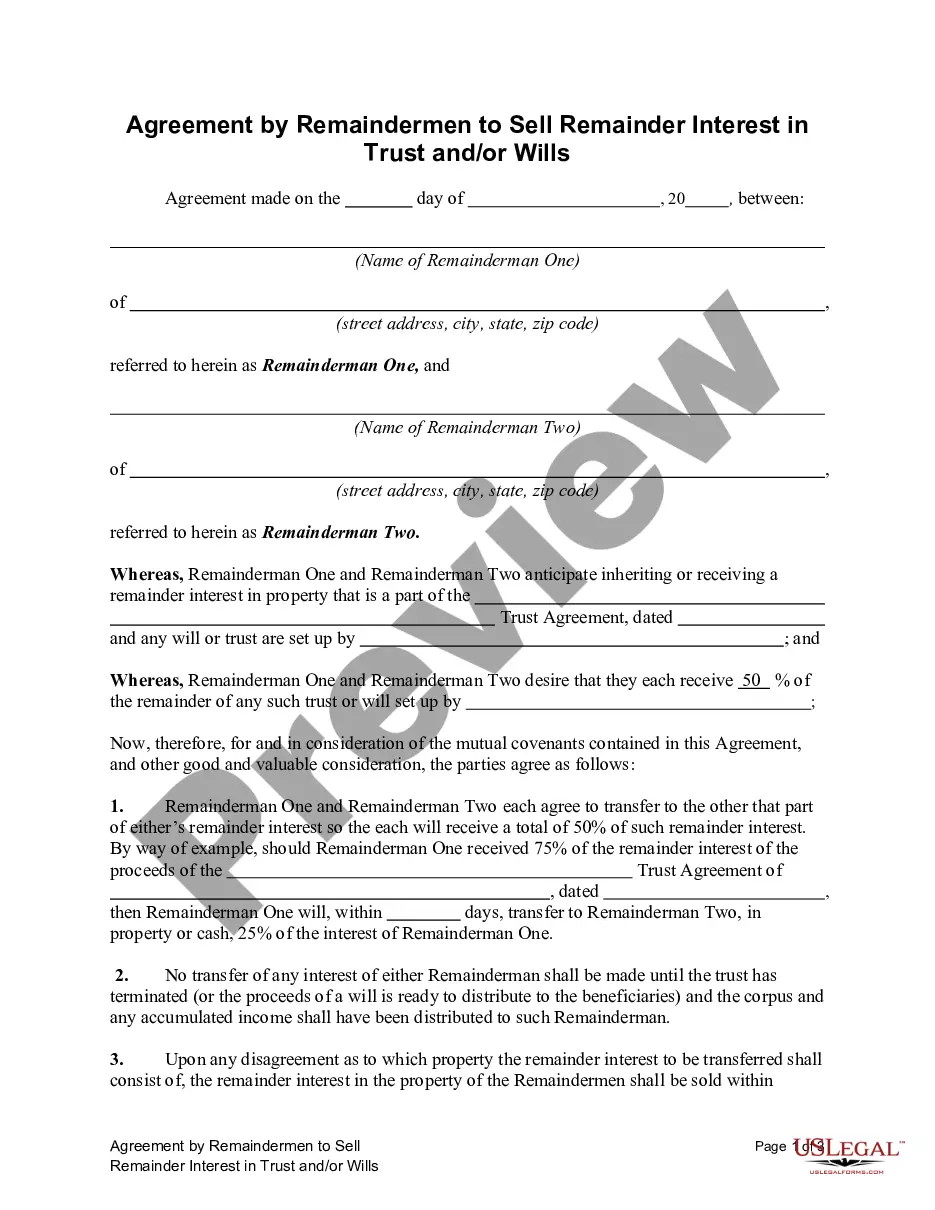
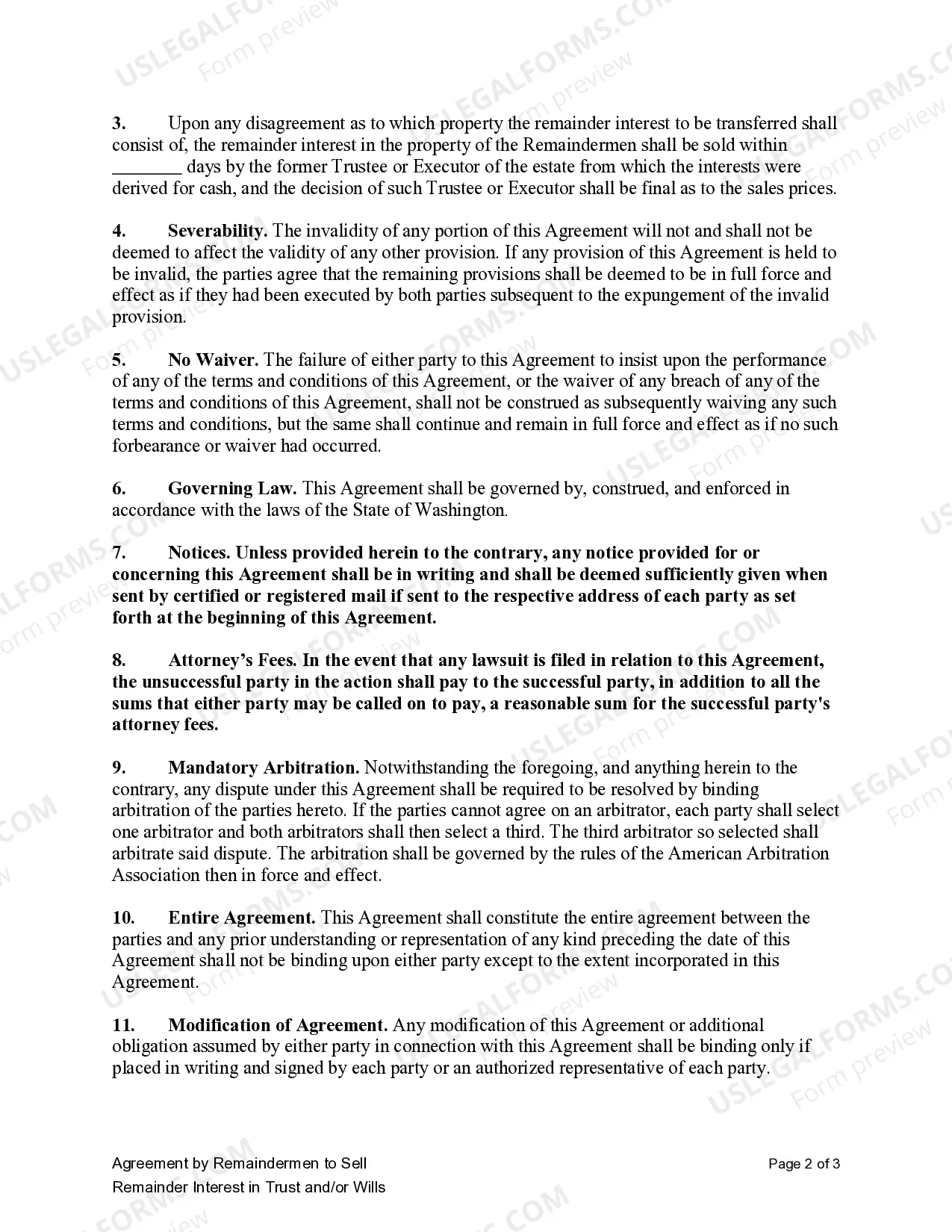
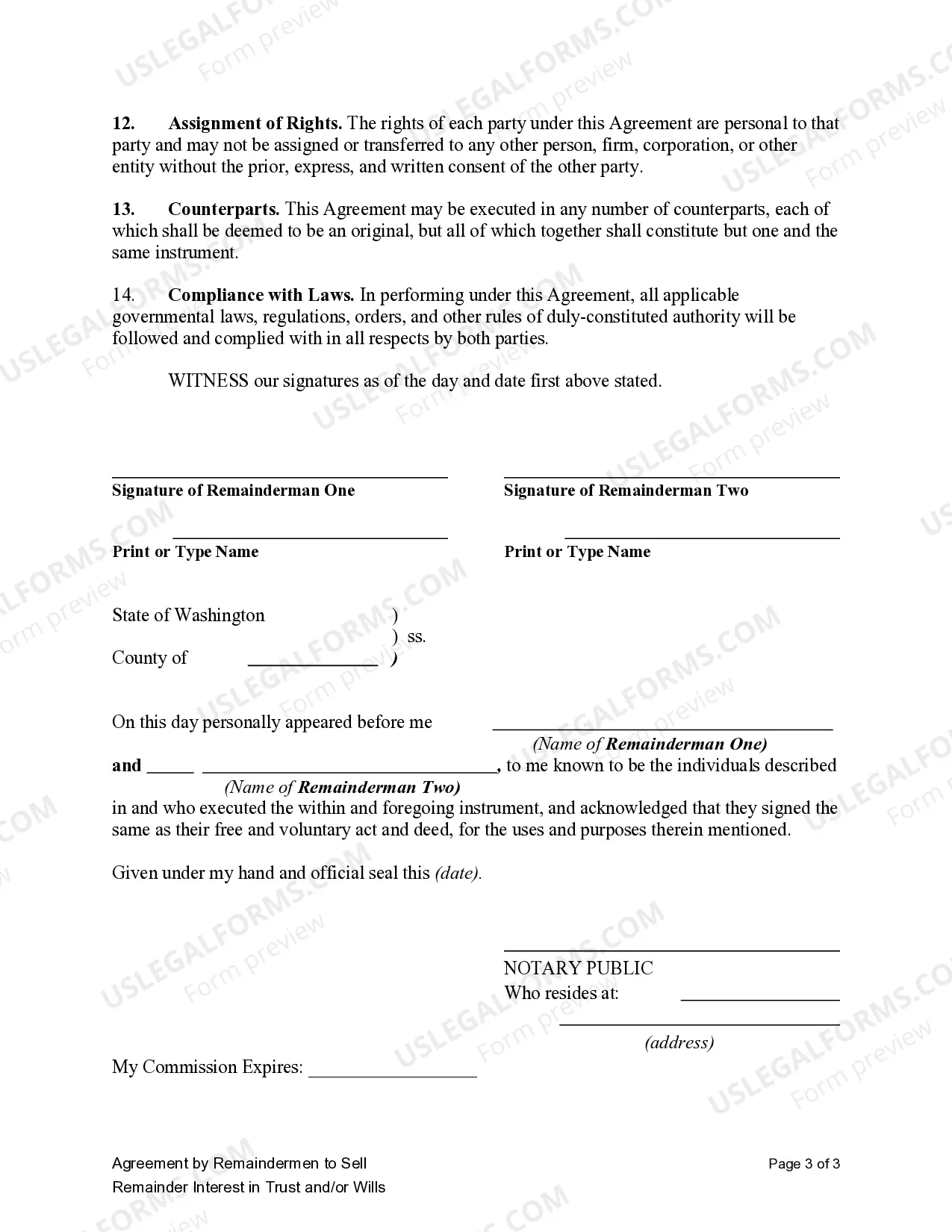
Get your form ready online
Our built-in tools help you complete, sign, share, and store your documents in one place.
Make edits, fill in missing information, and update formatting in US Legal Forms—just like you would in MS Word.
Download a copy, print it, send it by email, or mail it via USPS—whatever works best for your next step.
Sign and collect signatures with our SignNow integration. Send to multiple recipients, set reminders, and more. Go Premium to unlock E-Sign.
If this form requires notarization, complete it online through a secure video call—no need to meet a notary in person or wait for an appointment.
We protect your documents and personal data by following strict security and privacy standards.

Make edits, fill in missing information, and update formatting in US Legal Forms—just like you would in MS Word.

Download a copy, print it, send it by email, or mail it via USPS—whatever works best for your next step.

Sign and collect signatures with our SignNow integration. Send to multiple recipients, set reminders, and more. Go Premium to unlock E-Sign.

If this form requires notarization, complete it online through a secure video call—no need to meet a notary in person or wait for an appointment.

We protect your documents and personal data by following strict security and privacy standards.
Looking for another form?



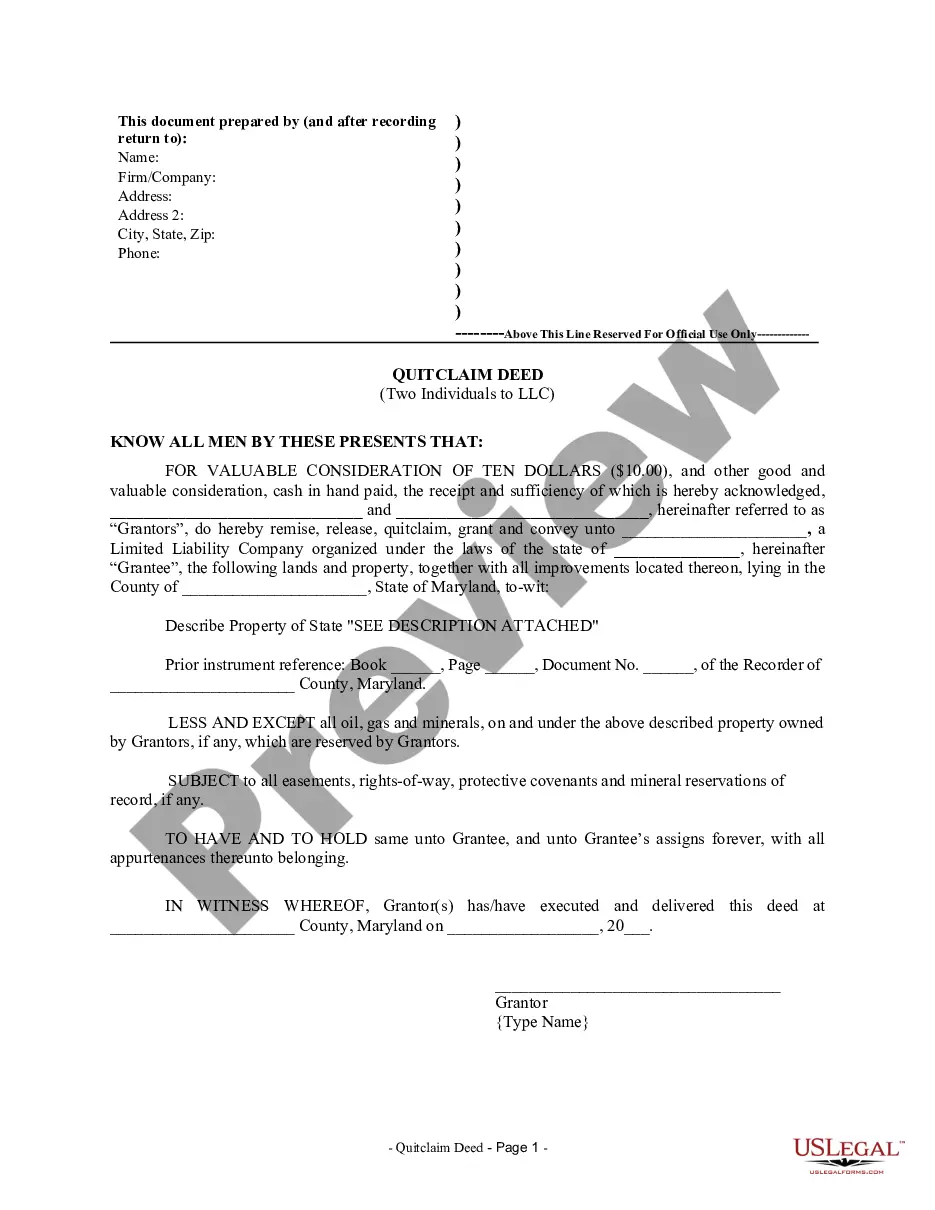





Form popularity
FAQ
One significant disadvantage of funding an IRA through a trust is the potential for increased tax burdens. A remainder interest trust with IRA may expose you to higher tax rates compared to personal ownership. Moreover, managing distributions can become complicated, leading to delays or misunderstandings among beneficiaries. It is crucial to weigh these challenges against the benefits before proceeding.
Whether you need to file a Form 1041 alongside a Form 5227 depends on the nature of the trust and its income. If you establish a remainder interest trust with IRA, you may have to report trust income on Form 1041. Form 5227 typically reports certain foreign trusts, but if your situation involves a U.S. trust, filing requirements may vary. Consulting with a tax advisor can assist you in ensuring compliance.
An IRA taxed within a trust typically follows the trust's tax structure. When a remainder interest trust with IRA generates income, that income can be taxed at the trust's tax rate. Additionally, the beneficiaries may face tax implications when they receive distributions. Engaging a tax professional can help clarify these potential liabilities.
Not all assets are suitable for a trust, especially if they do not benefit from such arrangements. Generally, assets like retirement accounts, such as a remainder interest trust with IRA, may require special treatment due to tax implications. Furthermore, personal property that may not transfer easily can be problematic in a trust setup. It is wise to evaluate each asset carefully.
When an IRA is in a trust, it allows the trust to manage the IRA assets on behalf of the beneficiaries. This setup can provide more control over distributions and tax implications. However, the trust must be structured carefully, as certain types of trusts can complicate the management of a remainder interest trust with IRA. Consulting with a professional can help you navigate this complexity.
Yes, you can fund a Charitable Remainder Trust (CRT) with an IRA. This strategy allows for potential tax benefits, as the IRA can provide a charitable income tax deduction. However, be aware that withdrawals from the IRA will be subject to tax, impacting the funds allocated to the CRT. Consulting a professional can help navigate the complexities involved in using a remainder interest trust with IRA in this context.
When your IRA is in a trust, the trust typically becomes responsible for paying taxes on distributions. Rates for trusts can be significantly higher than individual tax rates, which may reduce the overall value for your beneficiaries. Understanding these tax responsibilities is essential to effectively plan for your estate. Utilizing the tools offered by uslegalforms can help clarify these obligations when setting up a remainder interest trust with IRA.
If you leave your IRA to a trust, the trust will become the beneficiary and will receive the assets upon your passing. The distributions will be governed by the terms of the trust, which can offer control over how and when beneficiaries access funds. However, it may also lead to increased tax burdens due to the trust's tax structure. Understanding these implications is vital when considering a remainder interest trust with IRA.
Placing your IRA in a trust can be beneficial, particularly in terms of ensuring asset protection and controlling distribution. A trust allows you to specify terms and conditions for beneficiaries, helping to manage how and when they receive funds. However, potential tax implications can complicate this decision. Consulting with a financial advisor or using resources from uslegalforms can provide clarity on using a remainder interest trust with IRA.
One downside of naming a trust as an IRA beneficiary is the potential for increased tax liability. Trusts are often taxed at higher rates than individuals, which can deplete the value of your assets over time. Additionally, the rules governing distributions may become complex, possibly leading to unforeseen consequences. It is crucial to weigh these factors when considering a remainder interest trust with IRA.
