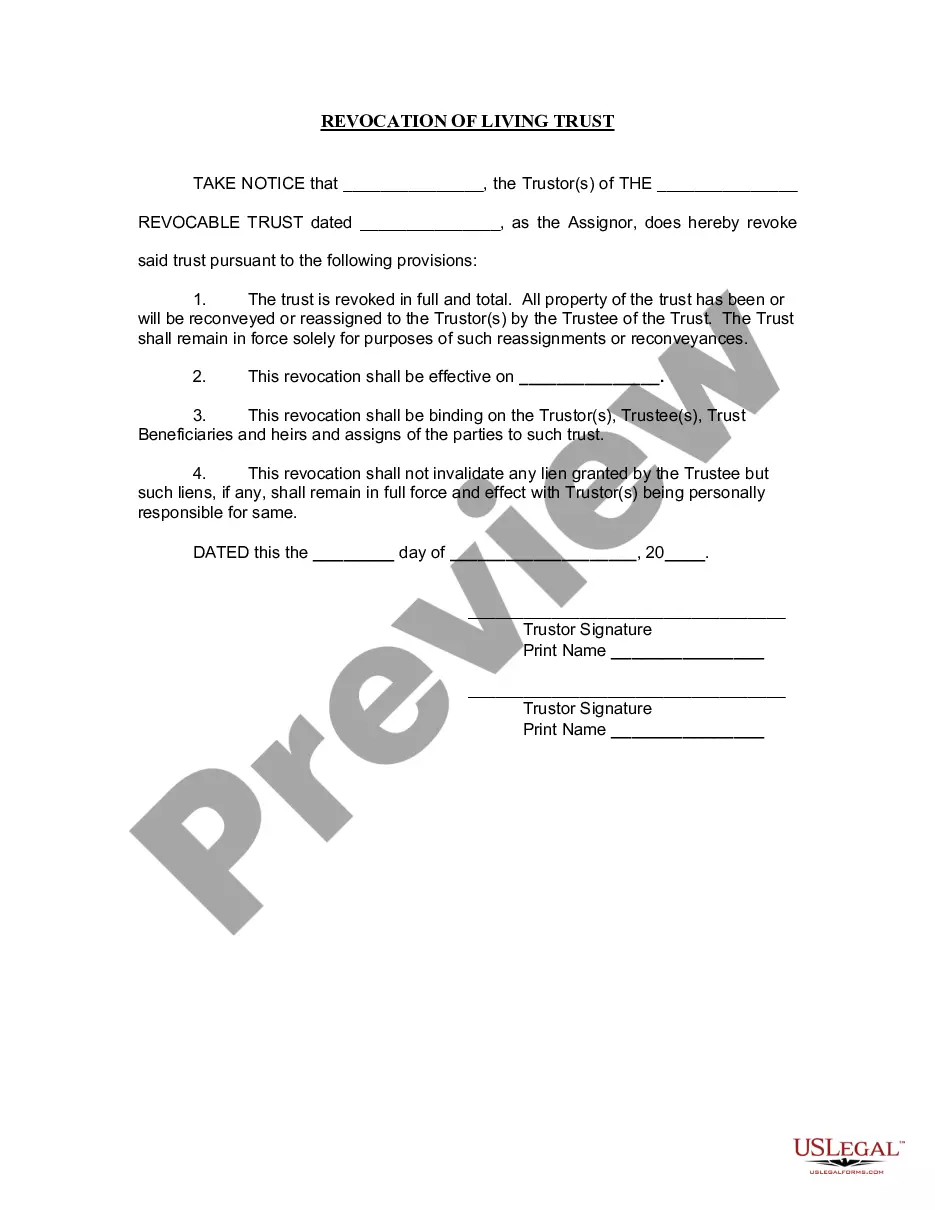
Revocation Living Trust With A Family Member
Description


Get your form ready online
Our built-in tools help you complete, sign, share, and store your documents in one place.
Make edits, fill in missing information, and update formatting in US Legal Forms—just like you would in MS Word.
Download a copy, print it, send it by email, or mail it via USPS—whatever works best for your next step.
Sign and collect signatures with our SignNow integration. Send to multiple recipients, set reminders, and more. Go Premium to unlock E-Sign.
If this form requires notarization, complete it online through a secure video call—no need to meet a notary in person or wait for an appointment.
We protect your documents and personal data by following strict security and privacy standards.

Make edits, fill in missing information, and update formatting in US Legal Forms—just like you would in MS Word.

Download a copy, print it, send it by email, or mail it via USPS—whatever works best for your next step.

Sign and collect signatures with our SignNow integration. Send to multiple recipients, set reminders, and more. Go Premium to unlock E-Sign.

If this form requires notarization, complete it online through a secure video call—no need to meet a notary in person or wait for an appointment.

We protect your documents and personal data by following strict security and privacy standards.
Looking for another form?


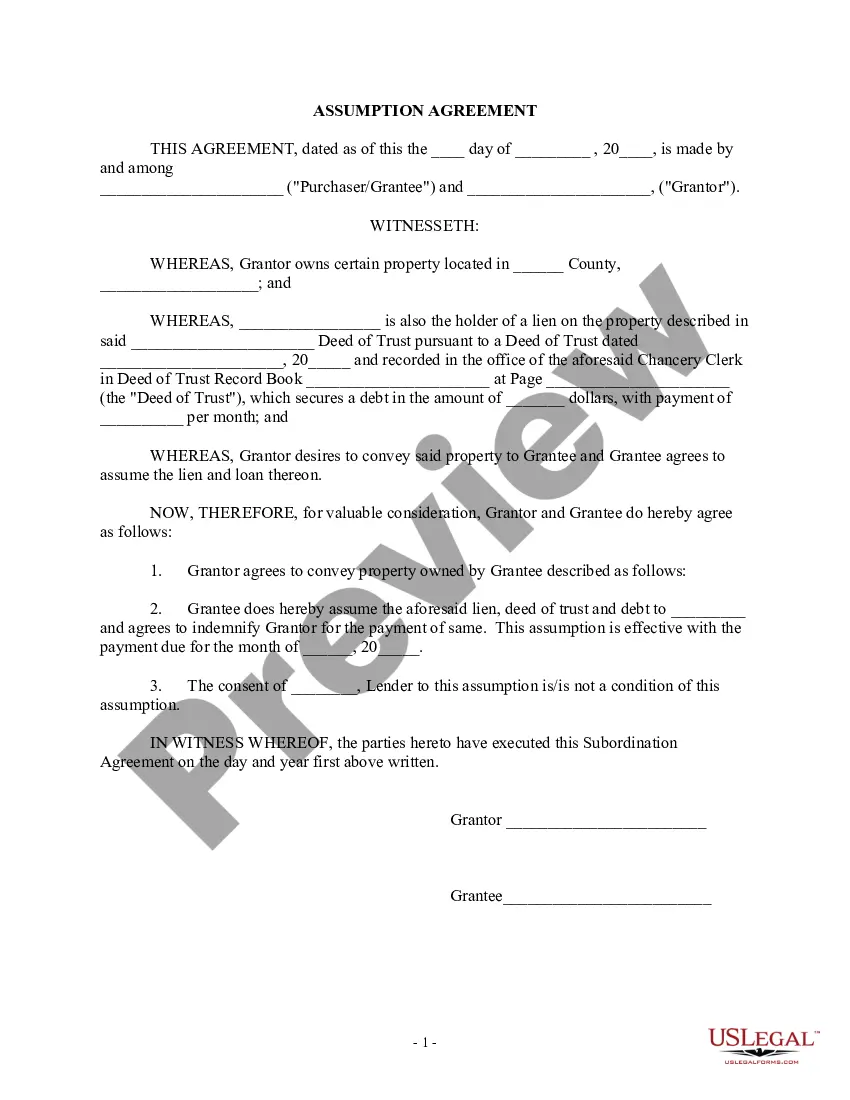






How to fill out Virginia Revocation Of Living Trust?
- Log in to your US Legal Forms account if you're a returning user. Make sure your subscription is active to access the documents.
- If you're new to the service, browse the extensive library. Take a moment to preview the form descriptions to find the one that fits your needs.
- Should you need a different document, use the Search feature to locate the correct template.
- Once you find the right document, click on the Buy Now button and select your desired subscription plan.
- Complete your purchase using your credit card or PayPal, ensuring a smooth transaction.
- After payment, download your revocation form directly to your device for completion.
By utilizing US Legal Forms, you gain access to a robust collection of legal forms, which is more extensive than that of many competitors. This extensive library, featuring over 85,000 editable forms, empowers individuals to manage their legal documents efficiently.
Don't hesitate to reach out to premium experts available for assistance with form completion. Start your journey with US Legal Forms today and ensure your legal documents are precise and tailored to your needs!
Form popularity
FAQ
A trust is considered void if it lacks essential elements such as a lawful purpose or if it is based on illegal conditions. For instance, if a revocation living trust with a family member is created to defraud creditors, it is invalid. Moreover, a trust may be void if it has not been properly funded or if the terms are so vague that they cannot be enforced. Engaging with a knowledgeable platform like US Legal Forms can help clarify these aspects and ensure your trust is valid.
A trust can be invalid if it fails to meet legal requirements set by state law. For example, if there is no clear intent expressed by the grantor, or if the trust document is improperly executed, it may not hold. Additionally, a revocation living trust with a family member can become invalid if the grantor does not follow the proper procedures for revocation. It's crucial to ensure all legal standards are met to maintain the trust's validity.
Revoking a revocable trust can be a straightforward process, especially if you follow the correct legal procedures. Generally, you need to create a new document that explicitly states your intent to revoke and take necessary actions regarding your assets. If you involve a family member in your revocation living trust, it can help ensure clarity and mutual understanding throughout the process. Utilizing resources like US Legal Forms can further facilitate a seamless experience.
Revoking a revocable trust typically involves creating a written document that states your intent to dissolve the trust. It's essential to notify all beneficiaries and take steps to reassign assets back to your name. If you included your family member in the revocation living trust, their involvement can simplify the process and expedite the transition. Utilizing platforms like US Legal Forms can guide you through the necessary steps efficiently.
In many cases, assets held in a revocable trust can be subject to claims from nursing homes if the trust creator requires long-term care. As you plan your estate, it's essential to understand the implications of a revocation living trust with a family member and how it may affect your finances. Consulting with a legal professional or financial advisor can help you navigate these concerns and protect your assets.
A trust can be terminated through revocation, expiration, or by operation of law. Revocation involves the trust creator formally dissolving the trust, often in writing. In cases of expiration, a trust may have a predetermined end date or conditions that lead to its dissolution. Understanding how to manage your revocation living trust with a family member ensures you can navigate these processes effectively.
A trust can be considered null and void due to several factors, including lack of proper documentation, absence of a settlor's intent, or failure to comply with legal requirements during its formation. Additionally, if the trust was created under duress or fraud, it may not be legally binding. When discussing the revocation living trust with a family member, it's crucial to ensure all necessary protocols are followed to maintain its validity.
The 5-year rule for trusts often refers to the period during which certain assets are protected from inheritance claims or government benefits eligibility restrictions. When you create a revocation living trust with a family member, it's important to understand how the timing of asset transfers can impact tax implications and eligibility for benefits. If assets are transferred to a trust less than five years before applying for benefits, they may be subject to scrutiny. This rule can vary by state, so consulting an expert is wise.
Placing assets in a trust, such as a revocation living trust with a family member, might limit immediate access to those assets. While the trust protects assets from probate, it can create challenges if the grantor or beneficiaries need quick access to funds. There are also ongoing administrative responsibilities that must be managed to keep the trust compliant. We recommend consulting a legal professional for effective strategies to navigate these challenges.
One of the most common mistakes parents make when creating a trust fund is failing to communicate their intentions clearly. When they establish a revocation living trust with a family member, it’s crucial for parents to discuss their goals and the trust's terms with all family members. This reduces confusion and potential conflict among beneficiaries down the line. Open dialogue can help ensure everyone understands the purpose and benefits of the trust.