Financial Laws In India
Description

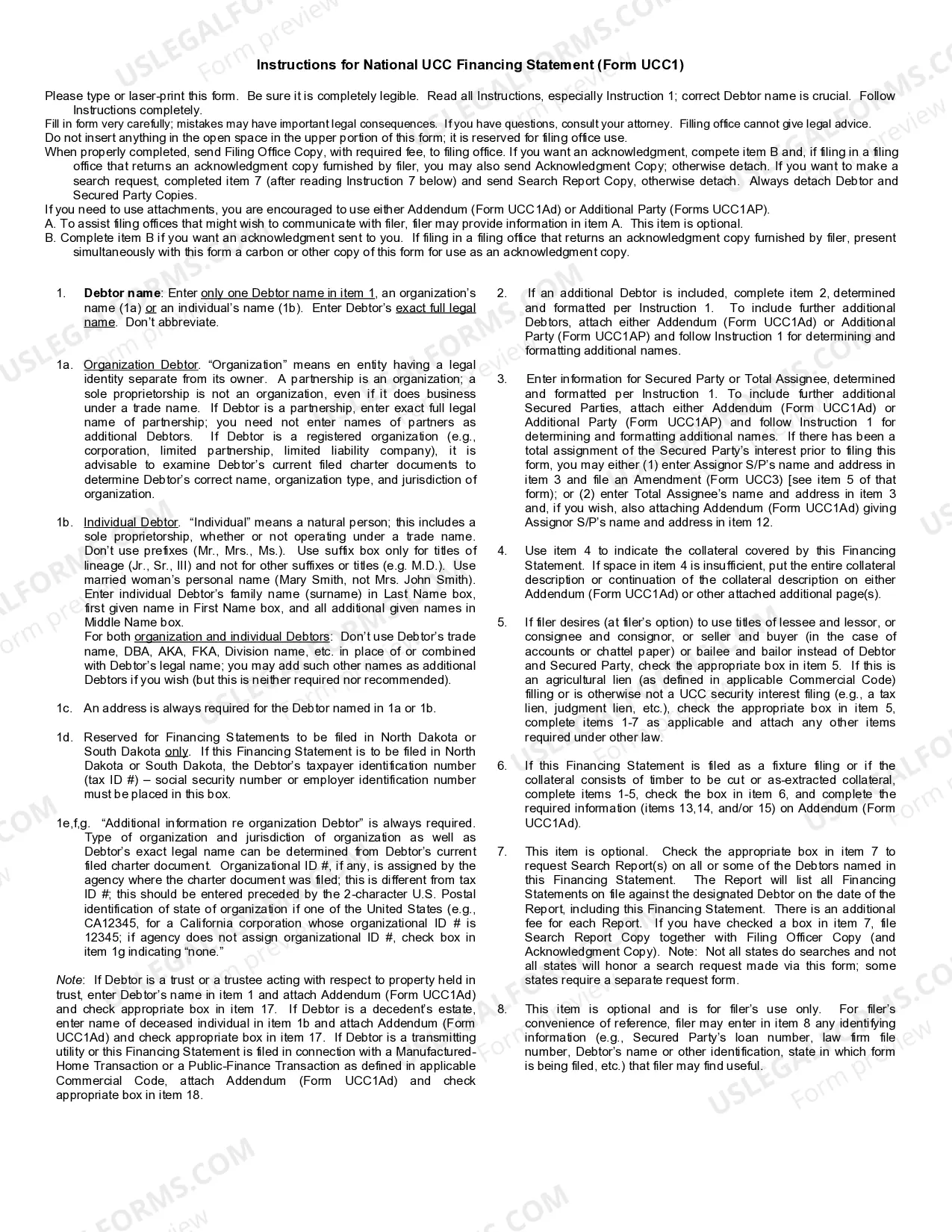



Get your form ready online
Our built-in tools help you complete, sign, share, and store your documents in one place.
Make edits, fill in missing information, and update formatting in US Legal Forms—just like you would in MS Word.
Download a copy, print it, send it by email, or mail it via USPS—whatever works best for your next step.
Sign and collect signatures with our SignNow integration. Send to multiple recipients, set reminders, and more. Go Premium to unlock E-Sign.
If this form requires notarization, complete it online through a secure video call—no need to meet a notary in person or wait for an appointment.
We protect your documents and personal data by following strict security and privacy standards.

Make edits, fill in missing information, and update formatting in US Legal Forms—just like you would in MS Word.

Download a copy, print it, send it by email, or mail it via USPS—whatever works best for your next step.

Sign and collect signatures with our SignNow integration. Send to multiple recipients, set reminders, and more. Go Premium to unlock E-Sign.

If this form requires notarization, complete it online through a secure video call—no need to meet a notary in person or wait for an appointment.

We protect your documents and personal data by following strict security and privacy standards.
Looking for another form?










How to fill out UCC1 National Financial Statement?
Managing legal matters can be exasperating, even for the most proficient professionals.
When you seek Financial Laws In India and cannot dedicate time to find the accurate and current version, the process may be overwhelming.
US Legal Forms accommodates any requests you may have, ranging from personal to corporate paperwork, all consolidated in one location.
Leverage advanced tools to manage and fulfill your Financial Laws In India requirements.
Once you have acquired the form you need, follow these steps.
- Access a valuable resource library of articles, guides, and manuals pertinent to your circumstances and needs.
- Save time and effort by searching for the documents you require, utilizing US Legal Forms’ sophisticated search and Preview feature for Financial Laws In India.
- If you possess a membership, Log In to your US Legal Forms account, search for the required form, and retrieve it.
- Consult your My documents tab to review the paperwork you have downloaded previously and manage your folders as necessary.
- If this is your first experience with US Legal Forms, create a free account for unlimited access to all platform features.
- A comprehensive online form directory could revolutionize how individuals approach these challenges effectively.
- US Legal Forms is a front-runner in the realm of digital legal documents, offering more than 85,000 state-specific legal forms at any given moment.
- With US Legal Forms, you can access state- or county-specific legal and business documents.
Form popularity
FAQ
Lending to a single borrower is limited to 15% of the bank's capital funds (tier 1 and tier 2 capital), which may be extended to 20% in the case of infrastructure projects. For group borrowers, lending is limited to 30% of the bank's capital funds, with an option to extend it to 40% for infrastructure projects.
In this article, we have come up with the most Important Banking Acts like Reserve Bank of India Act, 1934; Reserve Bank of India Act, 1934; Insurance Regulatory and Development Authority Act, 1999; Foreign Exchange Management Act, 1999; SARFAESI-2002, etc.
Financial law is the law and regulation of the commercial banking, capital markets, insurance, derivatives and investment management sectors. Understanding financial law is crucial to appreciating the creation and formation of banking and financial regulation, as well as the legal framework for finance generally.
Financial law is the law and regulation of the commercial banking, capital markets, insurance, derivatives and investment management sectors.
Reserve Bank of India (RBI) is the central bank of India and manages credit supply, regulates operations of banks, and helps maintain a healthy financial system. RBI is an autonomous governing body that ensures price stability in the country.