Taking Private Property For Public Use
Description
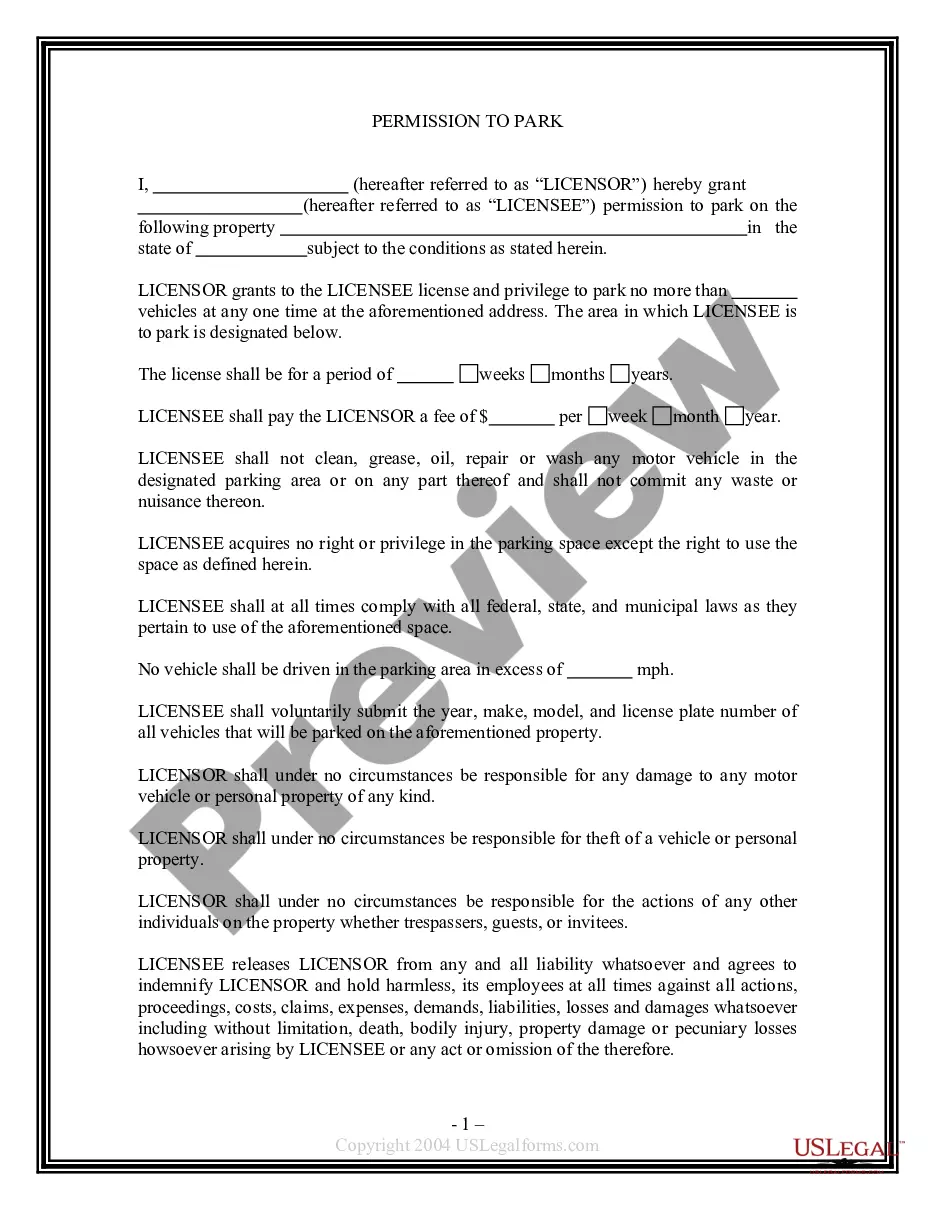
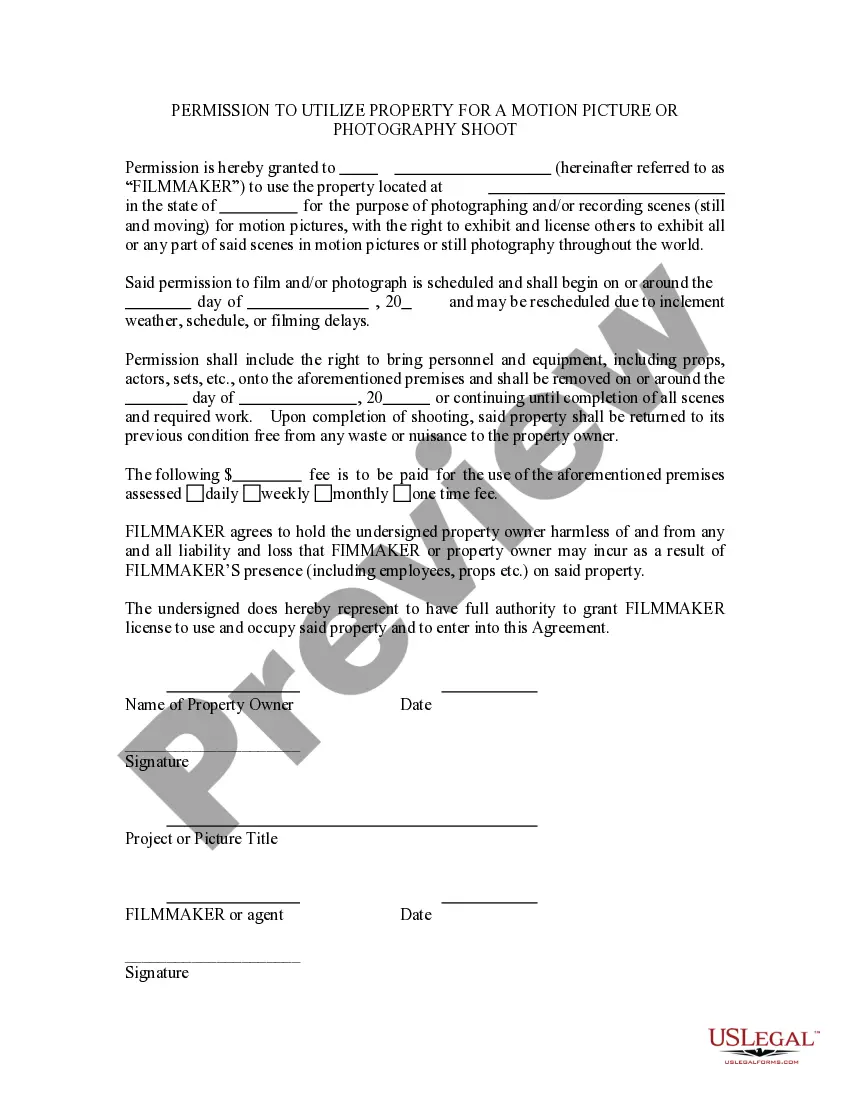
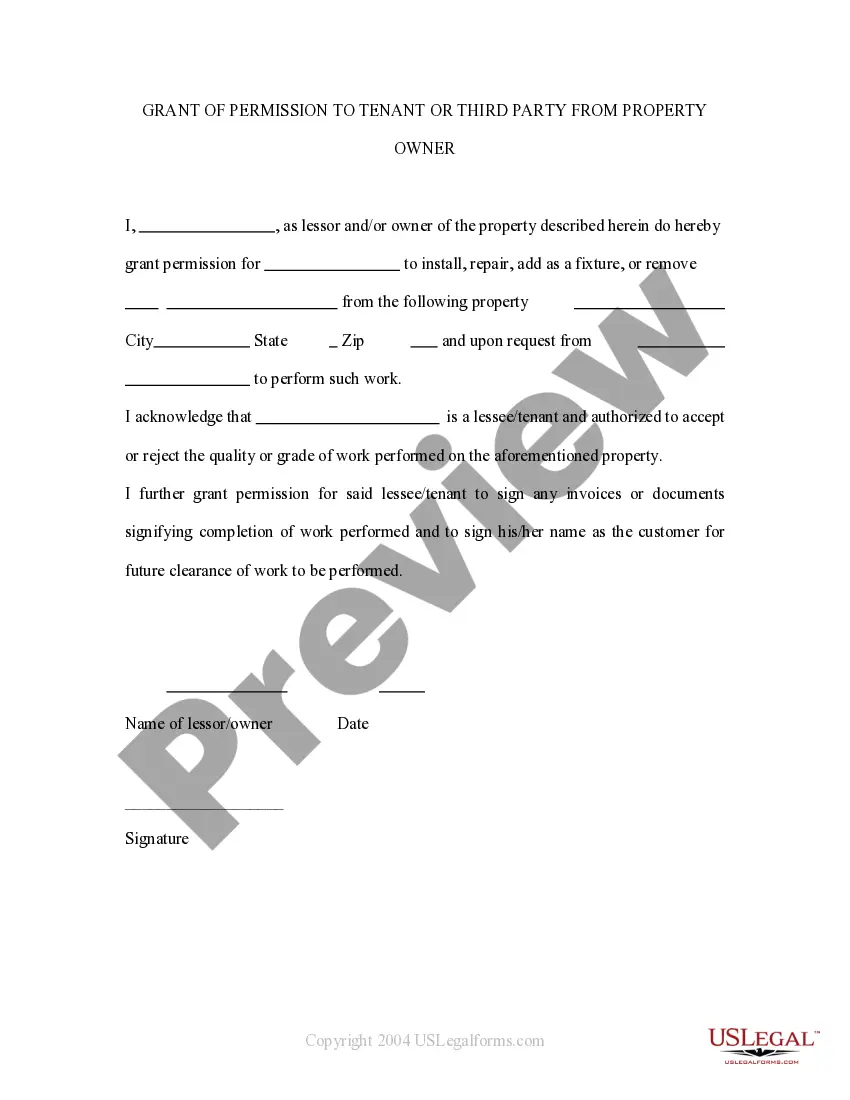
How to fill out Permission To Enter Or Access Private Property?
It’s no secret that you can’t become a legal expert overnight, nor can you grasp how to quickly draft Taking Private Property For Public Use without having a specialized background. Creating legal documents is a time-consuming venture requiring a certain training and skills. So why not leave the preparation of the Taking Private Property For Public Use to the pros?
With US Legal Forms, one of the most comprehensive legal template libraries, you can access anything from court papers to templates for internal corporate communication. We understand how crucial compliance and adherence to federal and local laws are. That’s why, on our website, all templates are location specific and up to date.
Here’s how you can get started with our website and obtain the document you need in mere minutes:
- Discover the form you need with the search bar at the top of the page.
- Preview it (if this option available) and read the supporting description to figure out whether Taking Private Property For Public Use is what you’re searching for.
- Begin your search over if you need any other form.
- Register for a free account and select a subscription option to purchase the form.
- Choose Buy now. As soon as the payment is complete, you can get the Taking Private Property For Public Use, complete it, print it, and send or send it by post to the necessary individuals or entities.
You can re-gain access to your documents from the My Forms tab at any time. If you’re an existing client, you can simply log in, and locate and download the template from the same tab.
Regardless of the purpose of your documents-whether it’s financial and legal, or personal-our website has you covered. Try US Legal Forms now!
Form popularity
FAQ
The federal government's power of eminent domain has long been used in the United States to acquire property for public use. Eminent domain ''appertains to every independent government. It requires no constitutional recognition; it is an attribute of sovereignty.? Boom Co. v. Patterson, 98 U.S. 403, 406 (1879).
Eminent domain refers to the power of the government to take private property and convert it into public use, referred to as a taking. The Fifth Amendment provides that the government may only exercise this power if they provide just compensation to the property owners.
The Fifth Amendment to the Constitution provides that private property shall not be taken for public use without just compensation. An implied contract to make payment therefor has been held to arise from such a taking.
The Takings Clause means that if the government wants to, for example, build an express ramp where your house sits, it must pay you for the property it takes to build the ramp.