Motion For Order Shortening Time Washington State
Description
Get your form ready online
Our built-in tools help you complete, sign, share, and store your documents in one place.
Make edits, fill in missing information, and update formatting in US Legal Forms—just like you would in MS Word.
Download a copy, print it, send it by email, or mail it via USPS—whatever works best for your next step.
Sign and collect signatures with our SignNow integration. Send to multiple recipients, set reminders, and more. Go Premium to unlock E-Sign.
If this form requires notarization, complete it online through a secure video call—no need to meet a notary in person or wait for an appointment.
We protect your documents and personal data by following strict security and privacy standards.

Make edits, fill in missing information, and update formatting in US Legal Forms—just like you would in MS Word.

Download a copy, print it, send it by email, or mail it via USPS—whatever works best for your next step.

Sign and collect signatures with our SignNow integration. Send to multiple recipients, set reminders, and more. Go Premium to unlock E-Sign.

If this form requires notarization, complete it online through a secure video call—no need to meet a notary in person or wait for an appointment.

We protect your documents and personal data by following strict security and privacy standards.
Looking for another form?
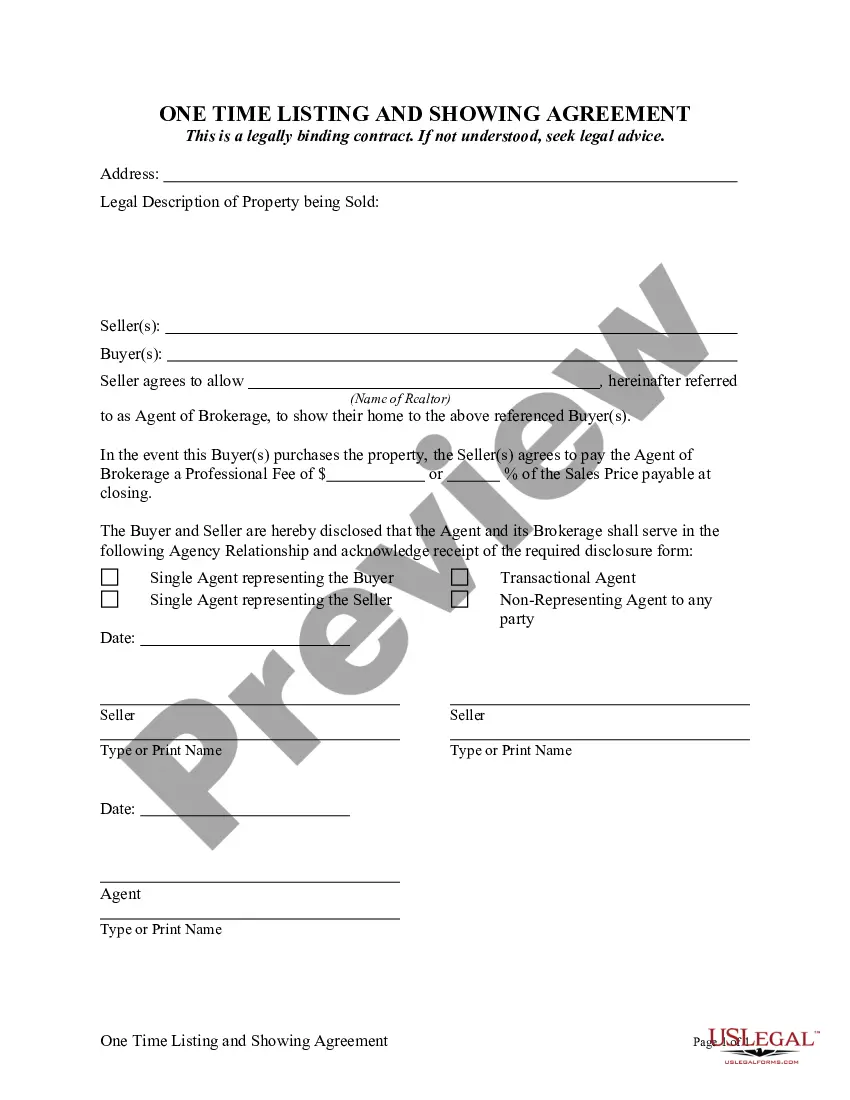
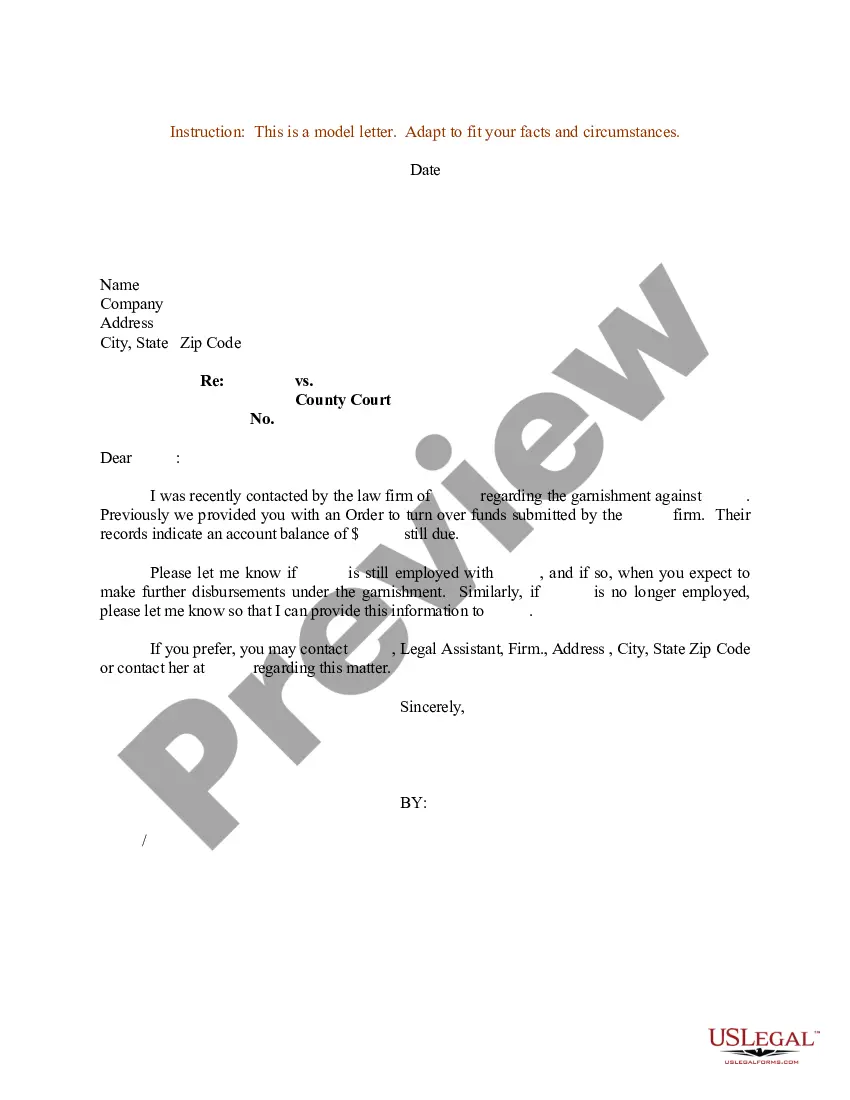
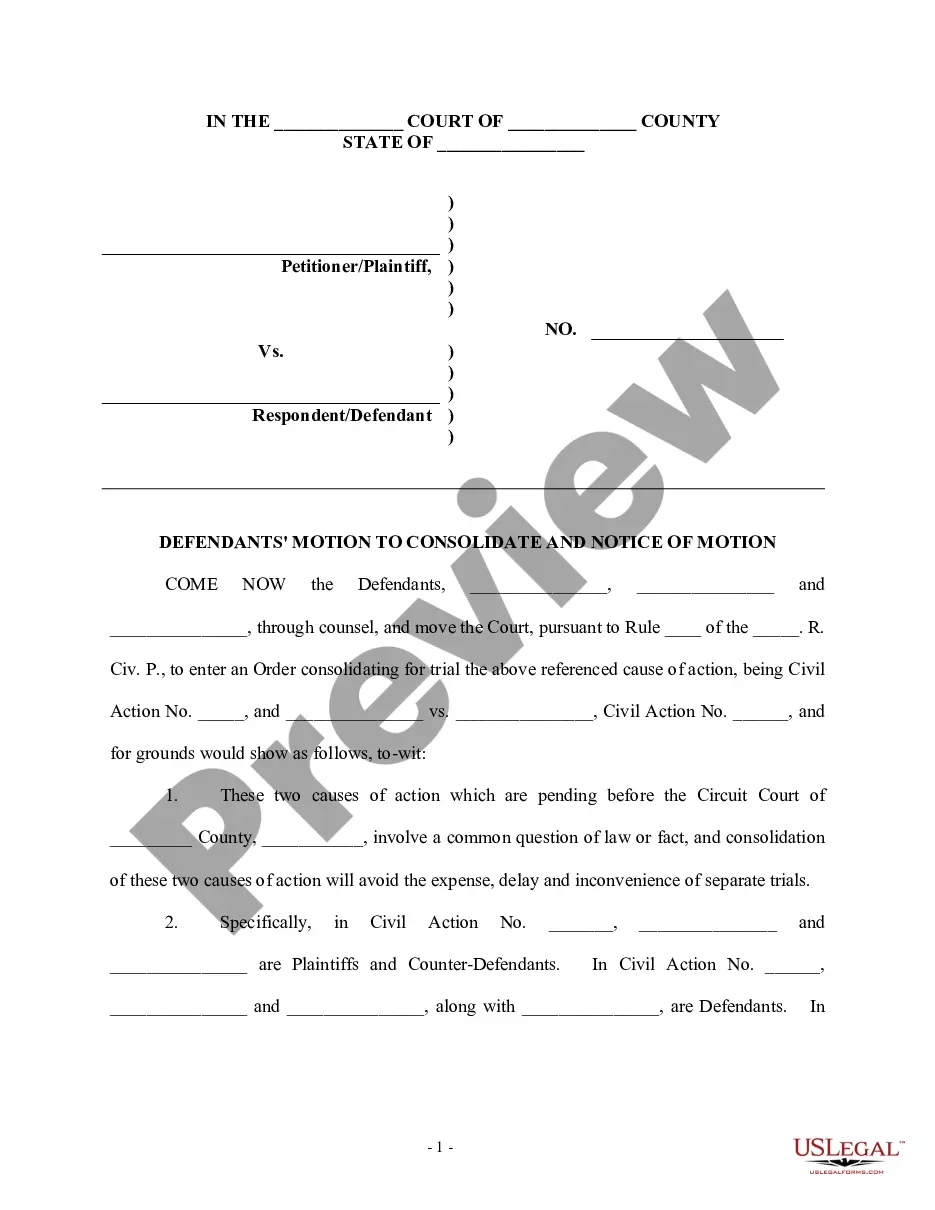
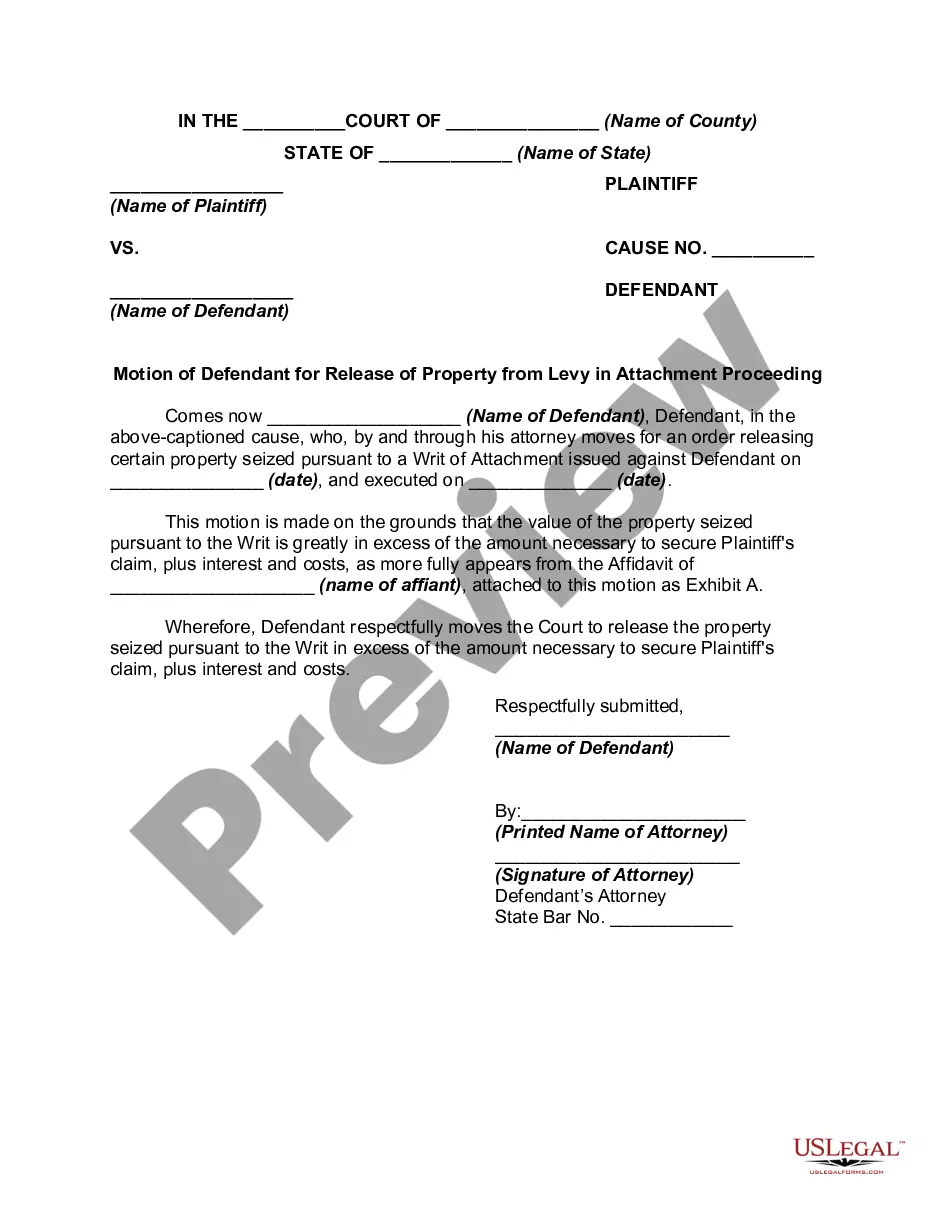
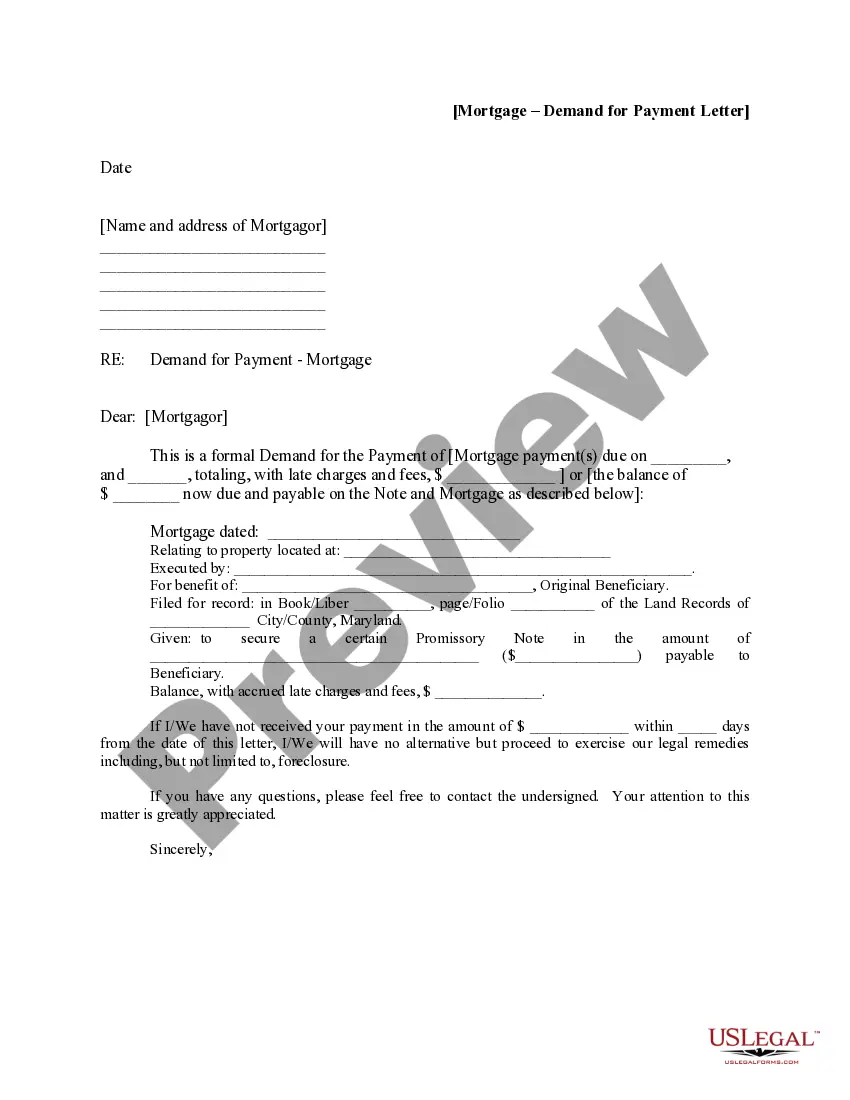
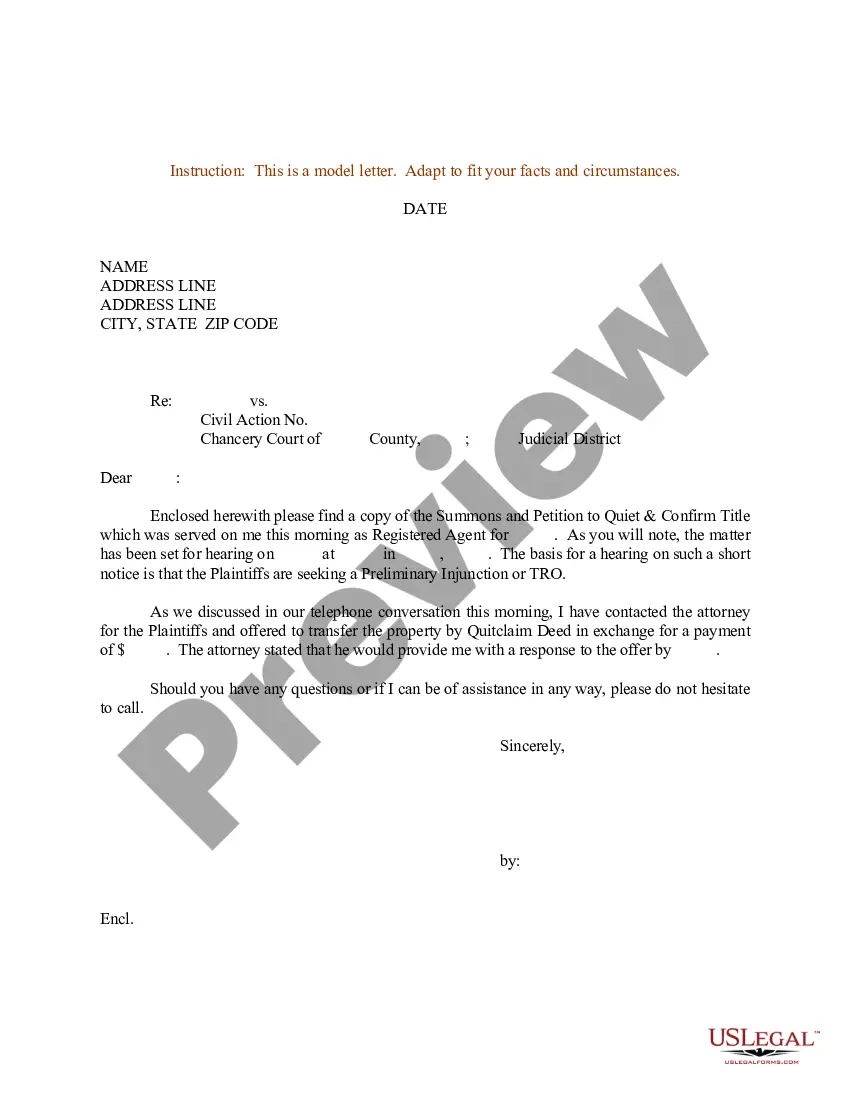
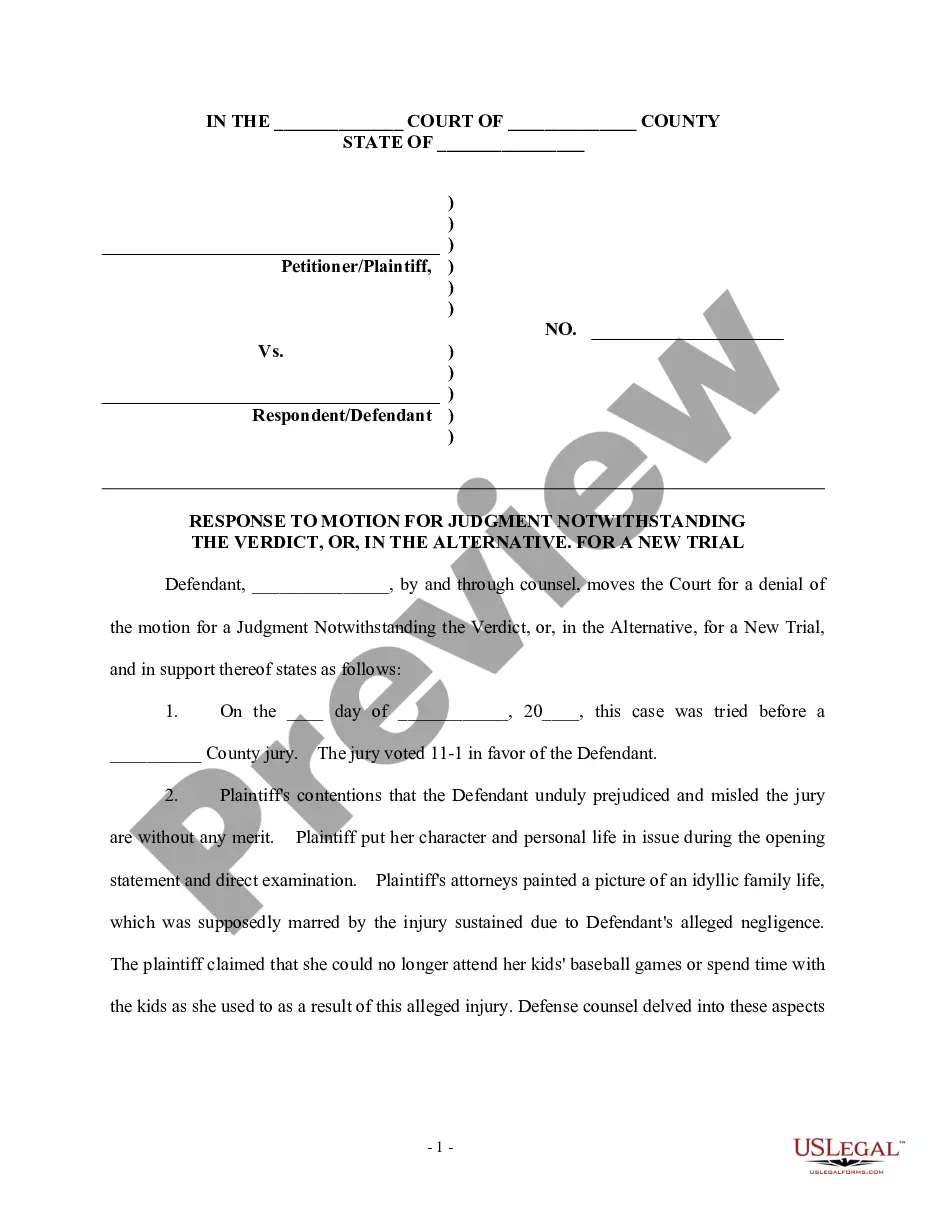
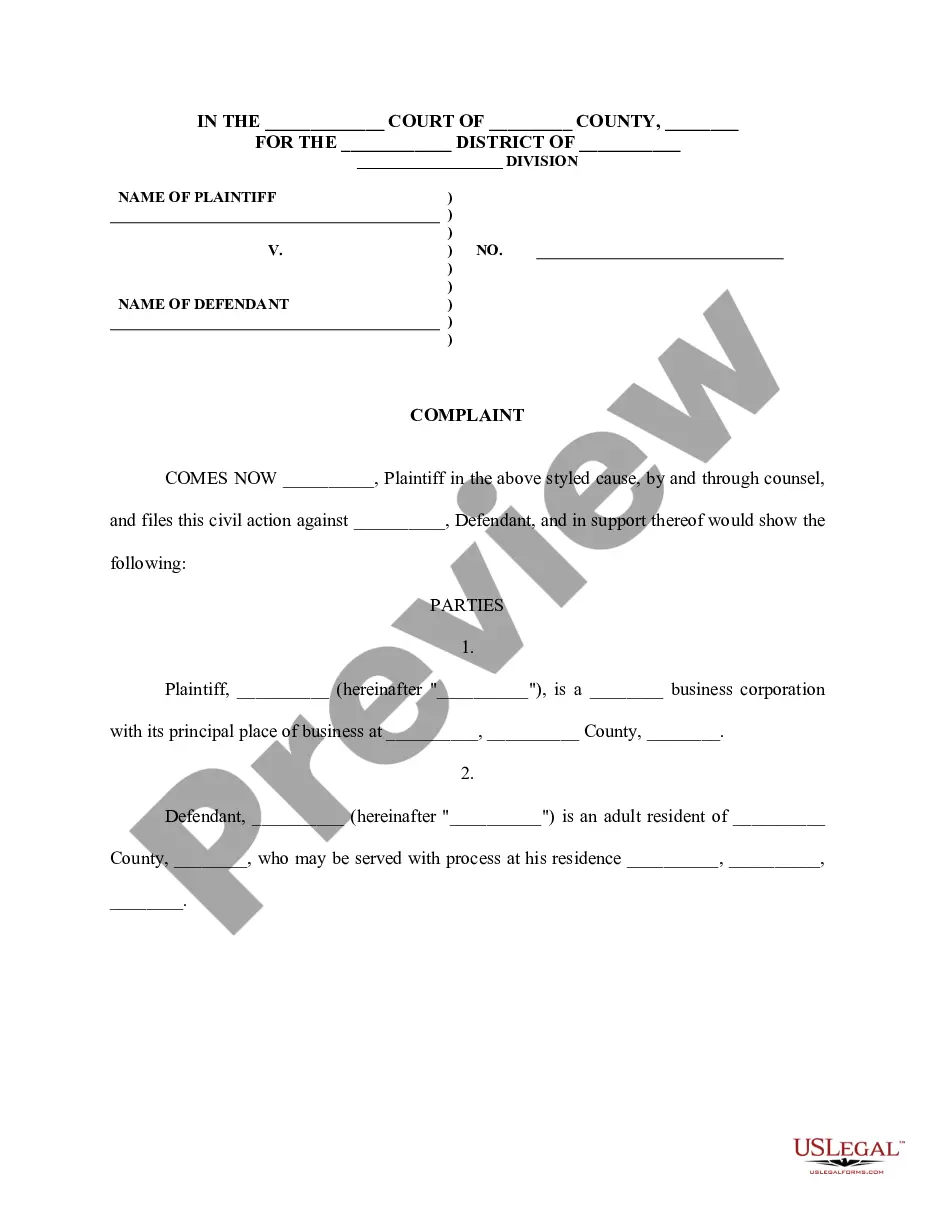
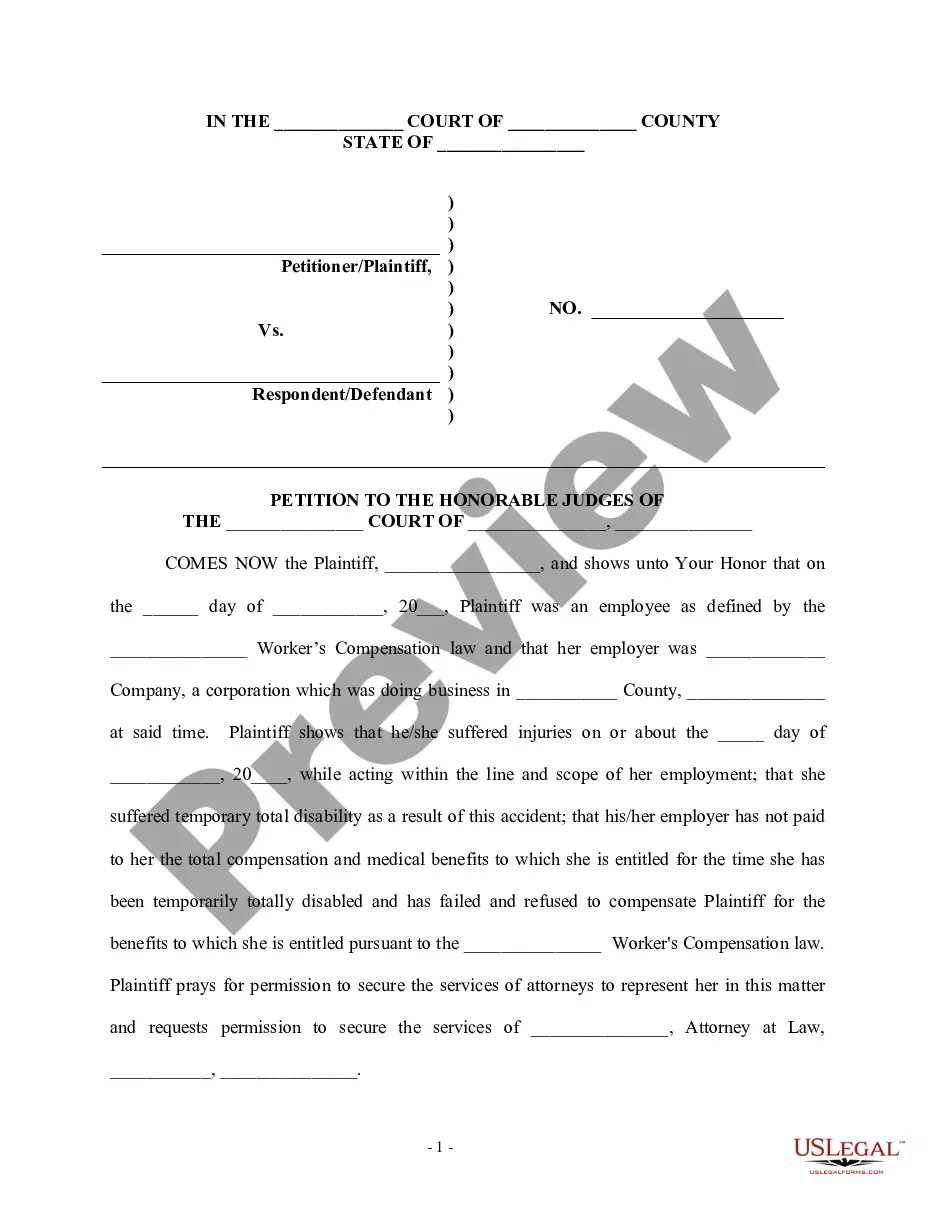
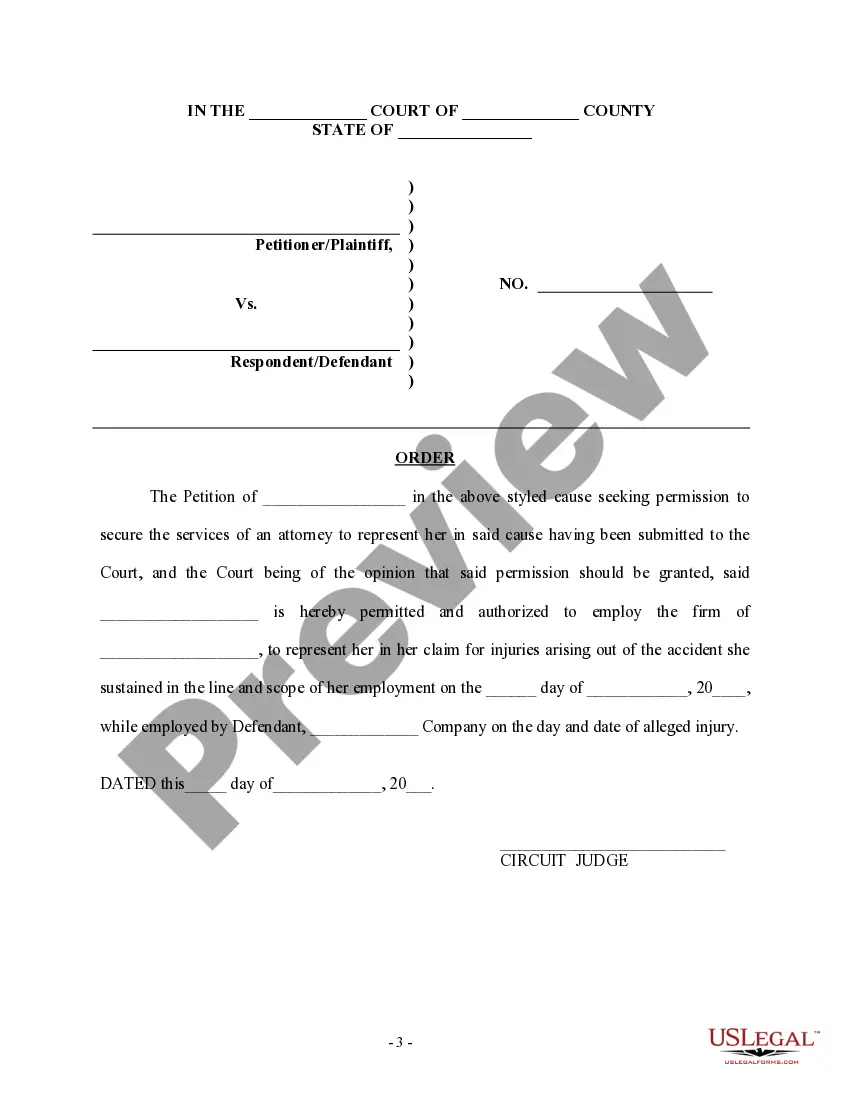
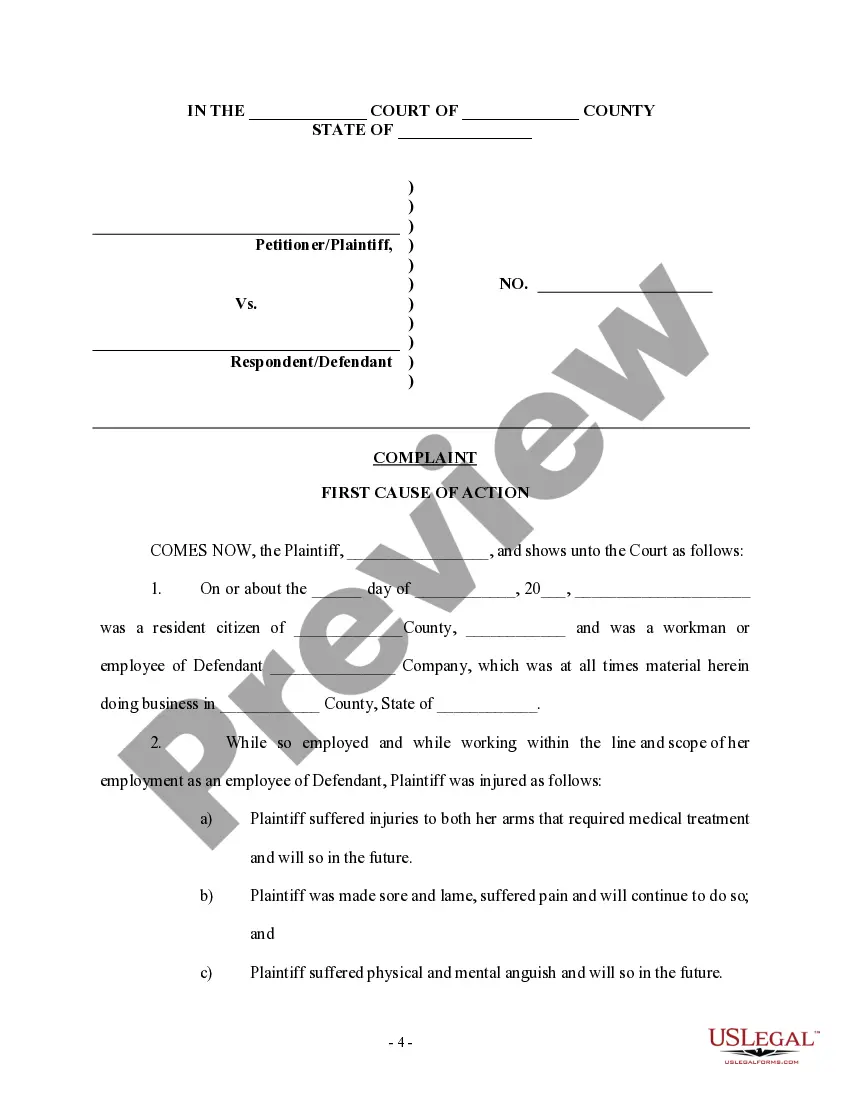
How to fill out Motion, Order And Complaint - Worker's Compensation - Wrongful Termination?
Dealing with legal documents and processes can be a lengthy addition to your day.
Order to Reduce Time in Washington State and similar documents often necessitate that you look them up and comprehend how to fill them out correctly.
Thus, whether you are managing financial, legal, or personal issues, having a comprehensive and user-friendly online database of forms readily available will be extremely beneficial.
US Legal Forms is the leading online service for legal templates, boasting over 85,000 state-specific forms along with various resources that will aid you in swiftly completing your documents.
Is it your first time using US Legal Forms? Register and create an account in a few minutes to gain access to the form library and Order to Reduce Time in Washington State. Then, follow the steps below to complete your document.
- Explore the collection of relevant documents accessible to you with just one click.
- US Legal Forms provides you with state- and county-specific documents available for download anytime.
- Safeguard your document handling processes with a top-notch service that allows you to prepare any form in minutes without additional or hidden fees.
- Simply Log In to your account, find Order to Reduce Time in Washington State and download it instantly from the My documents section.
- You can also access previously downloaded documents.
Form popularity
FAQ
Rule 36 pertains to the requests for admissions, enabling a party to request that another party admit or deny certain facts to simplify issues for trial. This expedites the litigation process by eliminating the need to prove undisputed facts. In scenarios where time is of the essence, submitting a Motion for Order Shortening Time Washington State can help accelerate your litigation efforts. Explore UsLegalForms for tools to effectively navigate rule complexities.
General Rule 34 focuses on the discovery process, primarily addressing the production of documents and evidence from parties involved in a lawsuit. It emphasizes the need for cooperation and transparency between both sides to ensure a fair trial. If you need to speed up your discovery process, utilizing a Motion for Order Shortening Time Washington State can facilitate quicker access to necessary documentation. UsLegalForms is available to assist you with the right forms.
Rule 35 of the Washington state civil procedure allows for the court to order a party to submit to a physical or mental examination when the party's health is in controversy. This rule is essential in cases that revolve around personal injury or mental health issues. If you're looking to expedite proceedings, understanding how to file a Motion for Order Shortening Time Washington State can be beneficial. UsLegalForms platform provides templates and resources to help streamline this process.
A participant meets the Rule of 60 if his or her age plus full years of service equal at least 60 and he or she either: (i) is at least age 50 with at least five full years of service; or (ii) is under age 50 with at least 20 full years of service.
Either party, after the notice of trial, whether given by either party, may bring the issue to trial, and in the absence of the adverse party, unless the court for good cause otherwise directs, may proceed with the case, and take a dismissal of the action, or a verdict or judgment, as the case may require.
(1) A party or an attorney responsible for the issuance and service of a subpoena shall take reasonable steps to avoid imposing undue burden or expense on a person subject to that subpoena.
Oral argument on civil motions, including family law motions, may be heard by conference telephone call in the discretion of the court. The expense of the call shall be shared equally by the parties unless the court directs otherwise in the ruling or decision on the motion.
Clerical mistakes in judgments, orders or other parts of the record and errors therein arising from oversight or omission may be corrected by the court at any time of its own initiative or on the motion of any party and after such notice, if any, as the court orders.