Negligence Complaint Template With Insurance Company
Description
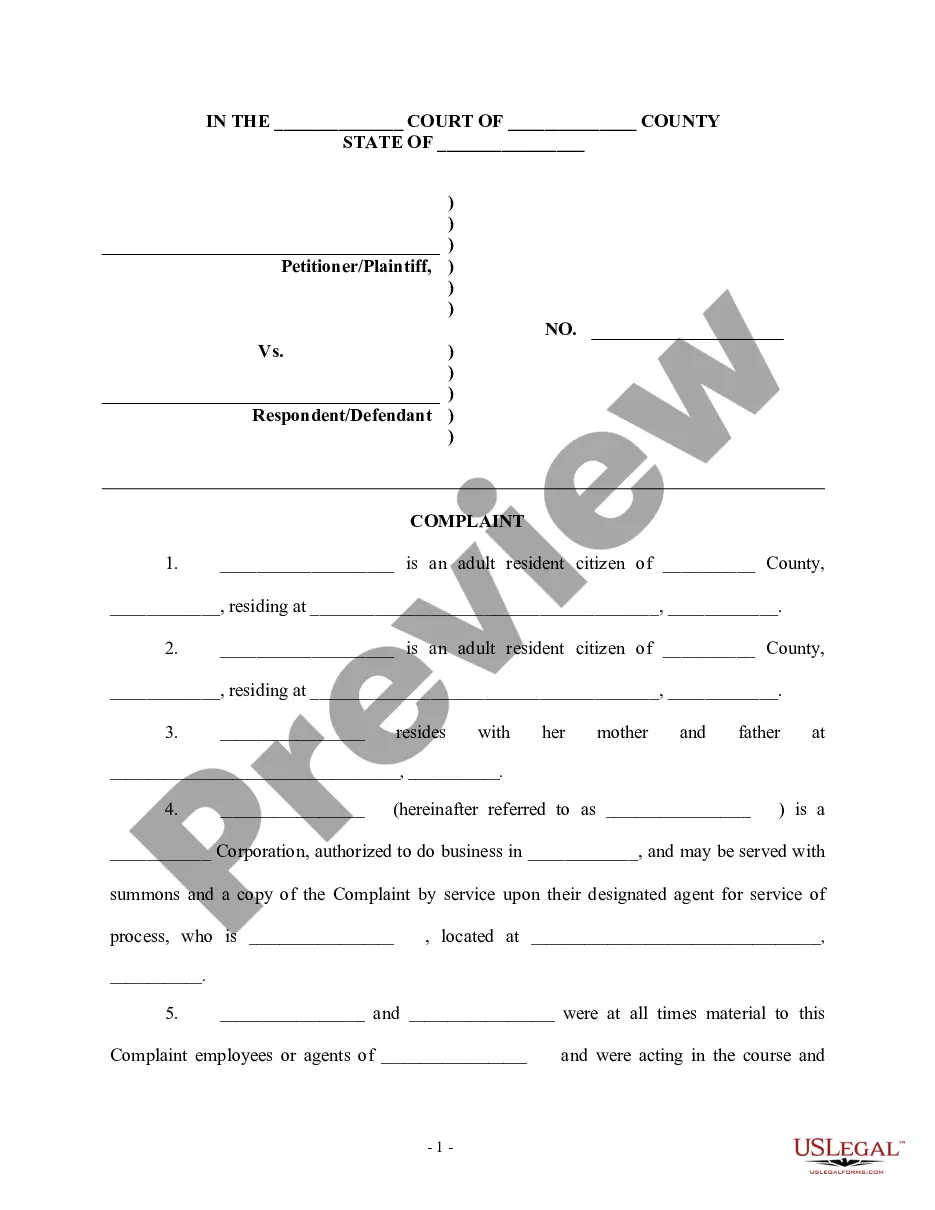
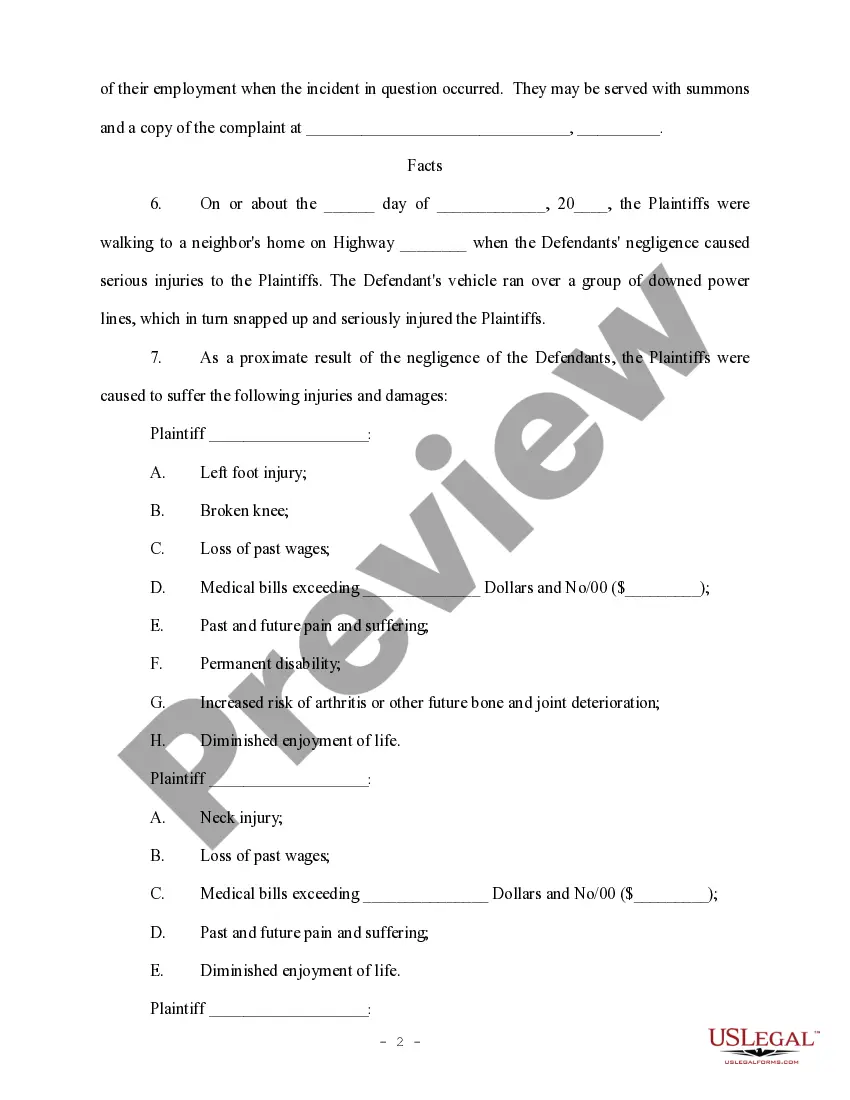
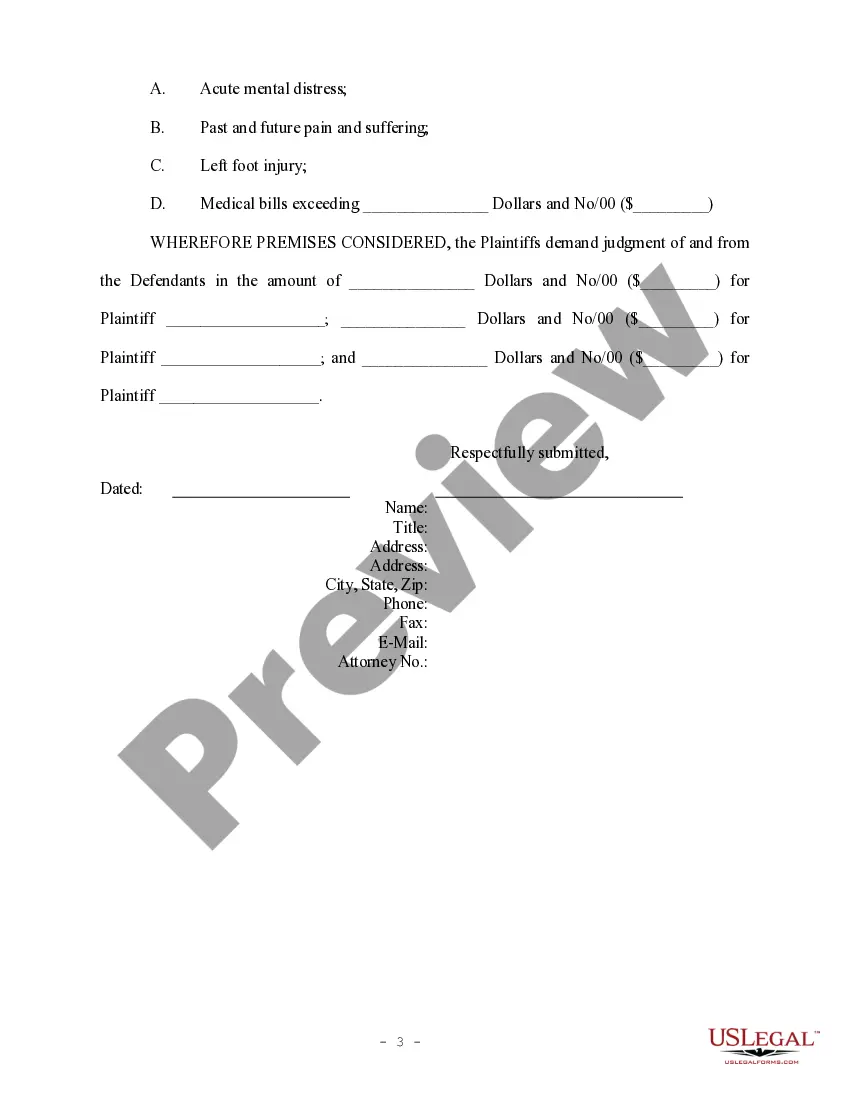
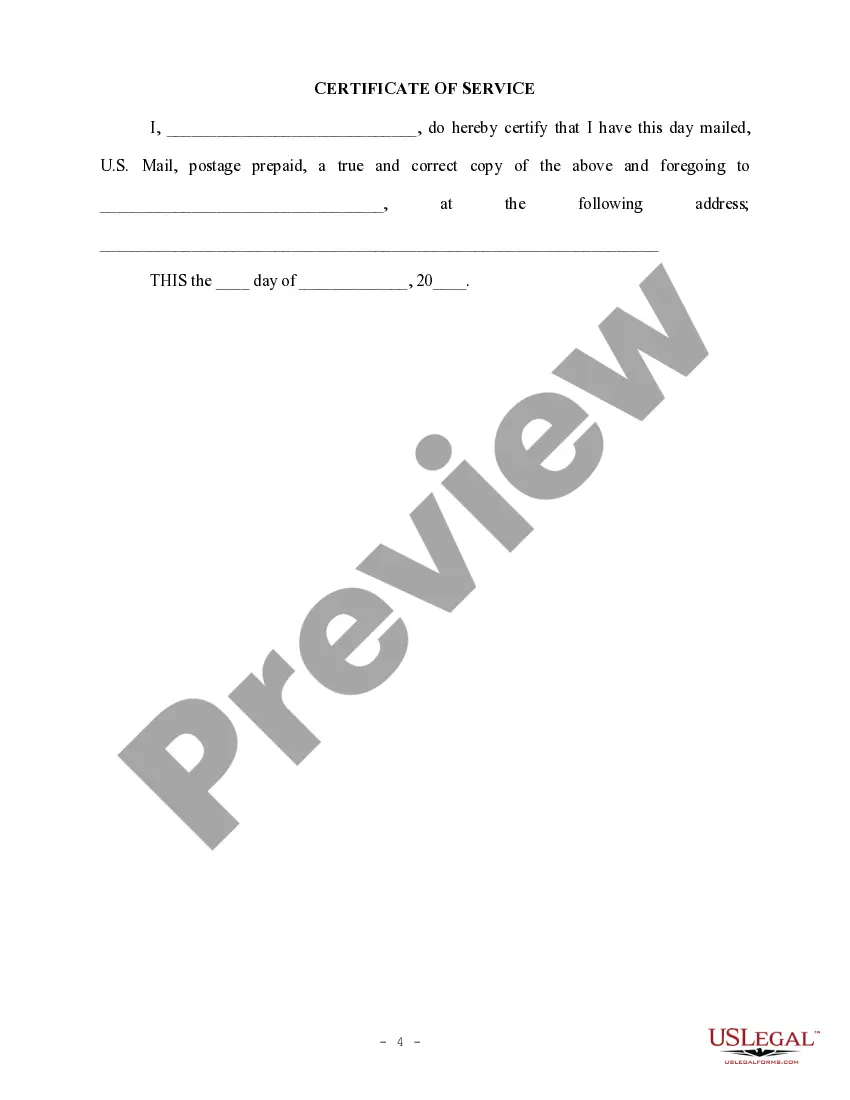
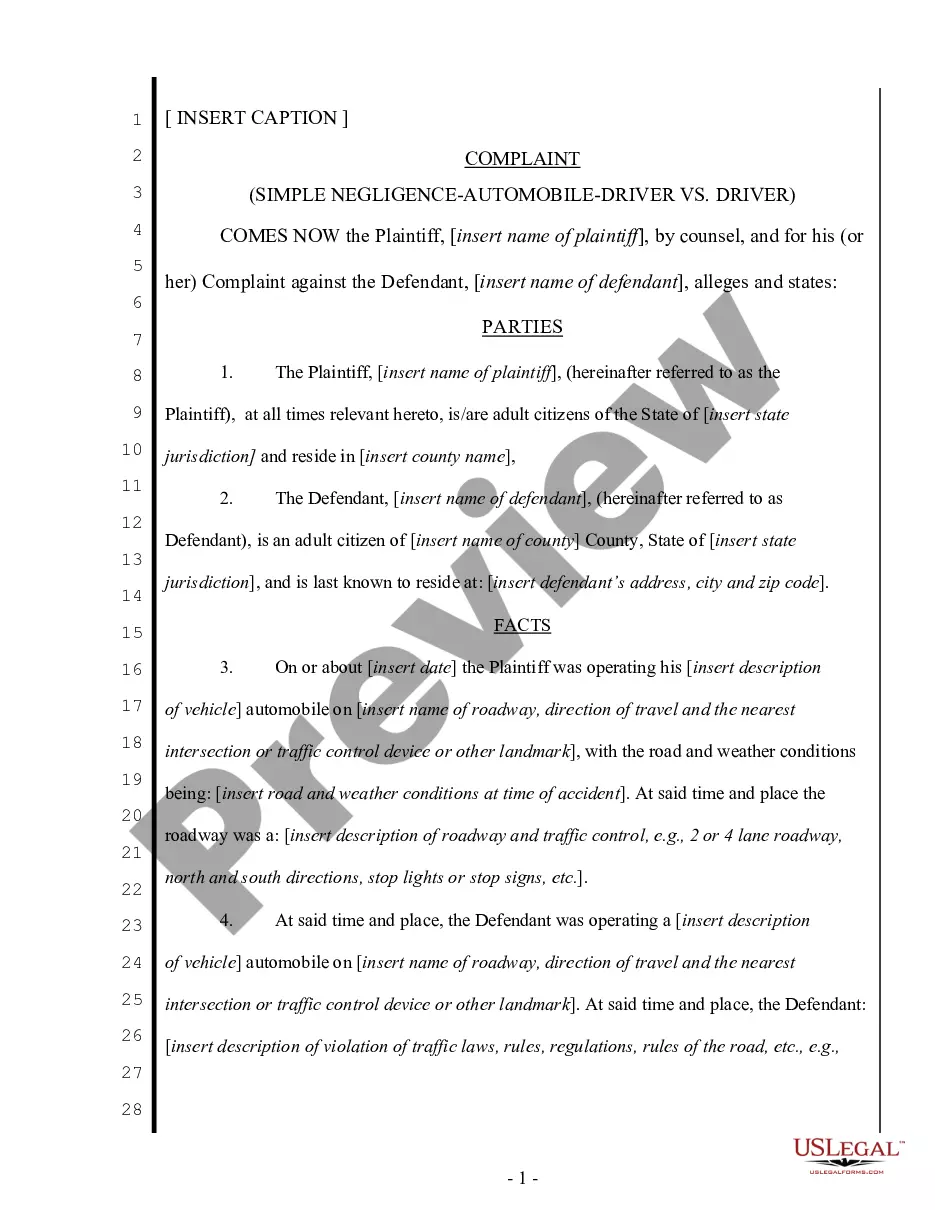
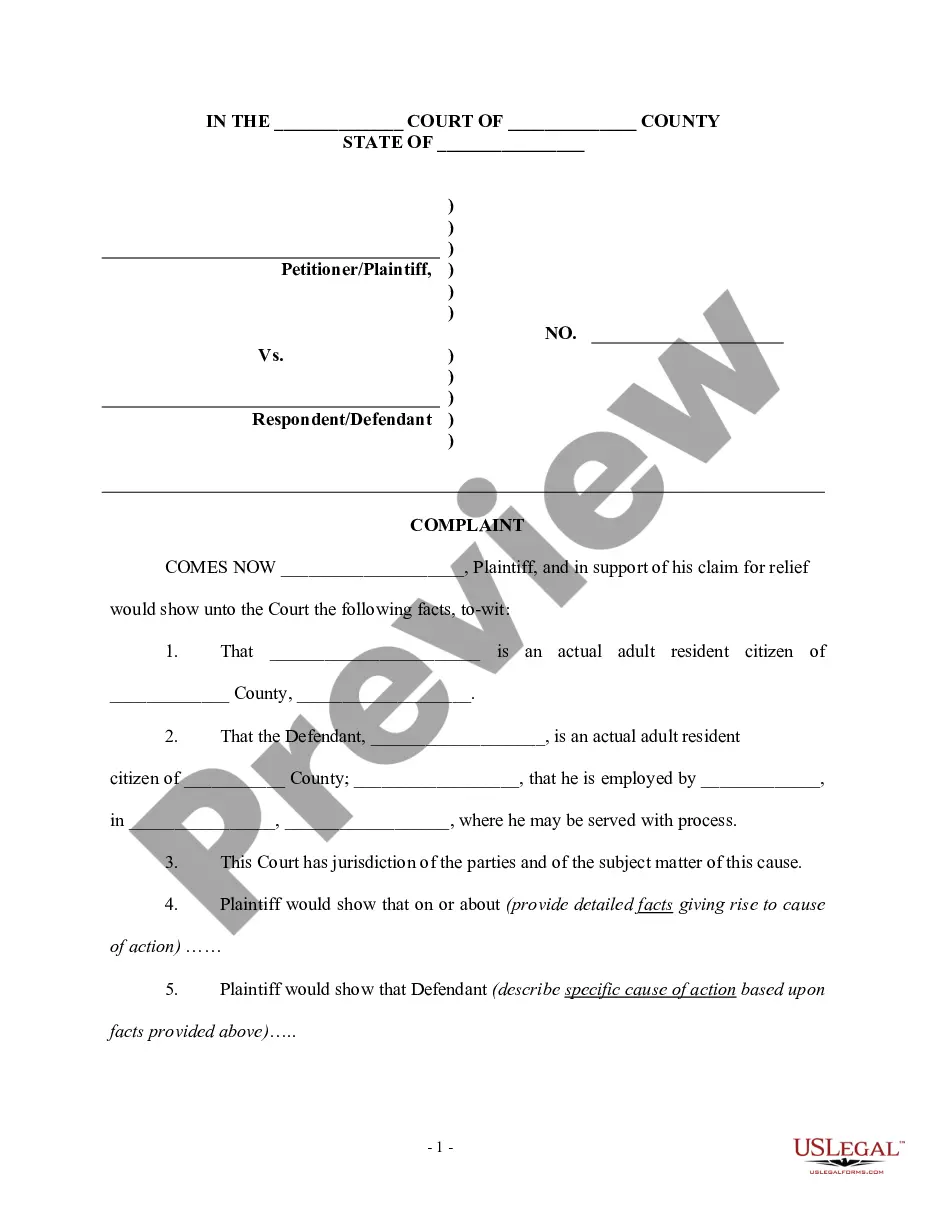
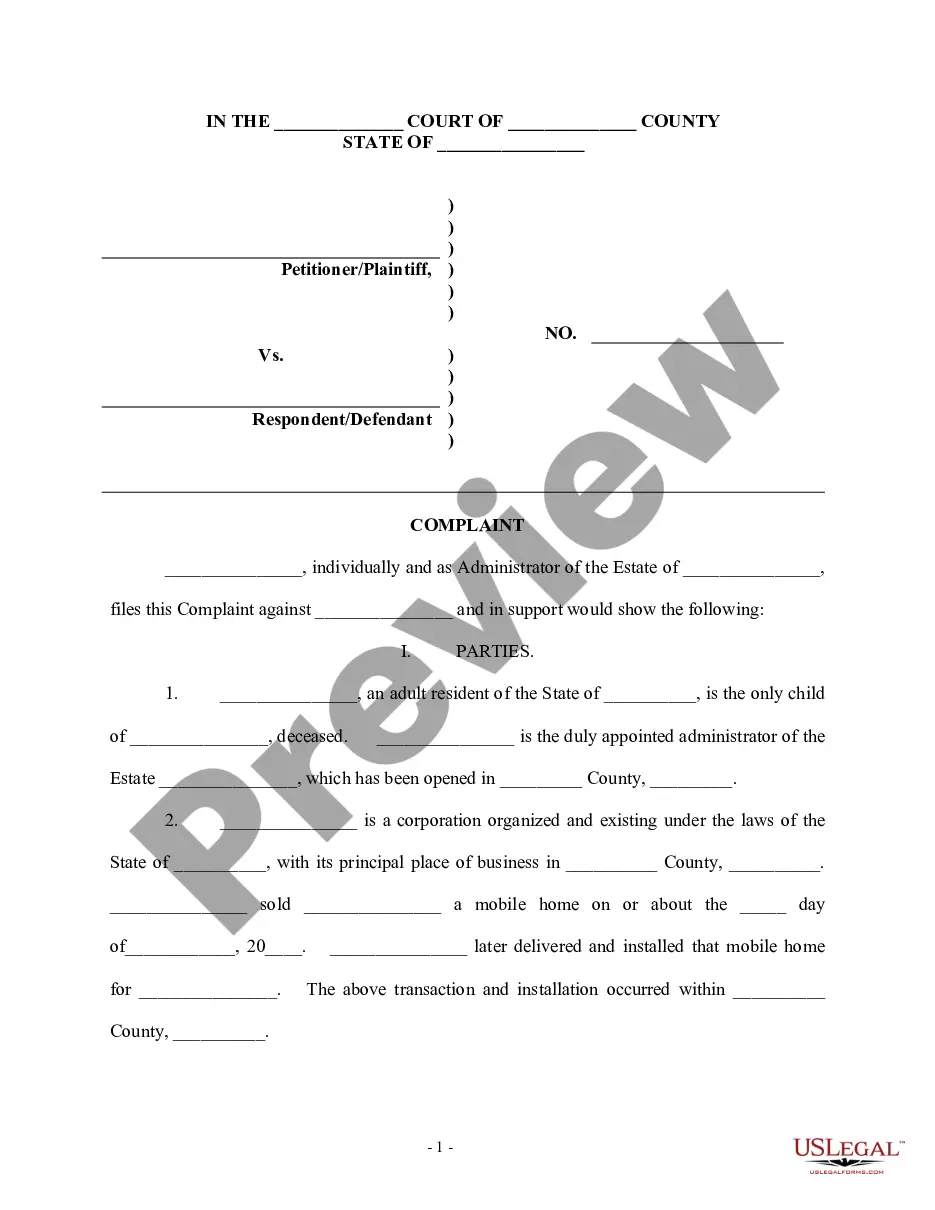
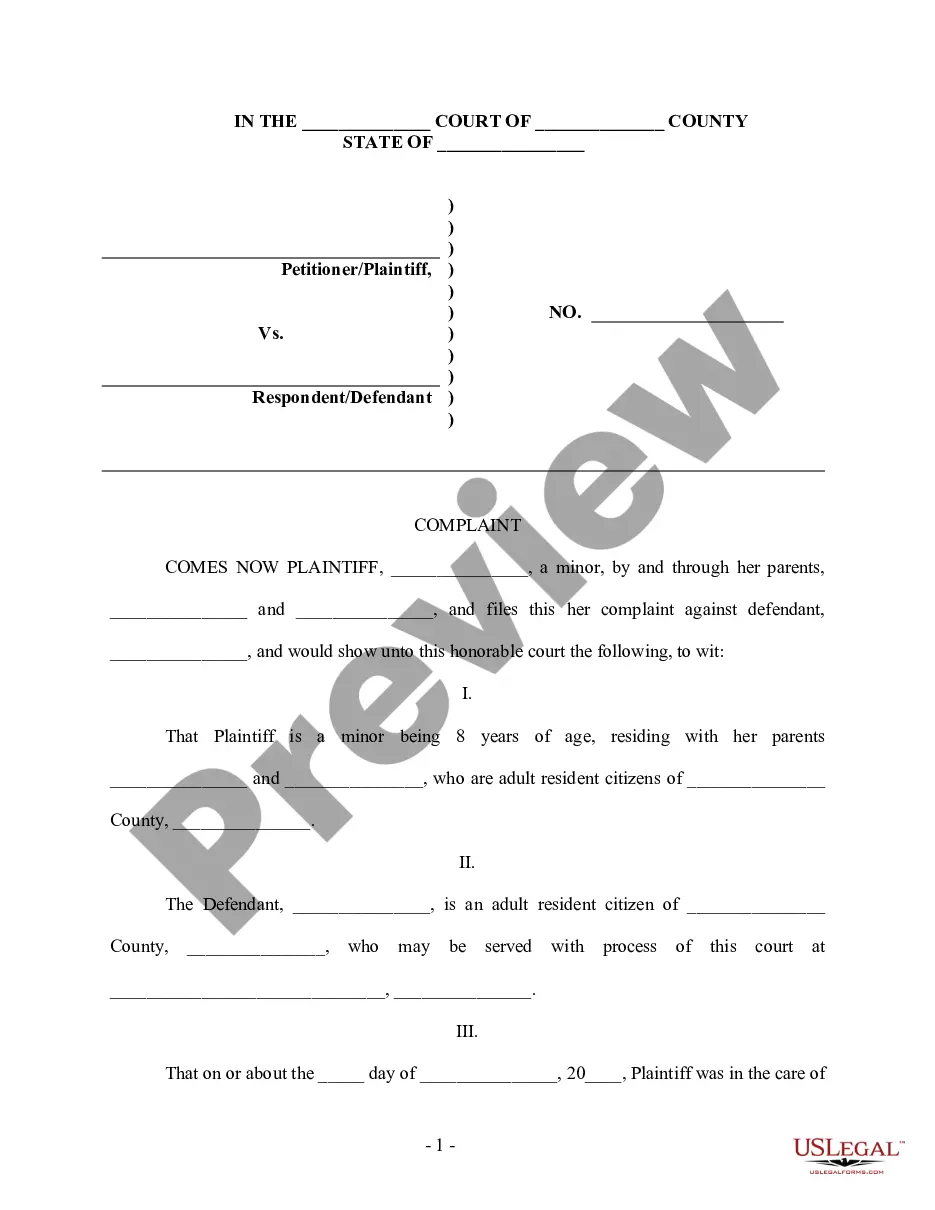
Get your form ready online
Our built-in tools help you complete, sign, share, and store your documents in one place.
Make edits, fill in missing information, and update formatting in US Legal Forms—just like you would in MS Word.
Download a copy, print it, send it by email, or mail it via USPS—whatever works best for your next step.
Sign and collect signatures with our SignNow integration. Send to multiple recipients, set reminders, and more. Go Premium to unlock E-Sign.
If this form requires notarization, complete it online through a secure video call—no need to meet a notary in person or wait for an appointment.
We protect your documents and personal data by following strict security and privacy standards.

Make edits, fill in missing information, and update formatting in US Legal Forms—just like you would in MS Word.

Download a copy, print it, send it by email, or mail it via USPS—whatever works best for your next step.

Sign and collect signatures with our SignNow integration. Send to multiple recipients, set reminders, and more. Go Premium to unlock E-Sign.

If this form requires notarization, complete it online through a secure video call—no need to meet a notary in person or wait for an appointment.

We protect your documents and personal data by following strict security and privacy standards.
Looking for another form?
How to fill out Complaint Regarding Negligence?
The Negligence Grievance Template With Insurance Provider you find on this page is a versatile legal template created by expert attorneys in accordance with federal and state laws.
For over 25 years, US Legal Forms has offered individuals, businesses, and lawyers more than 85,000 authenticated, state-specific documents for any business and personal situation. It’s the quickest, simplest and most dependable method to acquire the paperwork you require, as the service promises bank-level data protection and anti-malware safeguards.
Register with US Legal Forms to have authenticated legal templates for all of life’s situations at your fingertips.
- Search for the document you require and review it.
- Browse the sample you searched and preview it or check the form description to ensure it meets your needs. If it doesn’t, use the search function to find the appropriate one. Click Buy Now after you have found the template you need.
- Choose and Log In.
- Select the pricing plan that works for you and create an account. Use PayPal or a credit card for a swift payment. If you already have an account, Log In and check your subscription to continue.
- Acquire the editable template.
- Choose the format you desire for your Negligence Grievance Template With Insurance Provider (PDF, DOCX, RTF) and download the sample to your device.
- Complete and sign the documentation.
- Print the template to fill it out manually. Alternatively, use an online all-in-one PDF editor to quickly and accurately fill out and sign your form with an electronic signature.
- Download your documents once more.
- Utilize the same document again whenever needed. Access the My documents tab in your profile to redownload any previously saved forms.
Form popularity
FAQ
An example of a negligence claim could involve an insurance company denying a claim without sufficient evidence. For instance, if you filed a claim for damages and the insurer failed to investigate adequately, you might have grounds for a complaint. Utilizing a negligence complaint template with insurance company can help you articulate your situation clearly. This way, you can present a strong case based on the facts surrounding your claim.
Making a complaint against an insurance company involves several steps. First, document your issues and gather any supporting evidence. You may then submit your complaint directly to the company or to a regulatory body if needed. Using a negligence complaint template with insurance company can help you structure your complaint effectively, ensuring that your concerns are addressed.
To write a complaint letter to an insurance company, start with your contact information and the date. Clearly state the purpose of your letter and provide a detailed account of your experience. Use a negligence complaint template with insurance company to guide your writing and ensure you include all relevant facts. Finally, request a specific action or resolution to your complaint.
Using strong words in a complaint can emphasize your position. Words like 'negligence,' 'failure,' 'unacceptable,' and 'resolution' convey seriousness and urgency. When crafting your letter, consider incorporating these terms to strengthen your argument. A negligence complaint template with insurance company can help you find the right language to use in your correspondence.
Writing a powerful complaint letter requires clarity and structure. Begin with a clear statement of your issue, followed by the specific details that support your case. Utilize a negligence complaint template with insurance company to ensure you include all necessary components, such as your contact information and a request for resolution. Remember to maintain a professional tone while expressing your concerns.
To make a formal complaint about an insurance company, start by gathering all relevant documents related to your case. Next, clearly outline the issues you have faced and why you believe the insurance company has acted negligently. You can use a negligence complaint template with insurance company to frame your complaint effectively. Finally, submit your complaint through the insurance company's designated channels, such as their customer service email or online portal.
To prove negligence, you need to establish four key elements: duty, breach, causation, and damages. First, show that the responsible party had a duty of care towards you. Then, demonstrate that they breached this duty, which directly caused your injuries or losses. Using a negligence complaint template with insurance company can help you organize these points clearly for your claim, enhancing your chances of success.
Establishing negligence in insurance involves demonstrating that the responsible party failed to act with reasonable care, resulting in your injury. You must show that this negligence directly caused the damages you experienced. By using a negligence complaint template with insurance company, you can lay out your case systematically, helping to clarify the link between the actions of the other party and the harms you suffered.
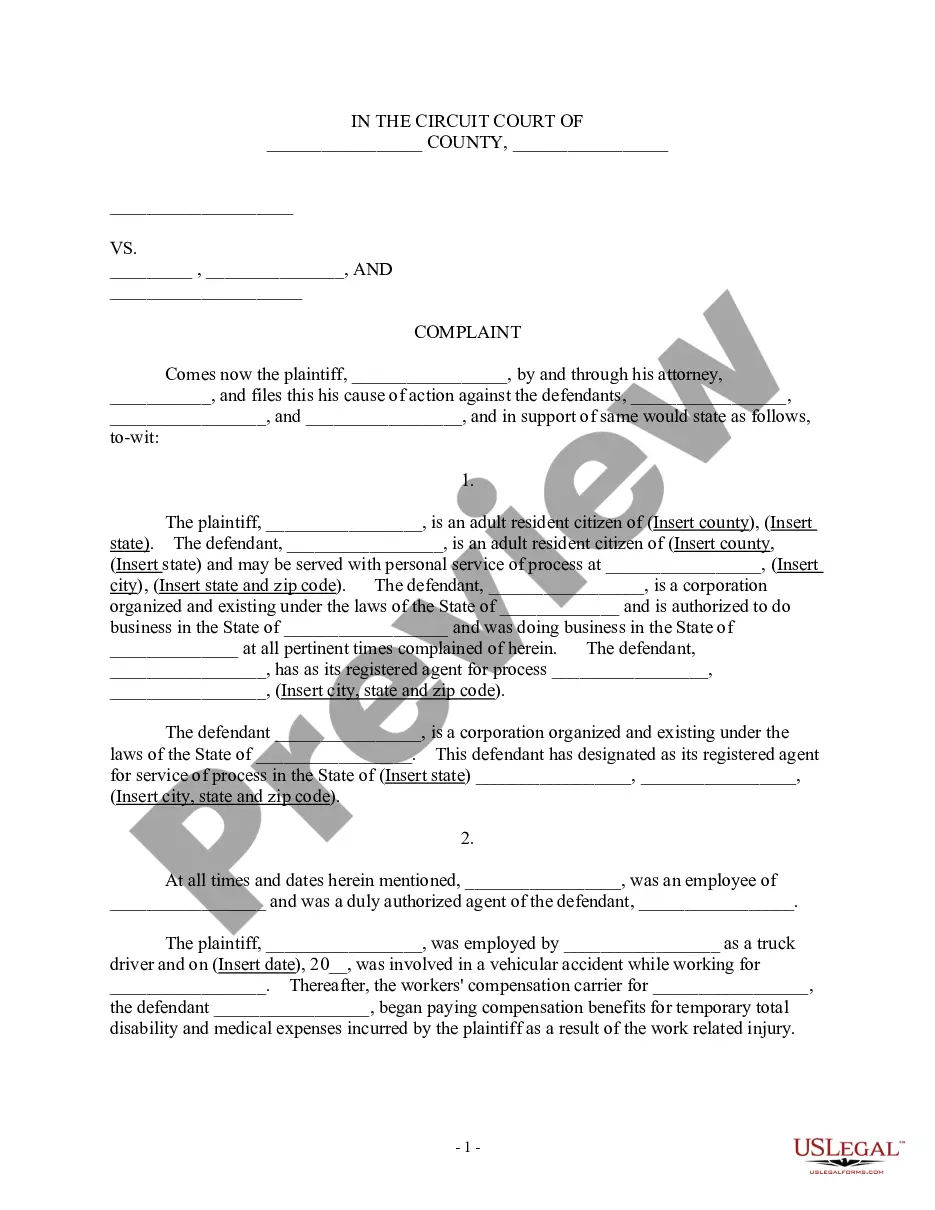
To write a complaint for negligence, begin by clearly stating the facts of the case. Include the specific actions that led to your injury and how they relate to the negligence of the other party. Utilize our negligence complaint template with insurance company to ensure you cover all necessary legal elements and present your case effectively. This template guides you through the required components, making the process simpler.
The four proofs of negligence include duty, breach, causation, and damages. First, you must show that the insurance company had a duty to act responsibly. Next, demonstrate that they breached this duty through their actions or lack of action. Then, establish a direct link between the breach and the damages you suffered. Using a negligence complaint template with insurance company can help you organize these proofs clearly and effectively, ensuring your claim is well-supported.